Proteins
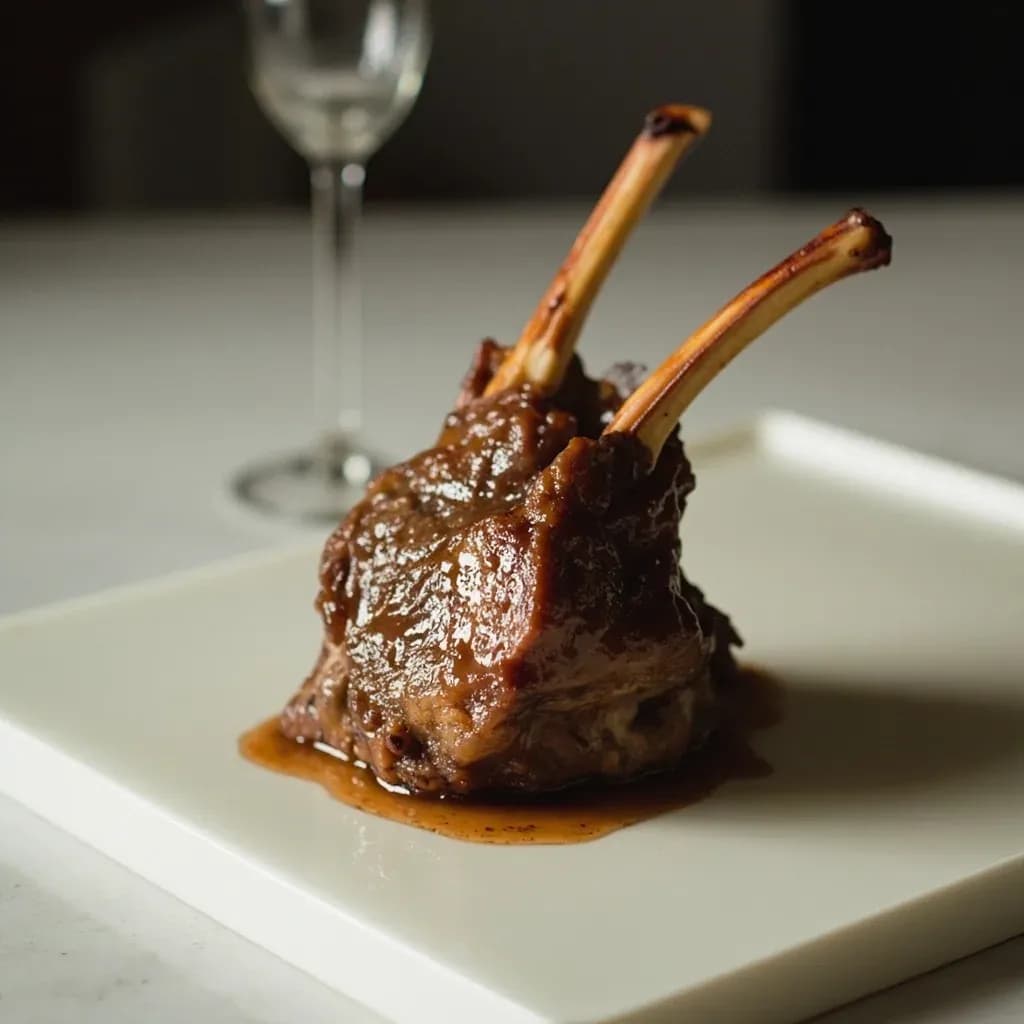
Rack of Lamb
An elegant row of lamb rib chops, roasted whole or French-trimmed for a showpiece centerpiece.
Rack of lamb is the rib section of the lamb, the bones often 'frenched' (scraped clean) for presentation. It is roasted whole and carved into individual chops, or seared and finished in the oven, frequently crusted with herbs, mustard, and breadcrumbs. The meat is tender and delicately gamey, served pink for special occasions.
The rack of lamb is the rib section of the forequarter, comprising the longissimus dorsi—the same muscle that gives beef its prized ribeye—and the rib bones that cradle it. A full American rack contains 7–8 ribs, running from thoracic vertebrae 6 through 12, and weighs roughly 1–1½ pounds per rack. This cut commands premium prices because it represents only a small fraction of the carcass, yet it offers exceptional intramuscular marbling and a buttery, concentrated lamb flavor that few cuts can match. The fat cap, a thin layer atop the muscle, bastes the meat during roasting and is central to keeping the rack moist—trim it before serving for a cleaner look, but never cook the rack without it unless you are searing and braising. French-trimming, the technique of scraping the intercostal meat and silver skin from the exposed bone tips, transforms the rack into an elegant handle for the table; it is labor-intensive but purely cosmetic, developed in French kitchens to allow guests to grip the bone when eating. A properly roasted rack at 130–135 °F presents a blush-pink center with a mahogany crust, delivering the ideal balance of richness and lamb's distinctive mineral, grassy notes. Spring lamb, from animals typically slaughtered at under a year of age, provides the most tender meat with the mildest flavor; older lamb develops more robust, iron-forward character that some cooks prefer.
- Measured in
- piece
- Storage
- Fridge
Types & varieties
The intercostal meat and surface fat are scraped from the exposed bone tips, leaving clean, white bone handles. Standard for fine dining presentations.
Fat cap remains intact over the ribs; bones may be frenched or left covered. The fat bastes the meat during roasting.
The chine bone and residual cartilage are removed for easier carving; ribs are exposed. Common in American steakhouses.
The fat cap (primal fat layer over the ribs) is left fully intact; produces extremely moist results but is less refined in presentation.
Two full racks are curved and tied into a crown shape; the center is often stuffed; makes a dramatic presentation for a table-side carve.
Two racks are arranged facing outward with bones interlaced; the surface is studded with garlic and herbs.
May be split and sold as a 'half rack' of 4 ribs; French-trimmed to a shorter length than the US standard.
Typically from younger, pasture-raised lamb; generally leaner; sold both French-trimmed and with fat cap retained.
French-Trimming Technique
French-trimming requires a sharp boning knife and patience. Work along each bone from the loin side toward the chine bone, scraping with the blade flat against the bone to avoid tearing the delicate intercostal meat. The goal is exposing 2–3 inches of clean bone while preserving the fat cap on the meat side. A poorly trimmed rack will have ragged bone ends and torn silver skin—both detract from presentation and can cause the bones to char during high-heat cooking.
- Keep the blade almost parallel to the bone for clean scraping
- Remove silver skin (connective tissue) from the meat side as well
- Work over a wire rack to catch bones and trimmings
- Reserve trimmings for lamb stock or force meat
Common uses
Tips & pitfalls
- Bring the rack to room temperature for at least 45–60 minutes before cooking to ensure even doneness throughout
- Use a probe thermometer inserted into the center of the thickest muscle; remove from heat 5–10 °F below target temp as carryover cooking will bring it up
- Sear the fat cap in a hot pan or render it fat-side down in the oven first for crisp, golden fat and better browning of the lean
- Season simply—kosher salt and fresh-cracked pepper at minimum; the flavor of quality lamb needs little embellishment
- The most common mistake is overcooking beyond medium-rare; invest in a reliable instant-read thermometer
- When French-trimming, use a sharp boning knife and work with the grain along each bone to avoid tearing the silver skin
- Roast at 400–425 °F for approximately 20–25 minutes total for medium-rare (8-rib rack); use the sear-then-roast method for best crust
- Let the rack rest fat-side up on a wire rack to allow juices to redistribute throughout the meat before carving
Nutrition
Energy
1180 kJ · per 100 g
Where the calories come from
Protein
16.6g
33% DV
Carbs
0g
0% DV
Fat
23.4g
30% DV
Fiber
0g
0% DV
Sugars
0g
of which
Sodium
59mg
3% DV
Source · USDA FoodData Central · approx. Lamb, ground, raw
View on FDC →In the shops
Matched grocery products
No matched grocery products for Rack of Lamb yet.
Good to know
- Cut location
- Rib section of the lamb carcass, typically ribs 6–12
- Primal
- Forequarter (rack is the rib portion of the forequarter)
- Rack count
- Usually 7–8 ribs per rack; 8-rib rack is standard in the US
- Primary muscle
- Longissimus dorsi (the ribeye muscle)
- Ideal serving temp
- 130–135 °F internal for medium-rare
- Rest time
- 10–15 minutes after cooking before carving
- Seasonality
- Year-round; spring lamb has the most tender, mild-flavored meat
- Shelf life (raw)
- 2–3 days refrigerated at 34–36 °F; freeze up to 4 months
Substitutes
- Bone-in lamb rib chops — Cut from the same rib section as the rack (ribs 6–12); can be cooked individually or seared whole and carved; same primal and muscle group.
- Lamb T-bone or pin-bone chops — Include both loin and tenderloin; can be grilled or pan-seared; not a direct substitute for a whole rack but workable in a composed plate.
- Veal rack (carré de veau) — Much larger bones and milder flavor; requires longer cooking; an acceptable alternative for those who prefer very mild red meat.
- Beef ribeye steak (bone-in) — Different animal and flavor profile; similar fat content and cooking technique; acceptable in a red-meat context but not a true culinary substitute.
Pairs with
Also called
Lamb Rib Rack · Frenched Lamb Rack
Related

Egg
The kitchen's everything ingredient — bind, leaven, enrich, or fry

Chicken Breast
Lean, quick-cooking white meat for everyday dinners

Ground Beef
Versatile minced beef for burgers, ragù, tacos, and meatballs

Pork Loin
Lean, tender roasting cut that stays juicy with care

Salmon
Rich, rosy fish that roasts, grills, or cures beautifully

Egg White
Pure protein that whips to airy peaks for meringue and more

Egg Yolk
Rich, golden yolk for custards, mayonnaise, and pasta

Quail Egg
Tiny, speckled eggs for garnishing and elegant bites