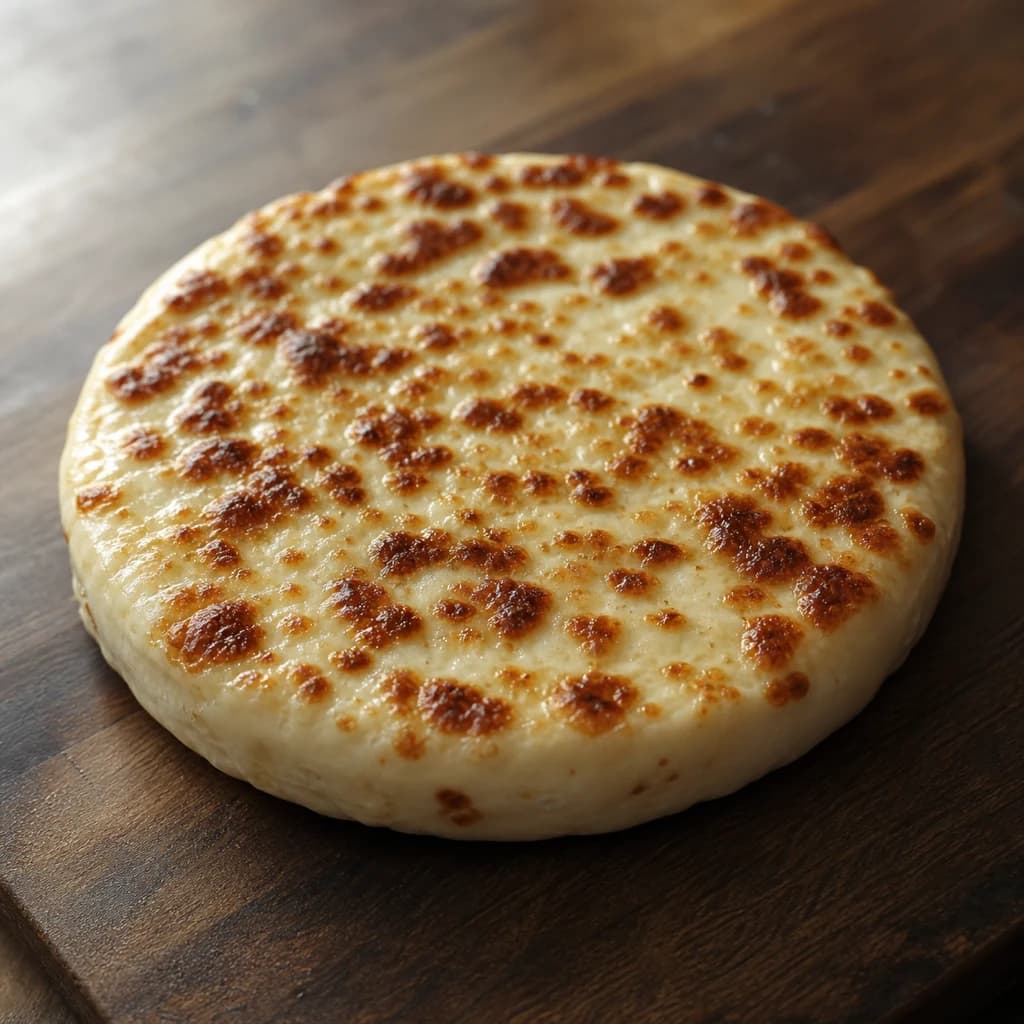
Natural form
A whole disc of leipajuusto straight from the oven, showing its signature golden-brown caramelized spots.
Shows the defining visual identity of the cheese: its disc shape and distinctive baked, blotchy browning that makes it instantly recognizable.
Dairy & Eggs
Leipäjuusto (Bread Cheese)
Finnish squeaky baked cheese with a caramelized, spotted surface, served warm with cloudberry jam.
Leipäjuusto, or Finnish bread cheese, is a fresh cheese traditionally made from cow's milk (originally reindeer or cow colostrum) that is curdled, pressed into a disc, and baked or grilled until it browns in golden spots. It has a mild, milky taste and a famously squeaky texture. It is often warmed and eaten with cloudberry jam or dipped in coffee.
Leipäjuusto is a Finnish fresh cheese made from baked curd, distinguished by its unique preparation: the curd is pressed into loaves, then baked in a hot oven until the surface caramelizes into a deep golden-brown crust marked with darker protein spots. This dry-heat baking — not frying or grilling — is what defines the cheese and creates its character. The interior remains soft, elastic, and yielding, while the warm surface produces the signature 'squeak' against the teeth as the denatured protein bundles catch on enamel. It is a fresh, unripened cheese meant to be eaten warm, soon after baking. The cheese holds Protected Geographical Indication (PGI) status in Finland since 2013, with the Kalajoki region claiming the original tradition. Traditionally made from cow's milk (with reindeer milk used in parts of Lapland), it has a mild, slightly sweet, buttery flavor that functions as a canvas for bold accompaniments — berry jams, honey, smoked fish. Its behavior in the oven is forgiving for a cooked cheese: the crust forms predictably, the interior stays moist, and the window between perfectly baked and overbaked is wide enough for even an inexperienced cook to succeed.
- Measured in
- g
- Storage
- Fridge
Allergens
Types & varieties
Cow's milk baked cheese; PGI-protected name in Finland
Traditional northern variant; richer, slightly more savory; made in Lapland
Cold-smoked over birch after baking; deeper amber color, mild smoky aroma
Viili (Finnish fermented milk) added to the curd; tangier, slightly denser interior
Understanding the crust and the squeak
The dark spotting that appears on leipäjuusto during baking is caramelized milk protein, not burnt cheese — it should smell fragrant and nutty, not acrid. The Maillard reaction and sugar caramelization occur on the surface under dry oven heat, creating a crust that is firm enough to hold its shape but thin enough not to resist a fork. The squeak, which gives the cheese its nickname 'squeaky cheese,' is produced when the denatured protein fibers in the warm cheese catch against tooth enamel. It is most pronounced in the first few minutes out of the oven and diminishes rapidly as the cheese cools. This is why timing at the table matters more than any other factor in working with leipäjuusto.
- The squeak is a textural signal of proper baking — underbaked cheese will not squeak
Buying and selecting
When purchasing unbaked loaves, look for a smooth, uncracked surface and a fresh bake-by date. The cheese should feel firm and heavy for its size, indicating good moisture content. Vacuum-sealed loaves are preferable to loose-cut pieces, which may have begun to dry at the edges. In Scandinavian specialty stores, you will often find it sold whole or pre-sliced; whole loaves give you more control over baking and presentation. If you see it labeled 'Finnish grill cheese,' that is the same product — the name reflects its use on Scandinavian grills and BBQs.
- Avoid loaves with any discoloration, dried edges, or bulging packaging
- Sliced pieces bake faster and are convenient for weeknight cooking
- Frozen loaves are a reliable option — quality holds well for up to 3 months
Common uses
Tips & pitfalls
- Bring to room temperature before baking for even cooking throughout — cold from the fridge produces an overbaked crust with an underdone center
- Score the surface lightly with a knife before baking to control where the crust forms and prevent excessive blistering
- Bake at 200–225°C (390–440°F) for 15–20 minutes until the surface is deeply golden with dark spots; do not flip
- The squeak is at its peak the moment it comes out of the oven — serve immediately
- If reheating leftover baked cheese, a hot dry skillet or grill pan restores more of the squeak than a microwave
- Do not overbake or the interior will dry out and lose its yielding texture — you want a barely-set, custardy center
- Pressing sliced pieces briefly in a hot pan gives the classic caramelized crust without baking a whole loaf
- For a smoked variant, use cold-smoked only after baking; hot smoking will melt the cheese
- The dark spotting on the surface is caramelized milk protein, not burnt areas — it should smell fragrant, not charred
Nutrition
Energy
1707 kJ · per 100 g
Where the calories come from
Protein
10.4g
21% DV
Carbs
44.8g
16% DV
Fat
20.8g
27% DV
Fiber
2.1g
8% DV
Sugars
2.1g
of which
Sodium
750mg
33% DV
Source · USDA FoodData Central · Bread, cheese
View on FDC →In the shops
Matched grocery products
No matched grocery products for Leipäjuusto (Bread Cheese) yet.
Good to know
- Origin
- Finland (Kalajoki region claims the original; national PGI since 2013)
- Primary milk
- Cow's milk (reindeer milk used in parts of Lapland)
- Cheese type
- Fresh, baked curd cheese; not aged or ripened
- Fat content
- Typically ~27% fat in the finished cheese (whole milk base)
- Texture
- Firm but pliable; squeaky on the teeth when warm due to denatured protein bundles
- Surface after baking
- Caramelized golden-brown with distinct darker spots; matte, slightly blistered crust
- Interior when warm
- Soft, yielding, elastic; stretches slightly when pulled apart
- Color (unbaked)
- Pale ivory to pale yellow, smooth surface
- Typical size
- Loaves roughly 15–20 cm × 10–12 cm × 4–5 cm; sold whole, half, or sliced
- Storage (unbaked)
- Refrigerate, use within 2–3 weeks before bake-by date; vacuum-sealed keeps longer
- Storage (baked)
- Best eaten immediately; can be refrigerated and reheated, though texture firms
- Freezing
- Unbaked loaves freeze well up to 3 months; thaw fully in refrigerator before baking
- Lactose
- Naturally low in lactose due to whey removal during production; fresh baked cheeses contain minimal lactose
- Availability
- Scandinavian and specialty grocery stores; also sold as "Finnish grill cheese" or "squeaky cheese"
Substitutes
- Halloumi — Similar firm-but-melting behavior under heat; less sweet, no caramelized crust; not a true baked cheese but the closest widely available substitute
- Paneer (fresh, unbaked) — Bakes similarly with a golden crust but lacks the squeak and elasticity; crumbles rather than stretches
- Queso blanco — Firm fresh cheese that browns under heat but has a different texture and no squeak
- Ossau-Iraty or other baking-grade sheep's milk cheese — Partial substitute in warm salads; does not develop the same crust
Pairs with
Also called
leipäjuusto · leipajuusto · bread cheese · juustoleipä · Finnish squeaky cheese
Related

Whole Milk
Rich, full-fat milk for drinking, coffee, sauces, and baking
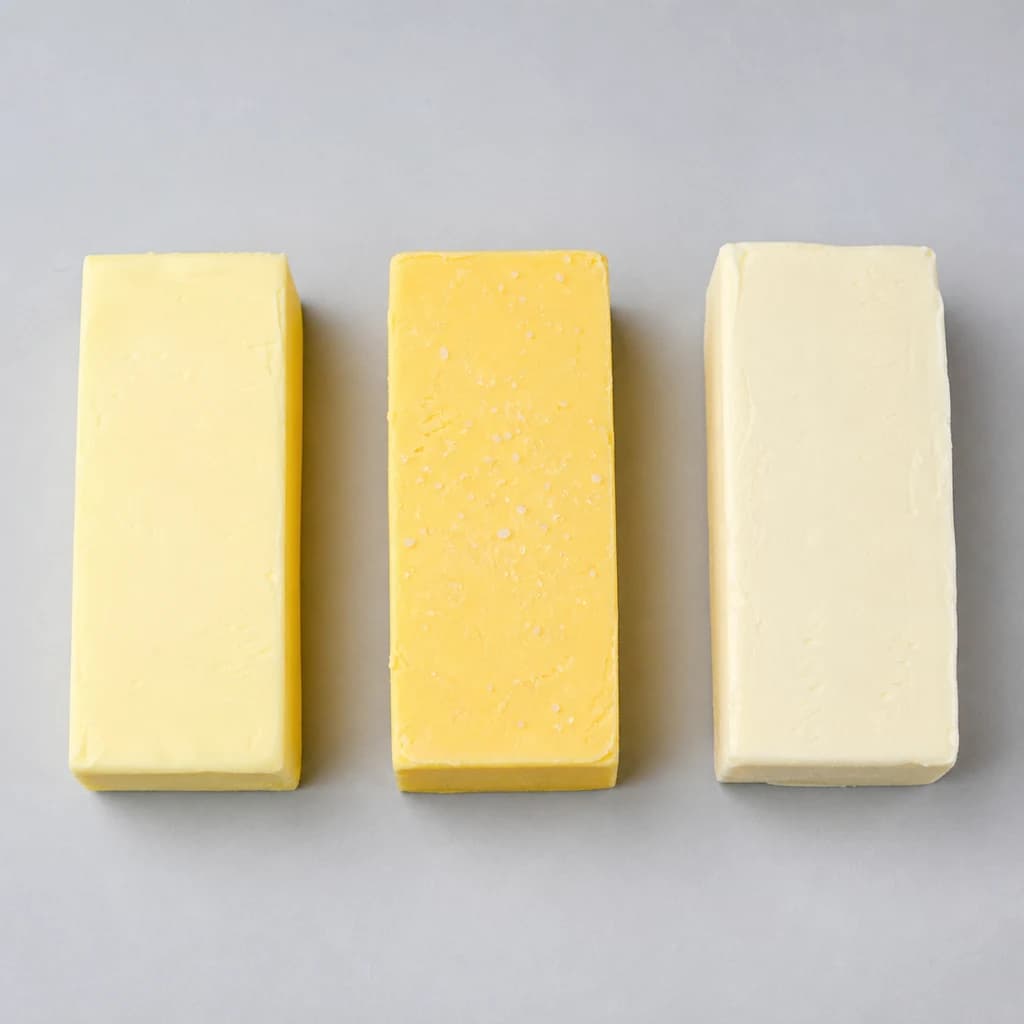
Butter
Golden fat for searing, baking, and finishing a sauce
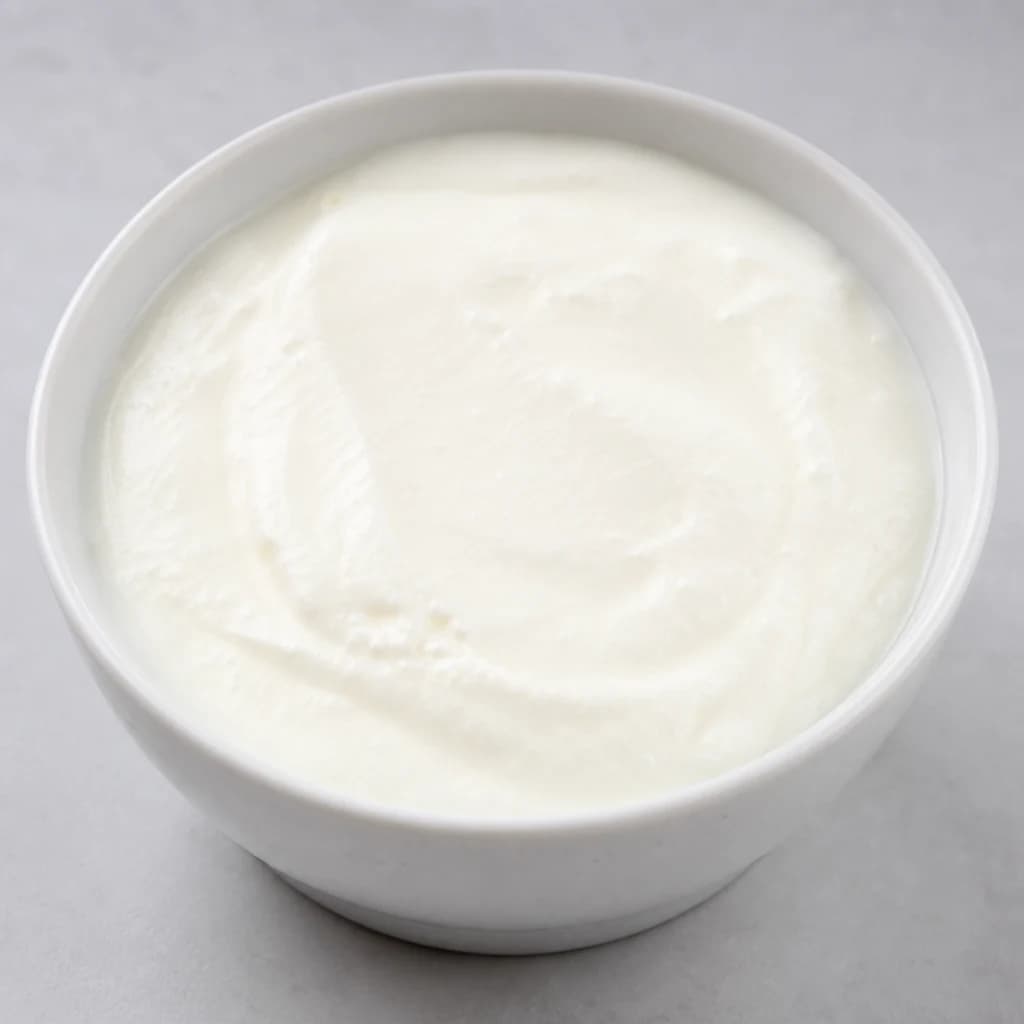
Yogurt
Tangy, creamy culture for breakfast, sauces, and marinades
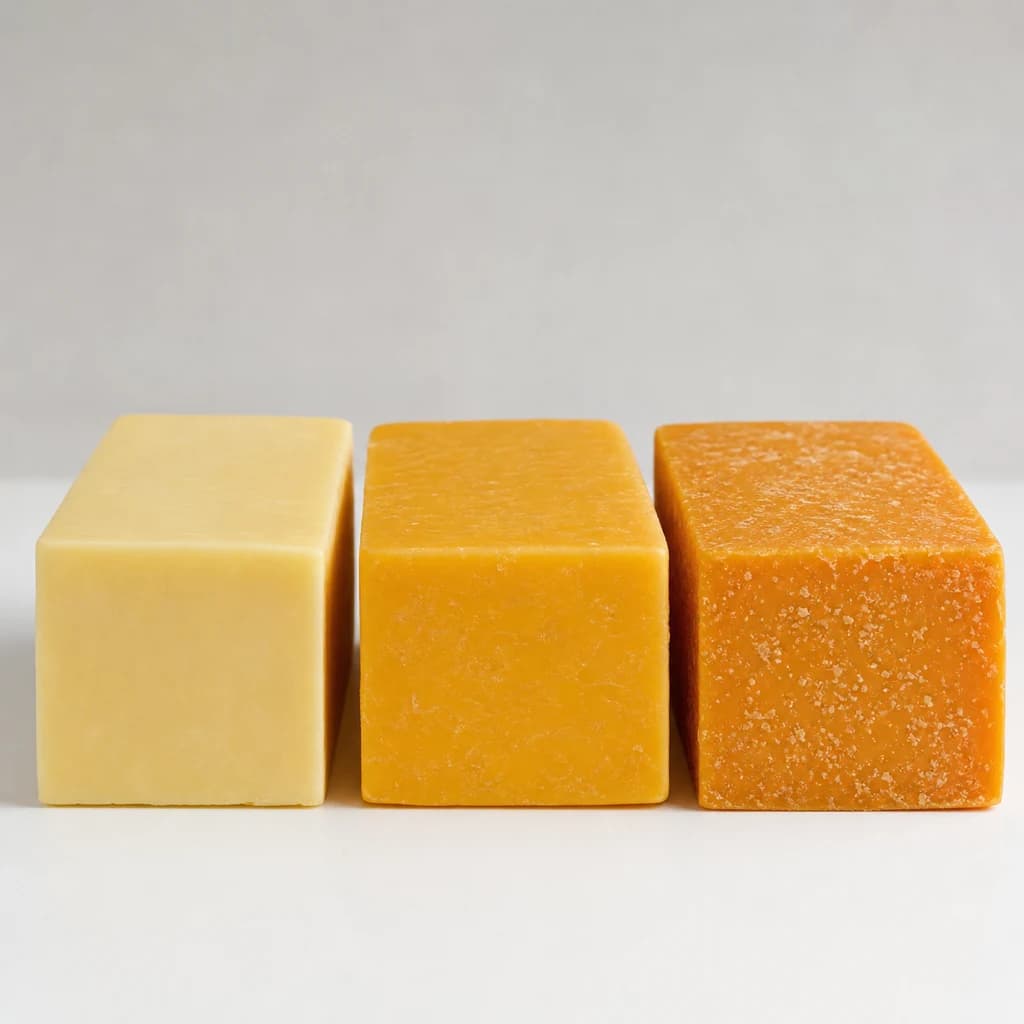
Cheddar Cheese
Sharp, melty cheese for sandwiches, gratins, and grating
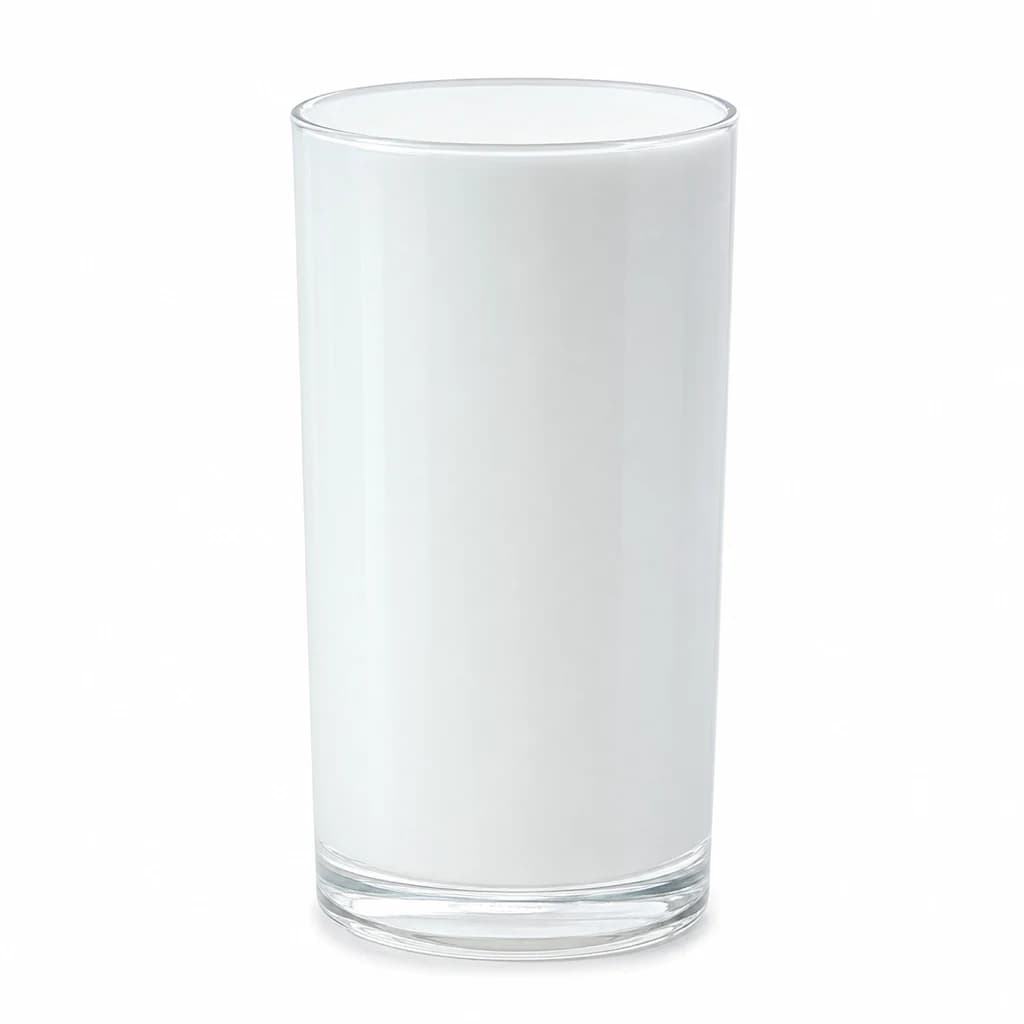
Skim Milk
Fat-free milk for lighter drinking, coffee, and cooking
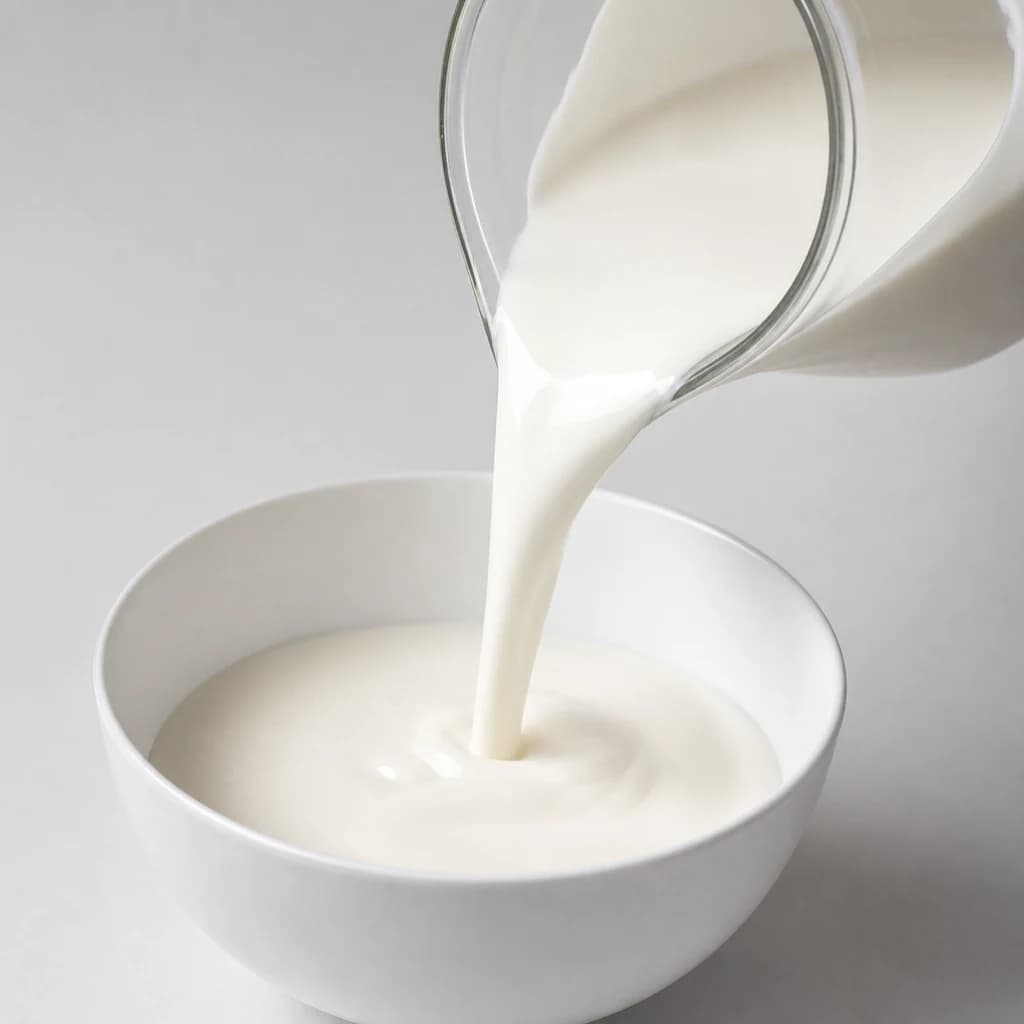
Heavy Cream
Rich cream that whips, enriches sauces, and sets ganache

Sour Cream
Tangy, thick cream for dolloping, baking, and dips
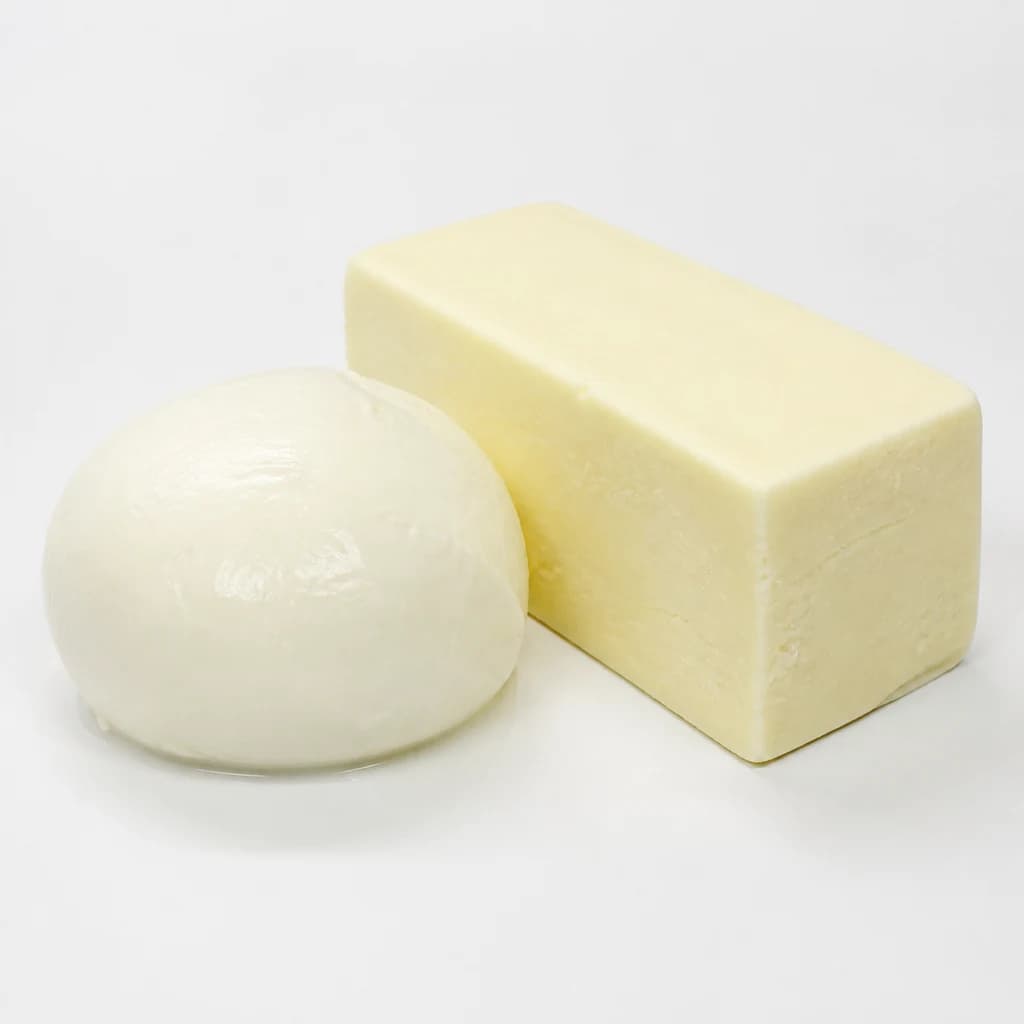
Mozzarella
Soft, milky cheese that melts into stretchy pizza pulls