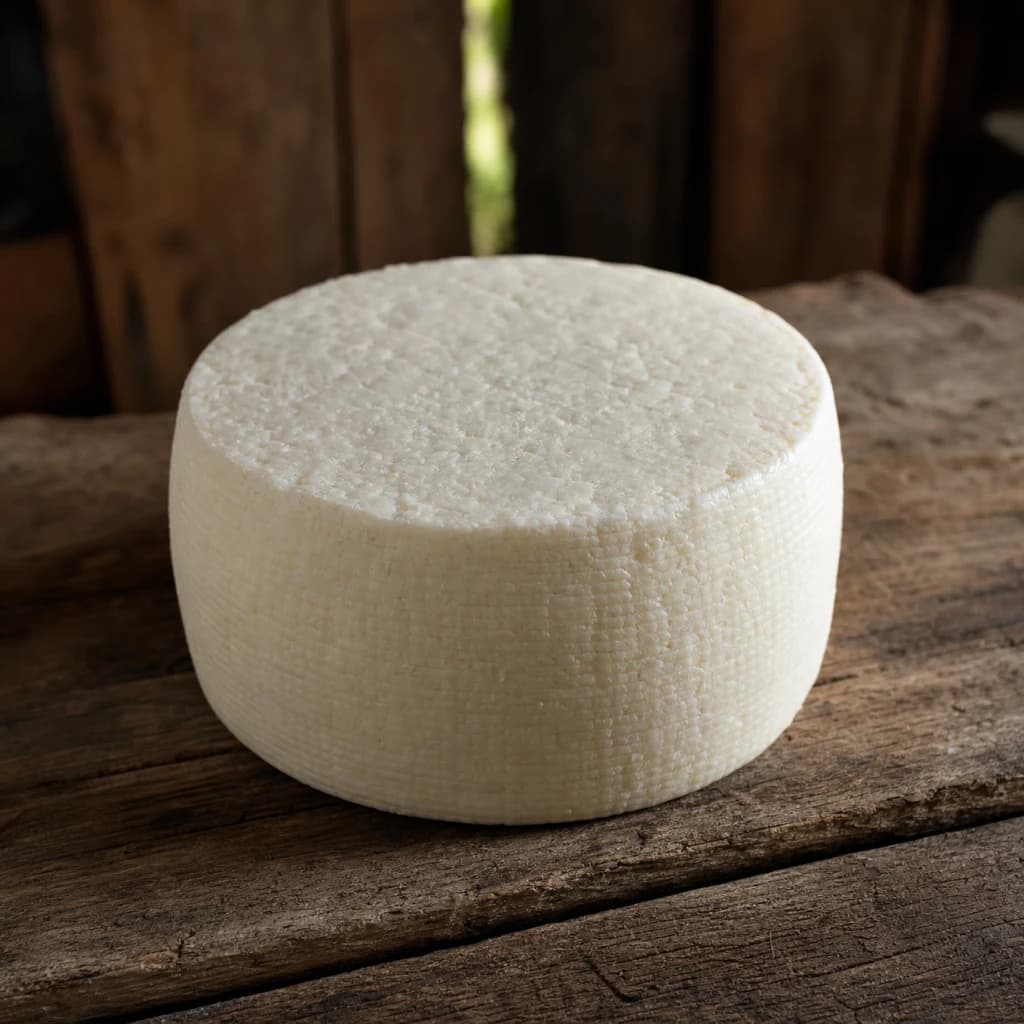
Natural form
A whole wheel of Queso Llanero — firm, dry, and intensely white.
Shows the cheese in its characteristic wheel form, revealing the firm dry texture and stark white color that define the cheese.
Dairy & Eggs
Llanero Cheese (Queso Llanero)
Firm, salty Venezuelan plains cheese used in arepas, cachapas, and frying.
Queso Llanero is a firm, dry, very salty white cheese from the Venezuelan and Colombian plains (los llanos). It holds its shape when heated, so it is grated or sliced into arepas, cachapas, and empanadas. Its strong salinity means it is often used in small amounts as a seasoning cheese.
Queso Llanero is a hard, salty cheese forged in the demanding climate of Venezuela's Los Llanos—the vast floodplain where cattle ranching has shaped culture and cuisine for centuries. Its high salt content and dense, firm texture are not stylistic choices but functional adaptations: salt preserves milk in a region where refrigeration was historically scarce, while the compact structure allows the cheese to withstand the high heat of pan-frying without dissolving into grease. The result is a cheese that behaves unlike most others: it resists full melting, instead developing a golden crust while the interior softens just enough to yield beneath the teeth. Queso Llanero is the backbone of llanero cooking—practical, durable, and deeply embedded in daily meals from simple breakfast plates to festive stuffed corn cakes. Its flavor is clean and lactic upfront, with a savory-salt finish that anchors rather than overwhelms the dishes it inhabits.
- Measured in
- g
- Storage
- Fridge
Allergens
Types & varieties
Classic cow's milk version; most common in commercial production and the standard reference point
Goat's milk variant; slightly tangier and more delicate in flavor; primarily artisanal
Whole-milk version; richer and creamier in the interior; best for eating sliced
Partially skimmed; firmer texture and slightly less rich; preferred for frying by some cooks
Smoked variant; adds wood-smoke depth; browns faster than unsmoked when heated
The Llanero Context
Los Llanos is not merely a place but a way of life. This immense floodplain straddles central Venezuela and extends into eastern Colombia, characterized by dramatic wet and dry seasons that historically isolated communities from reliable infrastructure. In this environment, cheese had to travel, keep, and perform under conditions that would destroy more delicate products. Queso Llanero evolved to meet those demands—high in salt, low in moisture, and structured to hold together whether fried over an open flame in a cowboy's camp or added to a slow-cooking stew at home. Today, production ranges from small-batch artisanal curds hung in cloth bags to modern vacuum-sealed blocks, but the essential character remains unchanged.
- The cheese takes its name from llanero, the iconic horsemen of the plains—these cowboys traditionally carried the cheese on long cattle drives
- Traditional methods include cuajada colgado, where curds are hung in cloth to drain, producing a very firm product
- Modern industrial versions sacrifice some complexity for consistency and longer shelf life
Buying and Storing
In Latin grocery stores, Queso Llanero typically sits in the refrigerator case near other Venezuelan products, often submerged in brine within plastic containers. Quality varies widely. Press the surface gently with a fingertip—fresh cheese feels dense and springs back without leaving deep impressions. The color should be white to off-white with no grayish tinge. Avoid pieces with visible moisture on the surface or a wet, weeping exterior, which indicates improper storage or age. Once home, the cheese must stay submerged in its packing brine or a 10% saltwater solution. Floating cheese develops dry spots within days and off-flavors within a week. A properly stored piece will remain serviceable for 2–3 weeks, though flavor and texture peak in the first two weeks after purchase.
- If the brine smells sour or the cheese surface feels tacky, it has passed its prime
- Ammonia or sour notes on the nose signal that the fat has begun breaking down—still usable for frying but not for slicing or eating plain
- For grating, cold cheese (chilled 30 minutes) yields cleaner, less gummy shreds than room-temperature cheese
Common uses
Tips & pitfalls
- Always fry or sear over high heat — low heat causes the cheese to sweat moisture, turn rubbery, and stick to the pan
- Let the cheese develop a crust for 30–60 seconds before flipping; premature movement tears the surface and releases the fats prematurely
- Store submerged in brine at all times; even a few hours exposed to refrigerator air creates dry patches that degrade texture
- If the cheese smells sour, ammonia-like, or overly fermented, it has passed peak freshness — still acceptable for frying but not for slicing or eating out of hand
- Never substitute with soft, wet cheeses like ricotta, requesón, or cream cheese — they lack the structural integrity for frying and will dissolve into a greasy mess
- When buying, press the surface gently — it should feel dense and spring back without leaving deep impressions
- The smoked variant browns significantly faster than unsmoked; reduce heat by one notch when frying to prevent burning before the interior warms
- For best grating quality, chill the cheese 30 minutes before grating; slightly cold cheese yields cleaner, less gummy shreds
Nutrition
Energy
1628 kJ · per 100 g
Where the calories come from
Protein
25.6g
51% DV
Carbs
1.6g
1% DV
Fat
31.1g
40% DV
Fiber
0g
0% DV
Sugars
1.6g
of which
Sodium
800mg
35% DV
Source · USDA FoodData Central · approx. Cheese, fontina
View on FDC →In the shops
Matched grocery products
No matched grocery products for Llanero Cheese (Queso Llanero) yet.
Good to know
- Origin
- Los Llanos plains region, Venezuela; primarily produced in the states of Apure, Barinas, and Cojedes
- Primary Milk
- Cow's milk; some artisanal versions use goat milk or mixed milk
- Texture
- Firm and dense; slices hold shape firmly when heated
- Flavor
- Savory-salt with mildly tangy, clean lactic notes; no bitter aftertaste when fresh
- Salt Content
- High — traditionally preserved with salt; brine-packed variants are standard
- Melting Behavior
- Resists full melting; fries to a crisp exterior while center softens but holds form
- Shelf Life
- Refrigerated: 2–3 weeks; must stay submerged in brine to maintain quality
Substitutes
- Queso Blanco (Colombian or Latin style) — Closest texture and salt level; fries well and holds shape. Best 1:1 substitute for both frying and grating.
- Queso Panela / Queso Filadelfia — Slightly softer but still firm enough for frying; slightly lower salt. Mexican-style panela is most reliable.
- Feta (block-style, not pre-crumbled) — Similar saltiness and crumb texture; crumbles rather than slices cleanly. Acceptable in salads and cold applications; poor for frying.
- Halloumi — Comparable frying performance — holds shape and develops a crispy crust. Significantly saltier; rinse briefly under water before use.
- Ricotta Salata — Dry, firm, and salty; crumbles easily. Works in salads and cold applications; too dry for successful frying.
Pairs with
Also called
Telita Cheese · Queso Llanero
Related

Whole Milk
Rich, full-fat milk for drinking, coffee, sauces, and baking
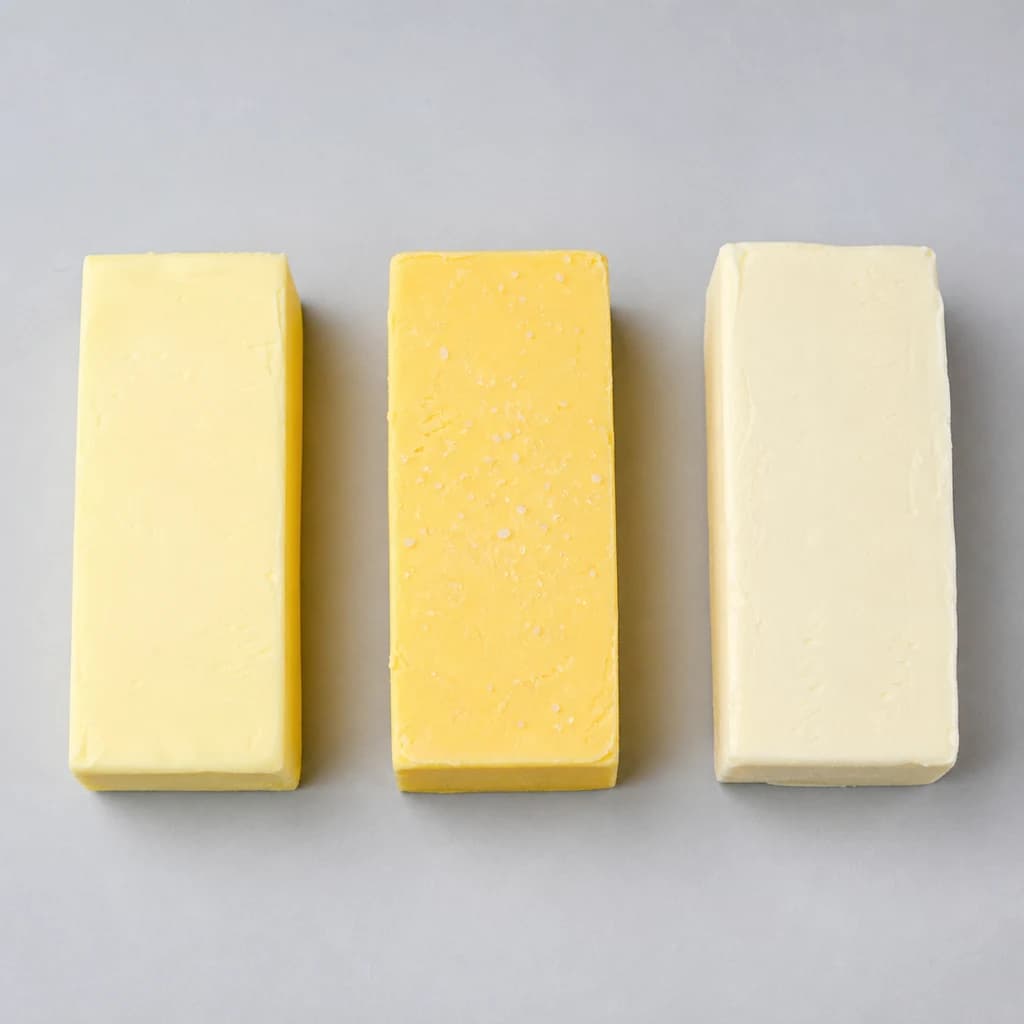
Butter
Golden fat for searing, baking, and finishing a sauce
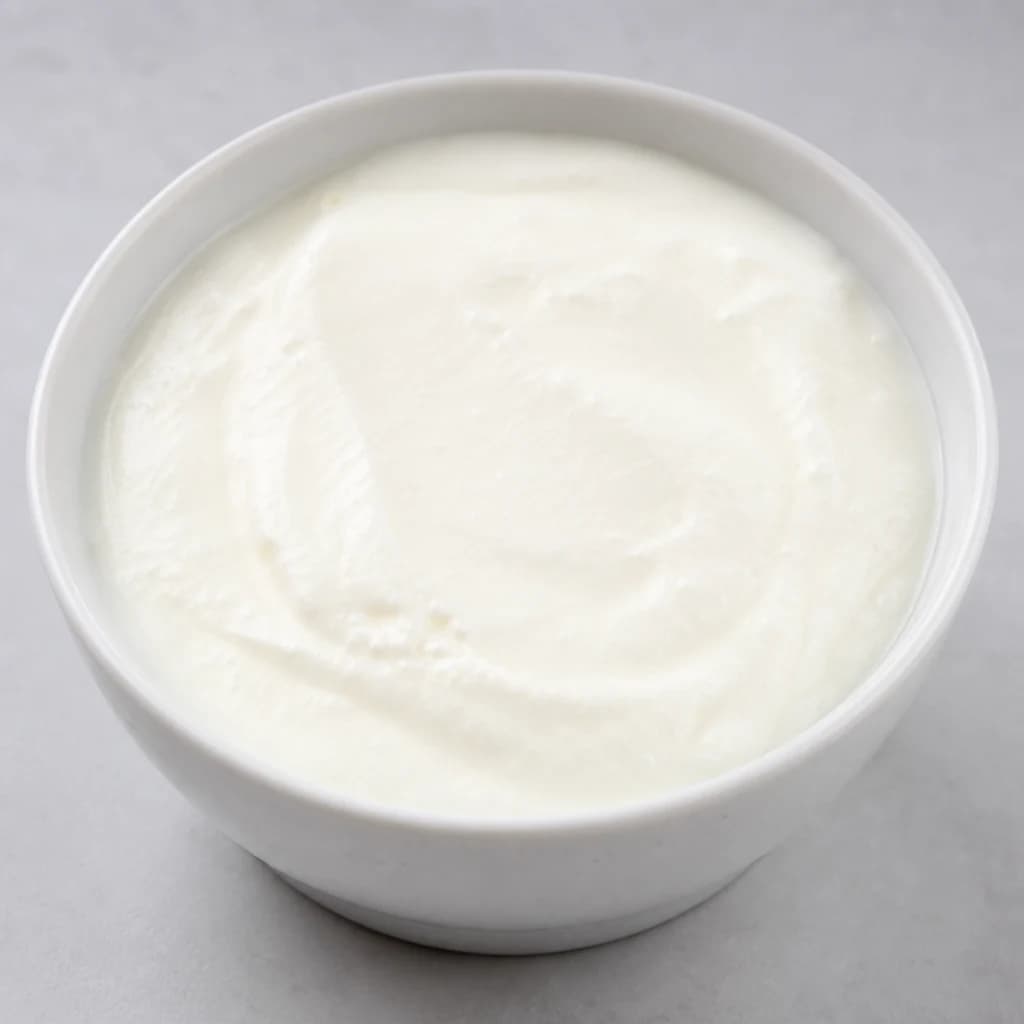
Yogurt
Tangy, creamy culture for breakfast, sauces, and marinades
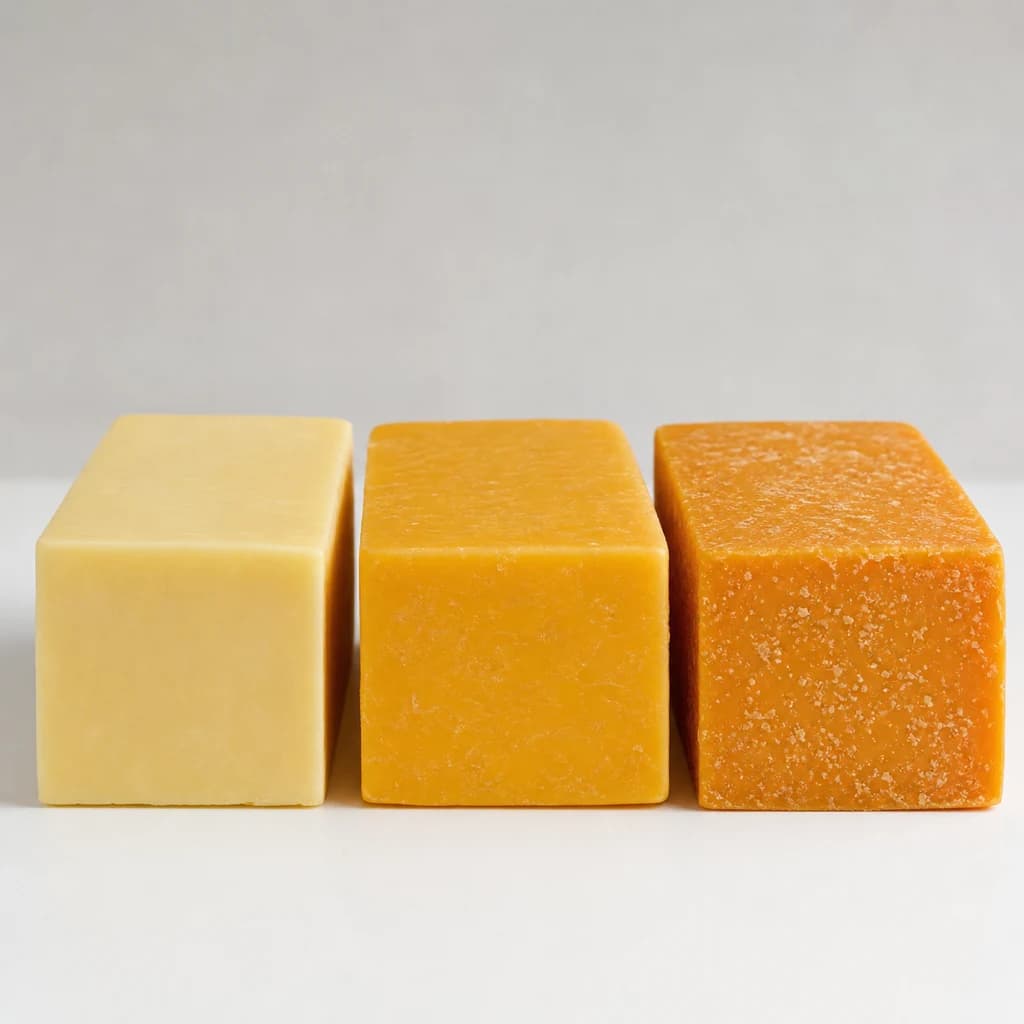
Cheddar Cheese
Sharp, melty cheese for sandwiches, gratins, and grating

Skim Milk
Fat-free milk for lighter drinking, coffee, and cooking
Heavy Cream
Rich cream that whips, enriches sauces, and sets ganache

Sour Cream
Tangy, thick cream for dolloping, baking, and dips
Mozzarella
Soft, milky cheese that melts into stretchy pizza pulls