Produce
Lúcuma
Andean fruit with maple-sweet, dry flesh; a favorite Peruvian ice-cream flavor.
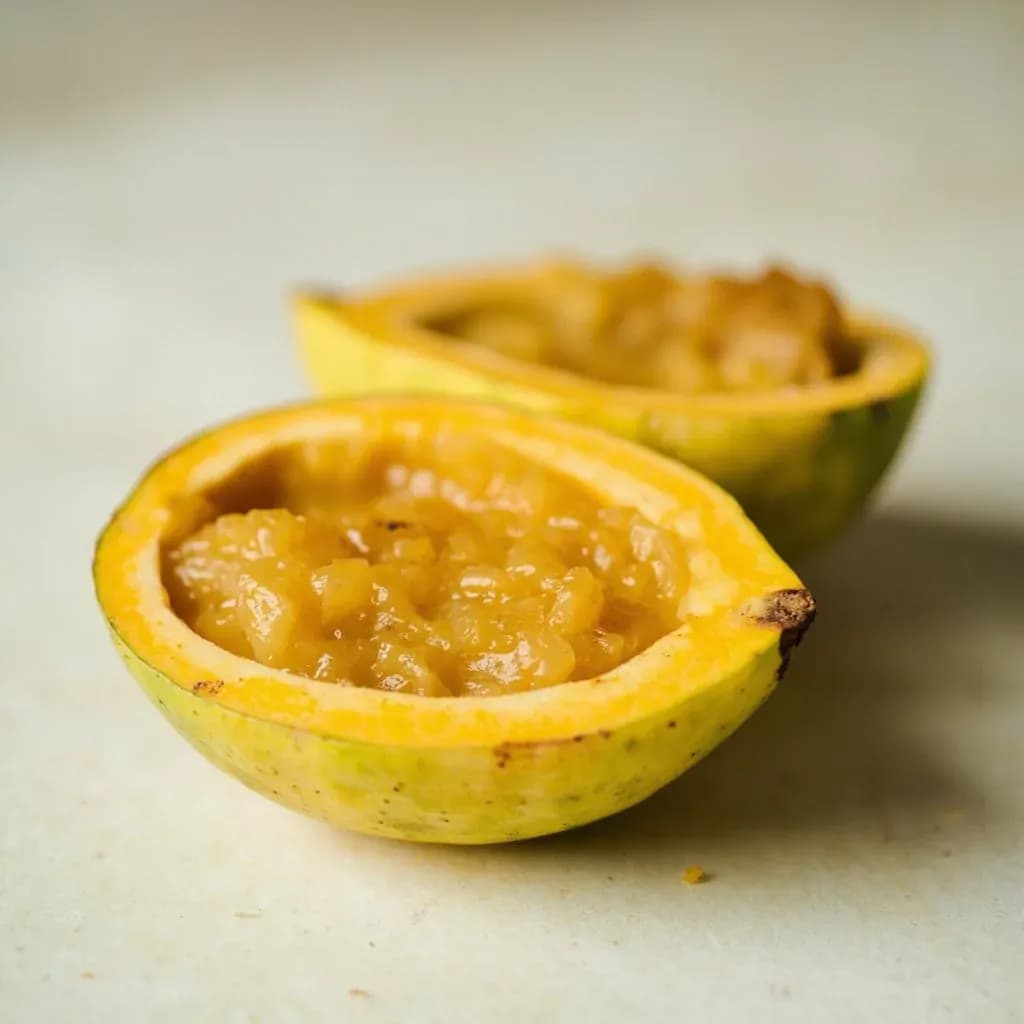
Lucuma is a Peruvian Andean fruit with golden, dry, starchy flesh that tastes of maple, sweet potato, and caramel. Rarely eaten raw, it is pureed or dried into powder to flavor ice cream, mousses, cakes, and milkshakes, and is one of Peru's most popular dessert flavors. Its natural sweetness makes it a common low-glycemic sugar alternative.
Lúcuma (Pouteria lucuma) is a tropical fruit from the Sapotaceae family, cultivated in the Andean valleys of Peru, Ecuador, Bolivia, and northern Chile for over two millennia. It was a dietary staple of pre-Columbian civilizations including the Moche and Nazca cultures. The fruit grows at altitudes of 1,000–3,000 meters on trees that begin fruiting three to five years after planting, reaching 8–12 cm in diameter—roughly the size of a baseball to a small soccer ball.
What sets lúcuma apart from most tropical fruits is its dry, dense, mealy flesh rather than juicy pulp. The skin is thin, transitioning from greenish-yellow to dull brown when ripe, while the flesh ranges from bright yellow to deep orange-yellow. Its flavor compounds deliver a distinctive maple-caramel sweetness with notes of sweet potato and egg custard—so pronounced that the fruit earned the traditional Spanish name "fruta de huevo" (egg fruit). Fully ripe lúcuma measures 25–30° Brix, making it intensely sweet.
The fruit is notoriously difficult to transport internationally when fresh due to its delicate ripening and short three-to-five-day shelf life. This is why lúcuma is most widely known outside South America in its dried and powdered form—produced by slicing ripe fruit and drying it at low temperatures, then grinding to a fine powder that keeps for six months or more. The powder has become a significant Peruvian agricultural export and is increasingly available in health-food stores globally. Fresh lúcuma, when available, offers a more complex, earthy sweetness than the concentrated powder.
- Measured in
- piece
- Storage
- Fridge
Types & varieties
Round fruit; considered among the highest quality with very sweet flesh
Oval to round; common commercial variety; excellent for drying
Distinctly elongated shape; less common
Regional type found in higher elevations
Common uses
Tips & pitfalls
- Never eat unripe lúcuma—the flesh is starchy and astringent; wait until the skin yields slightly under gentle pressure
- Ripe lúcuma should feel dense and heavy for its size with no soft spots; avoid fruit with greenish skin
- The flesh does not separate cleanly from the skin like a peach—use a spoon to scoop or scrape it out
- When using fresh flesh in smoothies or batters, add a splash of liquid (milk, water) to achieve a smooth blend
- Lúcuma powder is intensely sweet—reduce other sweeteners by 30–50% when substituting for sugar
- Commercial lúcuma powder is often blended with maltodextrin or anti-caking agents; check the label for pure product
- A common mistake is assuming fresh lúcuma tastes like the powder—fresh has more complex, earthy sweetness while the powder is concentrated and sweeter
- When making ice cream, the dry flesh absorbs significant liquid; account for this in base ratios or use a prepared lúcuma paste
- Toast the powder briefly in a dry pan over medium-low heat to deepen the caramel notes before using in baking
Nutrition
Nutrition
No USDA FoodData Central match for Lúcuma yet. We surface a per-100 g profile once a generic whole-food entry is matched and verified.
In the shops
Matched grocery products
No matched grocery products for Lúcuma yet.
Good to know
- Scientific name
- Pouteria lucuma
- Family
- Sapotaceae
- Origin
- Andean valleys of Peru, Ecuador, Bolivia, and northern Chile
- Growing altitude
- 1,000–3,000 m (3,300–9,800 ft)
- Harvest season
- June–October in Peru; varies by altitude and region
- Flesh color
- Bright yellow to deep orange-yellow
- Flesh texture
- Dry, dense, mealy; not juicy
- Key nutrients
- Niacin (B3), iron, calcium, phosphorus, fiber, beta-carotene
- Fresh shelf life
- 3–5 days when ripe
- Powder shelf life
- 6+ months in airtight container
Substitutes
- Dulce de leche — Best flavor match for desserts; use 1:1 but reduce other liquids in the recipe
- Maple sugar or Grade B syrup — Provides maple notes; not identical but works in custards and baked goods
- Sweet potato purée — Similar dry, dense texture; milder flavor—add a touch more sweetener to balance
- Egg custard or crème brûlée flavoring — Mimics the eggy, caramel quality in ice cream and pastry applications
Pairs with
Also called
Lucuma
Related
Tomato
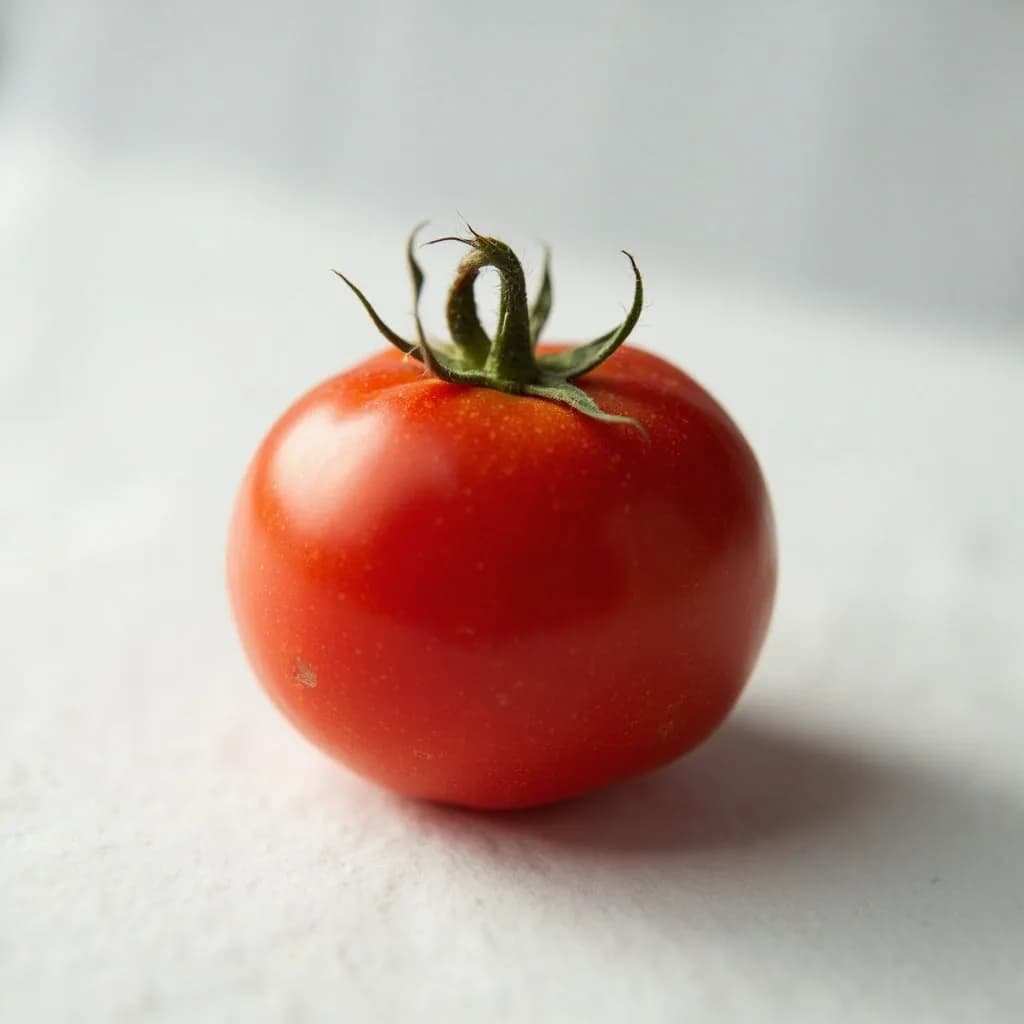
Juicy, sun-sweet fruit for sauces, salads, and slow-cooked depth
Yellow Onion
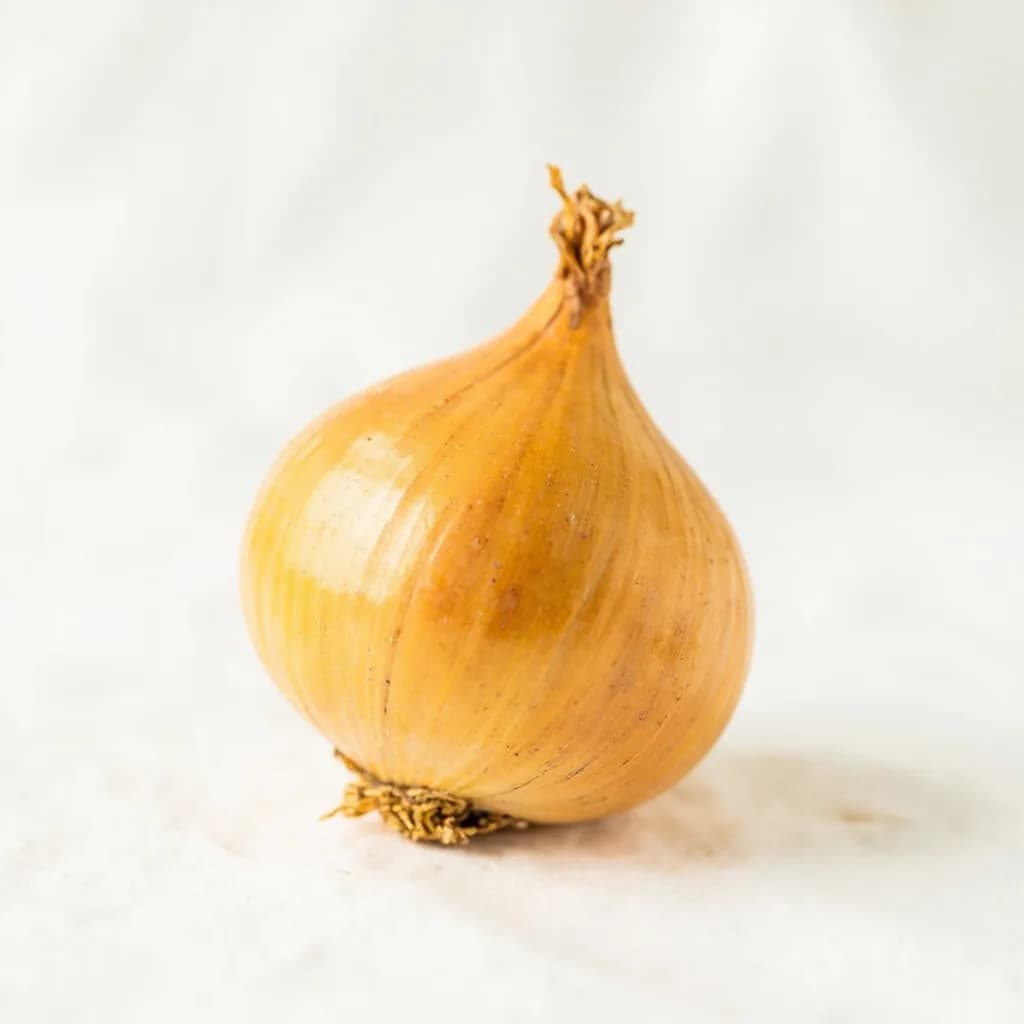
The aromatic backbone of soups, sofritos, and braises
Garlic
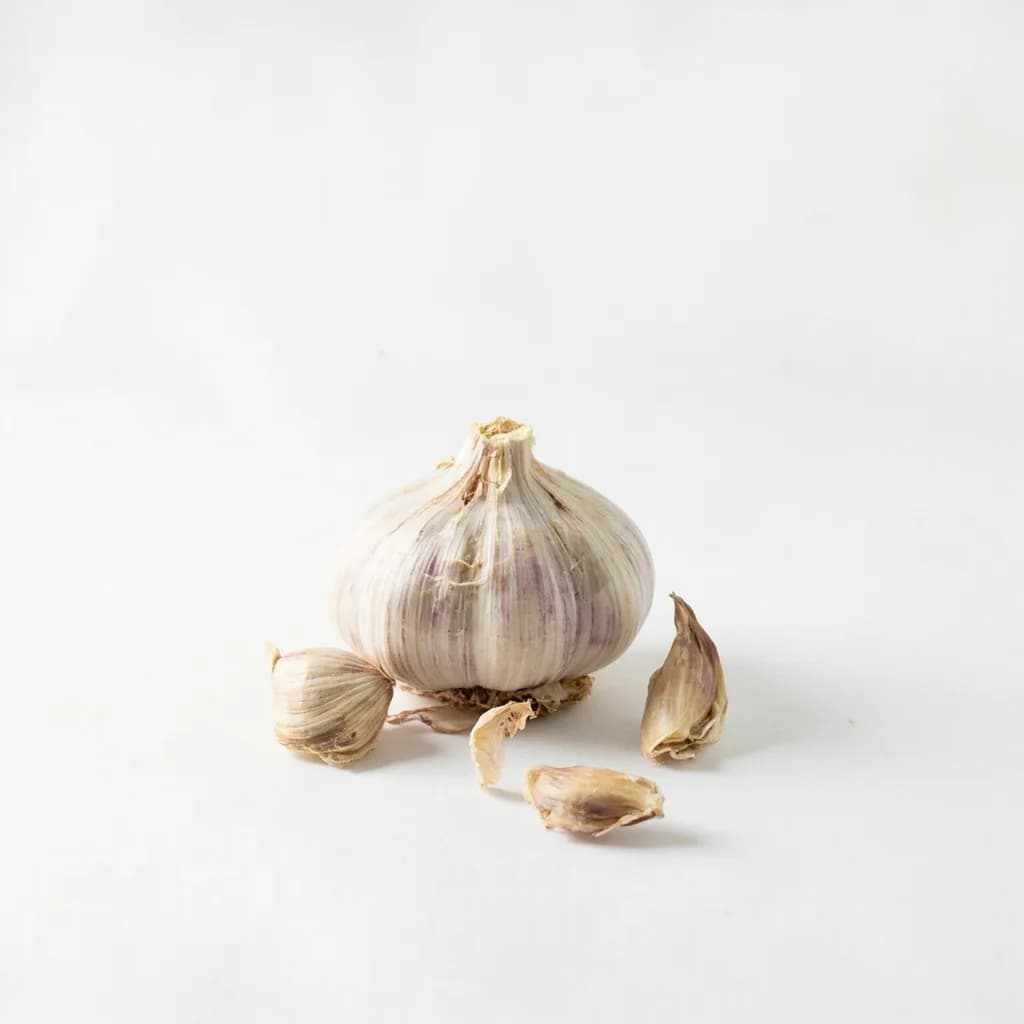
Pungent cloves that perfume nearly every savory dish
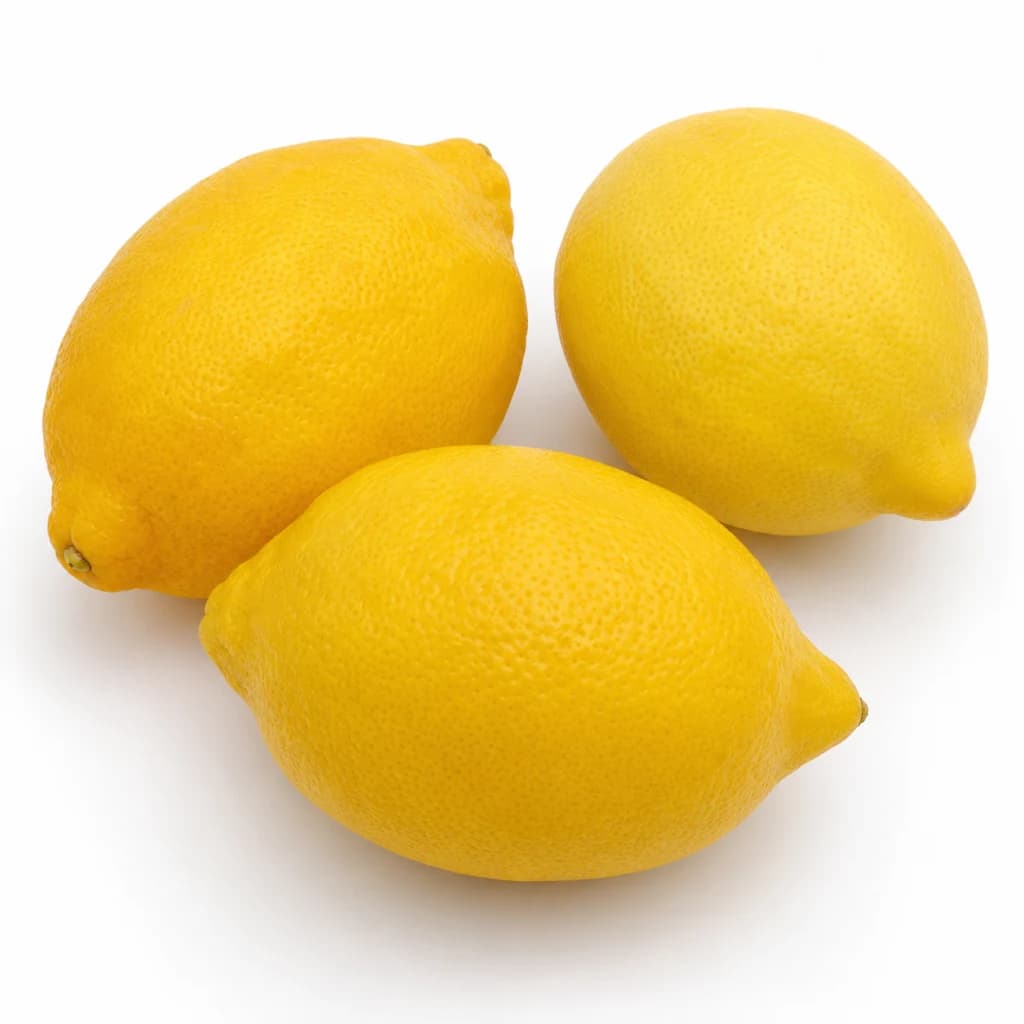
Lemon
Bright, acidic citrus that wakes up almost any dish
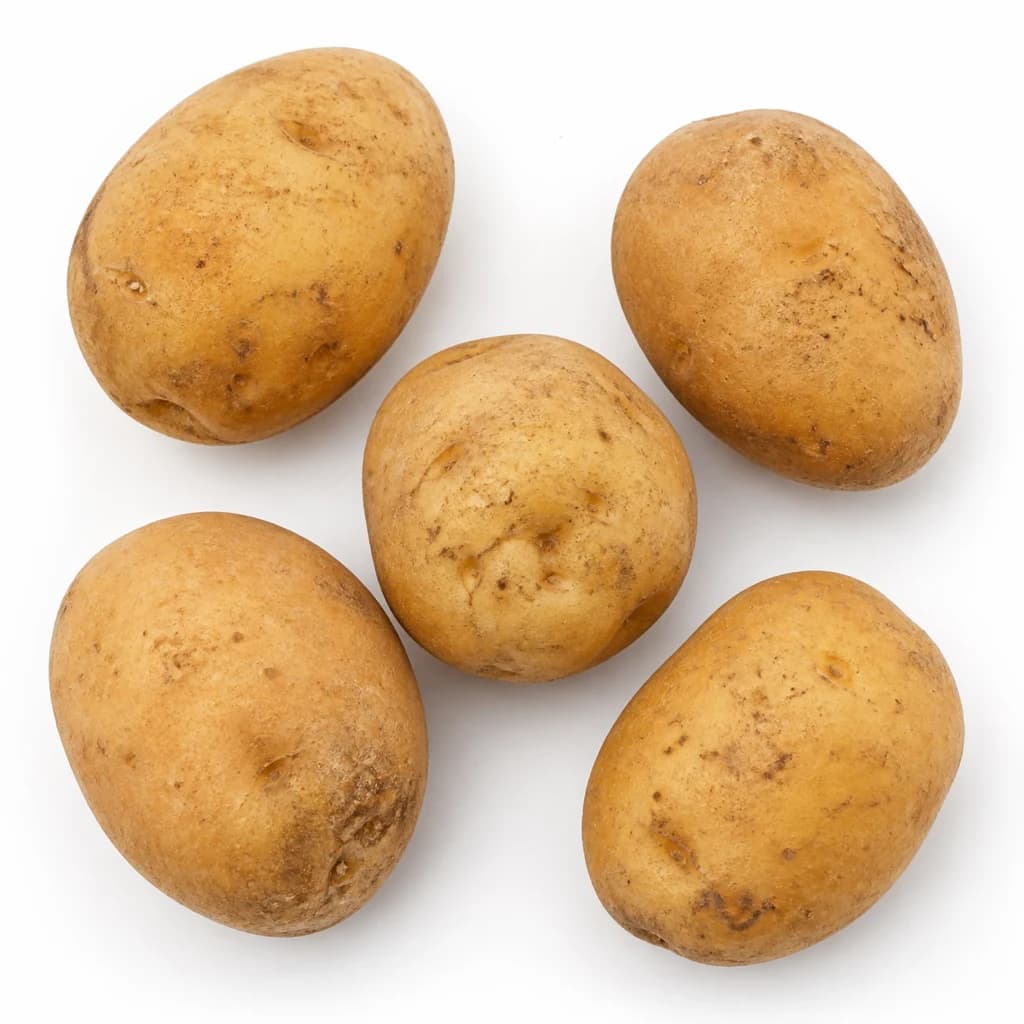
Potato
Humble, hearty staple — roast, mash, fry, or boil
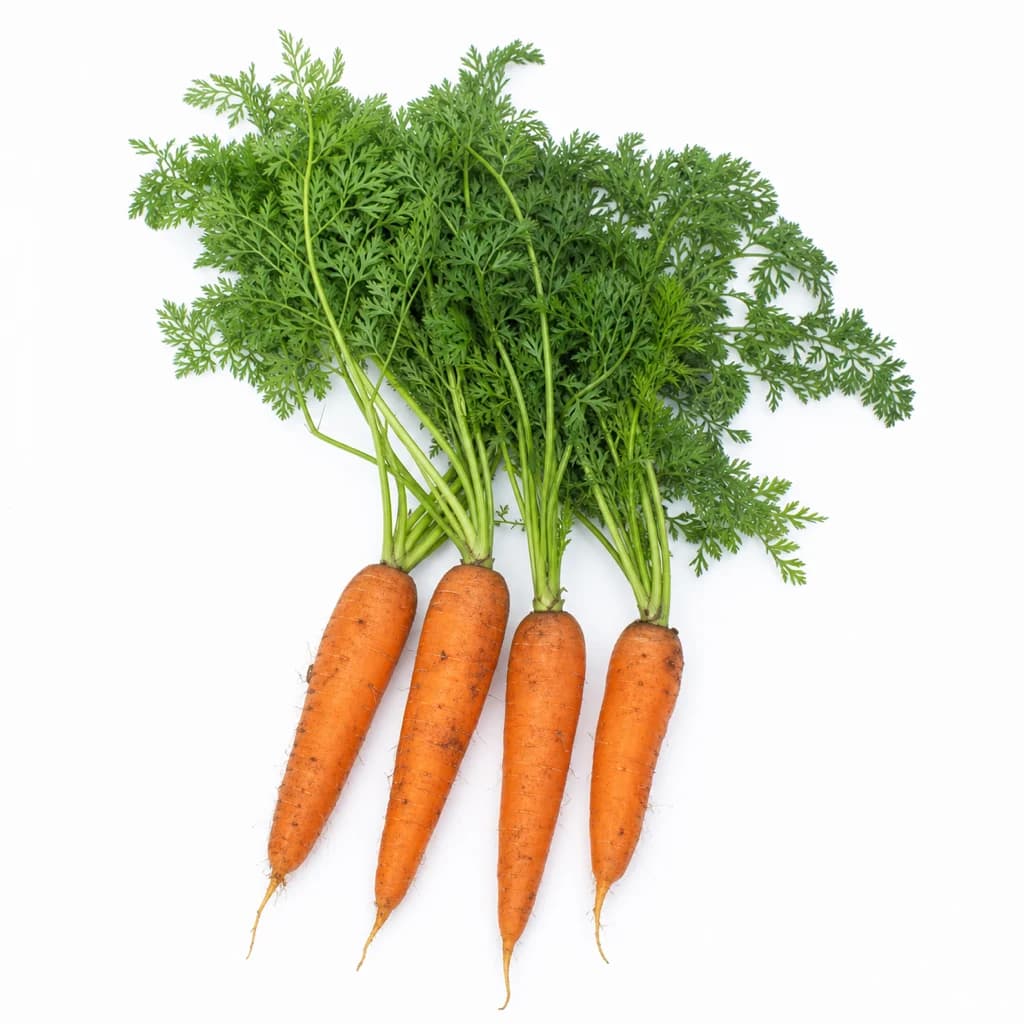
Carrot
Sweet, crunchy root — raw, roasted, or the base of a sofrito
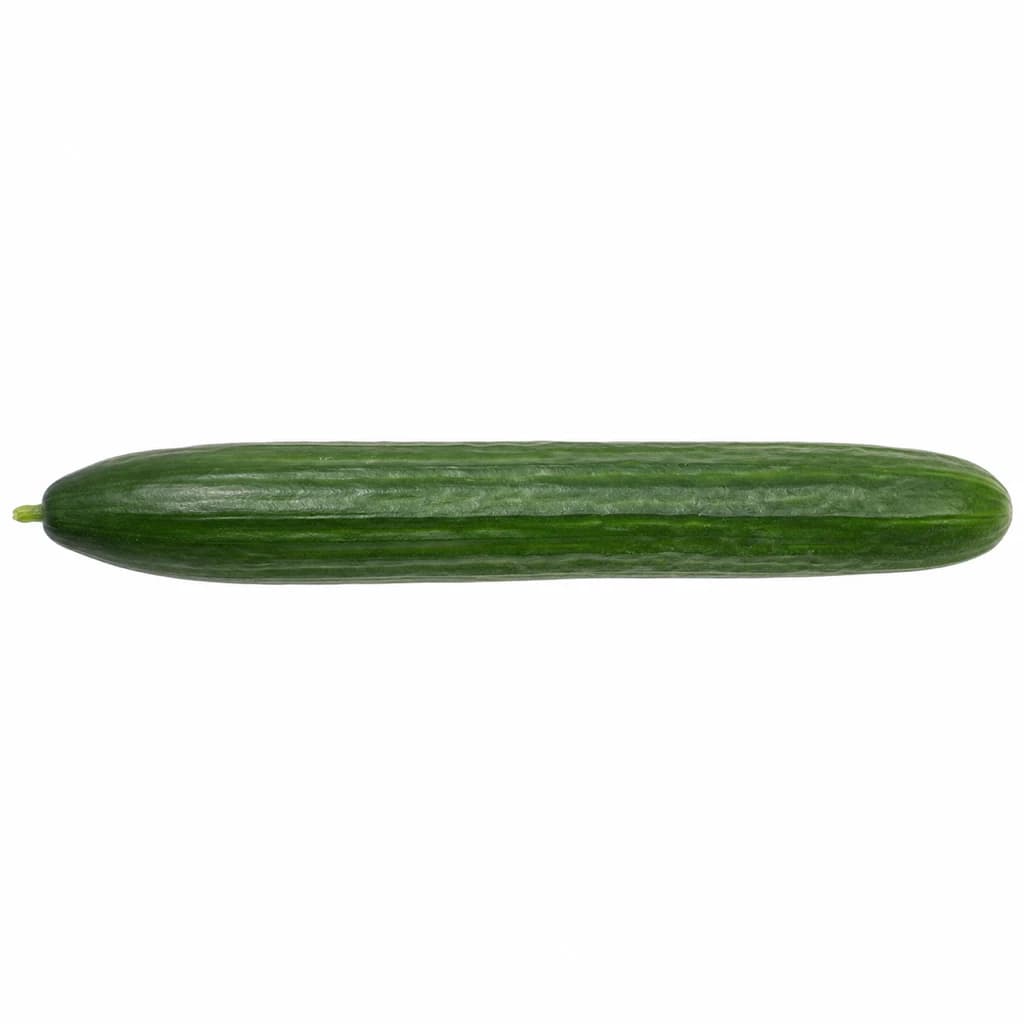
Cucumber
Cool, crisp, and watery — for salads, pickles, and tzatziki

Lettuce
Crisp leaves for salads, wraps, and a fresh crunch