Legumes & Beans
Lupini Bean
Brined yellow bean eaten as a high-protein snack around the Mediterranean and Andes.
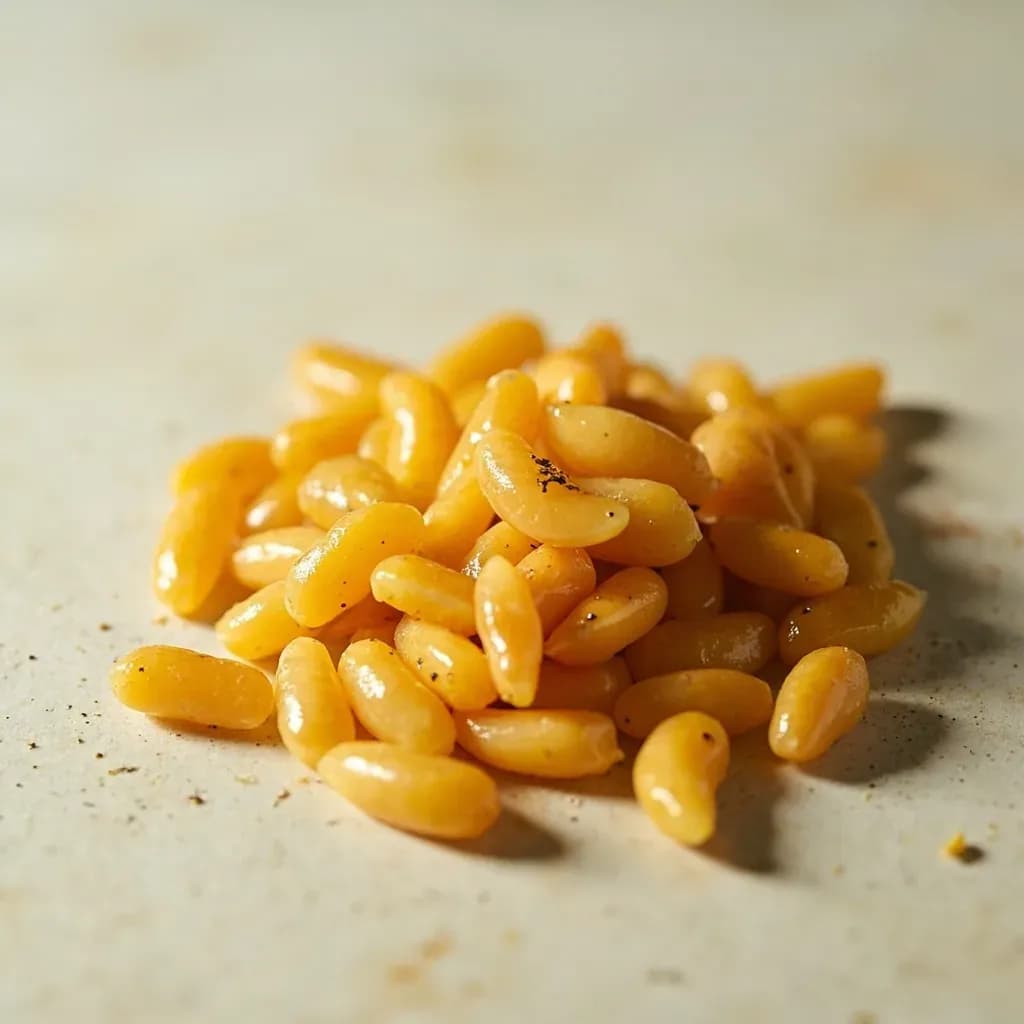
Lupini beans are flat, round yellow legumes traditionally brined and eaten as a snack in Italy, Portugal, and the Andes (as chocho). Raw lupini are bitter and must be soaked and rinsed for days to leach out alkaloids before eating, then are served in their skins, popped into the mouth. They are very high in protein and fiber.
Lupini beans are one of humanity's oldest cultivated legumes, with a history stretching back to ancient Egypt and pre-Columbian South America. Unlike most beans, they are almost always eaten as a snack or meze food rather than as an everyday dinner side — think of them as the Mediterranean answer to bar nuts, served in small bowls alongside beer or wine in Italy, Spain, Greece, and Egypt. Their appeal lies in their satisfying firm bite, subtle bitterness, and unusually high protein content (36–40% by dry weight, rivaling soybeans). The key challenge with lupini is their natural toxicity: raw beans contain quinolizidine alkaloids that make them bitter and potentially harmful. Commercial brined beans have already undergone this debittering process and are ready to eat straight from the jar. Dried beans, by contrast, require 5–7 days of soaking with daily water changes — a non-negotiable step that deters many cooks. Sweet cultivars bred for low alkaloid content (below 0.02%) are increasingly available and require no debittering at all. In the Andes, the bean is known as tarwi (Lupinus mutabilis) and plays a larger dietary role, appearing in soups, stews, and as a protein-rich flour. For cooks interested in plant-based cooking, lupini offer exceptional protein density and a texture that holds up far better than most legumes in salads, spreads, and baked goods.
- Measured in
- g
- Storage
- Fridge
Allergens
Types & varieties
Dominant commercial variety; large, cream-colored beans; primary Mediterranean cultivation
Smaller beans; common in Mediterranean Europe and North Africa
Andean variety; larger than white lupine; traditional in Peru, Bolivia, Ecuador; slightly higher oil content and superior protein quality
Bred to be low-alkaloid (below 0.02%); require no debittering; increasingly available in specialty markets
Understanding the Debittering Process
The alkaloids in lupini beans are not a flaw — they are the plant's natural defense mechanism. But they make the beans inedible without processing. Commercial producers achieve this by soaking dried beans in running water or repeated baths for several days. The result is the brined bean you find in jars. If you start with dried beans, you must replicate this process. The traditional method is straightforward but demands patience: soak beans in plenty of cold water, drain and rinse completely, then soak again. Repeat daily for 5–7 days, changing water every 8–12 hours. Taste a bean each day — it should lose all bitterness and develop a pleasantly nutty flavor by day 5–7. Once debittered, cook the beans in fresh water until tender (about 45–60 minutes of simmering or 15–20 minutes under pressure). Pressure cooking the beans before debittering does not make them safe; it only speeds the leaching phase if used during the soaking period. Sweet cultivars sidestep this entirely and can be treated like any other dried bean.
The Art of Eating Brined Lupini
In Italy and Greece, the ritual of eating lupini beans has its own small tradition. The beans come packed in brine in their papery skins. To eat them, you pinch one end until the bean pops out, leaving the skin behind — much like eating edamame. Do not eat the skins; they are chewy and slightly bitter. Serve brined beans at room temperature in a small bowl. A drizzle of good olive oil, a pinch of sea salt, and perhaps a squeeze of lemon transforms them into something genuinely satisfying. Cold from the refrigerator, they taste flat and dull — warmth and fat are essential to bring out their character. In Egyptian bars, they are served simply with beer. In Spanish tapas culture, they appear alongside olives and cured ham. Respect the simplicity.
Lupini Flour and Gluten-Free Baking
Ground lupini beans have emerged as a valuable high-protein, gluten-free flour for bakers. Unlike many legume flours, lupini flour has a relatively neutral flavor when properly processed, and it performs well as a partial wheat flour substitute. Use it at 15–25% of the total flour weight in bread recipes for added protein without compromising structure. For crackers and flatbreads, you can push the percentage higher. Toast the dried beans lightly (5 minutes at 180°C/350°F) before milling to deepen and stabilize their flavor. Store the flour in the freezer to prevent rancidity, given its higher fat content compared to other legume flours.
Common uses
Tips & pitfalls
- Always read the label on brined beans: 'precooked' means ready to eat; plain dried beans require full debittering — do not skip this step.
- If using dried beans, pressure cooking (15–20 minutes at high pressure) during the soaking phase can reduce alkaloid leaching from days to hours, but still follow with 24–48 hours of soaking with daily water changes.
- The brining liquid can be saved and used similarly to aquafaba as an egg-white substitute in baking — it whips to soft peaks.
- To achieve a truly neutral flavor from dried beans, change soaking water every 8–12 hours and taste-test a bean each day — it should lose all bitterness by day 5–7.
- Serve brined beans at room temperature; cold dulls their subtle nutty flavor. A light drizzle of good olive oil enhances them considerably.
- Do not confuse lupini beans with lablab (hyacinth beans) or fava beans in dishes — their texture is firmer and they hold their shape better when cooked.
- When grinding dried beans for flour, toast them lightly (5 minutes at 180°C/350°F) first to deepen flavor before milling, then store flour in the freezer.
Nutrition
Energy
130 kJ · per 100 g
Where the calories come from
Protein
1.8g
4% DV
Carbs
7.1g
3% DV
Fat
0.1g
0% DV
Fiber
3.4g
12% DV
Sugars
3.3g
of which
Sodium
6mg
0% DV
Source · USDA FoodData Central · approx. Beans, snap, yellow, raw
View on FDC →In the shops
Matched grocery products
No matched grocery products for Lupini Bean yet.
Good to know
- Scientific name
- Lupinus albus (white), Lupinus luteus (yellow), Lupinus mutabilis (Andean tarwi)
- Origin
- Mediterranean basin and Andes; cultivated since ancient Egypt and pre-Columbian South America
- Form
- Brined in jars (ready-to-eat) or dried (requires extensive processing)
- Flavor
- Firm, slightly bitter, nutty; pleasant yeasty undertone
- Color
- Creamy white to pale yellow when brined; ivory when dried
- Protein content
- 36–40% of dry weight, among the highest of all legumes
- Key toxin
- Quinolizidine alkaloids (lupinine, sparteine); require leaching before consumption
- Shelf life (dried)
- 1–2 years in airtight container in cool, dry place
- Shelf life (brined, opened)
- Refrigerate; use within 4–6 weeks
- Typical serving size
- 30–50 g brined beans (about 10–15 beans)
Substitutes
- Fava beans — Closest texture and visual match; milder flavor; blanch and peel before using
- Canned white kidney beans (cannellini) — Good structural substitute in salads and spreads; similar firm-creamy texture
- Edamame — Firm texture, neutral flavor; suitable in savory applications; blanch before use
- Soybeans (cooked, hulled) — Comparable protein density; slightly softer texture; works in spreads and baked goods
Pairs with
Also called
Chocho · Lupin Bean · Tremoço
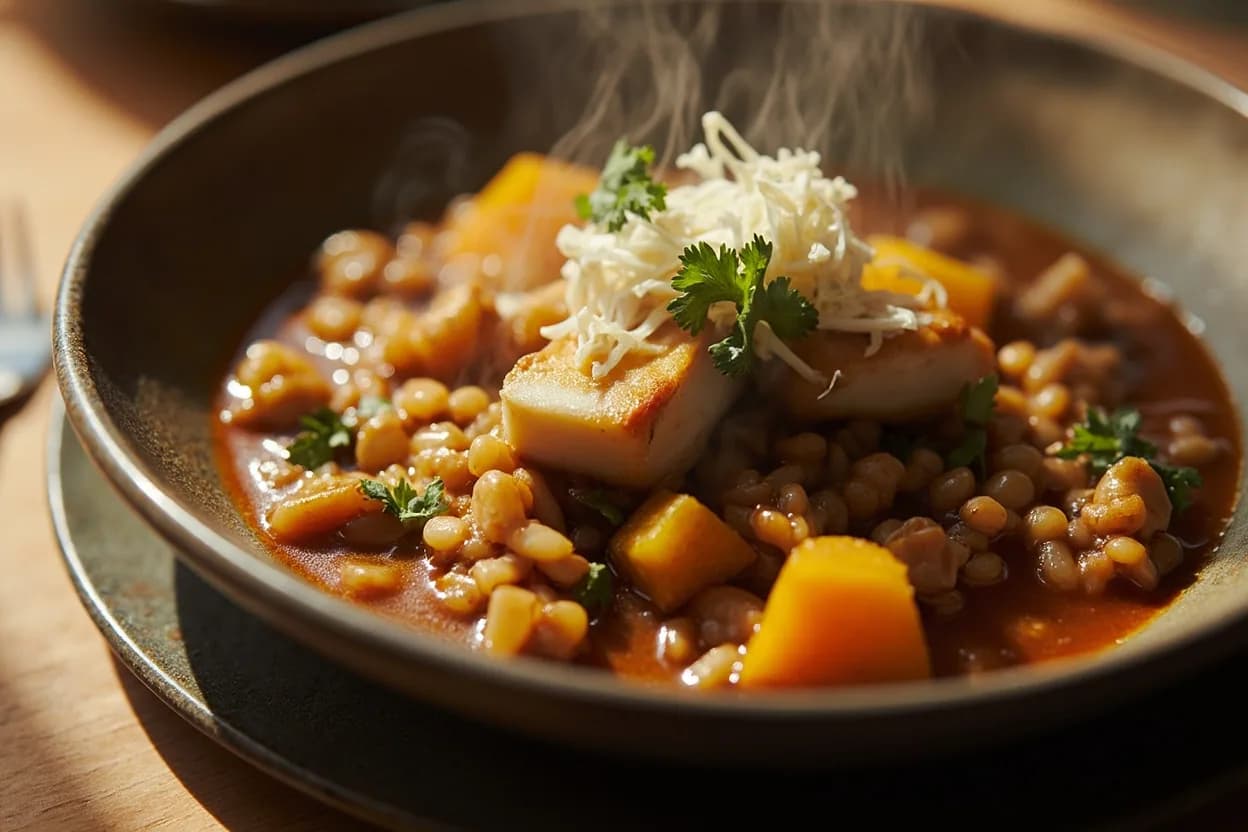
Appears in these dishes
Related
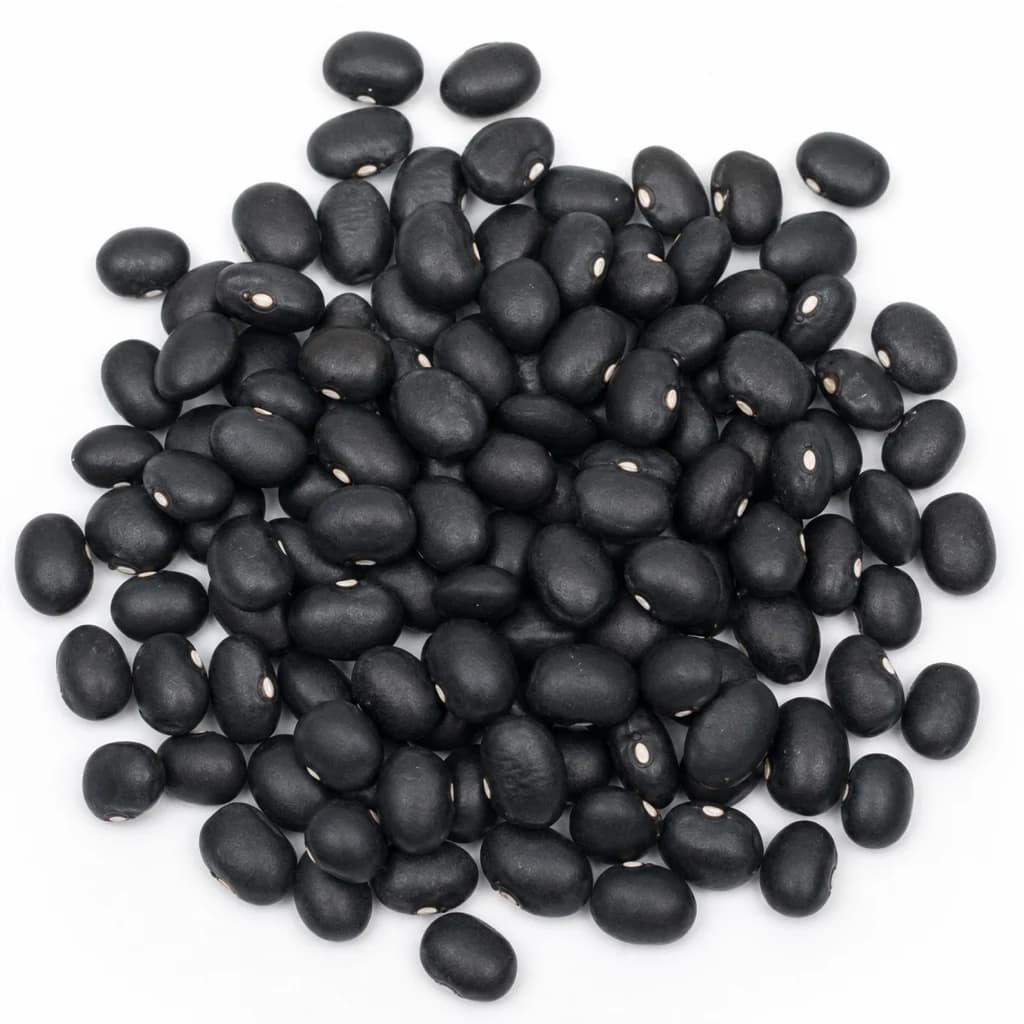
Black Beans
Earthy, creamy beans for bowls, soups, and tacos
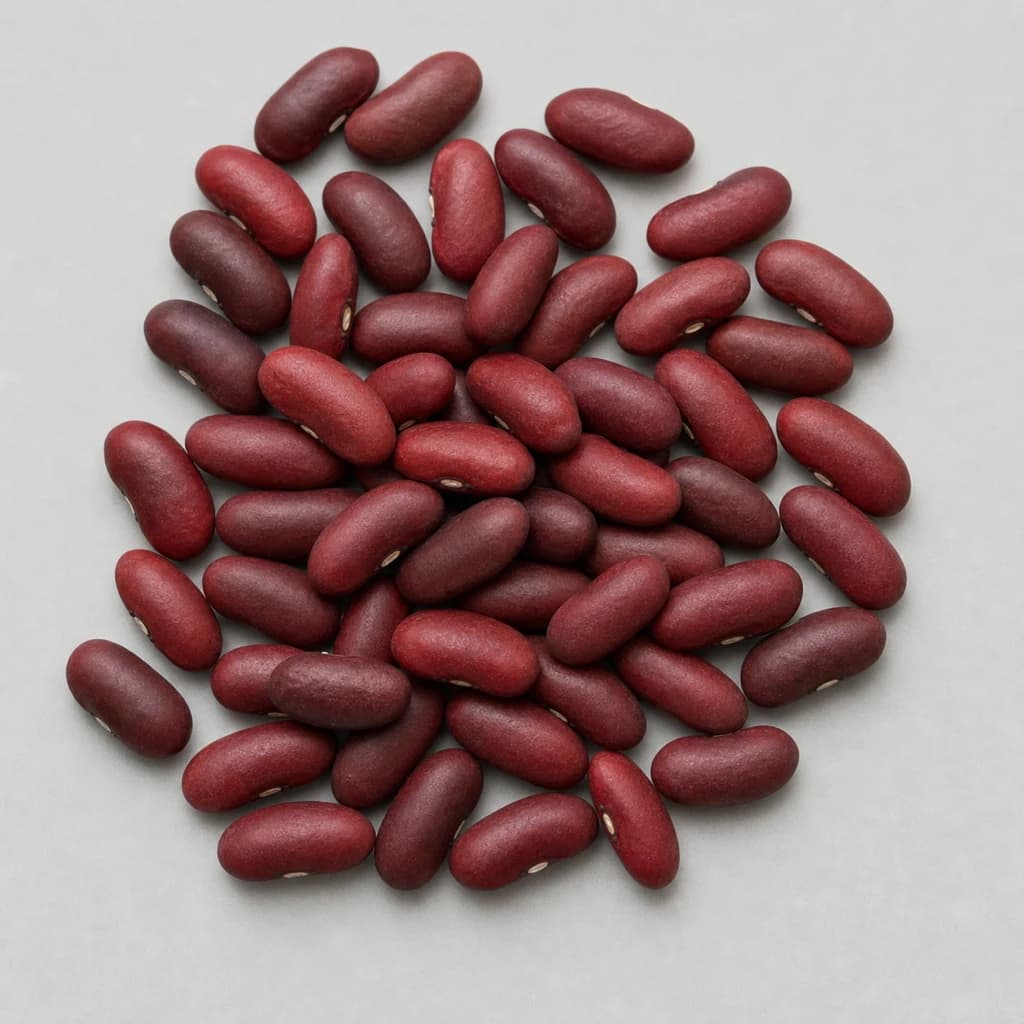
Kidney Beans
Hearty red beans that hold their shape in chili and stews
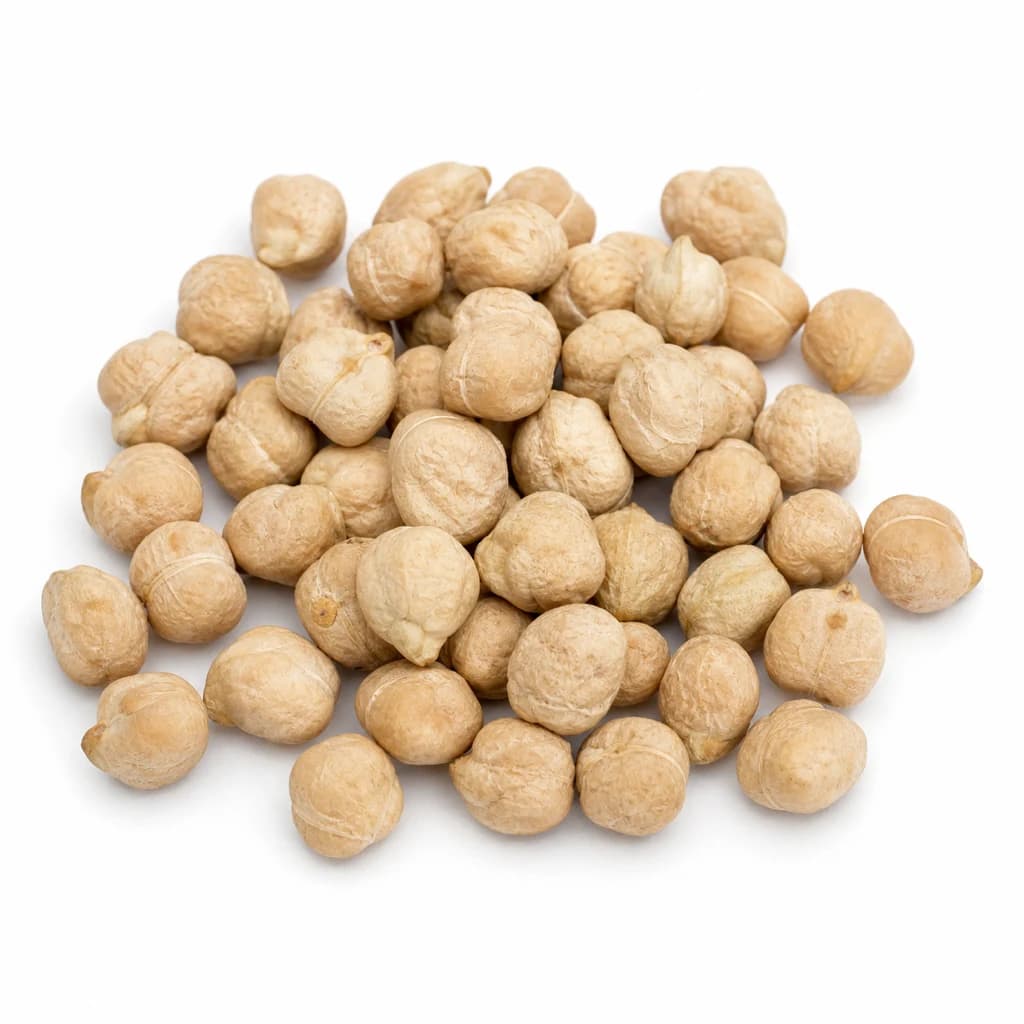
Chickpeas
Nutty, versatile beans for hummus, curries, and roasting
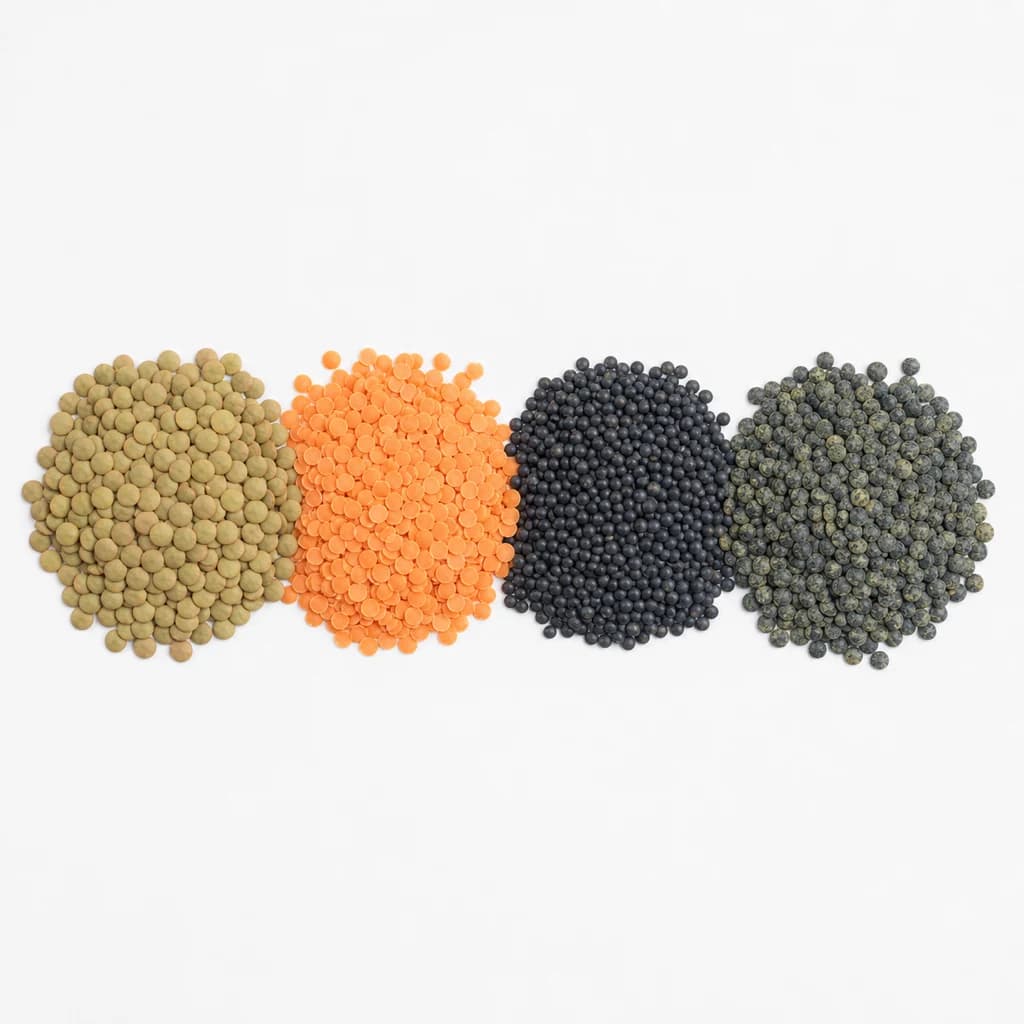
Lentils
Quick-cooking pulses for soups, dals, and hearty salads

White Beans
Creamy, mild beans for soups, stews, and silky purées
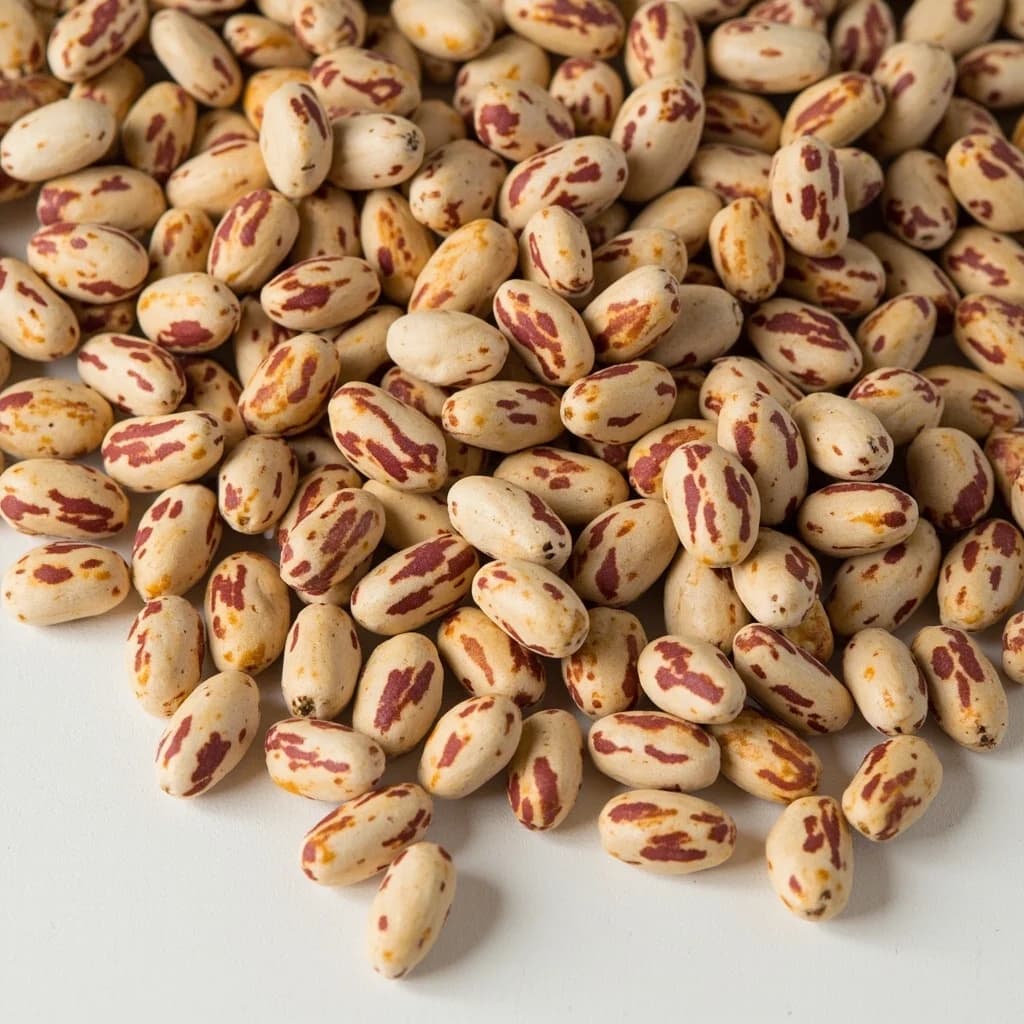
Pinto Beans
Creamy, speckled beans for refried beans and stews

Split Peas
Quick-cooking peas that melt into thick, comforting soups
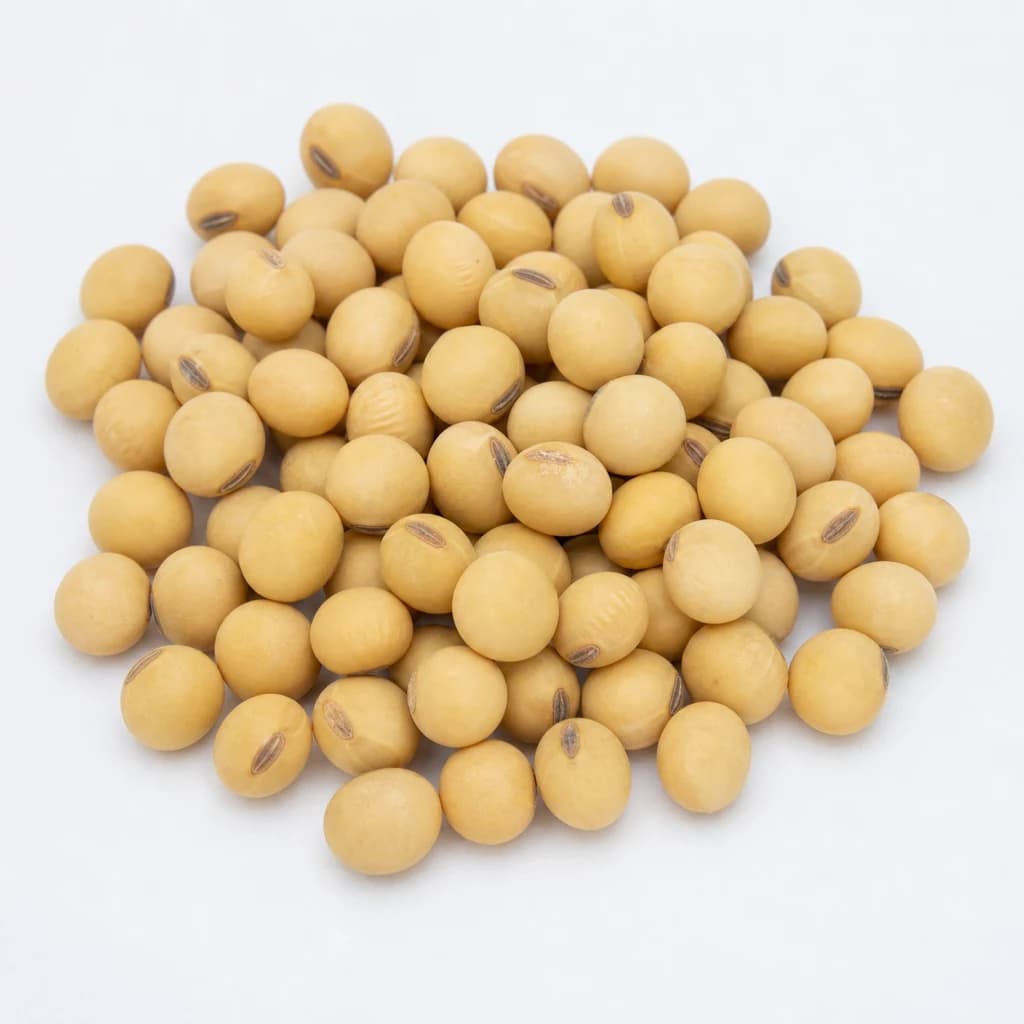
Soybeans
Protein-packed beans, the base for tofu and miso