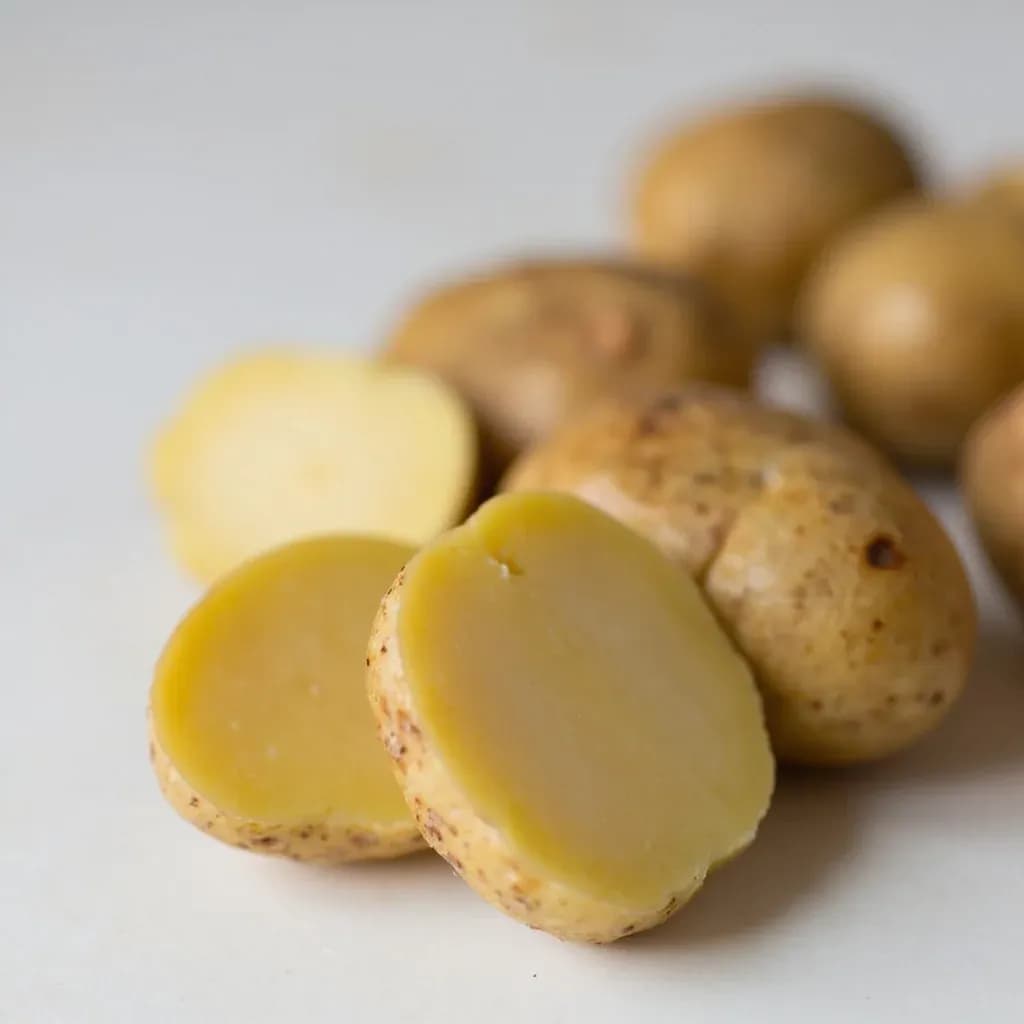
Produce
Maris Piper Potato
British all-rounder potato, famous for fluffy chips and crisp roast potatoes.
Maris Piper is one of Britain's most popular potato varieties, with creamy white flesh and a fluffy, floury texture. Its low moisture content makes it ideal for chips, roast potatoes, and mash, crisping well outside while staying light within. It is the traditional choice for fish-and-chip shop chips.
Maris Piper is the potato that built the British chip shop. Bred at the Plant Breeding Institute in Cambridge in 1963 from a cross between a North Wales variety and a Jersey Royal derivative, it became the industry standard for one reason: it produces chips with a distinctively fluffy interior and a shatteringly crisp golden crust that resists going limp. Its moderate dry matter and medium-high starch content create the perfect balance—mealy enough to fluff when cooked, but with enough structure to hold together during frying. The cream-skinned tubers have smooth, thin skins and white flesh that turns powdery and light when boiled or baked. For home cooks, Maris Piper is the benchmark against which all other roasting and frying potatoes are measured; for professional fish-and-chip shops, it remains the variety of choice despite newer high-yielding alternatives. Understanding how this potato behaves—its strengths and its limitations—is essential for anyone seeking authentic British fried potato dishes.
- Measured in
- piece
- Storage
- Pantry
Why Maris Piper Dominates the Chip Pan
The potato's success in commercial frying comes down to science. When submerged in hot oil, moisture inside the cell walls turns to steam, puffing the starch granules and creating the characteristic fluffy interior. Simultaneously, the exterior surface dries and caramelises into a crisp shell. Maris Piper's starch structure and moisture content cooperate perfectly in this process—too much moisture and the exterior steams rather than fries; too little starch and the interior stays dense. This is why substituting a waxy variety like Charlotte produces sad, chewy chips that collapse within minutes. The variety has been partially superseded in large-scale commercial growing by newer high-yielding cultivars, but it remains the benchmark in chip shops where quality matters.
- Maris Piper's starch gelatinises at frying temperatures, creating internal steam that puffs the flesh
- Too-waxy varieties retain moisture and produce heavy, greasy chips
- Varieties with very high starch can burn before the interior cooks through
Parboiling for Superior Roasting
The two-stage cooking method transforms Maris Piper into something exceptional. Parboiling for approximately 10 minutes cooks the exterior enough to allow the skin to set, but leaves the centre firm and wet. Shaking the drained potatoes in the pot jostles the surfaces, creating microscopic rough patches. These rough edges are the secret: they dramatically increase the surface area in contact with the fat, producing more crunch and more crust. The agitation also roughens the starchy surface, which crisps more aggressively than a smooth surface would. This technique works specifically because Maris Piper is floury enough to fluff at the edges without disintegrating—a waxy potato would break up under this treatment.
- Parboil until a knife meets slight resistance (about 10 minutes for 3cm chunks)
- Shake vigorously in the colander for 30–60 seconds after draining
- Score the edges of each piece lightly with a fork for extra roughness
- Use plenty of fat at 200°C or higher for maximum browning
Common uses
Tips & pitfalls
- For chip-shop style chips, double-fry: first at 130°C for 4–5 minutes (blanch), rest on newspaper for 10–15 minutes, then at 180°C until golden
- Do not refrigerate potatoes; cold temperatures below 6°C convert starch to sugar, causing uneven browning and a sweet, discoloured result when fried
- Avoid potatoes with green patches or sprouting eyes—these indicate solanine, a toxic compound that develops in light and produces a bitter, potentially harmful result
- For fluffy mash, use room-temperature potatoes; cold potatoes from the fridge absorb butter and liquid less readily
- Cut chips to uniform 1cm thickness for even cooking—a mixture of thick and thin pieces means some burn before others finish
- Maris Piper breaks up more than waxy varieties when boiled, so it is not ideal for potato salad or other dishes requiring intact pieces
- If frying potatoes turn brown instead of golden, they were almost certainly stored too cold—bring them to room temperature before cooking
- Buy firm potatoes with taut skin and no sprouting; the tubers should feel heavy for their size, indicating good moisture content
Nutrition
Energy
243 kJ · per 100 g
Where the calories come from
Protein
2.6g
5% DV
Carbs
12.4g
5% DV
Fat
0.1g
0% DV
Fiber
2.5g
9% DV
Sodium
10mg
0% DV
Source · USDA FoodData Central · approx. Potatoes, raw, skin
View on FDC →In the shops
Matched grocery products
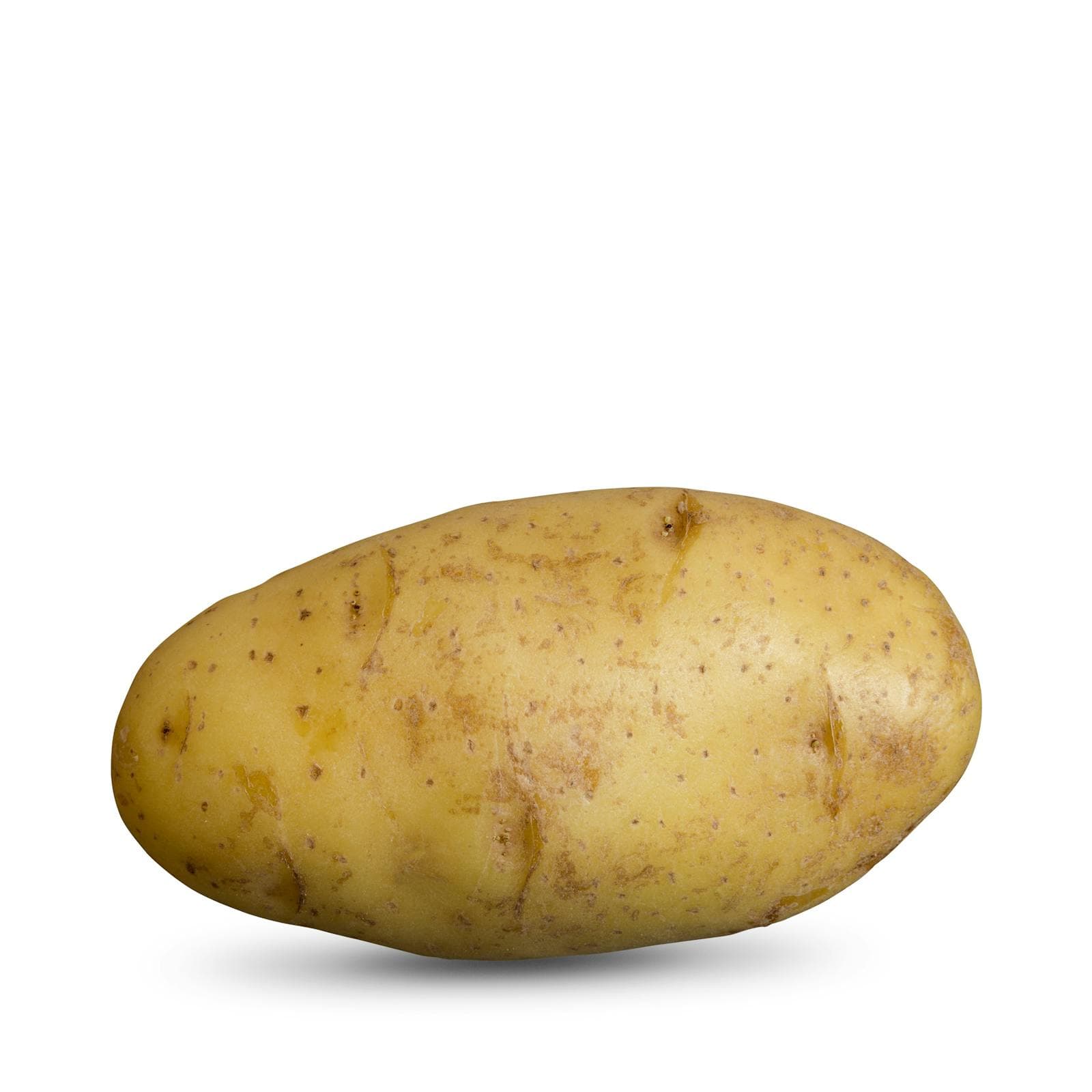 €0.40
€0.40Potato
210 g · Mercadona
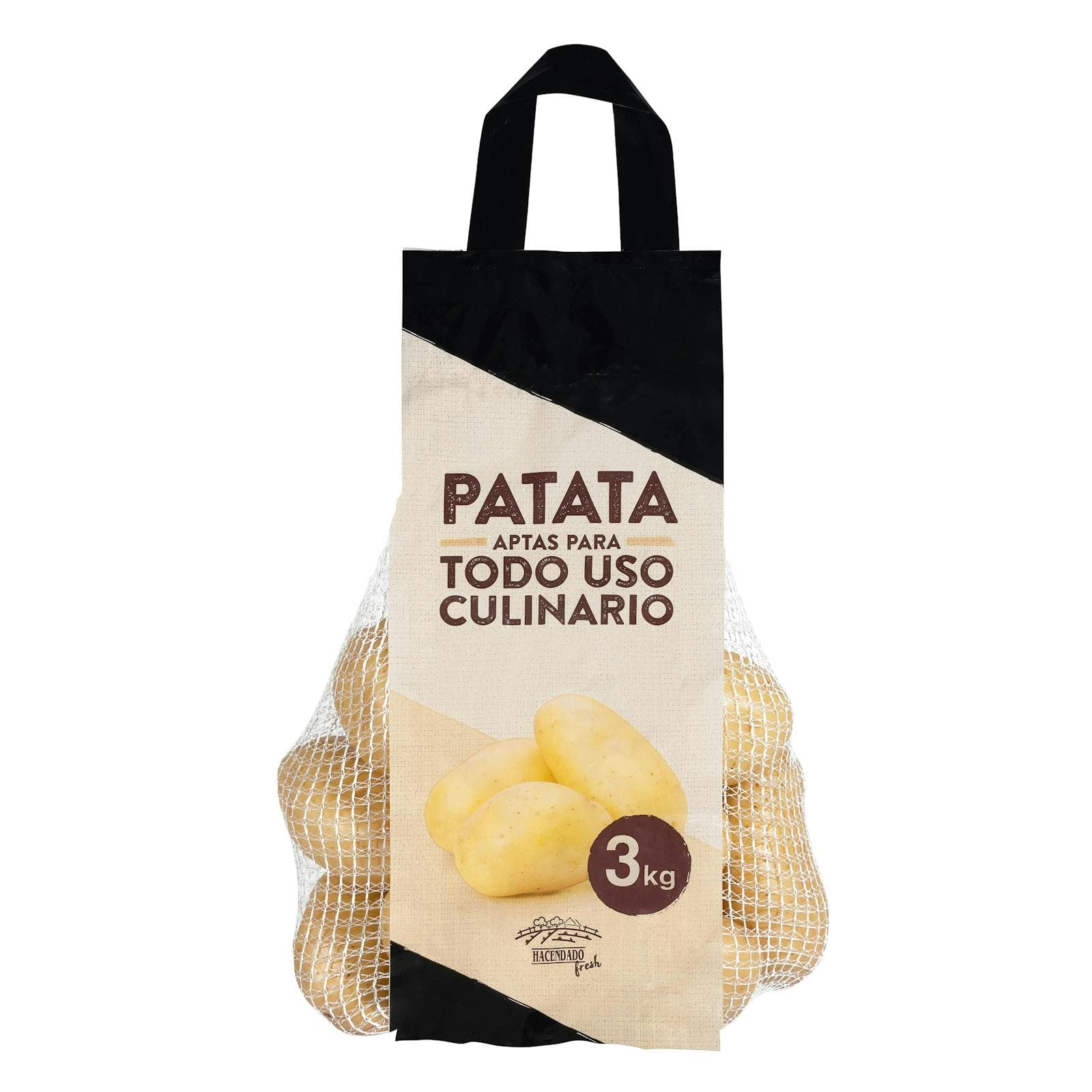 €4.65
€4.65Potatoes
3 kg · Mercadona
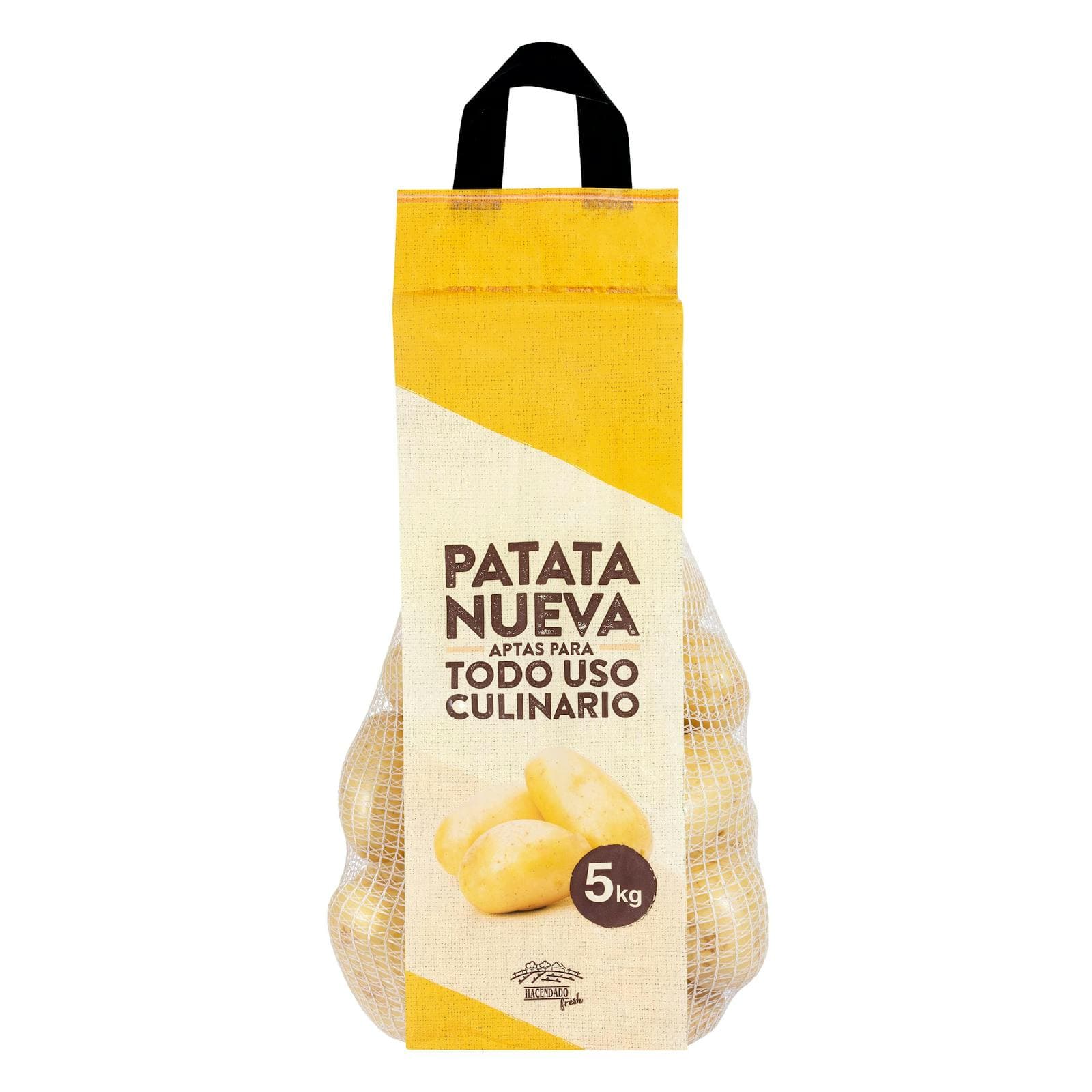 €5.60
€5.60Potatoes
5 kg · Mercadona
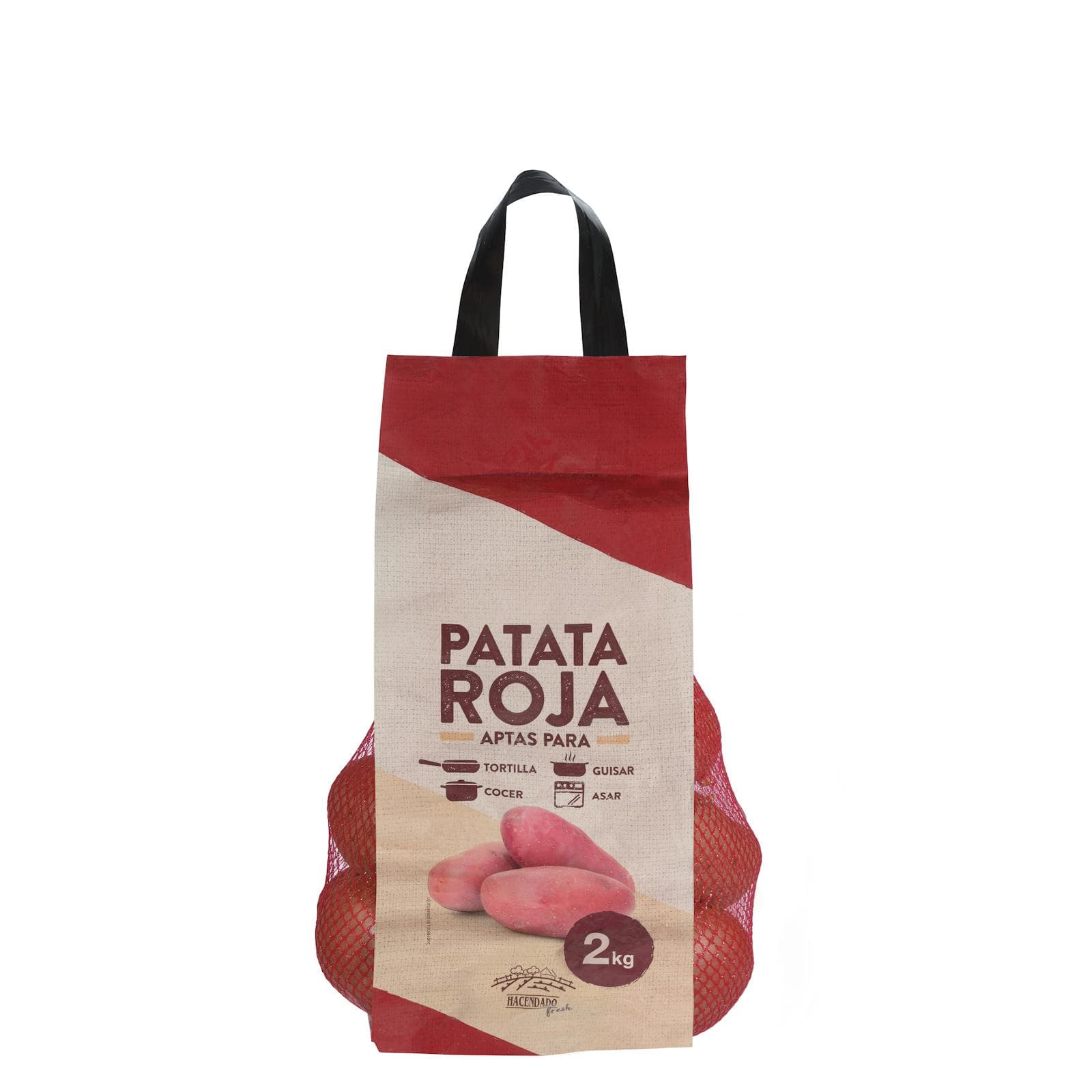 €3.80
€3.80Red Potatoes
2 kg · Mercadona
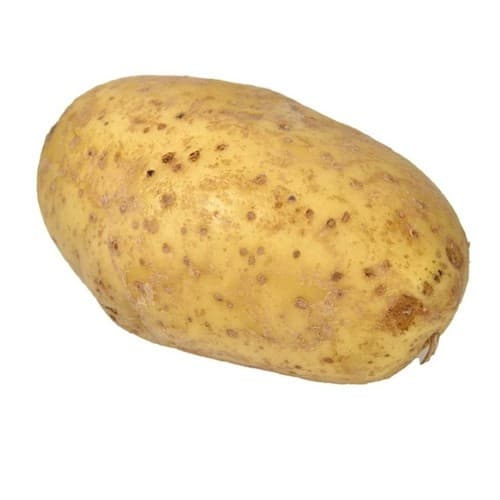 €0.45
€0.45Potato 1 unit
Bonpreu
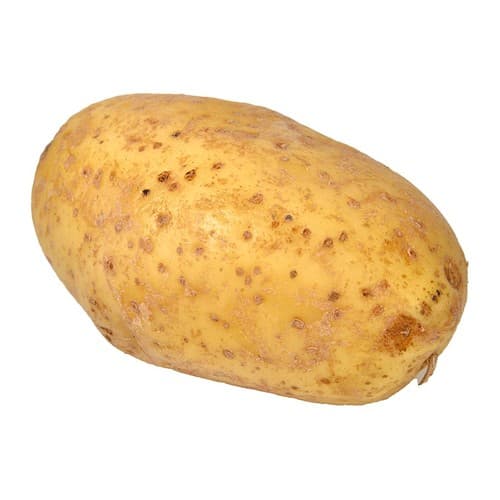 €0.70
€0.70Potato 1 unit
ud · Bonpreu
Good to know
- Type
- Maincrop potato (Solanum tuberosum)
- Origin
- Bred at Plant Breeding Institute, Cambridge, 1963
- Parentage
- Cross between a North Wales variety and a Jersey Royal derivative
- Skin
- Cream, smooth and thin
- Flesh
- White, moderately floury texture
- Dry matter
- 20–22%
- Starch content
- Medium-high; mealy when cooked
- Growing season
- Planted April–May; harvested September–October
- Storage
- Cool, dark, well-ventilated place; stores until spring
- UK status
- Most widely grown UK variety (~20% of production)
Substitutes
- Russet Burbank — American baking potato with similar floury texture and high starch content; excellent for roasting and frying
- King Edward — Traditional British variety, slightly drier, good for roasting and baking but less reliable for chips
- Desirée — Maincrop with slightly waxy flesh; acceptable for roasting but inferior for fluffy chips
- Pentland Dell — High-yielding maincrop with floury texture; acceptable commercial substitute for frying
Pairs with
Related
Tomato
Juicy, sun-sweet fruit for sauces, salads, and slow-cooked depth
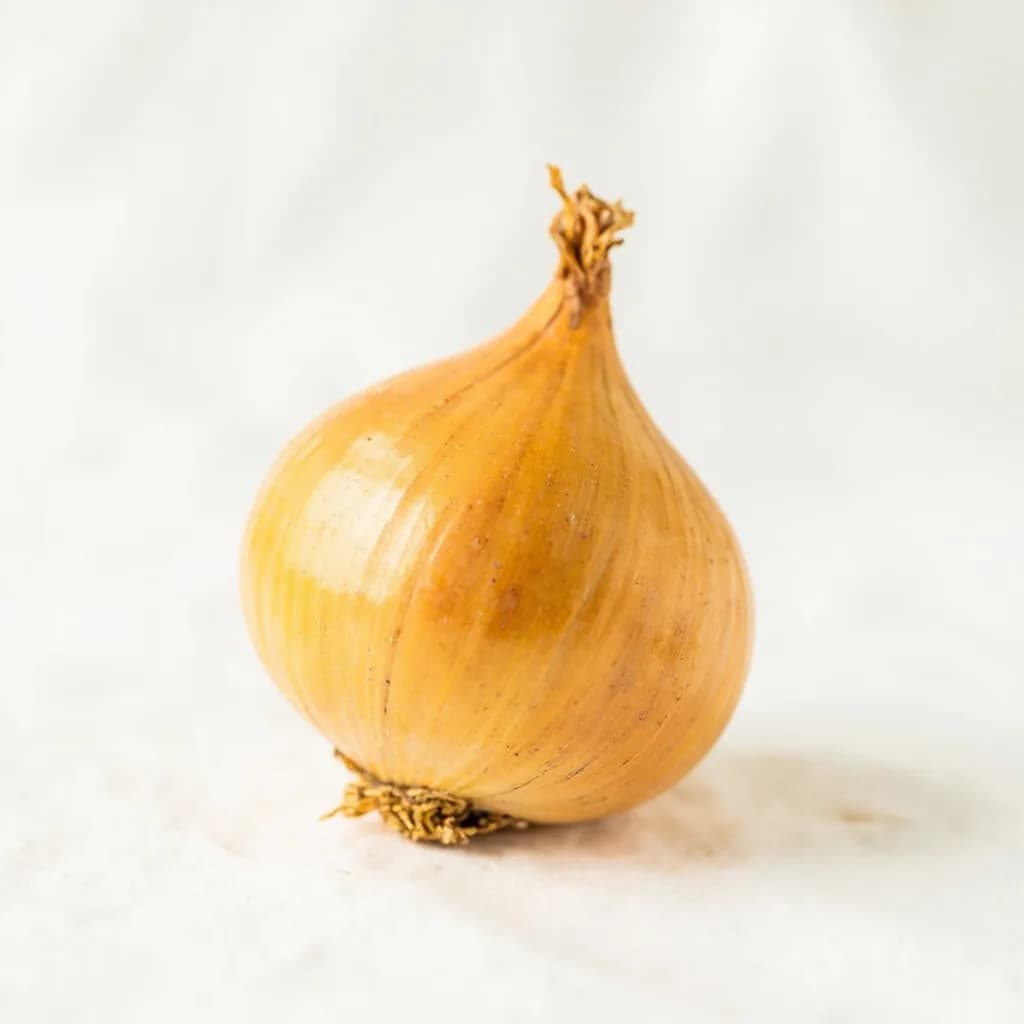
Yellow Onion
The aromatic backbone of soups, sofritos, and braises
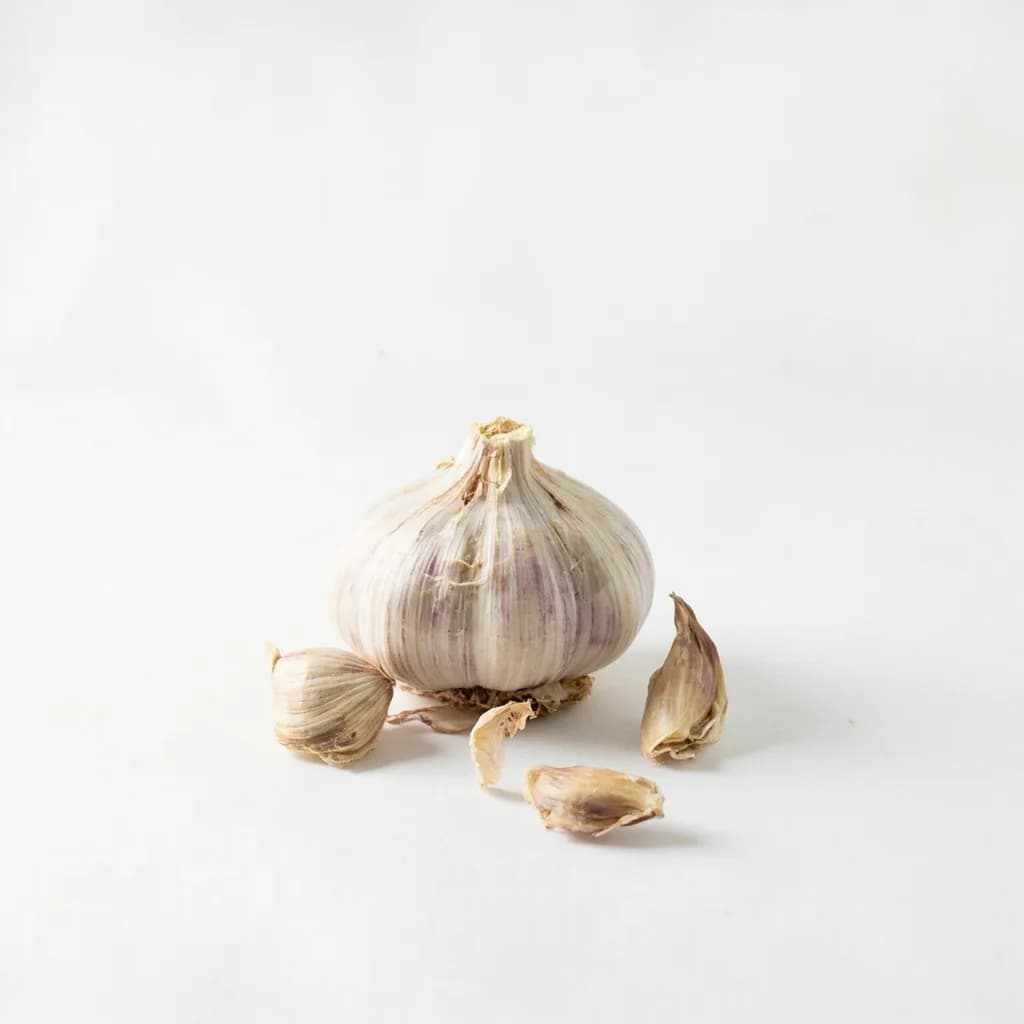
Garlic
Pungent cloves that perfume nearly every savory dish
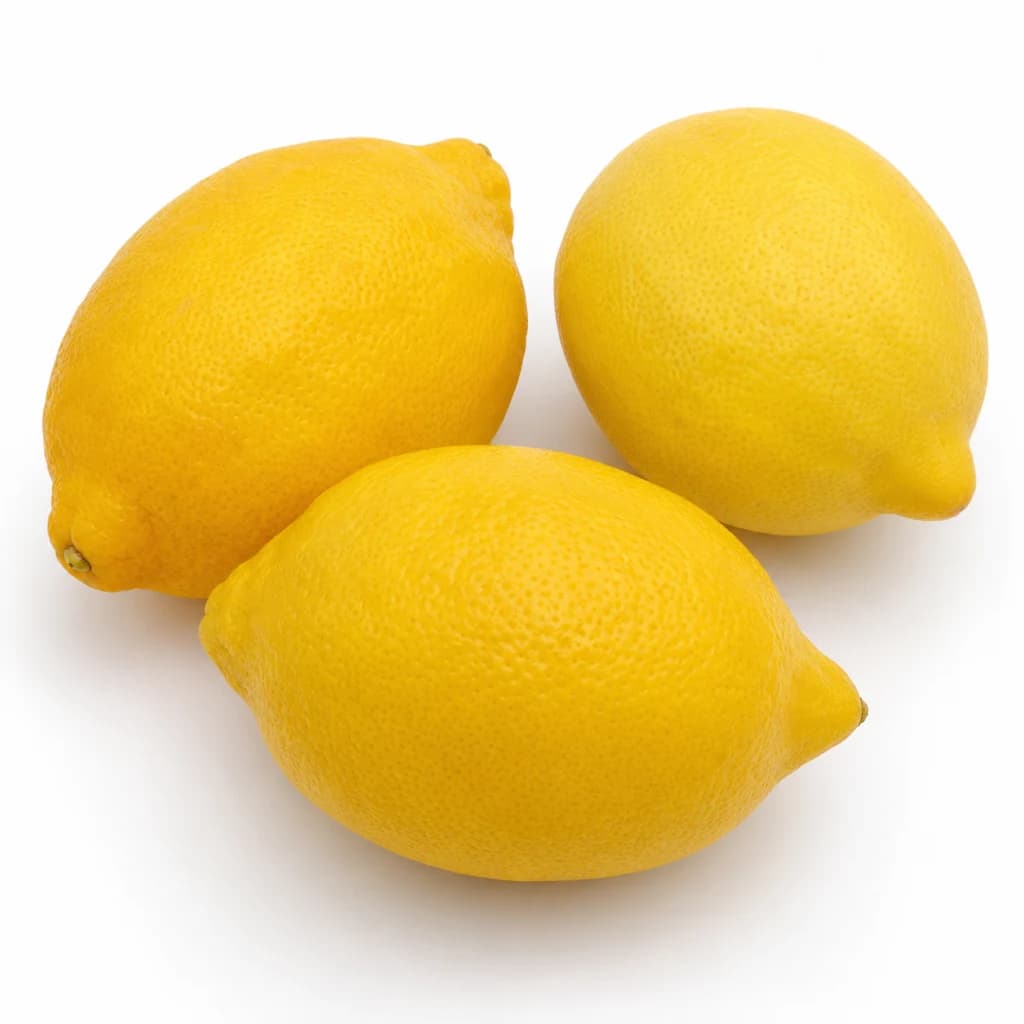
Lemon
Bright, acidic citrus that wakes up almost any dish
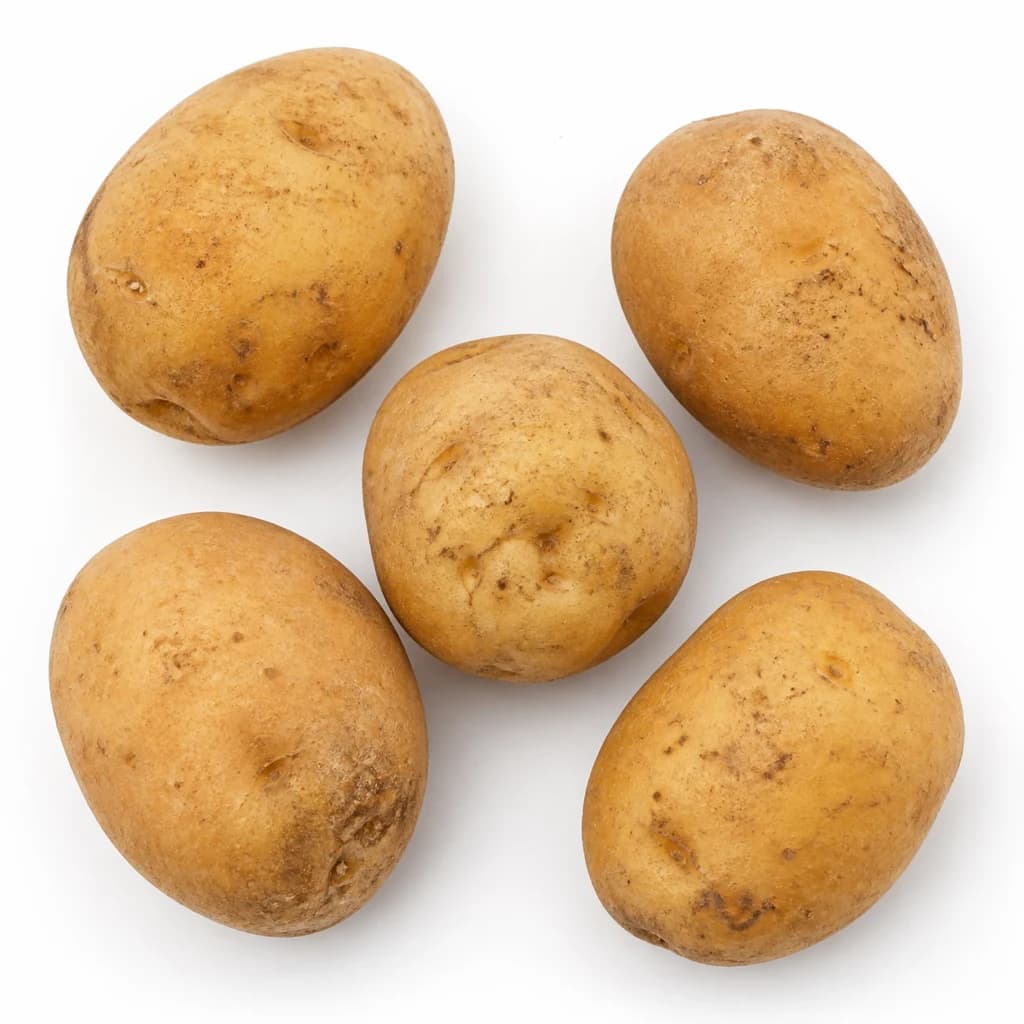
Potato
Humble, hearty staple — roast, mash, fry, or boil
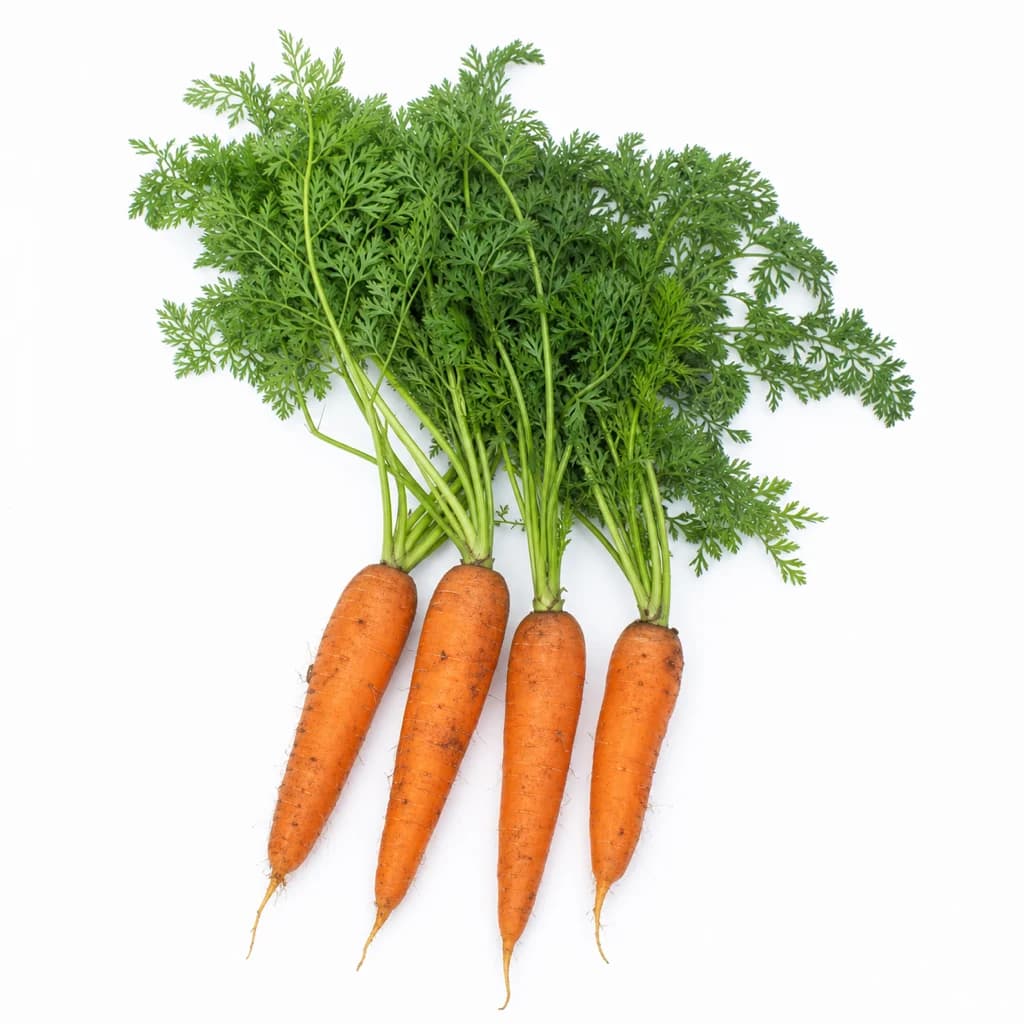
Carrot
Sweet, crunchy root — raw, roasted, or the base of a sofrito
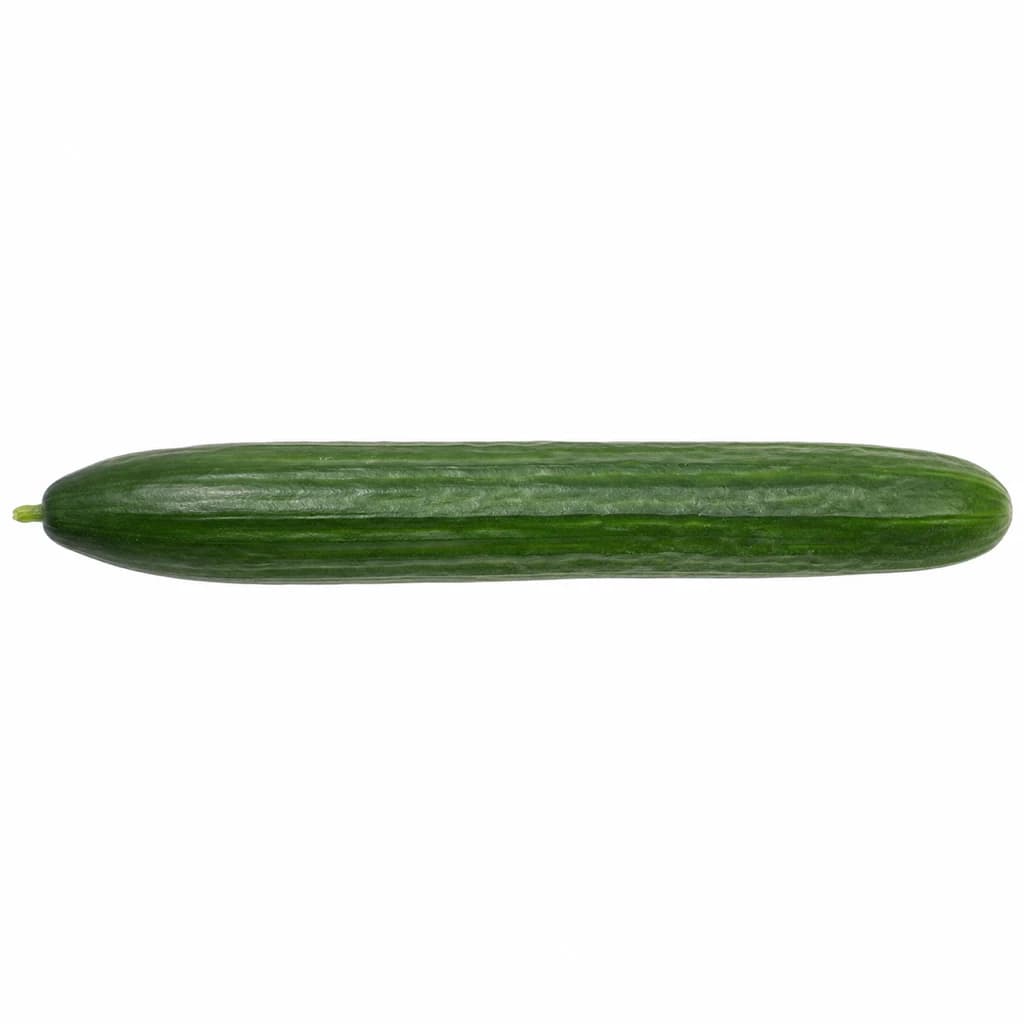
Cucumber
Cool, crisp, and watery — for salads, pickles, and tzatziki

Lettuce
Crisp leaves for salads, wraps, and a fresh crunch