Proteins
Mopane Worm (Phane)
Protein-rich dried caterpillar harvested from mopane trees; rehydrated and fried or stewed in Southern Africa.
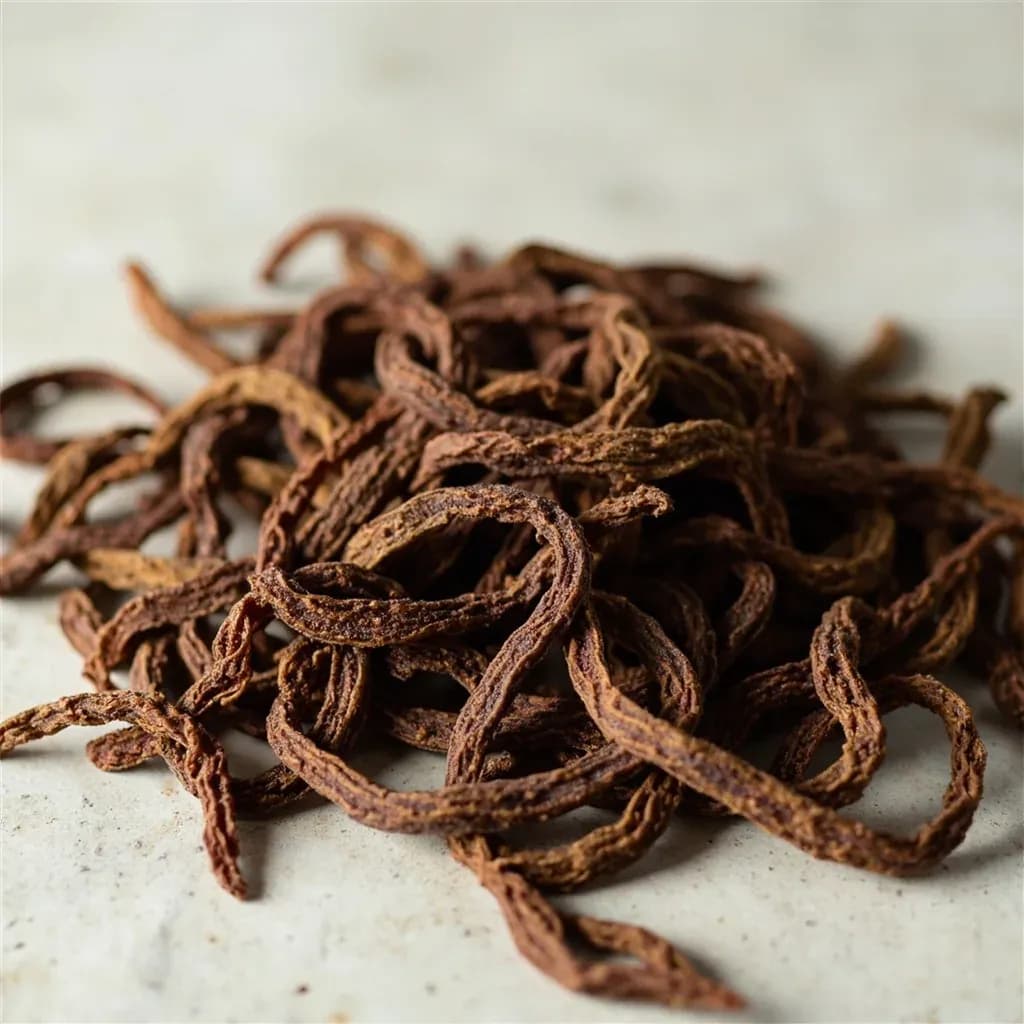
Mopane worms, known as phane or madora, are the dried caterpillars of the emperor moth, harvested from mopane trees in Southern Africa. They are a traditional high-protein food, typically rehydrated and then fried with onion, tomato, and chili, or stewed. Crunchy when fried and chewy when stewed, they have an earthy, savory flavor and are an important regional source of nutrition.
Mopane worms (Gonimbrasia belina) are the larvae of the emperor moth—not worms at all—and they feed almost exclusively on mopane trees (Colophospermum mopane), whose range across southern Africa defines the harvesting territory. The caterpillars are collected during two seasons: primarily December through January after summer rains, with a smaller secondary flush in May–June in some regions. They are either processed immediately or sun-dried or smoke-dried for storage, during which time they shrink dramatically and develop a firm, dense texture.
Their cultural and nutritional importance cannot be overstated. At 60–70% protein by dry weight, mopane worms rank among the most protein-dense foods available in the region. They anchor rural food security and livelihoods: a single harvester can collect 20–50 kg per day during peak season, and a bustling informal trade animates rural roadsides and markets. Communities prize them as a delicacy and a prestige food, served at cultural gatherings and ceremonies. Their flavor is earthy and forest-floor forward, with the smoke-dried variety adding a distinct wood-smoke depth.
In the kitchen, dried mopane worms require rehydration—20–40 minutes in water, swelling to roughly 2–3 times their dried volume—before they accept seasoning and contribute their characteristic texture: slightly chewy at the core, crisp at the edges when fried. They behave more like a concentrated stock cube than a typical protein: they contribute body and savoriness to gravies as much as they provide substance. The cooking method shapes the result dramatically—stewing yields tender, flavor-absorbing worms; frying yields a crunchy, salty bar snack; pounding into powder extends meat or thickens sauces.
- Measured in
- g
- Storage
- Pantry
Types & varieties
Collected alive; processed within 24–48 hours; firm with a faint greenish tint; used for immediate cooking or sold live at markets. Must smell clean and earthy—avoid any with ammonia or sour notes.
Most common commercial form; spread on rocks or mats under direct sun; keeps 3–6 months unrefrigerated; neutral flavor that takes on seasoning well.
Dried over mopane wood fires; acquires smoky, earthy depth; preferred in some regions; longer shelf life than sun-dried. The mopane smoke contributes a distinctive forest flavor.
Darker caterpillars (from later instar stages) are generally considered richer and more flavorful; lighter ones tend to be more tender. Both are used interchangeably in most preparations.
Processing Fresh Mopane Worms
Freshly collected worms arrive at market covered in gut contents and plant material. Traditional processing involves squeezing each caterpillar firmly behind the head, working toward the tail to expel the entire gut. This step is non-negotiable: leaving the gut in produces a bitter, off flavor and a disagreeable texture. The cleaned worms are then either cooked immediately or set out to dry. When drying at home, spread deveined worms in a single layer on a clean surface in full sun, bringing them inside overnight to prevent moisture reabsorption. Depending on heat and humidity, full drying takes 2–4 days.
- Squeeze from behind the head toward the tail for complete deveining
- Sun-drying takes 2–4 days in full sun; bring inside overnight
- Smoke-drying over mopane wood adds flavor but requires consistent fire management
Common uses
Tips & pitfalls
- Always devein before cooking: grasp the caterpillar behind the head and squeeze toward the tail to expel the gut contents. This single step removes bitterness and transforms the texture from unpleasant to appealing.
- Rehydrate dried worms in cold water for 30+ minutes or warm water for 15–20 minutes. They should swell to roughly 2–3× their dried size before cooking. Under-rehydrated worms stay hard and chewy throughout.
- Do not over-fry: high heat hardens the exterior before the interior rehydrates fully, producing a tough, rubbery texture. Fry in a generous amount of preheated oil at medium heat, not high heat, and score each worm lightly to allow moisture to escape.
- Add rehydrated worms to stews toward the end of cooking—during the last 10–15 minutes only. Extended simmering causes them to disintegrate and thicken the gravy into an unappetizing paste.
- Store dried worms with a few dried chili peppers in the container to deter weevil infestation. This is standard practice in rural households and works better than any commercial solution.
- When frying as a snack, score each worm lightly with a knife along its length. This allows steam to escape and ensures even crisping from edge to center.
- Fresh worms should feel firm and smell clean—faintly earthy or green. Reject any with a strong ammonia, sour, or rotting smell, which indicates bacterial spoilage. This is a common mistake at market stalls where freshness varies widely.
Nutrition
Nutrition
No USDA FoodData Central match for Mopane Worm (Phane) yet. We surface a per-100 g profile once a generic whole-food entry is matched and verified.
In the shops
Matched grocery products
No matched grocery products for Mopane Worm (Phane) yet.
Good to know
- Scientific name
- Gonimbrasia belina (Lepidoptera: Saturniidae)
- Primary habitat
- Mopane woodlands of Southern Africa (Colophospermum mopane trees)
- Harvesting regions
- Zimbabwe, South Africa (Limpopo), Botswana, Zambia, Malawi, Mozambique
- Harvest season
- Main season: December–January; secondary flush: May–June in some areas
- Protein content
- 60–70% protein by dry weight
- Processed form
- Sun-dried or smoke-dried after deveining; also sold fresh in season
- Reconstitution time
- 20–40 minutes in cold water; 15–20 minutes in warm water
- Shelf life (dried)
- 3–6 months unrefrigerated (sun-dried); up to 12 months in cool, dry, sealed containers
Substitutes
- Dried silverfish (matemba) — Similar firm texture when fried; different flavor profile but comparable protein function in stews. Add at the same point in cooking.
- Smoked dried fish — Provides smokiness and umami depth; widely available in southern African markets; crumble into stews for similar savory contribution.
- Toasted sunflower seeds or peanuts — Non-insect substitute for protein and textural bulk in stews; grind or crush and add to thicken the gravy and boost protein.
- Textured vegetable protein (TVP) — Accessible substitute outside Africa; rehydrate in water or broth, then cook in tomato-based sauce with similar technique.
Pairs with
Also called
Mopane Worms (Phane) · Phane · Madora · Masonja
Appears in these dishes
Related
Egg
The kitchen's everything ingredient — bind, leaven, enrich, or fry
Chicken Breast
Lean, quick-cooking white meat for everyday dinners

Ground Beef
Versatile minced beef for burgers, ragù, tacos, and meatballs
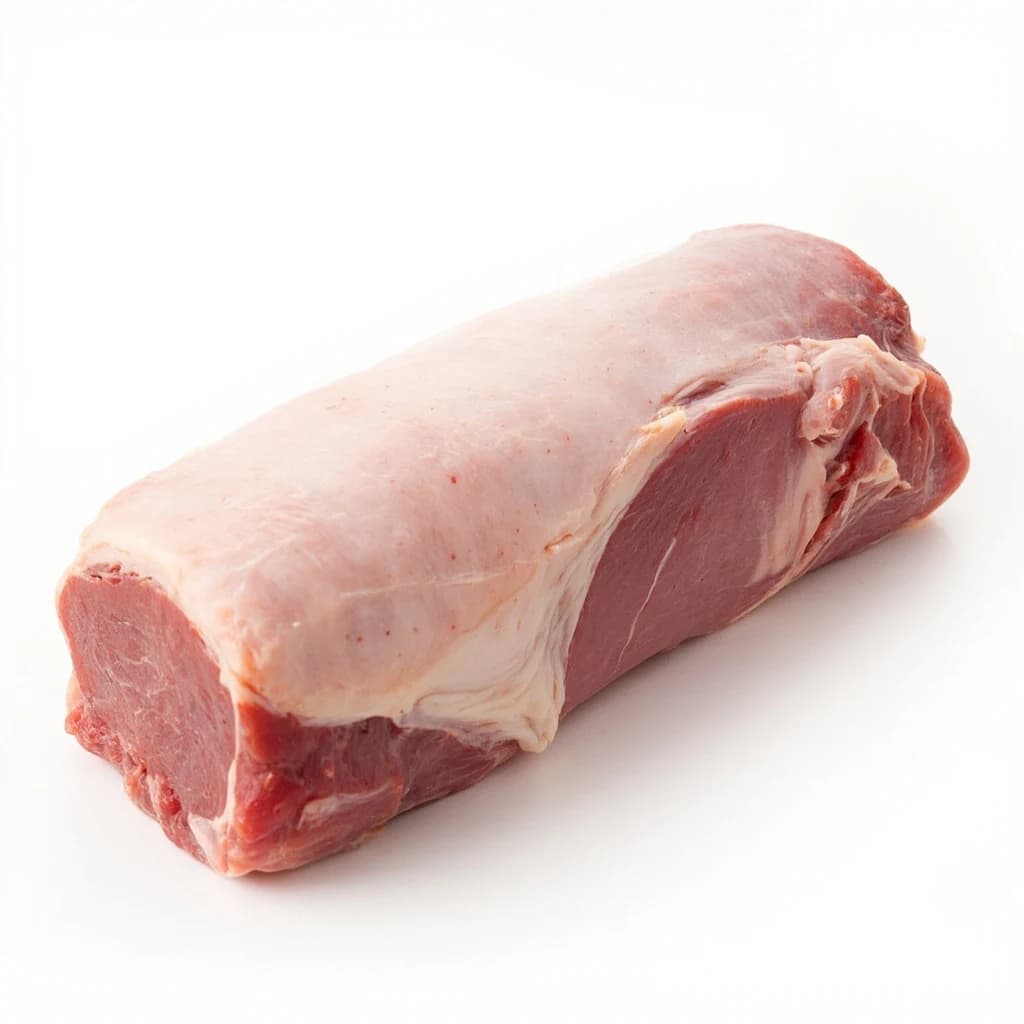
Pork Loin
Lean, tender roasting cut that stays juicy with care
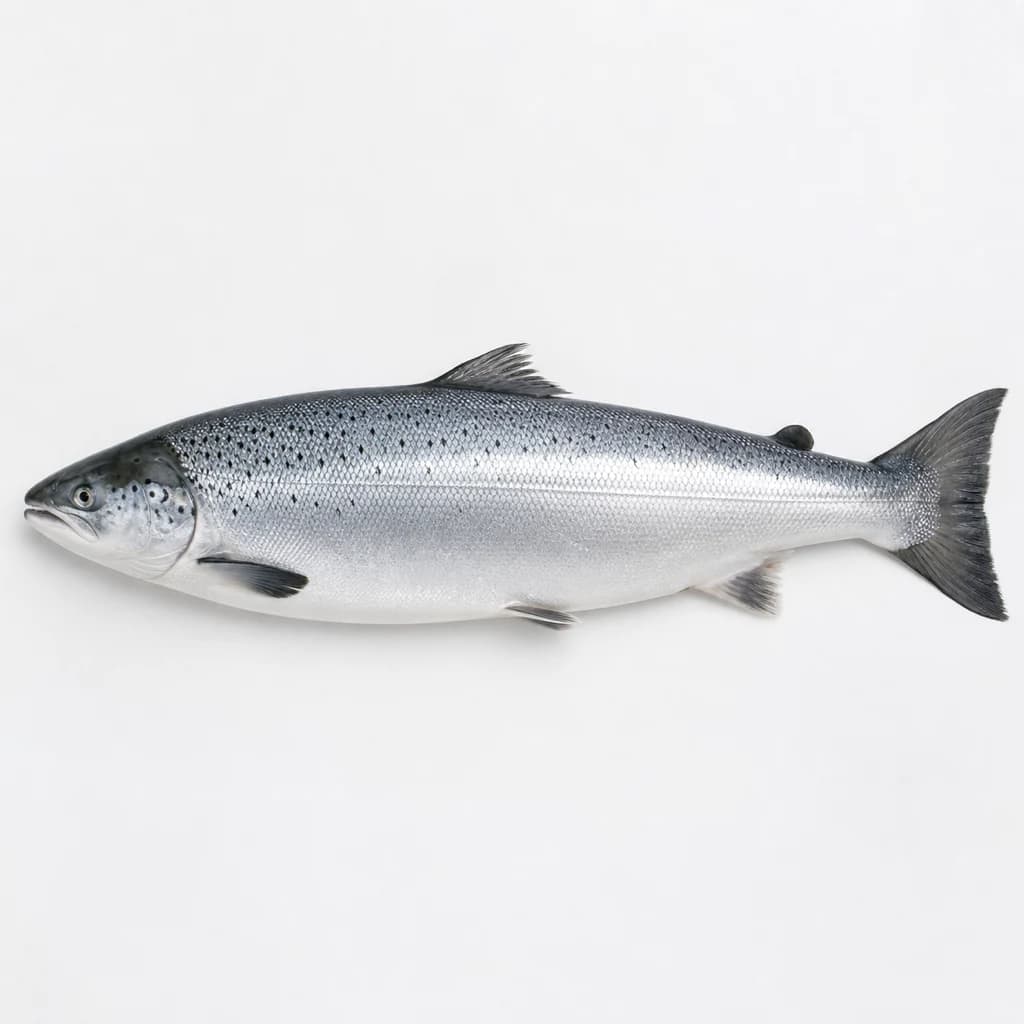
Salmon
Rich, rosy fish that roasts, grills, or cures beautifully

Egg White
Pure protein that whips to airy peaks for meringue and more

Egg Yolk
Rich, golden yolk for custards, mayonnaise, and pasta

Quail Egg
Tiny, speckled eggs for garnishing and elegant bites