Other
Textured Vegetable Protein (TVP)
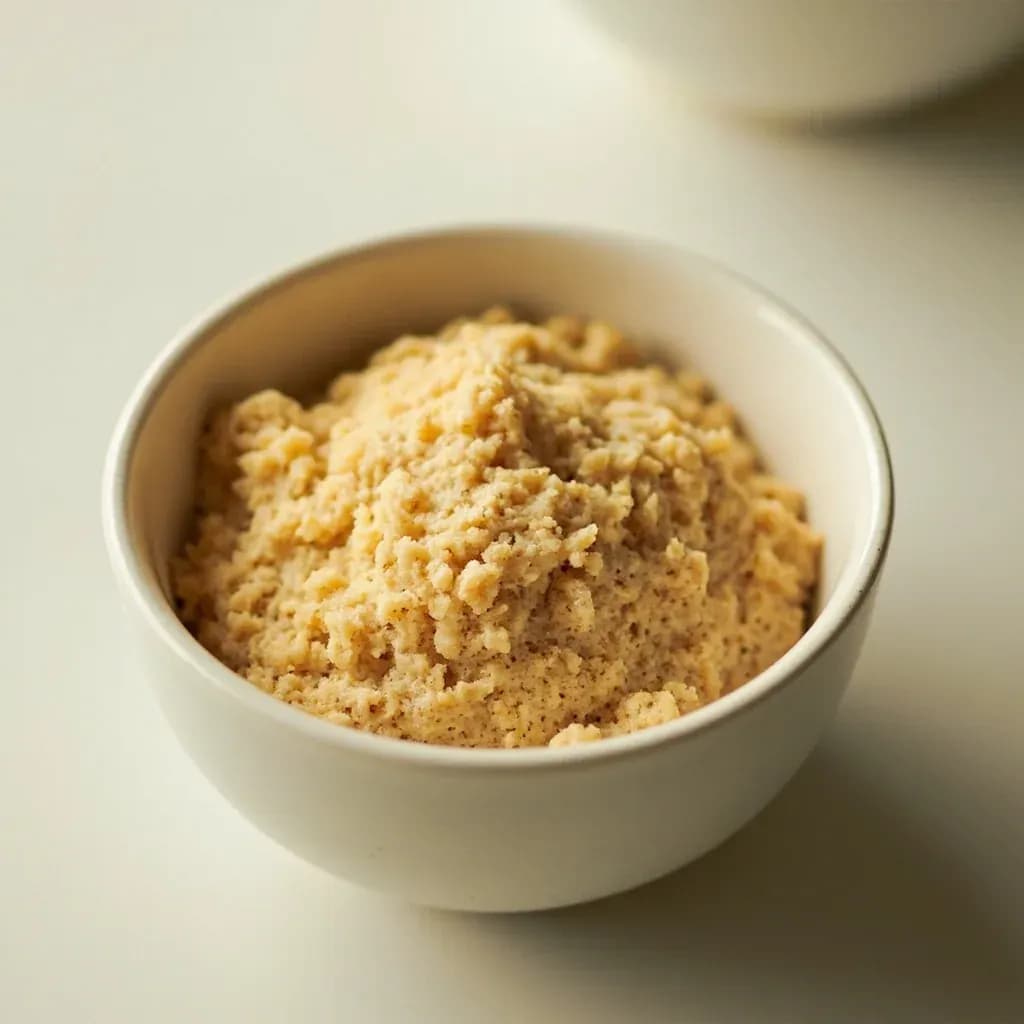
Dehydrated soy-flour granules rehydrated as a ground-meat substitute in chili and tacos.
Textured vegetable protein is a dried, extruded product made from defatted soy flour, sold as granules, flakes or chunks. Rehydrated with water or broth, it mimics ground meat in chili, tacos, bolognese and burgers, readily absorbing seasoning. It is shelf-stable, inexpensive and very high in protein.
Textured Vegetable Protein (TVP) is a highly processed soy product made from defatted soy flour—the protein-and-fiber matrix that remains after soybean oil is extracted. The flour is moistened and forced through an extruder under extreme pressure and heat, which rearranges the soy proteins into long, fibrous strands that mimic the texture of ground muscle tissue. This extrusion process is what distinguishes TVP from whole soy products like tofu or tempeh: it behaves mechanically like ground meat rather than bean curd. The result is an extraordinarily versatile, shelf-stable ingredient with virtually no fat and roughly 50% protein by dry weight.
In the kitchen, TVP's defining characteristic is its blank-slate neutrality. It has no pronounced flavor of its own, which means it will adopt whatever seasonings, sauces, or braising liquids surround it—this is both its great strength and the source of its most common failure. When properly seasoned and cooked with a bit of fat, TVP browns beautifully and can pass convincingly as ground beef in chili, tacos, and Bolognese. The dry granules rehydrate quickly—about 10 to 15 minutes in warm, seasoned liquid—and expand to roughly double their volume.
One practical advantage worth noting: TVP is naturally gluten-free and, in its plain form, contains no allergens beyond soy. Because soy is one of the most commonly genetically modified crops, certified organic or non-GMO Project Verified varieties are widely available. Store dry TVP in an airtight container in a cool, dark place; it keeps for one to two years, though for opened packages, freezer storage in a sealed bag is wise to prevent oxidation of residual oils from turning the product rancid.
- Measured in
- g
- Storage
- Pantry
Allergens
Types & varieties
Smallest size (~3mm); mimics ground beef in chili, tacos, sloppy joes, Bolognese sauce
Small bite-sized pieces (~10mm) for sloppy joes, breakfast scrambles, or sandwich fillings
Larger pieces (~20mm) resembling cubed meat; ideal for stews, curries, stroganoff, kebabs
Larger, flatter pieces for stir-fries, wraps, and heartier preparations
Common uses
Tips & pitfalls
- Toast dry granules in a dry skillet over medium heat for 2–3 minutes before rehydrating to develop a nuttier, more complex flavor
- Rehydrate with warm broth or water seasoned with soy sauce, Worcestershire, or other savory liquids to build depth before cooking
- Add 1–2 tablespoons of neutral oil or butter to rehydrated TVP when browning to achieve Maillard browning and a more meat-like color
- Season generously—because TVP has no inherent flavor, under-seasoning is the most common mistake home cooks make
- After rehydrating, squeeze out excess liquid gently with a clean towel to prevent watery dishes and improve browning
- Do not over-rehydrate; the liquid should be mostly absorbed, leaving a tender but not mushy texture
- For a chewier, more substantial texture, use slightly less liquid than called for or allow rehydrated TVP to rest off-heat uncovered for 5 minutes
- When using TVP as an extender with real ground meat, add it late in cooking to prevent it from becoming mealy
- Store opened TVP in a freezer bag in the freezer to prevent rancidity; even defatted soy can oxidize over months at room temperature
Nutrition
Nutrition
No USDA FoodData Central match for Textured Vegetable Protein (TVP) yet. We surface a per-100 g profile once a generic whole-food entry is matched and verified.
In the shops
Matched grocery products
No matched grocery products for Textured Vegetable Protein (TVP) yet.
Good to know
- Made from
- Defatted soy flour (a byproduct of soybean oil extraction)
- Production method
- Extrusion: soy flour is moistened and forced through an extruder under high pressure and heat, then dried
- Protein content
- ~50% protein by dry weight; less than 1% fat in defatted form
- Rehydration ratio
- 1:1 to 1:1.5 (TVP to liquid by weight)
- Rehydration time
- 10–15 minutes in hot liquid; 30+ minutes in cold liquid
- Color change
- Tan/beige when dry; browns when rehydrated and cooked with fat or browning agents
- Shelf life (dry)
- 1–2 years in a cool, dark, airtight container; freeze opened packages
- Shelf life (rehydrated)
- 5–7 days refrigerated
Substitutes
- Seitan (wheat gluten) — Much chewier, denser texture; higher protein; not gluten-free; best for Asian-style dishes and sandwiches
- Crumbled tempeh — Fermented with a nutty flavor; must be crumbled and pan-fried; holds a firmer texture; better for burgers and grain bowls
- Brown or green lentils — Maintain shape better in chili and taco filling; earthier flavor; shorter shelf life; different mouthfeel
- Black beans or kidney beans — Provide bulk and protein in chili; mash partially for more ground-meat-like consistency
- Cooked mushrooms (cremini, portobello, shiitake) — Add umami and moisture; sauté until deeply browned; good textural component but not a primary substitute
- Fine cauliflower rice — Lower protein; adds moisture; best as a filler or in combination with other substitutes
- Chickpea flour or aquafaba patties — Better for binding than mimicking texture; best in combination with heartier fillers
Pairs with
Also called
TVP · Textured Soy Protein · Soy Mince
Related
Plant Protein Powder
Concentrated pea, rice or soy protein powder blended into shakes, doughs and baked goods.
Collagen Peptides
Flavorless hydrolyzed collagen powder stirred into drinks and broths as a protein boost.
Chicken Stock
Savory simmered-chicken broth that forms the liquid base of soups, sauces, and braises.
Vegetable Stock
Light vegetable-simmered broth used as a meat-free cooking base.
Beef Stock
Deep, roasted-bone beef broth that underpins hearty sauces and stews.
Fish Stock
Delicate stock simmered from fish bones for seafood soups and sauces.