Grains & Rice
Nixtamalized Corn
Corn cooked in lime to make fresh masa, the dough behind tortillas and tamales.
Nixtamalized corn is dried maize simmered in an alkaline lime solution, which loosens hulls, boosts nutrition, and develops the aroma of true masa. Ground while moist, it becomes the fresh masa used for tortillas, tamales, and pupusas across Mexico and Central America. The process unlocks niacin and gives masa its unmistakable flavor.
Nixtamalized corn is corn that has been cooked in an alkaline solution—traditionally food-grade calcium hydroxide (slaked lime)—then soaked overnight and rinsed. This ancient Mesoamerican process, developed by Maya and Aztec civilizations around 1500 BCE, fundamentally transforms the grain. The word itself comes from Nahuatl: nextli (lime) + tamalli (uncooked dough). Without nixtamalization, corn is difficult to digest and nutritionally incomplete; the alkaline treatment releases bound niacin (vitamin B3), makes lysine and tryptophan bioavailable, and improves corn's protein profile substantially. Traditional nixtamal can add approximately 900 mg calcium per kilogram from the lime itself.
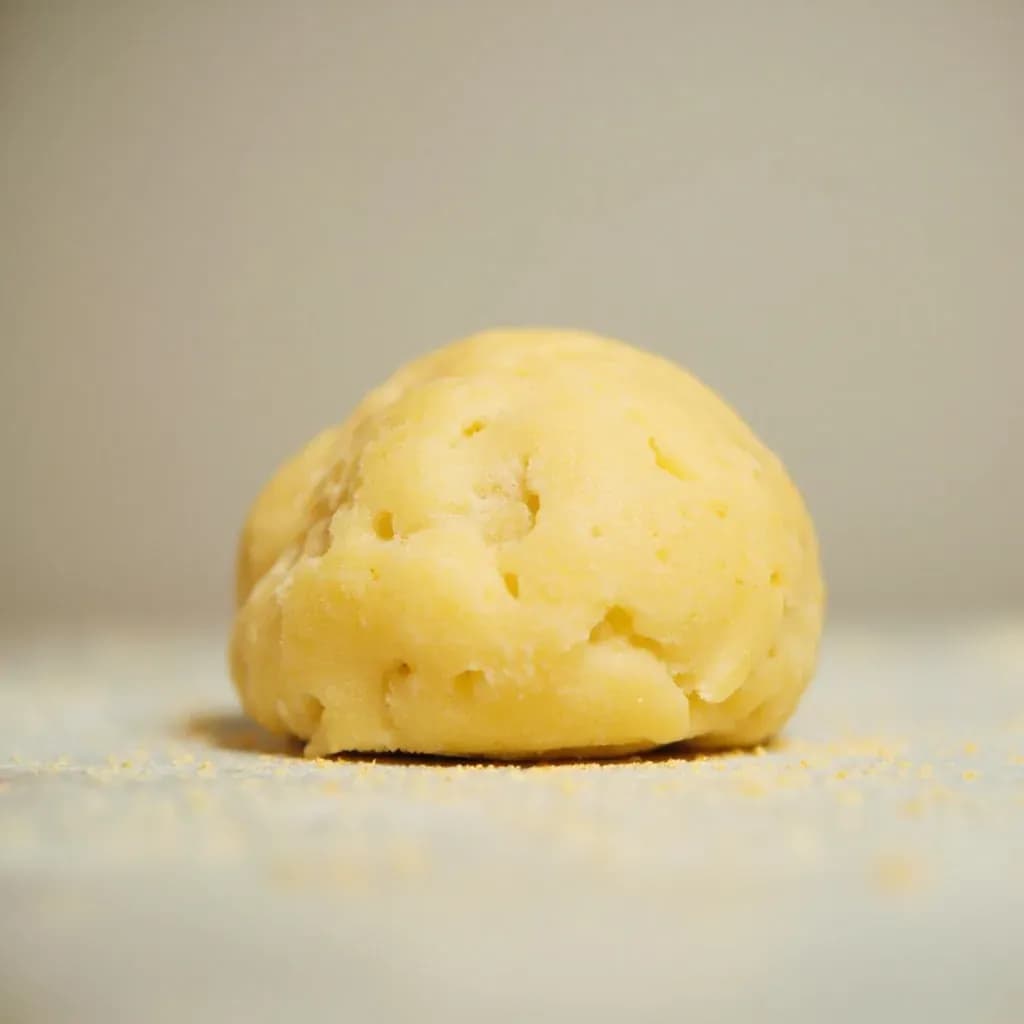
When ground into masa, nixtamal behaves unlike any other dough. It contains no gluten, so its structure depends entirely on the starch and fiber matrix created by nixtamalization. The result is the characteristic soft, slightly chewy texture of a proper corn tortilla—something that cannot be replicated with non-nixtamalized corn products. The flavor is mildly corn-forward with a subtle mineral, earthy quality that raw or field-cooked corn simply lacks. A distinctive cooked-corn aroma develops during simmering; a soapy or chemical smell indicates too much lime or insufficient rinsing.
Fresh nixtamal can be used whole (hominy) or ground into masa for tortillas, tamales, pupusas, sopes, and countless other preparations. The technique demands precise ratios and thorough rinsing, but the results—nutritionally, texturally, and flavor-wise—are in a category entirely apart from commercial masa harina or non-nixtamalized corn products.
- Measured in
- g
- Storage
- Fridge
Types & varieties
Most common and traditional for tortillas. Milder, more neutral corn flavor; produces the most pliable dough.
Slightly sweeter, more corn-y flavor. Widely used in Mexican tortillas and some tamales. Increasingly available at Latin grocery stores.
Color ranges from deep purple to nearly black, often with blue undertones. Sweeter and nuttier than white; used for blue corn tortillas and tlacoyos.
Whole nixtamalized kernels with hull removed but kernel intact. Used in pozole, menudo, hominy soup, and as toasted snack (cancha).
Larger-kernel corn varieties specifically selected for pozole. Longer cook time; hull left more intact than for tortilla masa.
Not a fresh variety but the commercial dried equivalent. Rehydrated with water; acceptable for emergency use but noticeably inferior to fresh-ground masa in flavor and texture.
Why Nixtamalization Matters
Nixtamalization is one of the most significant food-processing discoveries in the Americas, predating European contact by millennia. Without it, corn is not merely less nutritious—it is effectively inedible as a staple. Raw corn contains phytic acid and hard-to-digest proteins; the alkaline process neutralizes these barriers. The nixtamalized kernel swells, the hull loosens, and the grain's nutritional profile transforms dramatically: niacin becomes available, and proteins that would otherwise pass undigested become accessible. This is why nixtamalization prevented pellagra (niacin deficiency) in traditional Mesoamerican populations who relied almost entirely on corn.
- The alkaline process substantially improves corn's protein profile
- Traditional nixtamal adds significant dietary calcium
- The technique enabled corn to become the staple grain of the Americas
- Fresh masa produces tortillas with superior texture and flavor that commercial substitutes cannot match
Common uses
Tips & pitfalls
- Use food-grade calcium hydroxide (pickling lime) sold specifically for nixtamal in Latin markets. Construction lime or industrial calcium hydroxide are unsafe and will ruin your batch.
- Always add lime to cold water and whisk until fully dissolved before adding corn. Hot lime spots burn kernels unevenly and ruin the texture.
- Do not use field corn (dent corn) intended for animal feed. Use varieties bred for human consumption—white, yellow, or blue tortilla corn, often labeled maíz para tortillas.
- Simmer gently, not vigorously. A rolling boil bruises kernels and clouds the cooking water without improving results.
- If hulls persist after soaking, the corn needed more cook time or the batch was too old and dry. Hull removal is essential—the residue tastes bitter and can cause stomach upset.
- Rinse nixtamal under cold running water, rubbing kernels between your palms until water runs completely clear. This step is non-negotiable for both flavor and safety.
- Grind masa while the nixtamal is still slightly warm. Warm kernels grind smoother; cold kernels produce gritty, uneven dough. Work in small batches to maintain even temperature.
- The ideal masa consistency resembles soft modeling clay—it holds together without cracking when pressed, releasing slight moisture under firm pressure. Adjust with water a tablespoon at a time.
Nutrition
Energy
360 kJ · per 100 g
Where the calories come from
Protein
3.2g
6% DV
Carbs
19g
7% DV
Fat
1.2g
2% DV
Fiber
2.7g
10% DV
Sugars
3.2g
of which
Sodium
15mg
1% DV
Source · USDA FoodData Central · approx. Corn, sweet, white, raw
View on FDC →In the shops
Matched grocery products
 €1.55
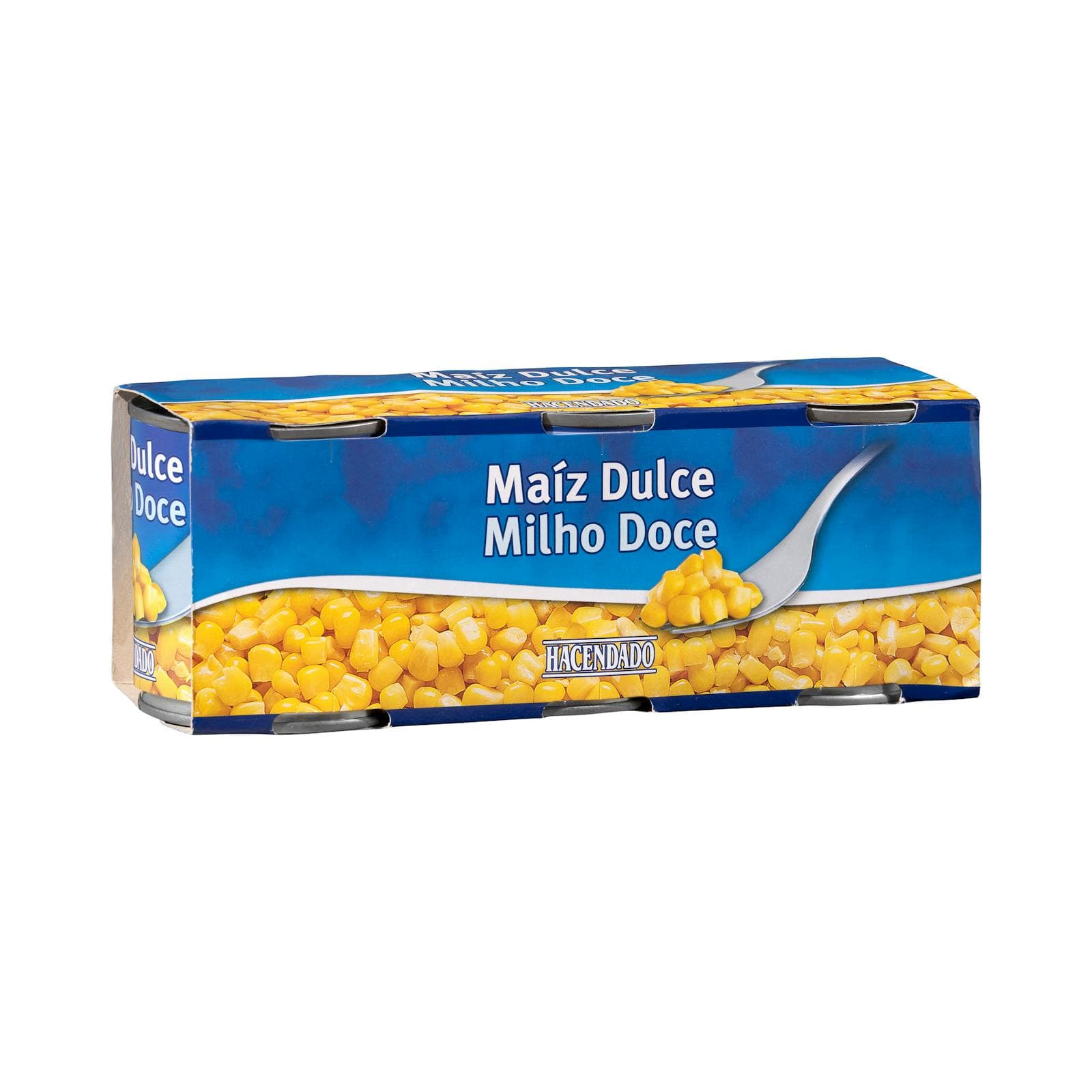
€1.55Sweet Corn
Hacendado · 450 g · Mercadona
 €1.59
€1.59Sweet Corn Bonpreu
BONPREU · kg · Bonpreu
 €2.49
€2.49Sweet Corn Bonpreu
BONPREU · kg · Bonpreu
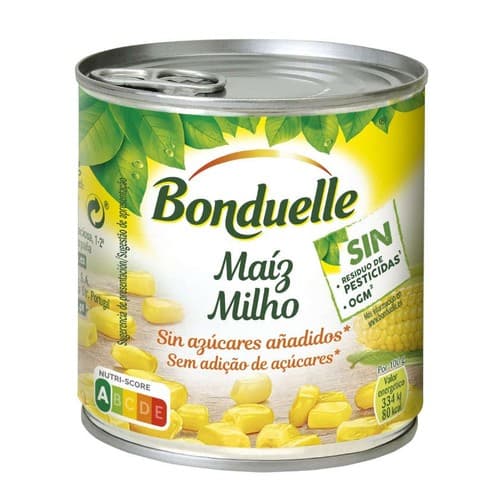 €1.99
€1.99Bonduelle Sweet Corn
BONDUELLE · kg · Bonpreu
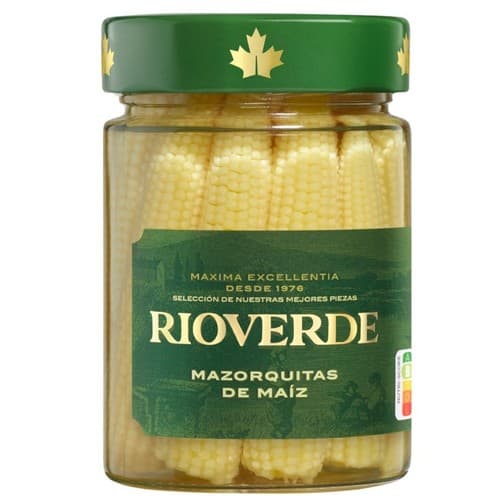 €2.99
€2.99Pickled Corn Kernels
RIOVERDE · kg · Bonpreu
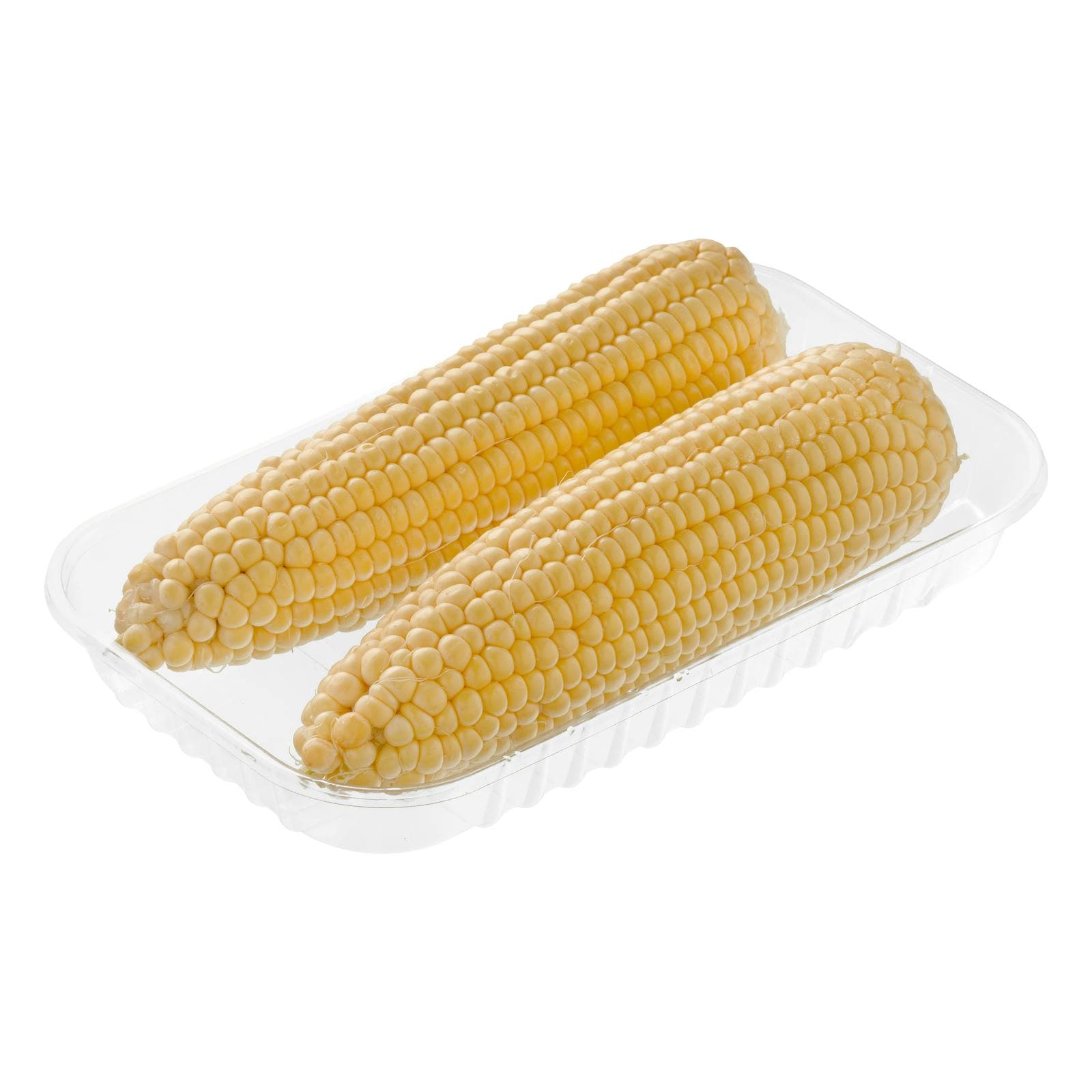 €3.15
€3.15Sweet Corn on the Cob
2 ud · Mercadona
Good to know
- What It Is
- Dried corn cooked in an alkaline solution of food-grade calcium hydroxide (pickling lime), then soaked and rinsed to produce nixtamal—the foundation of masa dough.
- Origin
- Mesoamerica; developed by Maya and Aztec civilizations circa 1500 BCE. The word derives from Nahuatl: nextli (lime) + tamalli (uncooked corn dough).
- Alkaline Agent
- Food-grade calcium hydroxide (pickling lime or cal). Wood ash was the historical precursor. Baking soda is not a substitute and produces poor results.
- Standard Ratio
- 1 lb (454 g) dried corn to 2–2.5 quarts (1.9–2.4 L) water, with 1–2 tablespoons food-grade lime. Adjust proportionally for batch size.
- Cook + Soak Time
- Simmer 25–50 minutes, then soak 8–12 hours (overnight). Do not rush the soak—it completes the chemical transformation.
- Yield
- 1 lb dried corn yields approximately 1.5–2 lbs finished nixtamal (whole kernels or ground masa).
- Flavor Profile
- Mildly corn-forward with a subtle mineral, slightly earthy quality from the lime. A distinctive cooked-corn aroma develops during simmering.
- Shelf Life
- Fresh nixtamal (whole kernels): up to 1 week refrigerated. Ground masa: 2–3 days refrigerated, up to 3 months frozen.
- Difficulty
- Intermediate. The technique is straightforward but demands precise ratios, timing, and thorough rinsing.
Substitutes
- Masa Harina (Dried Masa Flour) — The only practical substitute. Rehydrate per package directions (typically 1 cup masa harina to ¾ cup warm water). Acceptable for tortillas, tamales, and dough in a pinch, but noticeably less flavorful and pliable than fresh-ground nixtamal.
- Ground Cornmeal (Masa de Maíz) — Plain cornmeal does not nixtamalize well and produces a gritty, flat result. Not recommended. No true 1:1 substitute exists for genuine nixtamal.
Pairs with
Also called
Nixtamal · Fresh Masa · Masa Nixtamalizada · Nixtamalized Corn Masa
Appears in these dishes
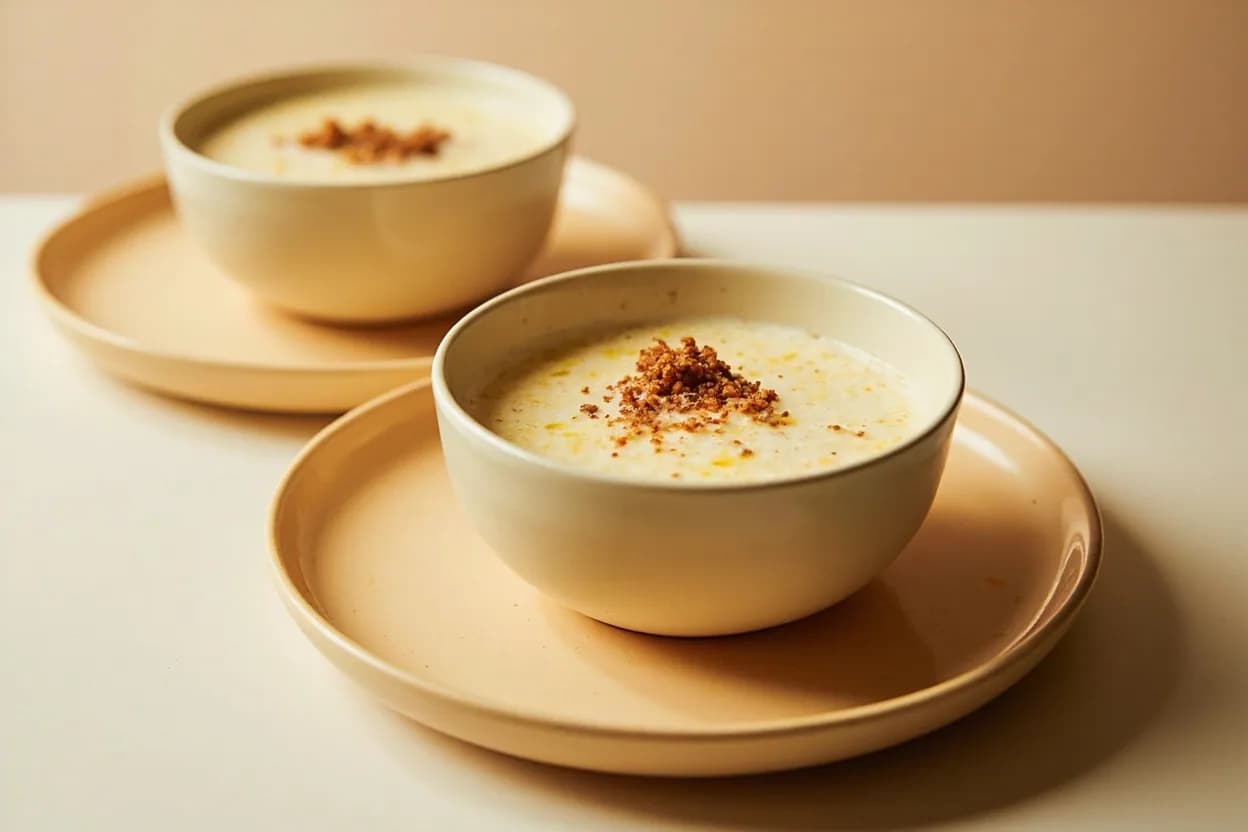
Related

White Rice
Fluffy long-grain rice — the neutral base for almost any meal

White Bread
Soft sandwich loaf for toast, sandwiches, and crumbs
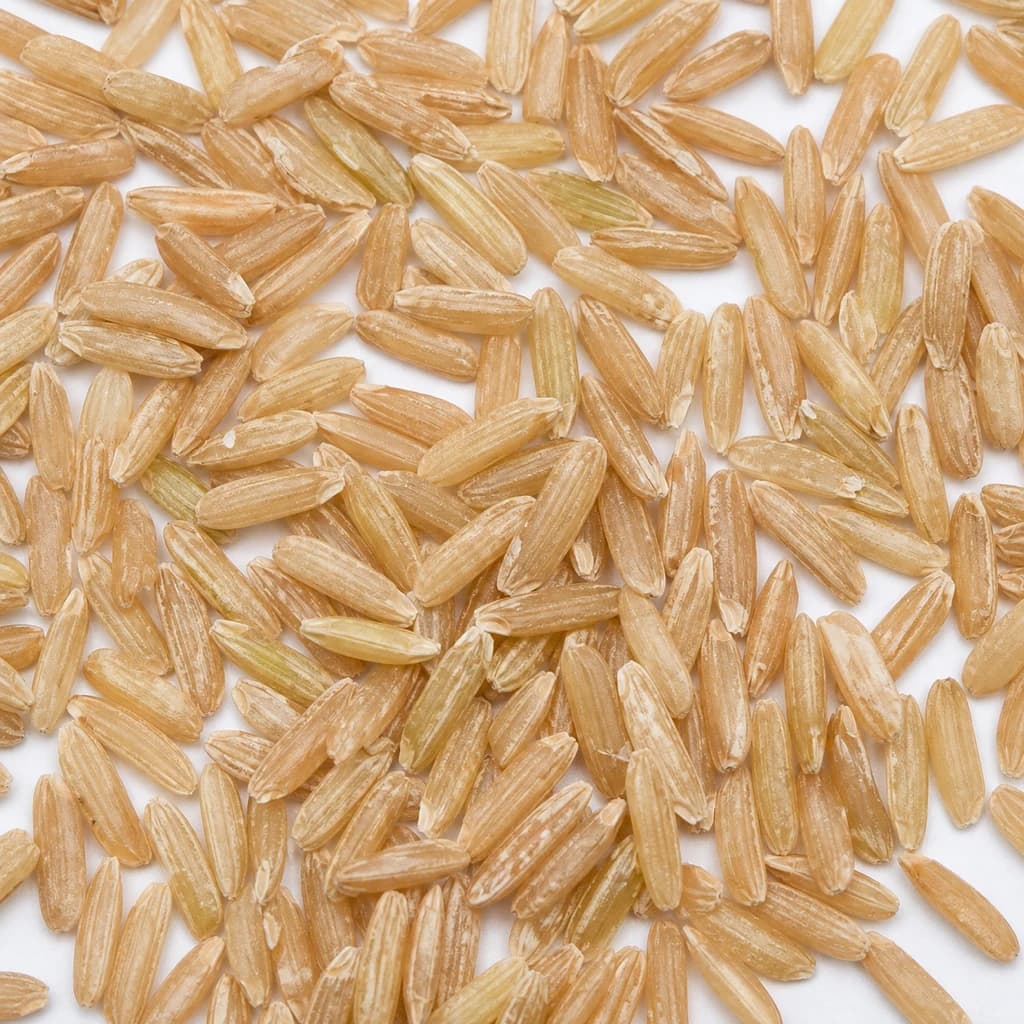
Brown Rice
Nutty, whole-grain rice with chew and extra fiber

Basmati Rice
Fragrant, long-grain rice that cooks up light and separate
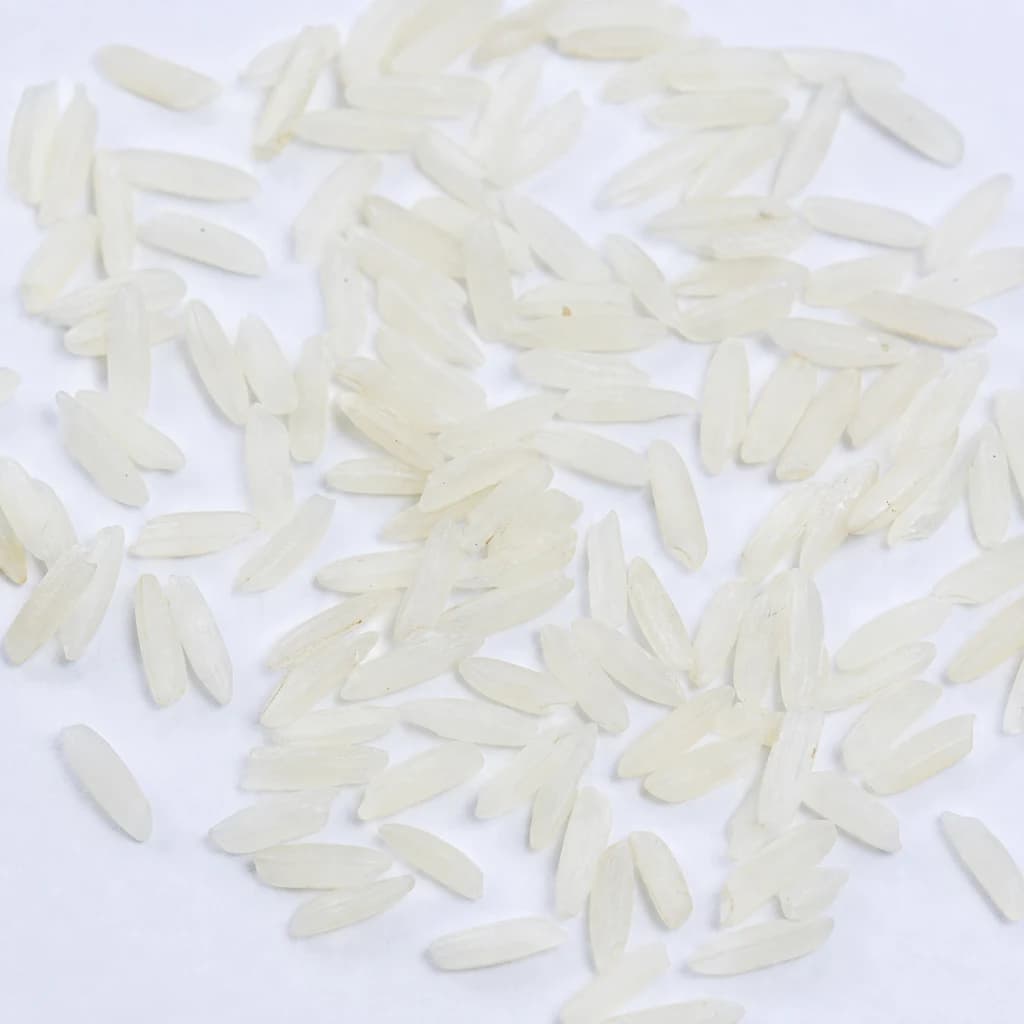
Jasmine Rice
Soft, floral-scented rice that's the pillar of Thai meals
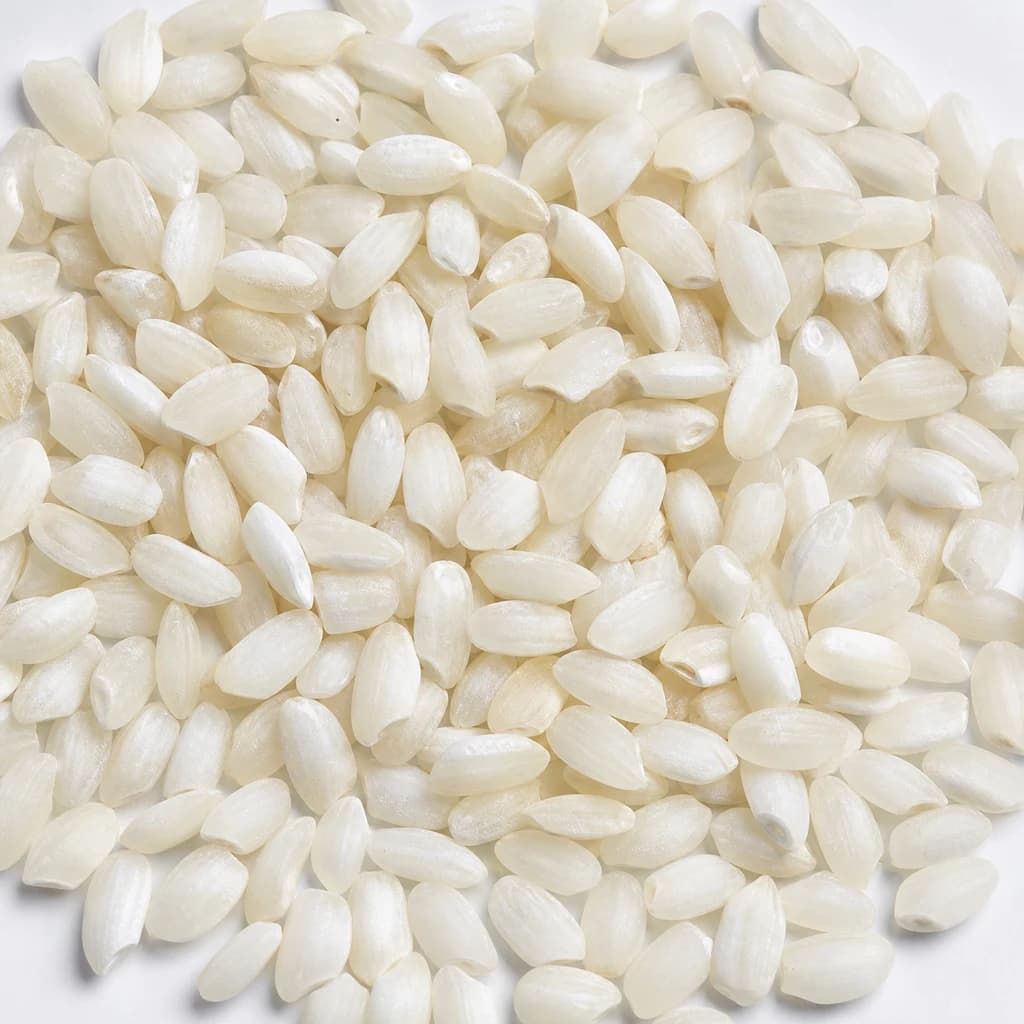
Arborio Rice
Plump, starchy rice that makes risotto creamy
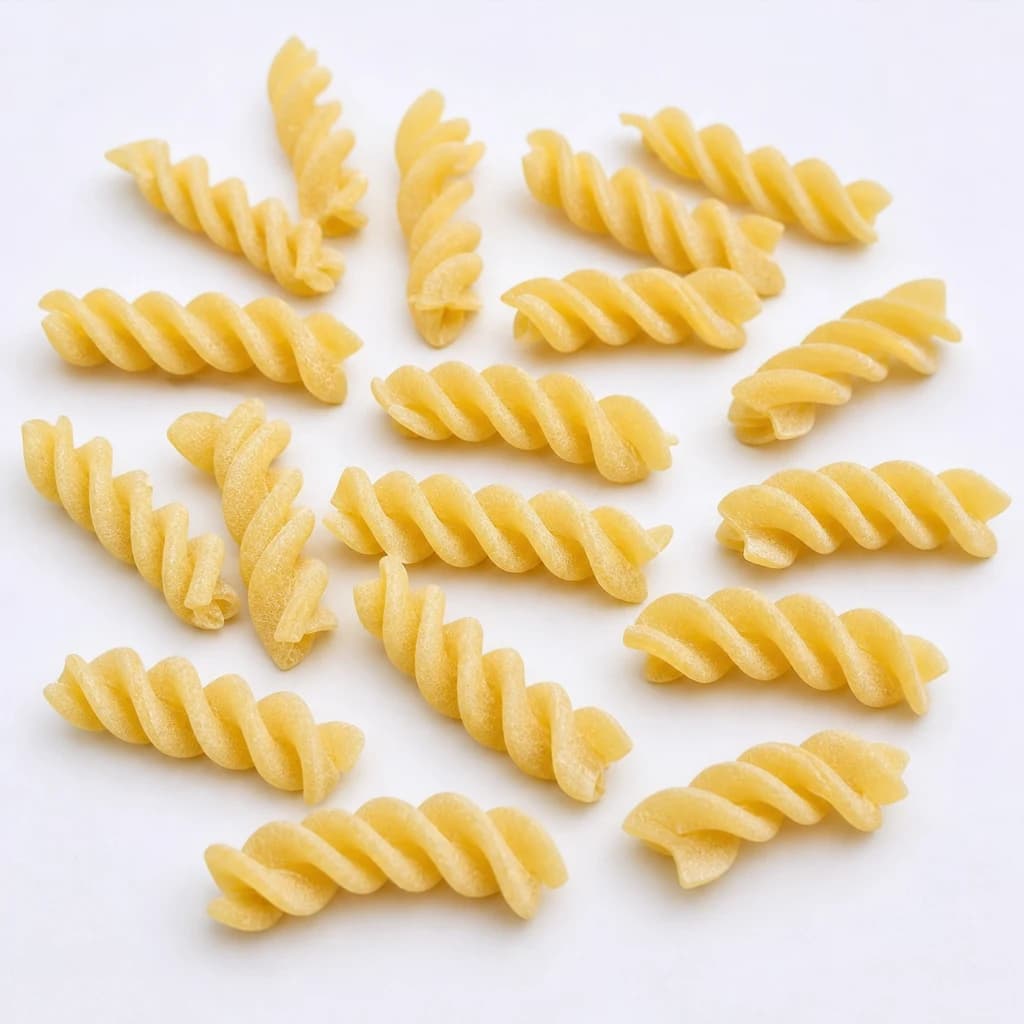
Fusilli
Spiraled pasta that twirls up sauce and dresses cold salads
Rolled Oats
Hearty flakes for porridge, granola, and chewy cookies