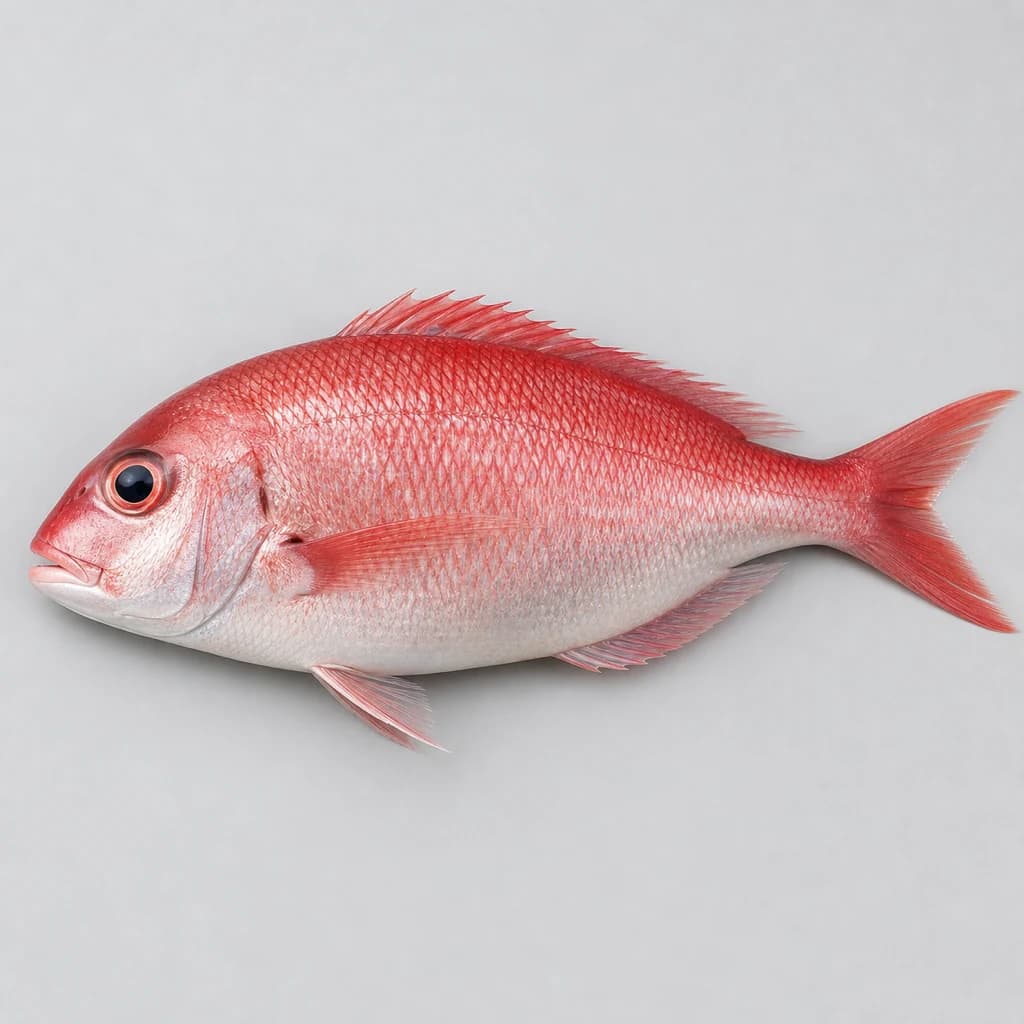
Natural form
Whole opakapaka showing its distinctive pink-red scales and deep-water snapper body shape.
Shows the reader the full fish as caught — color, scale pattern, body proportions — so they can identify it in a market.
Proteins
Opakapaka (Pink Snapper)
Prized Hawaiian pink snapper with delicate, buttery white flesh.
Opakapaka is a Hawaiian pink snapper highly valued for its delicate, slightly sweet white flesh and high oil content. It is gently steamed, baked or pan-seared, a centerpiece of island fine dining. The tender, buttery texture is best with light preparations that do not overwhelm it.
Opakapaka (Pristipomoides filamentosus), the Hawaiian pink snapper, is one of the most celebrated fish in Hawaii's coastal waters. Unlike many snappers that haunt shallow reefs, opakapaka lives in the deep—typically 100 to 400 feet below the surface. This deeper habitat produces cleaner, more delicate flesh with less exposure to environmental impurities, and contributes to the fish's mild, refined sweetness. The fish has a deep, robust body with pinkish-rose scales that fade to clean white flesh beneath the skin. Its firm yet fine-grained texture and mild oceanic flavor—delicate, slightly sweet, and notably absent of any fishy intensity—make it equally suited to raw preparations and gentle cooking methods.
In Hawaiian cuisine, opakapaka sits alongside onaga and ehu at the pinnacle of island fish. It appears at traditional luaus cooked in the imu (underground oven) and on contemporary menus from Honolulu to Chicago. The name is Hawaiian in origin, and the fish carries genuine cultural weight beyond its culinary reputation. What matters most in the kitchen is this: opakapaka is lean. That leanness is both its greatest asset—clean flavor, silky texture—and its primary challenge. Overcook it and the flesh turns dry and tough. Cook it with awareness of its delicate character and you will be rewarded with one of the Pacific's finest white-fleshed fish.
- Measured in
- g
- Storage
- Fridge
Allergens
Types & varieties
The true Hawaiian pink snapper. Deep-bodied with pinkish-rose scales and distinctive yellow pectoral fins.
Golden eye snapper. Smaller than opakapaka with similar delicate flesh; found in the same deep waters.
Separate genera often grouped with opakapaka in the premium tier of Hawaiian cuisine. Onaga (longtail snapper) and ehu (squirrelfish snapper) share similar delicate, sweet white flesh.
The Deepwater Advantage
Opakapaka's depth of habitat—well below the surface turbulence that affects nearshore fish—produces flesh that is noticeably cleaner and more consistent in quality than many shallow-water snappers. The deepwater diet of crustaceans and small fish contributes to its delicate sweetness without the stronger oceanic intensity found in some reef dwellers. This same depth also means reduced exposure to ciguatera risk, which makes it a safer choice among large predatory reef fish.
Buying and Identifying Quality
Whole opakapaka should display clear, slightly bulging eyes and bright red or pink gills. The scales should be firmly attached and retain their pinkish-red sheen. Avoid any fish with sunken or cloudy eyes, dull coloration, or a strong fishy odor—the latter two indicate the fish is past its prime. When purchasing fillets or portions, look for firm, moist flesh that springs back when pressed gently. Given the premium price, buying from a reputable fishmonger who can confirm Hawaiian sourcing is worth the extra effort.
- Look for clear, bright eyes and vivid gill color on whole fish
- Firm flesh that rebounds when pressed indicates freshness
- Request the catch source—Hawaiian origin matters for quality and sustainability
- Fillets should smell clean, like the ocean, not fishy
Understanding the Lean Flesh
Opakapaka's leanness is the single most important characteristic to understand before you cook it. Unlike oily fish such as salmon or bluefish, opakapaka contains very little intramuscular fat. This means there is nothing to lubricate the proteins during cooking, so the flesh can easily tighten, dry out, and become tough if subjected to excessive heat or prolonged cooking. The practical implication is direct: you must either add fat to the cooking process (butter, oil, or a sauce) or use a moist-heat method that surrounds the fish with steam or liquid. Dry, high-heat searing without fat is the fastest way to ruin an otherwise excellent piece of fish.
Common uses
Tips & pitfalls
- Bring fish to room temperature for 15 minutes before cooking for more even heat penetration and better texture
- Season simply—salt, white pepper, and a squeeze of citrus are sufficient; this fish does not need heavy seasoning
- Use a probe thermometer and pull the fish from the heat at 130–135°F—the carryover will bring it to the ideal 140°F
- Test doneness with a fork angled into the flesh rather than cutting; opakapaka flakes readily when done
- When pan-searing, coat the flesh lightly with flour or semolina and use a generous amount of butter or oil in the pan
- If grilling whole, oil both the fish and the grill grates thoroughly to prevent sticking; a well-oiled fish will release cleanly when ready
- Do not overcook—opakapaka is done when the flesh turns just opaque throughout with no translucent center remaining
- Common mistake: cooking at too high a heat for too long. Moderate oven temperatures (350–375°F) or controlled pan searing give far better results than blasting the fish
- When making poke, cube the fish cleanly with a sharp knife and keep everything cold; the contrast between the icy fish and the warm rice is part of the dish's appeal
- Buy from reputable sources—sustainability matters; Hawaiian opakapaka stocks are carefully managed, but avoid purchasing from areas with depleted stocks
Nutrition
Nutrition
No USDA FoodData Central match for Opakapaka (Pink Snapper) yet. We surface a per-100 g profile once a generic whole-food entry is matched and verified.
In the shops
Matched grocery products
No matched grocery products for Opakapaka (Pink Snapper) yet.
Good to know
- Scientific Name
- Pristipomoides filamentosus
- Other Names
- Pink snapper, Hawaiian pink snapper, crimson jobfish
- Origin
- Endemic to the Hawaiian Islands; deep waters 100–400 feet
- Season
- Year-round; peak quality in winter and early spring
- Color
- Pinkish-red to rose exterior; clean white flesh
- Flavor
- Delicate, slightly sweet, clean oceanic taste; mild without fishiness
- Texture
- Fine-grained, lean, and tender when cooked properly
- Mercury Level
- Low; one of the safer Hawaiian fish choices (FDA)
- Typical Market Size
- 1–4 pounds whole; 6–10 oz portions when filleted
- Yield
- Approximately 40–45% yield after filleting and skinning
- Storage
- Use within 1–2 days of purchase for peak quality; freeze at 0°F for up to 3 months
- Price Category
- Premium; among the higher-priced Hawaiian reef fish
Substitutes
- Onaga (Etelis coruscans) — Longtail snapper with similar delicate, sweet white flesh; considered the closest comparable premium Hawaiian fish.
- Ehu (Etelis radiosus) — Squirrelfish snapper; slightly richer flavor but still delicate and fine-grained; valid one-to-one substitute in most preparations.
- Chilean sea bass or black sea bass — Comparable delicate white flesh and mild flavor; a solid substitute in most cooking applications, though the texture is somewhat richer.
- Mahi-mahi (dolphinfish) — More firm and moderately flavored; acceptable when opakapaka is unavailable, though it has a distinctly different character and more substance.
- Red snapper (mainland) — Similar texture but slightly stronger, more assertive flavor; acceptable when Hawaiian pink snapper is not accessible.
Pairs with
Also called
Pink Snapper · Crimson Snapper
Related
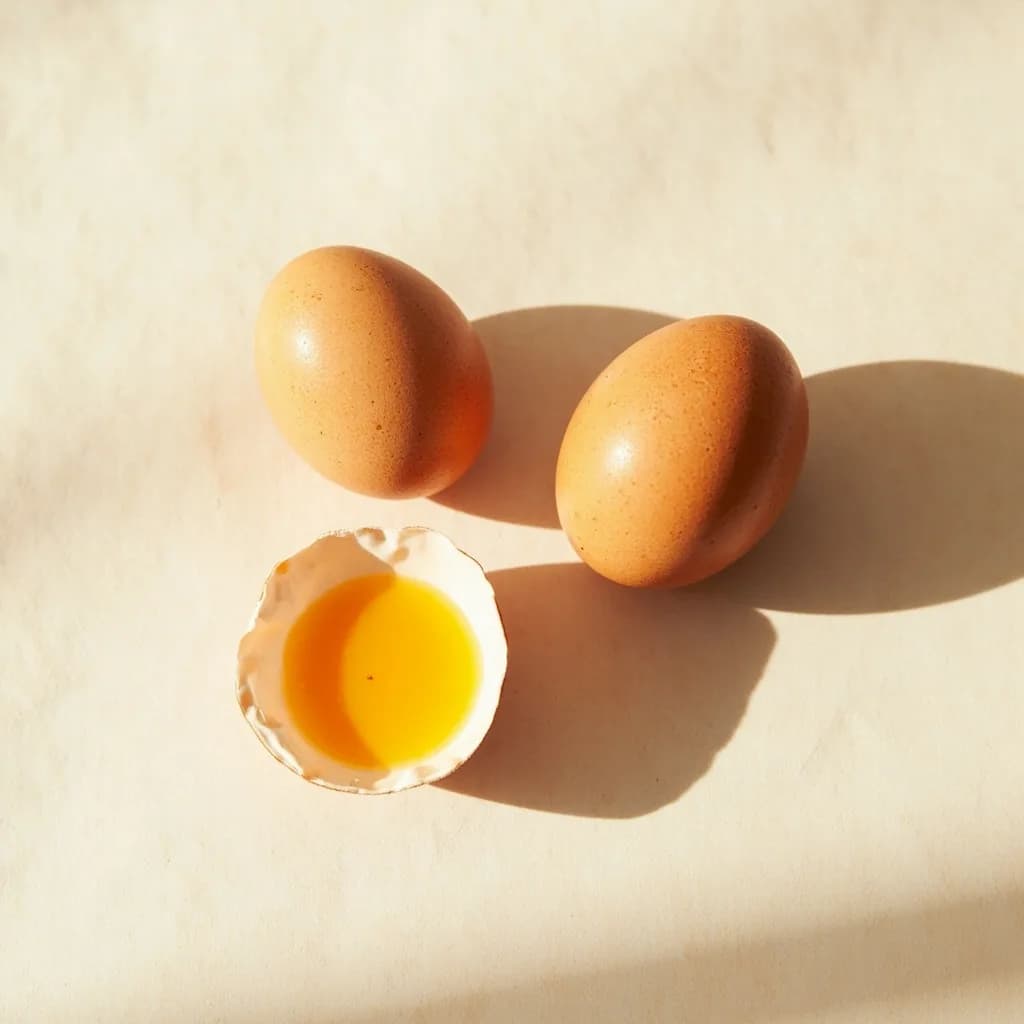
Egg
The kitchen's everything ingredient — bind, leaven, enrich, or fry
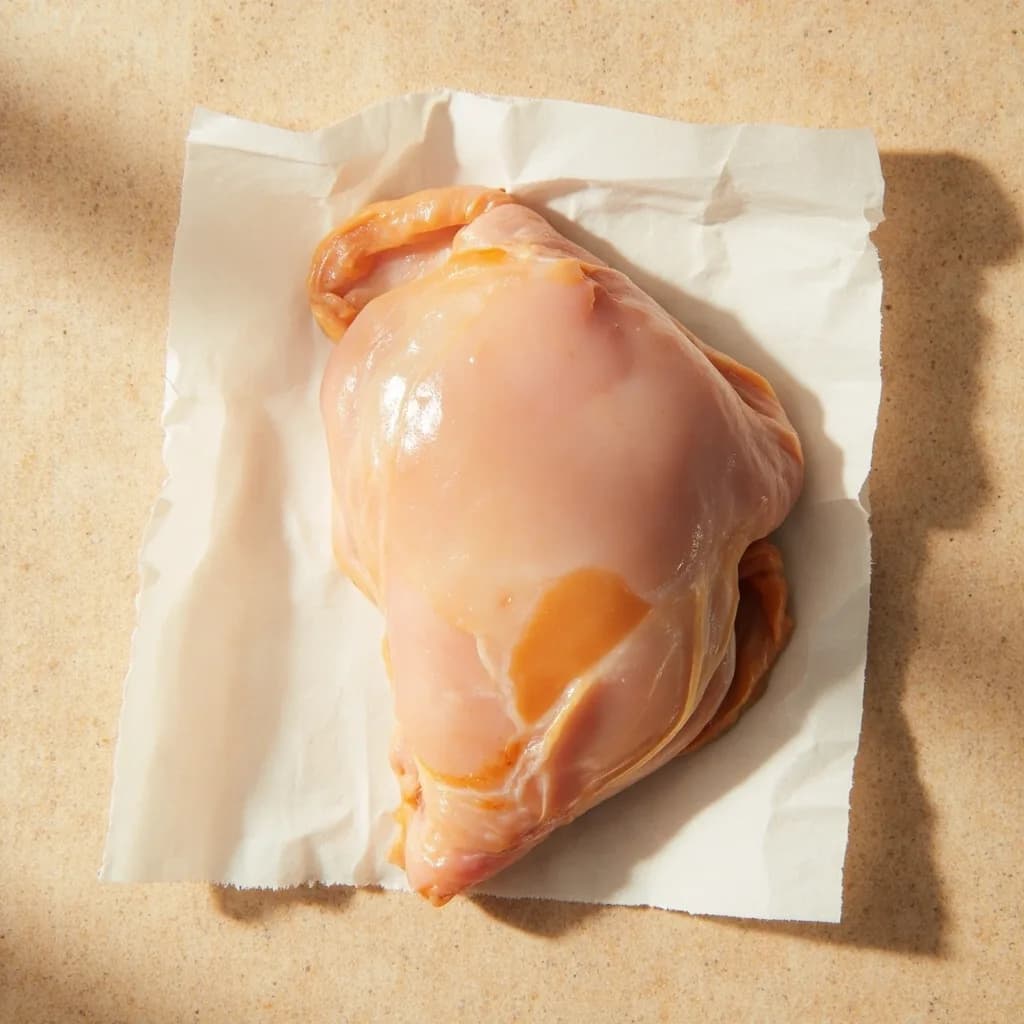
Chicken Breast
Lean, quick-cooking white meat for everyday dinners

Ground Beef
Versatile minced beef for burgers, ragù, tacos, and meatballs
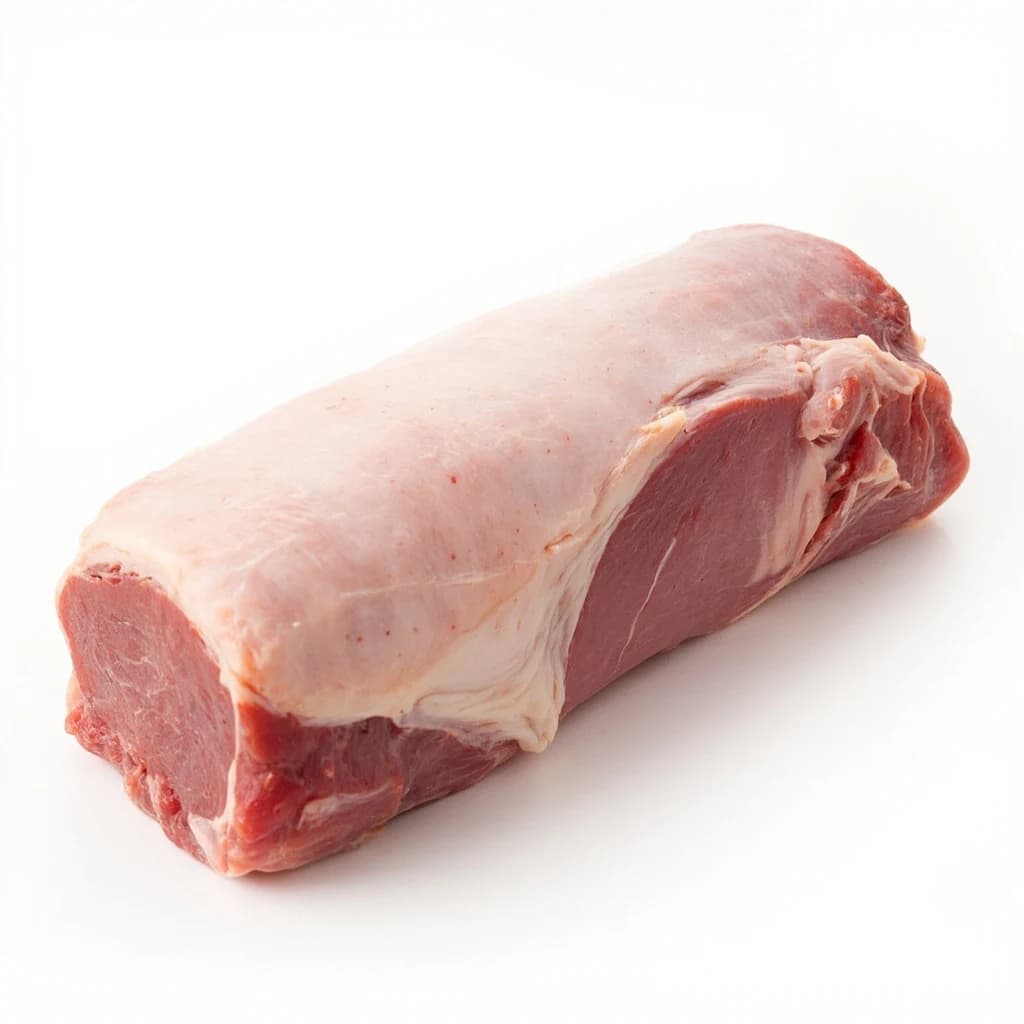
Pork Loin
Lean, tender roasting cut that stays juicy with care
Salmon
Rich, rosy fish that roasts, grills, or cures beautifully

Egg White
Pure protein that whips to airy peaks for meringue and more
Egg Yolk
Rich, golden yolk for custards, mayonnaise, and pasta

Quail Egg
Tiny, speckled eggs for garnishing and elegant bites