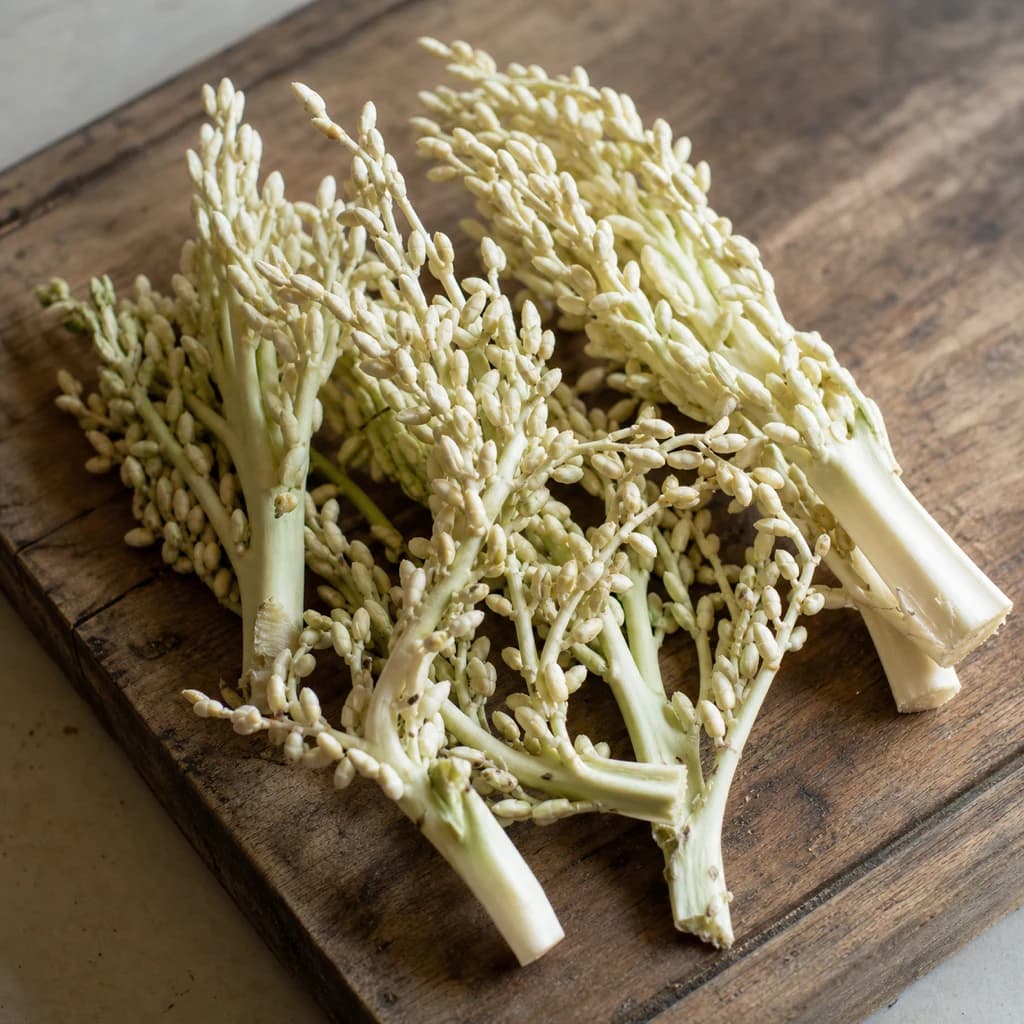
Natural form
Fresh pacaya palm flower buds harvested before blooming, showing pale branched clusters.
Shows readers the raw, unprocessed ingredient exactly as it arrives from the palm — pale, branched, clustered flower buds — so they can identify it at market.
Produce
Pacaya Palm Flower
Edible Central American palm flower, slightly bitter, battered and fried in Guatemala.
Pacaya is the edible flower bud of a Central American palm, popular in Guatemalan cooking. The pale, branched flower has a delicate bitterness and is blanched then dipped in egg batter and fried, often served with tomato sauce as part of fiambre or holiday meals. Boiling first tames its bitter edge.
Pacaya (Chamaedorea tepejilote) is the unopened flower bud of a Central American palm, harvested before the plant blooms. The bud consists of compact, spear-shaped florets ranging from green to pale yellow, typically 3–8 cm long. In Guatemala especially, pacaya holds the status of a beloved regional delicacy—served at market stalls, home kitchens, and celebratory tables alike. Its mildly bitter, vegetal flavor with a faint nutty quality makes it distinctive among Central American vegetables, and its compact structure holds up well to frying, stuffing, and simmering. When young, the bitterness is subtle; as the bud matures, it intensifies, which is why proper selection and preparation matter.
Harvesting pacaya involves carefully cutting the unopened male flower clusters from the palm without killing the tree—a sustainable practice when done correctly. The ingredient travels poorly when fresh, which limits its availability outside its native range, but Latin markets in the United States increasingly stock both fresh and canned pacaya. Fresh pacaya should feel firm and compact, with pale green to yellow coloring and no browning or dryness; older, overripe buds turn dull olive and taste excessively bitter. Canned pacaya, while convenient, requires extra rinsing and parboiling to tame bitterness preserved during processing.
In Guatemalan cuisine, pacaya is far more than a novelty—it carries cultural weight, appearing in traditional stews, breakfast dishes, and festival foods. The most iconic preparation is pacaya frita: trimmed, parboiled florets dipped in a seasoned batter and fried until golden and slightly crispy. It also appears stuffed with cheese or meat, folded into eggs, added to rich stews like pepián and jocón, and stuffed into pupusas in El Salvador. Outside Central America, pacaya remains genuinely underutilized, which is a loss for adventurous cooks seeking ingredients with character.
- Measured in
- piece
- Storage
- Fridge
Allergens
Types & varieties
Smaller, more fibrous variety traditionally gathered from forests; more pronounced bitterness and chewy texture
Grown on small farms; tends to be more tender and milder in flavor than wild-harvested specimens
Common uses
Tips & pitfalls
- Always trim the tough outer bracts and check for small spines along the stem before cooking—these are easily overlooked and cause discomfort
- Parboil fresh pacaya in salted water for 10–15 minutes to reduce bitterness before any further cooking; skip this step and the bitterness will dominate
- If the pacaya tastes excessively bitter, it is likely overripe—seek younger, more compact buds for milder flavor
- Canned pacaya must be rinsed thoroughly and parboiled briefly (5–10 minutes) to remove bitterness absorbed during preservation
- Do not overcook when sautéing—pacaya should retain slight texture; mushy pacaya indicates excessive cooking
- Look for compact, pale green to yellow buds without browning or dryness; dull olive coloring indicates overripe pacaya with pronounced bitterness
- When stuffing pacaya, choose compact buds large enough to hold filling without falling apart; parboil first to soften slightly
- Sustainable sourcing matters—wild-harvested tepejilote can be overharvested; ask for cultivated pacaya when available
Nutrition
Energy
481 kJ · per 100 g
Where the calories come from
Protein
2.7g
5% DV
Carbs
25.6g
9% DV
Fat
0.2g
0% DV
Fiber
1.5g
5% DV
Sugars
17.2g
of which
Sodium
14mg
1% DV
Source · USDA FoodData Central · approx. Hearts of palm, raw
View on FDC →In the shops
Matched grocery products
No matched grocery products for Pacaya Palm Flower yet.
Good to know
- Scientific name
- Chamaedorea tepejilote
- Origin
- Native to Central America (Guatemala, El Salvador, Honduras, Nicaragua, Costa Rica) and southern Mexico
- Plant type
- Palm tree flower bud, harvested before full bloom
- Appearance
- Compact, green to pale yellow florets or small spear-shaped buds, 3–8 cm long
- Flavor
- Mildly bitter, vegetal, slightly nutty; less bitter when young
- Peak season
- Year-round in its native range; freshest in dry season (roughly December–April)
- Storage
- Refrigerate fresh pacaya in a plastic bag up to 5 days; freeze blanched pacaya up to 3 months
- Preparation difficulty
- Medium; requires cleaning, trimming, and often parboiling before use
Substitutes
- Artichoke hearts — Similar mild, slightly earthy flavor and compact texture; adjust cooking time as artichokes are denser and require longer cooking
- Fiddlehead ferns — Comparable mild bitterness and spring-green color; best blanched or sautéed quickly to preserve texture
- White asparagus — Similar delicate texture and subtle flavor; lacks the characteristic bitterness but works in a pinch
- Bamboo shoots — Comparable crunchy texture and neutral flavor; can substitute in savory stir-fries and stews
Pairs with
Also called
Pacaya · Pacaya Palm
Appears in these dishes
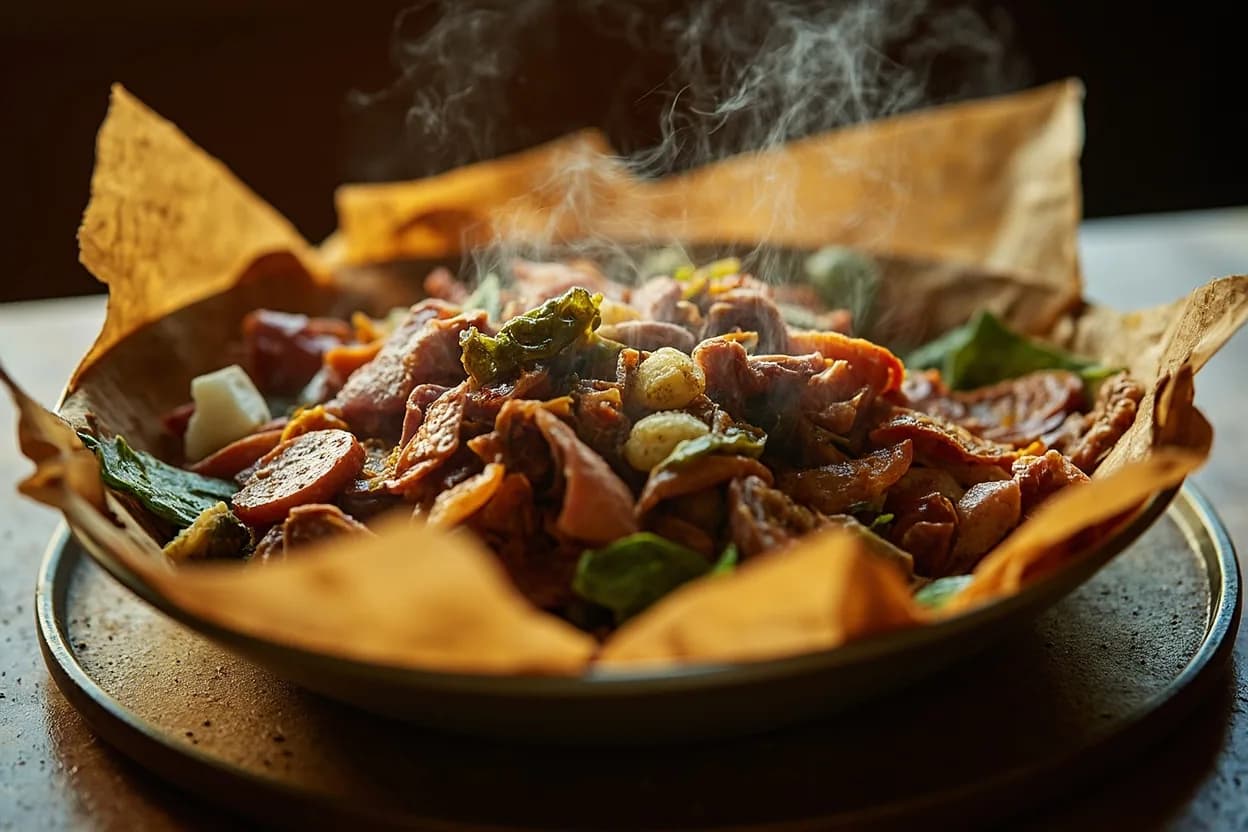
Related
Tomato
Juicy, sun-sweet fruit for sauces, salads, and slow-cooked depth
Yellow Onion
The aromatic backbone of soups, sofritos, and braises
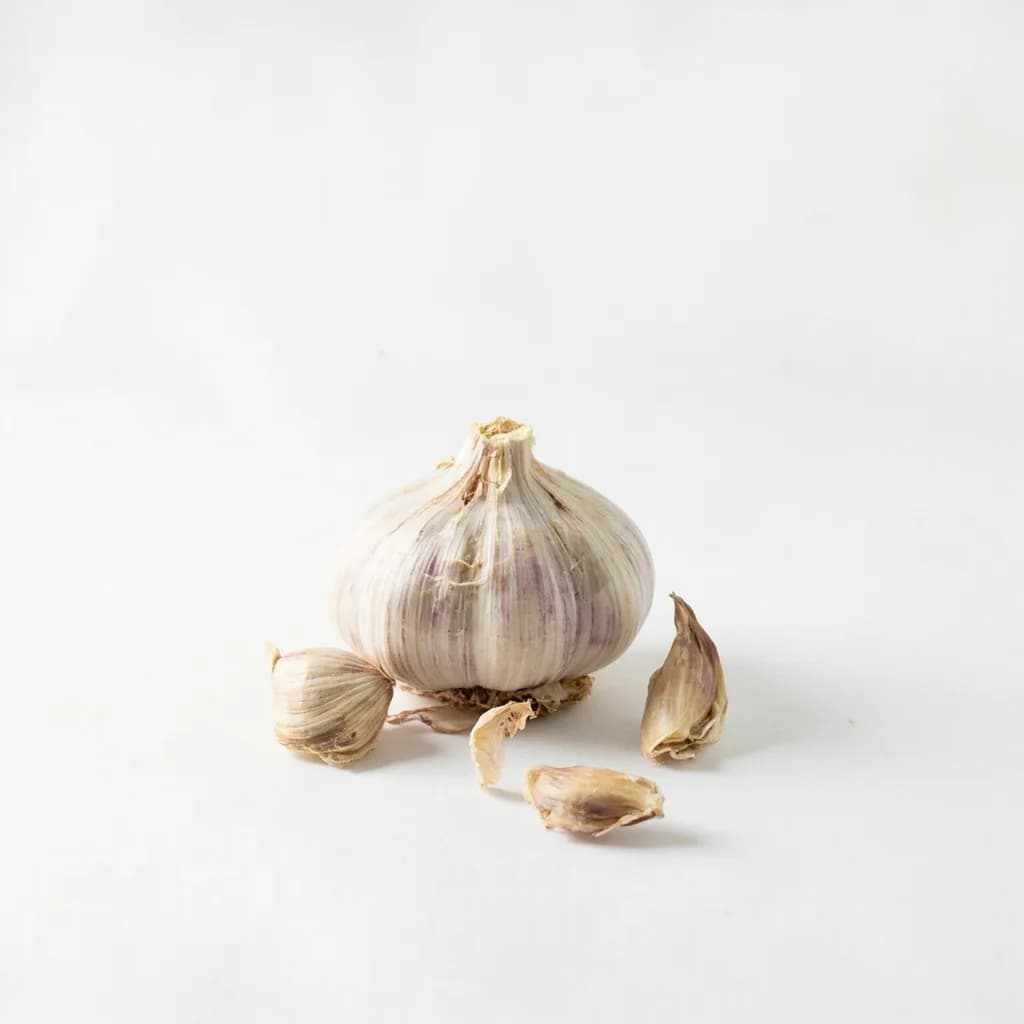
Garlic
Pungent cloves that perfume nearly every savory dish
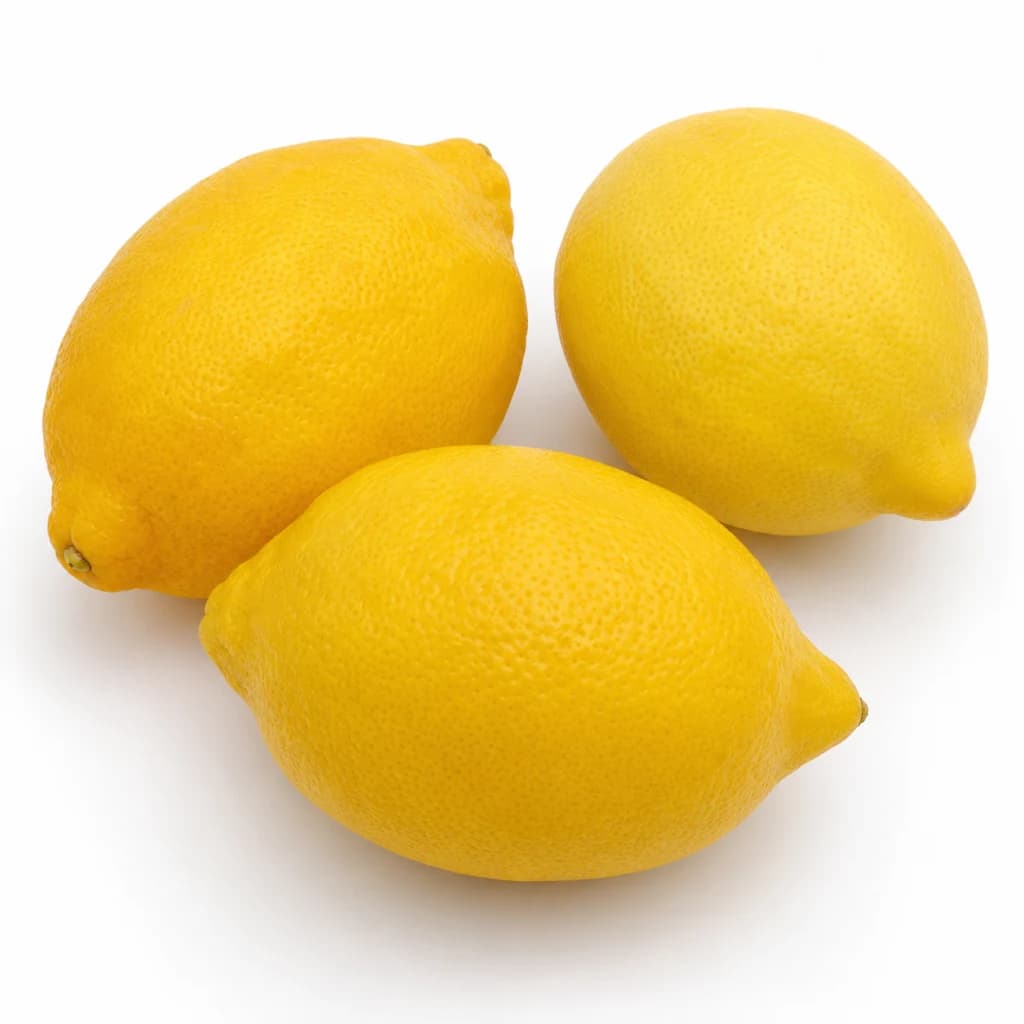
Lemon
Bright, acidic citrus that wakes up almost any dish
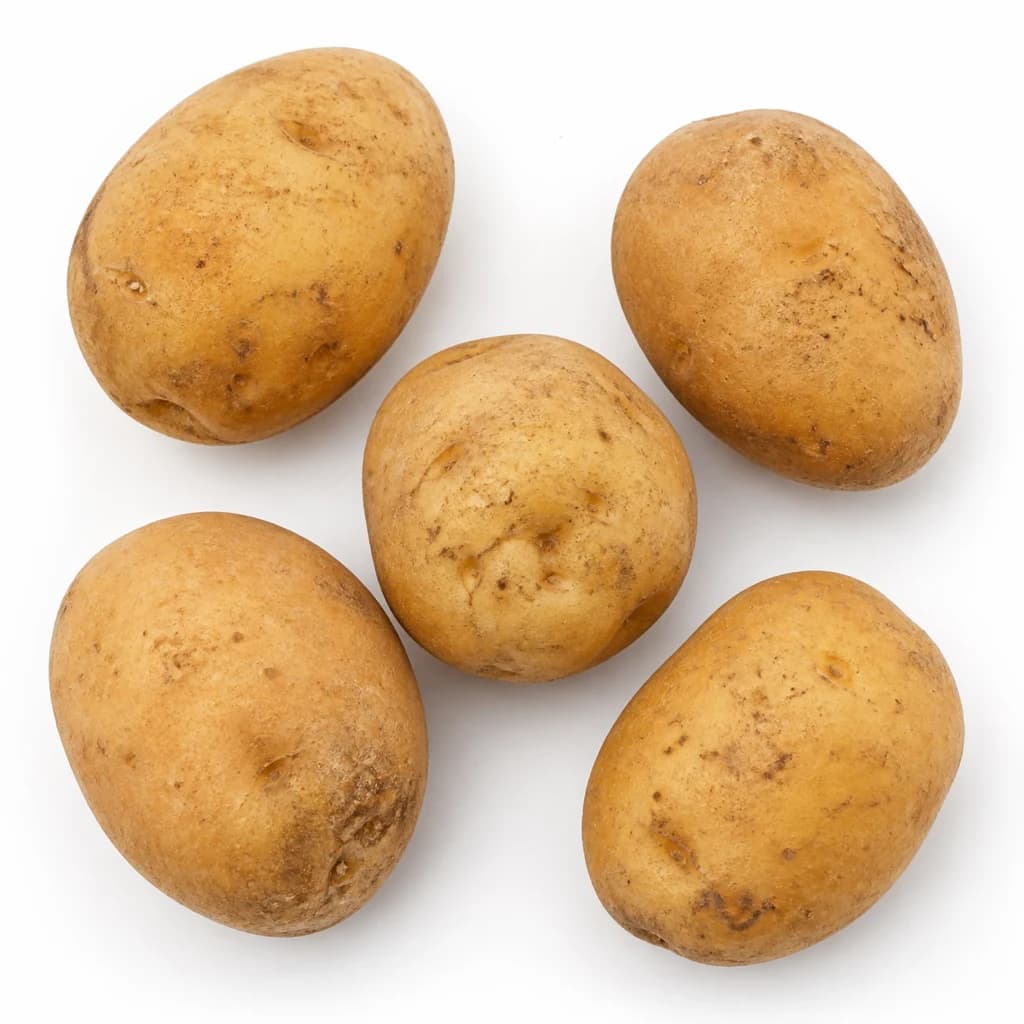
Potato
Humble, hearty staple — roast, mash, fry, or boil
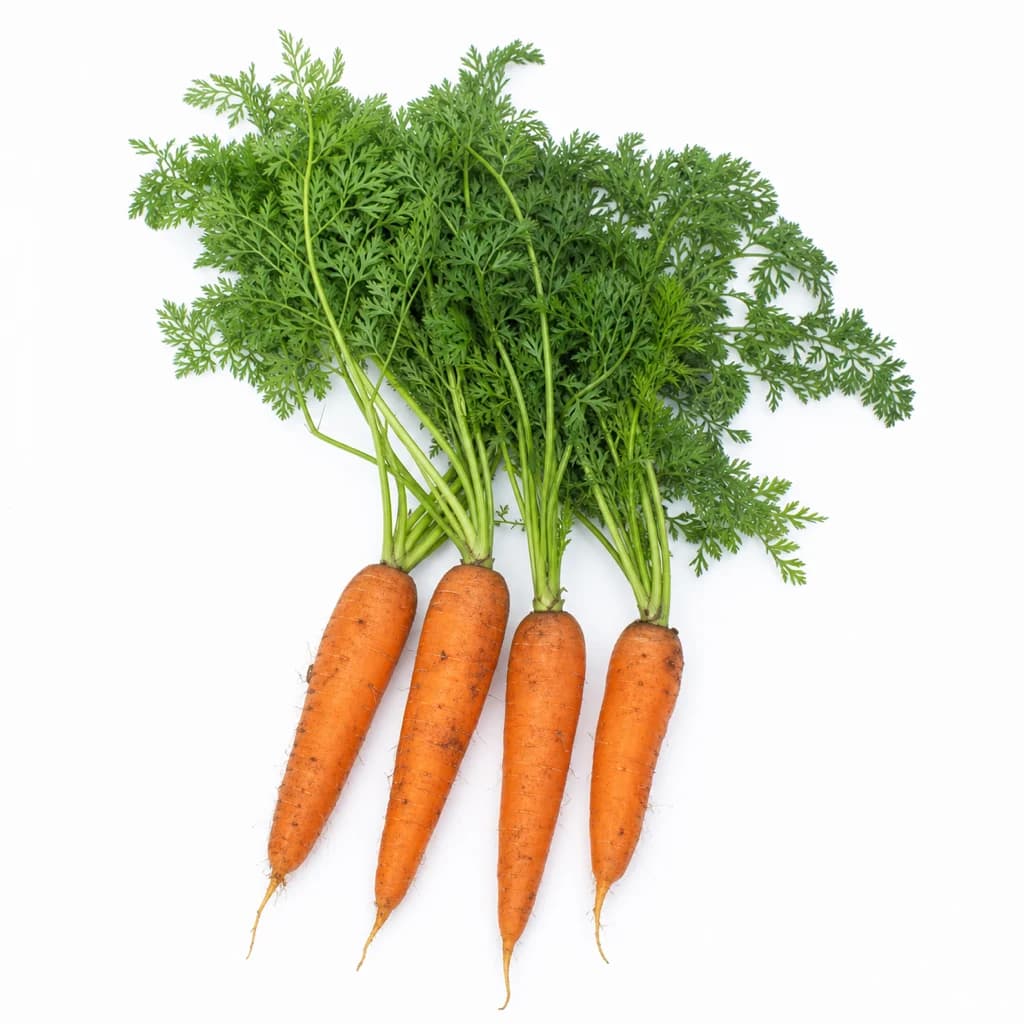
Carrot
Sweet, crunchy root — raw, roasted, or the base of a sofrito
Cucumber
Cool, crisp, and watery — for salads, pickles, and tzatziki

Lettuce
Crisp leaves for salads, wraps, and a fresh crunch