Grains & Rice
Paccheri
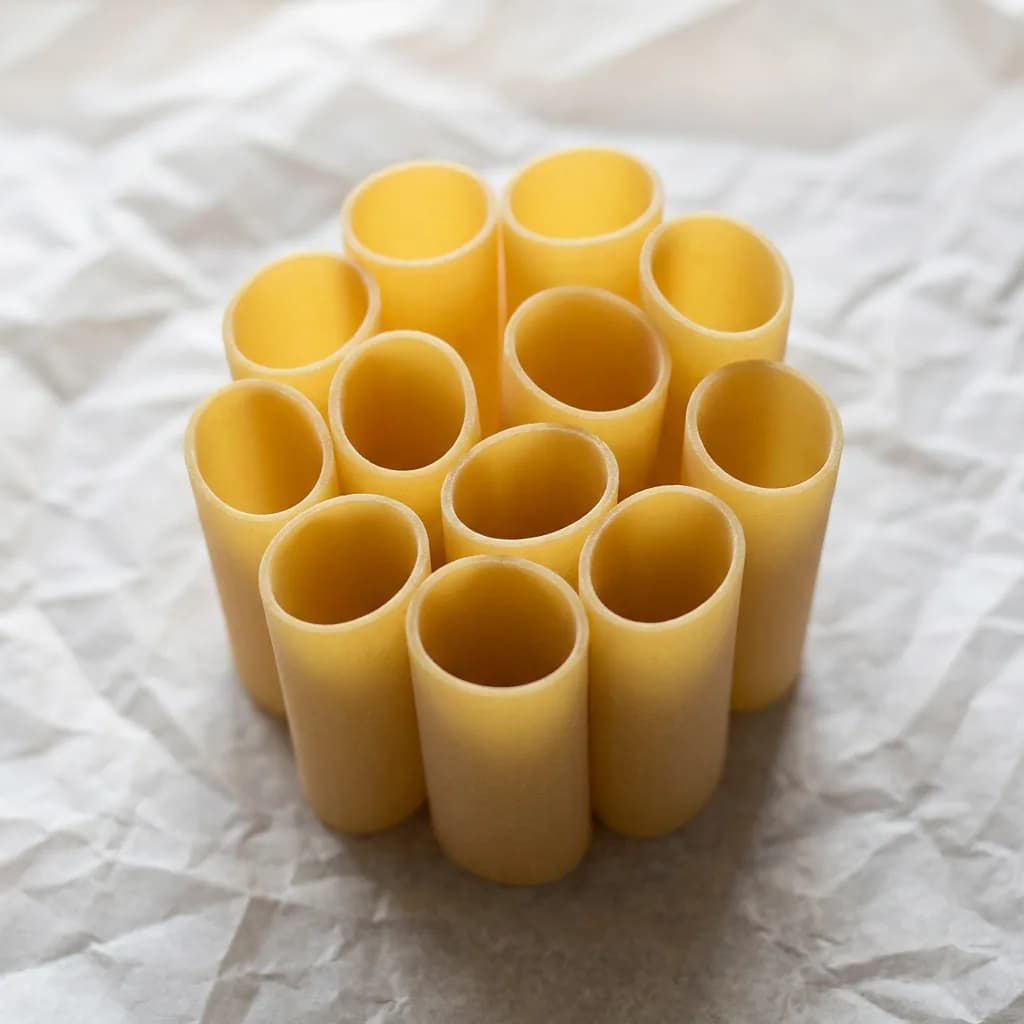
Large smooth tubes of Neapolitan pasta that cradle chunky meat and seafood sauces.
Paccheri are very large, smooth pasta tubes from Campania in southern Italy. Their wide diameter scoops up rich ragù, seafood, and tomato sauces, and they are often baked or stuffed. Made from durum wheat semolina, they hold their shape and offer a satisfying, slippery bite.
Paccheri are large, smooth tubes of Neapolitan pasta, typically 30–35 mm in diameter and 4–5 cm long, cut on the bias at the ends. What sets them apart from other tube pastas is their substantial wall thickness—these are not delicate noodles but robust cylinders designed to cradle and contain hearty sauces. The name derives from the Neapolitan word pacca, meaning slap or pat, because the tubes make a distinctive sound when stirred in the pot during cooking. Traditionally made from durum wheat semolina and water, then extruded through bronze dies and slow-dried, authentic paccheri have a rough, matte exterior that grips sauce while the hollow interior holds it captive. In Naples and the surrounding Campania region, paccheri are inseparable from slow-cooked ragù, baked pasta al forno, and seafood preparations—these are not everyday weeknight shapes but the pasta of Sunday tables, feast days, and celebratory gatherings where their size and presence command attention. The pasta should feel heavy and dense when held, indicating proper extrusion and low moisture content.
- Measured in
- g
- Storage
- Pantry
Allergens
Types & varieties
Smooth exterior and interior, standard Neapolitan style for most preparations
Ridged exterior for better sauce grip; less common than smooth version
Produced in Gragnano using traditional bronze-die extrusion and slow drying for superior texture
Egg pasta version, richer and softer; preferred for baked dishes
Whole wheat version with nuttier flavor and slightly longer cooking time
Common uses
Tips & pitfalls
- Use a large pot with 4–6 quarts of water per 500g—their size means they need room to move and won't stick if properly spaced
- Salt the water generously at about 10g per liter before adding pasta; the amount of water demands strong seasoning
- Stir occasionally during the first 3–4 minutes to prevent the tubes from clumping and sticking to the pot bottom
- Cook 2 minutes less than package directions when finishing in sauce, as carryover cooking continues off heat
- Reserve 1 cup of starchy pasta water before draining—the starch is essential for emulsifying and binding sauce to the tubes
- When baking paccheri, undercook the pasta slightly since it will continue cooking in the oven during baking
- Use a deep baking dish and ensure sauce penetrates between the stacked tubes; individual ramekins work well for portion control
- For seafood sauces, parboil paccheri separately because seafood cooks quickly and overcooking ruins both components
- Never break paccheri before cooking—their full length is intentional and part of the Neapolitan presentation tradition
Nutrition
Nutrition
No USDA FoodData Central match for Paccheri yet. We surface a per-100 g profile once a generic whole-food entry is matched and verified.
In the shops
Matched grocery products
No matched grocery products for Paccheri yet.
Good to know
- Origin
- Naples, Campania region, Italy
- Primary Shape
- Large smooth tube, cut on the bias at ends; 30–35 mm diameter, 4–5 cm long
- Wall Thickness
- Thick walls to hold hearty sauces without collapsing
- Traditional Ingredients
- Durum wheat semolina and water; egg pasta versions exist
- Dough Type
- Extruded through bronze dies for authentic rough texture
- Etymology
- From Neapolitan pacca, meaning slap or pat—the sound tubes make when stirred during cooking
- Cooking Time (al dente)
- 12–15 minutes, typically 2 minutes less than package directions when finishing in sauce
- Shelf Life (dried)
- 18–24 months stored in cool, dry conditions away from light
- Premium Source
- Pasta di Gragnano: traditional bronze-die extrusion and slow drying using local durum wheat
Substitutes
- Rigatoni — Ridged tubes with good sauce grip but smaller diameter and thinner walls than paccheri
- Ziti — Long smooth tubes similar in spirit to paccheri; may need to be broken for some presentations
- Calamarata — Large rings made in Naples with the same diameter as paccheri; excellent substitute for both seafood and meat sauces
- Mezze maniche — Medium tubes, too small for heavy Neapolitan sauces but workable in a pinch
- Penne rigate — Cut on the bias but much smaller; not ideal for chunky sauces that require paccheri's interior volume
Pairs with
Also called
Schiaffoni
Related

White Rice
Fluffy long-grain rice — the neutral base for almost any meal

White Bread
Soft sandwich loaf for toast, sandwiches, and crumbs
Brown Rice
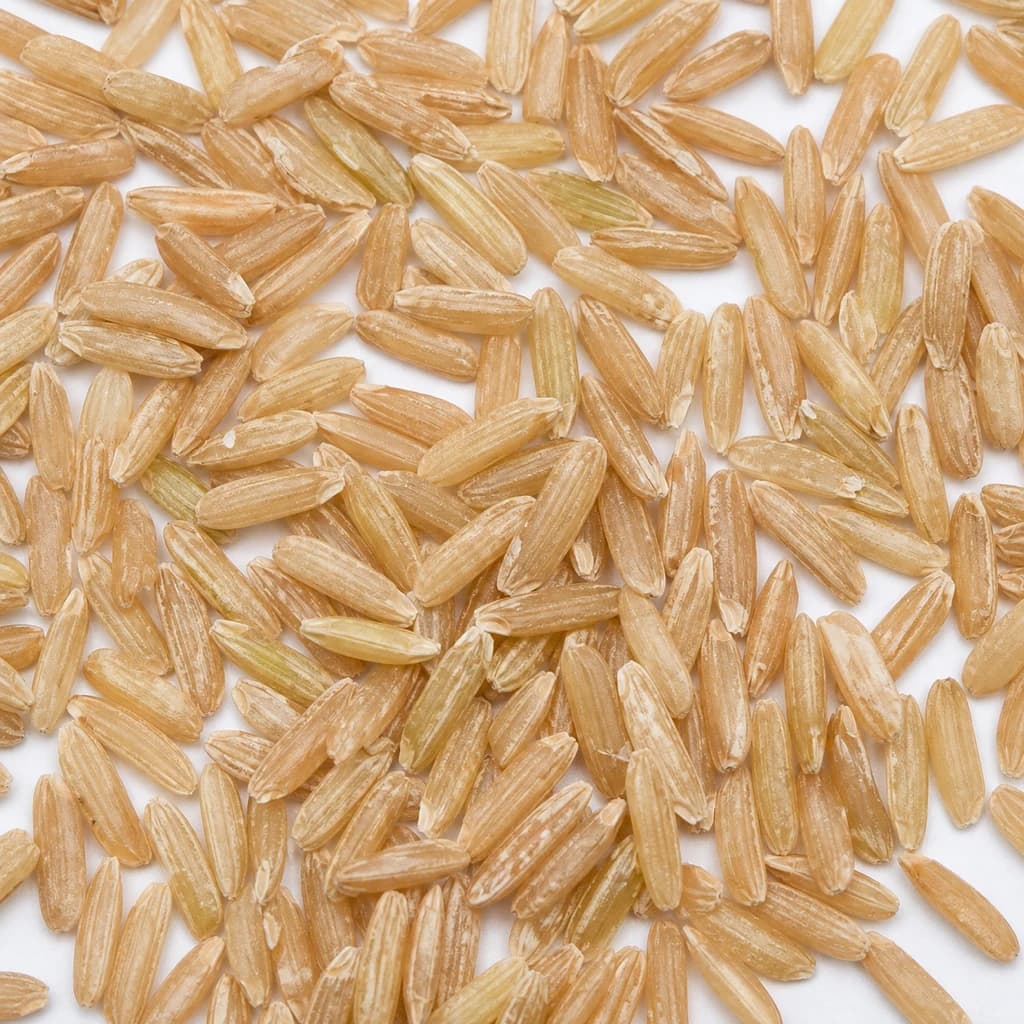
Nutty, whole-grain rice with chew and extra fiber

Basmati Rice
Fragrant, long-grain rice that cooks up light and separate
Jasmine Rice
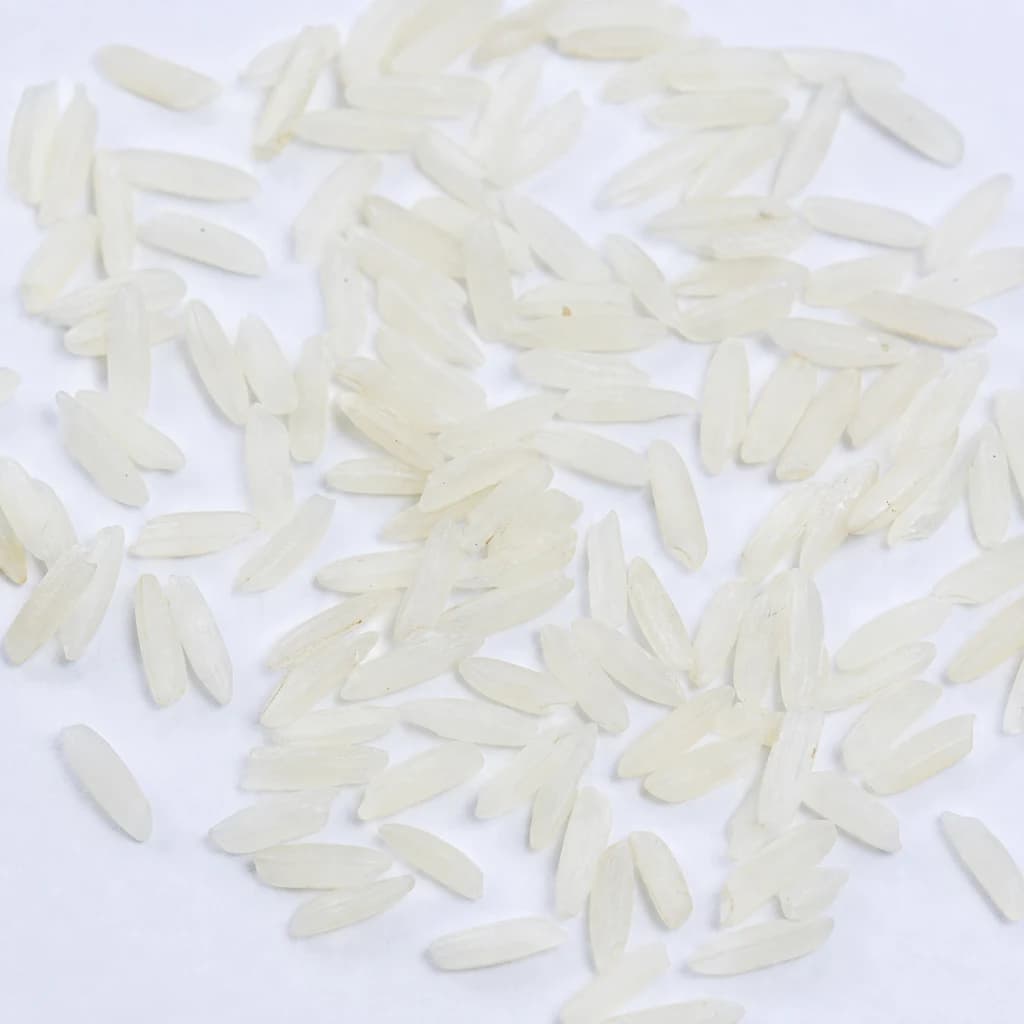
Soft, floral-scented rice that's the pillar of Thai meals
Arborio Rice
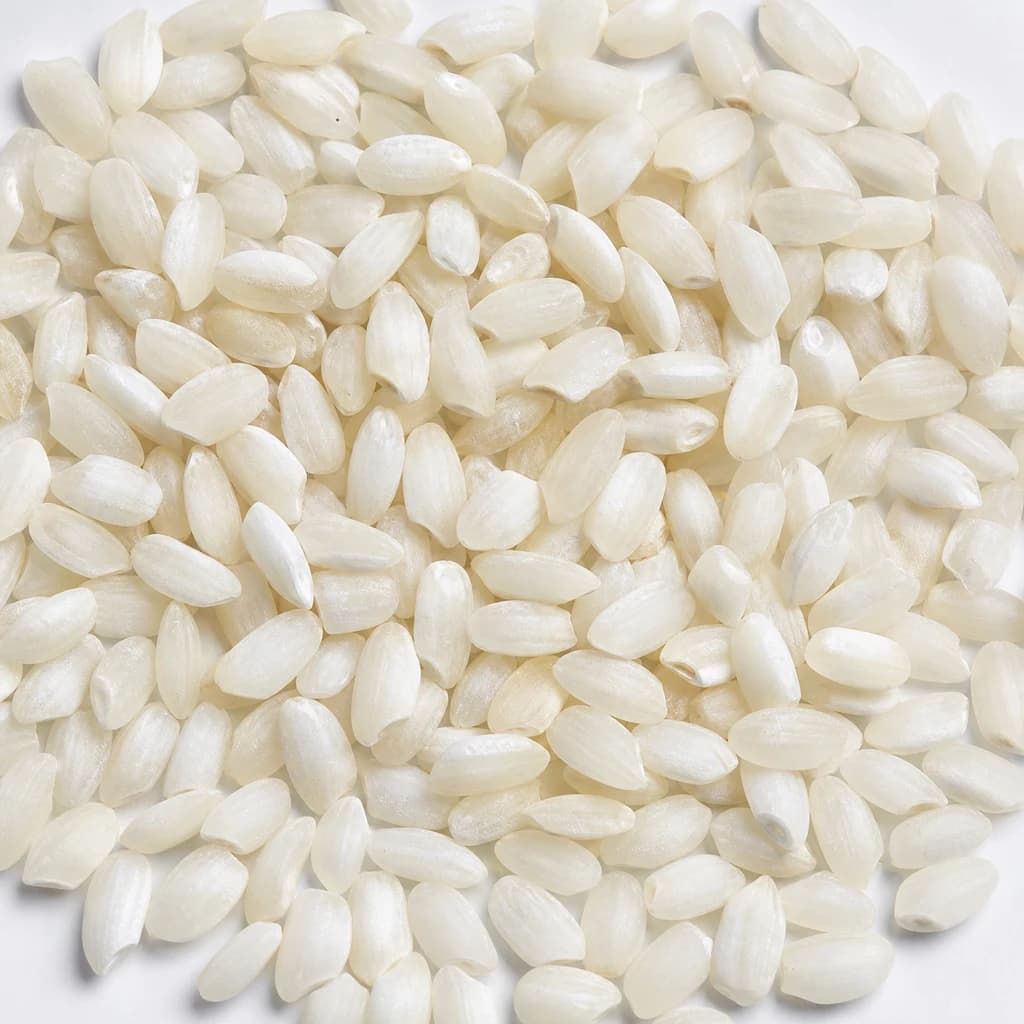
Plump, starchy rice that makes risotto creamy
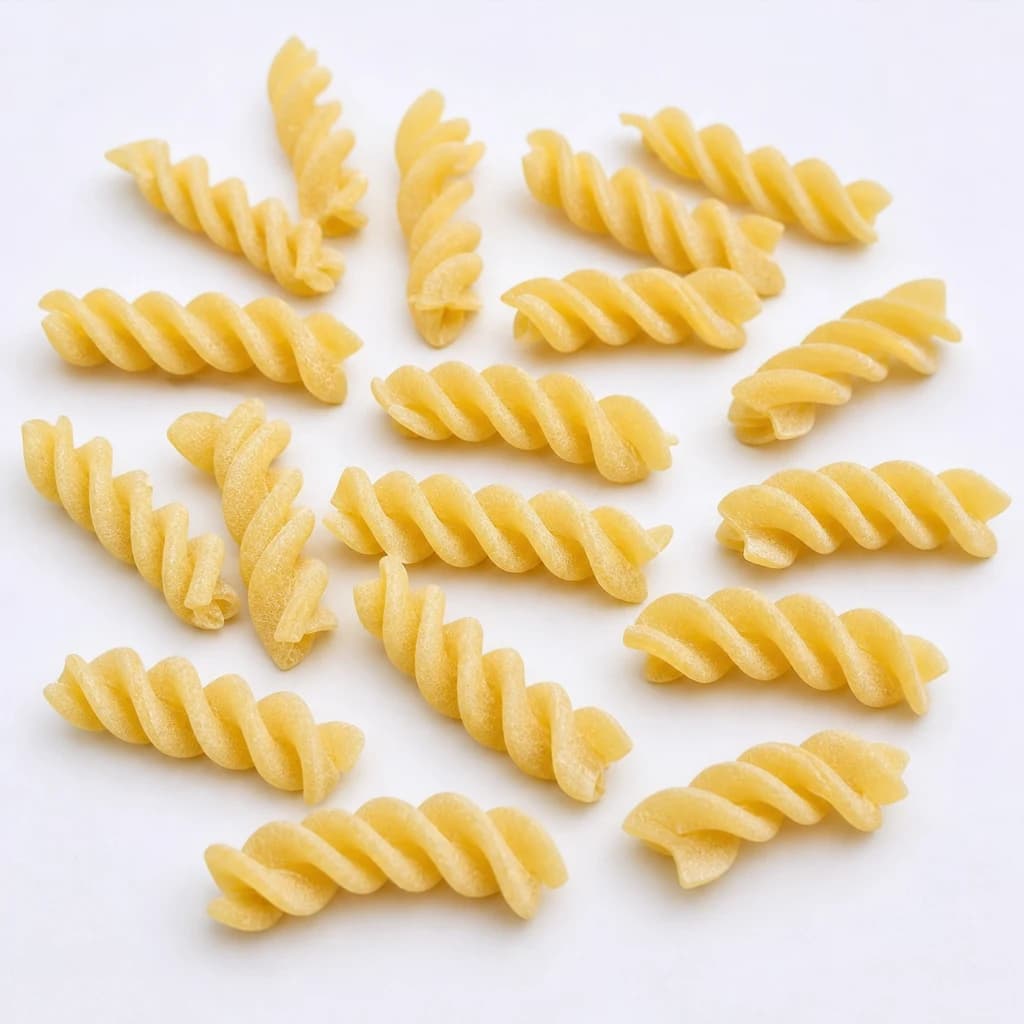
Fusilli
Spiraled pasta that twirls up sauce and dresses cold salads
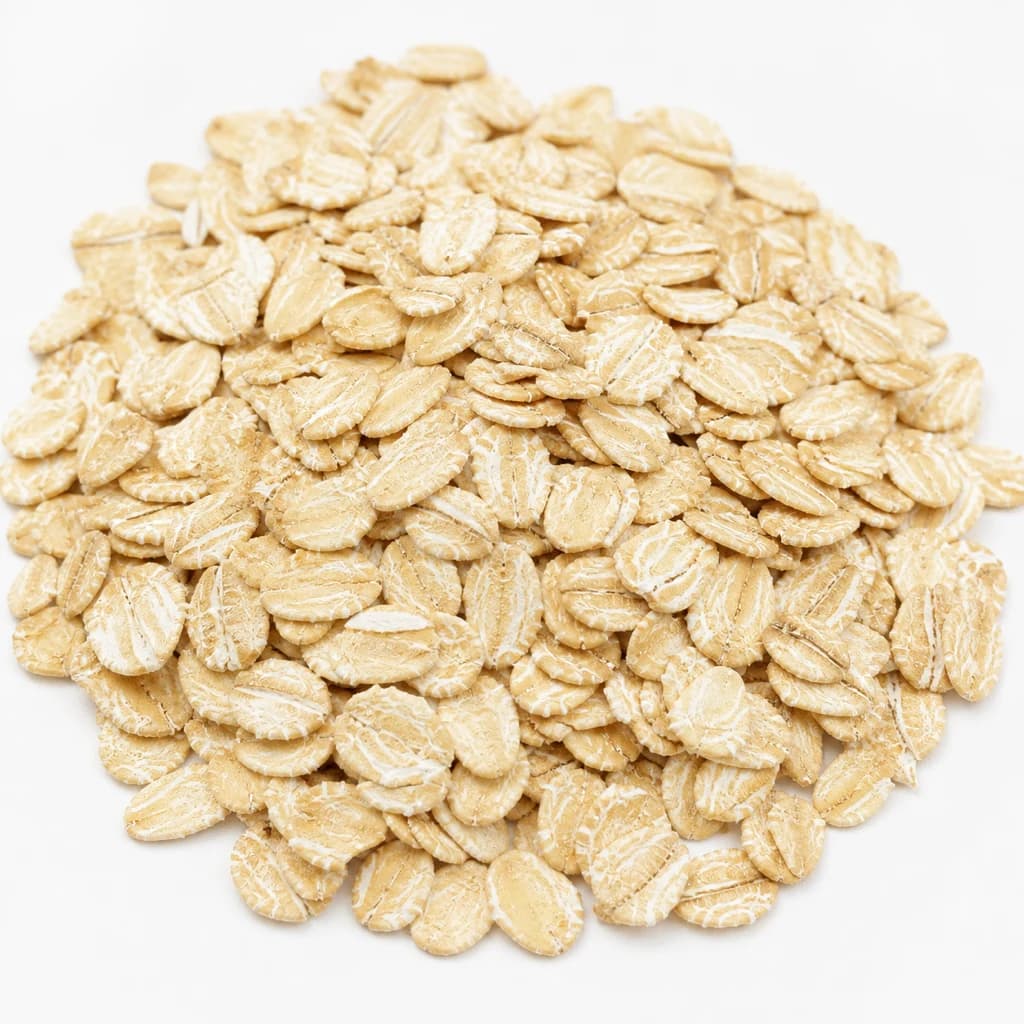
Rolled Oats
Hearty flakes for porridge, granola, and chewy cookies