Grains & Rice
Ziti
Wide, straight, tube-shaped pasta classic in baked ziti.
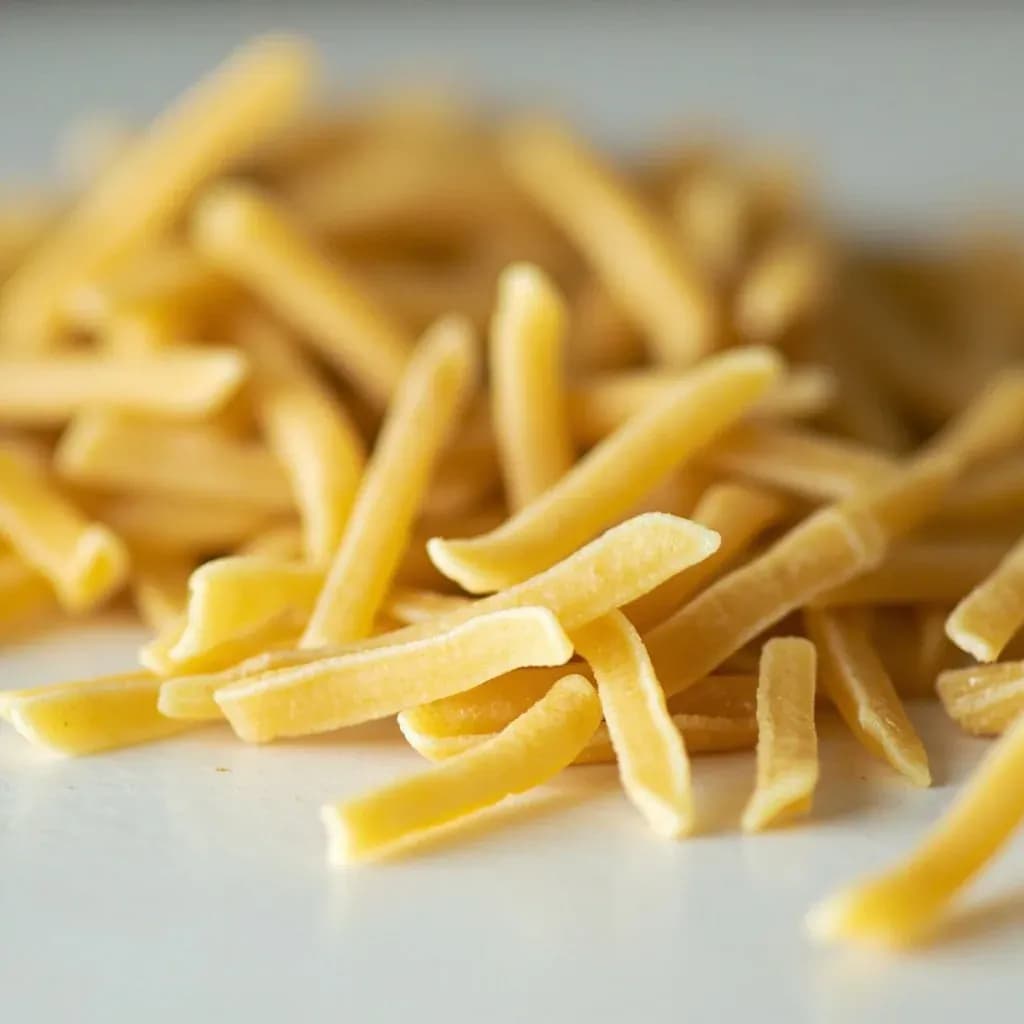
Ziti is a dried wheat pasta shaped into wide, smooth, hollow tubes longer than penne and cut with straight ends. It holds chunky tomato and meat sauces well and is most famous baked with mozzarella and ricotta as 'baked ziti.' It originates from Campania in southern Italy.
Ziti is a medium-sized, tube-shaped dried pasta with a heritage rooted in Southern Italy, particularly Campania and Sicily. The name derives from the Sicilian word "zitu," meaning bridegroom, and it was traditionally served at wedding feasts—hence its enduring association with celebration and abundance. Its smooth, straight-cut exterior and hollow center give it a particular character: the tubes hold their shape well through baking, the interior captures sauce, and the exterior provides satisfying bite when cooked properly. Unlike ridged pastas, ziti's smooth surface allows sauce to cling through adhesion rather than mechanical locking. The pasta's walls are moderately thick, giving it more substance than delicate tubular pastas but less than heavy rigatoni. In Italy, ziti is typically served whole as a plated first course; in American Italian cooking, it is almost always broken and baked as a casserole—a distinction that reflects how immigrant cuisine adapted Italian tradition to local preferences and portion norms.
- Measured in
- g
- Storage
- Pantry
Allergens
Types & varieties
Standard variety, smooth exterior, straight cuts. Most common in American markets.
Ridged exterior version; ridges help sauce cling better; slightly more common in Italy than abroad.
Wider and longer cousin of ziti; requires longer cooking time; less commercially available.
Miniature version; useful for soups and salads where smaller pieces are practical.
Ziti in Italian vs. Italian-American Cooking
A notable divide exists between Italian and Italian-American preparation methods. In Italy, ziti appears almost exclusively as a plated first course with light sauces—whole tubes dressed simply with olive oil, garlic, and sometimes breadcrumbs or a light tomato sauce. The breaking technique so common in America is rare in Italy. Italian-American cooking adopted ziti as the centerpiece of baked casseroles, likely because the broken, interlocking tubes made for impressive portion sizes and the dish traveled well to potlucks and family gatherings. This baked preparation became so embedded in Italian-American identity that many Americans do not realize whole ziti exists as an option.
- In Italy: whole tubes with light sauces as a plated first course, not a casserole
- In America: broken and baked as a casserole, often with heavy cheese layers
- Italian-American baked ziti evolved as a celebration dish for gatherings and holidays
- The pasta should feel firm and starchy, never gummy or chalky, when properly cooked
How Ziti Compares to Similar Pastas
Ziti is frequently confused with several other tubular pastas, but understanding the distinctions matters for cooking and sauce pairing. Penne has diagonal cuts and may have ridges—ziti has neither. Rigatoni is much wider and has a thicker wall, making it better suited for very chunky sauces. Bucatini is hollow like ziti but is long and thin, serving as an entirely different pasta category. Ziti occupies a middle ground: substantial enough for baked dishes, not so large that it overwhelms lighter preparations.
- Penne: diagonal cuts and potential ridges distinguish it from smooth, straight-cut ziti
- Rigatoni: significantly wider and thicker-walled; not a direct substitute
- Bucatini: long, thin, spaghetti-like tubes; not interchangeable
- Ziti: medium diameter, smooth, straight-cut, and versatile across preparations
Common uses
Tips & pitfalls
- Cook in generously salted water—about 1 tablespoon salt per 4 quarts. This is the only opportunity to season the pasta itself; undersalting produces bland, pasty results.
- For baked dishes, undercook by 1–2 minutes less than package directions. The pasta continues cooking in the oven, and properly textured baked ziti should feel firm, not soft or mushy.
- Reserve at least 1 cup pasta water before draining. The starch is critical for emulsifying sauce and binding baked pasta; discard this and you lose the dish's cohesion.
- Break ziti by hand for irregular pieces that interlock better in baked dishes; use kitchen shears for cleaner, more uniform cuts if preferred.
- Do not rinse after draining. The starchy surface is necessary for sauce adhesion; rinsing washes away exactly what holds your sauce in place.
- If baking, ensure sauce covers pasta generously. Bare pasta poking through will dry out and burn before the dish heats through.
- Common mistake: using a shallow baking dish. A deep dish allows proper layering and prevents the top from over-browning before the center is heated through.
- For a crispy top, remove foil for the last 10–15 minutes of baking. Keep it covered the full time and you lose the textural contrast that makes baked ziti appealing.
Nutrition
Energy
1552 kJ · per 100 g
Where the calories come from
Protein
13g
26% DV
Carbs
74.7g
27% DV
Fat
1.5g
2% DV
Fiber
3.2g
11% DV
Sugars
2.7g
of which
Sodium
6mg
0% DV
Source · USDA FoodData Central · approx. Pasta, dry, unenriched
View on FDC →In the shops
Matched grocery products
No matched grocery products for Ziti yet.
Good to know
- Type
- Tube-shaped dried pasta (pasta secca)
- Origin
- Southern Italy (Campania and Sicily); name from Sicilian "zitu" (bridegroom), traditionally served at weddings
- Typical Length
- 20–25 cm (8–10 inches) whole; often broken for baked dishes
- Diameter
- Approximately 1 cm (0.4 inches)
- Surface
- Smooth with straight-cut ends (ridged version is called ziti rigati)
- Primary Use
- Baked ziti; pasta salads; Neapolitan cuisine
- Cooking Time
- 10–12 minutes al dente (whole); 8–10 minutes if broken
- Storage
- Dried: cool, dry place up to 2 years; cooked: refrigerated up to 5 days in airtight container
- Main Producers
- De Cecco, Barilla, Rummo, Garofalo (Italian brands); widely available dried in most markets
Substitutes
- Penne — Smooth or ridged penne works well; smaller diameter but similar tubular structure; more readily available in most markets.
- Rigatoni — Wider tubes; excellent for baked dishes; holds up well to chunky sauces and cheese layers.
- Mezzanelle or Mafalde — Broken into 2-inch pieces; similar texture and cooking time; good for baked preparations.
- Garganelli — Egg-based tubular pasta; works in baked dishes but adds richer flavor than standard ziti.
Pairs with
Also called
Ziti Pasta
Related

White Rice
Fluffy long-grain rice — the neutral base for almost any meal

White Bread
Soft sandwich loaf for toast, sandwiches, and crumbs
Brown Rice
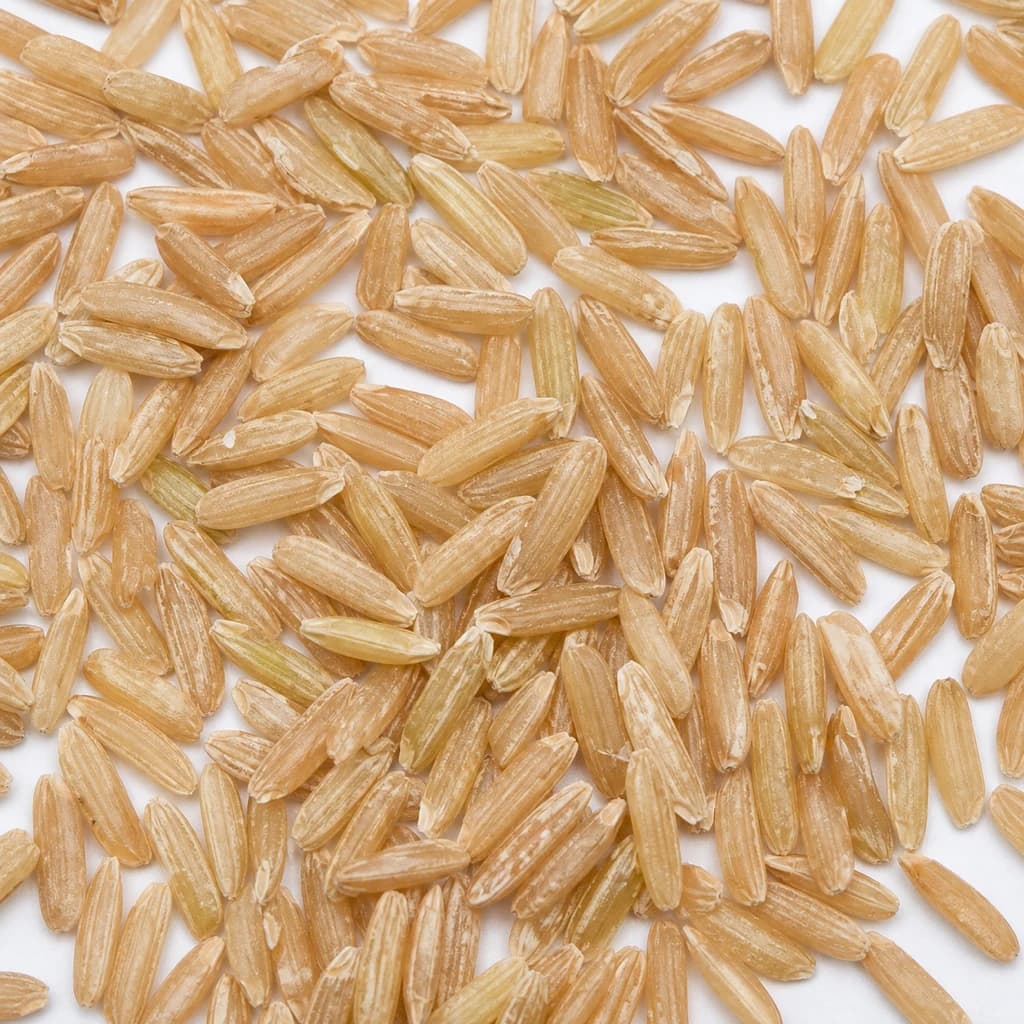
Nutty, whole-grain rice with chew and extra fiber

Basmati Rice
Fragrant, long-grain rice that cooks up light and separate
Jasmine Rice
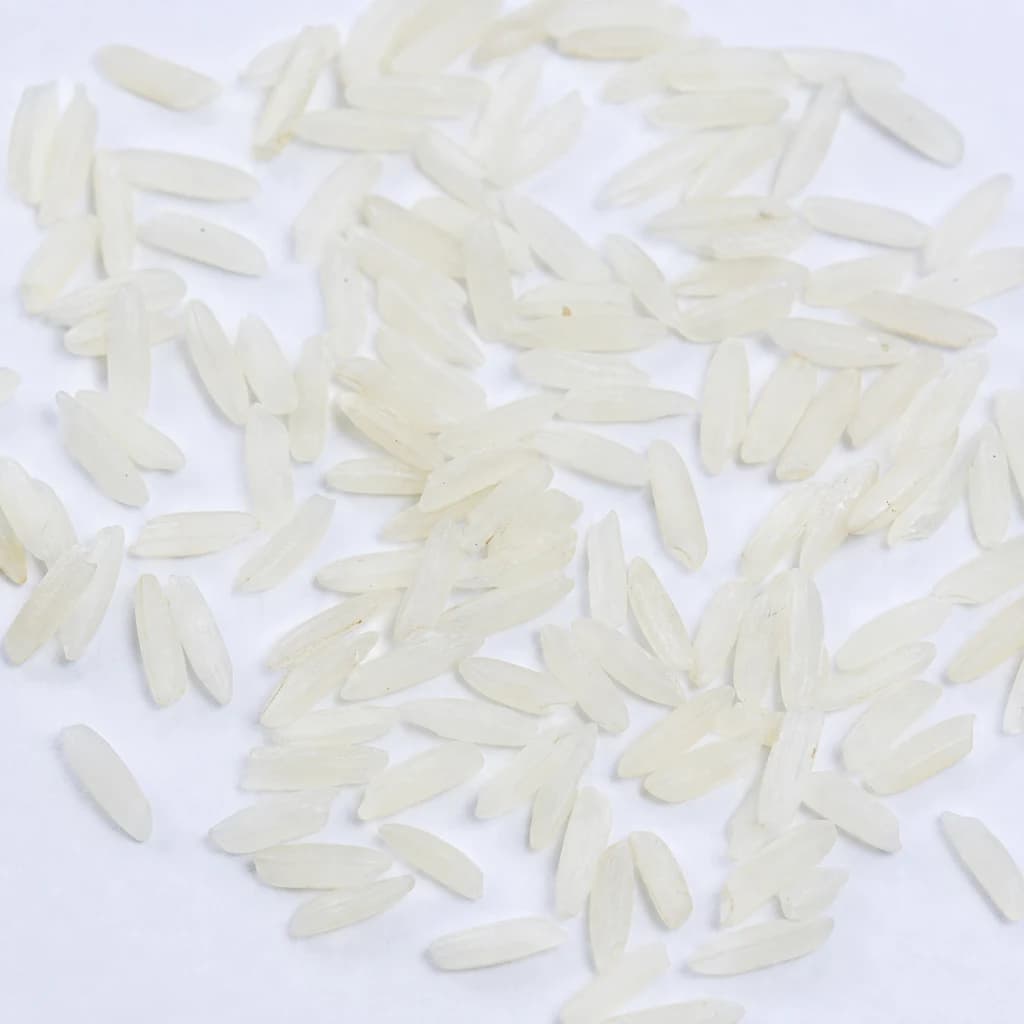
Soft, floral-scented rice that's the pillar of Thai meals
Arborio Rice
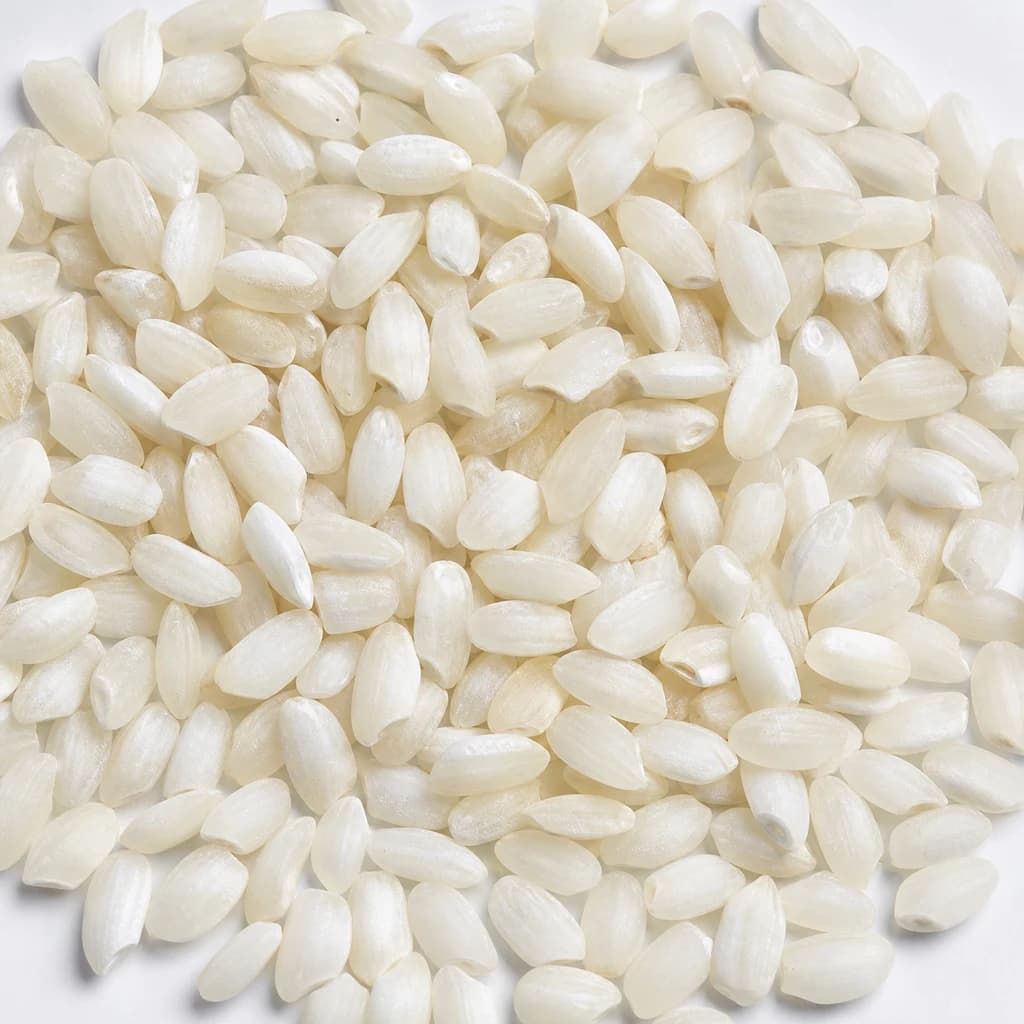
Plump, starchy rice that makes risotto creamy
Fusilli
Spiraled pasta that twirls up sauce and dresses cold salads
Rolled Oats
Hearty flakes for porridge, granola, and chewy cookies