Dairy & Eggs
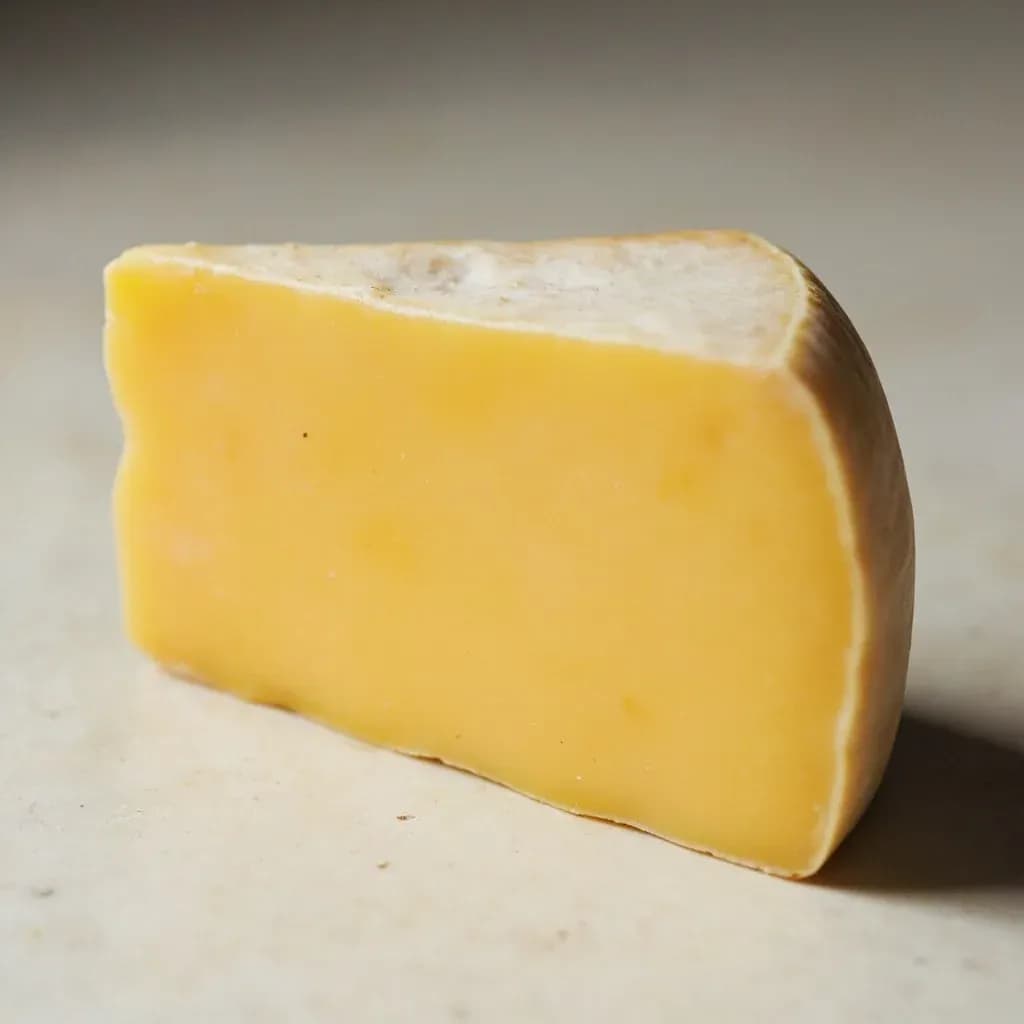
Pag Sheep Cheese (Paški Sir)
Croatian hard sheep's-milk cheese from the island of Pag, salty and herbaceous from the island's wild plants.
Paški sir is a prized hard cheese from the Croatian island of Pag, made from the milk of sheep that graze on salt-sprayed, herb-rich pastures. The result is a dense, crumbly, golden cheese with a distinctive salty, slightly piquant, herbal flavor. It is served sliced as an appetizer with olive oil, ham, and wine.
Pag Sheep Cheese, or Paški Sir, is Croatia's most celebrated hard cheese, produced on the windswept limestone island of Pag in northern Dalmatia. Made primarily from the milk of the island's own sheep—with up to 20 percent goat's milk permitted in some batches—the cheese develops an intensely mineral, herbaceous character unlike any other European hard cheese. The sheep graze on sparse island pastures dominated by wild thyme, rosemary, sage, immortelle, and sea fennel; the bora wind itself seems to concentrate these aromatics in the vegetation. Salt enters the cheese from two directions: the dry-salting technique used during production and the mineral-rich diet of the animals. The result is a cheese with a pronounced, almost crystalline saltiness, a sharp and slightly bitter finish that lingers, and a savory depth that shifts dramatically with aging. A whole wheel, stamped with the official producer's mark, can weigh anywhere from 5 to 8 kilograms and carry a dense, golden-to-amber natural rind. Its flavor is unmistakably Dalmatian—briny, earthy, and assertive—the taste of a barren island sea confronted by harsh winter winds. This is not a subtle cheese; it demands consideration on the plate and rewards a cook who understands how to deploy its intensity.
The production scale is revealing: approximately one liter of milk yields only 100 to 120 grams of finished cheese, making authentic Pag a concentrated expression of its terroir. Young wheels (2–3 months) are supple enough to slice for a cheese board; medium-aged wheels (4–6 months) develop firmer texture and the first tyrosine crystals; and truly old wheels (6–12+ months) become crumbly and almost fiercely salty, intended primarily for the rasp of a grater. The cheese is protected under Croatian designation, and an EU PGI application has been filed—reflecting the Croatians' serious intent to preserve the cheese's identity against imitations. When purchasing, seek wheels with the official stamp pressed into the rind: those weighing 5–6 kilograms indicate younger cheese, while 7–8 kilogram wheels typically represent longer aging and greater intensity. Watch also for the slightly bitter finish that distinguishes genuine Pag from Pecorino and other sheep's milk cheeses that lack the island's particular mineral stress.
- Measured in
- g
- Storage
- Fridge
Allergens
Types & varieties
Aged 2–3 months; milder, more supple texture; ideal for slicing, snacking, and cheese boards
Aged 4–6 months; firmer texture, sharper flavor, crystallization beginning; versatile for table and kitchen use
Aged 6–12+ months; crumbly and intensely salty with visible tyrosine crystals; primarily grated over dishes
Pag cheese submerged in olive oil, sometimes with added herbs; sold as a ready-to-serve delicacy; best used as a spread or garnish
Why the Island Matters
Pag Island is not a forgiving landscape. Its limestone geology creates poor soil, sparse grass, and a landscape where wild aromatic plants—thyme, sage, immortelle, sea fennel—are among the few things that thrive. The sheep survive here by eating what most grazing animals avoid, and that diet transfers directly into the milk. The island's strong bora wind further stresses the vegetation, concentrating essential oils in the plants the sheep consume. It is this combination of limited forage and intensely flavored botanicals that gives Pag its unmistakable herbaceous, almost medicinal depth. A cheese called Paški Sir made on the mainland, even from Dalmatian sheep's milk, will not taste the same. The island's environment is not a romantic backdrop—it is the cheese's primary flavor engine.
- Seek the official rind stamp to confirm authentic island production
- Lighter wheels (5–6 kg) indicate younger, milder cheese; heavier wheels (7–8 kg) are older and more intense
- Authentic Pag carries a slightly bitter finish that distinguishes it from Pecorino and other sheep's milk cheeses
Understanding Saltiness in Pag
Pag's saltiness is a defining characteristic, but it is not uniform. In young cheese, salt registers as a clean, mineral sharpness that pairs well with bread and olives. In aged cheese, the salt concentrates as the moisture disperses, becoming almost crystalline and capable of dominating a dish if not accounted for. This intensity is built into the cheese intentionally—dry-salting during production and the mineral content of the island's grazing combine to create a cheese that functions almost as a seasoning in its own right. When cooking with old Pag, add no additional salt until you have tasted the finished dish. The cheese itself is the seasoning.
- Always taste aged Pag before adding extra salt to a dish
- Young Pag is mild enough to use as a table cheese without concern; old Pag is a finishing grated cheese, not a melting cheese
Common uses
Tips & pitfalls
- Taste before using as a garnish—young Pag can be mild enough to eat raw, but older cheese may overwhelm delicate dishes
- Grate on the finest holes of a box grater or use a microplane for hard aged Pag; it grinds to a fine powder rather than shreds, distributing more evenly
- If substituting for a recipe that calls for grating, select a firm, dry aged variety; soft young Pag will clump and won't distribute evenly through a dish
- Store a whole wheel unwrapped in the refrigerator with occasional air exposure to prevent mold while allowing the rind to breathe
- For cheese boards, bring young or medium-aged Pag to room temperature 30–60 minutes before serving for full aroma expression
- Scrape any surface mold from cut pieces with a clean knife; the interior remains sound if mold hasn't penetrated deeply
- Pag's natural saltiness intensifies with age—taste old cheese before adding additional salt to any dish
- When using young Pag in salads or as a table cheese, pair it with Dalmatian prosciutto and olives to balance its intensity with fat and brine
Nutrition
Energy
1628 kJ · per 100 g
Where the calories come from
Protein
25.6g
51% DV
Carbs
1.6g
1% DV
Fat
31.1g
40% DV
Fiber
0g
0% DV
Sugars
1.6g
of which
Sodium
800mg
35% DV
Source · USDA FoodData Central · approx. Cheese, fontina
View on FDC →In the shops
Matched grocery products
No matched grocery products for Pag Sheep Cheese (Paški Sir) yet.
Good to know
- Origin
- Pag Island, northern Dalmatia, Croatia
- Milk Type
- Sheep's milk, with up to 20% goat's milk permitted
- Texture
- Hard and dense, becoming crumbly and crystalline with extended aging
- Flavor
- Pronounced saltiness, sharp and herbaceous; notes of wild thyme, rosemary, sage, and a characteristic slightly bitter finish
- Aging Period
- Young: 2–3 months; Medium: 4–6 months; Old: 6–12+ months; minimum 60 days
- Rind
- Natural rind, golden to dark amber; carries the official producer's stamp
- Weight
- 5–8 kg per wheel (lighter wheels = younger cheese)
- Yield
- Approximately 1 liter of milk yields 100–120 g of cheese
Substitutes
- Pecorino Romano — Harder texture, saltier and more pungent; Italian alternative; use 1:1 for grating, but expect a more aggressive flavor
- Pecorino Sardo — Milder and slightly sweeter than Pecorino Romano; closer in character to young Pag; good for table use and light grating
- Grana Padano — Cow's milk substitute with similar texture and crumble; milder saltiness; use when sheep's milk flavor is not essential to the dish
- Comté — Cow's milk alternative with nutty, complex flavor; less salty; acceptable for those avoiding sheep's milk but lacks Pag's herbal intensity
Pairs with
Also called
pag cheese · paški sir · paski sir · pag sheep cheese
Related

Whole Milk
Rich, full-fat milk for drinking, coffee, sauces, and baking
Butter
Golden fat for searing, baking, and finishing a sauce
Yogurt
Tangy, creamy culture for breakfast, sauces, and marinades
Cheddar Cheese
Sharp, melty cheese for sandwiches, gratins, and grating
Skim Milk
Fat-free milk for lighter drinking, coffee, and cooking
Heavy Cream
Rich cream that whips, enriches sauces, and sets ganache

Sour Cream
Tangy, thick cream for dolloping, baking, and dips
Mozzarella
Soft, milky cheese that melts into stretchy pizza pulls