
Cross-section
A cracked pasture-raised egg showing its deep-orange yolk against a white bowl.
The yolk color is the defining visual marker that distinguishes pasture-raised from conventional eggs.
Dairy & Eggs
Pasture-Raised Egg
Egg from hens raised on open pasture, with a deep-orange, rich yolk.
Pasture-raised eggs come from hens that forage freely outdoors on grass and insects, producing yolks that are deeper orange and often richer in flavor. They are used exactly like any egg, for frying, baking, custards and binding. The varied diet of the hens is what gives the yolk its color and depth.
Pasture-raised eggs come from hens with genuine outdoor access to open pasture, where they forage freely for insects, worms, seeds, and grasses. This varied diet distinguishes them fundamentally from eggs labeled cage-free or free-range, which may offer only minimal outdoor access without meaningful vegetation. The forage-based nutrition—particularly the insects providing protein and omega-3s, and the plants contributing carotenoids—produces yolks with a distinctive deep orange to reddish-orange color that is noticeably richer than the pale yellow of conventional eggs.
The practical difference for cooks lies in both flavor and performance. Trained panelists consistently identify pasture-raised eggs as having more complex, intensely "egg-y" flavor and a creamier mouthfeel in custards, mayonnaise, and other preparations. The slightly thicker shells also mean fewer cracked eggs and potentially longer shelf life. However, the term "pasture-raised" itself is not USDA-standardized, making third-party certifications from Certified Humane or Animal Welfare Approved the reliable indicators of genuine pasture access and meaningful outdoor space requirements.
- Measured in
- piece
- Storage
- Fridge
Allergens
Types & varieties
Minimum 108 sq ft per bird of outdoor access annually, audited annually by third party
Pasture-based system requiring outdoor access year-round; small flocks preferred for genuine pasture access
Hens spend final weeks on pasture; sometimes used interchangeably with full pasture-raised
Slow-growing breeds such as Rhode Island Red, Plymouth Rock, or Sussex raised on pasture; longer development yields deeper flavor
What "Pasture-Raised" Actually Means
The distinction matters enormously. Cage-free means hens are not in battery cages but may never see daylight. Free-range implies some outdoor access, but space and duration are largely unregulated. Pasture-raised, when properly certified, requires meaningful outdoor access to vegetation—typically a maximum of 500–1,000 birds per acre. This density allows hens to forage naturally rather than simply stepping onto a concrete pad. The result is a fundamentally different egg from a nutritional and culinary standpoint, though it commands a 50–200% price premium over conventional eggs.
- Look for specific third-party certifications on the carton
- Verify the certifying body's standards for outdoor space per bird
- Generic "pasture-raised" claims without certification may mean little
Common uses
Tips & pitfalls
- Verify third-party certifications rather than relying on packaging claims; the term is unregulated by USDA
- Bring refrigerated eggs to room temperature (30–45 minutes) for baking to ensure proper leavening and emulsion stability
- Crack eggs one at a time into a separate bowl before adding to mixtures, especially for custards and sauces, to prevent contamination of the entire batch
- A deeply colored yolk is a reliable indicator but not the sole measure of quality—flavor and texture matter more
- Use within 2 weeks for optimal freshness in raw or lightly cooked applications
- Do not wash eggs until ready to use; unwashed eggs retain a natural protective coating (bloom) that extends shelf life
- If using for poaching, use the freshest eggs available—older whites thin and spread more in water
- The richer fat content means pasture-raised egg yolks break more easily when cold; handle gently in chilled preparations
Nutrition
Energy
598 kJ · per 100 g
Where the calories come from
Protein
12.6g
25% DV
Carbs
0.7g
0% DV
Fat
9.5g
12% DV
Fiber
0g
0% DV
Sugars
0.4g
of which
Sodium
142mg
6% DV
Source · USDA FoodData Central · approx. Egg, whole, raw, fresh
View on FDC →In the shops
Matched grocery products
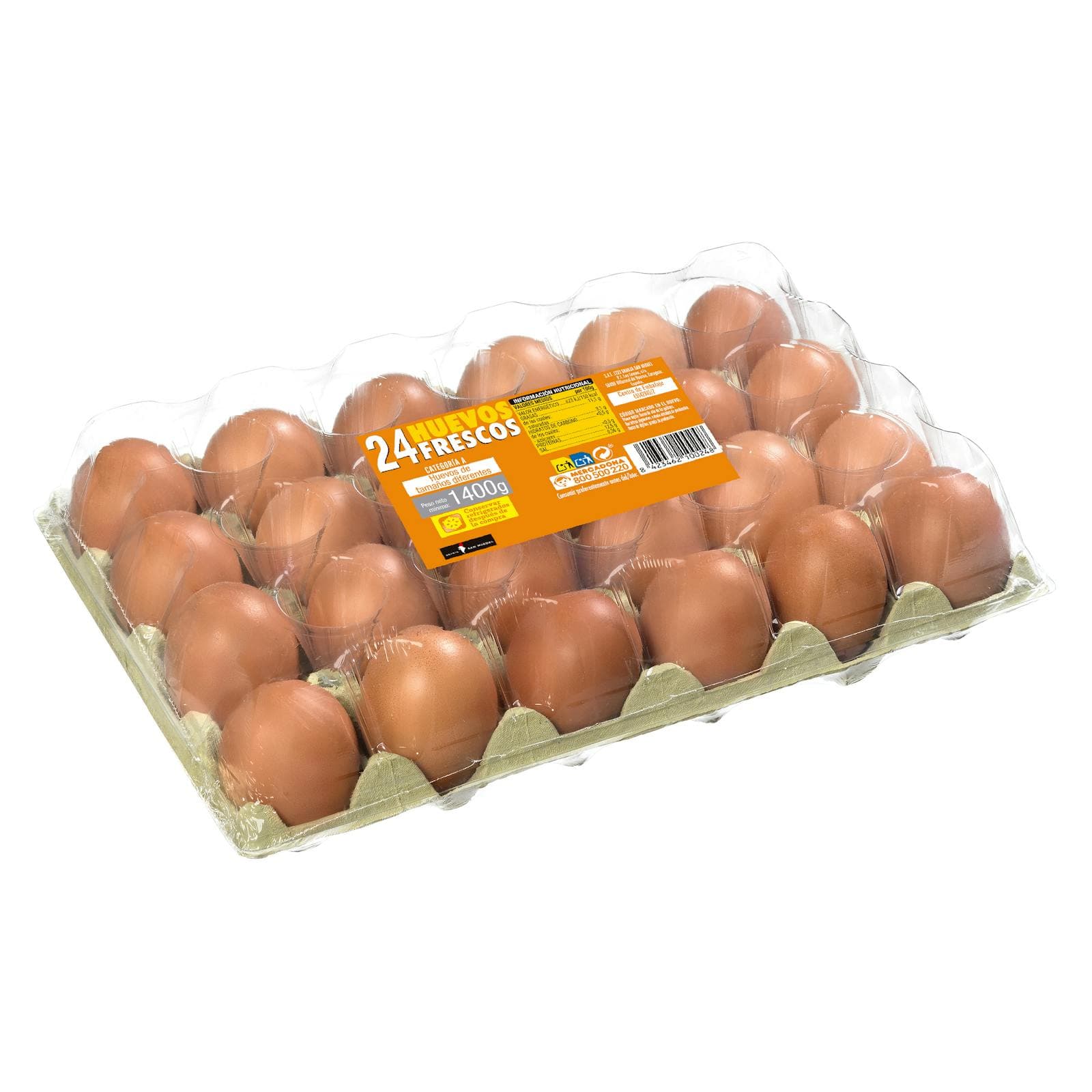 €5.60
€5.60Eggs
24 dz · Mercadona
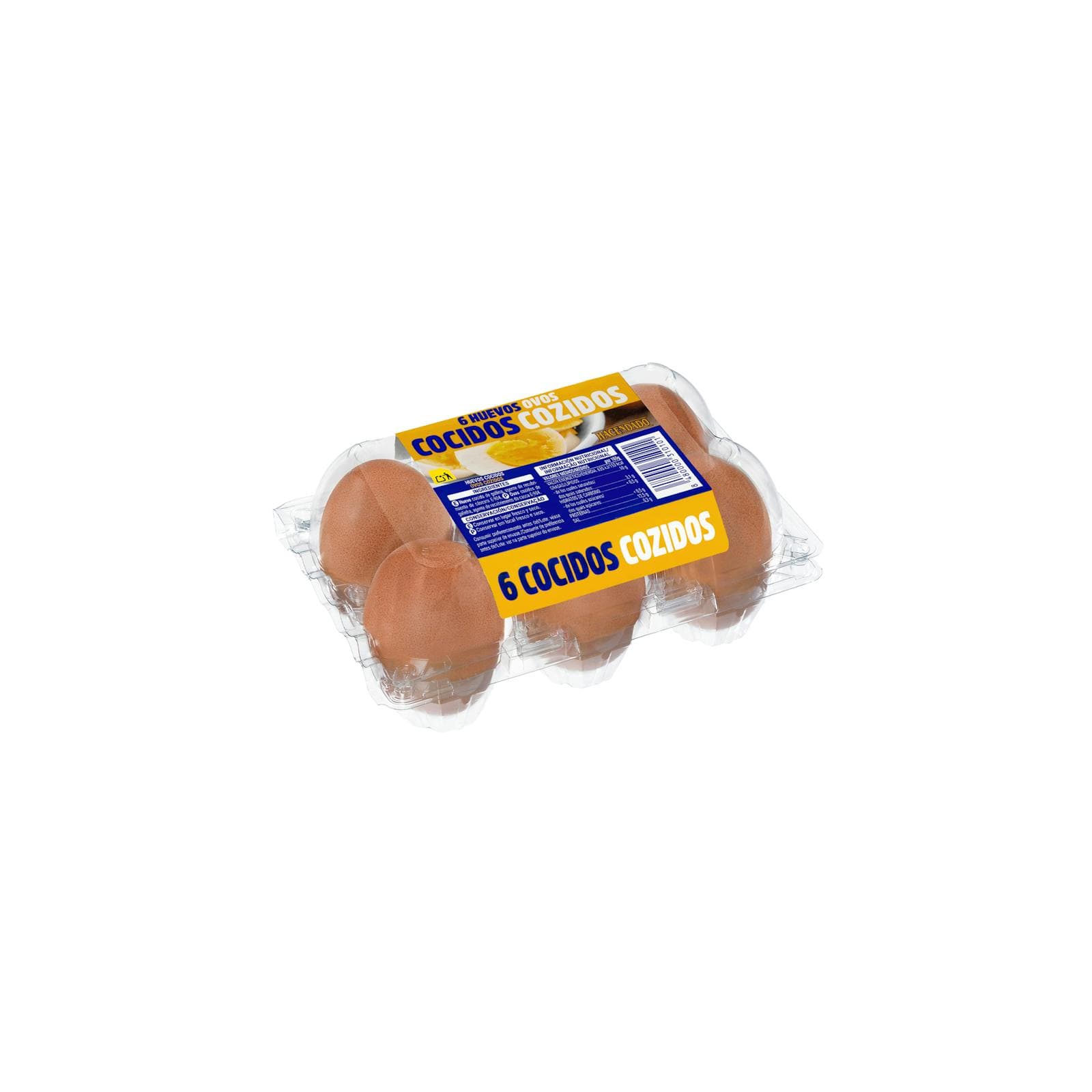 €2.20
€2.20Cooked Eggs
6 dc · Mercadona
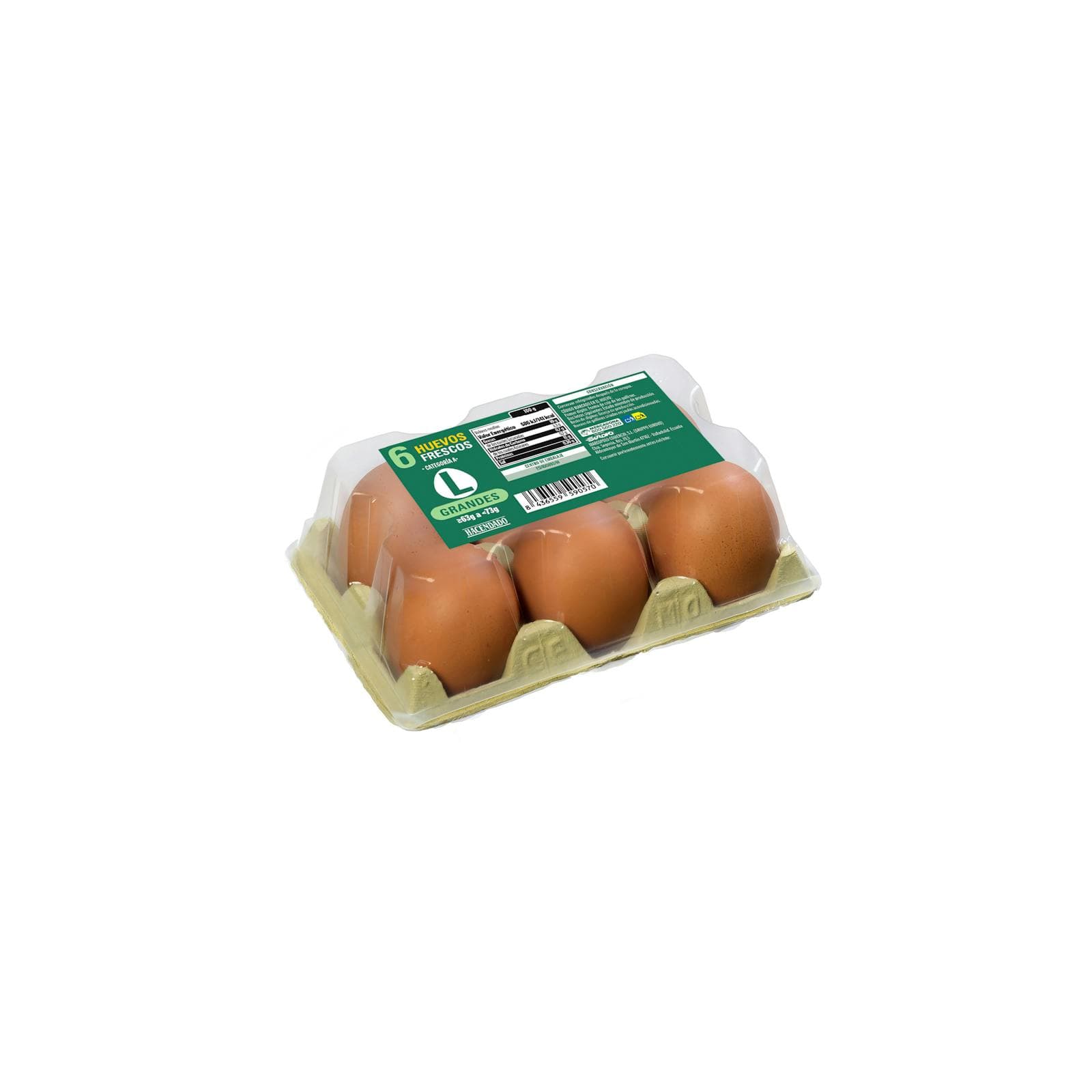 €1.80
€1.80Large Eggs
6 dc · Mercadona
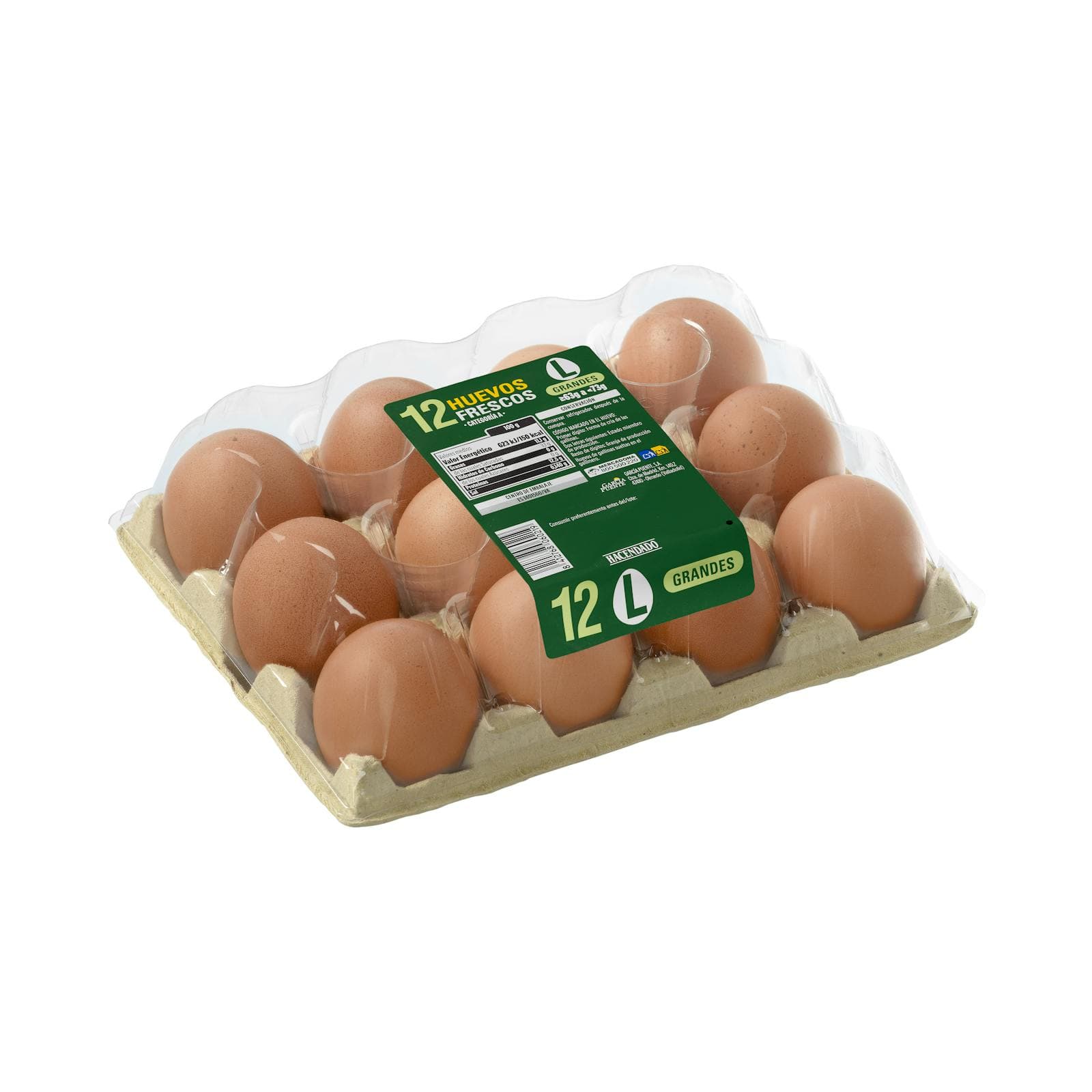 €3.20
€3.20Large Eggs
12 dc · Mercadona
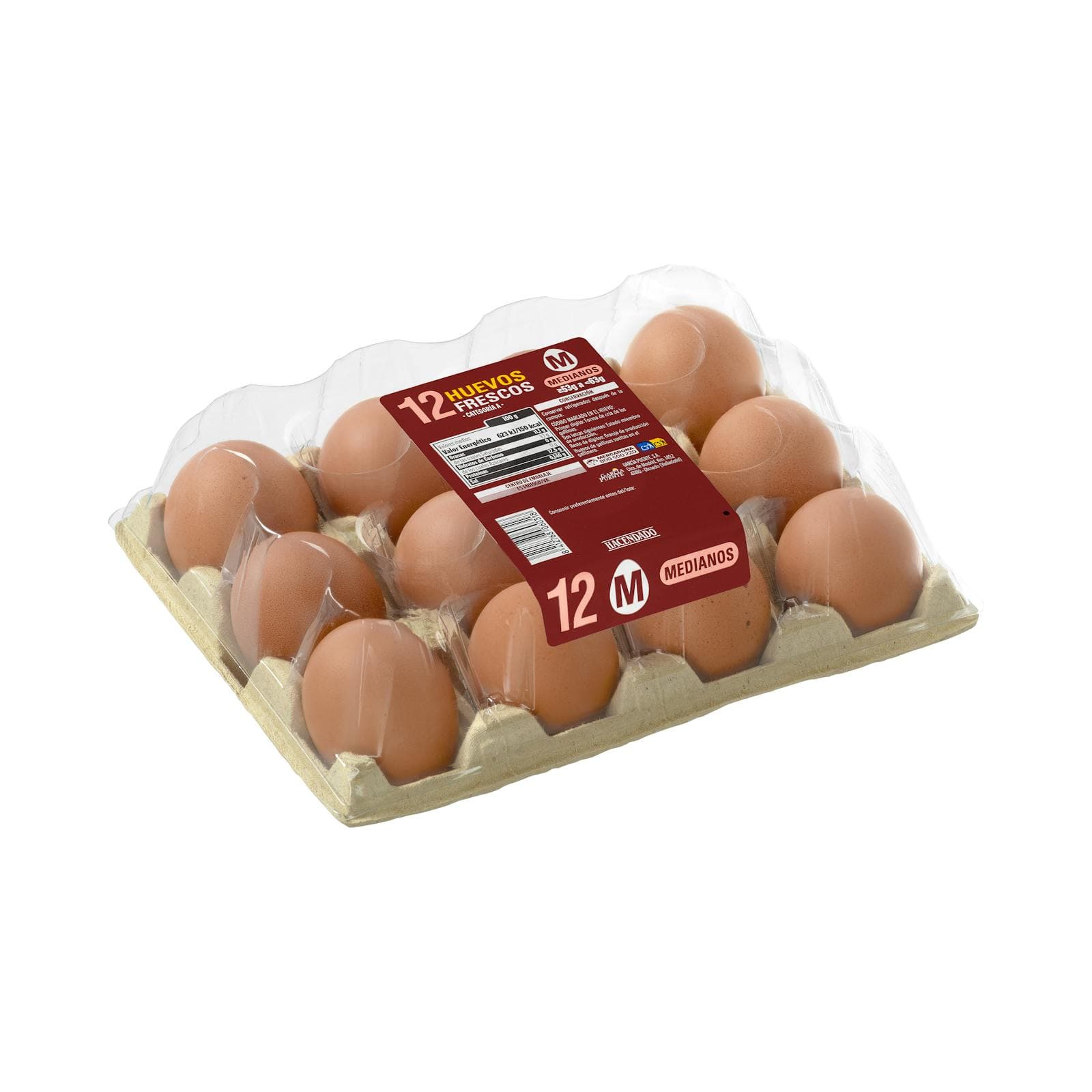 €3.00
€3.00Medium M Eggs
12 dc · Mercadona
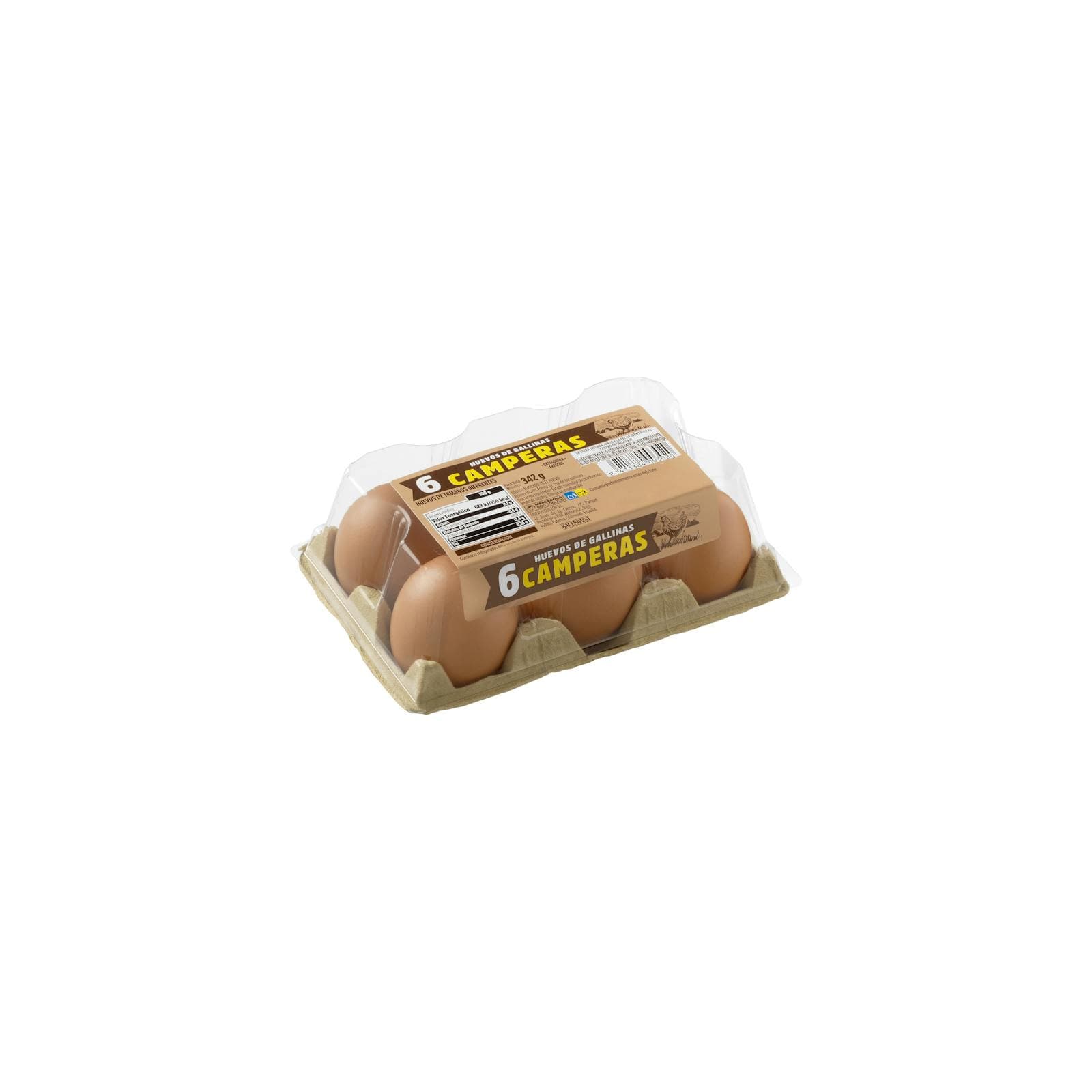 €2.10
€2.10Free-Range Eggs
6 dc · Mercadona
Good to know
- Yolk Color
- Deep orange to reddish-orange, significantly darker than conventional eggs
- Typical Diet
- Forages on pasture for insects, worms, seeds, grass; supplemented with grains
- Omega-3 Content
- Typically 2–3× higher in omega-3 fatty acids than conventional eggs
- Vitamin Content
- Higher in vitamin E (~2×), vitamin A, and beta-carotene
- Shell Porosity
- Slightly thicker shells with fewer cracks than conventional eggs
- Label Regulation
- "Pasture-raised" is not USDA-standardized; look for third-party certifications
- Cholesterol
- Comparable to conventional eggs (185–200 mg per large egg)
- Shelf Life
- Refrigerated: 4–5 weeks from lay date; best quality within 2 weeks for raw applications
Substitutes
- Free-Range Eggs — Hens have outdoor access but not necessarily meaningful pasture; yolks are typically lighter orange, flavor is milder
- Organic Eggs — USDA-certified organic requires outdoor access and organic feed, but pasture quality and duration varies widely
- Duck Eggs — Higher fat content and richer flavor; superior for baking due to more albumen; stronger taste in savory dishes; substitute 1:1 by weight
Pairs with
Also called
Free-Range Egg
Related

Whole Milk
Rich, full-fat milk for drinking, coffee, sauces, and baking
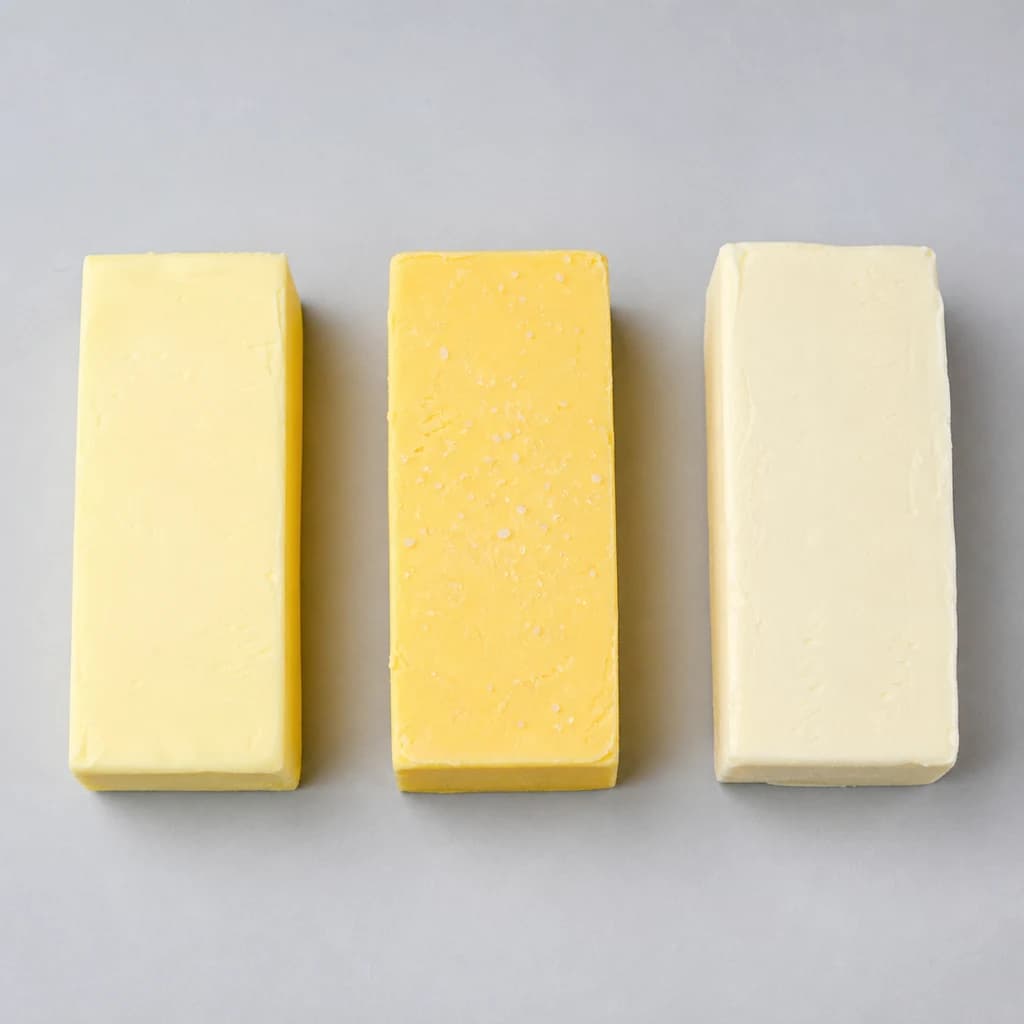
Butter
Golden fat for searing, baking, and finishing a sauce
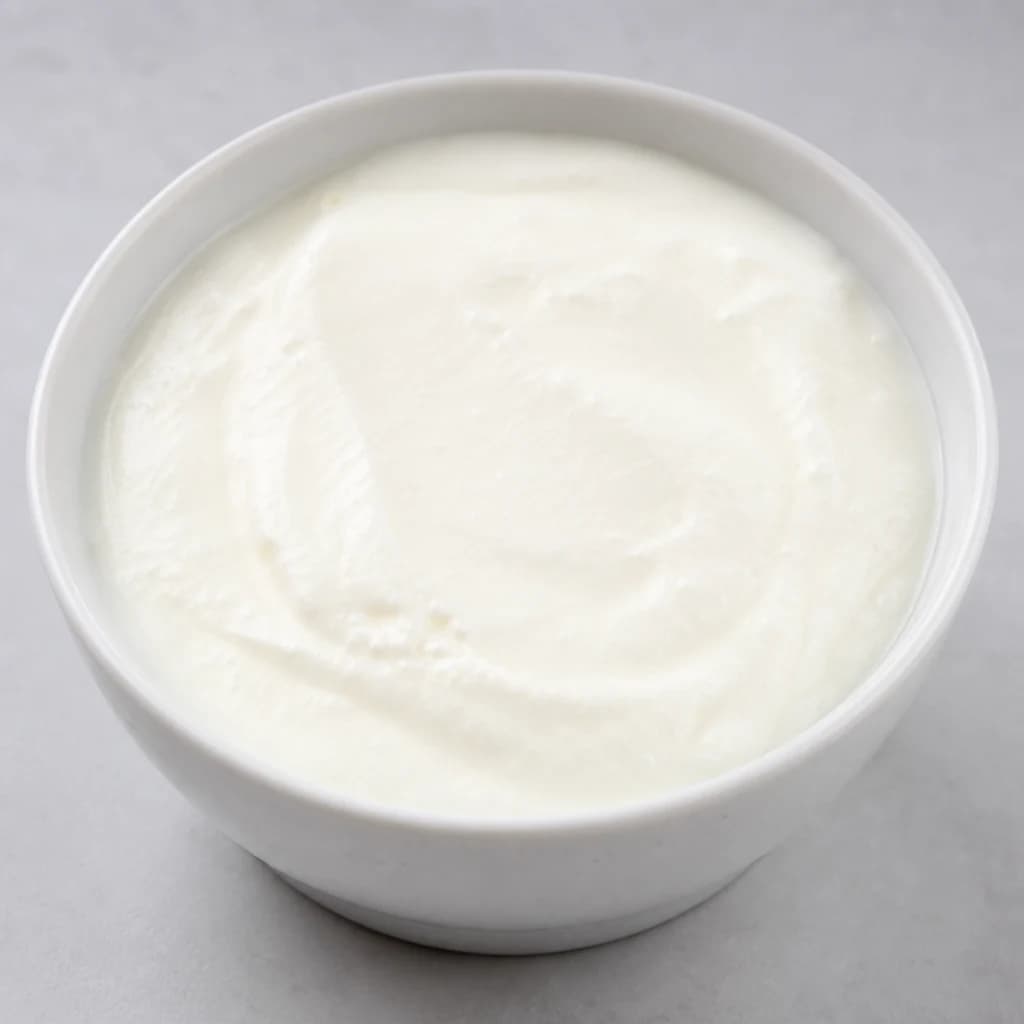
Yogurt
Tangy, creamy culture for breakfast, sauces, and marinades
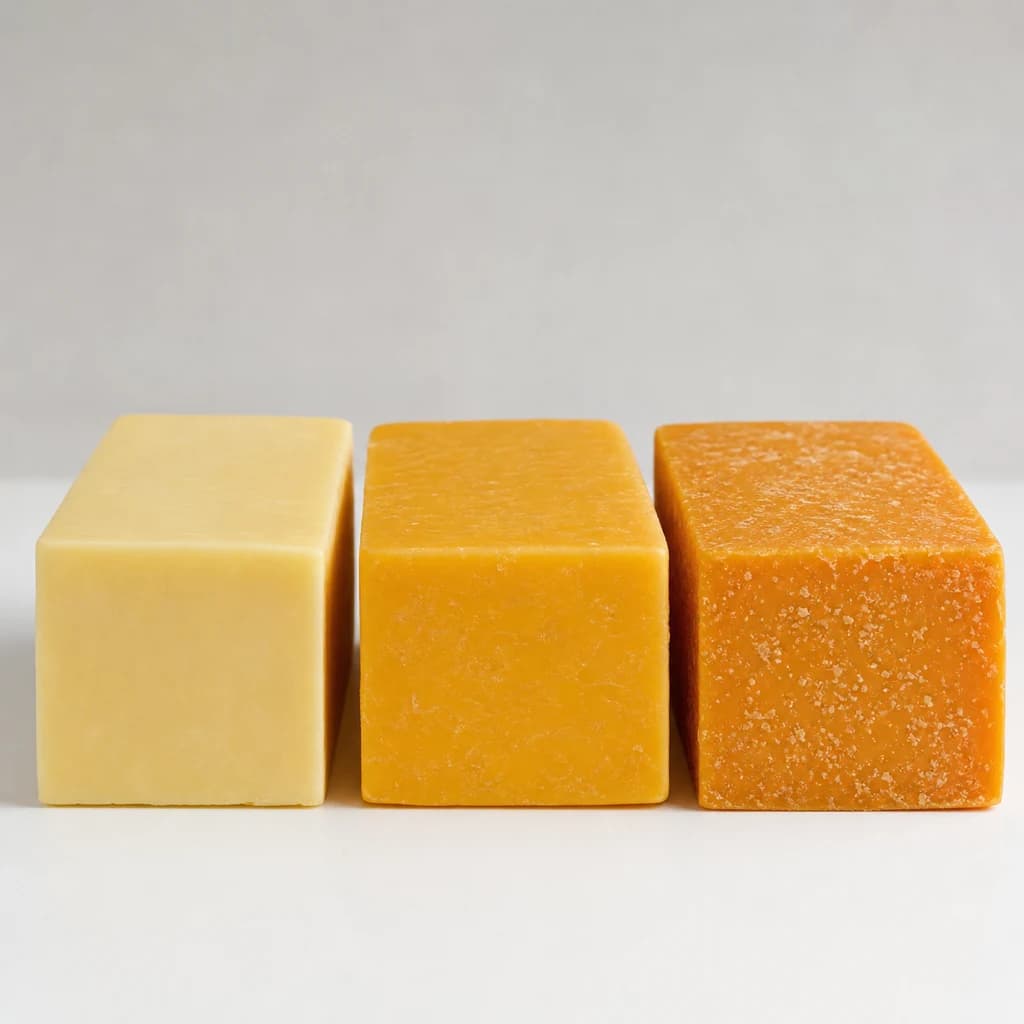
Cheddar Cheese
Sharp, melty cheese for sandwiches, gratins, and grating
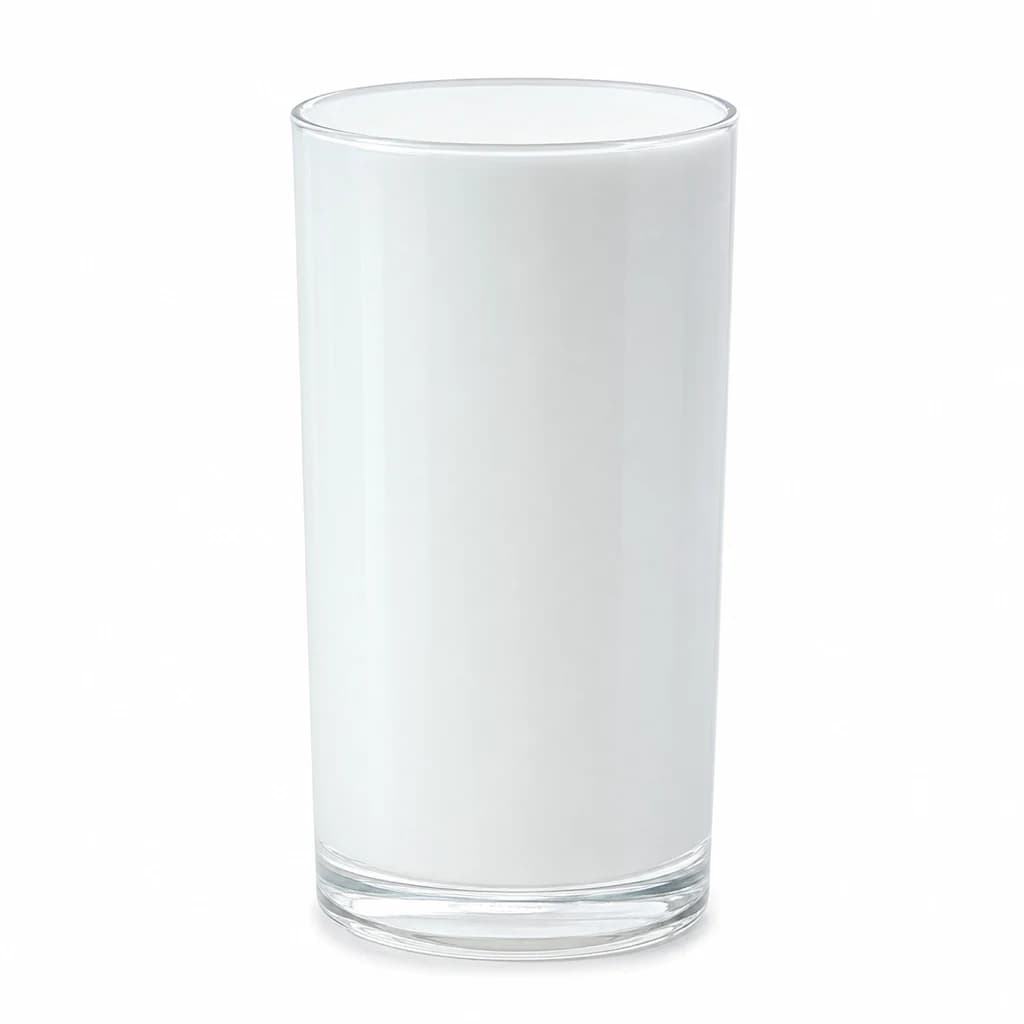
Skim Milk
Fat-free milk for lighter drinking, coffee, and cooking
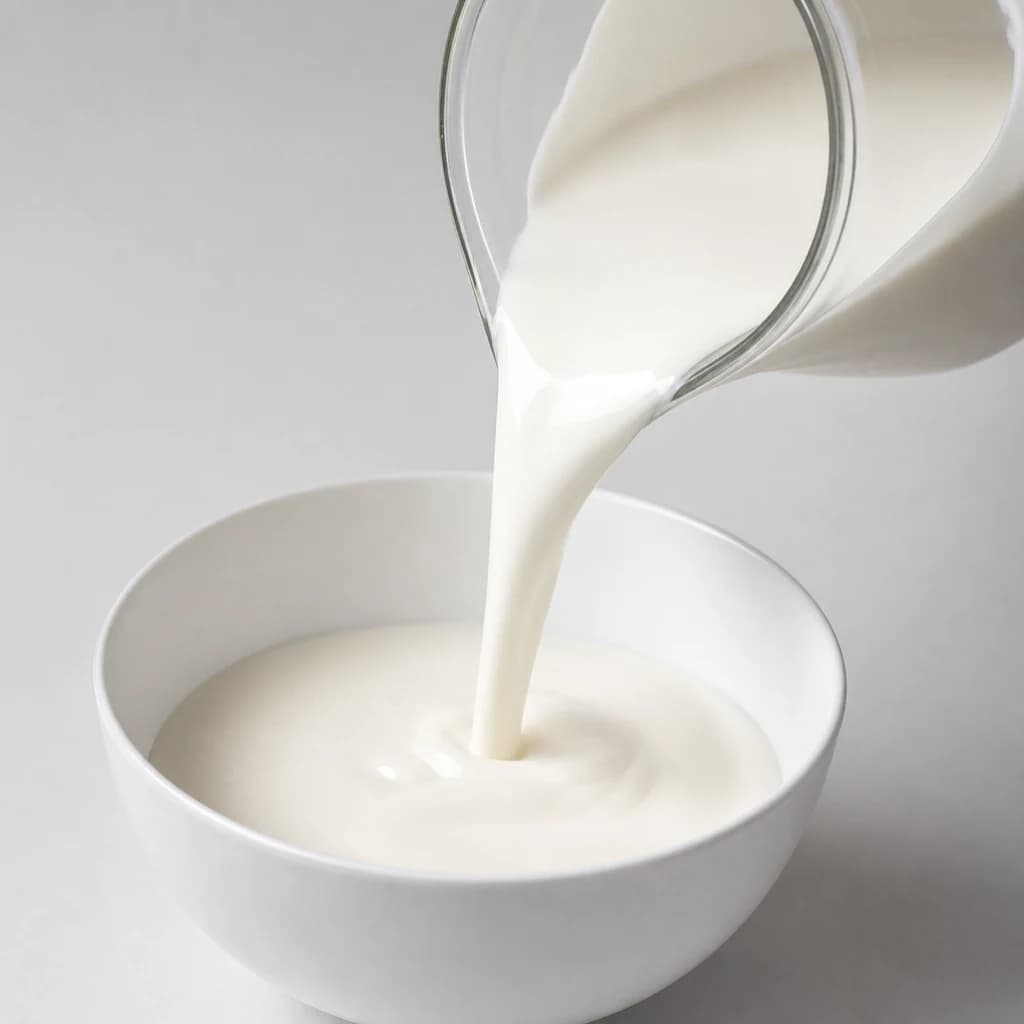
Heavy Cream
Rich cream that whips, enriches sauces, and sets ganache

Sour Cream
Tangy, thick cream for dolloping, baking, and dips
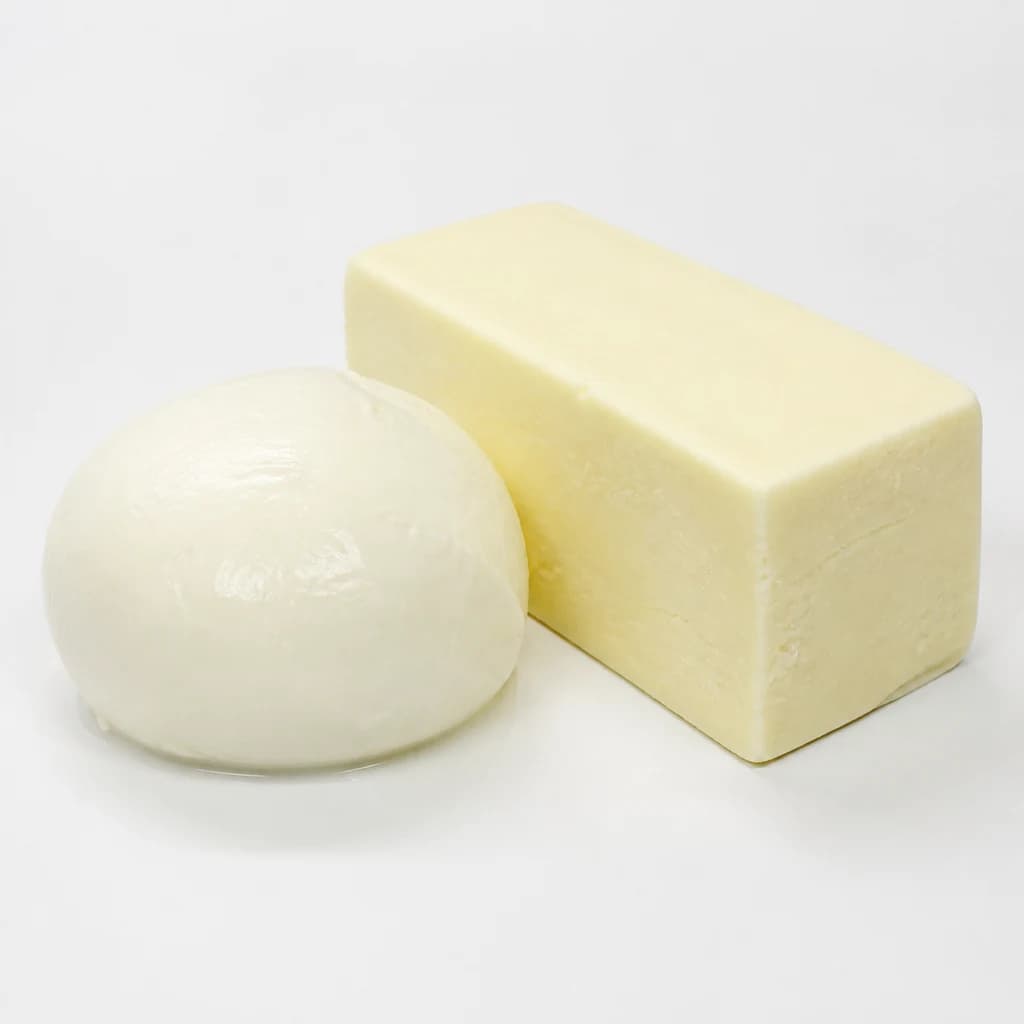
Mozzarella
Soft, milky cheese that melts into stretchy pizza pulls