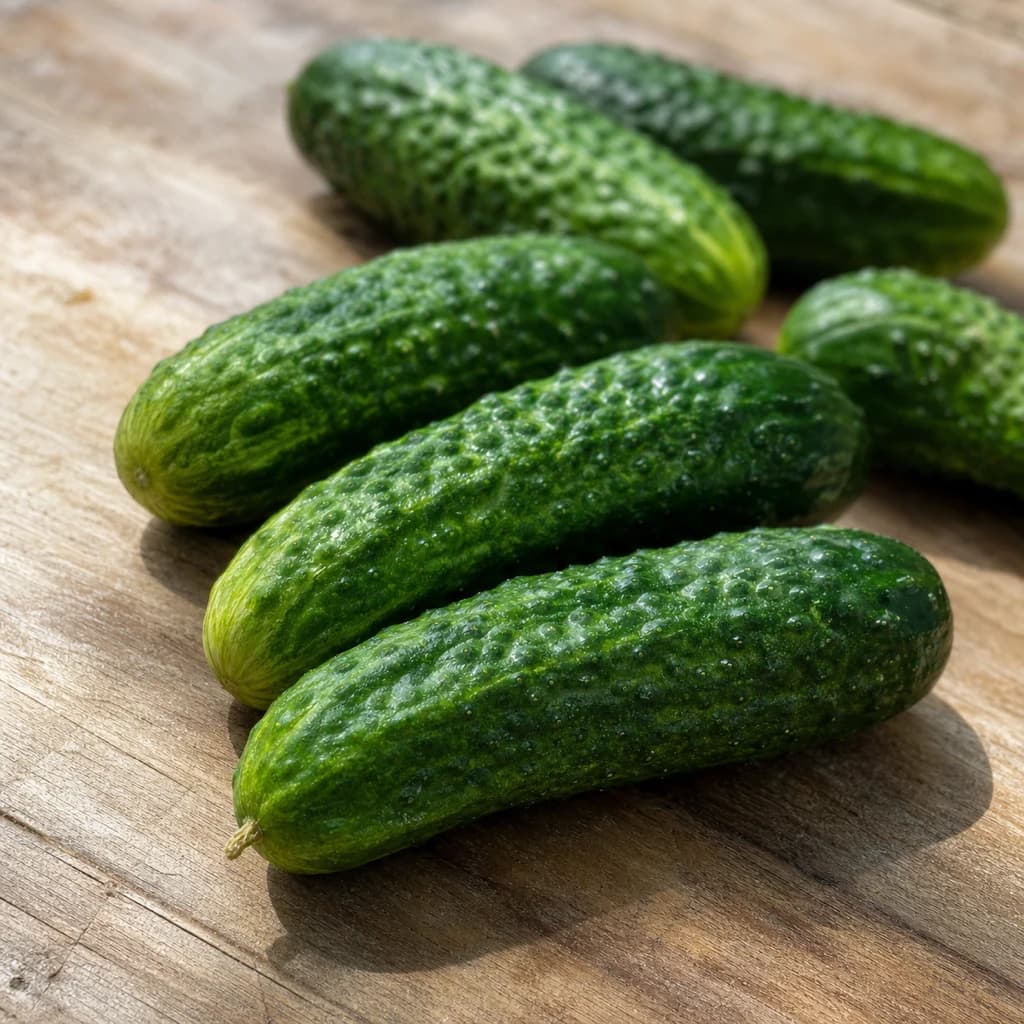
Natural form
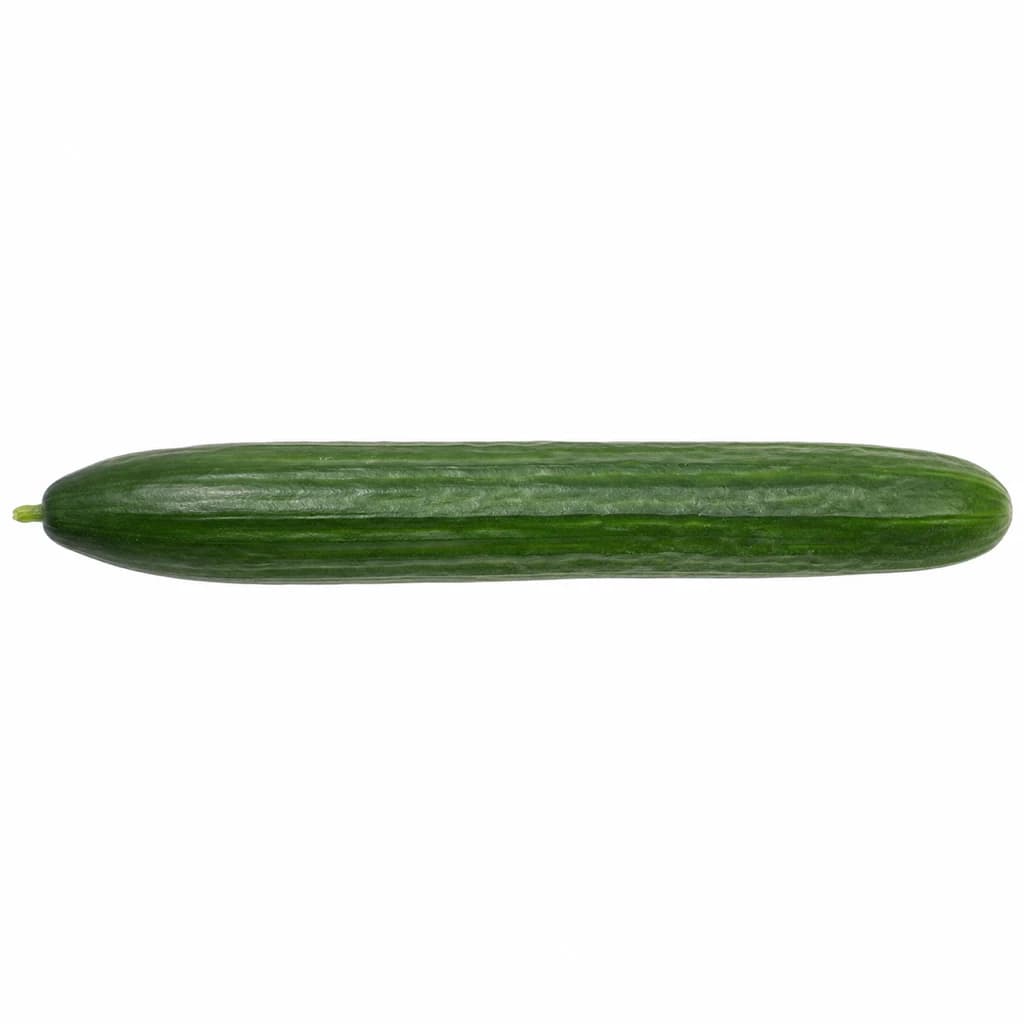
Whole pickling cucumbers showing their characteristic short, bumpy form and firm green skin.
Establishes the defining physical traits — compact size, ridged bumpy skin, deep green color — that distinguish pickling cucumbers from slicing varieties.
Produce
Pickling Cucumber
Short, bumpy, firm cucumber bred for crunchy pickles, also eaten fresh.
Pickling cucumbers, such as the Kirby type, are short, firm cucumbers with bumpy skins and dense flesh and few seeds. Their thick walls and low water content keep them crunchy after brining, making them the standard choice for pickles. They are also eaten fresh for their crisp bite.
Pickling cucumbers are a horticultural subset of Cucumis sativus bred specifically for preserved applications—small, bumpy, and dense-fleshed with a tight seed cavity that resists the softening that plagues slicing cucumbers in brine. Their thin skin allows brine penetration more readily than the waxy coat of commercial slicing cucumbers, while their firm flesh holds its crunch through weeks of fermentation or months in vinegar. They are not a separate species from salad cucumbers; they are a purpose-bred category, and the distinction matters: a slicing cucumber will turn mushy in a jar of dill pickles, while a pickling cucumber is structurally equipped for the brine.
The defining quality is density. A pickling cucumber has roughly twice the flesh-to-seed ratio of a standard slicing cucumber, which translates directly to texture in the finished pickle. Varieties range from tiny cornichon-scale (Parisian Pickling at 1–3 inches) to substantial Chicago Pickling at 6–8 inches, but all share the trait of low moisture content and small seed cavity relative to their size. This is why size grading matters in pickling recipes—larger specimens may need cutting or longer brining to achieve the same firmness as smaller ones.
For the cook, the practical implication is simple: always reach for a true pickling variety when making fermented or fresh-pack pickles, even if a smooth-skinned Kirby or Persian cucumber from the supermarket is an acceptable fresh-eating substitute. The vocabulary of cucumber types is often confused in grocery stores, where "Kirby" and "pickling cucumber" are sometimes used interchangeably, but they are close enough in texture to be functional substitutes for most home cooks—not so a standard English hothouse cucumber, which will produce soft, waterlogged pickles every time.
- Measured in
- piece
- Storage
- Fridge
Types & varieties
Blocky, 5–7 inches; developed 1924 by the National Pickle Packers Association; the classic American pickling variety with consistent shape and crunch
Round to slightly tapered, 3–6 inches; excellent for whole pickles, chips, and stackable spears; holds shape well in brine
Long and slender, 6–8 inches; retains crunch exceptionally well in brine; a reliable commercial and home-garden standard
Compact 2–3 foot vines; fruits 3–5 inches; ideal for container gardens and small growing spaces
Very small, 1–3 inches; traditional for cornichons and baby dills; requires multiple fruits per jar but produces the quintessential small pickle
Black-spined F1 hybrid; disease-resistant; consistent yield and shape; a solid commercial variety for home and small-scale production
Compact plant with notably small leaves; high yields; tolerant to angular leaf spot; excellent for small gardens and organic production
Widely grown commercial variety; 5–7 inches; good disease resistance; reliable and widely available through seed catalogs
F1 hybrid; 5–6 inches; holds firmness in brine through extended storage; a dependable choice for long-fermentation projects
Reliable heirloom; 4–6 inches; good all-purpose pickler with traditional flavor; well-suited to cooler growing seasons
Salt Packing: The Traditional Firmering Step
Salt packing—liberally salting cut or whole cucumbers and letting them rest 1–4 hours before jarring—is a centuries-old technique that remains one of the most effective methods for achieving firm, crunchy pickles. The salt draws osmotically from the cucumber flesh, reducing internal moisture and concentrating the cellular structure. The result is a pickle that retains bite and snap rather than collapsing into soft, waterlogged rings in the jar. This step is especially valuable when using less-dense store-bought cucumbers or varieties on the larger end of the pickling spectrum.
- Use 1–2 tablespoons kosher salt per pound of cucumber.
- Rest at room temperature, uncovered, for 1–4 hours.
- Drain and rinse briefly before packing into jars—this step is optional but reduces finished brine cloudiness.
- Salt packing is not optional in fermented recipes; it is essential for both texture and the initial draw of vegetable liquid into the brine.
Understanding pH and Safe Canning
Pickling cucumbers have a pH of approximately 5.1–5.7, which places them above the 4.6 safety threshold for water-bath canning. This is a critical point: low-acid vegetables cannot be safely canned in a boiling-water bath without acidification. Vinegar (5% acidity minimum) must be added to achieve a finished pickle pH below 4.6. This applies to fresh-pack pickles as well as fermented ones that are then canned. Fermented pickles that remain refrigerated are not subject to this requirement because the cold temperature inhibits pathogenic bacteria during storage, but any attempt at shelf-stable canning demands acidification and, for fermented pickles, a tested recipe that accounts for the acid produced during fermentation.
- Always add vinegar at 5% acidity or higher to fresh-pack pickle brines.
- For fermented pickles destined for canning, use a tested recipe that specifies the amount of vinegar to add after fermentation and before processing.
- Never water-bath can unpickled cucumbers or a fermented pickle without acidification and a verified tested recipe.
- When in doubt, refrigerate fermented pickles rather than canning them—their shelf life in the fridge is 3–6 months.
The Tannin Question in Fermentation
Tannins are compounds found in certain leaves—fresh grape, cherry, oak, and horseradish leaves are the traditional sources—that help maintain pickle firmness during fermentation. They work by causing the pectin in the cucumber's cell walls to set more firmly, similar to how tannins firm the skin of grapes in winemaking. Adding two or three of these leaves to a fermentation crock or jar is a traditional practice with a real, measurable effect on texture. Commercial calcium chloride (1/4 teaspoon per quart) achieves a similar firming effect if leaves are unavailable, though it lacks the aromatic subtlety of oak or grape leaves.
- Use 2–3 oak, grape, or cherry leaves per quart jar for firm-textured fermented pickles.
- Tannin leaves are optional but strongly recommended for whole-cucumber fermented pickles.
- Remove leaves before eating—they are for texture control only, not flavor.
Common uses
Tips & pitfalls
- Choose cucumbers that are firm and springy when pressed gently with a thumb; reject any that are yellowing, soft, wrinkled, or feel hollow at the ends.
- Rub off pronounced spines (small prickles) under cool running water before processing—use a soft cloth or your bare hand for gentle varieties, a vegetable brush for stubborn spines.
- Soak cucumbers in ice water for 1–2 hours before brining to firm the flesh through turgidization—this is especially helpful for less-dense store-bought cucumbers.
- Scrub waxed supermarket cucumbers with a vegetable brush under warm water to remove the edible but undesirable coating that impedes brine penetration.
- Salt packing (salting cucumbers and resting 1–4 hours before jarring) draws out excess water and yields a firmer finished pickle with a more concentrated brine—do not skip this step for best texture.
- Use non-chlorinated water for fermentation; chlorine inhibits the Lactobacillus bacteria essential for controlled, safe lactic-acid fermentation.
- Never use copper, iron, or aluminum vessels for fermentation—food-grade plastic, glass, or ceramic only; metal reacts with acid and produces off-flavors and discoloration.
- Scrub off the natural bloom (white powdery residue) if using a wild fermentation with added culture; leave it if doing an open, wild-fermented batch where ambient yeasts are desired.
Nutrition
Energy
63 kJ · per 100 g
Where the calories come from
Protein
0.7g
1% DV
Carbs
3.6g
1% DV
Fat
0.1g
0% DV
Fiber
0.5g
2% DV
Sugars
1.7g
of which
Sodium
2mg
0% DV
Source · USDA FoodData Central · approx. Cucumber, with peel, raw
View on FDC →In the shops
Matched grocery products
 €0.40
€0.40Cucumber
210 g · Mercadona
 €1.13
€1.13Dutch Cucumber
425 g · Mercadona
 €0.59
€0.59Cucumber 1 unit
Bonpreu
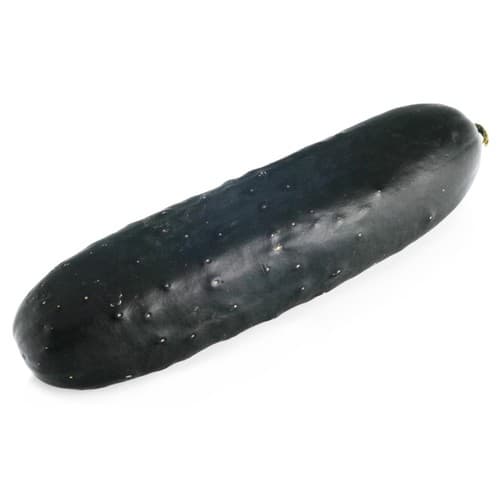 €0.66
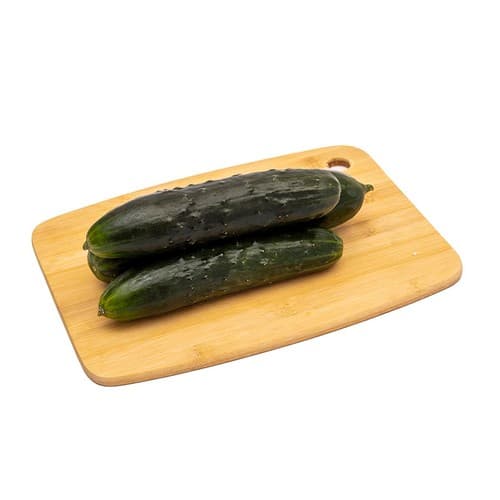
€0.66Cucumber 1 unit
ud · Bonpreu
 €3.39
€3.39La Collita Organic Cucumber Tray 600 g
LA COLLITA · kg · Bonpreu
Good to know
- Scientific Name
- Cucumis sativus
- Typical Size
- 2–8 inches long, depending on variety
- Skin
- Thin and bumpy; dark to medium green, sometimes with pale stripes; may yellow slightly when fully ripe
- Flesh
- Dense, firm, small seed cavity; low moisture content relative to slicing cucumbers
- Peak Season
- June through August in temperate climates; extended season in warm regions
- Shelf Life
- 5–7 days refrigerated unwashed in a loosely perforated plastic bag
- pH (unpickled)
- Approximately 5.1–5.7—moderately acidic but above the 4.6 threshold required for safe water-bath canning without acidification
- Primary Use
- Fermented and fresh-pack pickle production; can be eaten fresh when young and tender
Substitutes
- Kirby Cucumber — Small, bumpy, and firm; sold in most supermarkets; the best direct substitute with nearly identical density and crunch for both fermented and fresh-pack pickles
- Persian Cucumber — Short and nearly seedless; works well for quick pickles and fresh applications; less suited for fermented pickles where firm texture is essential
- English/Hothouse Cucumber — Seedless and crisp but has higher moisture content than true pickling varieties; produces noticeably softer-textured pickles—not recommended for fermentation
- Small Pickling Melon (Melothria scabra) — Closely related but a distinct species; acceptable only for novelty or experimental pickles; not a true cucumber substitute
Pairs with
Also called
Kirby · Kirby Cucumber · Gherkin Cucumber
Related
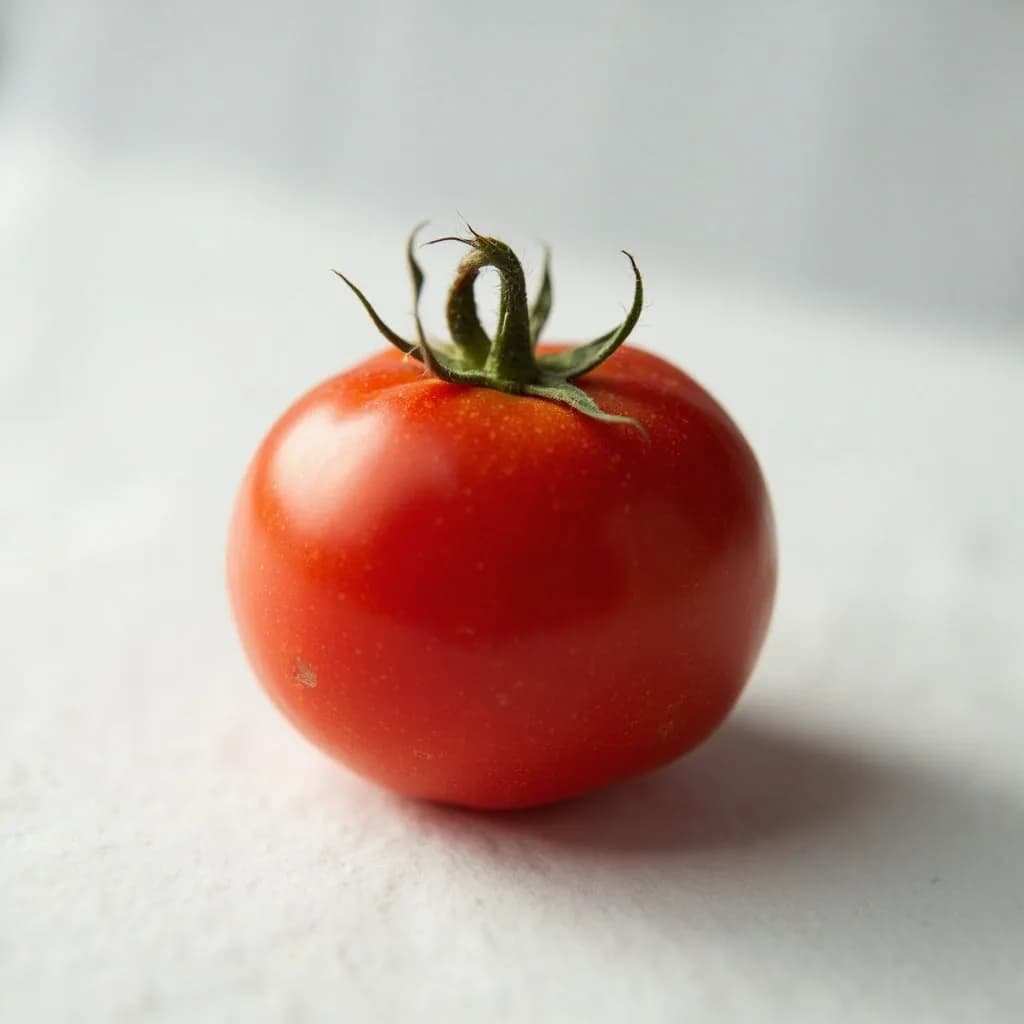
Tomato
Juicy, sun-sweet fruit for sauces, salads, and slow-cooked depth
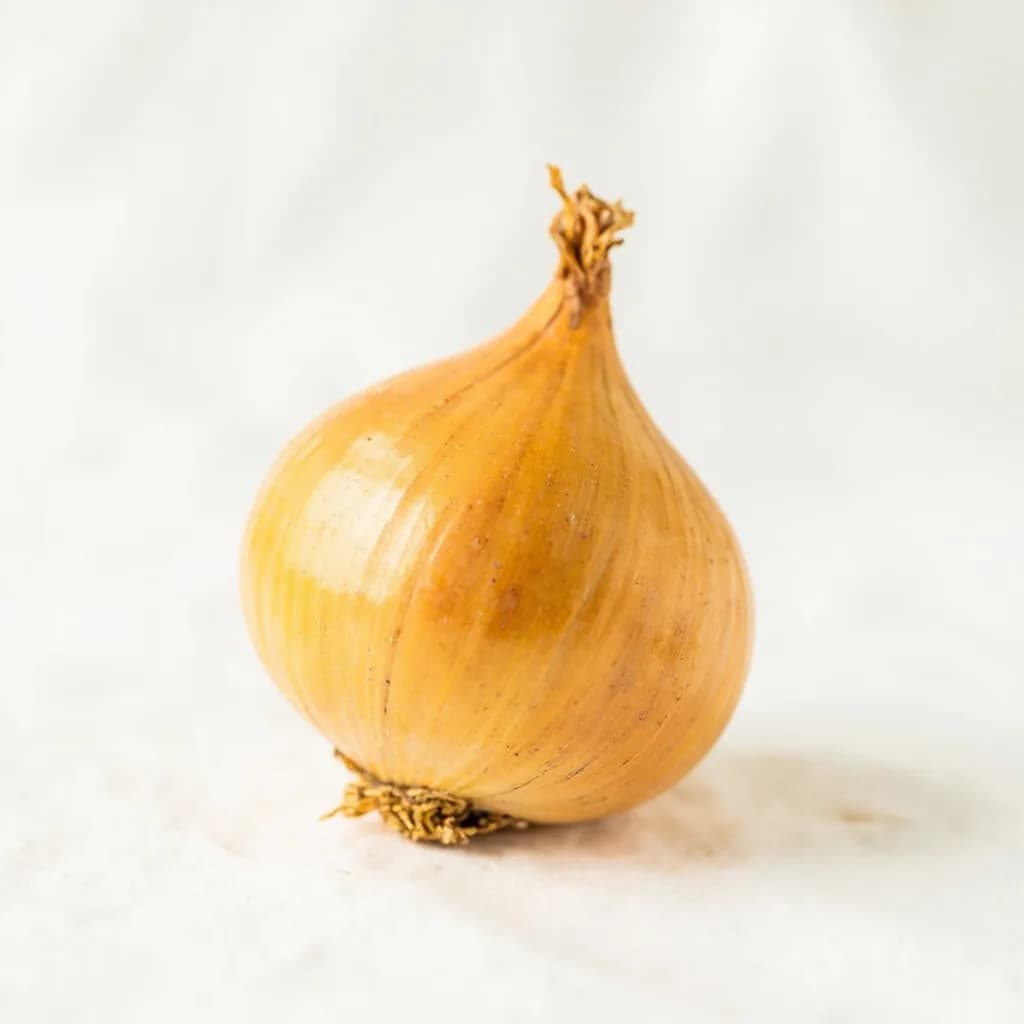
Yellow Onion
The aromatic backbone of soups, sofritos, and braises
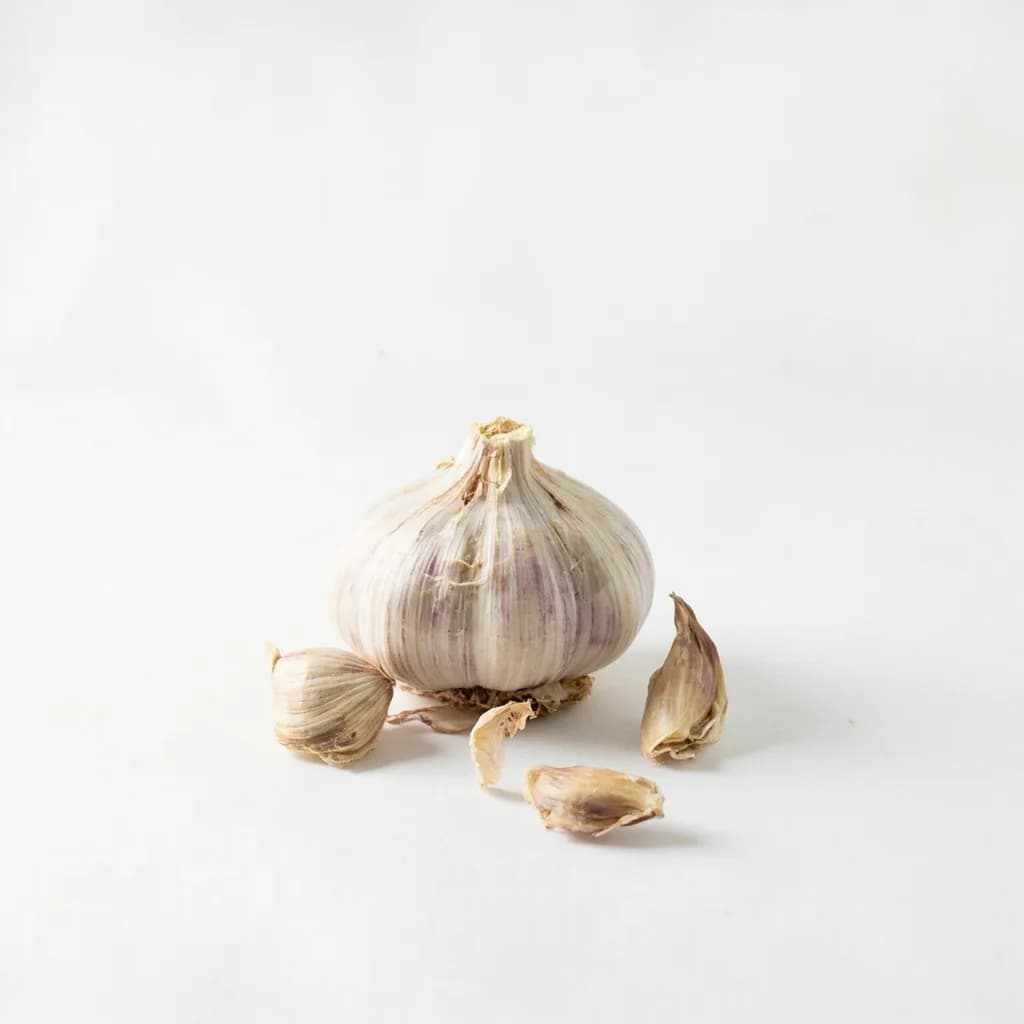
Garlic
Pungent cloves that perfume nearly every savory dish
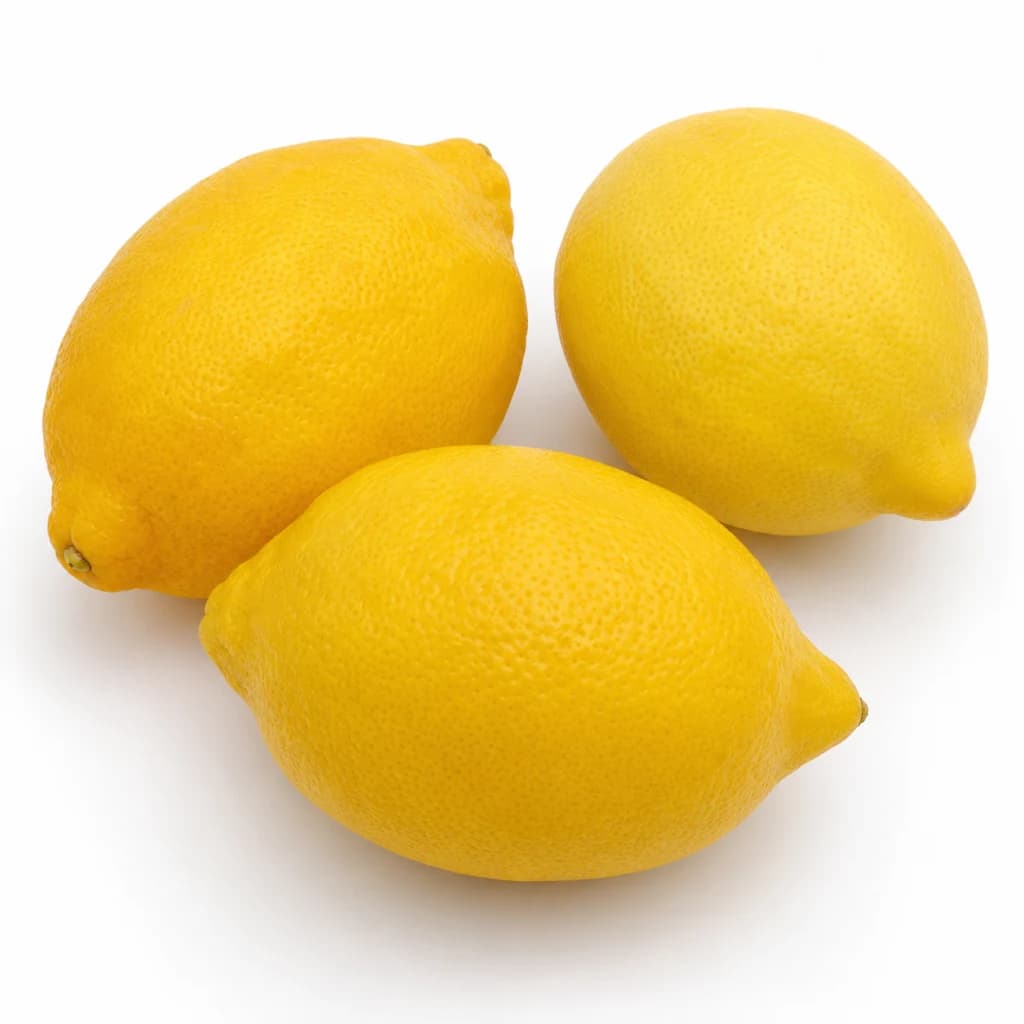
Lemon
Bright, acidic citrus that wakes up almost any dish
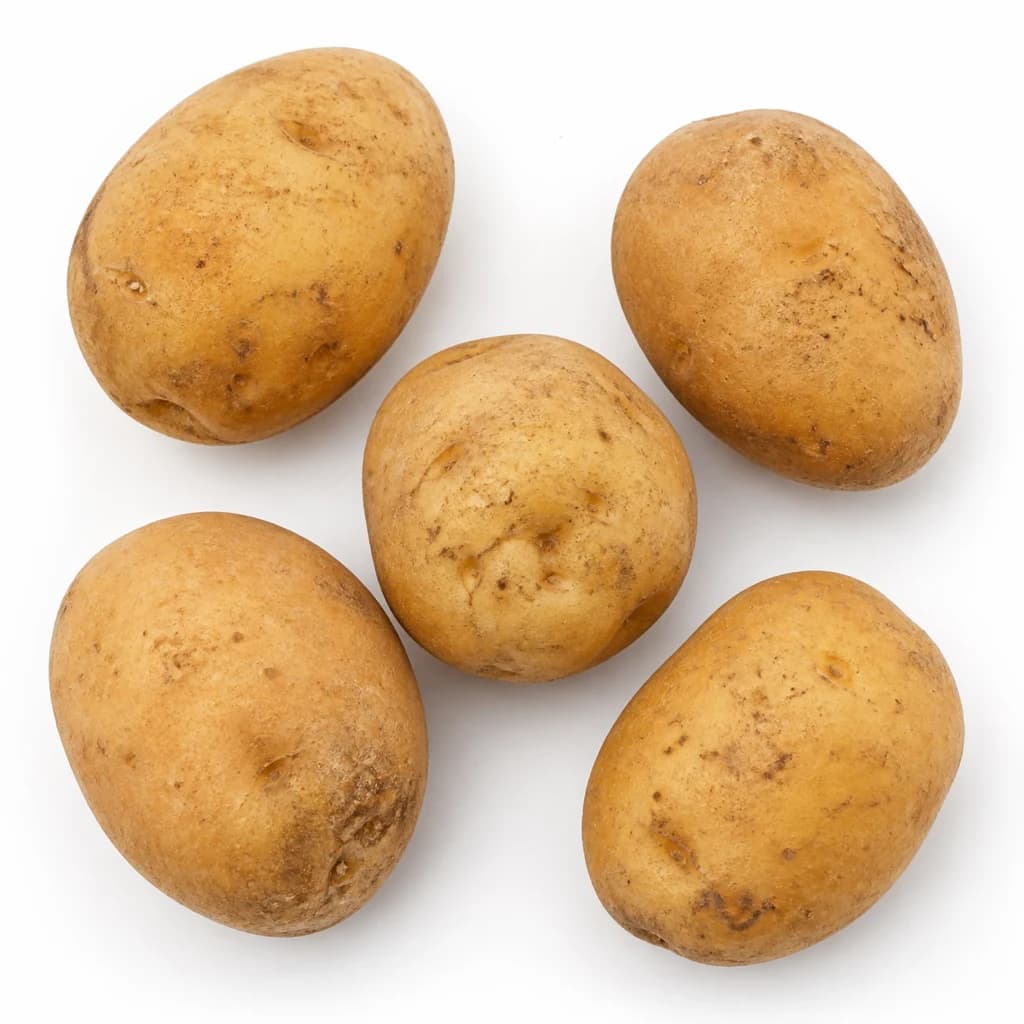
Potato
Humble, hearty staple — roast, mash, fry, or boil
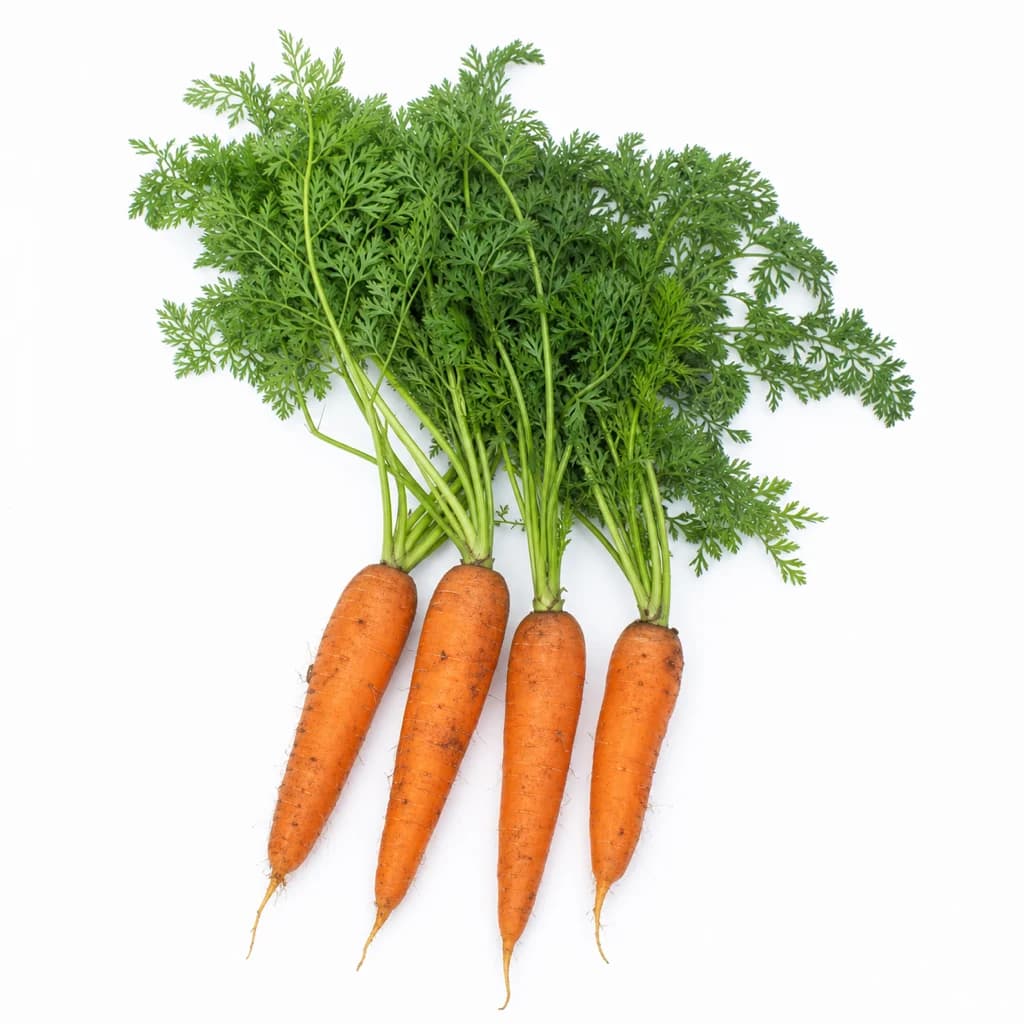
Carrot
Sweet, crunchy root — raw, roasted, or the base of a sofrito
Cucumber
Cool, crisp, and watery — for salads, pickles, and tzatziki

Lettuce
Crisp leaves for salads, wraps, and a fresh crunch