Natural form
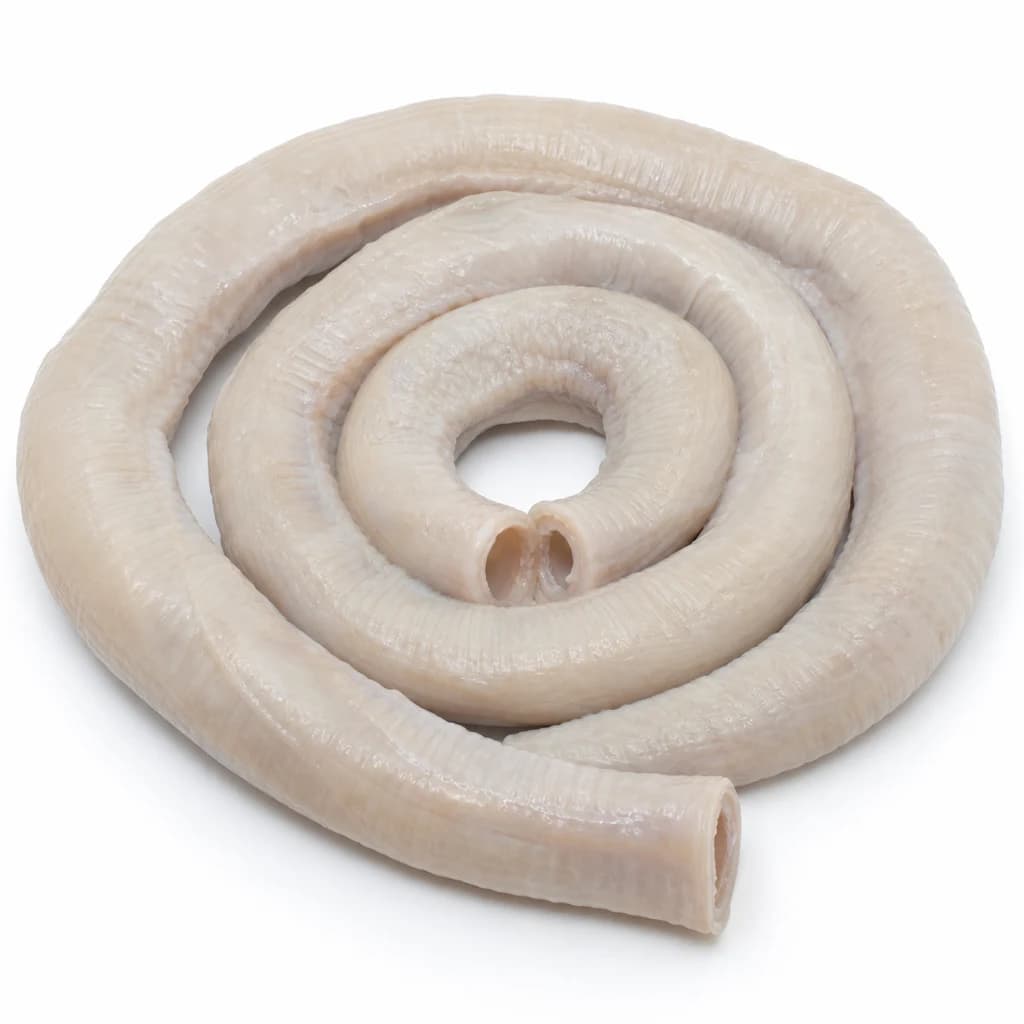
Cleaned raw pork large intestine coiled on a plain white surface, showing its pale, thick-walled tubular structure.
Shows the reader exactly what the ingredient looks like before any cooking — its distinctive pale grey-white color, thick rubbery walls, and accordion-like ridged exterior.
Proteins
Pork Large Intestine
Cleaned pork intestine, braised or deep-fried for a chewy offal delicacy.
Pork large intestine (chitterlings) is an offal cut that must be thoroughly cleaned, then braised, stewed or deep-fried until tender and chewy. It is central to Chinese dishes like fei chang, Korean gopchang and American chitlins. The rich, fatty texture readily absorbs the flavors of strong spices and sauces.
Pork large intestine is a thick-walled offal cut that demands meticulous cleaning and confident cooking technique to transform from a digestive organ into a prized delicacy. Its muscular structure, significantly thicker than the small intestine, provides a satisfying chew and substantial snap when properly prepared, while its porous nature allows it to absorb bold seasonings and braising liquids effectively. This ingredient features prominently across East and Southeast Asian cuisines—Chinese preparations favor both crispy deep-fried and red-braised styles, Filipino street food presents it as grilled or fried skewers, Korean cuisine braises it in spicy sauce, and Vietnamese and Thai traditions incorporate it into soups, stews, and stuffed preparations. The thick wall distinguishes it from chitterlings, giving the large intestine better structural integrity for sliced ring or stuffed preparations, though it requires more cleaning effort and longer cooking to reach optimal texture. Understanding how to clean it thoroughly, blanch it properly, and apply the right cooking method separates successful preparations from disappointing ones.
- Measured in
- g
- Storage
- Fridge
Types & varieties
Sold as intact tube; requires turning inside out for cleaning
Pre-cut rings or segments, often from the cecum (blind end); common in Filipino cuisine
Distinct from large intestine; smaller diameter, thinner wall; traditional in American Southern and soul food cooking
The Cleaning Ritual
Cleaning pork large intestine is non-negotiable—the organ's function as a digestive passage means it retains fats, mucosa, and residue that must be removed for palatable results. The inside-out method is essential: the mucosal lining faces inward when the intestine sits normally, so you must flip it to access the surface that held digestive material. Work over a rimmed tray or in your sink to contain mess, and expect this process to take 20–30 minutes for a thorough job. After initial soaking and scrubbing, rinse repeatedly until water runs clear, then proceed to blanching to purge any remaining impurities. Some cooks remove excess external fat for a leaner result, but retaining a thin layer adds richness and prevents the intestine from drying out during cooking.
- Turn inside out by working one end over the other like turning a sock inside out
- Soak in cold water with 2–3 tablespoons vinegar or coarse salt for 30–60 minutes
- Scrape away slime with a cloth, paper towel, or vigorous hand rubbing during soaking
- Rinse thoroughly after scrubbing—water should run clear before proceeding
- Always blanch in boiling water for 5–10 minutes after cleaning to purge remaining impurities
- For crispy preparations, pat completely dry after blanching and before cooking
Common uses
Tips & pitfalls
- Turn the intestine inside out before cleaning—the interior mucosa holds most debris and odor
- Soak in cold water with 2–3 tbsp vinegar or coarse salt for 30–60 minutes to loosen slime and reduce odor
- Scrape or rub away the slimy layer with a cloth or your hands during soaking; rinse repeatedly
- Remove excess visible fat if a leaner result is desired, but some fat contributes to flavor
- Always blanch in boiling water for 5–10 minutes before final cooking to purge remaining impurities
- Do not overcook after blanching—large intestine becomes unpleasantly rubbery; finish with quick methods or controlled braising
- When deep-frying, ensure oil is at 350–375°F and pat intestine dry first to prevent splattering
- Common mistake: skipping the vinegar/salt soak results in strong off-odor and lingering slime
Nutrition
Energy
761 kJ · per 100 g
Where the calories come from
Protein
7.6g
15% DV
Carbs
0g
0% DV
Fat
16.6g
21% DV
Fiber
0g
0% DV
Sugars
0g
of which
Sodium
24mg
1% DV
Source · USDA FoodData Central · approx. Pork, fresh, variety meats and by-products, chitterlings, raw
View on FDC →In the shops
Matched grocery products
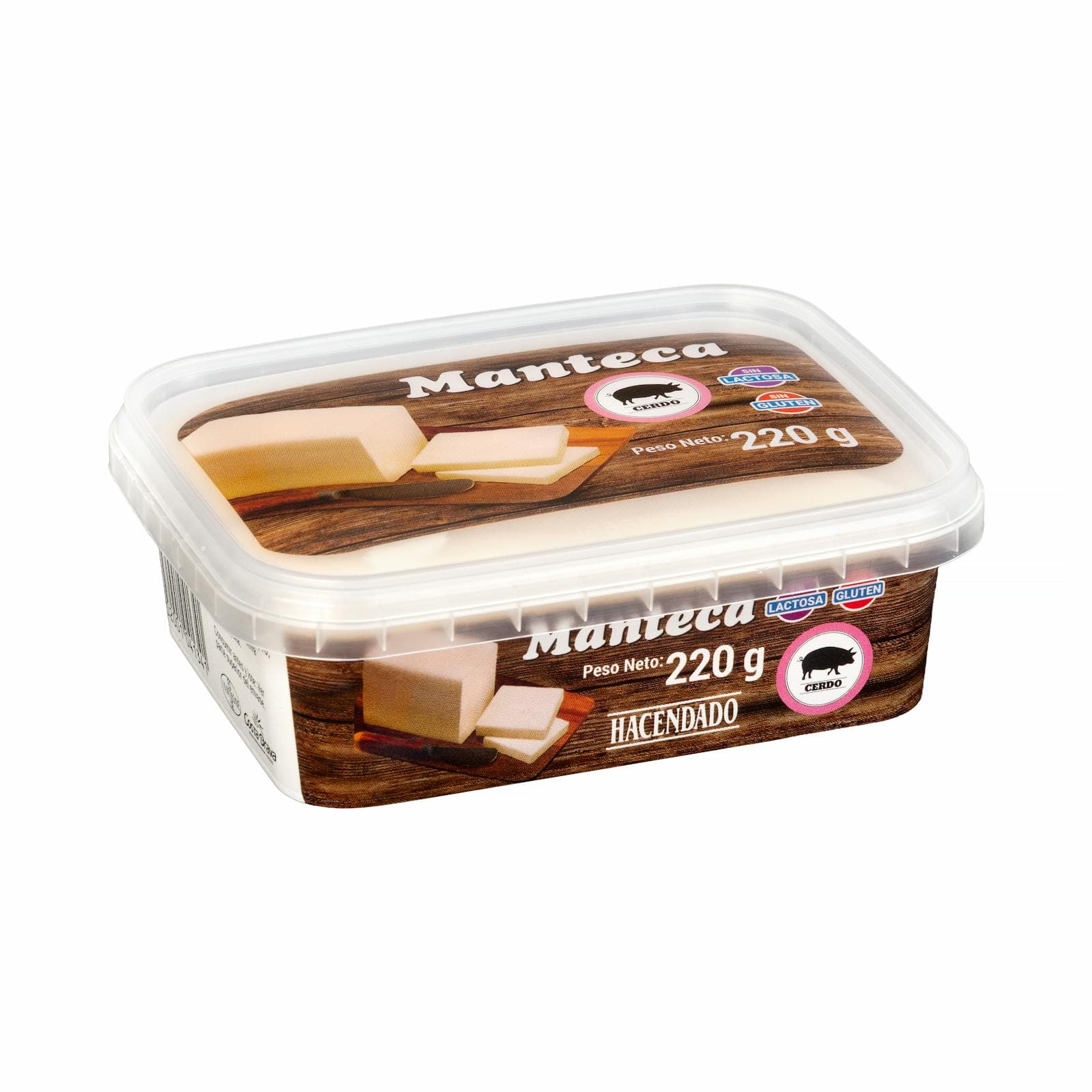 €2.20
€2.20Pork Lard
Hacendado · 220 g · Mercadona
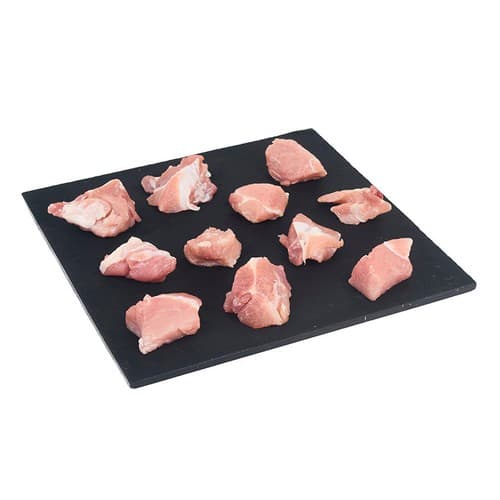 €3.40
€3.40Pork Stew
BONPREU · ud · Bonpreu
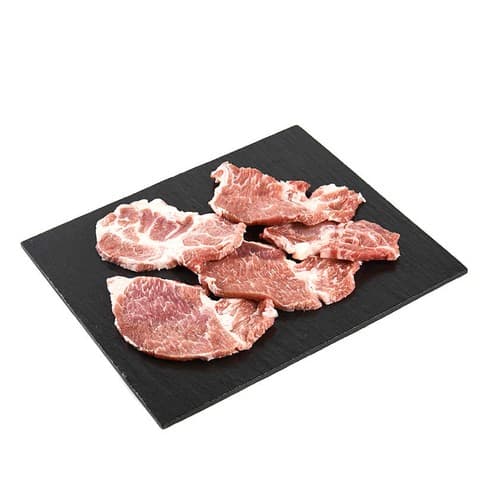 €3.45
€3.45Lean Pork
BONPREU DE L'ERA · ud · Bonpreu
 €2.10
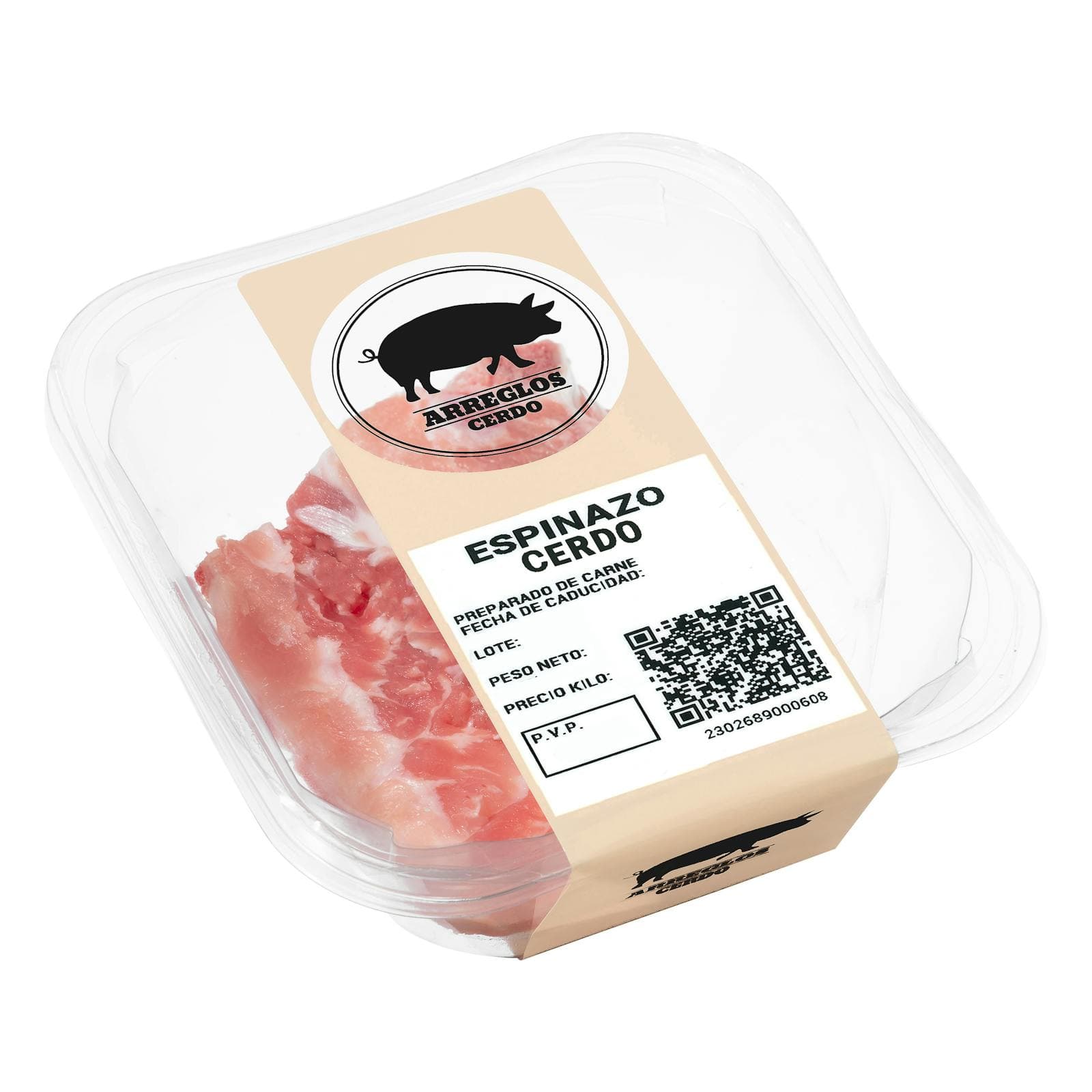
€2.10Pork Spine
300 g · Mercadona
 €3.22
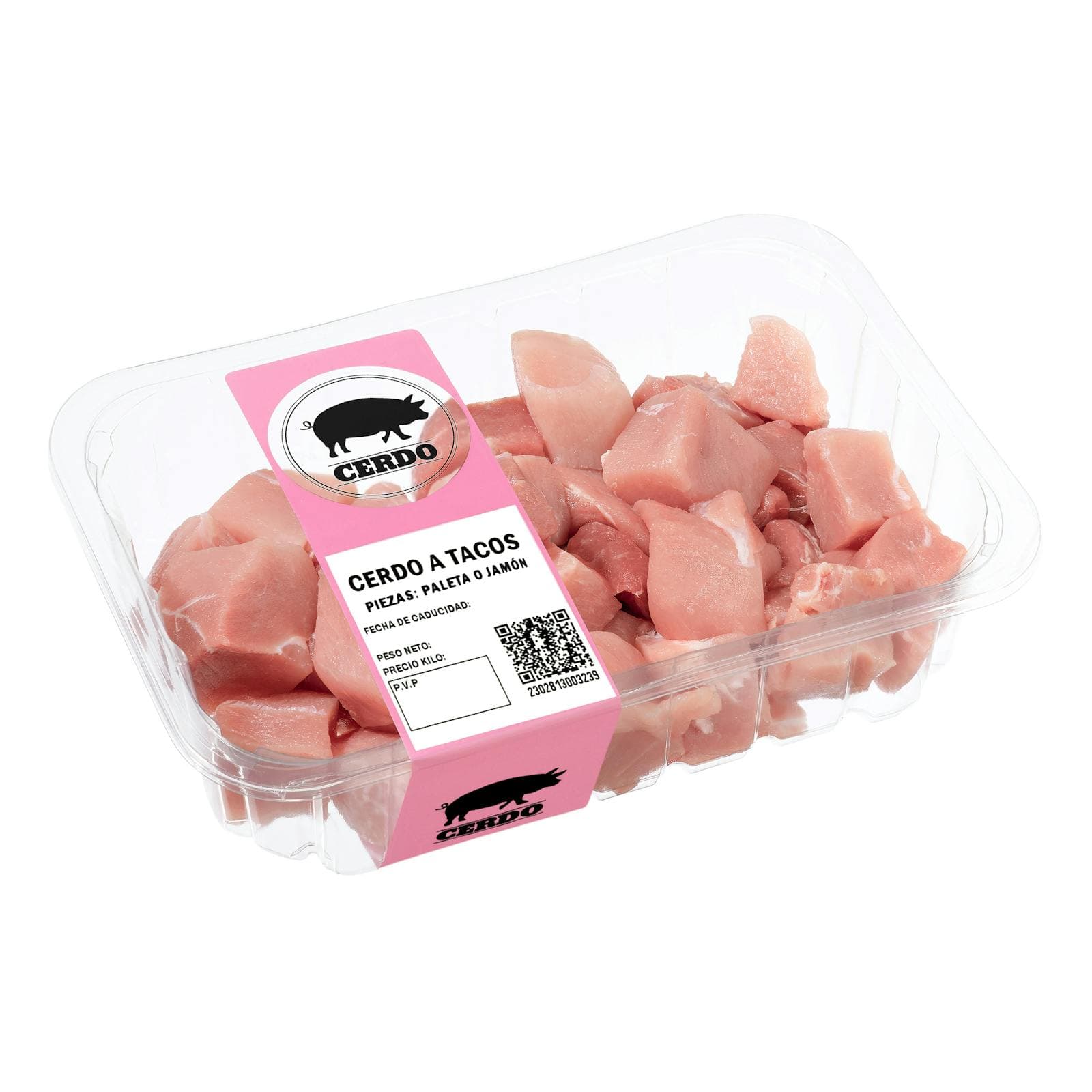
€3.22Diced Pork
560 g · Mercadona
 €3.75
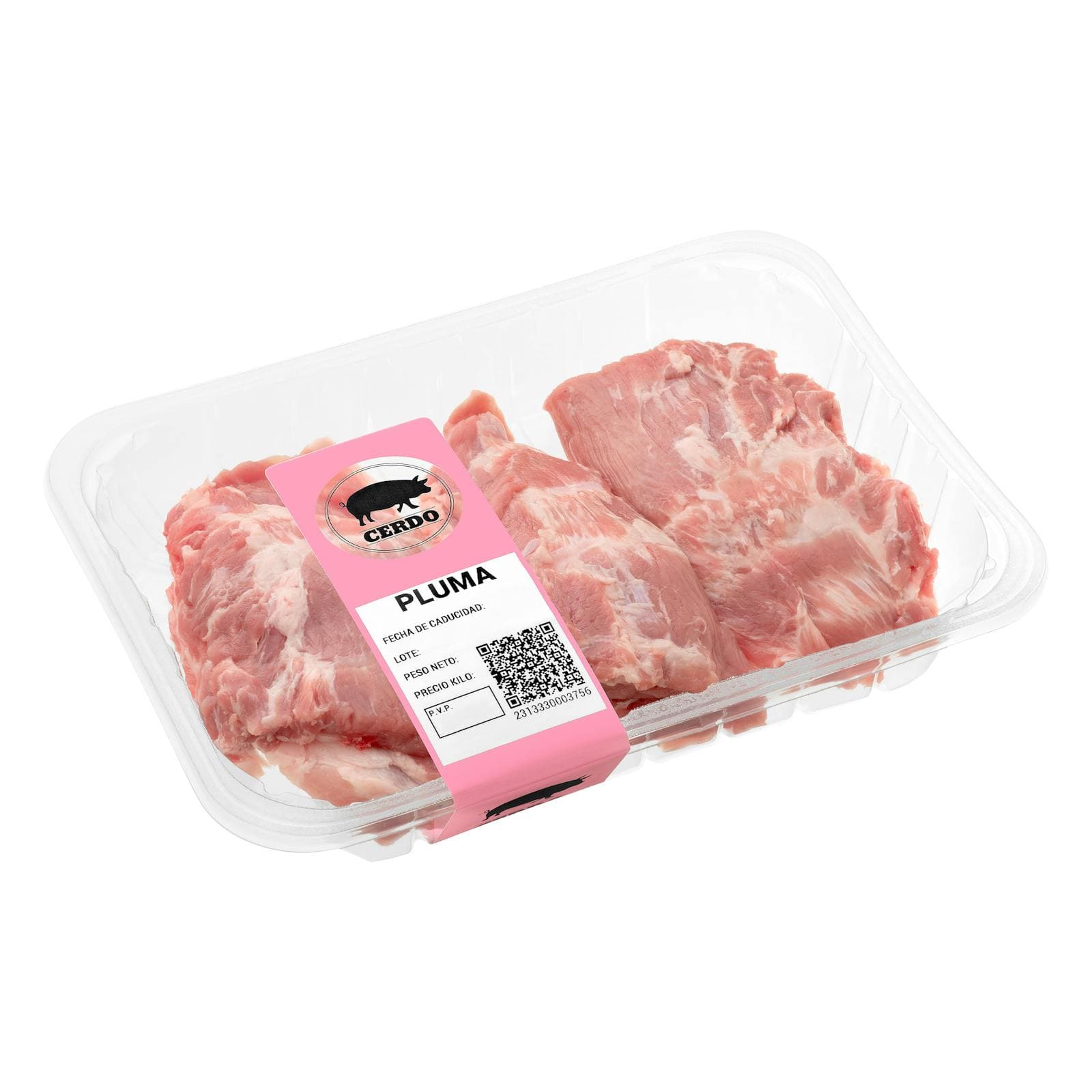
€3.75Pork Pluma
300 g · Mercadona
Good to know
- Type
- Offal – pork internal organ (large intestine/colon)
- Flavor
- Rich, porky; slightly gamey when under-cleaned; absorbs seasonings well
- Texture
- Chewy with slight snap when properly cooked; crispy when deep-fried
- Color (raw)
- Pinkish-gray with visible fat deposits; off-white interior when cleaned
- Common cuts
- Whole large intestine, cut into rings or sections
- Storage (fresh)
- Refrigerate below 40°F, use within 1–2 days
- Storage (frozen)
- Freeze up to 3 months; thaw overnight in refrigerator
- Prep difficulty
- High – requires thorough cleaning and proper handling
- Typical yield
- Variable; significant shrinkage if overcooked
Substitutes
- Pork small intestine (chitterlings) — Similar flavor profile but smaller diameter and thinner wall; will be more tender and cook faster; texture differs noticeably
- Beef large intestine — Larger and thicker; much longer cooking time required; stronger flavor; not a close substitute
- Chicken or duck intestines — Much smaller; different texture and flavor; not a true substitute but usable in different preparations
Pairs with
Also called
肥肠 · Chitterlings · Chitlins
Appears in these dishes
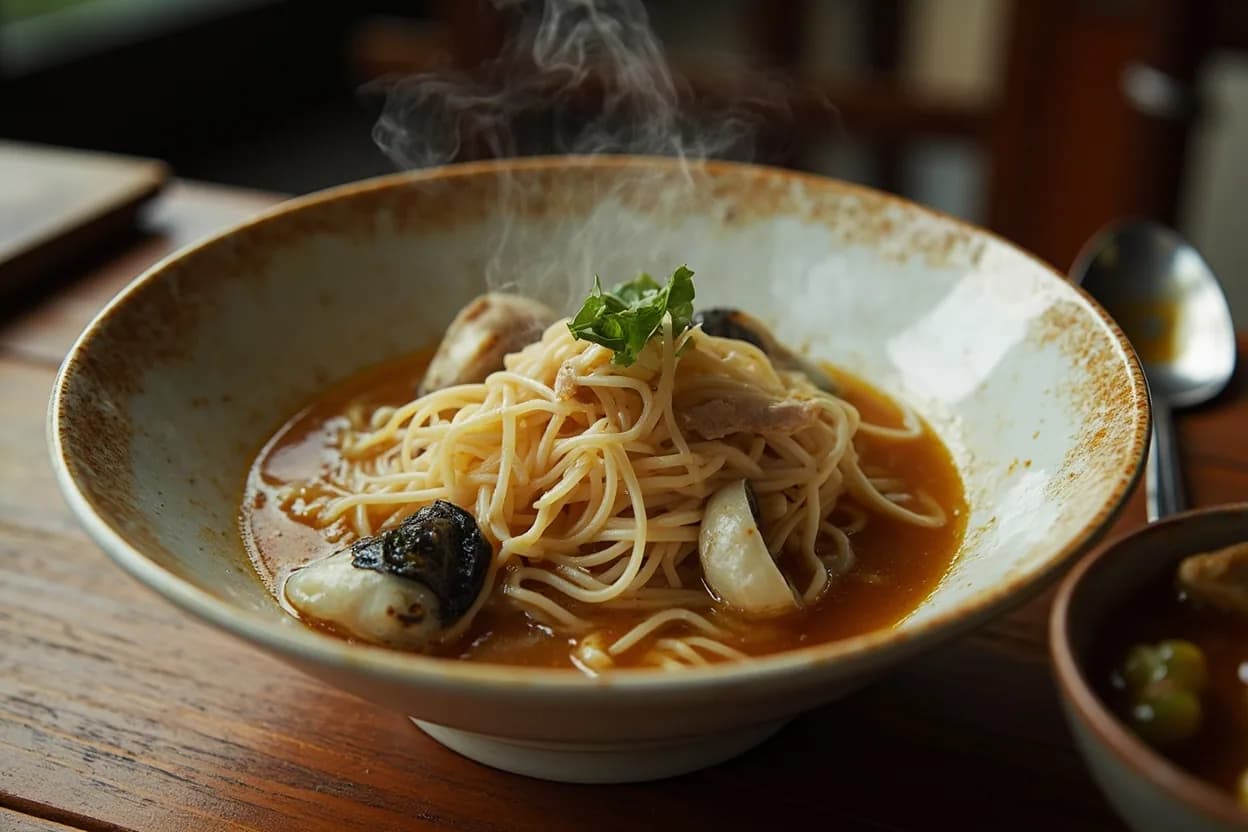
Related
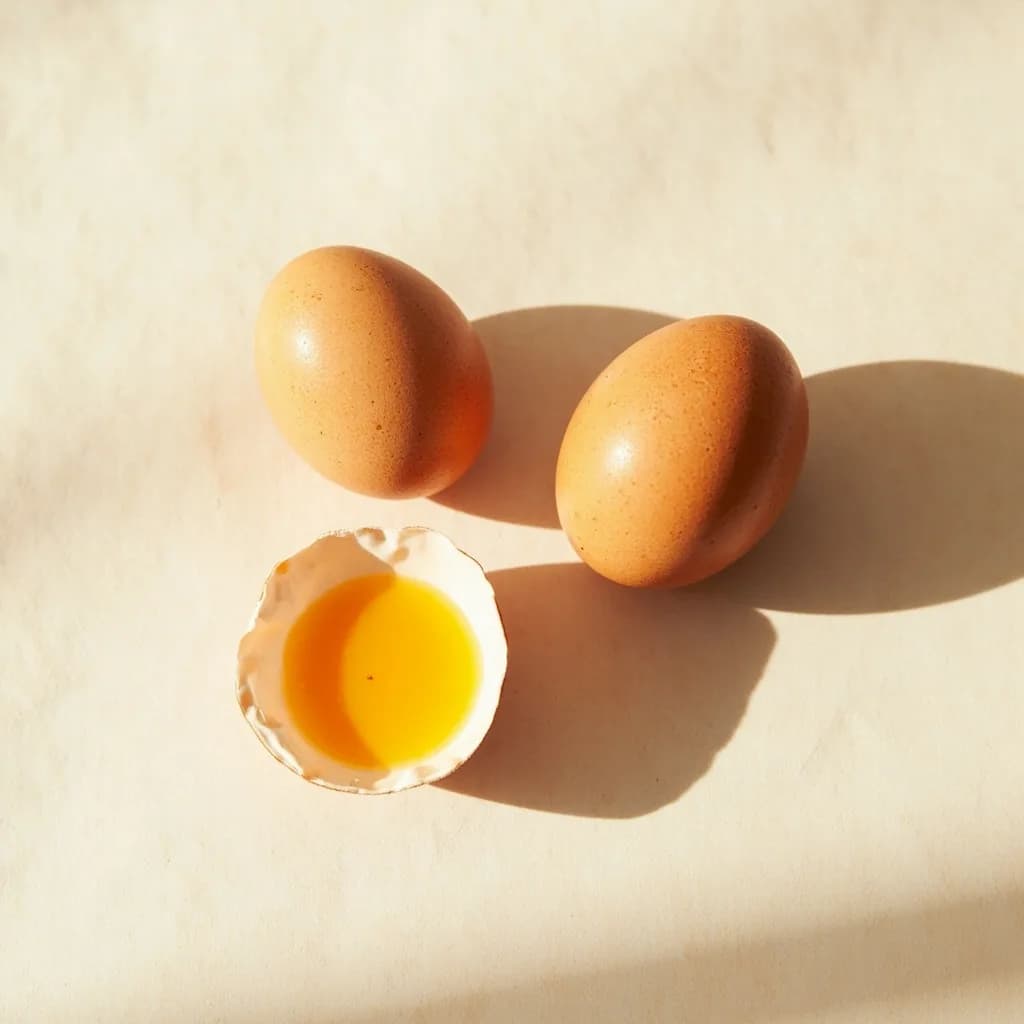
Egg
The kitchen's everything ingredient — bind, leaven, enrich, or fry
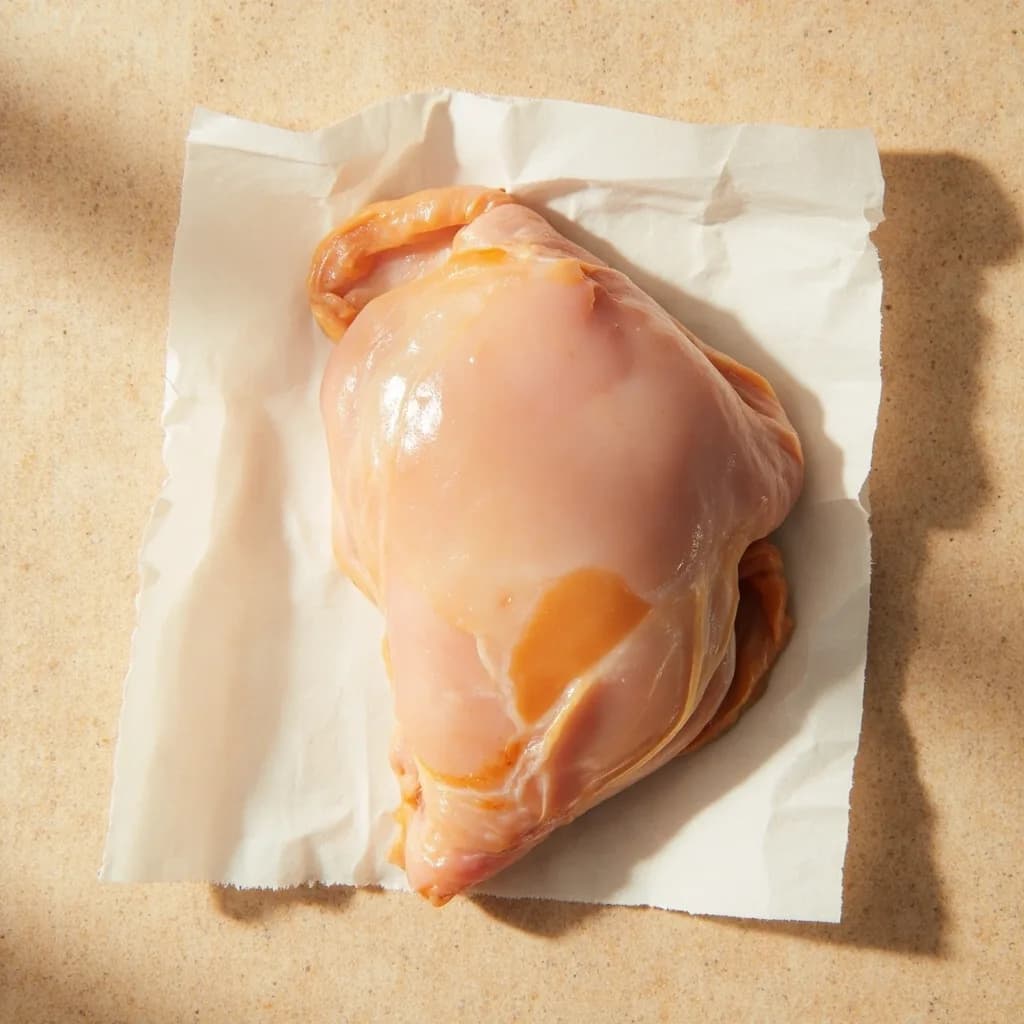
Chicken Breast
Lean, quick-cooking white meat for everyday dinners

Ground Beef
Versatile minced beef for burgers, ragù, tacos, and meatballs
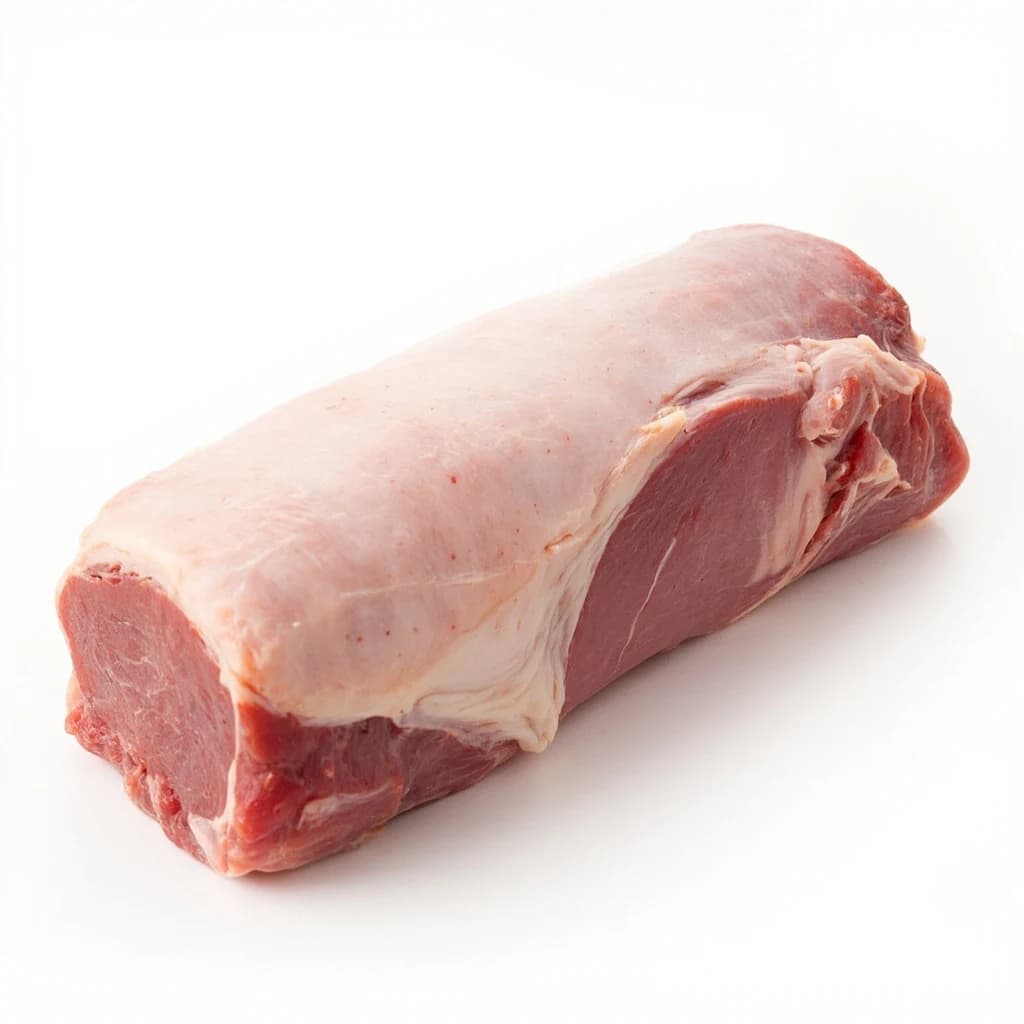
Pork Loin
Lean, tender roasting cut that stays juicy with care
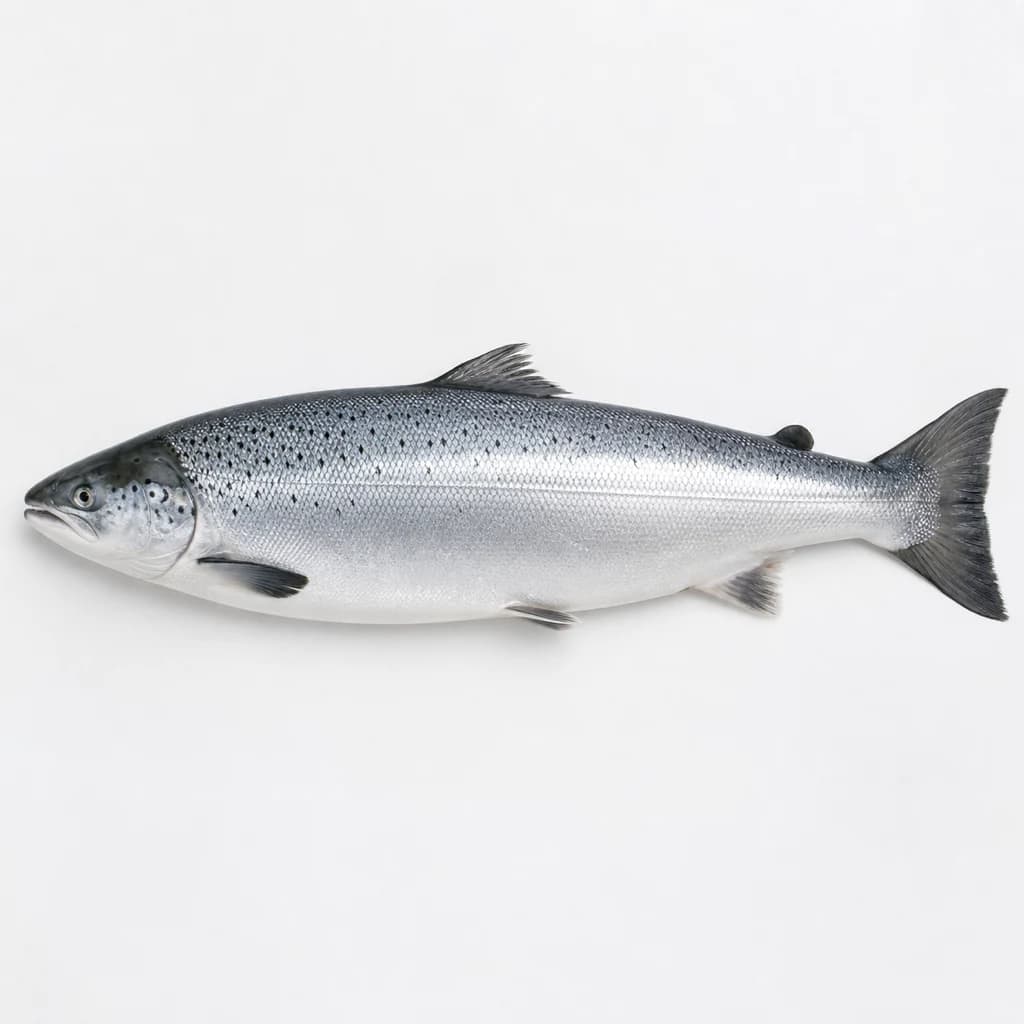
Salmon
Rich, rosy fish that roasts, grills, or cures beautifully

Egg White
Pure protein that whips to airy peaks for meringue and more
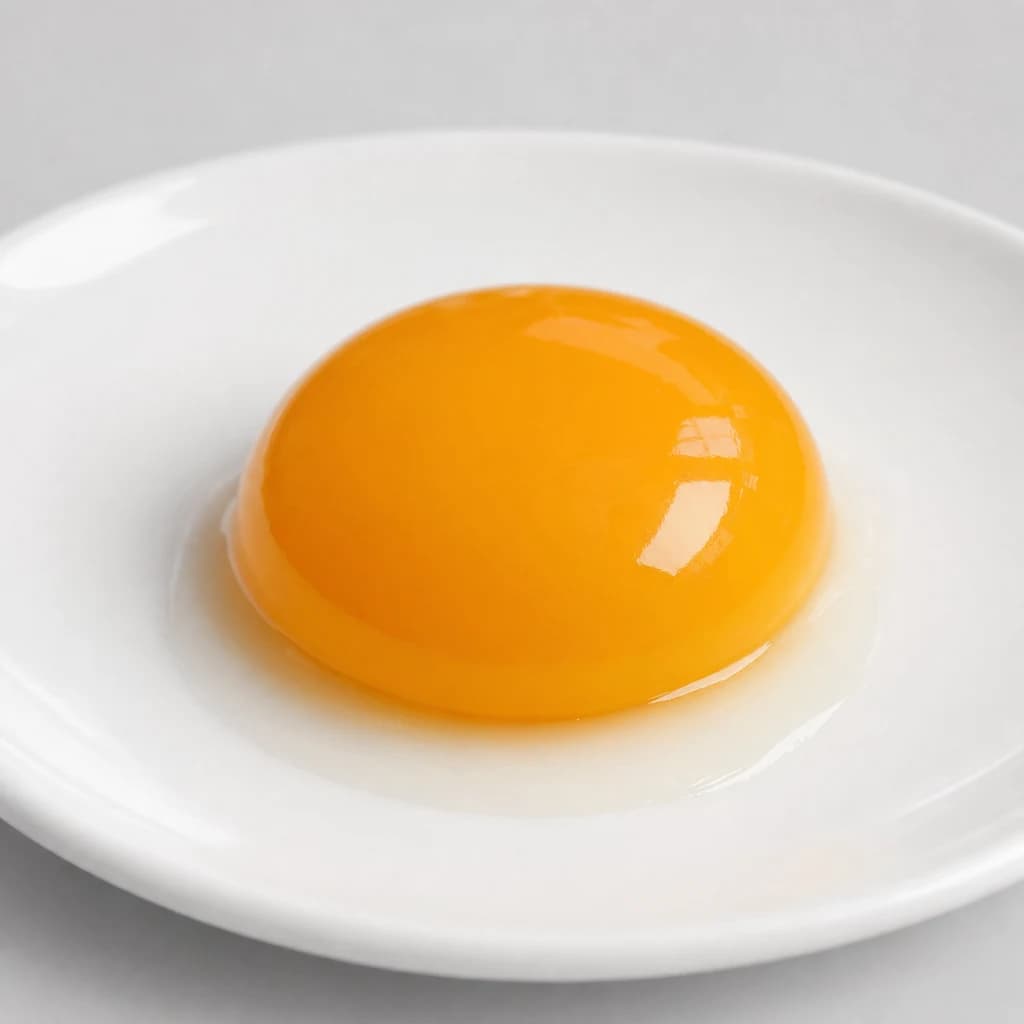
Egg Yolk
Rich, golden yolk for custards, mayonnaise, and pasta

Quail Egg
Tiny, speckled eggs for garnishing and elegant bites