
Natural form
Whole portobello caps showing their wide, open dome and brown surface.
Shows the reader the characteristic large size, broad flat cap, and tan-to-brown coloring that distinguish portobellos from smaller mushrooms.
Produce
Portobello Mushroom
Large mature cremini mushroom with meaty texture, grilled or stuffed.
The portobello is a fully mature cremini (brown button) mushroom with a wide, open cap and dense, meaty texture. Its savory, umami-rich flesh makes it a popular vegetarian substitute for meat, grilled whole as a burger, stuffed, or roasted. The dark gills can be scraped out for a cleaner look and milder flavor.
Portobello mushrooms are the mature form of Agaricus bisporus, the same species as the common white mushroom and its intermediate cremini stage. What distinguishes the portobello is simply maturity: where creminis are harvested young at 1–2 inches, portobellos grow an additional 5–10 days until their caps expand to 4–6 inches and the gills fully open. This extended development concentrates flavor significantly, building the rich, earthy, umami-forward character that makes them prized in vegetarian cooking and beyond. Unlike most vegetables where youthful tenderness is preferred, the portobello's appeal lies specifically in its mature cap, which delivers a dense, meaty texture that holds up to high-heat cooking without becoming watery or collapsing.
The cellular structure of a fully mature portobello is unusually dense—those extra days of growth add real substance. Both cap and stem are edible, though the stem runs fibrous and benefits from being diced finely for soups or risottos, or simply removed when you're stuffing caps. The large, open cap becomes a natural vessel for fillings, a substantial sandwich slice, or a grilling centerpiece. When properly cooked at high heat, portobellos develop genuine caramelization and that savory depth that makes them satisfying enough to anchor a meal. Year-round commercial cultivation means they're reliably available, and at beginner-friendly difficulty, there's no barrier to getting good results quickly.
- Measured in
- piece
- Storage
- Fridge
Types & varieties
Full-size mature mushroom, 4–6 inches; most common form
Mid-size, 3–4 inches; slightly firmer texture
Young portobello, 1–2 inches; same species but milder and firmer
Common uses
Tips & pitfalls
- Never wash under running water — wipe clean with a damp cloth or brush off dirt; mushrooms absorb water like a sponge and you'll pay for it with steaming instead of searing
- Salt lightly before cooking to draw out excess moisture and promote browning
- Remove the gills if you want a milder flavor or to prevent dishes from darkening; the gills are edible but release dark liquid when cooked
- Cook at high heat (grilling, searing, roasting at 425°F or higher) to achieve proper caramelization
- Dice the tough, fibrous stems finely for soups or risottos, or remove them entirely when stuffing caps
- Press sliced portobellos between paper towels for 10 minutes before sautéing to remove additional moisture
- Allow grilled portobellos to cook undisturbed for 3–4 minutes per side before flipping to develop a proper sear
- Choose firm caps with even coloring; avoid any with slimy spots or strong odor, which indicates spoilage
Nutrition
Energy
92 kJ · per 100 g
Where the calories come from
Protein
2.1g
4% DV
Carbs
3.9g
1% DV
Fat
0.4g
0% DV
Fiber
1.3g
5% DV
Sugars
2.5g
of which
Sodium
9mg
0% DV
Source · USDA FoodData Central · Mushrooms, portabella, raw
View on FDC →In the shops
Matched grocery products
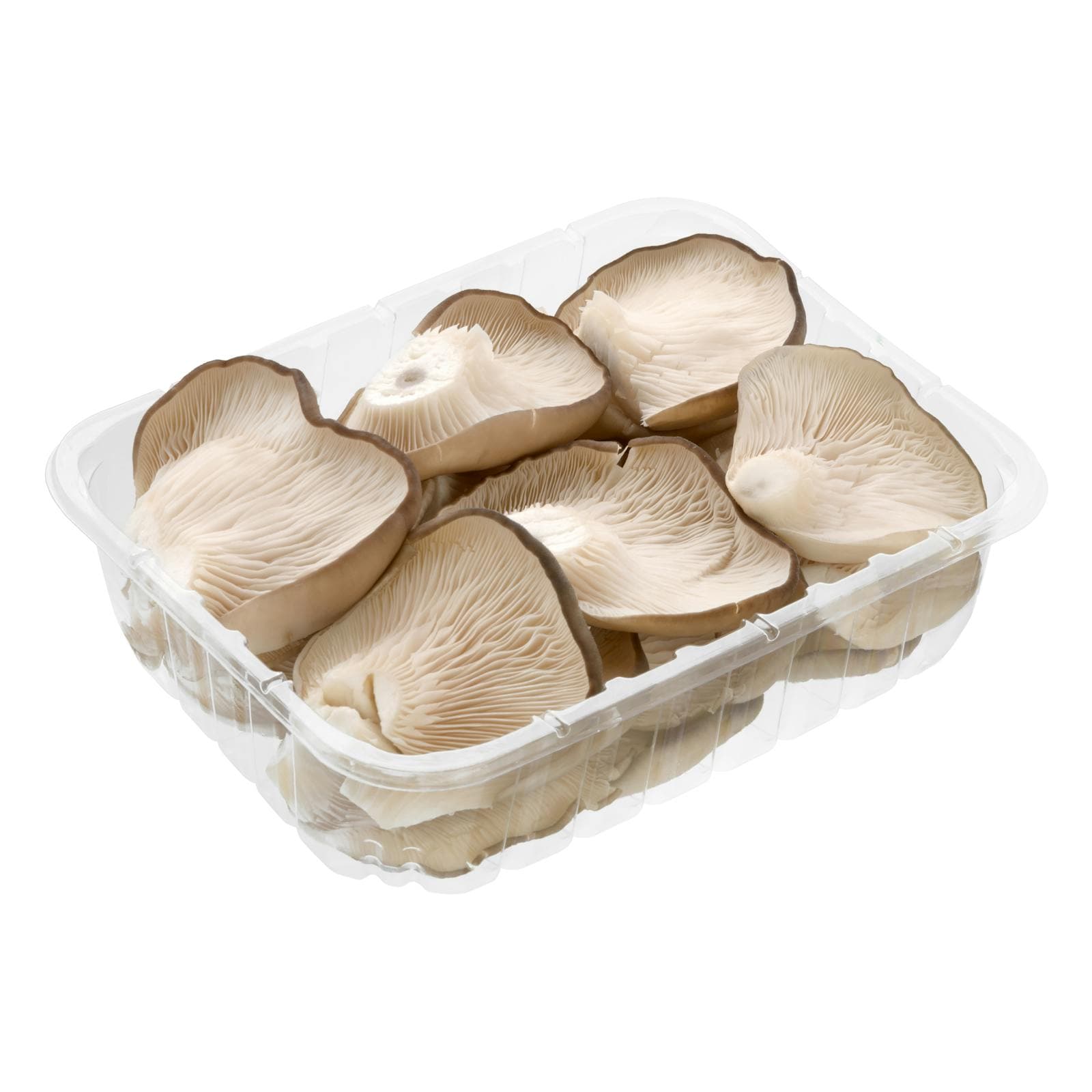 €2.05
€2.05Mushrooms
250 g · Mercadona
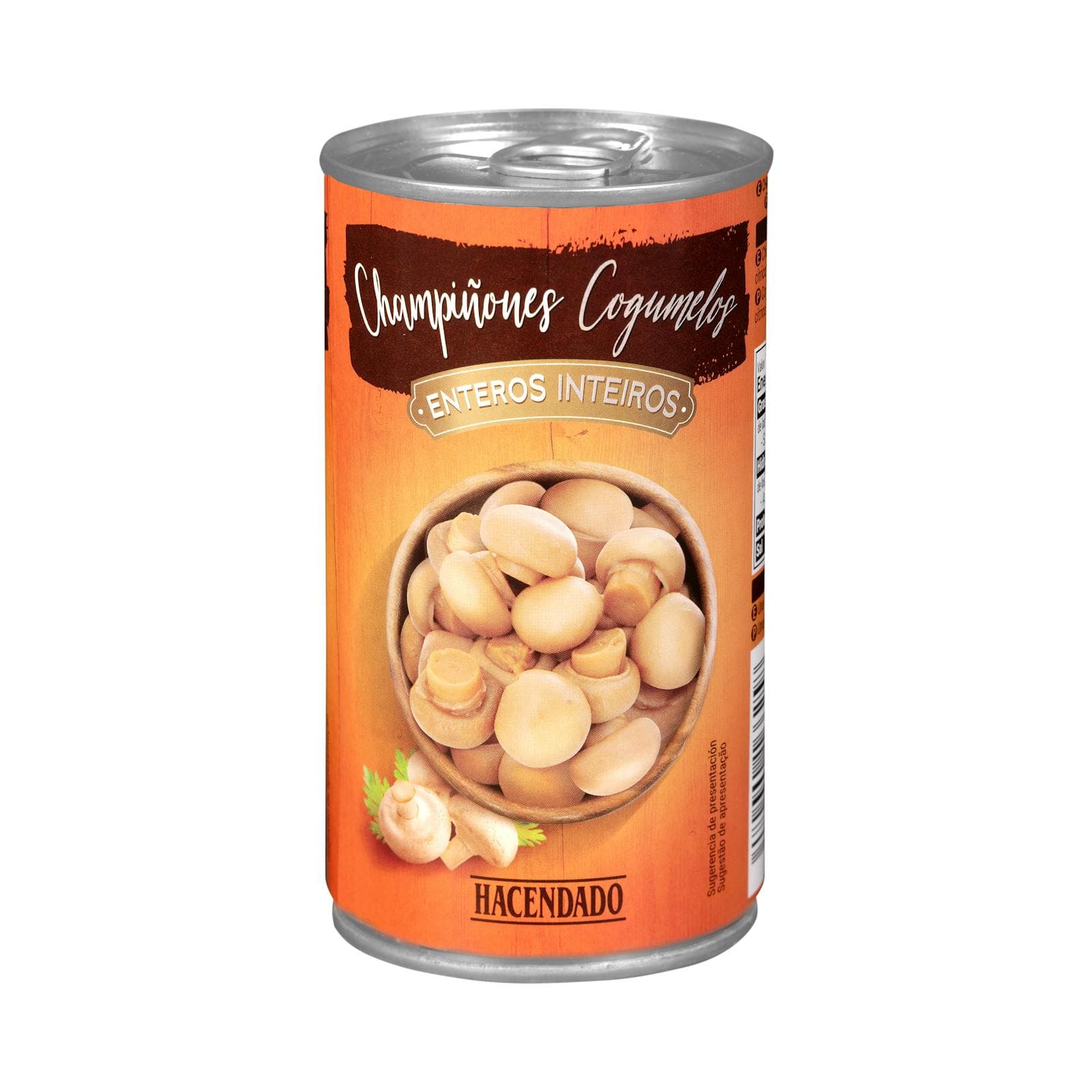 €1.45
€1.45Whole Mushroom
Hacendado · 355 g · Mercadona
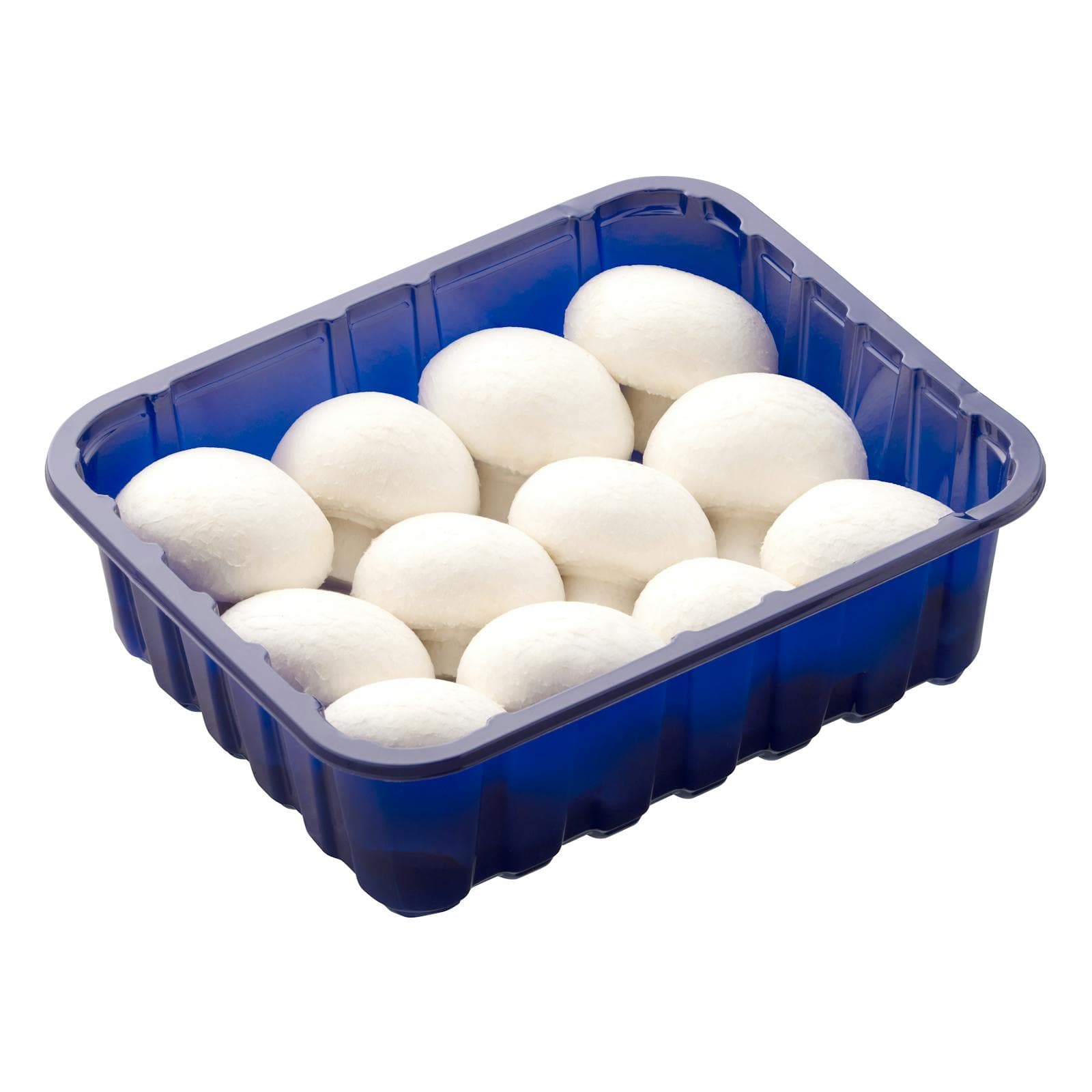 €1.50
€1.50White Mushrooms
300 g · Mercadona
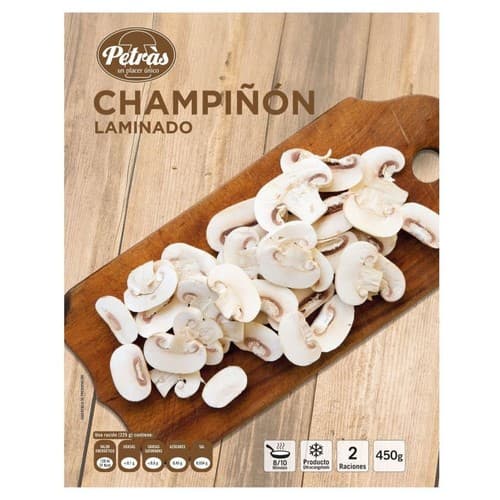 €1.99
€1.99Sliced Mushrooms
PETRAS · kg · Bonpreu
 €3.96
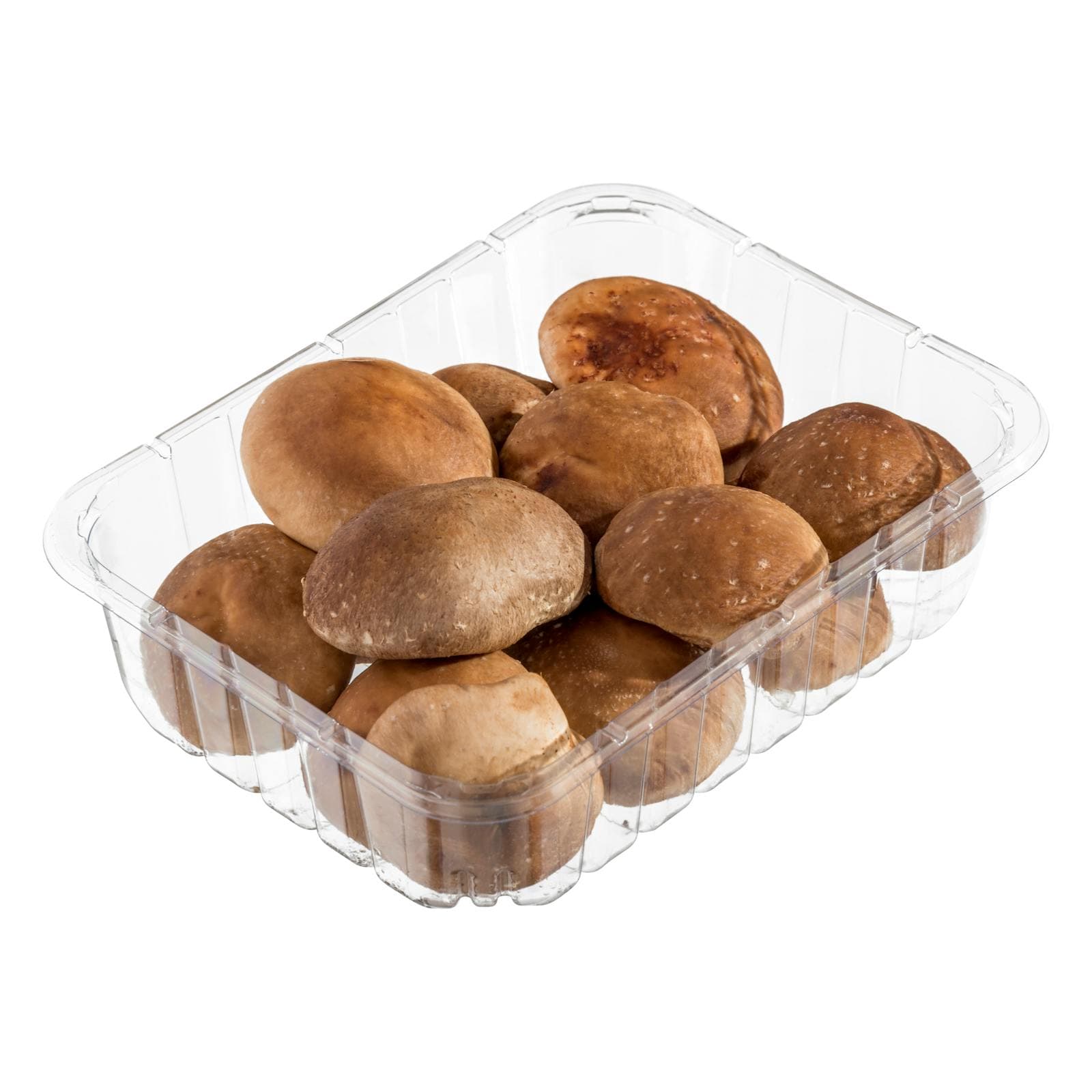
€3.96Shiitake Mushrooms
300 g · Mercadona
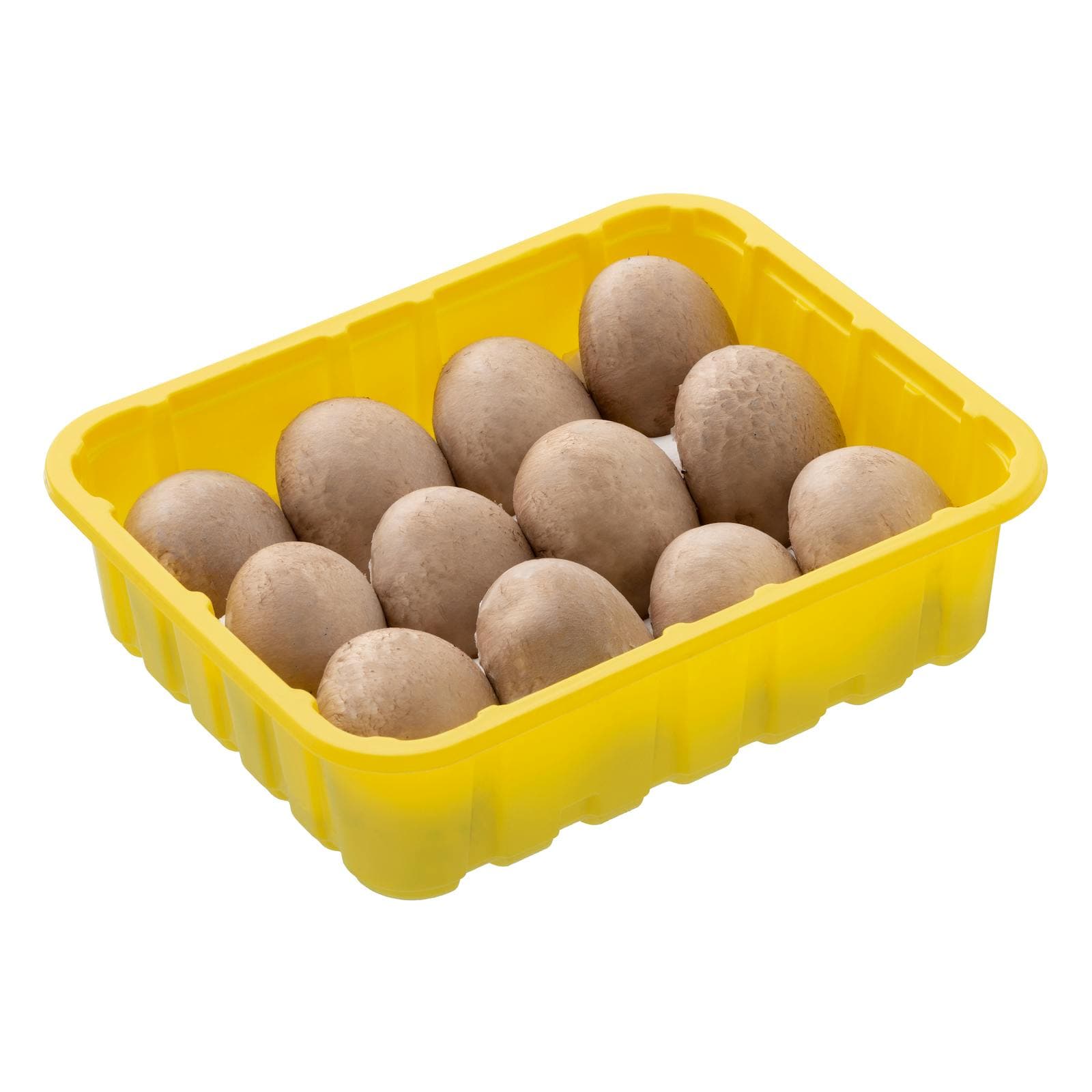 €2.16
€2.16Portobello Mushrooms
300 g · Mercadona
Good to know
- Scientific name
- Agaricus bisporus
- Origin
- Cultivated variety developed in Italy in 1920s; now grown worldwide
- Maturity
- Mature cremini mushroom; cremini is the adolescent stage
- Cap diameter
- 4–6 inches (10–15 cm) when fully mature
- Availability
- Year-round from commercial cultivation
- Flavor
- Rich, earthy, umami-forward when cooked; milder raw
- Texture
- Dense, meaty, substantial; minimal shrinkage when cooked
- Edible parts
- Cap and stem both edible; stem is fibrous
- Shelf life
- 5–7 days refrigerated in paper bag
- Prep time
- 5 minutes (cleaning and slicing)
- Cook time
- 8–15 minutes depending on method
- Difficulty
- Beginner-friendly
Substitutes
- Cremini mushroom — Younger version with slightly firmer texture and milder flavor; interchangeable in most applications
- Eggplant — Similar meaty texture when cooked; different flavor profile but works for stuffed or grilled applications
- Beefsteak tomato — Can approximate the size for burger applications but lacks the umami depth of mushrooms
Pairs with
Also called
Portobella Mushroom · Portabella · Field Mushroom
Related
Tomato
Juicy, sun-sweet fruit for sauces, salads, and slow-cooked depth
Yellow Onion
The aromatic backbone of soups, sofritos, and braises
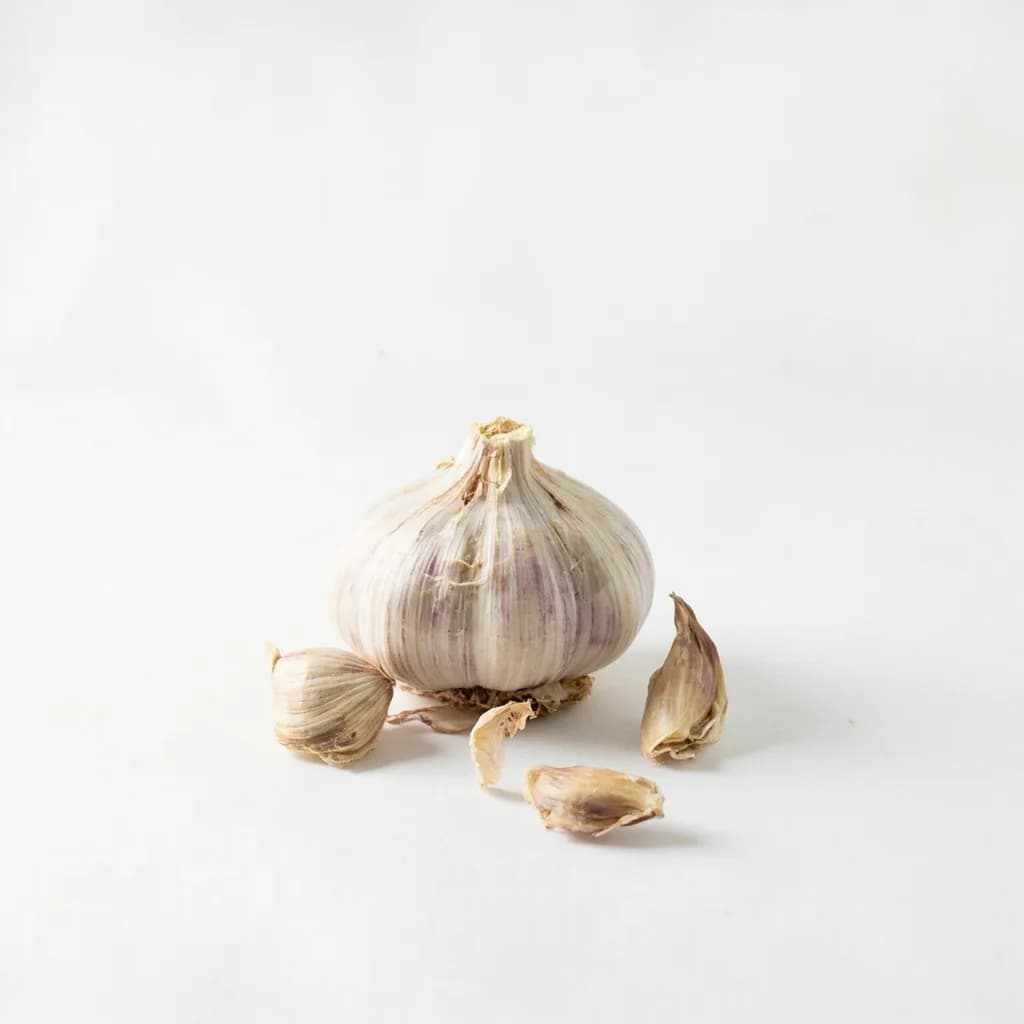
Garlic
Pungent cloves that perfume nearly every savory dish
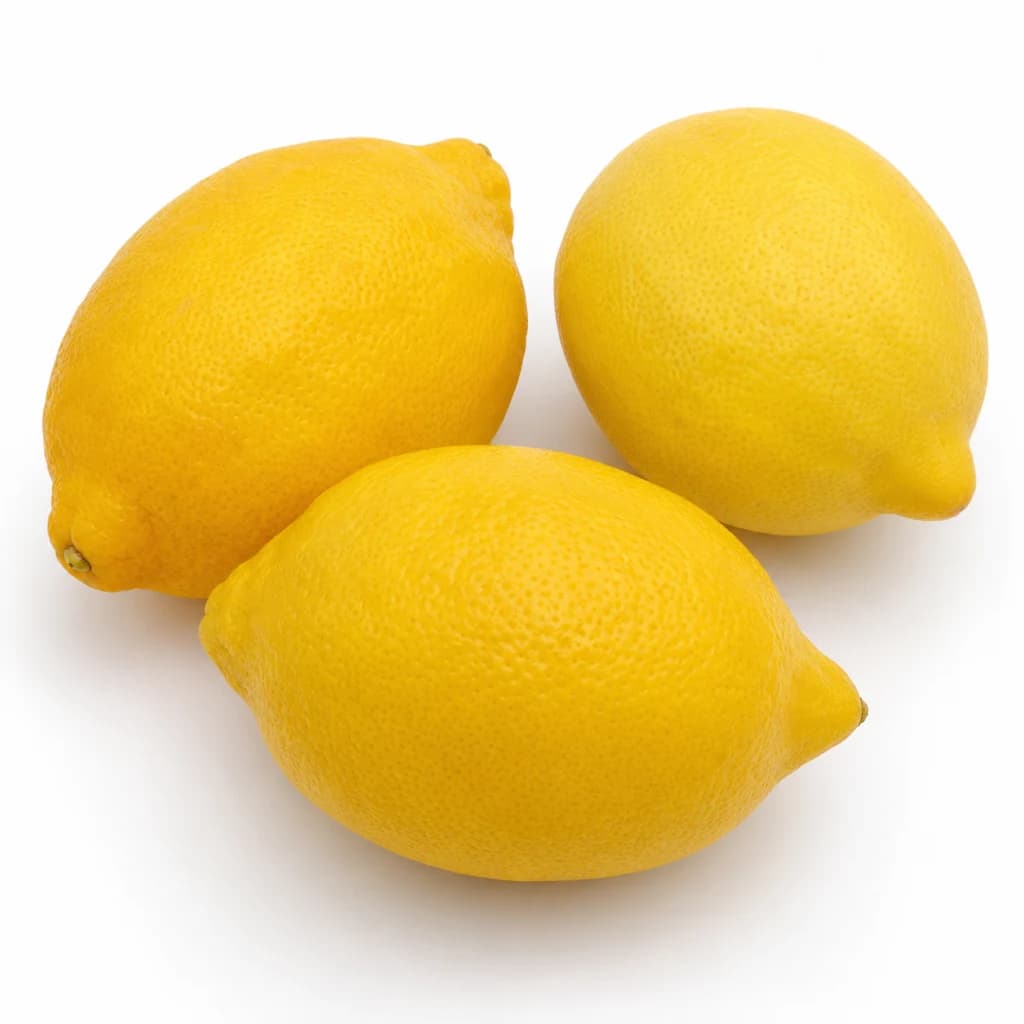
Lemon
Bright, acidic citrus that wakes up almost any dish
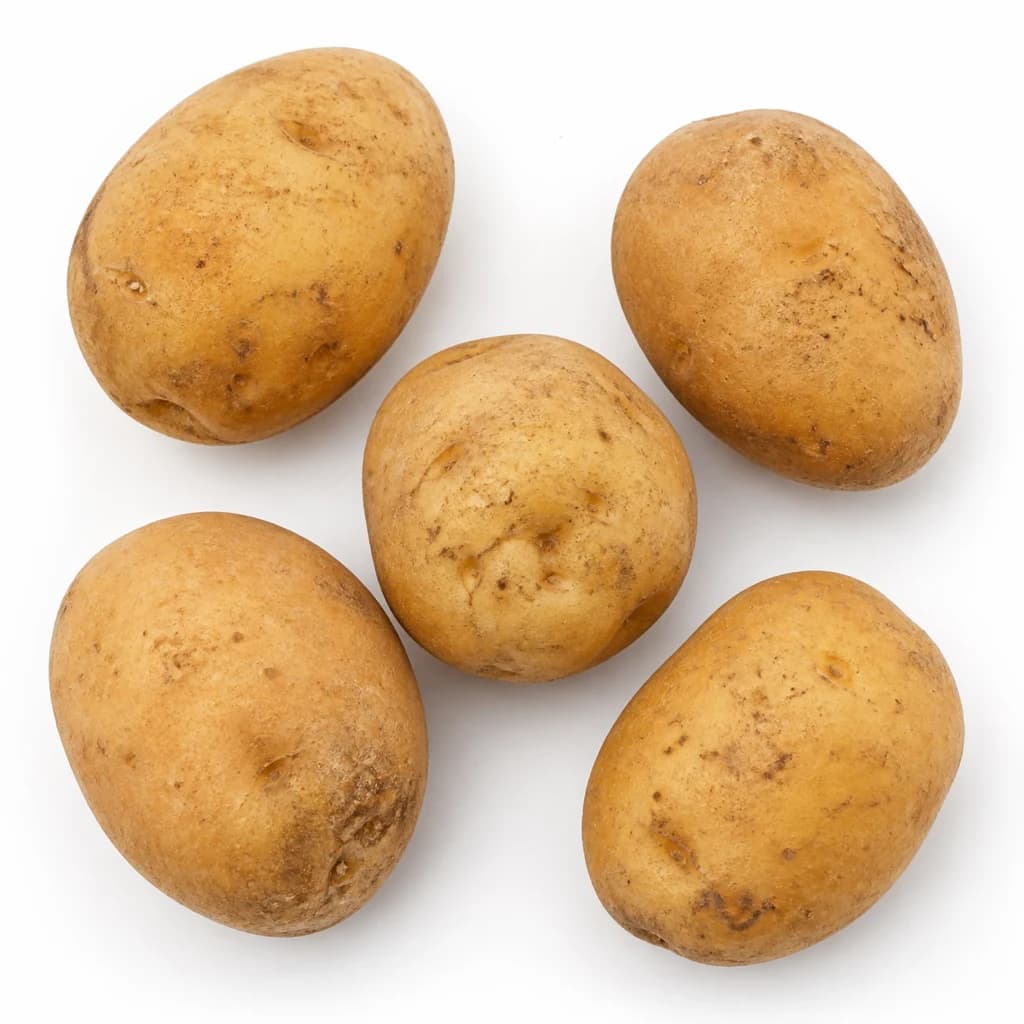
Potato
Humble, hearty staple — roast, mash, fry, or boil
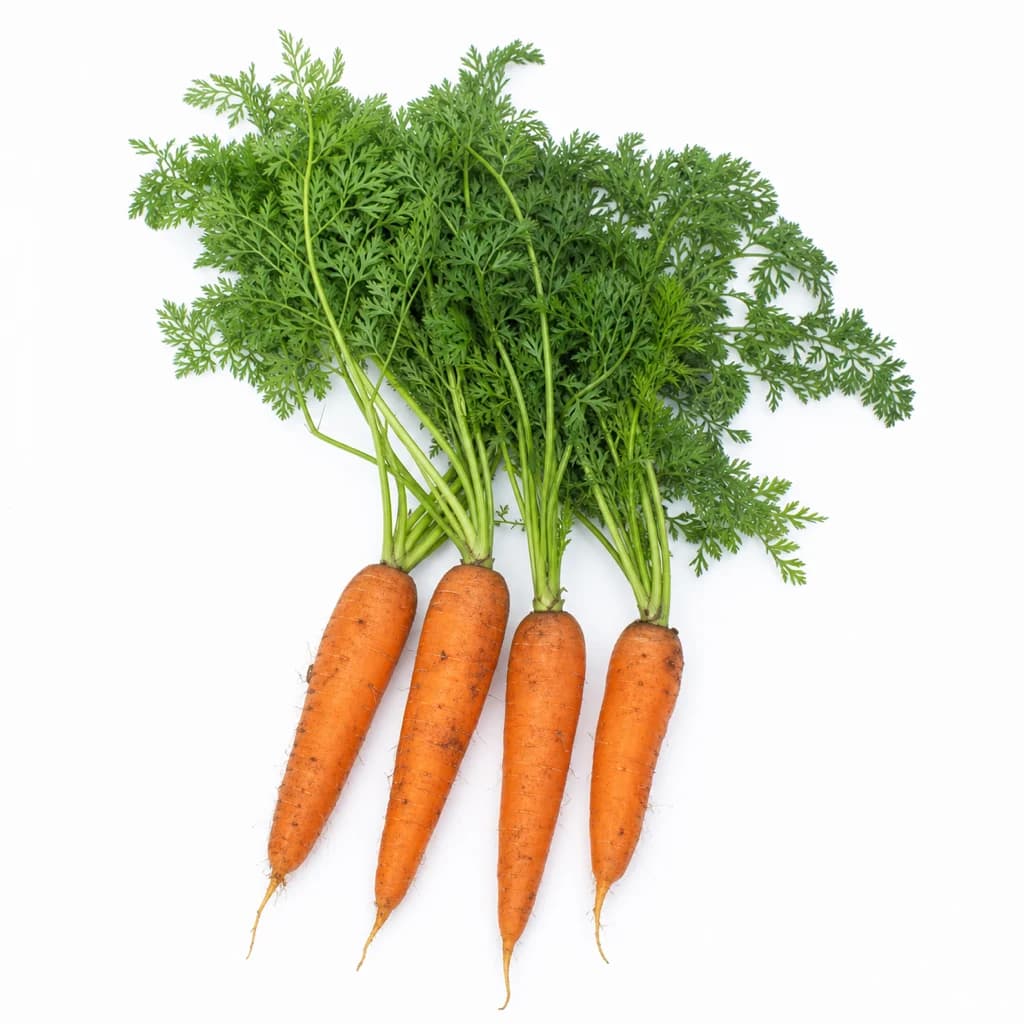
Carrot
Sweet, crunchy root — raw, roasted, or the base of a sofrito
Cucumber
Cool, crisp, and watery — for salads, pickles, and tzatziki

Lettuce
Crisp leaves for salads, wraps, and a fresh crunch