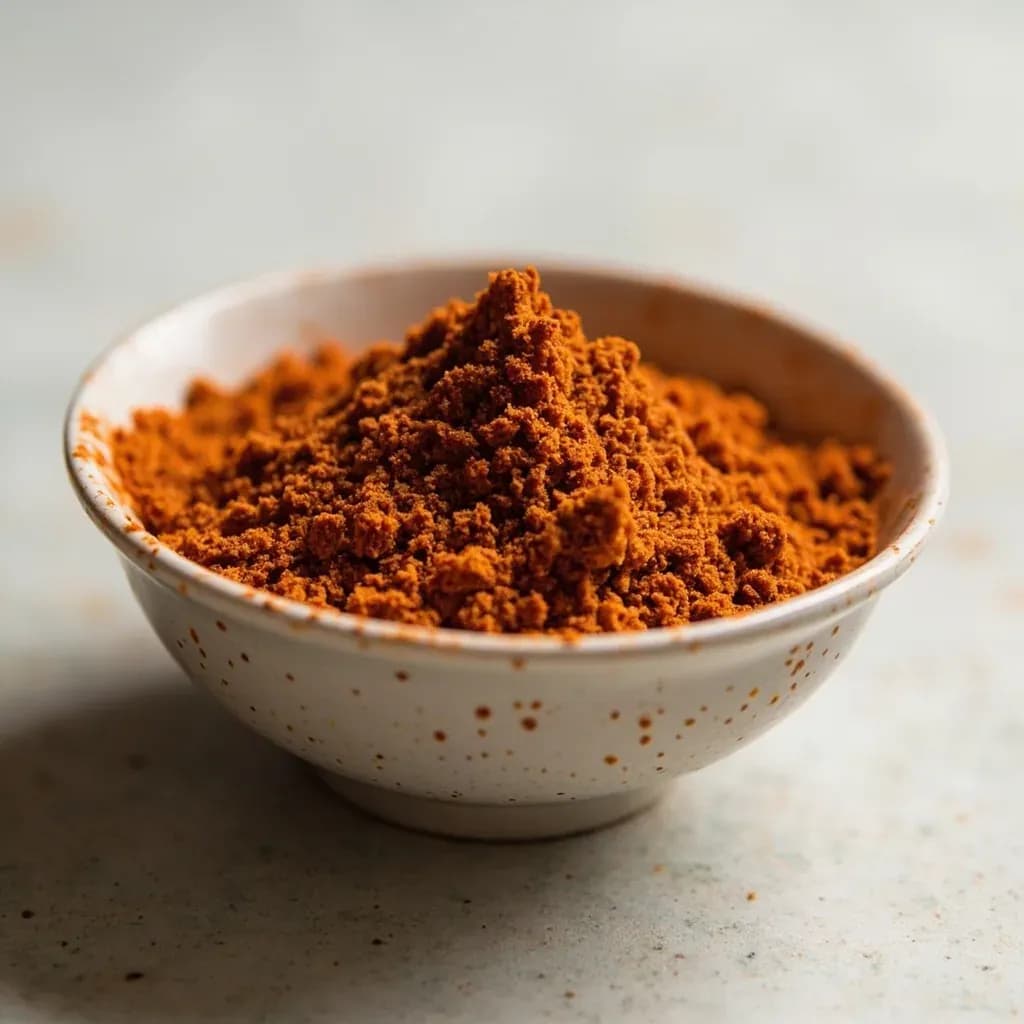
Grains & Rice
Red Rice Flour
Nutty, reddish flour milled from whole red rice for breads, batters, and noodles.
Red rice flour is ground from unpolished red rice, retaining the pigmented bran for a nutty, earthy flavor and reddish hue. Naturally gluten-free, it is used in South Indian and Southeast Asian breads, dosas, pancakes, and noodles, and adds fiber and color to gluten-free baking. It produces a slightly denser, heartier crumb than white rice flour.
Red rice flour is milled from whole-grain red rice (Oryza sativa), retaining the bran layer and germ stripped away when producing white rice flour. This intact-grain structure gives the flour its pink-to-deep-rust color and its higher fiber and antioxidant content—including anthocyanins in the pericarp that act as natural pigments and mild preservatives. The flour carries a nutty, mildly sweet, earthy flavor that holds its own against bold seasonings without disappearing into a dish. In gluten-free cooking, red rice flour is prized for its nutrition and flavor, but its behavior differs markedly from wheat flour: the intact germ adds fat content, contributing to richness but also faster rancidity, and the lack of gluten produces denser, more crumbly results in baking. Traditionally, the flour appears throughout Southeast Asia, Southern China, and the Himalayan region in flatbreads, batters, noodles, and sweet cakes—almost always blended with other flours to balance its density. Understanding how to combine it with lighter starches and how to handle its higher fat content in storage is key to working with it successfully.
- Measured in
- g
- Storage
- Pantry
Types & varieties
Milled from Hom Mali Deng (KDML 105) or similar aromatic red rice; common in Thai cuisine for sweets and batters
From varieties grown in Nepal and northern India; coarser grind typical; used in traditional flatbreads
Used in Cantonese and Teochew dim sum traditions; often mixed with white rice flour for mooncakes and pastries
Used in tteok (rice cakes); produces a dense, chewy texture
Gluten-Free Baking with Red Rice Flour
Red rice flour's lack of gluten is both its defining characteristic and its primary technical challenge. Without gluten's elastic structure, baked goods made purely from red rice flour tend toward density and crumbling. This is why traditional Asian applications almost always blend it with white rice flour, tapioca starch, or potato starch—the lighter starches provide structure and tenderness that red rice flour alone cannot. In Western gluten-free baking, common ratios range from 30–50% red rice flour combined with complementary starches. Be aware that red rice flour also browns faster than wheat flour due to the germ's sugar content, so reduce oven temperatures by roughly 25°F and monitor baking times carefully. Batters made with red rice flour typically need slightly more liquid than wheat-based recipes, as the bran absorbs moisture readily.
- Blend with tapioca starch or potato starch in 1:1 to 1:2 ratios for tender baked goods
- Reduce oven temperature by 25°F compared to wheat-based recipes to prevent over-browning
- Add 10–15% more liquid than a wheat flour recipe to compensate for the bran
- For crispy fried coatings, mix with tapioca starch or cornstarch in roughly 2:1 ratios
Common uses
Tips & pitfalls
- Always store in the freezer or refrigerator — the germ content causes rapid rancidity at room temperature
- Combine with lighter flours (white rice, tapioca starch) for baked goods; red rice flour alone produces a dense, crumbly texture
- For smoother batters, sift before use and allow batter to rest 15–30 minutes to hydrate fully
- Use hot water or scalded coconut milk as liquid base when making batters — this improves binding and reduces grittiness
- Toast the flour dry in a pan before use to deepen the nutty flavor (watch carefully to avoid burning)
- When substituting for wheat flour in equal weight, expect denser results; reduce leavening slightly
- For crispy fried coatings, mix with a small amount of tapioca starch or cornstarch to reduce toughness
- Commercial flours vary widely in grind fineness — fine grinds are best for batters and coatings, while coarser grinds suit rustic flatbreads
Nutrition
Nutrition
No USDA FoodData Central match for Red Rice Flour yet. We surface a per-100 g profile once a generic whole-food entry is matched and verified.
In the shops
Matched grocery products
No matched grocery products for Red Rice Flour yet.
Good to know
- Made from
- Whole-grain red rice (Oryza sativa), including bran and germ
- Color
- Pink to deep reddish-brown depending on variety
- Flavor
- Nutty, mildly sweet, earthy
- Texture
- Fine powder; produces denser, chewier results than wheat flour
- Gluten-free
- Yes — naturally gluten-free
- Nutrition
- Higher fiber and antioxidants than white rice flour due to intact bran layer; contains anthocyanins from the pericarp
- Shelf life
- 2–3 months pantry; 6 months refrigerated; longer frozen
- Origin
- Southeast Asia, Southern China, and the Himalayan region; cultivated for centuries in Thailand, Vietnam, Myanmar, and Yunnan province
Substitutes
- White Rice Flour — Lighter color and milder flavor; use 1:1 but the final product will lack red color and have a different texture
- Brown Rice Flour — Similar whole-grain approach and nutty flavor; not red in color; comparable nutritional profile
- Buckwheat Flour — Gluten-free with strong nutty character; not a close color match but works for savory applications; use 75% of red rice flour amount in recipes
- Sorghum Flour — Mild flavor and gluten-free; density is similar; use 1:1 in blends for baking
- Glutinous Rice Flour — Produces stickier results; not a close substitute for non-sticky applications
Pairs with
Also called
Whole Red Rice Flour
Related

White Rice
Fluffy long-grain rice — the neutral base for almost any meal

White Bread
Soft sandwich loaf for toast, sandwiches, and crumbs
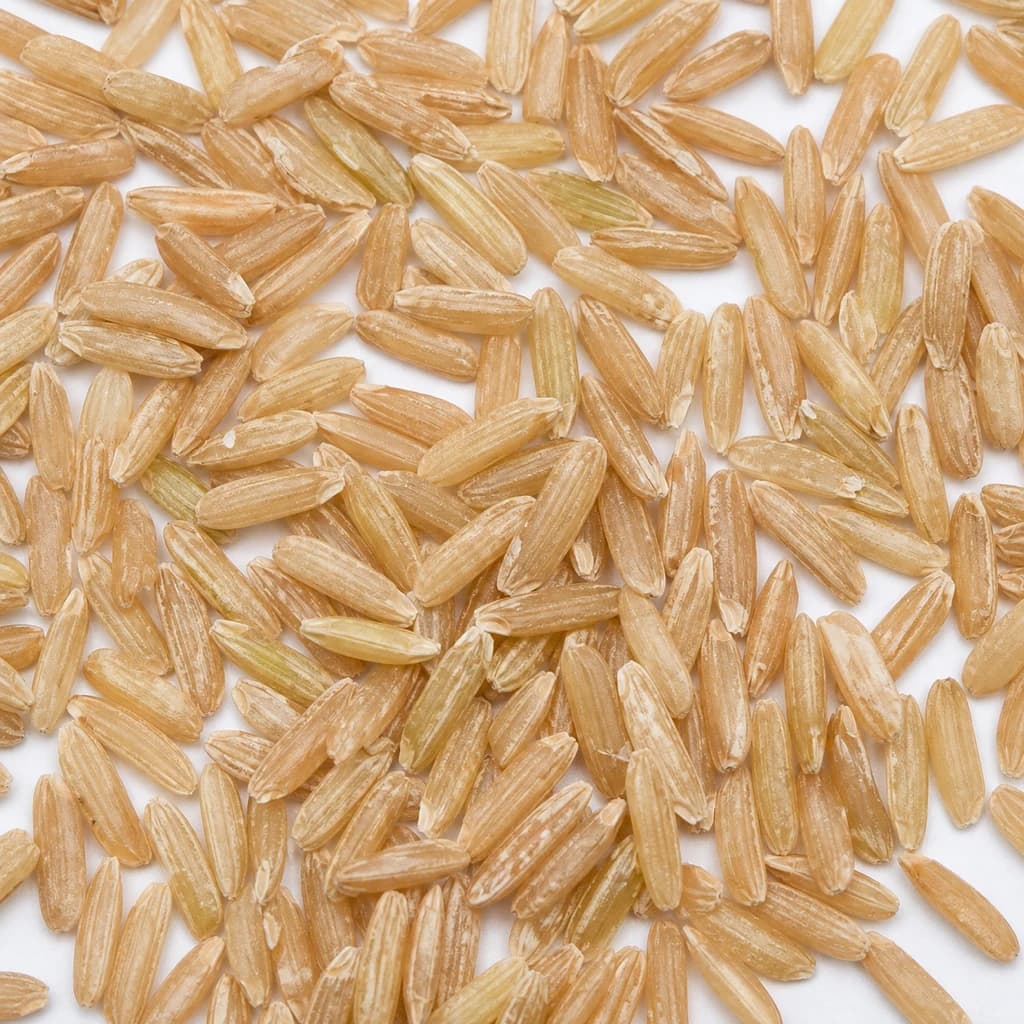
Brown Rice
Nutty, whole-grain rice with chew and extra fiber

Basmati Rice
Fragrant, long-grain rice that cooks up light and separate
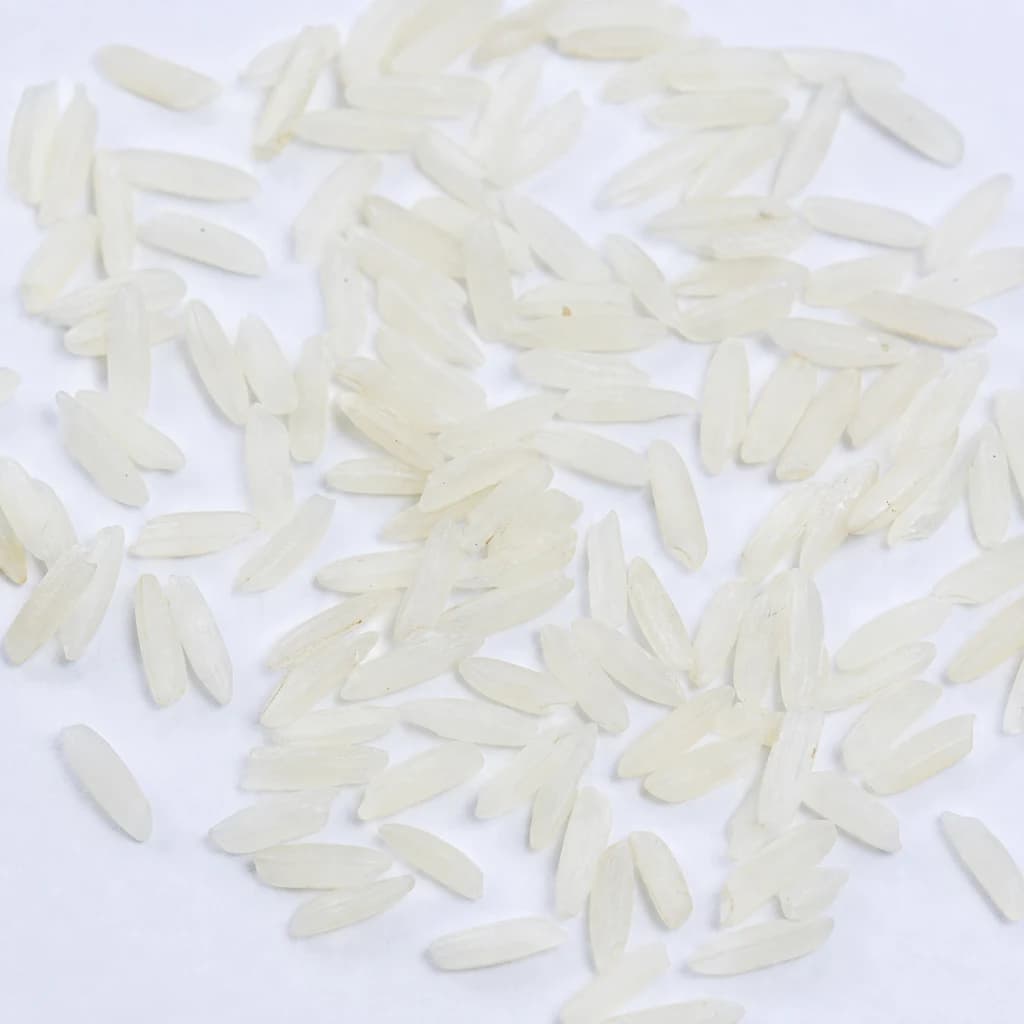
Jasmine Rice
Soft, floral-scented rice that's the pillar of Thai meals
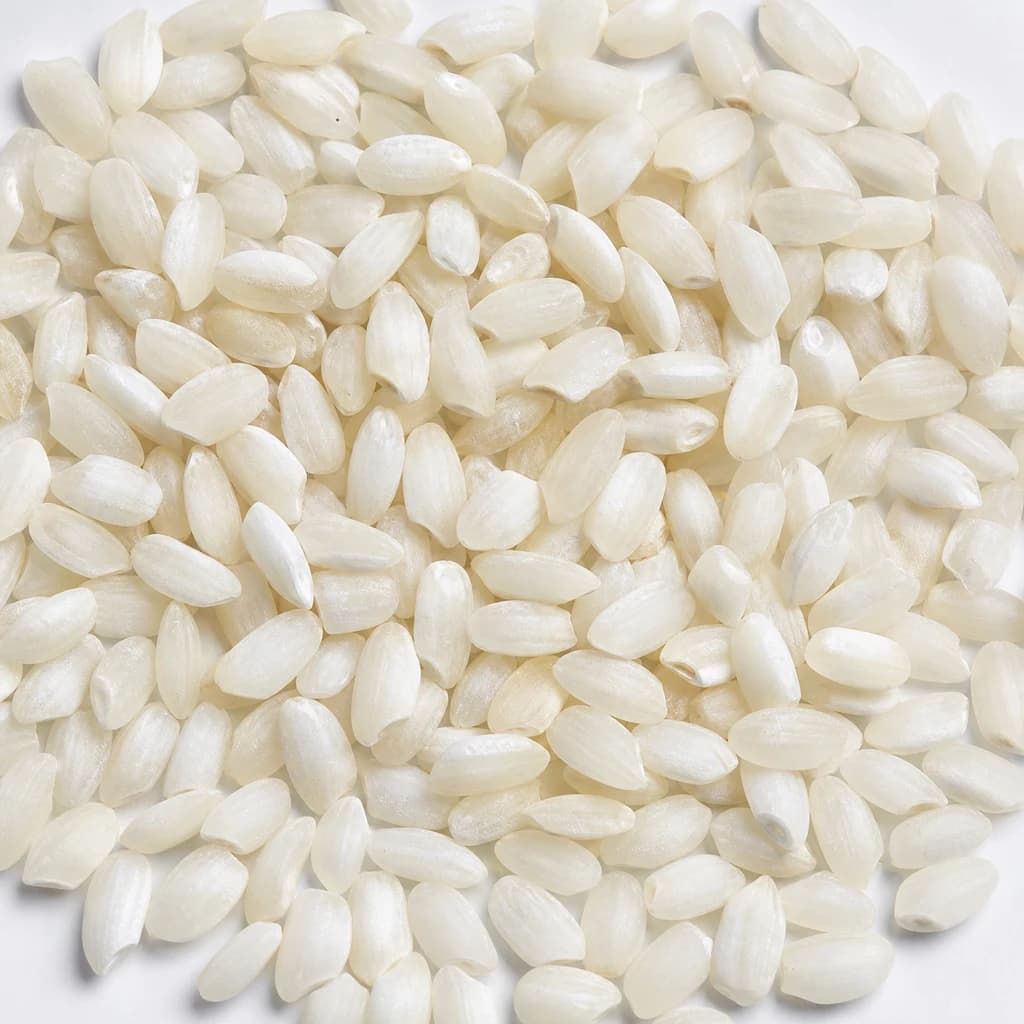
Arborio Rice
Plump, starchy rice that makes risotto creamy
Fusilli
Spiraled pasta that twirls up sauce and dresses cold salads
Rolled Oats
Hearty flakes for porridge, granola, and chewy cookies