Grains & Rice
Rice Cake (Tteok)
Chewy Korean rice cakes from pounded rice, used in tteokbokki and soups.
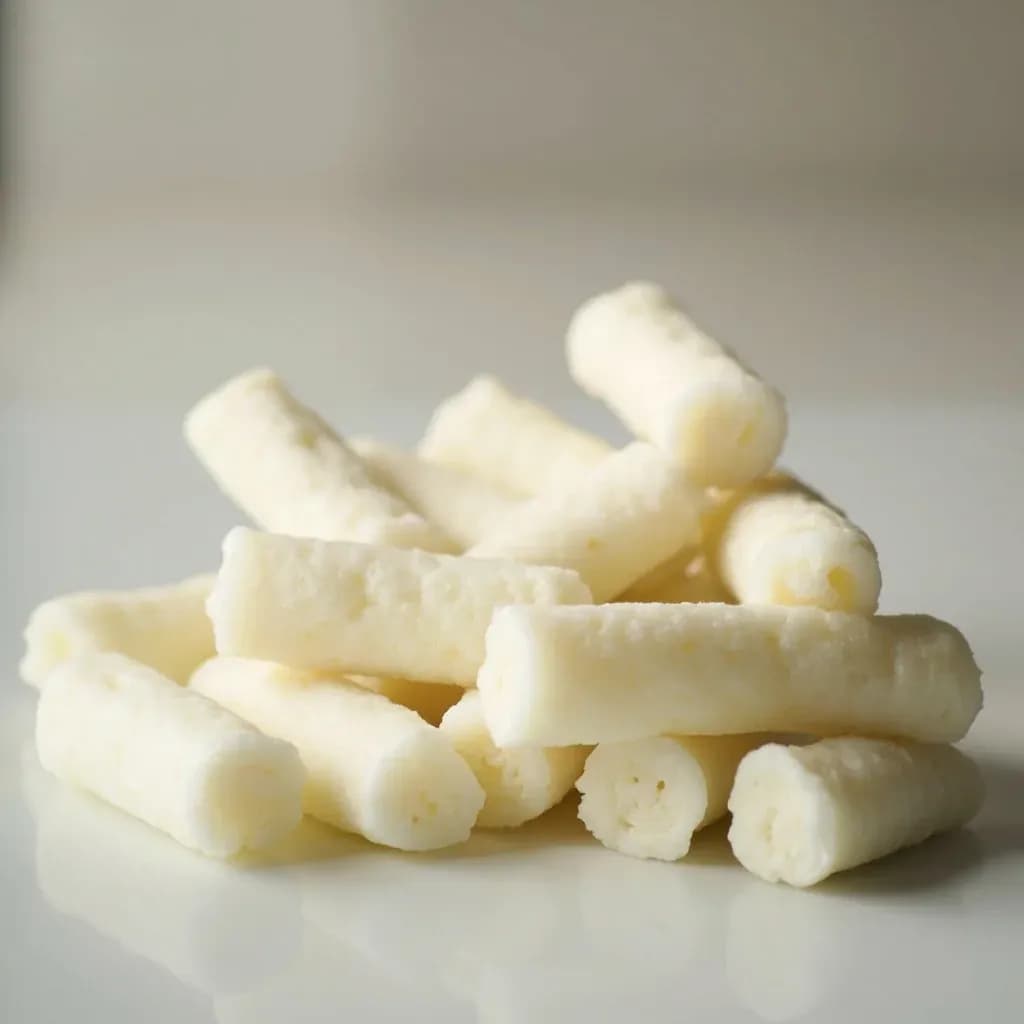
Tteok are Korean rice cakes made from steamed and pounded rice, ranging from cylindrical garae-tteok to flat coins and sweet stuffed varieties. The savory cylinders are the chewy stars of tteokbokki in spicy gochujang sauce and float in tteokguk soup. Their dense, springy bite comes from working the rice into a smooth dough.
Korean rice cakes, known as tteok (떡), are chewy cakes made from rice—typically glutinous short-grain or a blend—that has been soaked, steamed, and then pounded or extruded into molds. Unlike Western rice dishes where grains remain distinct, the starch in tteok is fully gelatinized through steaming, creating a dense, cohesive chew that is entirely its own texture. The neutral flavor makes tteok a vehicle for bold sauces and savory broths rather than a destination in itself.
Tteok holds a sacred place in Korean culture, appearing at every major celebration from Seollal (Lunar New Year) to Chuseok, where families gather to make and share these cakes together. The act of pounding steamed rice in a stone mortar (jeolgu) develops the characteristic springy bite that machine-extruded versions sometimes lack. Even today, the best tteok for ceremonial use is often hand-pounded, while everyday tteok for cooking comes conveniently pre-made from markets.
When cooked, fresh tteok softens and swells, absorbing surrounding flavors while retaining its pleasant chew. Dried tteok requires soaking first to rehydrate evenly; skipping this step produces fractured pieces with mealy centers. The cakes float to the surface and feel yielding when pressed gently—reliable indicators they are ready. Once cooked, tteok firms as it cools, making them ideal for simmering in sauce or serving in broth without immediately disintegrating.
- Measured in
- g
- Storage
- Fridge
Types & varieties
Long cylindrical white rice cakes; the most versatile variety; base for many preparations; made from glutinous rice
Short, thick rounded cylinders sold specifically for tteokbokki; softer texture than garaetteok that holds up well in sauce
Soft, chewy rice cakes rolled in toasted soybean powder (konggaru) and rice flour; sweet dessert variety
Small round rice cakes, often filled with sweet red bean paste; traditional dessert
Green-hued from added mugwort (ssuk); slightly bitter and herbaceous; traditional medicinal variety
Fried rice cake pieces bound in sweet syrup; crispy sweet snack rather than chewy
Hard pale cylinders; must be soaked before cooking; longer shelf life; most common in markets outside Korea
Soft, pale white cakes sold in blocks or cylinders; used immediately or stored refrigerated
Fresh vs. Dried Tteok
The choice between fresh and dried tteok affects both preparation method and final texture. Fresh tteok has a superior, silky chew and requires only slicing and brief cooking. Store it submerged in water in the refrigerator, changing the water daily, and use within 2–3 days. Dried tteok, the form most available outside Korea, must be soaked 30 minutes to 2 hours in room-temperature water before cooking. Score dried cylinders lengthwise before soaking to prevent cracking and ensure even hydration. Both types can be frozen; portion fresh tteok between sheets of plastic wrap for easy separation.
- Fresh tteok: superior texture, minimal prep, short shelf life
- Dried tteok: long shelf life, requires soaking, score before hydrating
- Frozen tteok: thaw at room temperature 30 minutes before cooking
Glutinous vs. Non-Glutinous Varieties
Glutinous short-grain rice (chapssal) contains high amounts of amylopectin starch, which gelatinizes fully during steaming and creates the signature elastic, cohesive chew. Most tteok—from garaetteok to tteokbokki cakes—uses glutinous rice or a glutinous-heavy blend. Non-glutinous long-grain rice produces a firmer, less sticky cake that holds its shape differently. For the classic tteokbokki experience with sauce-coating chew and structural integrity, always choose glutinous varieties.
- Glutinous rice: high amylopectin, elastic and cohesive texture
- Non-glutinous rice: firmer, less sticky, different mouthfeel
- Tteokbokki requires glutinous varieties for optimal sauce adherence and chew
Common uses
Tips & pitfalls
- Score dried tteok cylinders lengthwise before soaking—this prevents cracking and ensures even cooking throughout
- Never skip the soaking step for dried tteok; cooking from hard produces fractured pieces with mealy centers
- Use fresh tteok when available—the texture is noticeably superior and they need only slicing before cooking
- For tteokbokki, briefly sear the sliced rice cakes in oil before adding sauce—this adds subtle flavor and prevents them from becoming waterlogged
- Avoid overcooking tteok; they become mealy and lose structural integrity. Test one piece before draining the cooking liquid
- Press gently with chopsticks to check doneness—when they yield slightly and float, they are ready
- For soups, add tteok near the end of cooking—they continue cooking in residual heat and prolonged boiling breaks them down
- Store fresh tteok submerged in water in the refrigerator, changing water daily, to extend freshness by 2–3 days
- Freeze fresh tteok in portions separated by plastic wrap; thaw at room temperature for 30 minutes before using
- One hundred grams of rice cake yields approximately 1 cup of sliced pieces—useful for recipe scaling
- Fresh tteok should be slightly sticky with a clean, mild rice scent; avoid any with sour or fermented odors unless intentionally fermented varieties
Nutrition
Energy
1640 kJ · per 100 g
Where the calories come from
Protein
7.1g
14% DV
Carbs
81.1g
29% DV
Fat
4.3g
6% DV
Fiber
4.2g
15% DV
Sugars
0.9g
of which
Sodium
71mg
3% DV
Source · USDA FoodData Central · Rice cake, cracker (include hain mini rice cakes)
View on FDC →In the shops
Matched grocery products
No matched grocery products for Rice Cake (Tteok) yet.
Good to know
- Primary Material
- Glutinous short-grain rice or non-glutinous rice; water; sometimes sugar or additional starches
- Traditional Process
- Rice soaked and steamed, then pounded in a stone mortar (jeolgu) into a smooth dough or extruded through molds
- Texture
- Chewy, dense, slightly elastic when cooked; firms noticeably as it cools
- Origin
- Korea; central to Korean cuisine for centuries, especially ceremonial and celebratory foods
- Shelf Life (Fresh)
- Refrigerated 2–3 days; frozen up to 3 months (thaw at room temperature before cooking)
- Shelf Life (Dried)
- 6–12 months in a sealed container at room temperature
- Hydration for Dried Tteok
- Soak 30 minutes to 2 hours in room-temperature water before cooking
- Doneness Indicator
- Cakes float to the surface and feel yielding when pressed gently with chopsticks
- Dietary Note
- Naturally gluten-free when made from pure rice flour; verify packaging for cross-contamination if needed
Substitutes
- Korean sweet potato starch noodles (dangmyeon) — Better sauce absorption than tteok, chewy bite; common in Korean cuisine for tteokbokki variations
- Shirataki noodles — Similar chewy texture; acceptable for low-calorie versions but the flavor profile differs significantly
- Glass noodles (dangmyeon) — Soft rather than chewy texture but absorbs sauce well; acceptable for tteokbokki if chew is not essential
- Western rice cakes — Rounder and smaller; not ideal substitutes; acceptable only in soups, not for tteokbokki or saucy preparations
- Fresh rice vermicelli — Dissimilar texture entirely; not recommended as a primary substitute for chewy preparations
Pairs with
Also called
떡 · Tteok · Korean Rice Cake
Appears in these dishes
Related

White Rice
Fluffy long-grain rice — the neutral base for almost any meal

White Bread
Soft sandwich loaf for toast, sandwiches, and crumbs
Brown Rice
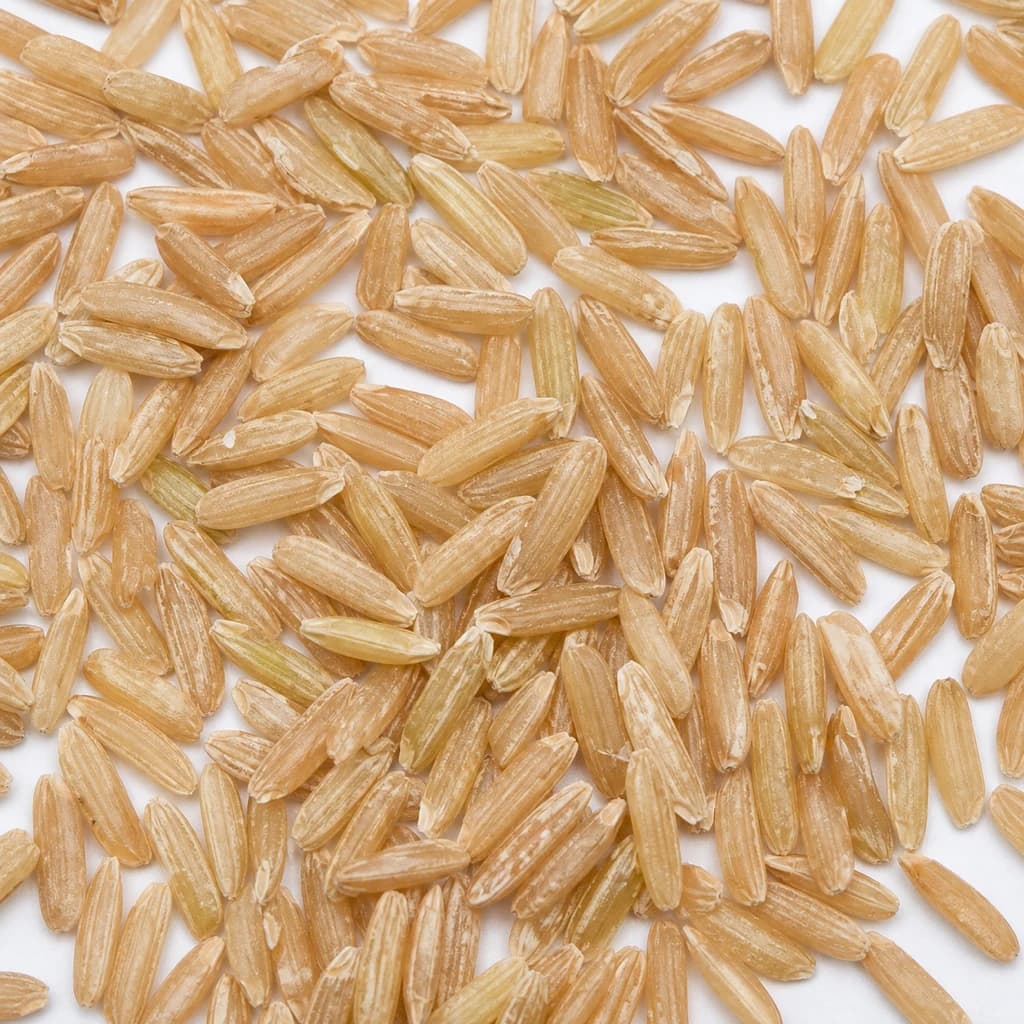
Nutty, whole-grain rice with chew and extra fiber

Basmati Rice
Fragrant, long-grain rice that cooks up light and separate
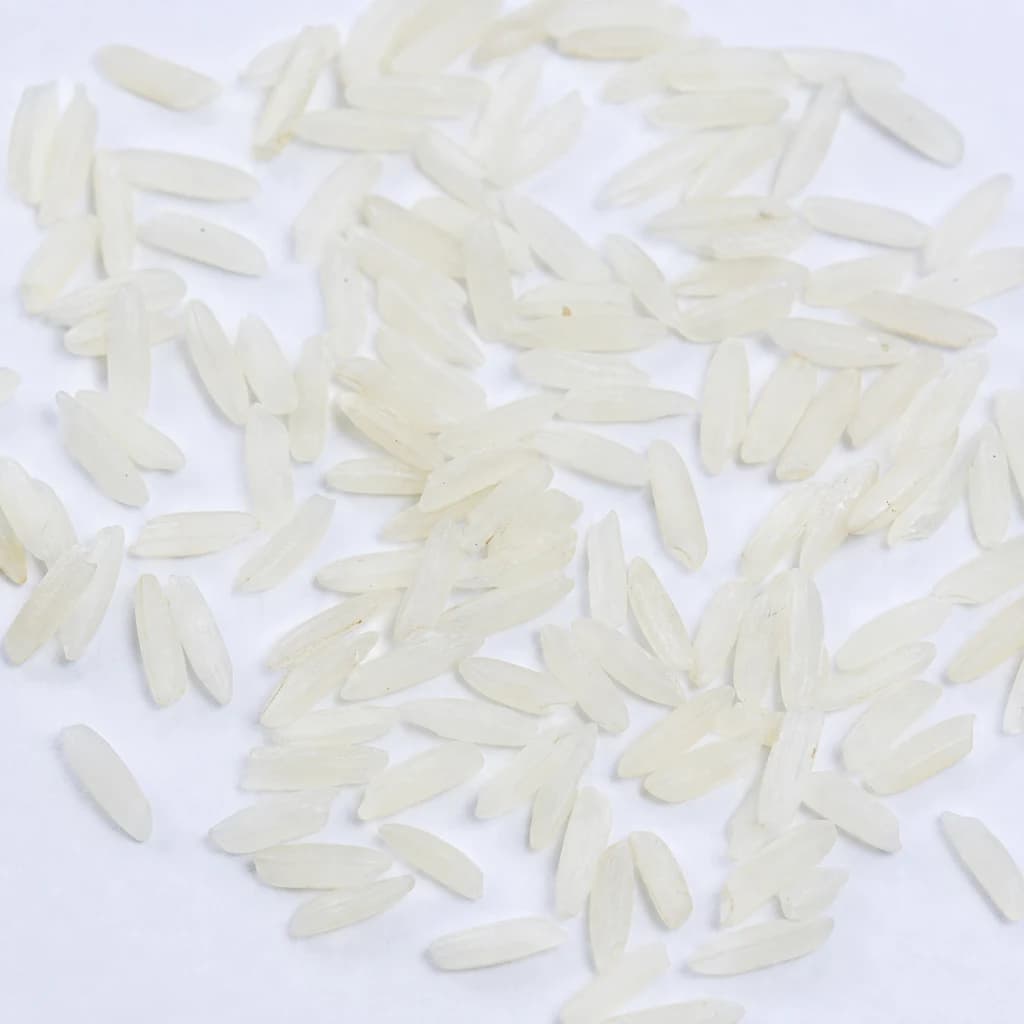
Jasmine Rice
Soft, floral-scented rice that's the pillar of Thai meals
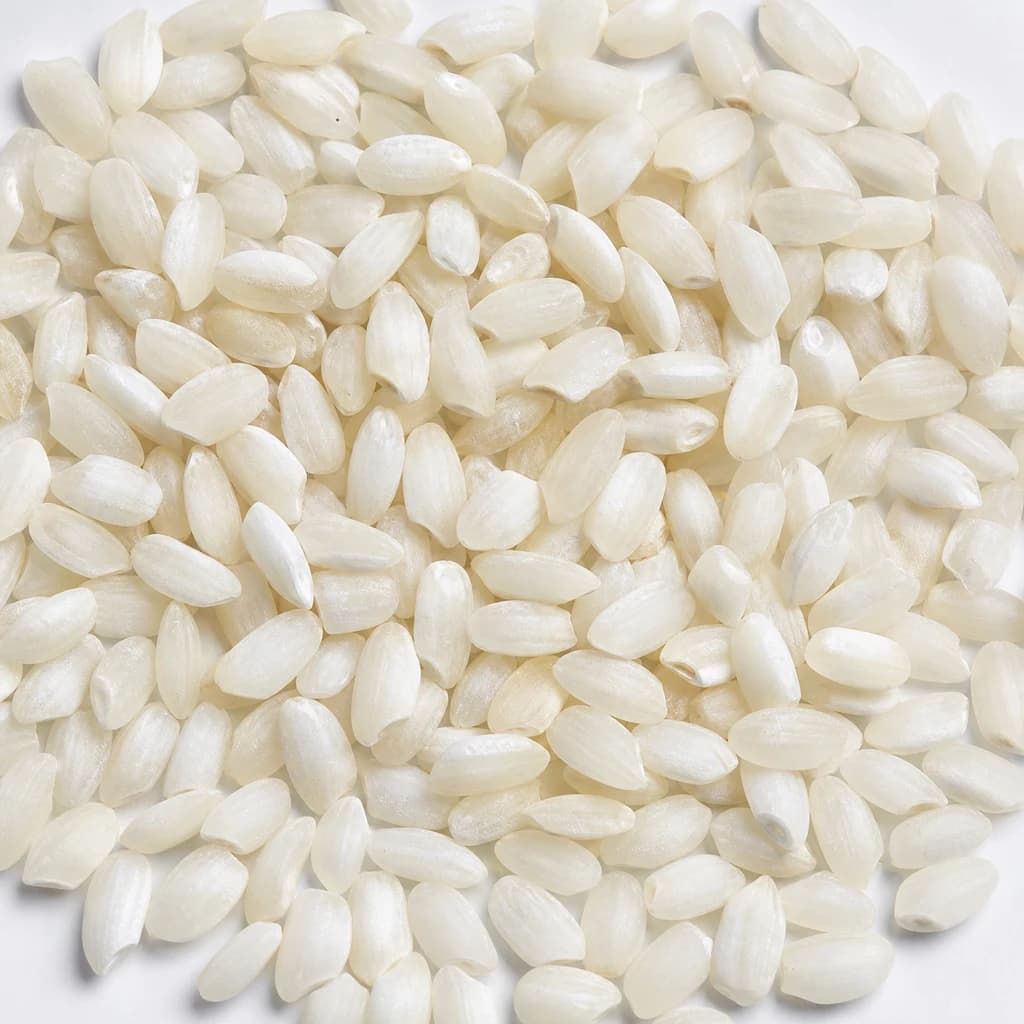
Arborio Rice
Plump, starchy rice that makes risotto creamy
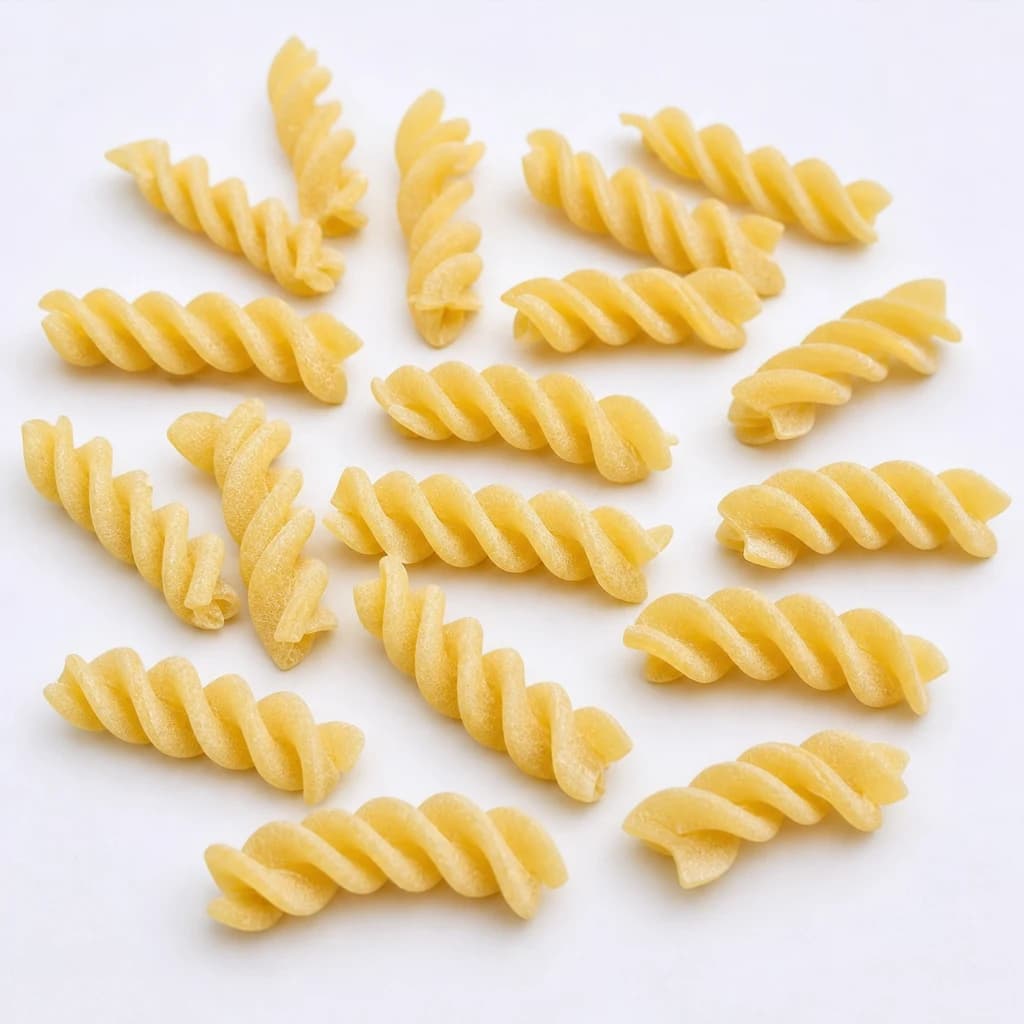
Fusilli
Spiraled pasta that twirls up sauce and dresses cold salads
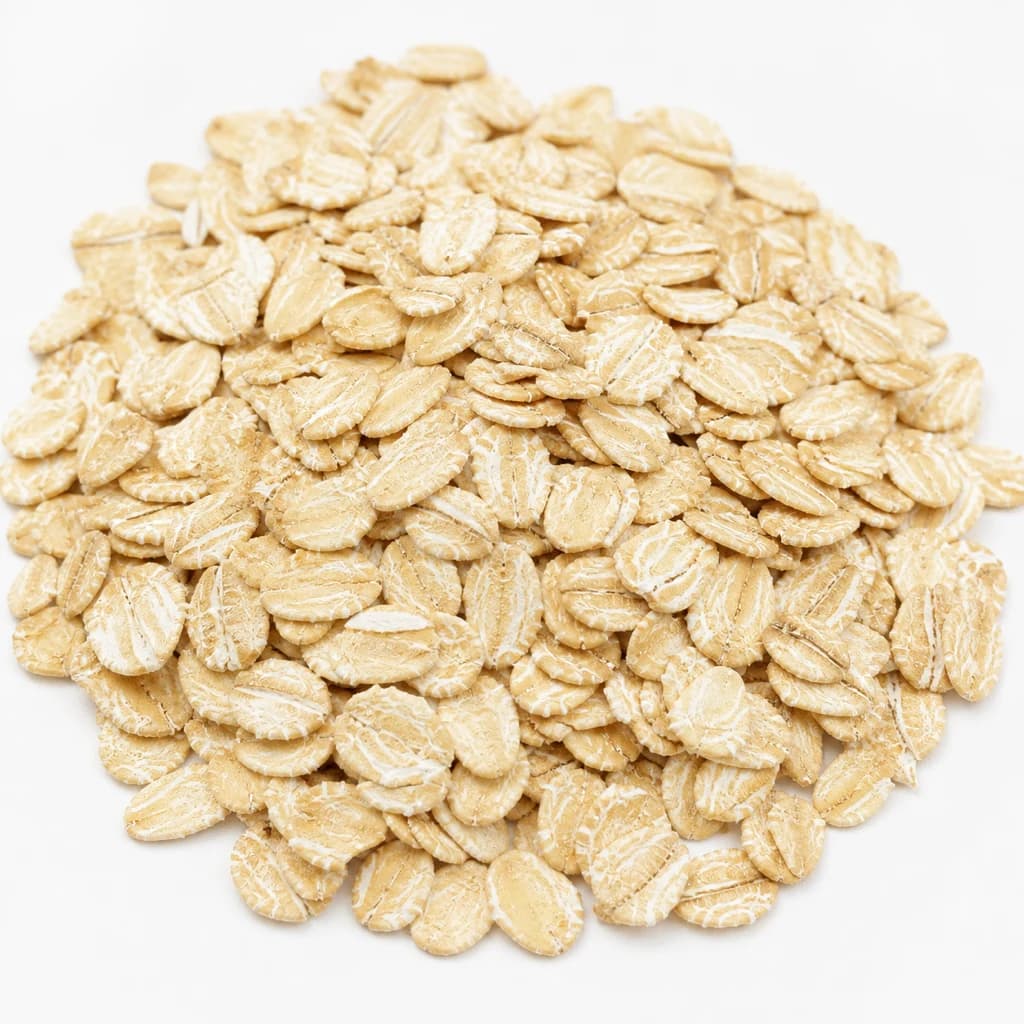
Rolled Oats
Hearty flakes for porridge, granola, and chewy cookies