Proteins
Fish Cake
Patties or loaves of seasoned fish paste, fried or steamed; sliced into soups, stir-fries, and curries.
Fish cakes are made from ground fish blended with seasonings and starch, then formed into patties or loaves and fried, steamed, or grilled. They appear across many cuisines, from Burmese nga phe and Korean eomuk to Norwegian fiskekaker, served sliced in soups and stir-fries or eaten on their own. Their texture ranges from springy to tender, with a savory, lightly seasoned fish flavor.
Fish cakes are a broad category of preparations built from processed fish paste—typically made from white fish such as pollock, cod, or hoki that has been ground into a smooth, cohesive paste called surimi. The paste is seasoned, often with potato or wheat starch for binding, egg white for structure, and sugar or MSG for flavor balance, then formed into patties, loaves, cylindrical logs, or spherical balls before cooking. The defining characteristic is a dense, springy texture that holds together well yet yields easily when bitten, a quality that comes from the gelling of fish proteins during cooking.
The quality spectrum is extreme. High-end kamaboko from a Japanese fishmonger is nearly pure fish with a clean, sweet ocean flavor and a delicate bounce, while cheap frozen supermarket versions may be 50% starch filler with little fish identity. This matters enormously in the kitchen: pre-cooked Asian-style fish cakes require only gentle reheating and should never be subjected to high heat that toughens them, while raw Western-style fish cake mixtures need medium heat to cook through evenly without burning the exterior. Understanding whether your fish cake is pre-cooked or raw is the single most important decision point in how you handle it.
Fish cakes are an everyday ingredient across Asia with deep regional character—Korean eomuk, Japanese kamaboko, and Thai tod mun pla are as distinct from one another as sourdough is from a baguette. In Western cooking, fish cakes are more of a home-cooking preparation than a commercial product category, though fish sticks and fish fingers are industrialized relatives. The category bridges cultures and cuisines, serving as both a vehicle for mild white fish and a convenient protein that absorbs sauces and flavors from whatever dish it joins.
- Measured in
- piece
- Storage
- Fridge
Allergens
Types & varieties
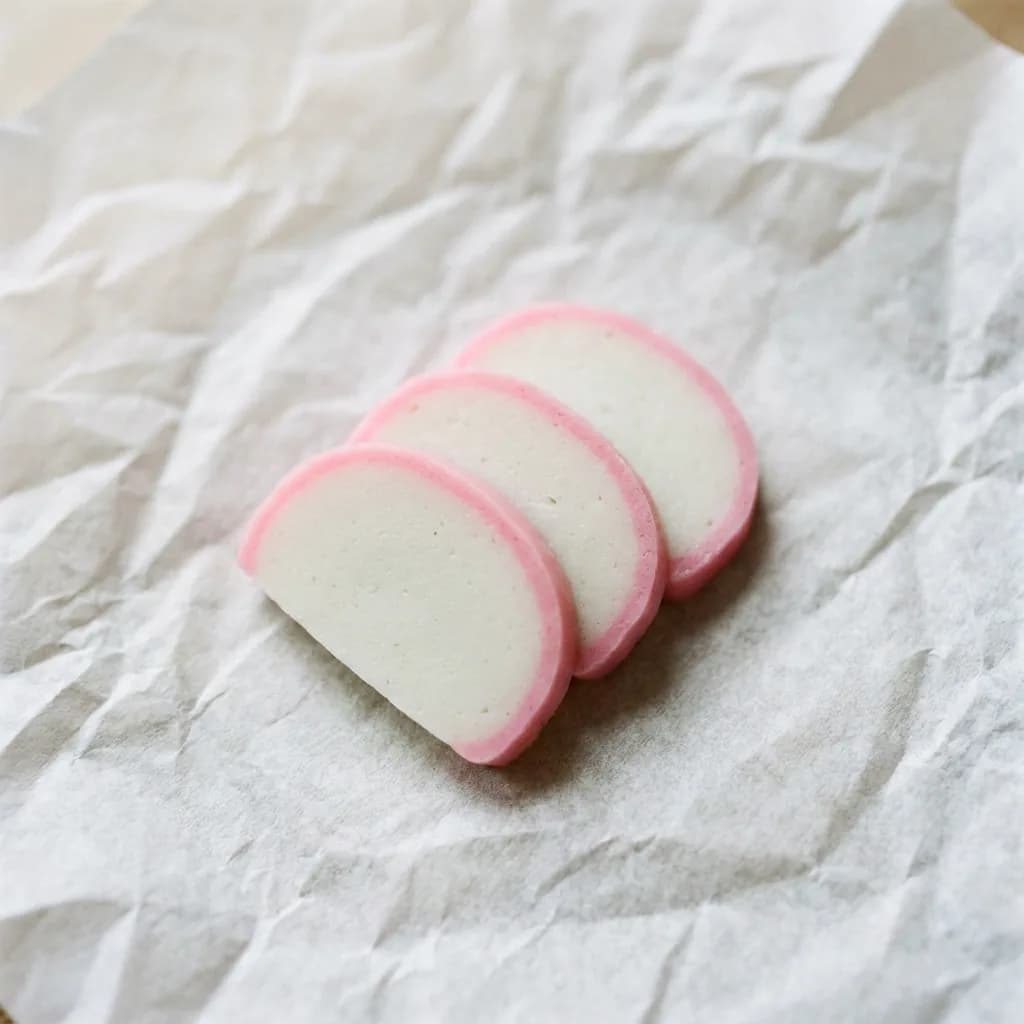
Steamed fish paste logs, often halved with pink swirl; sliced for soups, noodle bowls, and bento; includes chikuwa (hollow tubes) and hanpen (pyramid-shaped, with burdock)
Fish cake strips and rectangles sold at markets, often boiled in broth for soup or skewered and fried as street food (eomuk-bokkeum)
Fried fish cakes made with curry paste (kaffir lime, galangal), served with cucumber sauce; spongy texture from egg whites and rice flour
Small spherical fish paste balls, poached or fried; served in soups, hot pots, or with noodle sauce; firm, bouncy texture
Pan-fried patties of flaked fish (cod, salmon, sole) mixed with potato, egg, and herbs; similar to salmon or crab cakes
Processed fish paste formed into sticks; product name often 'krab' or 'kanikama'; used in sushi rolls, salads, and ready meals
Baked or steamed loaf sliced thick; common in British and Scandinavian cuisines; often served fried with remoulade
Common uses
Tips & pitfalls
- When pan-frying fish cakes, score the surface lightly to prevent curling and ensure even browning
- Do not overmix fish cake batter—overworking develops gluten and makes the cake tough rather than tender
- Add a small amount of potato starch or tapioca starch to homemade fish paste for better binding and springy texture
- Kamaboko and eomuk are already cooked; reheat gently in broth to avoid rubbery texture
- For deep-frying, bring fish cake pieces to room temperature first to ensure even cooking through the center
- Commercial fish cakes vary dramatically in fish content—check the ingredient list; higher surimi percentage means better flavor and texture
- If fish cakes taste bland, they likely contain mostly starch filler; season them with soy sauce, mirin, or dipping sauces when serving
- When making fish paste from scratch, freeze fish briefly (20 minutes) before processing—it firms the fat and yields a smoother paste
Nutrition
Energy
1418 kJ · per 100 g
Where the calories come from
Protein
7g
14% DV
Carbs
44.3g
16% DV
Fat
15.2g
19% DV
Fiber
1g
4% DV
Sodium
339mg
15% DV
Source · USDA FoodData Central · approx. Cake, coffeecake, cheese
View on FDC →In the shops
Matched grocery products
No matched grocery products for Fish Cake yet.
Good to know
- Primary Fish Used
- White fish such as pollock, cod, hoki, and tilapia, often processed into surimi (fish paste)
- Typical Texture
- Springy and dense when sliced; varies from soft and cake-like to firm and sliceable depending on preparation method
- Common Forms
- Patties, loaves, cylindrical logs, strips, and spherical fishballs
- Cooking Methods
- Steaming (kamaboko), pan-frying, deep-frying, grilling, and poaching
- Shelf Life
- Refrigerated 5–7 days; frozen up to 3 months; vacuum-sealed commercial products 6–12 months
- Protein Content
- Approximately 8–12g per 100g for steamed types; fried versions vary widely
- Typical Additives
- Potato starch, wheat starch, egg white, sugar, msg, and sodium tripolyphosphate for moisture retention
- Origin Reference
- Surimi-based fish cakes trace to Southeast Asia and Japan; kamaboko documented since the Heian period (794–1185)
Substitutes
- Imitation crab sticks — Similar surimi base; mild fish flavor, good for sushi rolls and salads; less authentic in soups
- Shrimp paste or blended shrimp cakes — Similar binding and texture; stronger seafood flavor; cook the same way
- Tofu (firm, crumbled and seasoned) — Budget substitute for binding in vegetarian fish cakes; crumbles more easily, less bouncy
- Mashed potato cakes — Texturally similar when fried; lacks fish flavor entirely; works as comfort food in Western preparations
Pairs with
Also called
Fish Cake (Nga Phe) · Fish Cakes (Fiskekaker) · Eomuk · Fishcake
Appears in these dishes
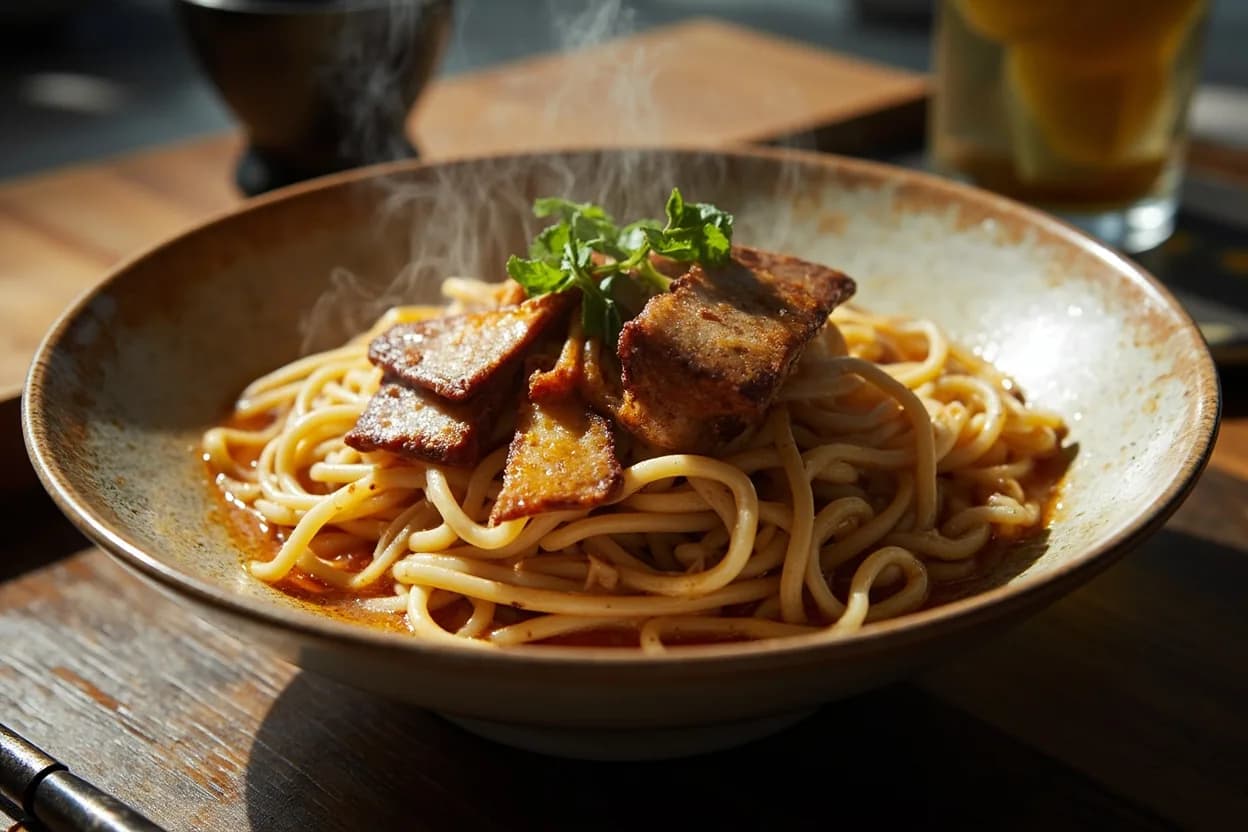
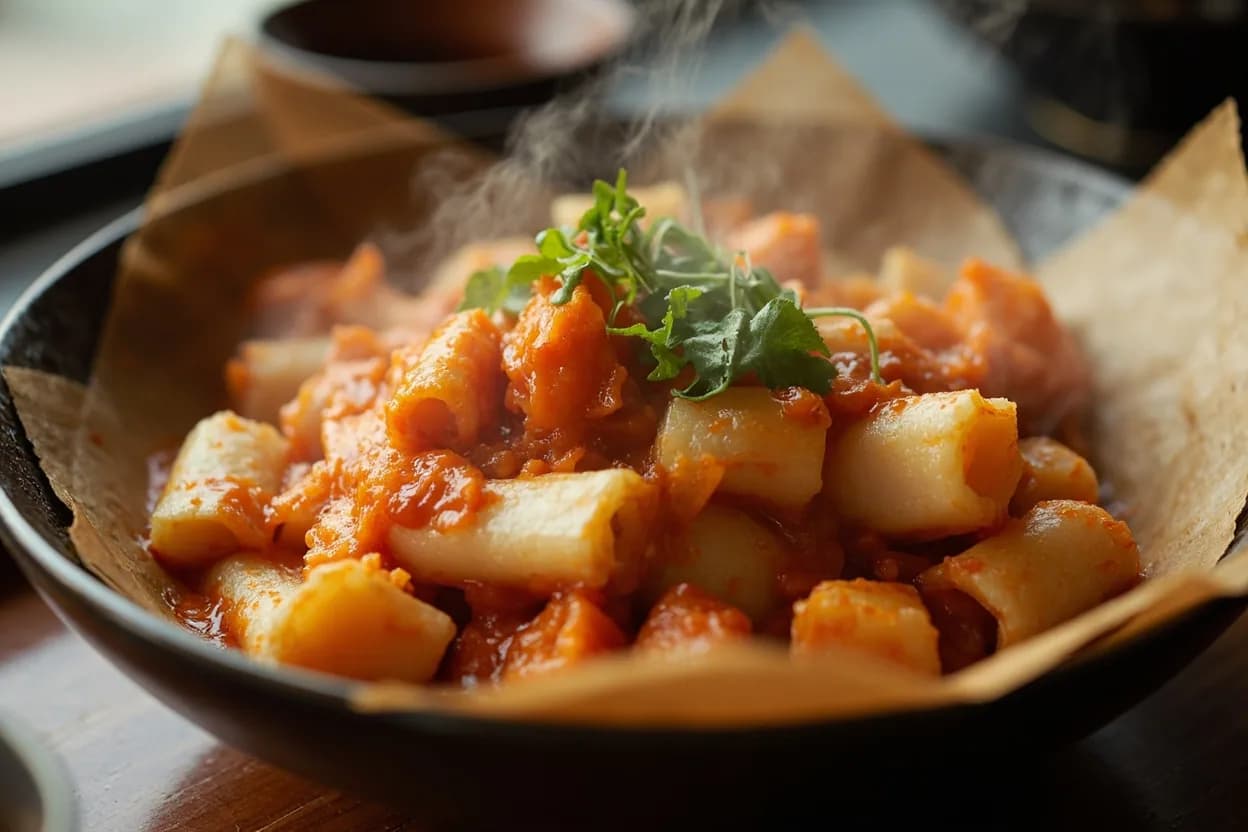
Related
Egg
The kitchen's everything ingredient — bind, leaven, enrich, or fry
Chicken Breast
Lean, quick-cooking white meat for everyday dinners

Ground Beef
Versatile minced beef for burgers, ragù, tacos, and meatballs
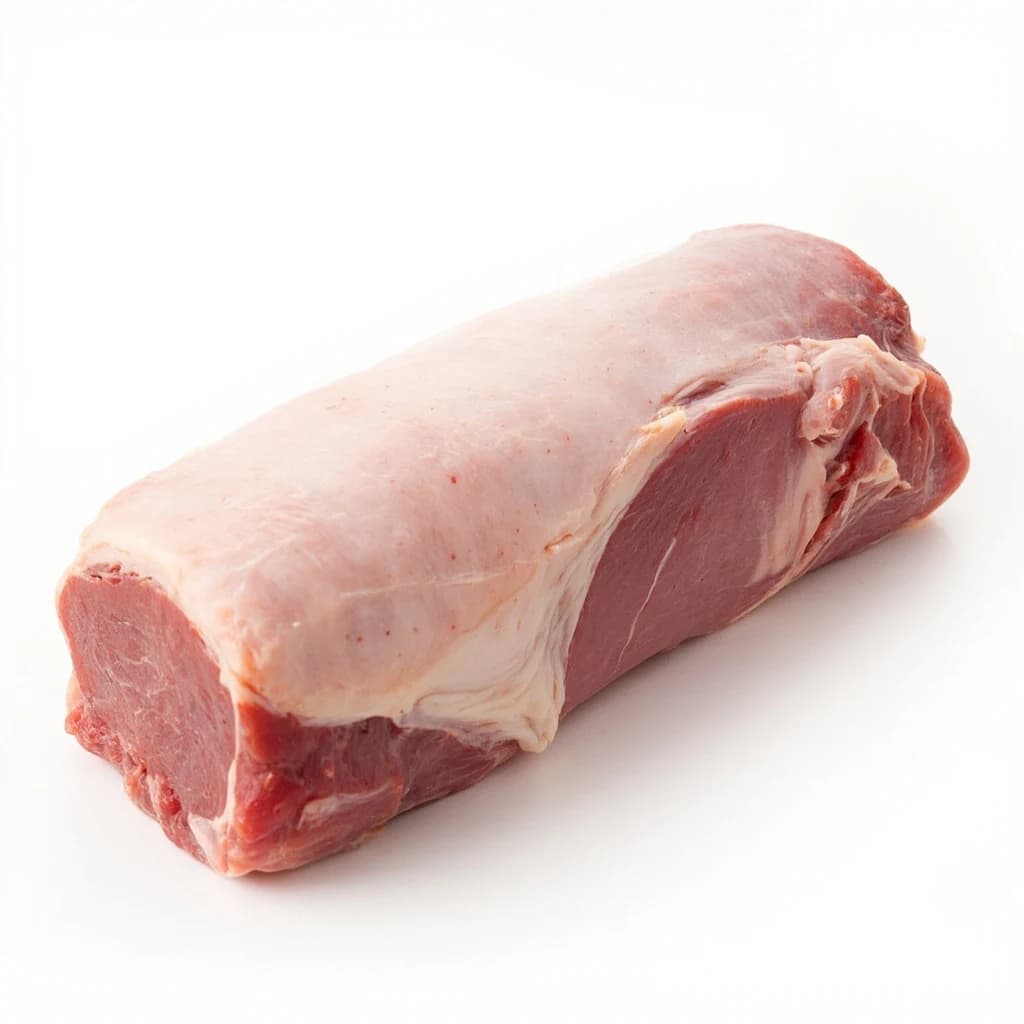
Pork Loin
Lean, tender roasting cut that stays juicy with care
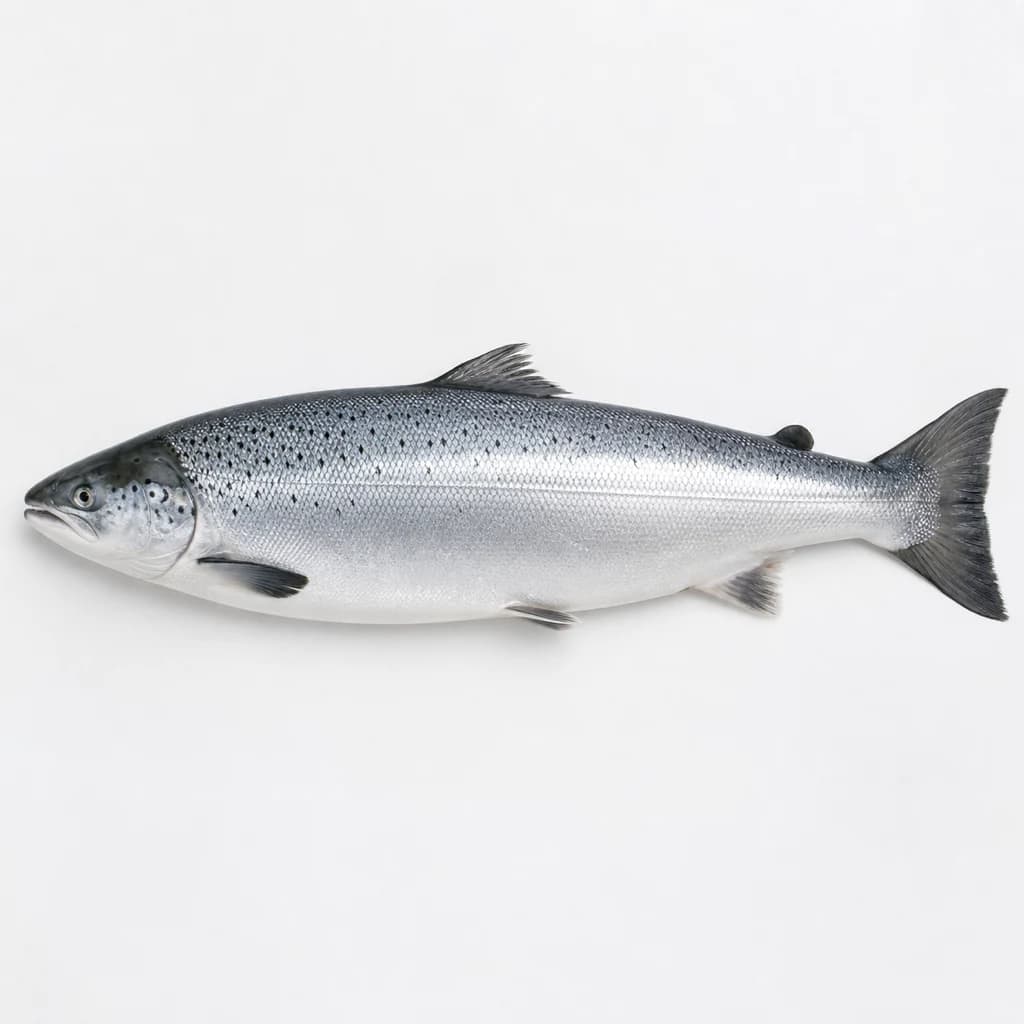
Salmon
Rich, rosy fish that roasts, grills, or cures beautifully

Egg White
Pure protein that whips to airy peaks for meringue and more
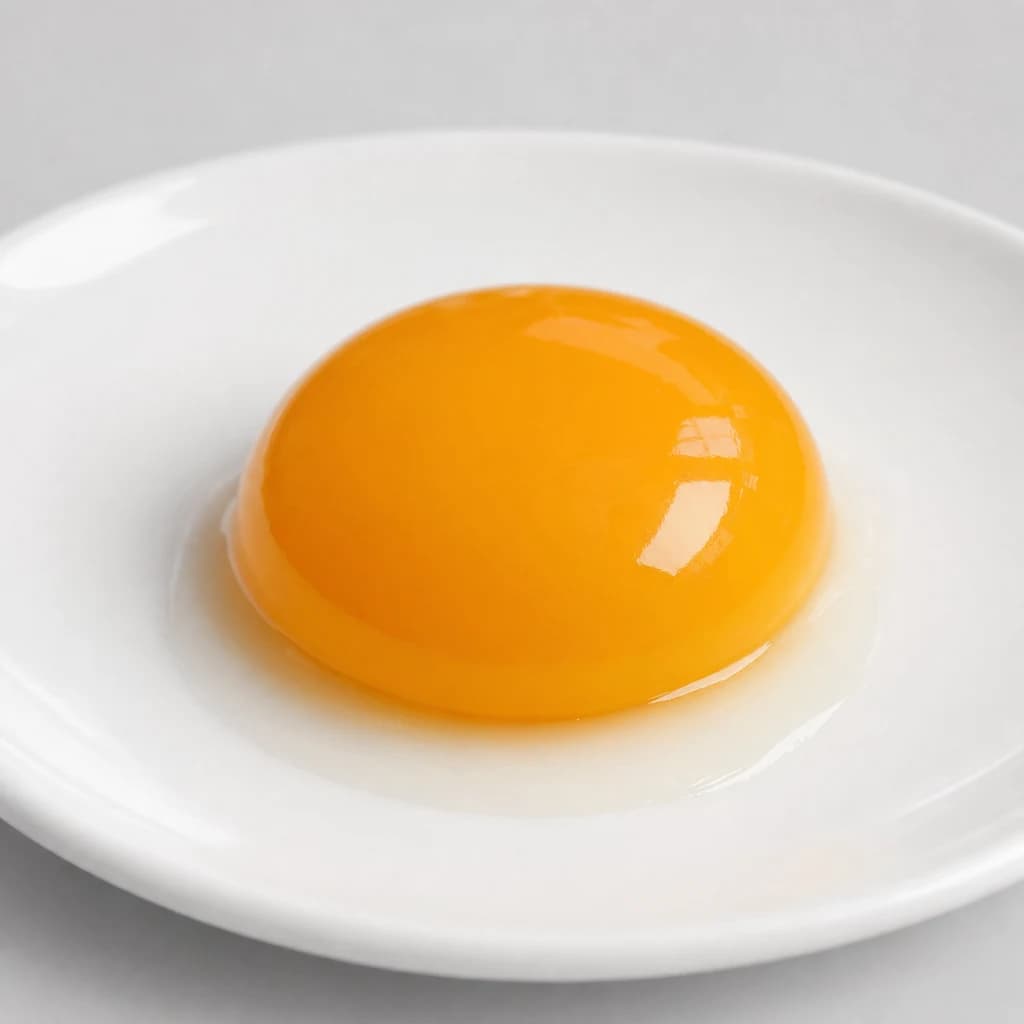
Egg Yolk
Rich, golden yolk for custards, mayonnaise, and pasta

Quail Egg
Tiny, speckled eggs for garnishing and elegant bites