Natural form
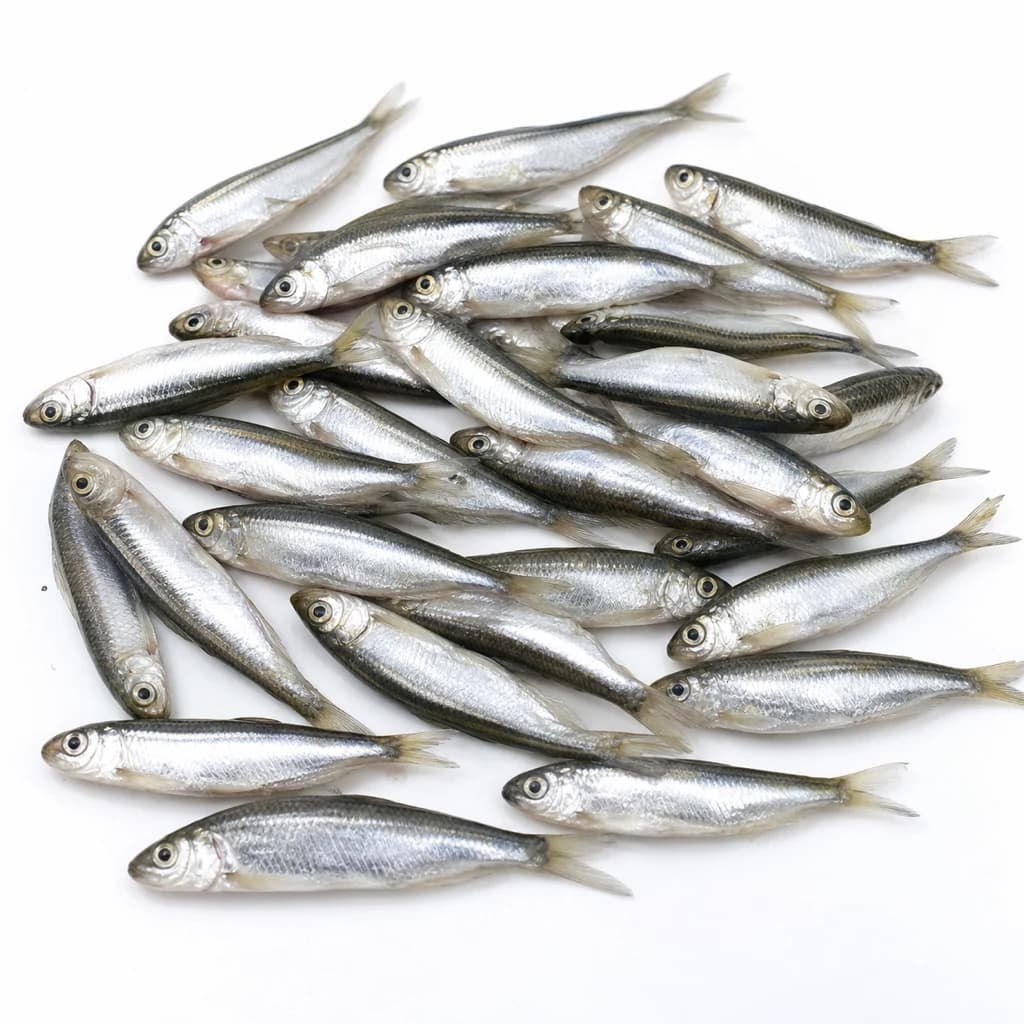
Fresh sambaza displayed whole, showing their small silver bodies and sardine-like form.
Establishes the fish's identity — size, silver coloring, and shape — so readers can recognize them raw at market or lakeside.
Proteins
Sambaza (Lake Kivu Sardines)
Tiny freshwater sardines from Lake Kivu, deep-fried crisp and eaten whole.
Sambaza are small freshwater sardine-like fish caught in Lake Kivu, a staple in Rwanda and the Democratic Republic of Congo. They are typically dredged in flour and deep-fried until crisp, then eaten whole with the fingers alongside plantains or ugali. Fresh sambaza are a beloved lakeside delicacy.
Sambaza (Limnothrissa miodon) is a small pelagic freshwater fish, a clupeid related to herrings and sardines, harvested from Lake Kivu on the Rwanda–Democratic Republic of Congo border. The fish typically measures 5–8 cm at harvest and is remarkable for being eaten whole—including head, bones, and fins—when prepared correctly. Though not native to Lake Kivu, sambaza was deliberately introduced from Lake Tanganyika in the 1950s–60s to bolster local protein supplies, and it transformed the regional fishery into a significant small-scale industry. Today, sambaza accounts for a meaningful portion of animal protein consumption in Rwanda and is woven into the fabric of daily life and social culture, particularly as the quintessential bar snack paired with beer. The fish has a mild, slightly fishy flavor that accepts bold accompaniments without being overwhelmed, and its tiny size means the entire fish crisps up beautifully when fried, eliminating the need to navigate bones.
- Measured in
- g
- Storage
- Fridge
Allergens
Types & varieties
Sold on ice at market; requires cooking the same day or freezing for later use
Partially dried and often bundled; can be fried directly or rehydrated for stews; more concentrated fish flavor and saltier
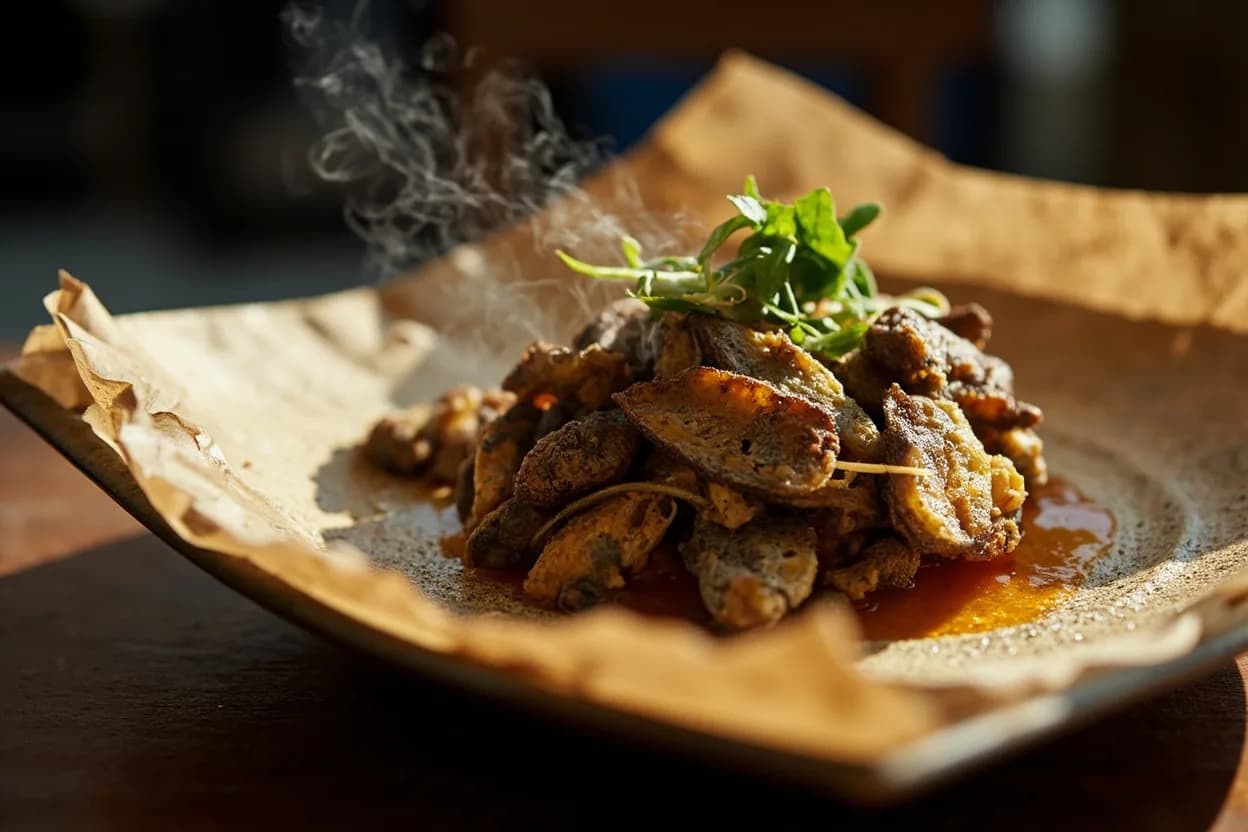
Pre-fried and sold as a street snack; stays crisp for several hours but is best eaten immediately for optimal texture
The ecological story
Sambaza is not a native species to Lake Kivu. In the 1950s–60s, fisheries managers introduced Limnothrissa miodon from Lake Tanganyika specifically to create a new protein source for the rapidly growing population around Lake Kivu. The species thrived in the deep, oxygenated waters and quickly became the foundation of a commercial fishery. This history matters for cooks because it explains why the fish is so abundant and affordable in the region—and why the dried form has become the primary vehicle for export and off-season use.
- The introduction was a deliberate food-security intervention, not a natural migration
- Sambaza is now the basis of a significant small-scale fishing industry employing thousands
- The dried form travels well and is what most cooks outside the Great Lakes region will encounter
Freshness: the single most important factor
The quality of fresh sambaza determines everything. Fish that have begun to deteriorate develop a strong, unpleasant ammonia-like odor and become soft and mushy when fried—the opposite of the desired crisp, rigid result. When purchasing fresh sambaza, trust your nose: it should smell clean, oceanic, and mildly savory. The eyes should be clear and intact, the gills bright red, and the flesh firm. There is no remedy once poor-quality fish enters the fryer.
- Smell before buying: clean and savory, not musty or sharp
- Clear eyes and firm flesh indicate freshness
- If in doubt, freeze same-day or choose dried form
Common uses
Tips & pitfalls
- Fry at 180–185°C (355–365°F) in batches—crowding the pot drops oil temperature and produces soggy, greasy fish
- Drain immediately on a wire rack; never stack fried sambaza or they steam and lose their crunch
- Fresh fish must be thoroughly surface-dry before frying; blot with paper towels and let rest uncovered in the fridge for 30 minutes if needed
- For dried sambaza, skip rehydrating entirely; fry directly in hot oil for 2–3 minutes until they puff slightly and turn golden
- A light dusting of cornstarch or rice flour before frying improves crunch without masking the mild flavor
- Season only after frying—salt on wet fish before frying draws moisture and causes violent splattering
- The fish is done when the eyes turn white and opaque and the body feels rigid when you lift a piece; underdone fish remain soft and unpleasant
- If the oil stops sizzling when you add fish, the oil is too cool—wait for recovery before continuing
Nutrition
Nutrition
No USDA FoodData Central match for Sambaza (Lake Kivu Sardines) yet. We surface a per-100 g profile once a generic whole-food entry is matched and verified.
In the shops
Matched grocery products
No matched grocery products for Sambaza (Lake Kivu Sardines) yet.
Good to know
- Scientific name
- Limnothrissa miodon
- Origin
- Lake Kivu (Rwanda–DRC border)
- Size at harvest
- 5–8 cm; fish is eaten whole including head, bones, and fins
- Peak season
- Year-round, with catches fluctuating by lake conditions
- Forms sold
- Fresh on ice, sun-dried bundles, or pre-fried as street food
- Shelf life (fresh)
- 1–2 days refrigerated; up to 6 months dried in airtight storage
- Flavor profile
- Mild and slightly fishy; bones and fins become pleasantly crisp when fried
- Difficulty
- Low — timing and oil temperature are the primary concerns
Substitutes
- Dried whitebait (Ethmalosa fimbriata, sold as bonga or ponmo in West Africa) — Similar size and texture; fry the same way or use in dried form for porridges and sauces
- Fresh anchovies — Comparable mild flavor and fully edible bones; adjust frying time to 1–2 minutes depending on size
- Sun-dried silver fish from East African lakes — Substitute in dried form for sauces and porridges; frying behavior is similar
Pairs with
Also called
Lake Kivu Sardines · Isambaza
Appears in these dishes
Related
Egg
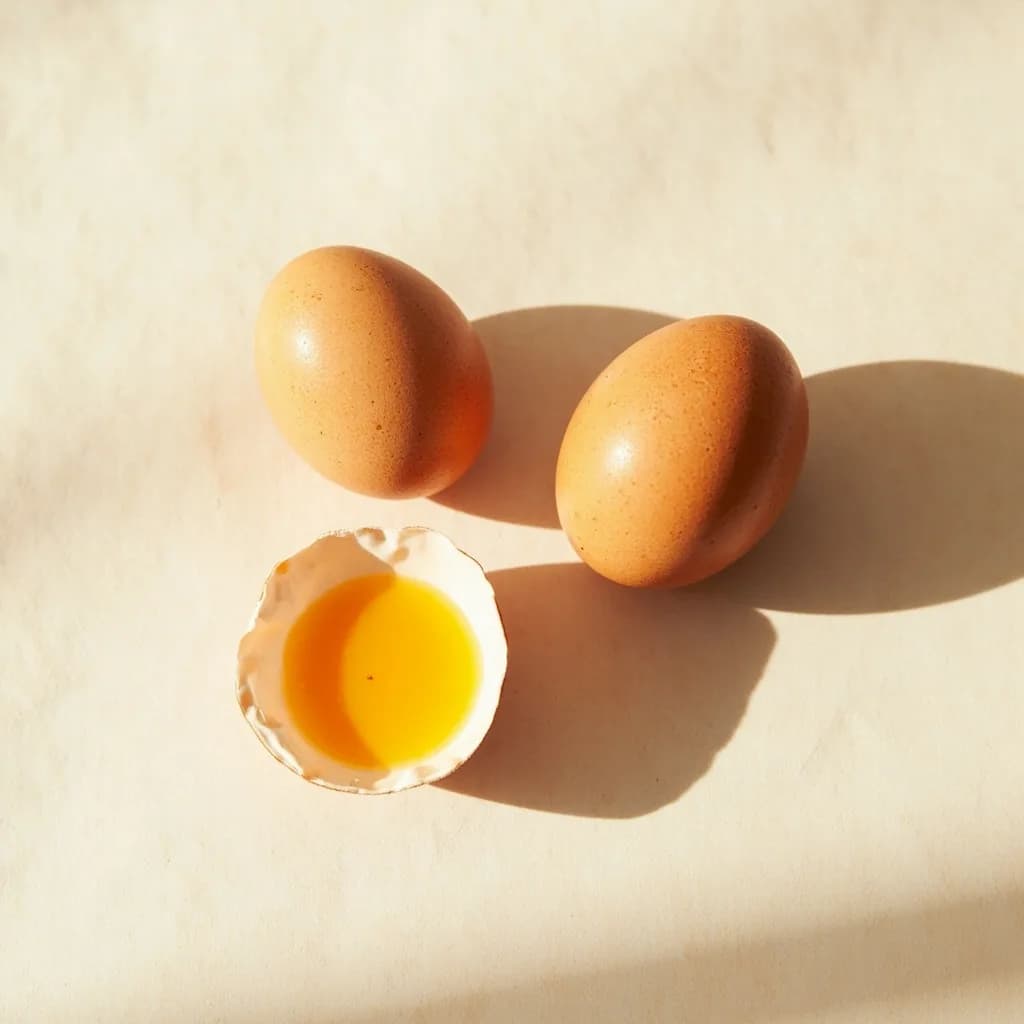
The kitchen's everything ingredient — bind, leaven, enrich, or fry
Chicken Breast
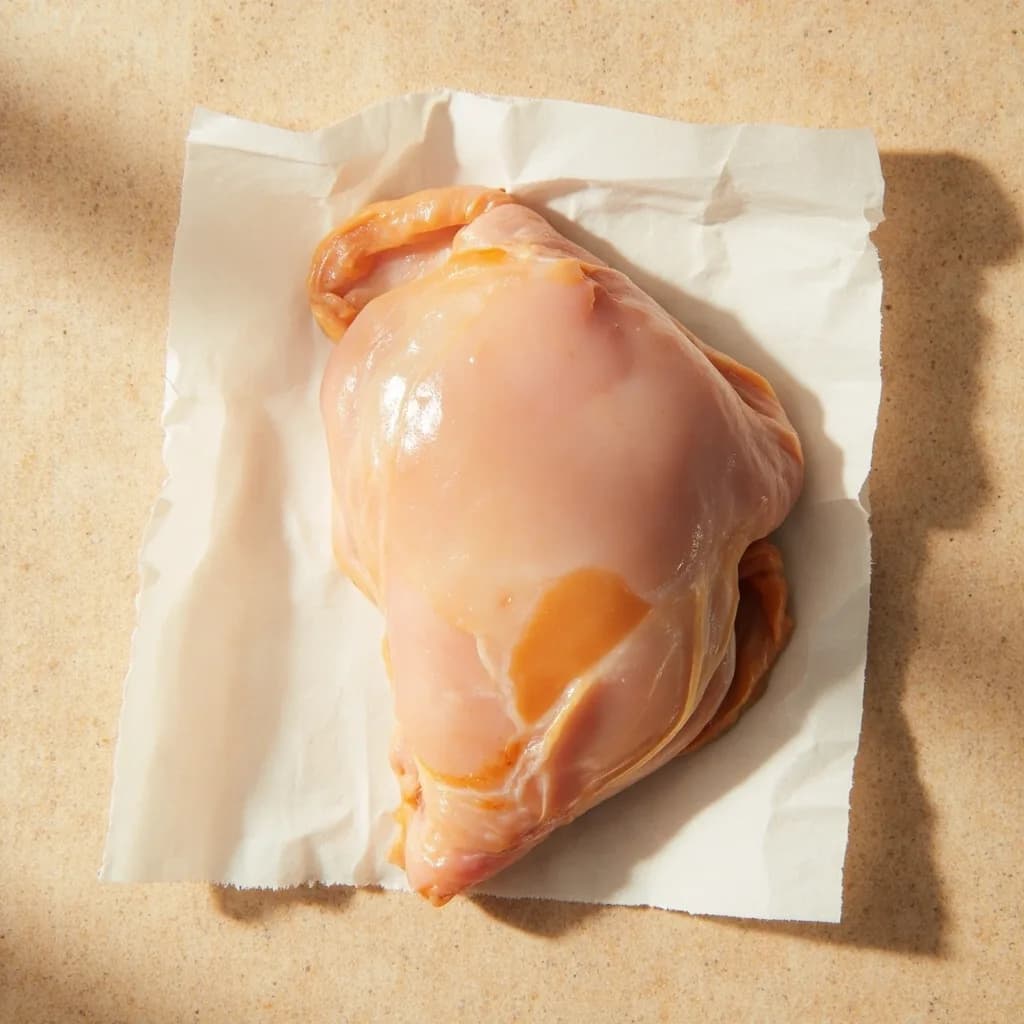
Lean, quick-cooking white meat for everyday dinners

Ground Beef
Versatile minced beef for burgers, ragù, tacos, and meatballs
Pork Loin
Lean, tender roasting cut that stays juicy with care
Salmon
Rich, rosy fish that roasts, grills, or cures beautifully

Egg White
Pure protein that whips to airy peaks for meringue and more
Egg Yolk
Rich, golden yolk for custards, mayonnaise, and pasta

Quail Egg
Tiny, speckled eggs for garnishing and elegant bites