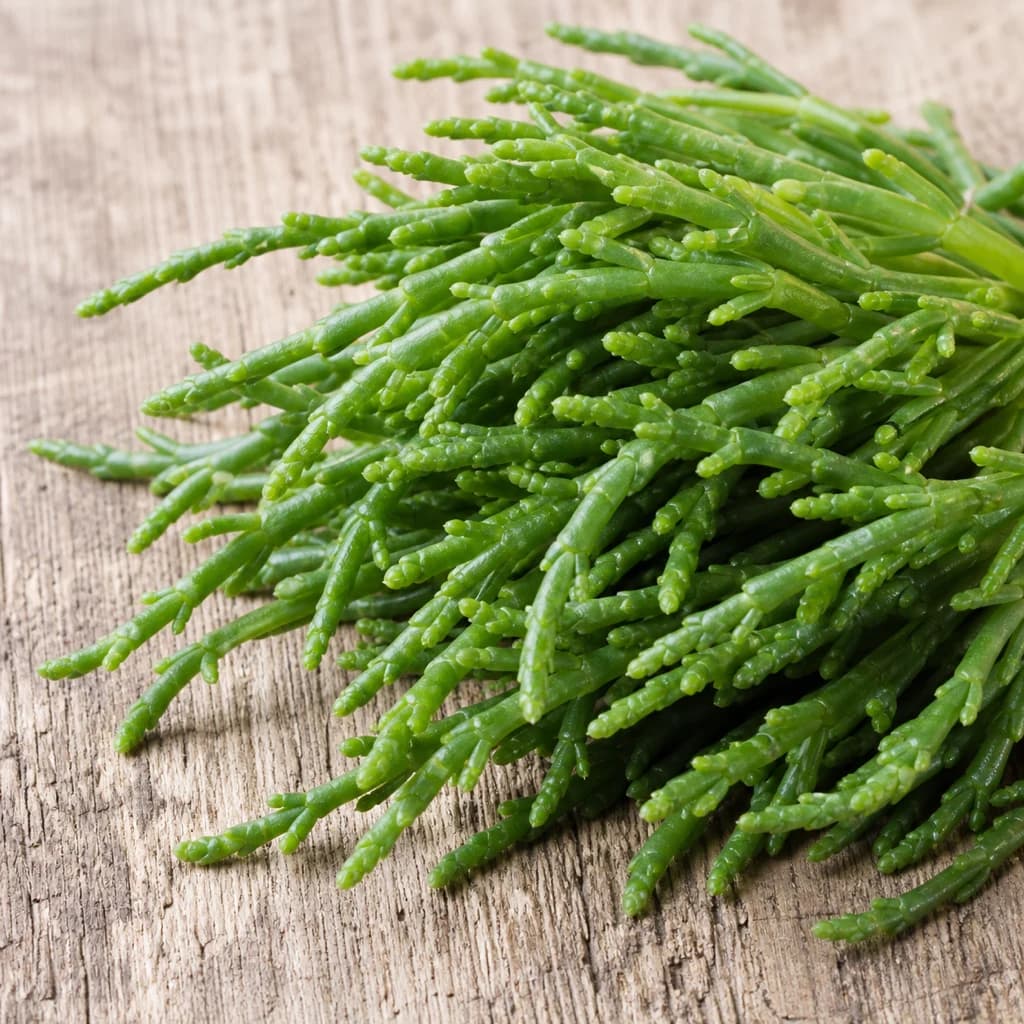
Natural form
Fresh marsh samphire: bright-green succulent stems with a distinctive branching structure.
Shows the reader exactly what raw samphire looks like — its color, texture, and jointed succulent stems — so they can identify it at a market.
Produce
Samphire
Crisp, salty coastal sea vegetable served with seafood and lightly steamed.
Samphire is a crunchy, succulent coastal plant with bright-green stems and a naturally salty, briny taste. Marsh samphire is briefly steamed or blanched and tossed in butter as a side for fish and shellfish, while rock samphire can be pickled. Because it is already salty, it needs little or no added salt.
Samphire is a halophyte—literally a salt-loving plant found growing wild along the coasts of Europe, the Mediterranean, and the Atlantic. It concentrates salts in its tissues as part of its water-regulation mechanism, which explains its intensely saline, mineral-forward character. Two botanically distinct plants share the common name: rock samphire (Crithmum maritimum), a member of the Apiaceae (carrot) family that grows on cliffs and rocky shores and is more aromatic with subtle fennel notes, and marsh samphire or glasswort (Salicornia species), which belongs to the Amaranthaceae family, is cultivated in greenhouses or salt marshes, and offers a cleaner, milder salinity. The flavor is intensely briny and marine with a vegetal sweetness, a hint of bitterness, and a lingering umami finish that evokes the sea. The texture is crisp and succulent with hollow stems that collapse into mush if overcooked beyond a few minutes. Peak season runs from late spring through early autumn, with May through July offering the finest quality and most abundant supply. Fresh samphire should be used within a day or two of purchase; it does not freeze well and deteriorates rapidly at room temperature. When shopping, look for bright green, firm stems with no yellowing or softening. A quick sniff will reveal its marine character—the smell should be clean and ocean-like, never sour or off.
- Measured in
- g
- Storage
- Fridge
Types & varieties
Crithmum maritimum — wild-harvested from cliffs and rocky shores. More aromatic, stronger fennel notes. Protected in some UK areas; commercial harvest limited.
Salicornia species — cultivated in greenhouses or salt marshes. Cleaner, milder salinity. The variety most commonly found in restaurants and shops.
Limonium humile — less common; softer texture, more delicate flavor. Used as a garnish rather than a main vegetable.
Jarred in vinegar brine. Retains crunch; used as a garnish for seafood and fish pies. Significantly softer than fresh.
Rock Samphire vs. Marsh Samphire
Though both carry the samphire name, rock samphire and marsh samphire are botanically unrelated plants that happen to share coastal habitats and similar culinary applications. Rock samphire (Crithmum maritimum) is a true Apiaceae family member, bearing feathery leaves that resemble fennel fronds and small yellow flower heads. It grows on cliffs and rocky shorelines from the Mediterranean to the British Isles, clinging to rock faces above the high-tide line. Its wild habitat and limited commercial harvest make it harder to find and more expensive when available. Marsh samphire (Salicornia) belongs to the Amaranthaceae family and is leafless, its fleshy green stems jointed like a series of small segments. It thrives in salt marshes and tidal flats, and commercial cultivation in controlled greenhouse environments has made it far more widely available. In the kitchen, rock samphire brings greater aromatic complexity—a distinct fennel-like note beneath the salinity—while marsh samphire delivers cleaner, more consistent briny flavor. Either works in most preparations, but rock samphire is worth seeking out when you want that extra herbal dimension.
- Rock samphire has fennel-like leaves and yellow flowers; marsh samphire is leafless with jointed stems
- Commercial marsh samphire is more consistently available and less variable in saltiness than wild-harvested rock samphire
- Rock samphire's aromatic complexity suits preparations where its herbal notes can show through, such as brown butter or garlic sauté
- Marsh samphire's cleaner salinity makes it more versatile across cuisines and less likely to overpower a dish
Common uses
Tips & pitfalls
- Never wash samphire under fresh running water — this leaches out the salt and desirable mineral flavor. Shake or wipe clean only.
- Do not add salt to cooking water; samphire is already very salty. Some cooks add a small amount to the water, but this is optional and depends on the saltiness of the sample.
- Blanch or steam for no more than 2–3 minutes. The stems should remain bright green and retain their crunch. Overcooking produces a mushy, grey result.
- For a simple restaurant technique: blanch, refresh in ice water, then sauté briefly in brown butter with a squeeze of lemon.
- When foraging: harvest from clean water (away from industrial discharge, sewage outfalls, or busy harbors). Rock samphire is protected in parts of the UK — check local regulations.
- Commercial marsh samphire is often less salty than wild-harvested rock samphire; taste before seasoning and adjust accordingly.
- Samphire pairs with seafood stock, shellfish, brown butter, lemon, capers, and potato — these classic pairings reinforce its marine character.
Nutrition
Energy
130 kJ · per 100 g
Where the calories come from
Protein
1.8g
4% DV
Carbs
7.1g
3% DV
Fat
0.1g
0% DV
Fiber
3.4g
12% DV
Sugars
3.3g
of which
Sodium
6mg
0% DV
Source · USDA FoodData Central · approx. Beans, snap, yellow, raw
View on FDC →In the shops
Matched grocery products
No matched grocery products for Samphire yet.
Good to know
- Scientific Name
- Crithmum maritimum (rock samphire); Salicornia species (marsh samphire)
- Other Names
- Sea fennel, sea asparagus, glasswort, rockwort, crest marine
- Origin
- Coastal Europe, Mediterranean, Atlantic coastlines, British Isles
- Season
- Late spring through early autumn; peak harvest May–July
- Flavor
- Intensely saline, briny, vegetable-sweet with subtle bitterness and a marine umami finish
- Texture
- Crisp, succulent, hollow stems; becomes mushy if overcooked
- Storage
- Refrigerate wrapped in damp cloth or paper towel; use within 1–2 days. Does not freeze well.
Substitutes
- Asparagus — Closest texture; add a pinch of sea salt to approximate samphire's salinity. Not a flavor match.
- Fine Green Beans — Similar texture; needs salt added and a longer cook. Use where crunch is the priority.
- Sea Aster — British coastal leaf vegetable with similar seafood affinity and mild salinity. Rare outside specialist suppliers.
- Pickled Samphire — Only useful as a garnish. Do not substitute fresh samphire in cooked applications.
Also called
Sea Bean · Sea Beans · Glasswort · Marsh Samphire
Related
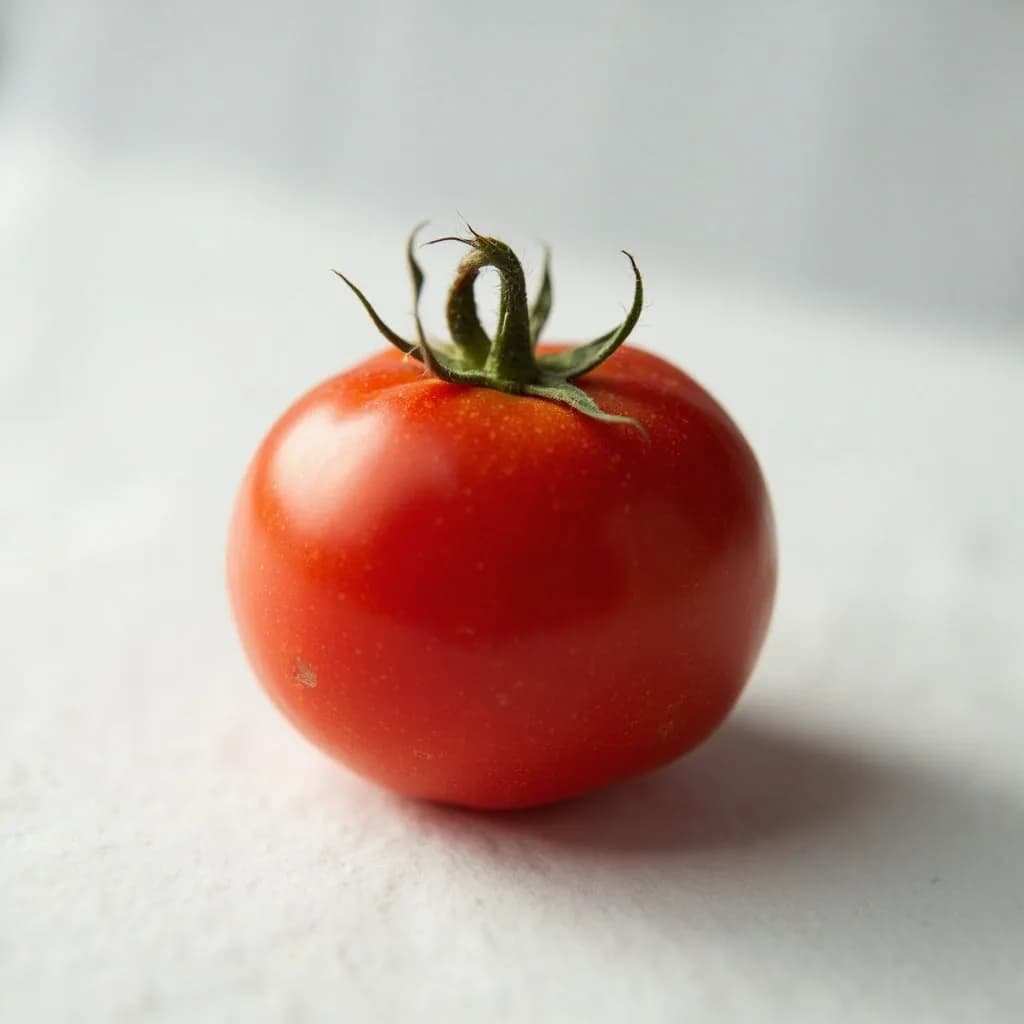
Tomato
Juicy, sun-sweet fruit for sauces, salads, and slow-cooked depth
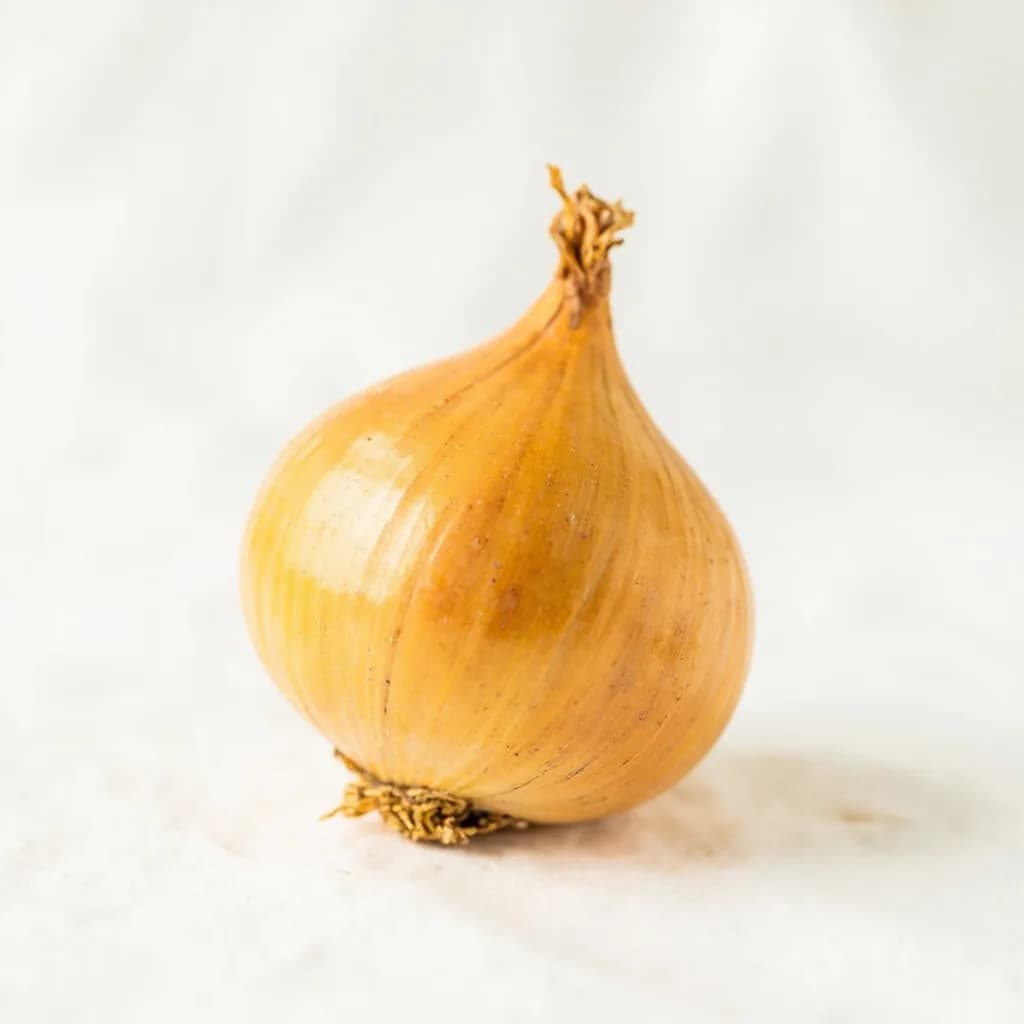
Yellow Onion
The aromatic backbone of soups, sofritos, and braises
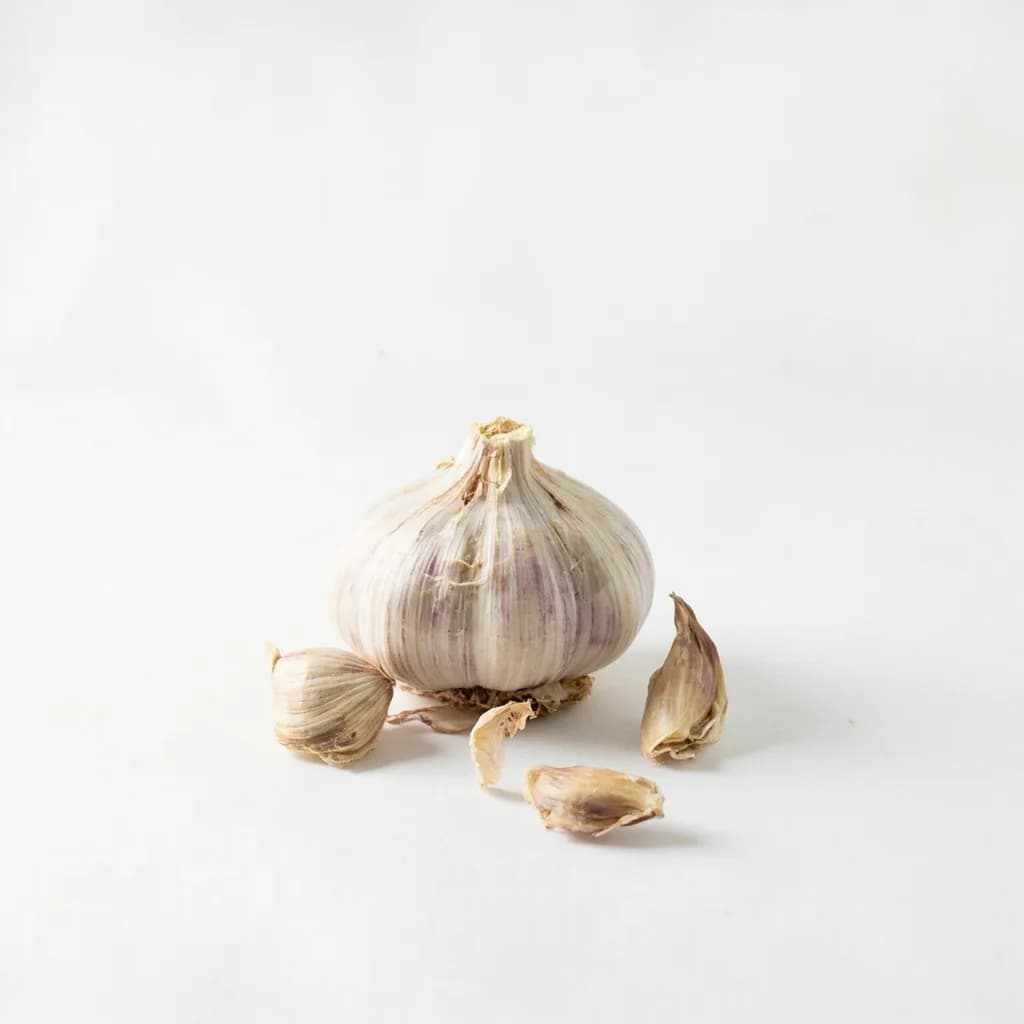
Garlic
Pungent cloves that perfume nearly every savory dish
Lemon
Bright, acidic citrus that wakes up almost any dish
Potato
Humble, hearty staple — roast, mash, fry, or boil
Carrot
Sweet, crunchy root — raw, roasted, or the base of a sofrito
Cucumber
Cool, crisp, and watery — for salads, pickles, and tzatziki

Lettuce
Crisp leaves for salads, wraps, and a fresh crunch