Proteins
Sheep Casing
Narrow natural intestine casing for stuffing breakfast sausages and merguez.
Sheep casing is the cleaned natural intestine of sheep, the thinnest natural sausage casing, used for delicate links like breakfast sausages, merguez and frankfurters. It is soaked and rinsed before being slid onto a stuffing horn and filled. The thin walls give a tender snap when the cooked sausage is bitten.
Sheep casing—prepared from the small intestine of sheep or lamb—is the gold standard for premium fresh sausages. The natural intestine is cleaned, inspected, salted, and sold in ropes or hanks. Its appeal lies in the thin, tender wall that produces the characteristic snap when bitten, a texture no synthetic casing fully replicates. At 18–22mm diameter when stuffed, sheep casings create slender links ideal for everything from delicate Cumberland breakfast sausages to spiced merguez and Italian luganega. The casing cooks quickly alongside the meat and becomes tender enough to eat, making it an integral part of the sausage experience rather than something to discard. This demands more careful handling than hog or synthetic alternatives, but the difference in mouthfeel justifies the extra attention for serious sausage makers. The primary advantage over collagen or cellulose is texture and tradition; the main drawbacks are inconsistent diameter and storage sensitivity. When sourced from a reputable supplier and handled properly, quality sheep casings deliver results that justify their cost and care.
- Measured in
- g
- Storage
- Fridge
Types & varieties
From younger animals; finer and more delicate; typically 18–20mm diameter. Ideal for the most refined breakfast links.
From adult sheep; slightly larger and more durable; typically 20–22mm diameter. Still delicate but more forgiving during stuffing.
Packed in dry salt; requires rinsing and soaking before use. Standard form for most home and professional sausage makers.
Submerged in saline solution; longer shelf life; still requires rinsing before stuffing. Convenient but must be stored cold.
Why Natural Casing Over Synthetic?
Collagen, cellulose, and fibrous casings all have their place in commercial production—consistency, cost, and machine compatibility matter enormously at scale. But for the cook making fresh sausages at home, sheep casing delivers something synthetic alternatives cannot fully match: the snap and tenderness that comes from a protein structure designed by nature. Natural casings have slight irregularities in diameter that actually help the filling adhere and cook evenly. The casing itself becomes edible, adding a pleasant resistance and then release as you bite through it. No synthetic casing handles the slight shrinkage and expansion of fresh sausage during cooking as gracefully. For any sausage where texture is the point—breakfast links, merguez, fresh Italian sausages—natural casing is the clear choice.
- Natural protein structure creates superior snap and tenderness
- Slight diameter irregularities help filling adhere and cook evenly
- Casing is edible and becomes tender during cooking
- Handles cooking shrinkage and expansion better than synthetics
- Synthetic casings offer consistency and cost advantages for commercial production
Buying and Storing Sheep Casings
Purchase from a specialty butcher supplier, restaurant supply company, or online sausage-making retailer. Quality varies enormously; reputable suppliers grade casings for uniformity and inspect for holes or weak spots. Avoid any product that smells sour or shows discoloration—good suppliers stand behind their product. When you receive casings, store them in the refrigerator immediately. Keep them in the coldest part of the refrigerator, sealed in a plastic bag with enough salt to prevent clumping. Do not freeze unless you plan to store them for more than several months; freezing can damage the delicate protein structure if not done carefully. Label with the purchase date. Before opening for use, allow the casings to come to refrigerator temperature to prevent condensation inside the package.
- Buy from reputable specialty suppliers who grade for uniformity and inspect for holes
- Inspect upon arrival—reject any with sour smell or discoloration
- Store in coldest part of refrigerator, sealed with salt
- Freeze only for long-term storage (over several months); thaw gradually in refrigerator
- Bring to room temperature before opening to prevent condensation
Common uses
Tips & pitfalls
- Always rinse casings under cold running water for several minutes to remove excess salt before soaking—skipping this causes the casings to tighten unevenly during stuffing
- Soak in lukewarm water 30–60 minutes until pliable; change the water once during soaking to flush out remaining salt and any residual debris
- Stuff firmly but stop before the casing stretches translucent—overstuffing causes tearing during cooking, and you will lose entire links
- Keep the casing moist throughout the stuffing process; dry sections grab the metal and tear, while moist casings slide smoothly
- Test one link in a skillet before committing the entire batch—this reveals casing integrity and any stuffing issues before they ruin your work
- Knot or clip ends securely before and after stuffing; sheep casings are thinner than hog and require smaller clips or more wraps when hand-tying
- Never use casings that smell sour, feel slimy beyond the expected surface, or show discoloration—quality suppliers grade for uniformity, and these are signs of spoilage
- If casings are brittle or tear easily after soaking, they have dried out in storage and should be discarded—do not attempt to rehydrate further
- Natural casings shrink during cooking; account for this when sizing your links or the finished sausages will be shorter than expected
- When threading onto the stuffing tube, keep the casing bunched and taut; a loose pile will twist and knot itself as you stuff
Nutrition
Nutrition
No USDA FoodData Central match for Sheep Casing yet. We surface a per-100 g profile once a generic whole-food entry is matched and verified.
In the shops
Matched grocery products
No matched grocery products for Sheep Casing yet.
Good to know
- Source
- Small intestine of sheep/lamb, cleaned, inspected, and salted for preservation
- Typical diameter
- 18–22mm when stuffed (smaller than hog casings at 28–36mm)
- Form
- Sold in ropes or hanks; packed in dry salt or brine
- Edibility
- Edible; creates the characteristic snap of fresh sausages
- Shelf life (refrigerated)
- Several months in salt; up to 1 year frozen
- Prep required
- Rinse thoroughly, soak 30–60 minutes to restore pliability
- Typical yield
- One hank (approximately 100 feet) stuffed with 25–35 lbs of meat
- Common origins
- Australia, New Zealand, Europe (traditional production regions)
Substitutes
- Collagen casings (edible) — Machine-friendly with consistent diameter; similar snap if properly hydrated. Best for high-volume production but acceptable for home use when natural casing is unavailable.
- Hog casings — Larger diameter (28–36mm); appropriate for thicker sausages like brats, knockwurst, and bockwurst. Not interchangeable for small breakfast links.
- Cellulose casings — Inedible; removed before or after cooking. Used for some fresh sausages and all casings (chubs). Requires removal step—unsuitable when you want edible casing.
- Fibrous casings — Inedible; designed for cooked sausages, smokehouse products, and some fresh links. Not suitable for fine fresh sausages where the casing is eaten.
Pairs with
Also called
Sheep Sausage Casing · Natural Casing
Appears in these dishes

Related
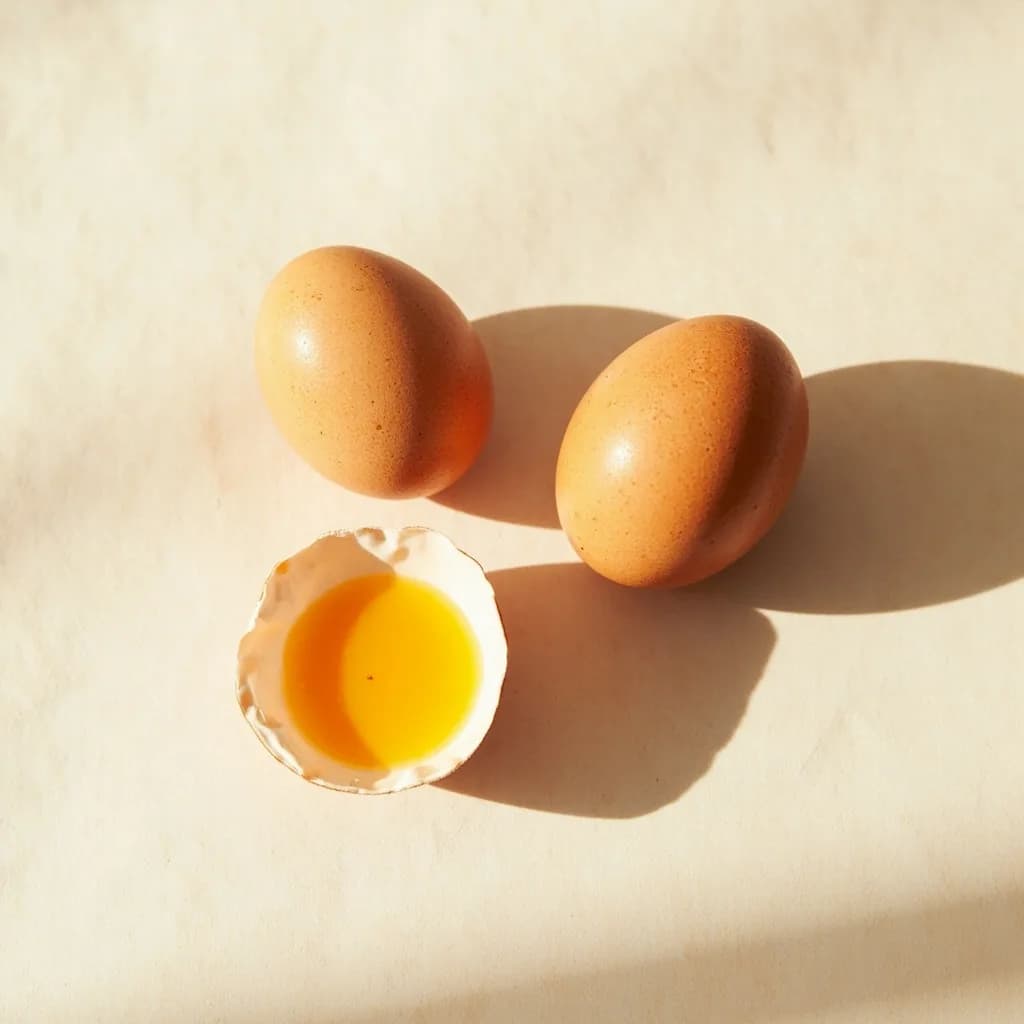
Egg
The kitchen's everything ingredient — bind, leaven, enrich, or fry
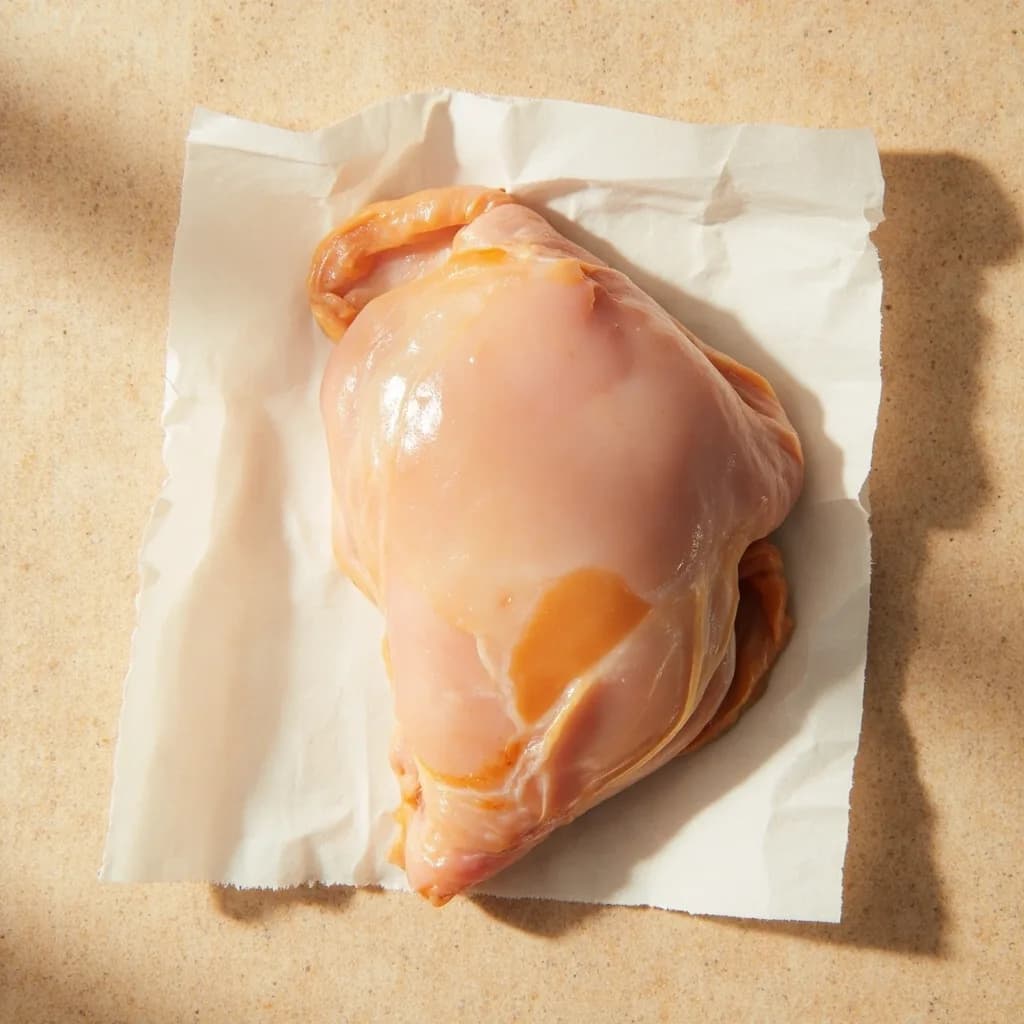
Chicken Breast
Lean, quick-cooking white meat for everyday dinners

Ground Beef
Versatile minced beef for burgers, ragù, tacos, and meatballs
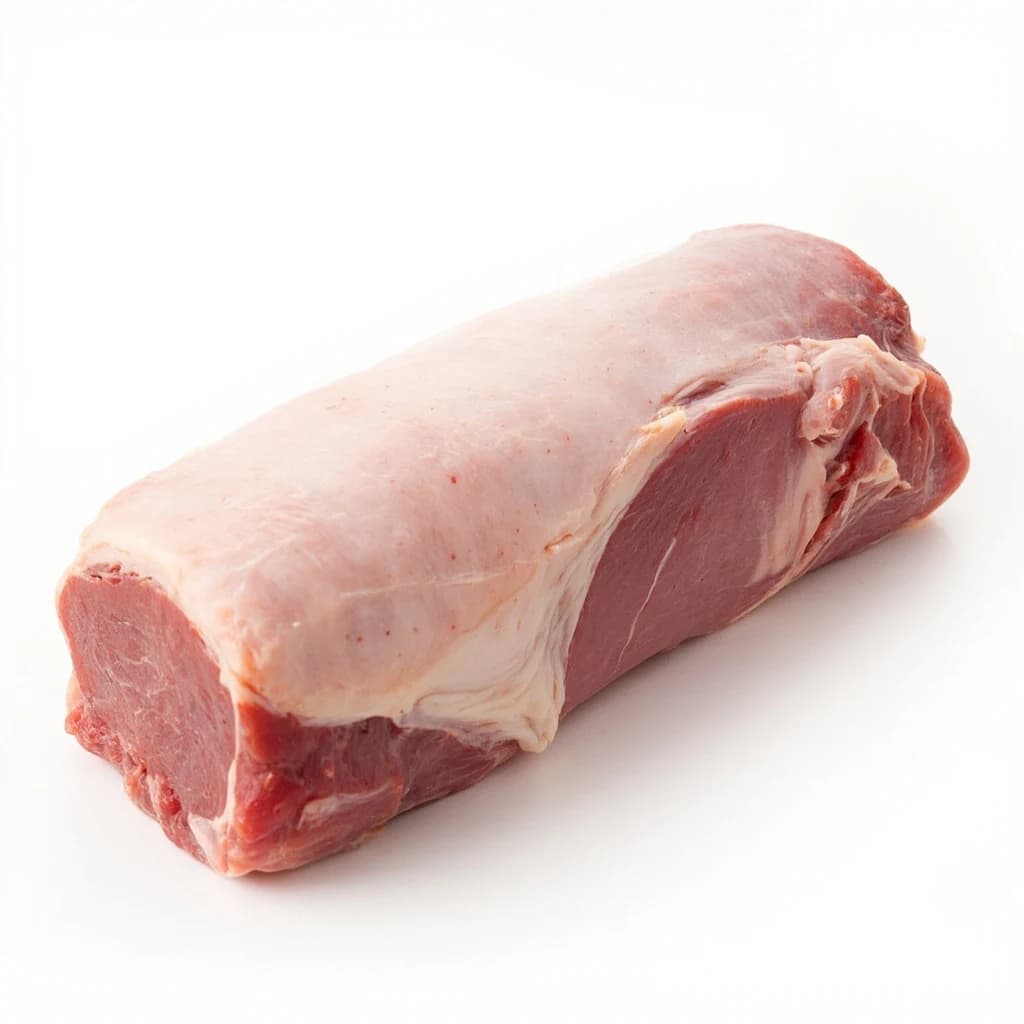
Pork Loin
Lean, tender roasting cut that stays juicy with care
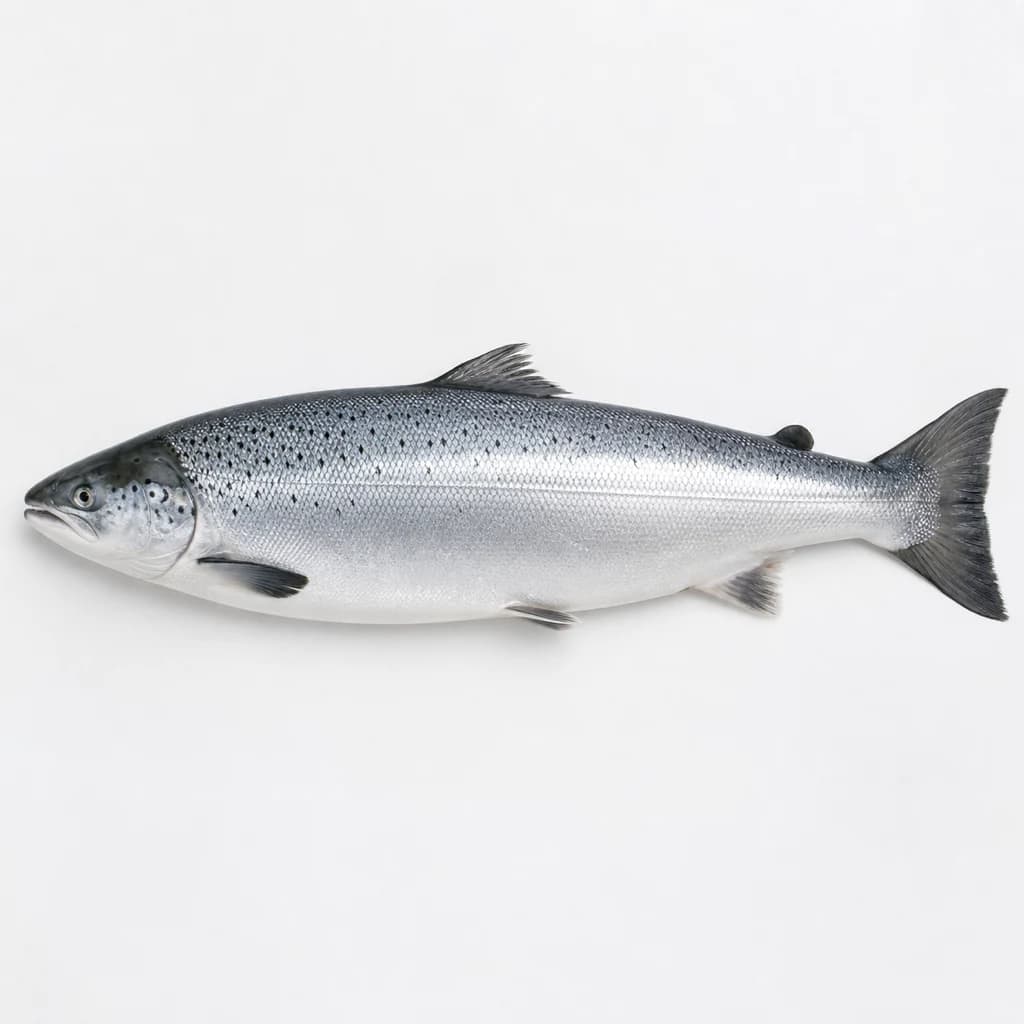
Salmon
Rich, rosy fish that roasts, grills, or cures beautifully

Egg White
Pure protein that whips to airy peaks for meringue and more
Egg Yolk
Rich, golden yolk for custards, mayonnaise, and pasta

Quail Egg
Tiny, speckled eggs for garnishing and elegant bites