Natural form
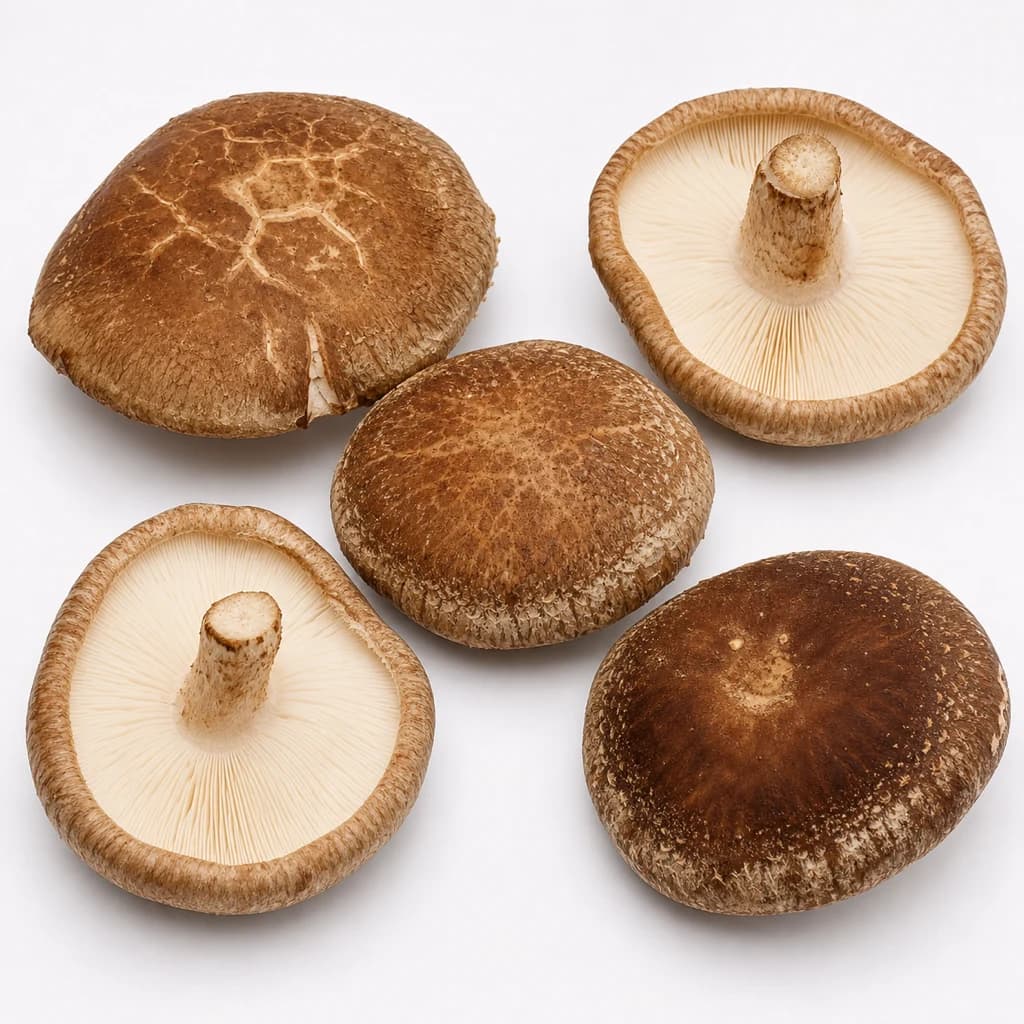
Fresh shiitake mushrooms showing their distinctive brown umbrella caps and cream-colored gills.
Shows the reader exactly what to look for when identifying fresh shiitake at market — cap color, shape, gill structure, and stem.
Produce
Shiitake Mushroom
Meaty, umami-rich mushroom used fresh or dried in East Asian soups, stir-fries, and braises.
Shiitake are brown-capped mushrooms with a firm, meaty texture and deep savory, umami flavor. They are stir-fried, simmered in soups, and braised across East Asian cooking, and the dried form is rehydrated to make an intensely flavorful stock. Drying actually concentrates their umami, making dried shiitake a pantry staple.
Shiitake mushrooms are the second most cultivated mushroom worldwide, native to East Asia where they have been grown for over 1,000 years on hardwood logs or sawdust blocks. Their deeply savory, umami-rich flavor comes from high concentrations of glutamates, guanylate, and nucleotides that occur naturally in the mushroom—these same compounds that make fermented foods taste meaty and complex. Fresh shiitakes have a meaty, slightly chewy texture that holds up well to stir-frying, braising, and grilling, while dried shiitakes develop an intensely concentrated flavor with subtle smokiness that forms the backbone of many East Asian stocks and sauces. The mushroom's gills are fully edible and develop pleasant crispness when fried, while the stems—particularly from mature mushrooms—are fibrous and woody, better suited to stocks than direct consumption.
The distinction between fresh and dried shiitakes is not merely a matter of convenience; it fundamentally changes the mushroom's role in a dish. Fresh shiitakes contribute texture and moderate flavor to quick-cooked preparations like stir-fries, tempura, and noodle soups. Dried shiitakes, conversely, are a flavoring agent first and foremost—their rehydration liquid alone can transform a plain stock into something deeply savory and complex. This is why dried shiitakes are preferred in many traditional Asian cuisines, not just for shelf stability but for the depth they bring to long-cooked dishes.
When selecting fresh shiitakes, look for firm caps with intact, unbroken edges and avoid any with slimy spots or off odors. The caps should feel heavy for their size, indicating good moisture content. For dried shiitakes, the Japanese market grades them by cap shape, color, and thickness; the highest grade (hoshi go) features thick-fleshed caps with tightly closed internal gills that have not yet opened, offering the most concentrated flavor. Shiitakes contain lentinan, a polysaccharide with studied immunomodulatory properties, and provide B vitamins and copper while remaining low in calories.
- Measured in
- g
- Storage
- Fridge
Types & varieties
Tender caps preferred for sushi, light stir-fries, and garnishes
Meatier flesh; ideal for stuffing, roasting, and grilling
Common culinary grade; good flavor and rehydration properties
More concentrated flavor, often thin-cut; traditional for Japanese and Chinese stocks
Lightly smoked during drying; used in Chinese and Taiwanese cuisines for deeper flavor
Cultivated on oak or magnolia logs; seasonal availability with earthier flavor
Common uses
Tips & pitfalls
- Never wash fresh shiitakes—wipe clean with a damp cloth; they absorb water like sponges and will steam instead of sear
- Score an X in the top of fresh caps before roasting or broiling to allow fat and seasoning to penetrate and prevent curling
- For caramelization, cook fresh shiitakes over high heat without stirring until edges brown and curl (3–4 minutes), then toss
- Always save rehydration liquid from dried shiitakes—strain it through a fine mesh sieve and add to stocks, sauces, or braising liquid; it carries concentrated umami
- Remove stems for most preparations; they are fibrous and woody even when young but are excellent added to vegetable or chicken stocks
- For maximum umami, combine dried shiitakes with fresh ones in the same dish—the fresh contribute texture while the dried contribute depth
- When using dried shiitakes, start with warm (not hot) water for soaking—15–30 minutes until pliable; hot water extracts flavor too quickly and can make them mushy
- Fresh shiitakes should be cooked until fully softened throughout; they are not meant to have any bite like some other mushrooms
- Do not overcrowd the pan when searing—this causes steaming rather than browning and the distinctive meaty crust will not develop
- Store dried shiitakes away from strong-smelling foods as they can absorb odors
Nutrition
Energy
142 kJ · per 100 g
Where the calories come from
Protein
2.2g
4% DV
Carbs
6.8g
2% DV
Fat
0.5g
1% DV
Fiber
2.5g
9% DV
Sugars
2.4g
of which
Sodium
9mg
0% DV
Source · USDA FoodData Central · Mushrooms, shiitake, raw
View on FDC →In the shops
Matched grocery products
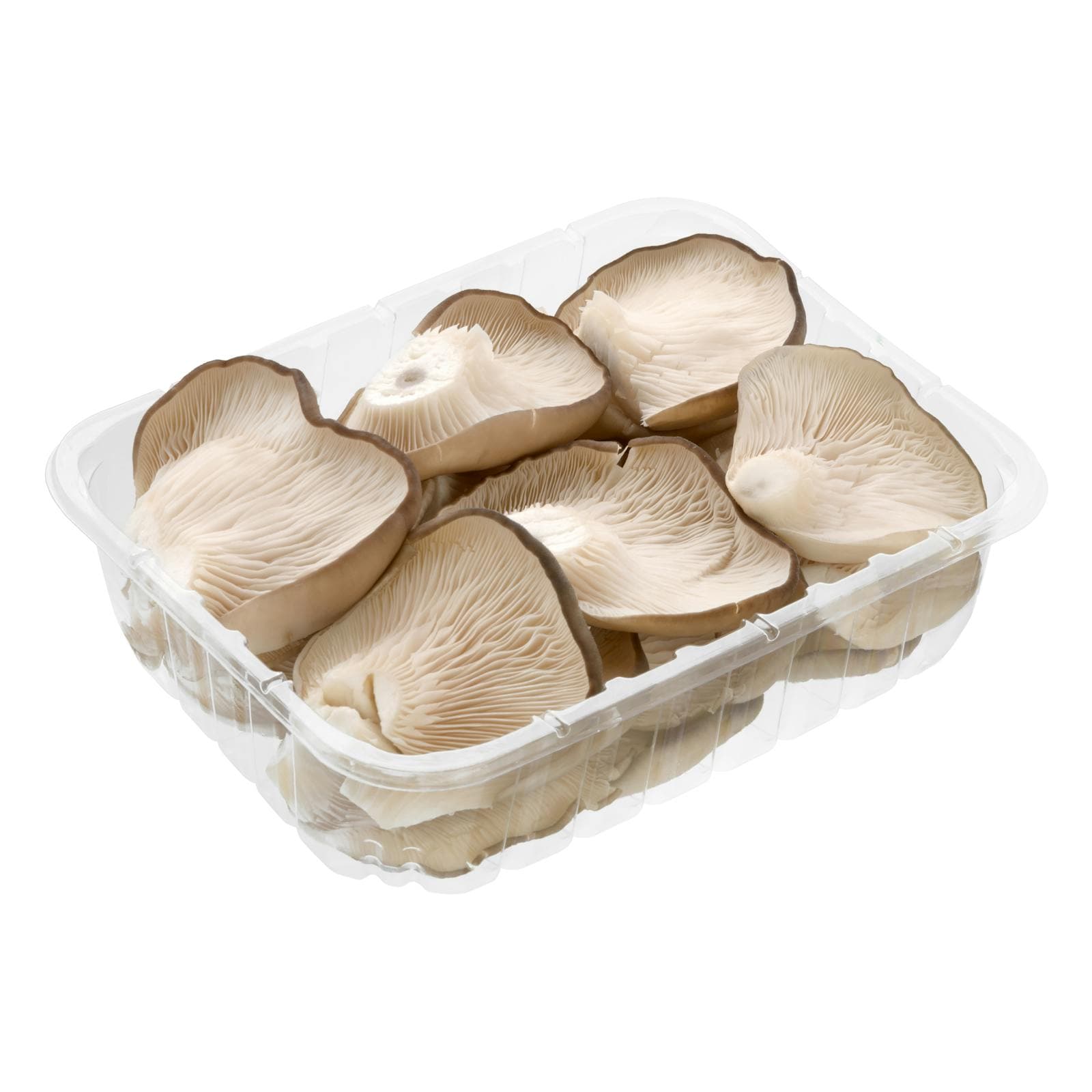 €2.05
€2.05Mushrooms
250 g · Mercadona
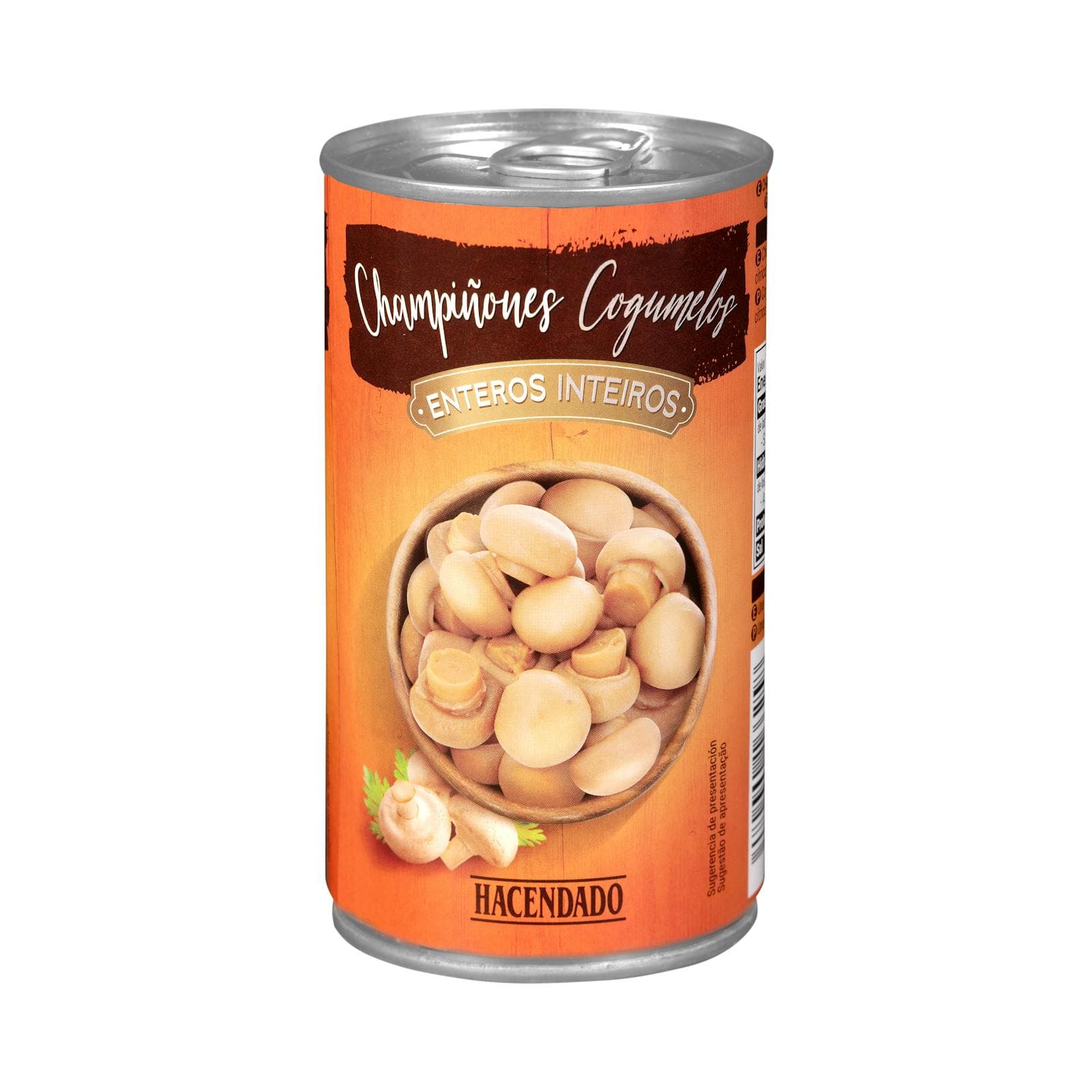 €1.45
€1.45Whole Mushroom
Hacendado · 355 g · Mercadona
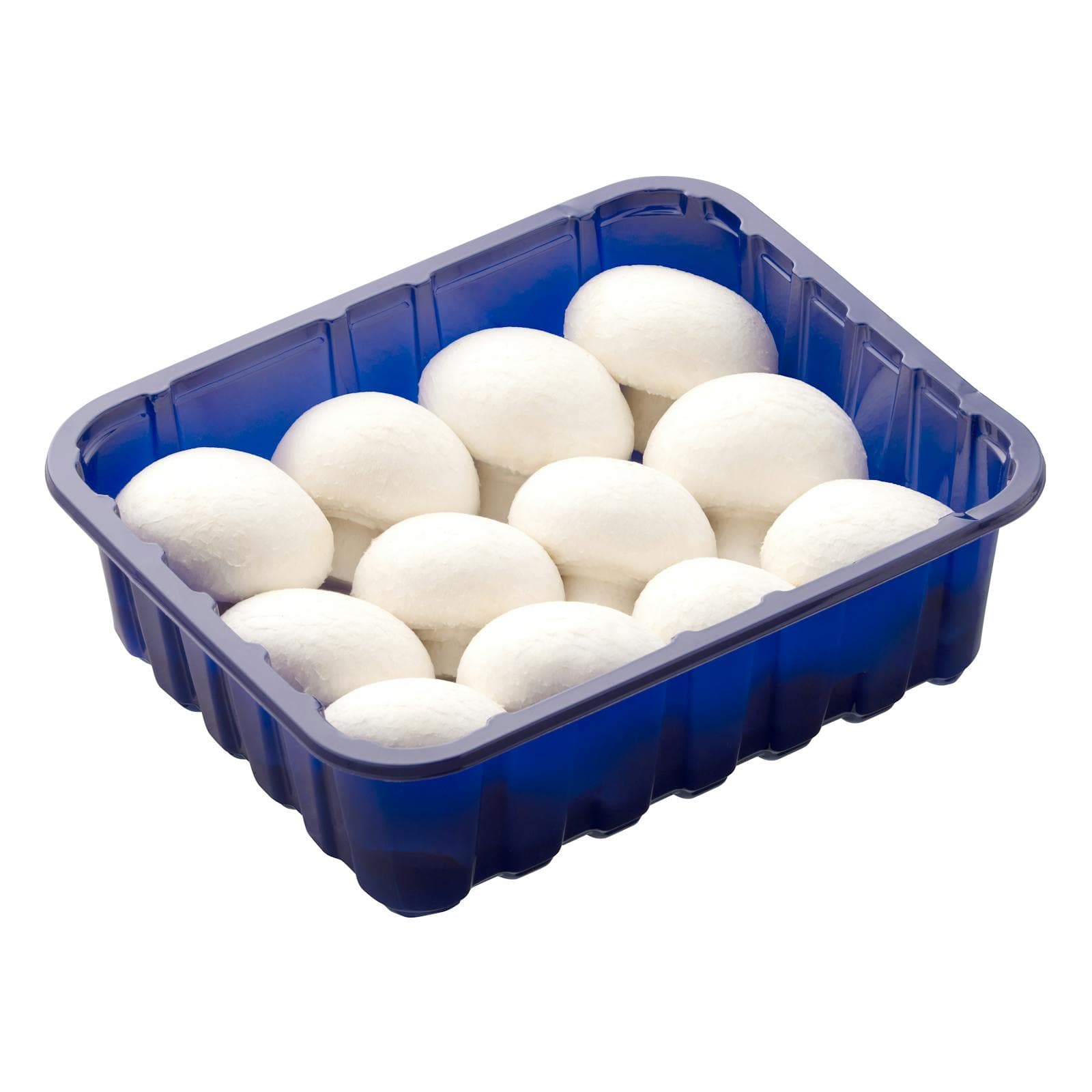 €1.50
€1.50White Mushrooms
300 g · Mercadona
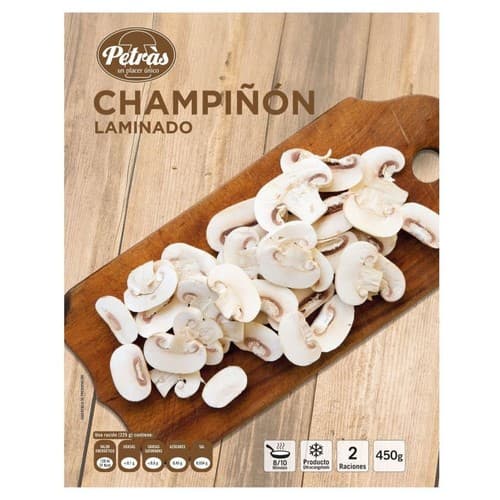 €1.99
€1.99Sliced Mushrooms
PETRAS · kg · Bonpreu
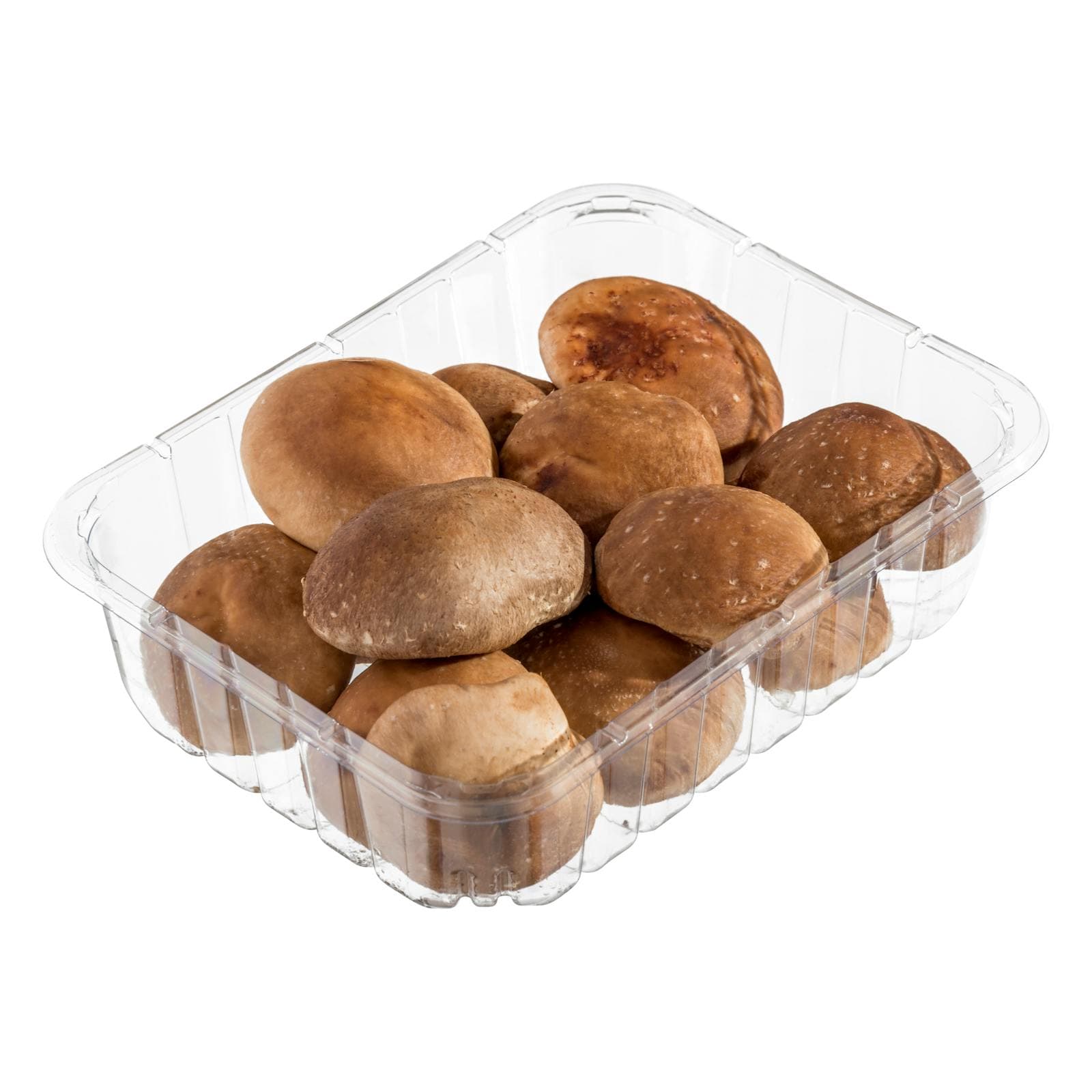 €3.96
€3.96Shiitake Mushrooms
300 g · Mercadona
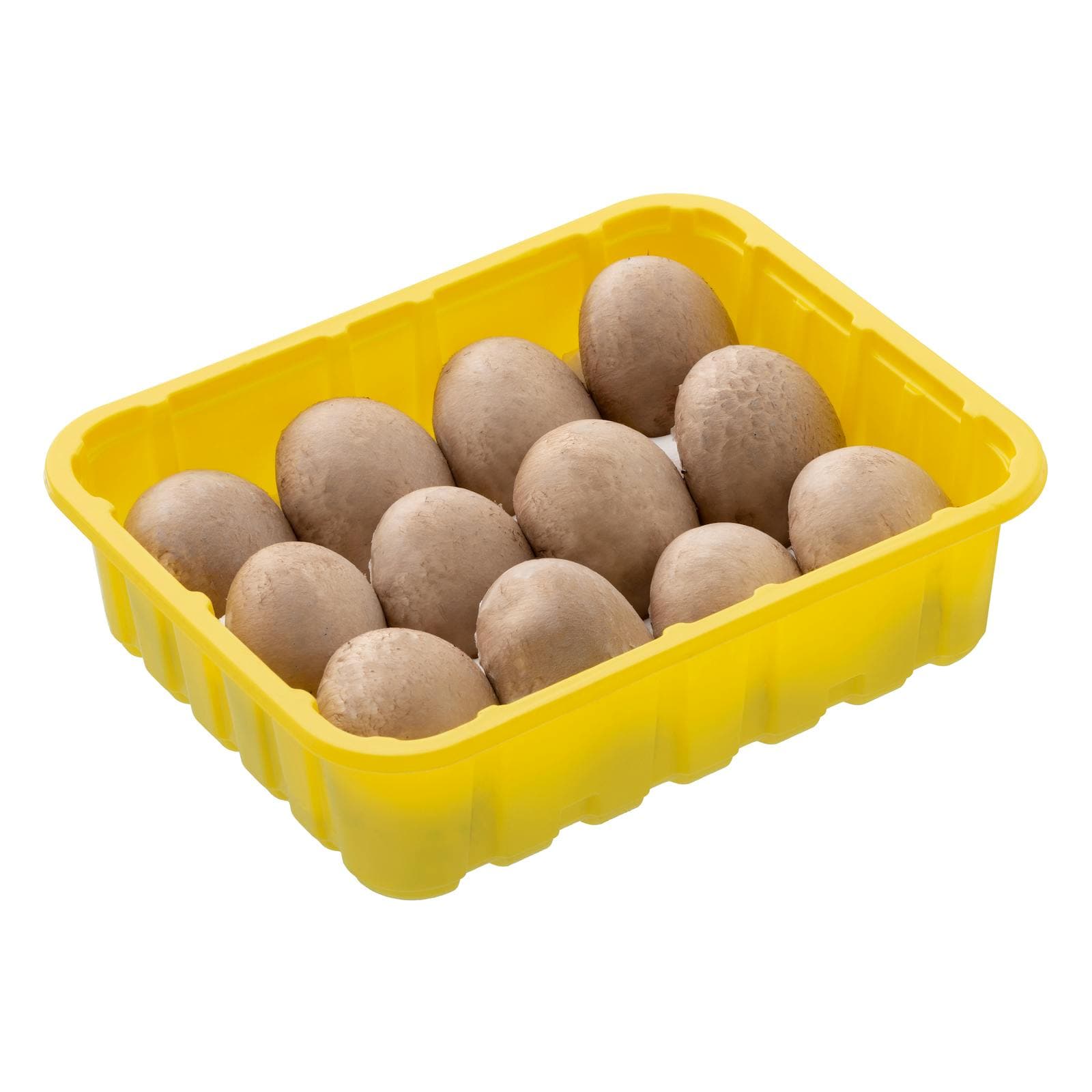 €2.16
€2.16Portobello Mushrooms
300 g · Mercadona
Good to know
- Scientific name
- Lentinula edodes
- Origin
- East Asia (native to Japan, China, and Korea)
- Cultivation
- Second most cultivated mushroom worldwide after button mushrooms; grown on hardwood logs or sawdust blocks
- Flavor profile
- Deep savory, umami-rich, meaty; dried version is more concentrated with subtle smokiness
- Key compounds
- High in glutamates, guanylate, and nucleotides that enhance savory flavor
- Fresh storage
- Refrigerated in paper bag, 1–2 weeks
- Dried storage
- Airtight container in cool, dark place; up to 1 year
- Rehydration ratio
- 1 oz dried absorbs ~1 cup water, yields about 1 cup rehydrated
- Edible parts
- Caps and thin-fleshed young stems are fully edible; mature stems are woody and typically removed for most preparations but can be used for stocks
Substitutes
- Cremini mushrooms — Similar texture but milder flavor; add a teaspoon of soy sauce or a pinch of dried mushroom powder to approximate umami
- King trumpet mushrooms — Meaty texture and mild savory flavor; cut into halves or quarters to approximate shiitake cap size
- Dried porcini mushrooms — Best substitute for dried shiitake; more expensive but intense umami; rehydrate and use liquid similarly
- Fresh portobello mushrooms — Large caps can be substituted in stuffing or grilling applications; remove gills for smoother texture
- Dried black fungus (cloud ear/wood ear) — Completely different texture but provides umami; best for soups and braises rather than as a visual substitute
Pairs with
Also called
香菇 · Dried Shiitake · Chinese Black Mushroom
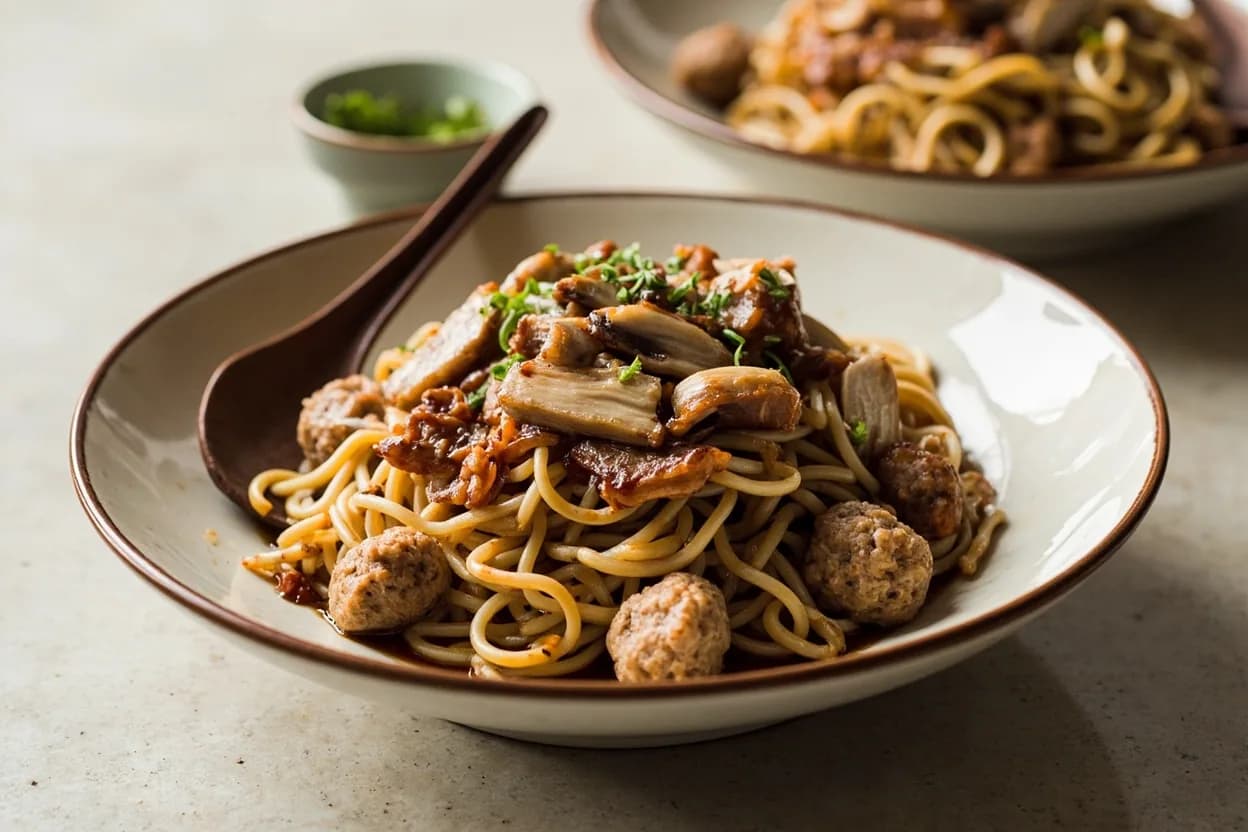
Appears in these dishes
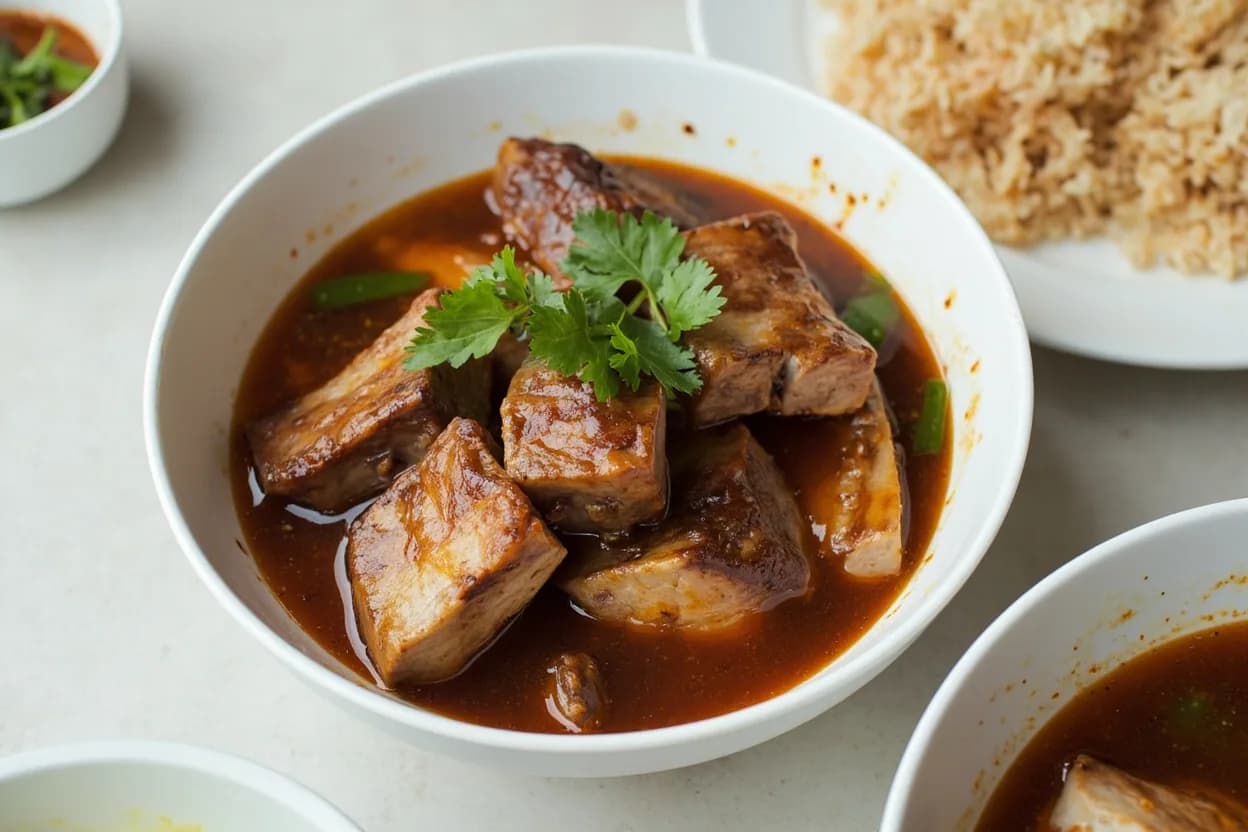
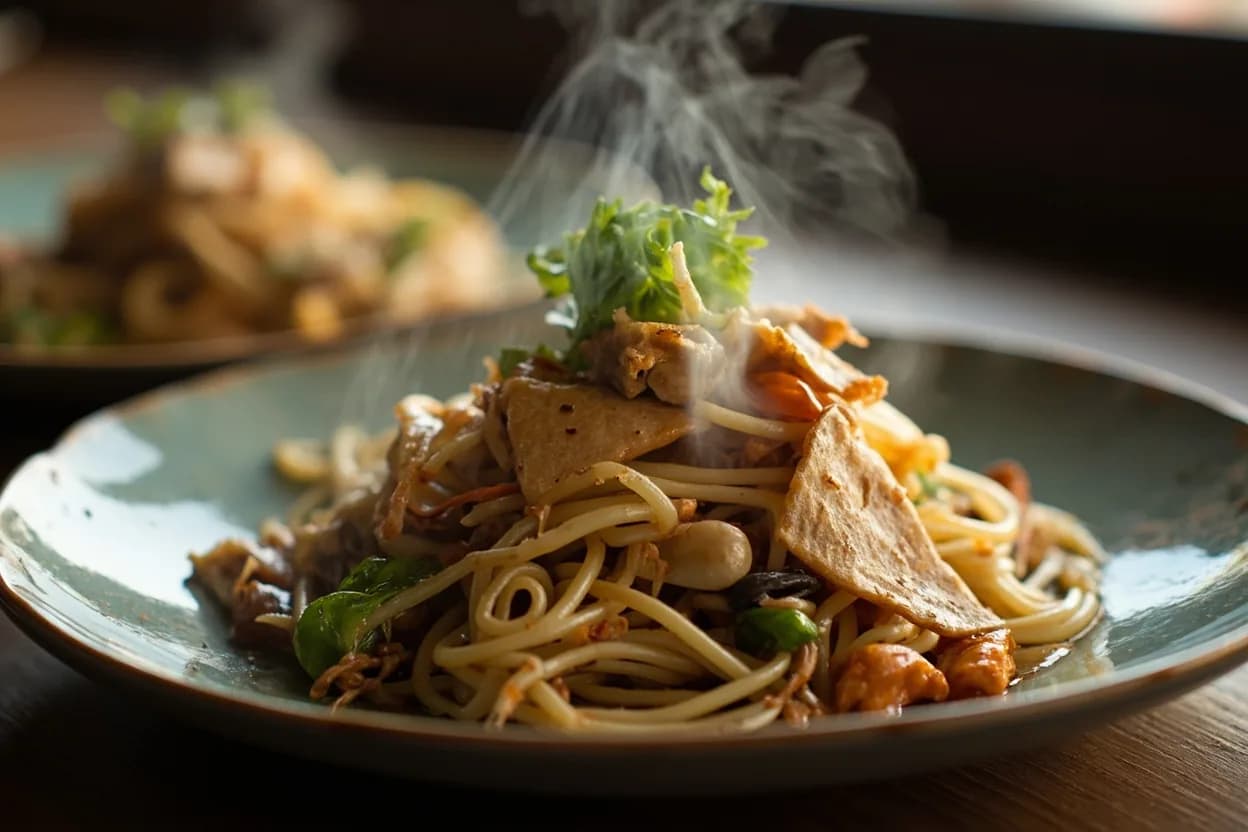
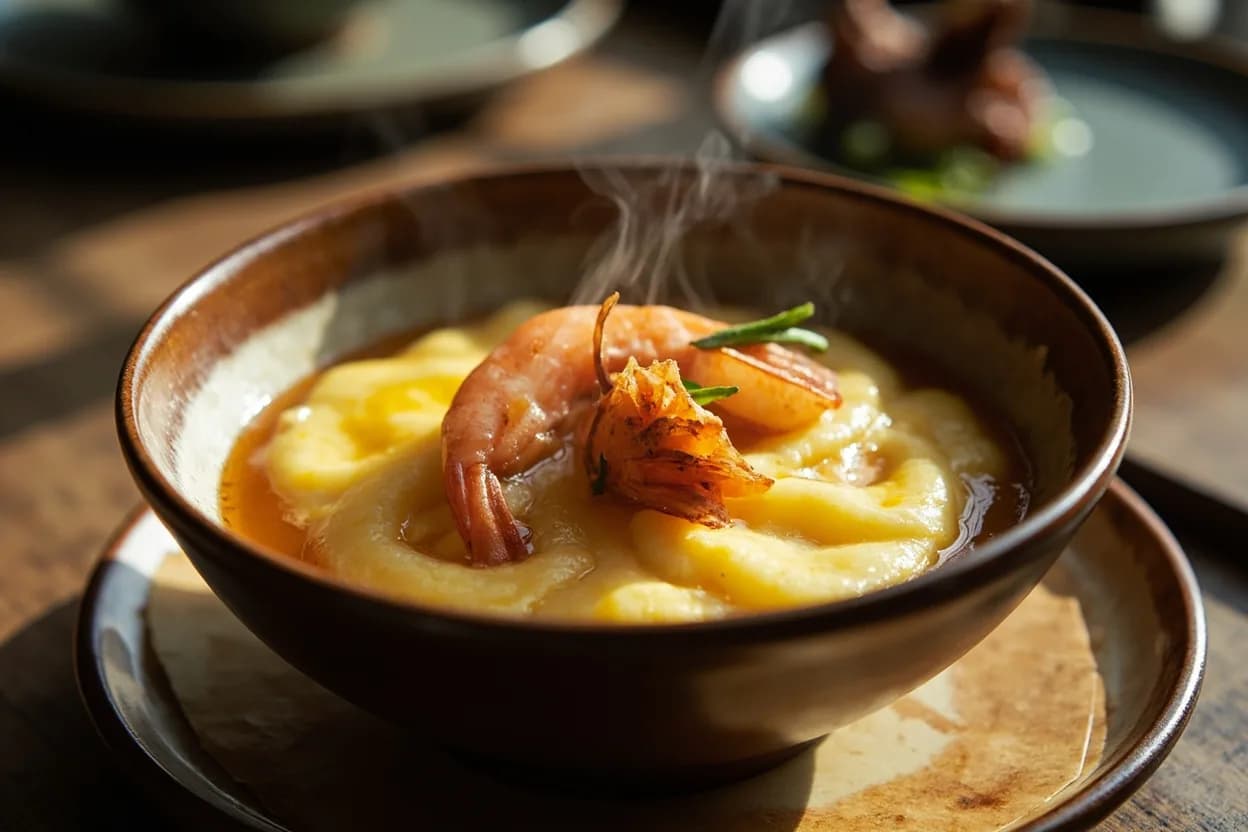
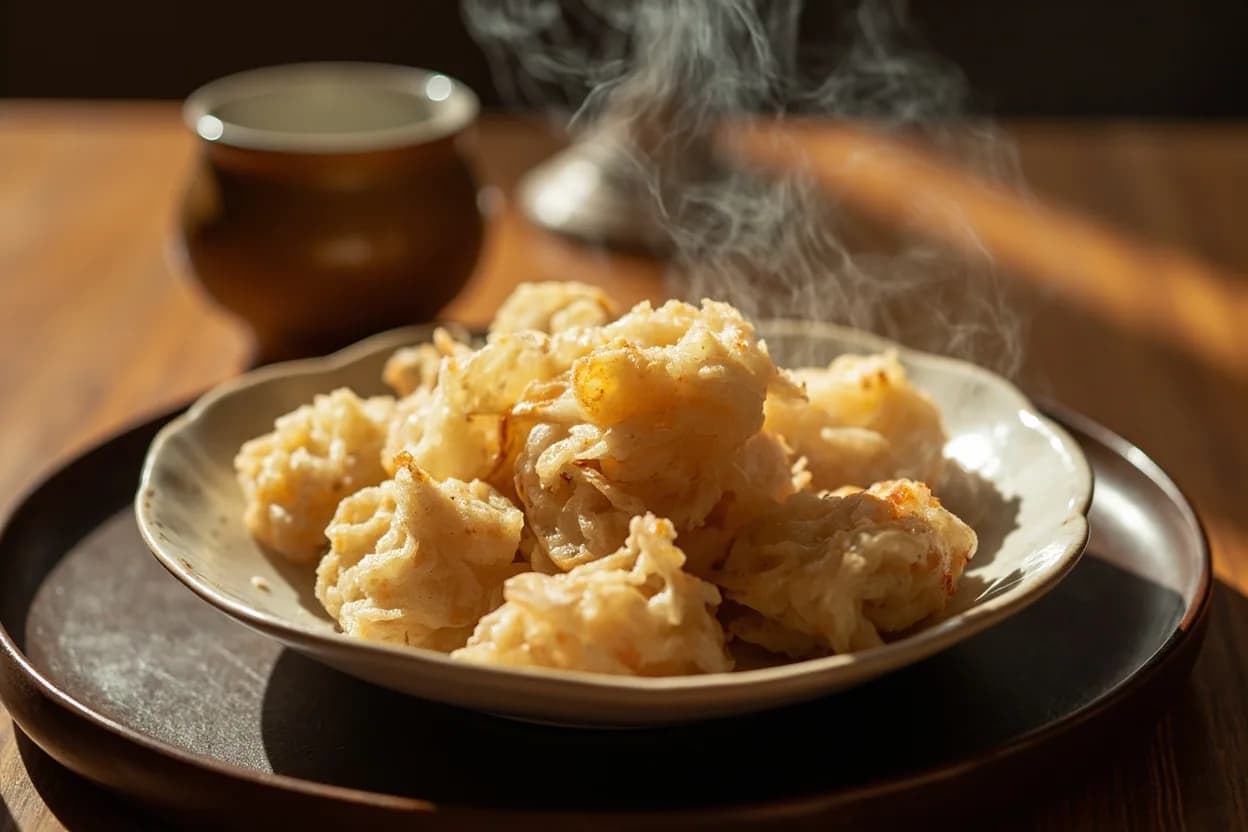
Related
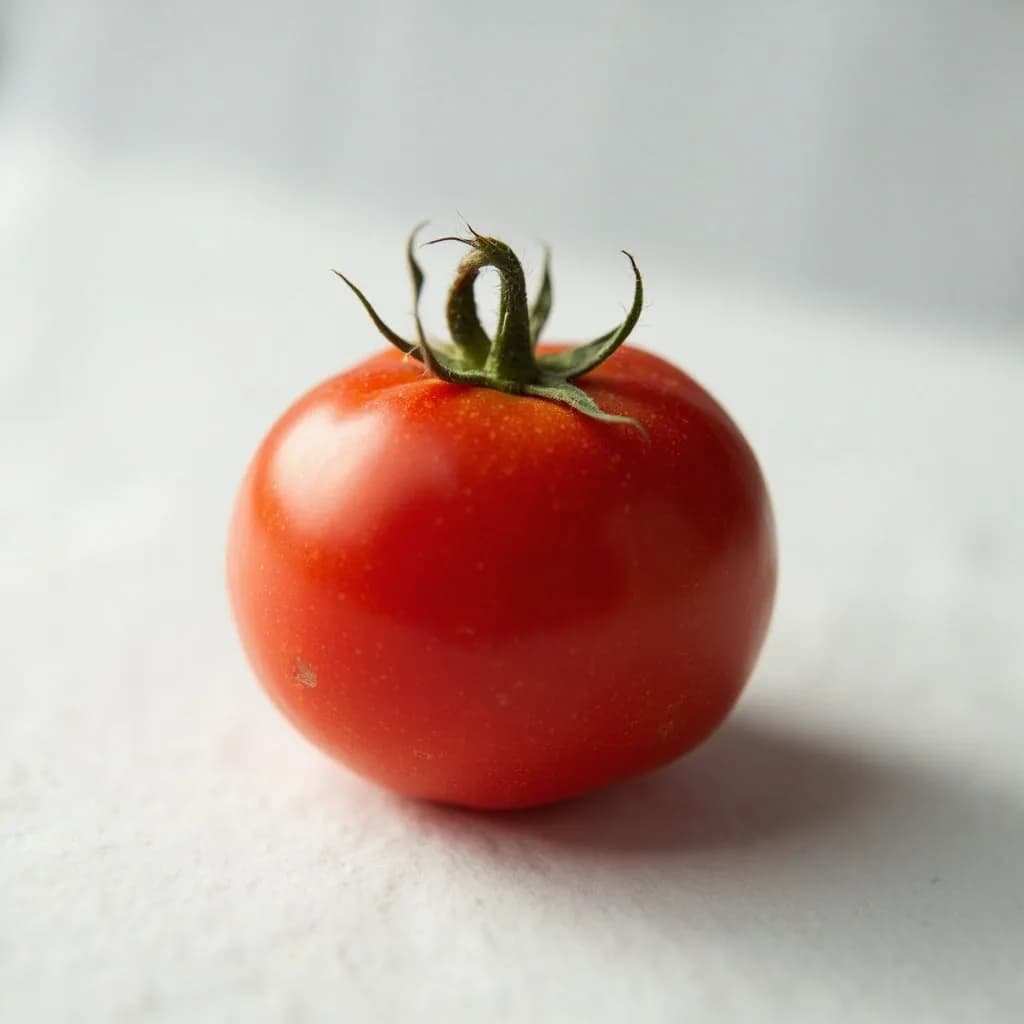
Tomato
Juicy, sun-sweet fruit for sauces, salads, and slow-cooked depth
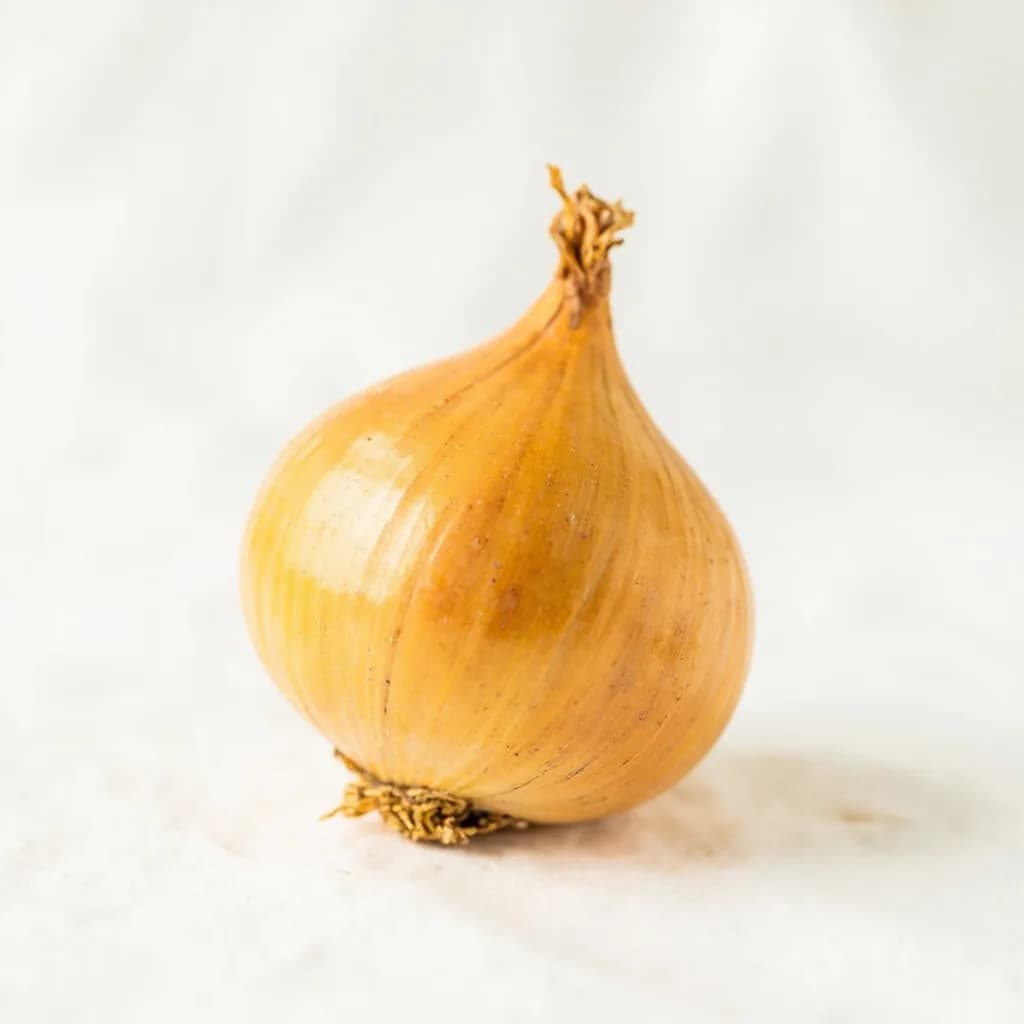
Yellow Onion
The aromatic backbone of soups, sofritos, and braises
Garlic
Pungent cloves that perfume nearly every savory dish
Lemon
Bright, acidic citrus that wakes up almost any dish
Potato
Humble, hearty staple — roast, mash, fry, or boil
Carrot
Sweet, crunchy root — raw, roasted, or the base of a sofrito
Cucumber
Cool, crisp, and watery — for salads, pickles, and tzatziki

Lettuce
Crisp leaves for salads, wraps, and a fresh crunch