
Stored
Fermented shredded turnip packed in brine inside a ceramic crock, ready to use.
Shows the characteristic fermented form — pale golden strands submerged in cloudy brine — that distinguishes kisla repa from raw turnip and from sauerkraut.
Produce
Soured Turnip (Kisla Repa)
Lacto-fermented shredded turnip, tangy like sauerkraut, stewed with beans and meat in the Balkans.
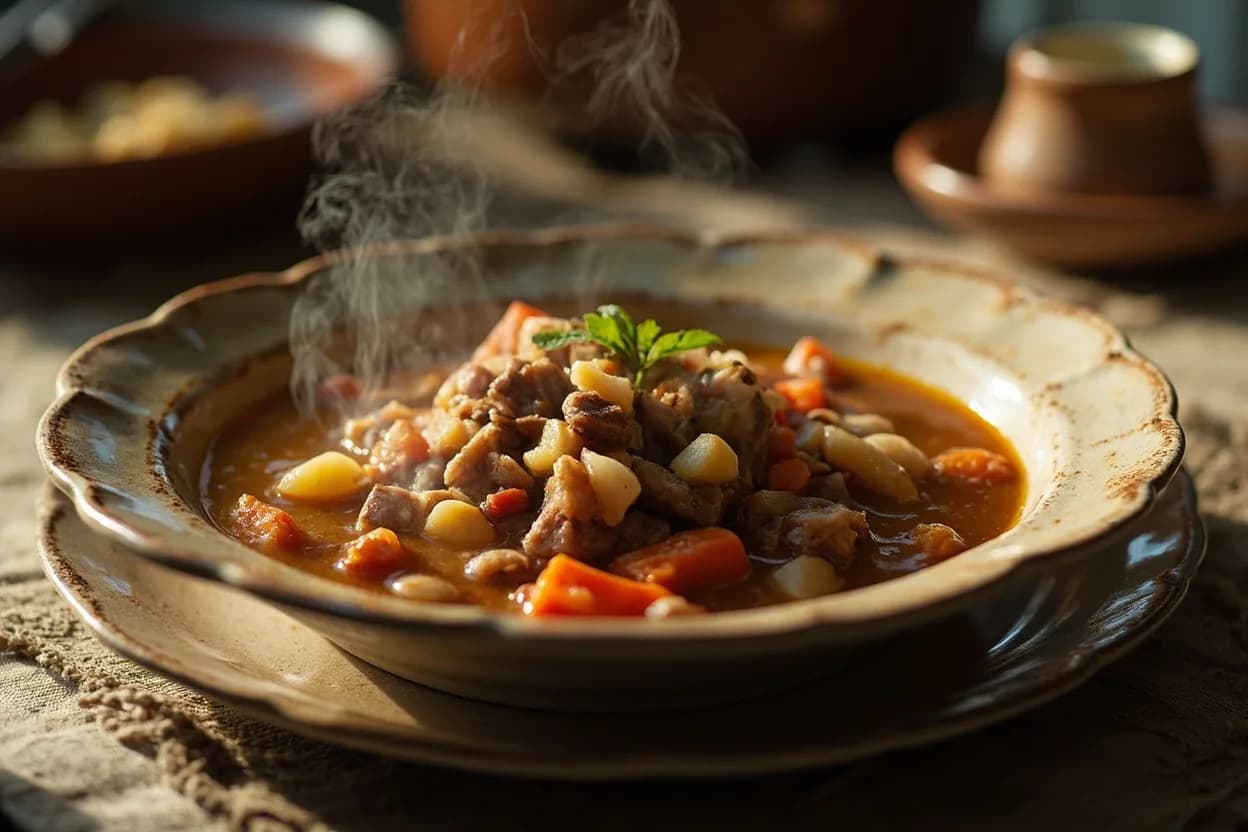
Soured turnip is turnip shredded and lacto-fermented in brine until tangy and slightly fizzy, much like sauerkraut. A traditional winter food in Slovenia and the wider Balkans, it is rinsed and slow-cooked with beans, smoked meat, or potatoes into hearty stews. The fermentation preserves the turnip and gives it a sour, savory depth and probiotic tang.
Kisla Repa is a lacto-fermented preparation of shredded white turnip that occupies a distinguished place in Balkan preservation traditions. Unlike quick pickles made with vinegar, this product develops its sourness through the slow work of lactic acid bacteria over one to two weeks, creating a flavor that is bright, tangy, and assertively funky without the harshness of acetic acid. The texture differs noticeably from sauerkraut: turnip shreds are more open-grained and crunchier, with a bite closer to radish than to cabbage. Traditionally made in small ceramic crocks during the winter months when turnips are harvested after light frost (which concentrates their sugars), Kisla Repa is a staple of Serbian household cooking that has remained largely regional, appearing in specialty markets and Eastern European grocery stores but rarely in mainstream Western pantries.
The fermentation process is straightforward but demands attention to one principle: keep the vegetables submerged. Turnip shreds float aggressively when weighted, and oxygen exposure leads quickly to softening and off-flavors. The result, when properly made, is a versatile souring agent that behaves differently in the kitchen than its vinegar-pickled cousin — it carries a living acidity that brightens dishes without overwhelming them, and its complexity deepens rather than flatlines when cooked. In Serbian cuisine it most often appears in a long-simmered bean and meat stew, but its uses extend well beyond that single application.
- Measured in
- g
- Storage
- Fridge
Types & varieties
Most common; yields pale, crispy, sharply sour result
Slightly sweeter base; golden color; less common regionally
Shredded is most common; larger dice creates crunchier texture and demands longer ferment time
Fermentation Versus Quick Pickling
Kisla Repa is fundamentally different from turnip pickled in vinegar. Quick refrigerator pickles rely on acetic acid for sourness and reach their flavor peak within days, then plateau. Lacto-fermented turnip continues developing complexity over weeks, and the acids produced (primarily lactic acid, with trace amounts of others) create a rounder, more layered sourness that behaves differently when heated. The living cultures in the finished product also make it more digestible than vinegar-pickled vegetables. If a recipe calls for Kisla Repa and you substitute vinegar-pickled turnip, adjust the quantity downward and add it later in cooking to preserve what acidity it has.
- Lacto-fermented: 5–14 days, complex acids, living cultures, improves with time
- Vinegar-pickled: ready in days, acetic acid only, flavor plateaus quickly
Winter Fermentation Season
Traditional preparation runs November through February in the Balkans. Light frost sweetens turnips considerably — starches convert to sugars — which gives a better substrate for fermentation and a more palatable finished product. While you can ferment turnips year-round, those harvested after cold nights will yield a noticeably sweeter, more nuanced result. Store unfermented turnips in a cool, dark place for up to several months before use.
- Frosted turnips: higher sugar content, better fermentation substrate
- Off-season turnips: still workable but leaner in flavor
- Storage: cool dark place, several months for whole roots
Common uses
Tips & pitfalls
- Always use a non-reactive weight to keep turnip fully submerged; oxygen exposure causes softening and off-flavors within days
- Taste daily after day 5 — fermentation progresses quickly at warm room temperature and can swing from pleasantly sour to aggressively acidic
- Do not rinse after fermentation if using as a condiment; rinsing removes the developed complexity along with the brine
- Add a cabbage leaf under the weight to catch floating shreds and maintain clarity of the brine above
- Some traditional recipes add a small amount of sauerkraut brine or a single bay leaf to jumpstart consistent fermentation and discourage unwanted organisms
- If mold appears on the surface, skim it off promptly; the ferment below is usually fine if it smells only sour, not rotten or slimy
- A fermentation lock or loose-fitting lid (not sealed) allows gas to escape without letting oxygen in during active fermentation
- Press firmly when packing — turnip shreds compress significantly and need aggressive weighting to stay submerged
Nutrition
Energy
117 kJ · per 100 g
Where the calories come from
Protein
0.9g
2% DV
Carbs
6.4g
2% DV
Fat
0.1g
0% DV
Fiber
1.8g
6% DV
Sugars
3.8g
of which
Sodium
67mg
3% DV
Source · USDA FoodData Central · Turnips, raw
View on FDC →In the shops
Matched grocery products
 €1.49
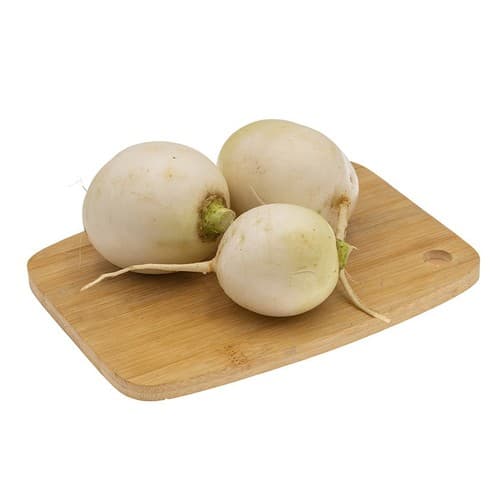
€1.49Turnips 400 g Bag
LA COLLITA · kg · Bonpreu
Good to know
- Common Names
- Kisla Repa (Serbian/Croatian), кисла репа (Bulgarian), kiszta répa
- Origin
- Balkans, particularly associated with Serbian cuisine
- Category
- Lacto-fermented vegetable
- Primary Vegetable
- White turnip (Brassica rapa subsp. rapa), sometimes yellow turnip
- Fermentation Type
- Lactic acid fermentation (homofermentative)
- Salting Ratio
- Approximately 2–3% salt by weight of shredded turnip
- Fermentation Time
- 5–14 days at room temperature (18–22°C / 65–72°F)
- Shelf Life (Refrigerated)
- 6–12 months
Substitutes
- Sauerkraut — Closest flavor match; different vegetable but same fermentation method — use in equal measure
- Torshiyeh Torsh (Iranian) — Tart fermented vegetables in oil and lemon; similar sourness, different profile — adjust seasoning when substituting
- Curtido (El Salvador) — Fermented cabbage and carrot; less turnip character but serves the same role as a tangy condiment
Pairs with
Also called
Kisla Repa · Sour Turnip · Fermented Turnip
Appears in these dishes
Related
Tomato
Juicy, sun-sweet fruit for sauces, salads, and slow-cooked depth
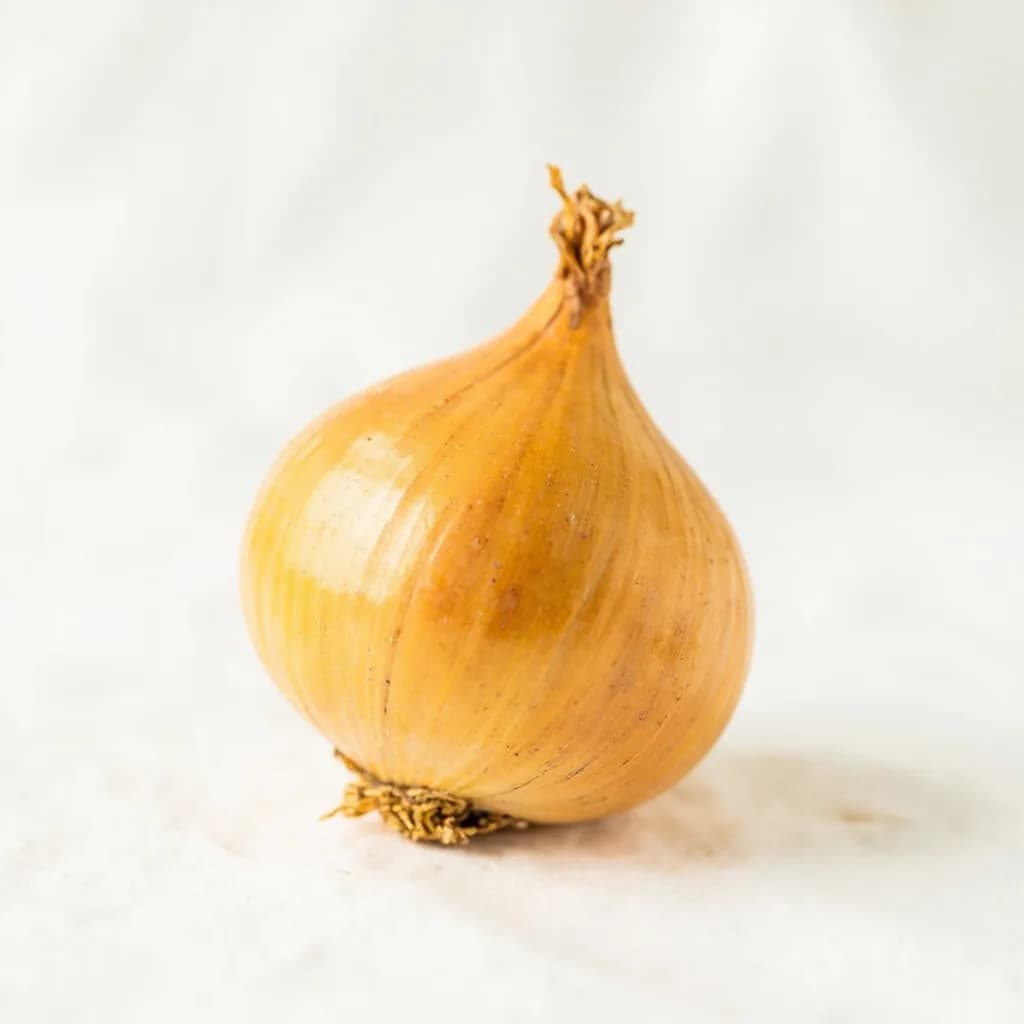
Yellow Onion
The aromatic backbone of soups, sofritos, and braises
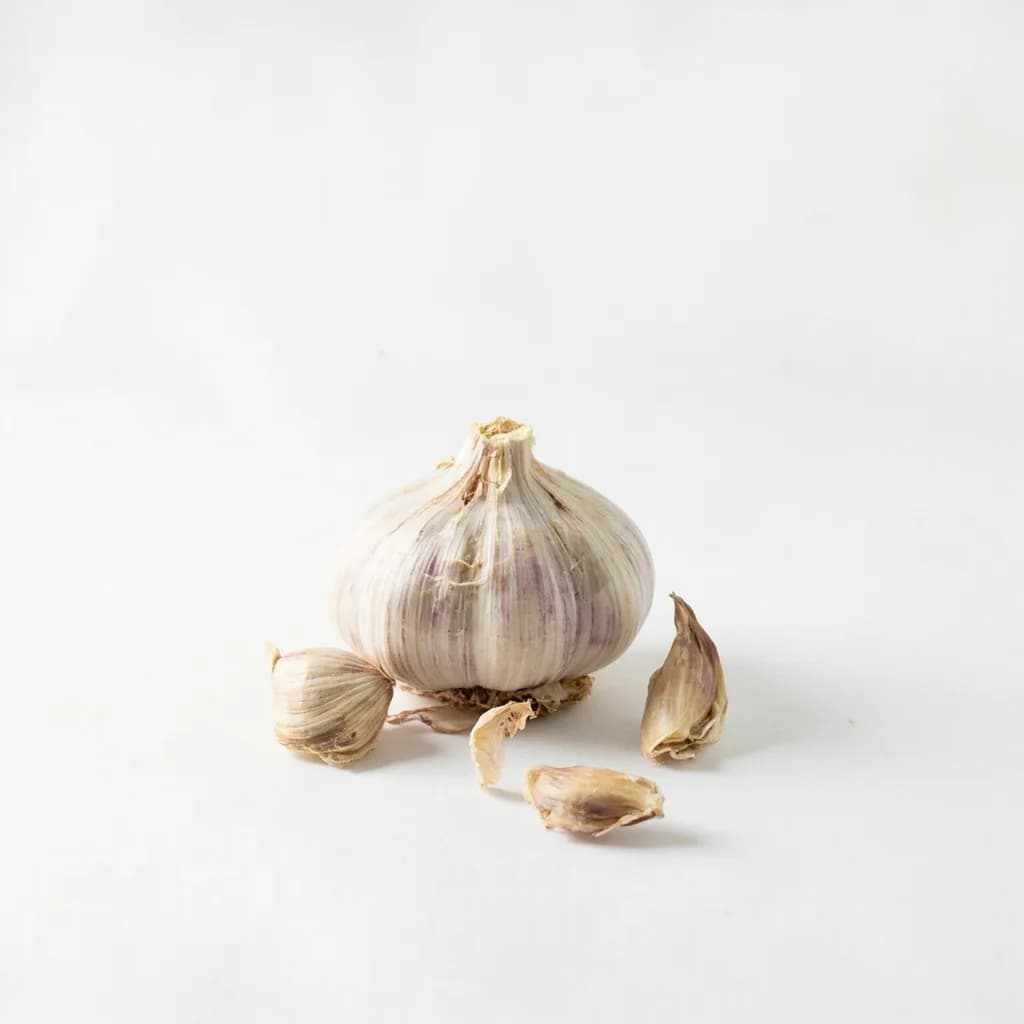
Garlic
Pungent cloves that perfume nearly every savory dish
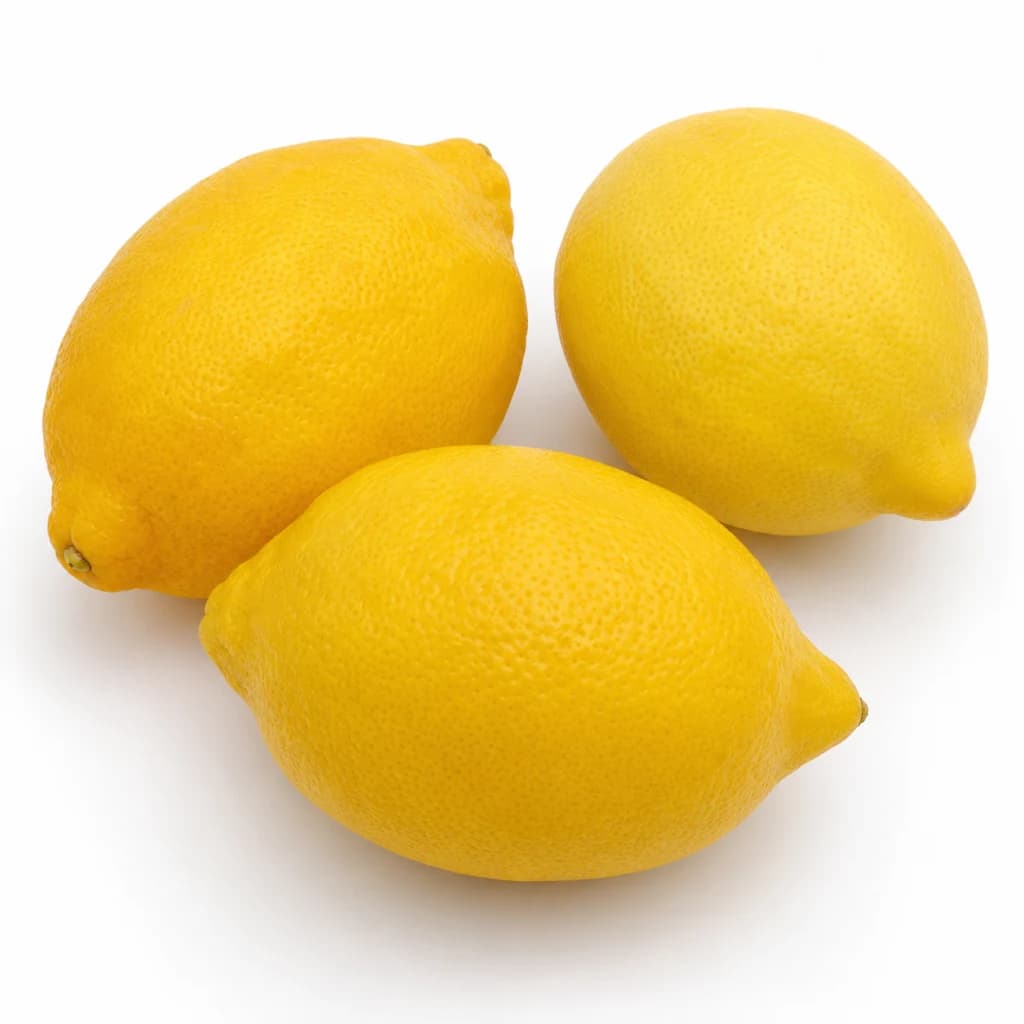
Lemon
Bright, acidic citrus that wakes up almost any dish
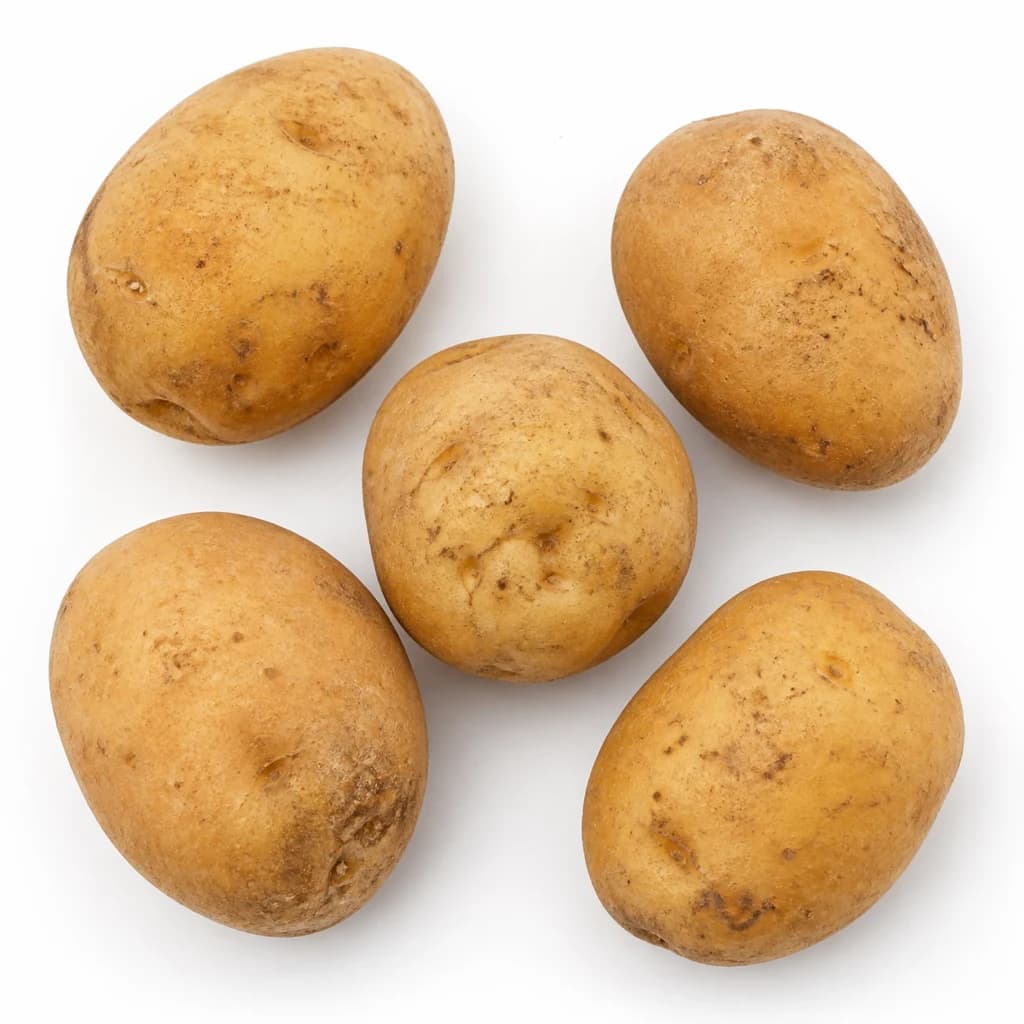
Potato
Humble, hearty staple — roast, mash, fry, or boil
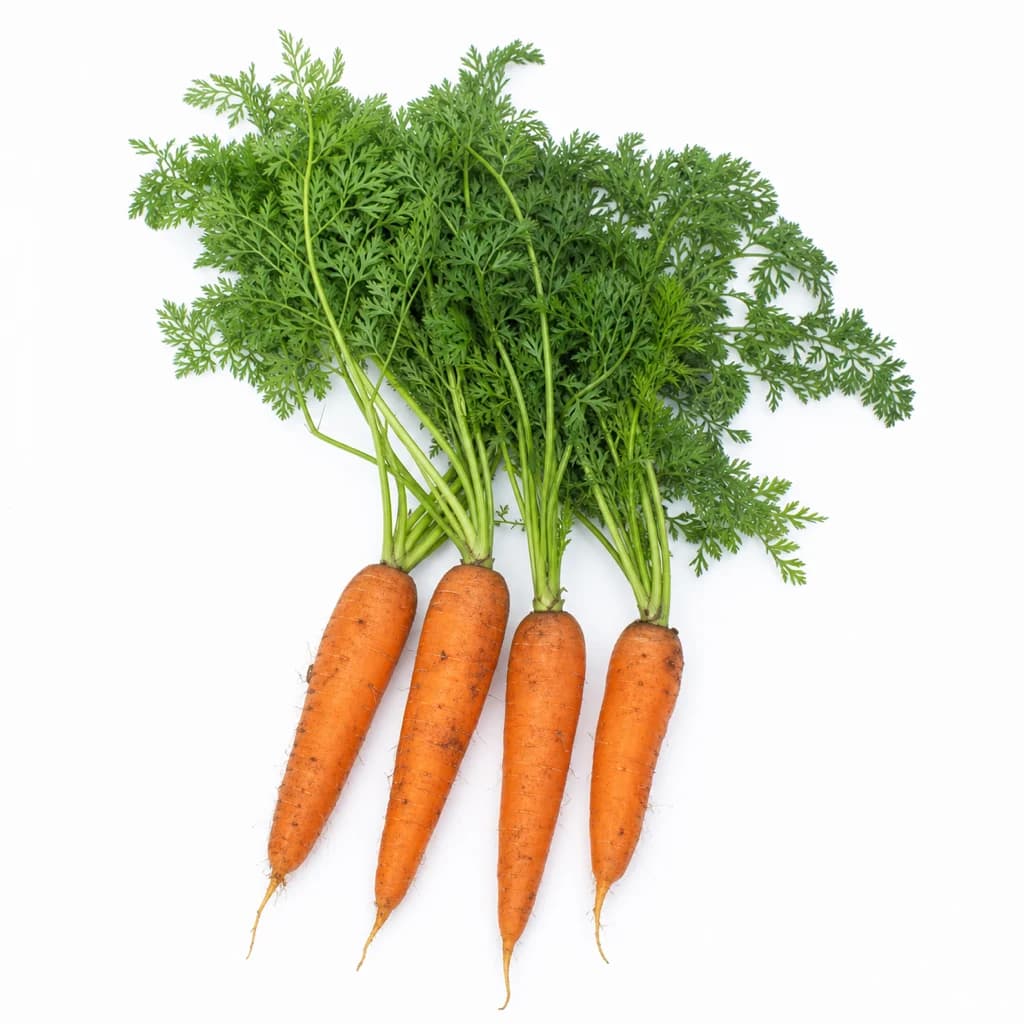
Carrot
Sweet, crunchy root — raw, roasted, or the base of a sofrito
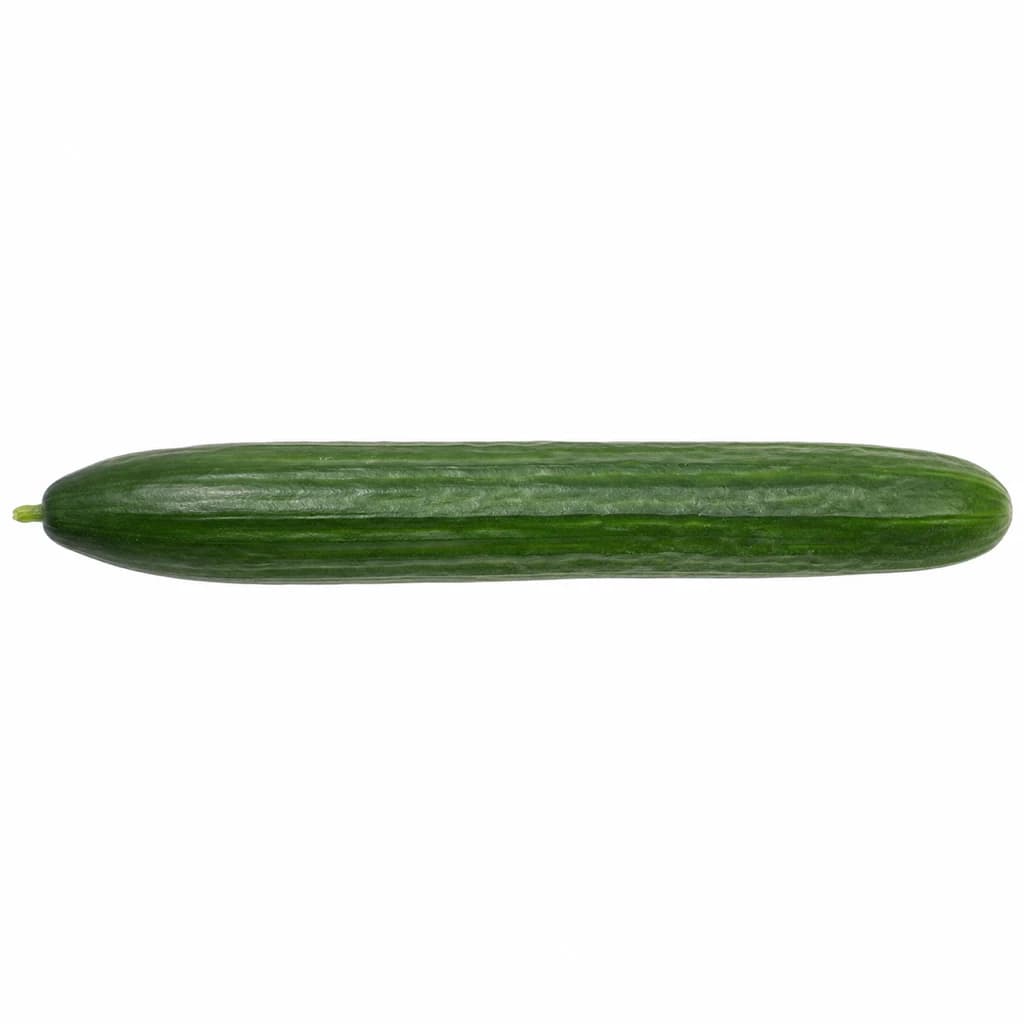
Cucumber
Cool, crisp, and watery — for salads, pickles, and tzatziki

Lettuce
Crisp leaves for salads, wraps, and a fresh crunch