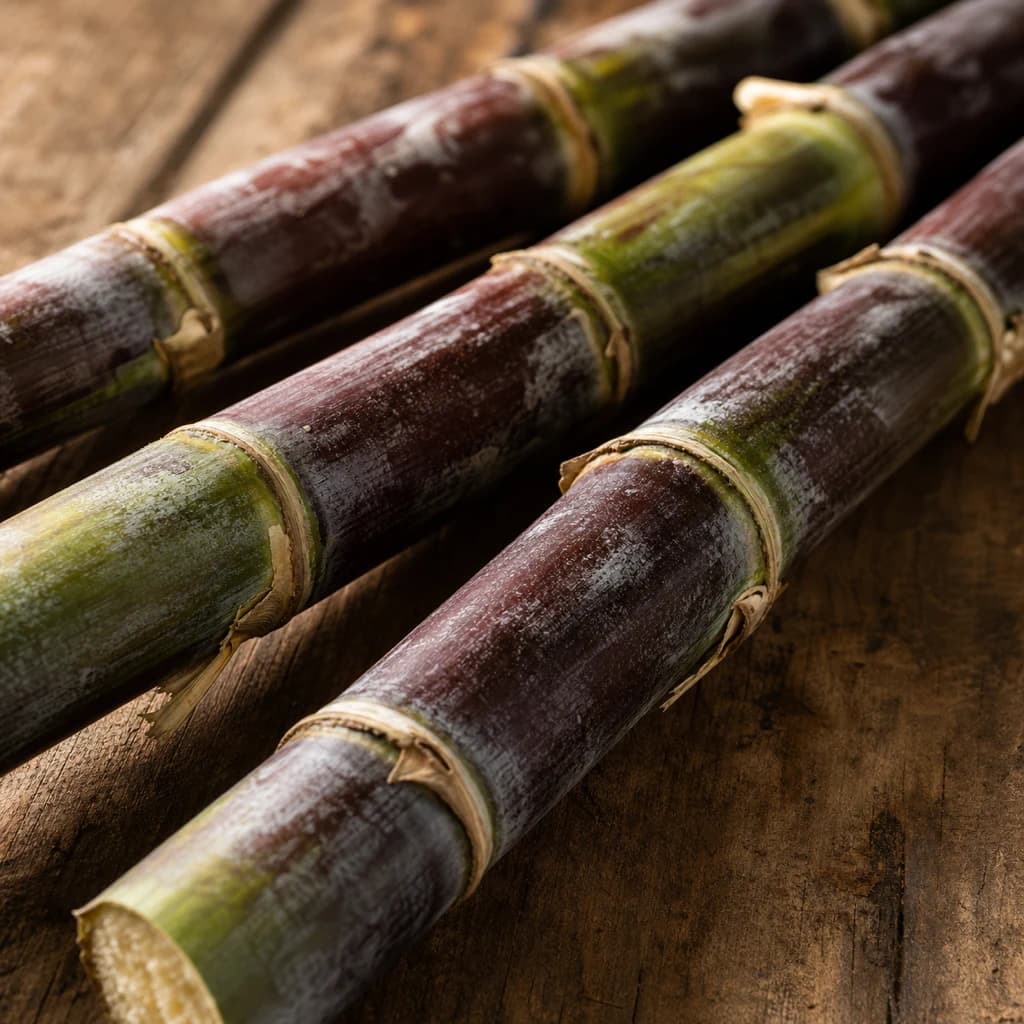
Natural form
Whole sugarcane stalks showing their jointed, fibrous green-to-purple exterior.
Reveals the plant's distinctive tall, segmented stalk form and surface color so readers can recognize raw cane in markets or fields.
Sweeteners
Sugarcane
Fibrous tropical stalk pressed for sweet juice and the source of cane sugar.
Sugarcane is a tall, fibrous grass stalk filled with sweet sap that is the primary source of cane sugar and molasses. The peeled cane is chewed or pressed fresh into juice, and skewers of it are used to flavor and grill dishes like Vietnamese chao tom. Its juice is also fermented and distilled into rum and cachaça.
Sugarcane (Saccharum officinarum) is a perennial grass native to South Asia, Southeast Asia, and Melanesia that has been cultivated for at least 6,000 years. The plant grows 2–6 meters tall on thick, fibrous stalks that store 10–15% sucrose by weight. Sugarcane dominates global sweetener production, supplying roughly 80% of the world's sugar, with Brazil, India, Thailand, and China as leading producers. Beyond crystalline sugar, the stalks yield fresh juice, syrup, molasses, and form the fermentation base for rum, cachaça, and arrack.
In fresh form, sugarcane is a living ingredient—live enzymes and wild yeasts begin fermenting the juice within 24 hours at room temperature, which is why street vendors in South Asia and the Philippines add lime to preserve it. The stalks contain tough nodes and fibrous rind that must be properly trimmed before juicing, and the juice oxidizes and darkens within hours of extraction. When cooked, sugarcane's sweetness is delicate and caramelizes readily, so it performs best when added near the end of braises and glazes.
The word 'sugar' derives from Sanskrit śarkarā, meaning gravel—likely referring to raw crystallized sugar's granular texture. Filipino cuisine relies heavily on sugarcane (tubo) for vinegar production and the iconic lechon; in Brazil, vast sugarcane plantations fuel both the sugar trade and cachaça industry. When recipes call for 'sugarcane' as an ingredient, they almost always mean fresh juice, cut stalk pieces, or cane syrup rather than raw sugar itself.
- Measured in
- piece
- Storage
- Pantry
Types & varieties
High sucrose content, thin rind, excellent for eating fresh and juicing; more susceptible to disease
Hardier, higher fiber, lower sugar; primarily used for industrial sugar production
Selected for fresh eating; sweeter, more tender stalks; common in Southeast Asian markets
Reddish-purple rind; ornamental use and traditional medicine; similar sweetness to green varieties
Yellow-stalked variety; often marketed as premium fresh-eating cane in markets
From Stalk to Sugar
Sugarcane processing follows a precise path. Fresh stalks are crushed in mills to extract juice, which is then clarified, evaporated, and crystallized. The refining process determines the final product: raw sugar retains more molasses and minerals (muscovado, turbinado, demerara), while white granulated sugar is nearly identical whether derived from cane or beets. Molasses—the dark, mineral-rich syrup left after sugar crystallization—is a distinct ingredient with its own culinary applications, from barbecue sauces to gingerbread.
- Muscovado: minimally refined, strong molasses flavor, moist texture
- Turbinado: partially refined, light caramel notes, large crystals
- Demerara: refined but crystal-coated, subtle sweetness, good for topping
- White granulated: nearly identical whether cane or beet-derived
Fresh-Cane Juice Safety
Fresh sugarcane juice is a living beverage teeming with live enzymes and wild yeast. At room temperature, it begins fermenting within 24 hours, developing sour notes and potentially harmful microorganisms. Street vendors in tropical regions mitigate this by adding lime juice, which lowers pH and buys time. For home preparation, juice the day of service, store in an airtight container in the refrigerator, and add a squeeze of lime or lemon to extend freshness by several hours.
- Always use fresh-cut stalks or juice within 24 hours
- Add citrus juice to slow fermentation
- Refrigerate immediately in sealed containers
- Watch for bubbles or sour smell—signs of active fermentation
Common uses
Tips & pitfalls
- Cut stalks into 10–15 cm sections for juicing; work quickly as enzymatic browning affects color and flavor within hours
- For fresh eating, select firm, uncracked stalks with a glossy sheen; avoid dried or cracked ends
- Refrigerate unwashed stalks wrapped in damp towels for up to 3 weeks; do not freeze whole
- When substituting cane sugar for beet sugar, the flavor is nearly identical for baking; cane sugar has a marginally more complex vanilla-citrus note
- Common mistake: using stale or dried stalks for juicing yields bitter, low-sugar juice
- Common mistake: not stripping leaves and trimming nodes thoroughly before juicing introduces grassy, fibrous off-flavors
- For cocktail use, juice the day of service; store in airtight container with squeeze of lime to slow oxidation
- In braises, add sugarcane juice in the last 30 minutes of cooking to preserve its delicate sweetness; prolonged cooking caramelizes it away
Nutrition
Energy
1125 kJ · per 100 g
Where the calories come from
Protein
0g
0% DV
Carbs
73.1g
27% DV
Fat
0g
0% DV
Fiber
0g
0% DV
Sugars
73.2g
of which
Sodium
58mg
3% DV
Source · USDA FoodData Central · approx. Syrup, Cane
View on FDC →In the shops
Matched grocery products
No matched grocery products for Sugarcane yet.
Good to know
- Type
- Perennial grass (Saccharum officinarum)
- Native Region
- South Asia, Southeast Asia, Melanesia
- Primary Producers
- Brazil, India, Thailand, China, Pakistan, Mexico, Philippines
- Plant Height
- 2–6 meters at maturity
- Harvest Cycle
- 12–18 months from planting to harvest
- Sugar Content
- 10–15% sucrose by weight in stalks
- Sugar Yield
- Approximately 10–15% of stalk weight converts to crystalline sugar
- Global Sugar Share
- About 80% of world sugar production comes from sugarcane
- Juice Extraction
- Pressed immediately after harvest; oxidation begins within hours
- Shelf Life (stalks)
- Refrigerated, 2–3 weeks; juice lasts 24–48 hours refrigerated
- Form Available
- Fresh whole stalks, juice, molasses, crystallized, syrup, rum
Substitutes
- Cane Sugar (granulated) — Direct substitute in most applications; use 1 tablespoon juice ≈ 1 teaspoon sugar dissolved
- Light Corn Syrup — Best for glazes and marinades where liquid consistency matters; add a pinch of salt to approximate mineral notes
- Honey — Works in braises and glazes; adds floral notes sugarcane lacks; reduce other liquids by 20%
- Maple Syrup — Acceptable for desserts and beverages; distinct maple flavor makes it unsuitable for savory applications
Pairs with
Also called
Cana · Cane
Appears in these dishes



Related

White Sugar
Clean, granulated sweetness for baking, drinks, and beyond
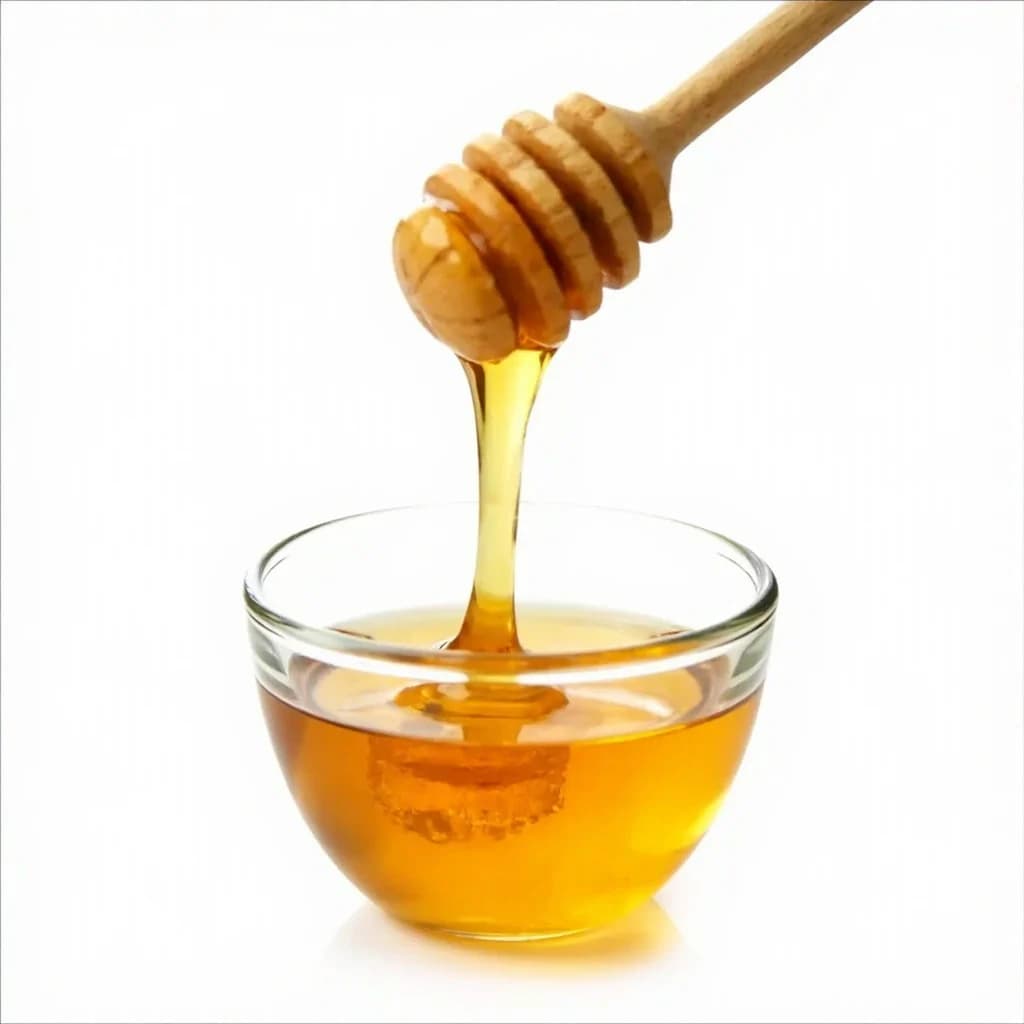
Honey
Floral, golden sweetener for drizzling, glazing, and baking
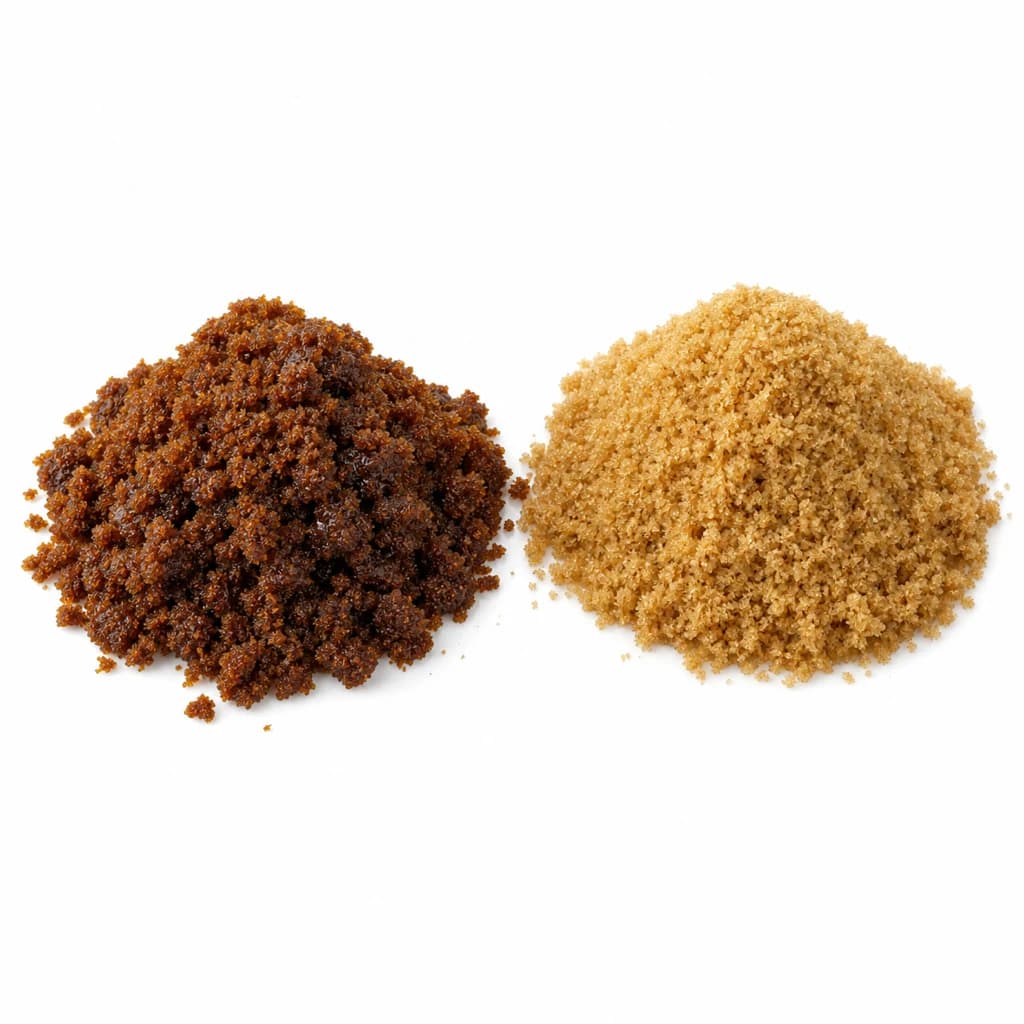
Brown Sugar
Moist, molasses-rich sugar for chewy cookies and glazes

Maple Syrup
Rich, woodsy syrup for pancakes, glazes, and baking
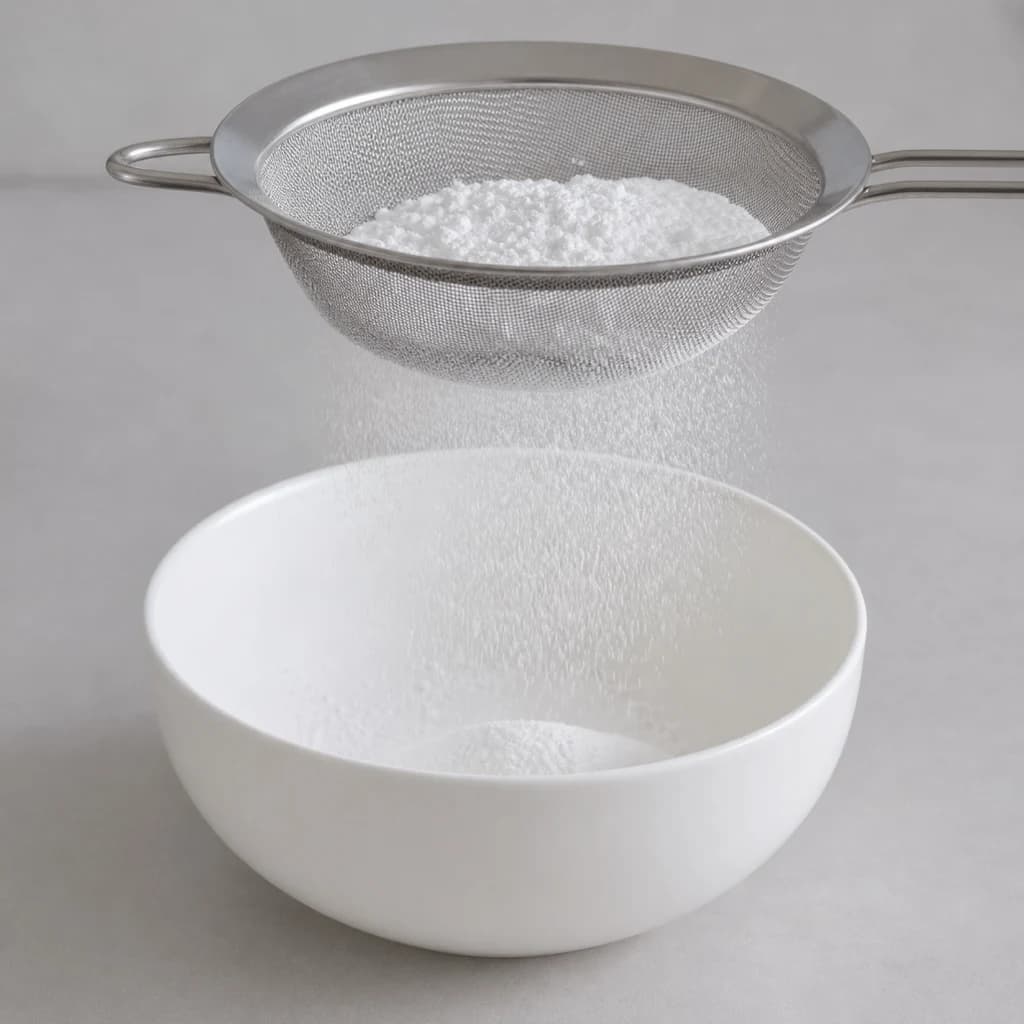
Powdered Sugar
Fine, dissolvable sugar for icing, dusting, and frosting
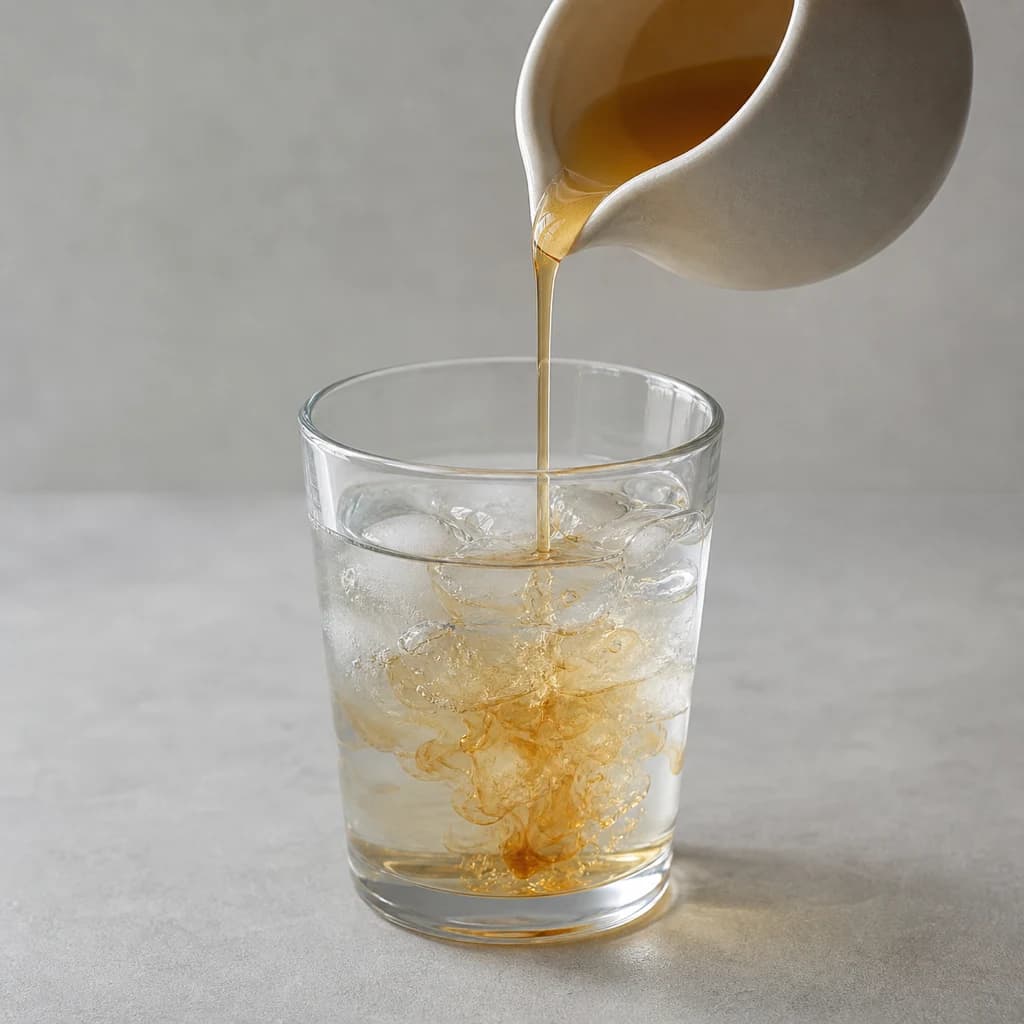
Agave Syrup
Mild, pourable sweetener that dissolves easily into drinks
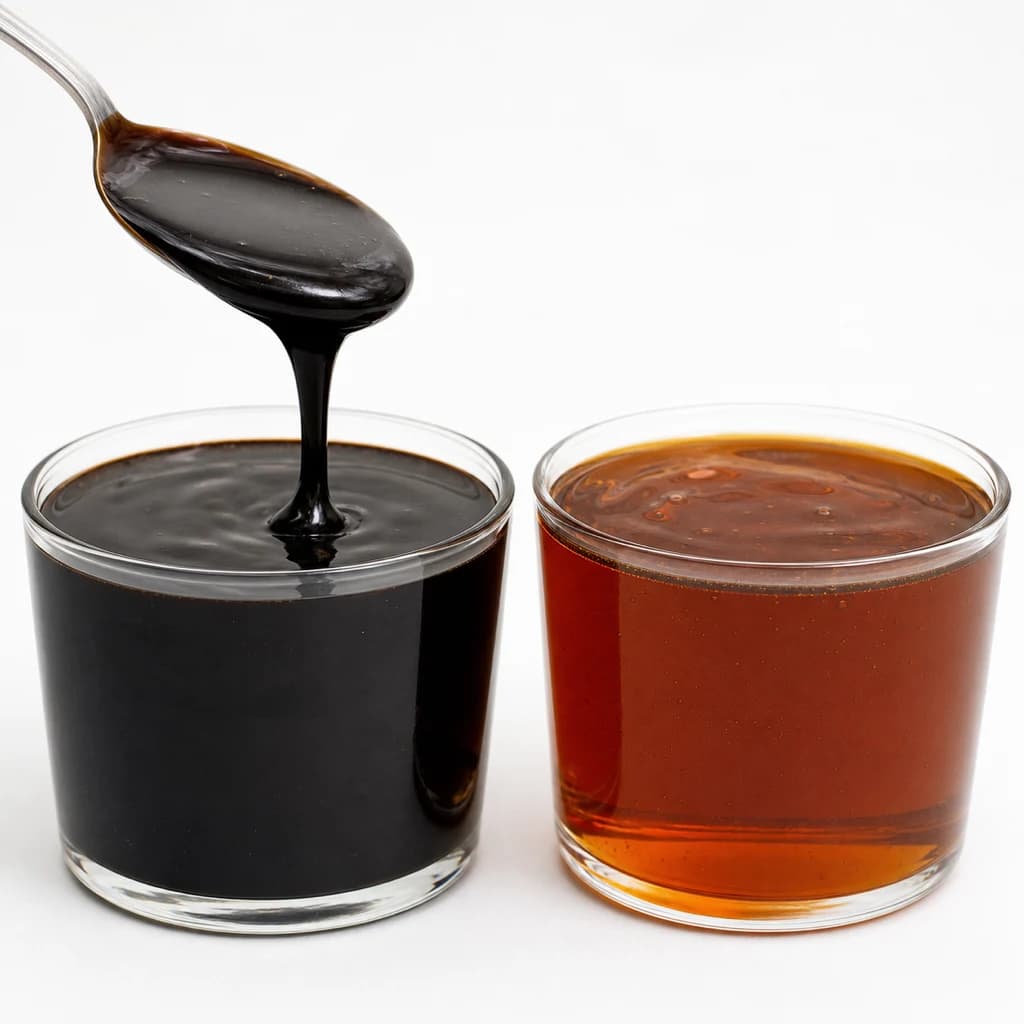
Molasses
Dark, bittersweet syrup for gingerbread, beans, and rubs
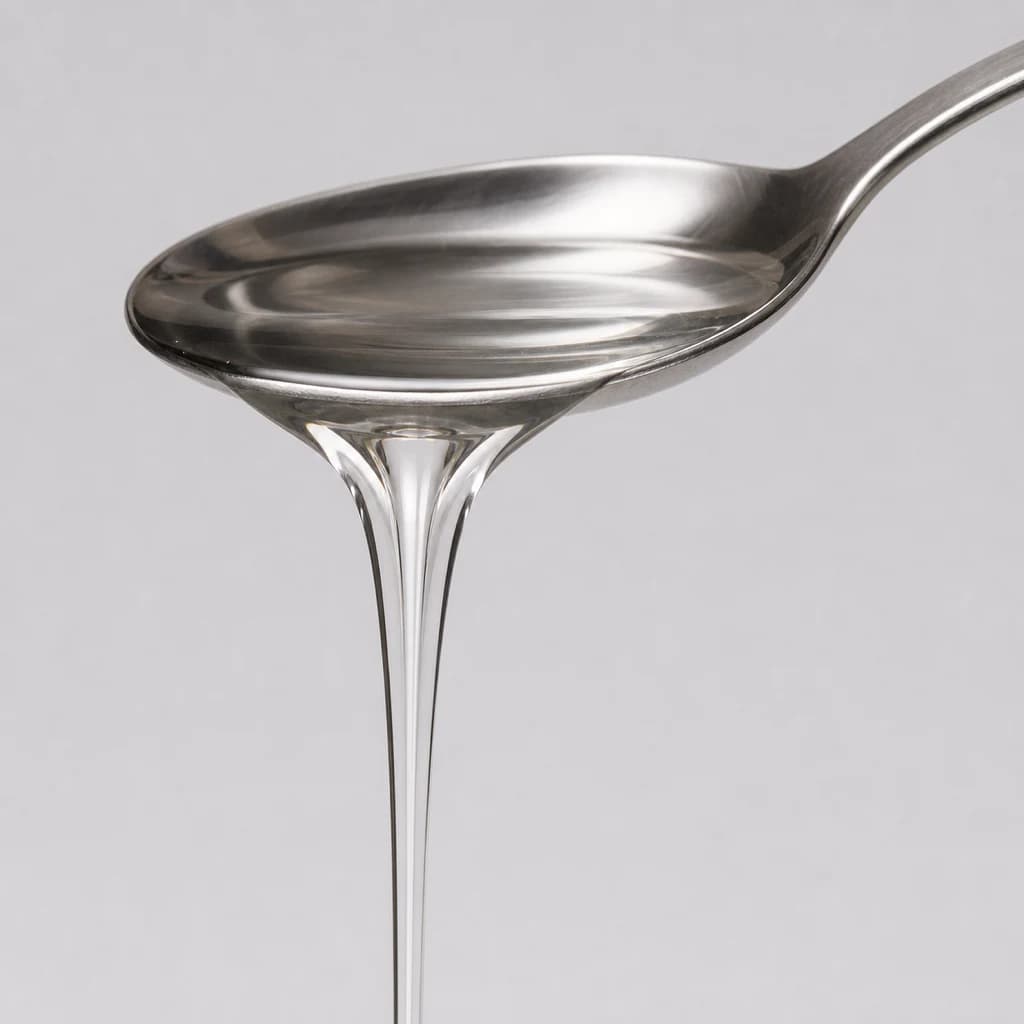
Simple Syrup
Dissolved sugar syrup for sweetening drinks and cocktails