Natural form
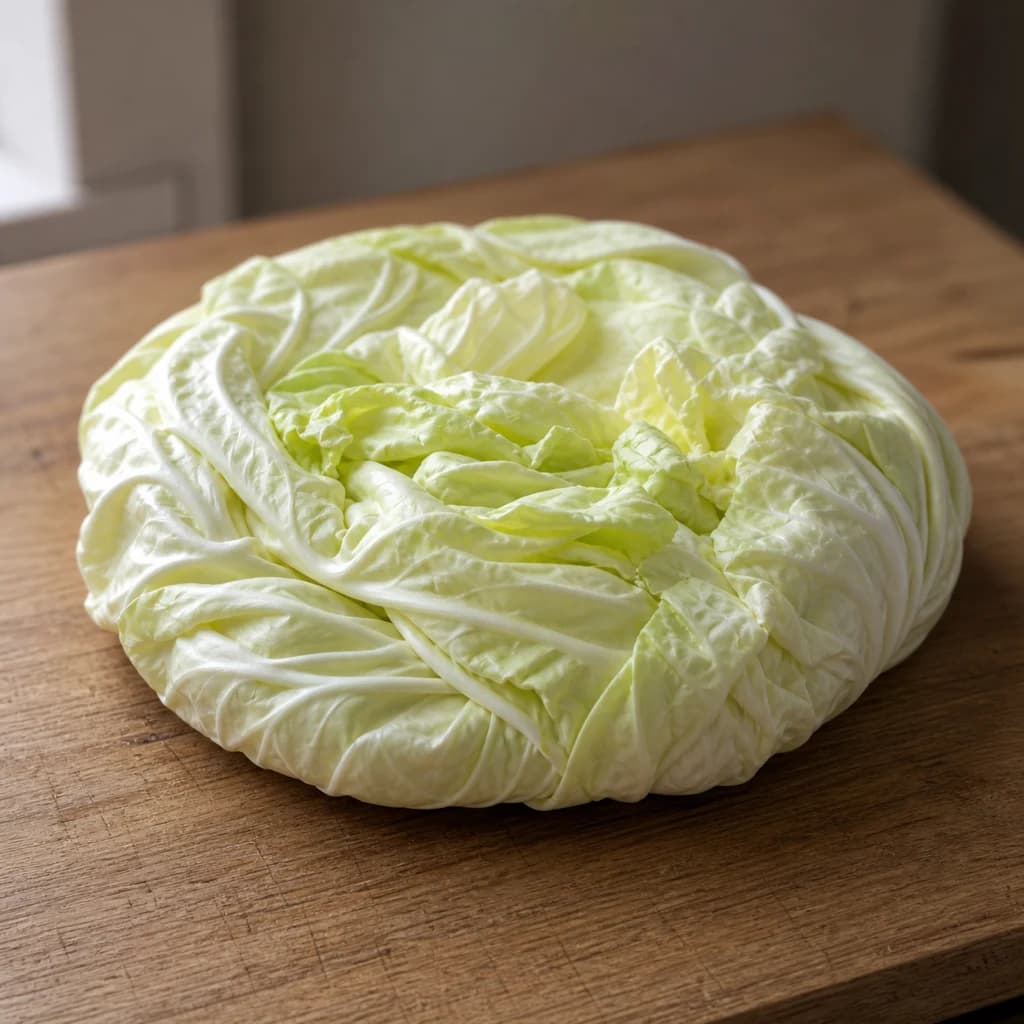
A whole Taiwanese flat cabbage head showing its distinctive flattened, wide shape.
The defining visual trait of this ingredient is its unusually flat, broad head — distinct from round cabbage — which readers must learn to recognize at a market.
Produce
Taiwanese Flat Cabbage
Sweet, tender flat-headed cabbage prized for quick stir-fries.
Taiwanese flat cabbage (gaoli cai) is a loose, flattened head cabbage with thin, tender, sweet leaves. It is a stir-fry staple in Taiwanese cooking, cooked quickly with garlic so the leaves stay crisp and sweet. It is more delicate and less peppery than common round cabbage.
Taiwanese flat cabbage—known locally as qingjiang cai and sometimes called Shanghai bok choy in English—is a loose-headed member of the Brassica rapa family prized for its distinctly flattened, pale green stems and tender dark green leaves. Unlike napa cabbage, which forms tight cylindrical heads, Taiwanese flat cabbage is harvested young, giving it a characteristic sweetness free of fibrous bitterness. The stems grow 1–2 cm wide and 15–25 cm long, reaching a total plant height of 20–30 cm, and are notably flatter and wider than standard bok choy varieties. It is a year-round market staple in Taiwan, where heat-tolerant cultivars allow continuous production, though peak quality arrives in the cool months from November through March. The crop thrives in paddy fields and is typically harvested when stems reach pencil- to small-finger thickness. In the kitchen, its structural advantage over rounder bok choy varieties is even cooking: the flat cross-section heats through uniformly, making it exceptionally suited to quick stir-frying where stems and leaves require only slightly different timing.
- Measured in
- piece
- Storage
- Fridge
Types & varieties
Most common commercial variety in Taiwan; thicker, crunchier stems with excellent heat tolerance for year-round production
More common in mainland Chinese markets; slightly rounder stem cross-section and marginally sweeter
F1 hybrids developed for disease resistance and bolt tolerance in Taiwan's warm, humid climate
How Taiwanese Flat Cabbage Differs from Other Bok Choy Varieties
The defining trait is stem shape. Taiwanese flat cabbage produces broad, flattened stems while standard bok choy varieties have round or cylindrical stems. This flat geometry means heat penetrates more evenly during cooking, reducing the risk of undercooked crunchy cores. Taiwanese varieties also tend toward darker green leaves with a more tender texture compared to standard bok choy, which can have thicker, coarser leaf tissue. Unlike napa cabbage, which forms dense cylindrical heads suited for shredding and pickling, flat cabbage remains loose-leaved and is always harvested young, contributing to its lower fiber content and sweeter, more delicate flavor. In Taiwanese markets, it is sold loose or bundled with the roots intact, signaling freshness—avoid heads sold with roots already removed, as this accelerates wilting.
- Flat stems → more even heat penetration → better for quick wok cooking
- Dark green tender leaves → more delicate than standard bok choy
- Loose-headed, harvested young → sweeter, less fibrous than napa cabbage
- Root-on bundles indicate better freshness and shelf life
Washing Technique
Grit collects between the stem layers, making thorough washing essential. Hold the cabbage base-up under cold running water and gently spread the layers apart with your fingers, allowing water to flush out any trapped soil. Do not submerge the cabbage in a basin of still water—grit simply redistributes rather than washes away. After washing, shake off excess moisture and pat completely dry with clean towels or a salad spinner if you intend to stir-fry. Residual surface water causes steaming instead of searing, producing a limp, gray vegetable rather than the bright green, lightly charred result you want.
- Hold base-up under running water and spread layers apart
- Never soak in still water—grit adheres to inner surfaces
- Dry thoroughly before stir-frying to achieve proper sear
Common uses
Tips & pitfalls
- Select heads with bright green leaves and firm, pale white stems; avoid yellowing or wilted outer leaves
- Wash thoroughly between the stem layers where soil and grit collect—hold stems base-up under running water
- Cut stems and leaves together but add stems 30–60 seconds earlier when stir-frying to ensure even cooking
- Never overcook; the cabbage should retain a slight snap when pressed with chopsticks or a fork
- Pat completely dry after washing if stir-frying to prevent steaming instead of searing
- Separate stems from leaves only when the recipe requires different cooking times; keeping them intact preserves moisture
- When buying, look for roots still attached—roots intact indicate fresher, less stressed produce
- Use high heat and a hot wok; low heat causes the leaves to wilt unevenly and lose their bright color
Nutrition
Energy
105 kJ · per 100 g
Where the calories come from
Protein
1.3g
3% DV
Carbs
5.8g
2% DV
Fat
0.1g
0% DV
Fiber
2.5g
9% DV
Sugars
3.2g
of which
Sodium
18mg
1% DV
Source · USDA FoodData Central · Cabbage, raw
View on FDC →In the shops
Matched grocery products
 €1.72
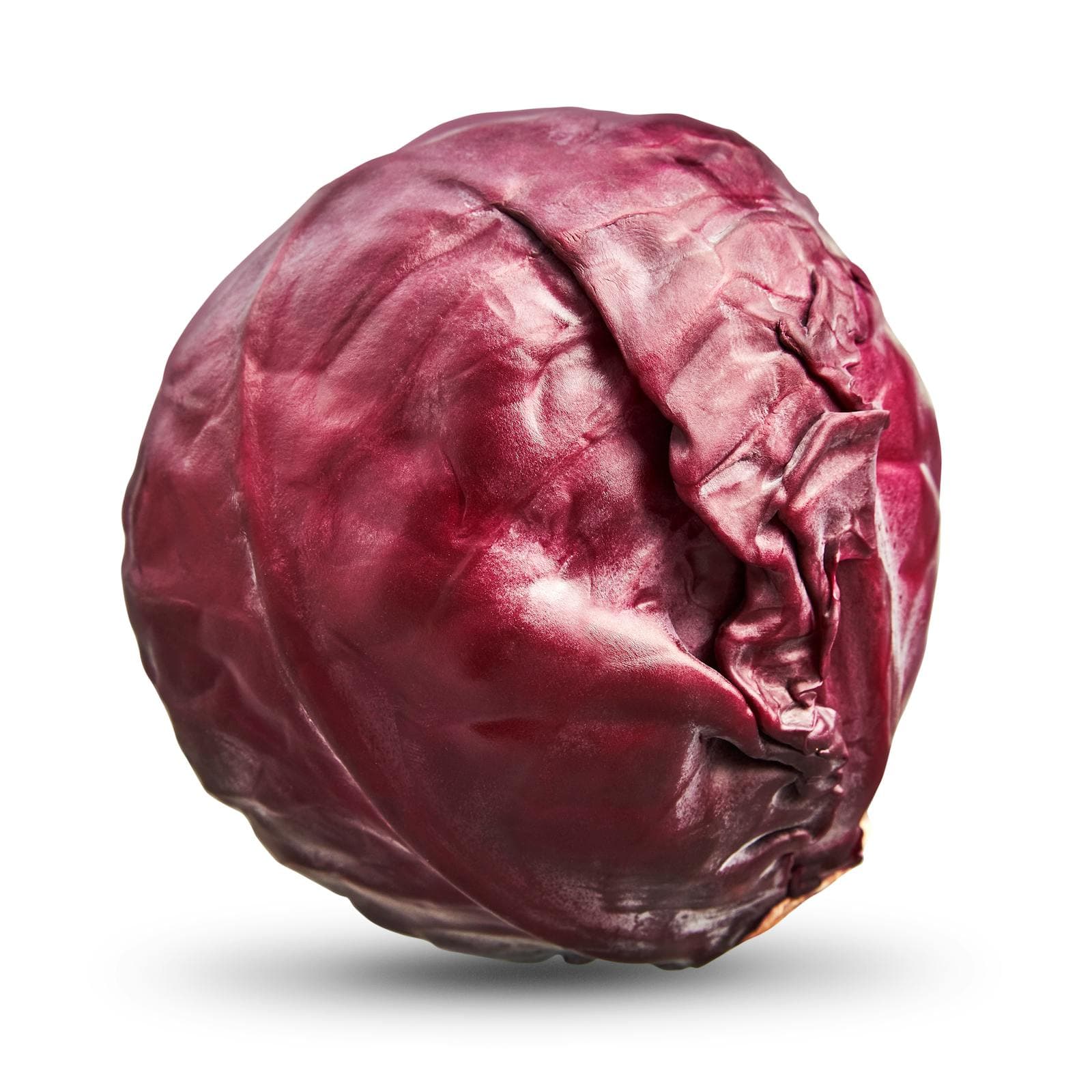
€1.72Red Cabbage
860 g · Mercadona
 €1.60
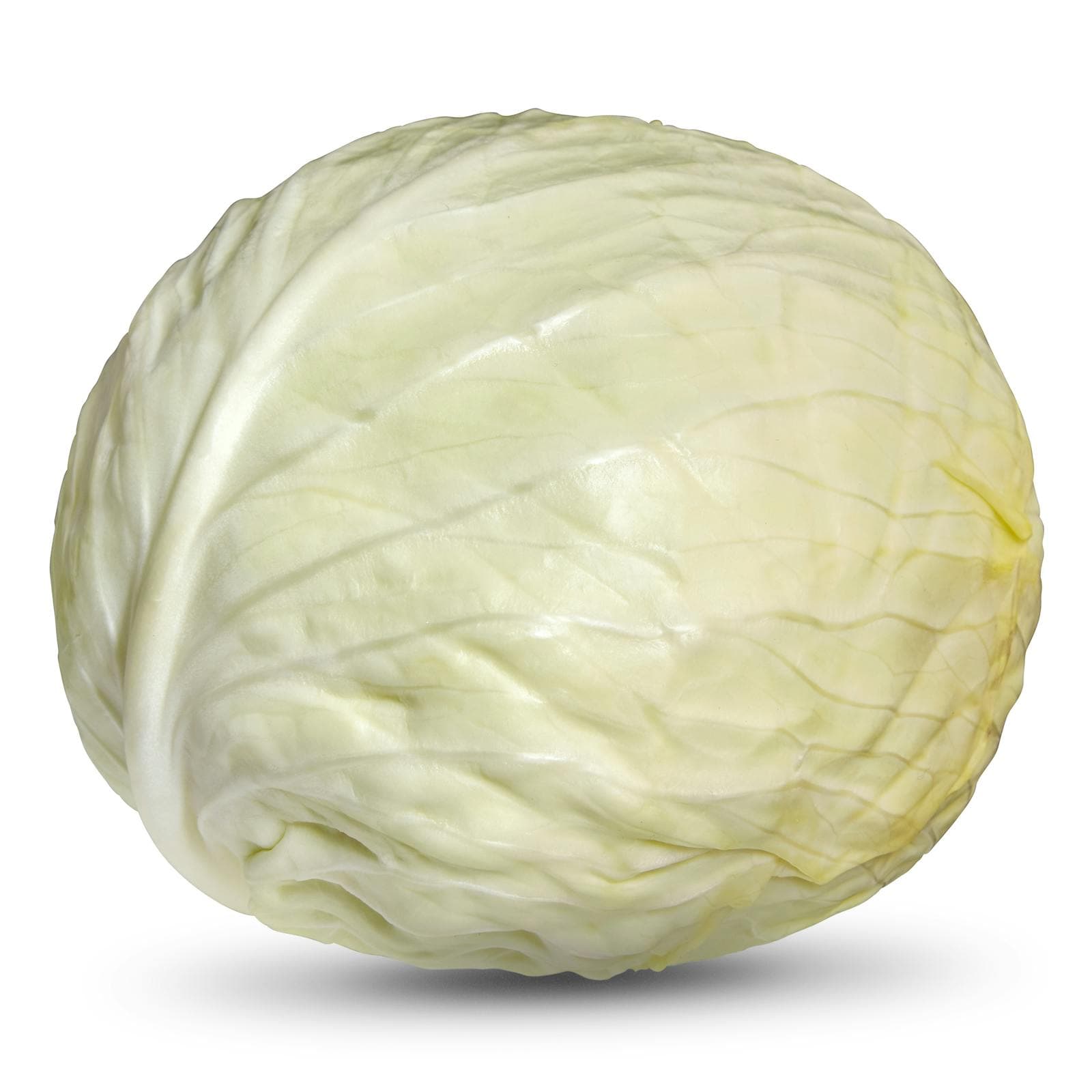
€1.60Smooth Cabbage
890 g · Mercadona
 €1.70
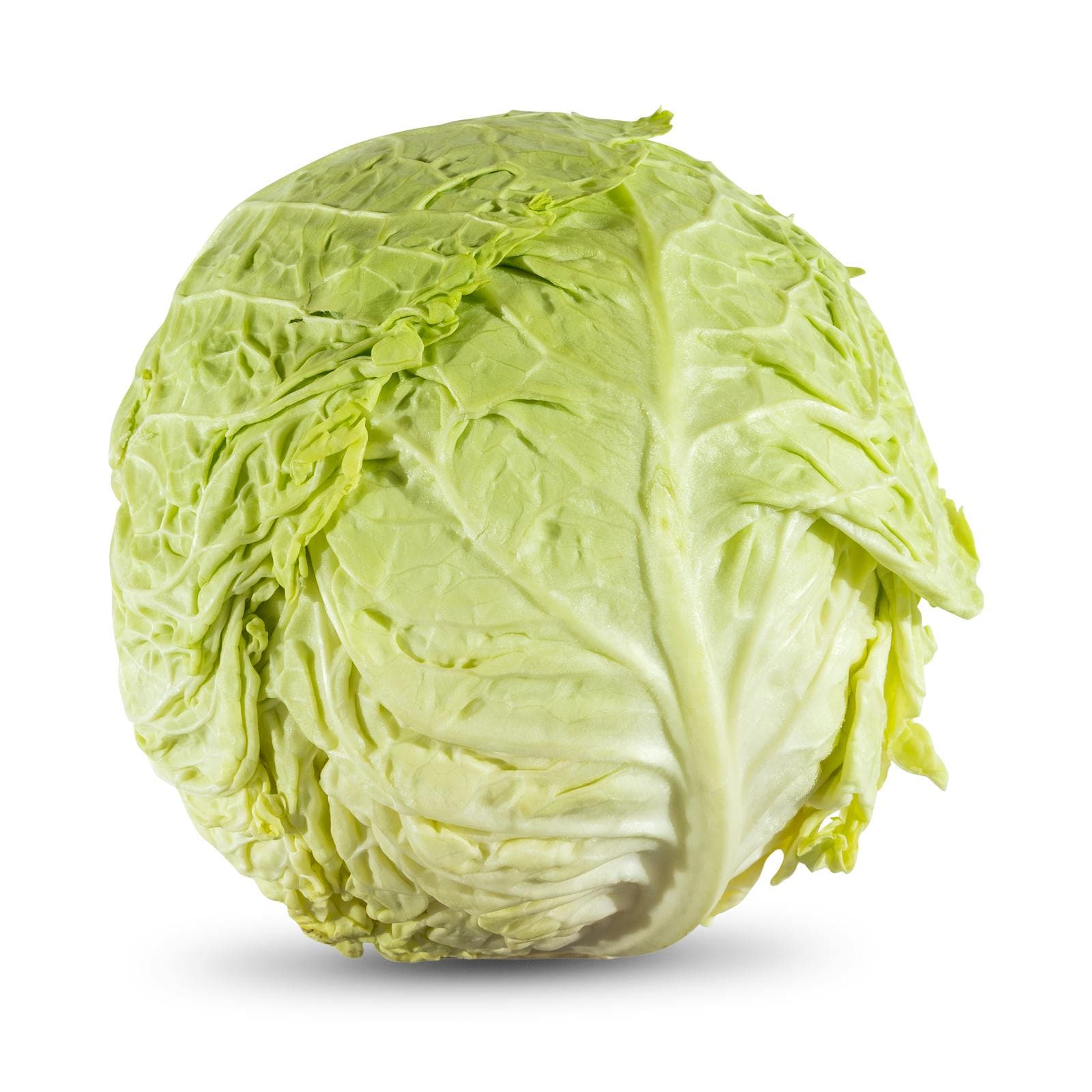
€1.70Curly Cabbage
920 g · Mercadona
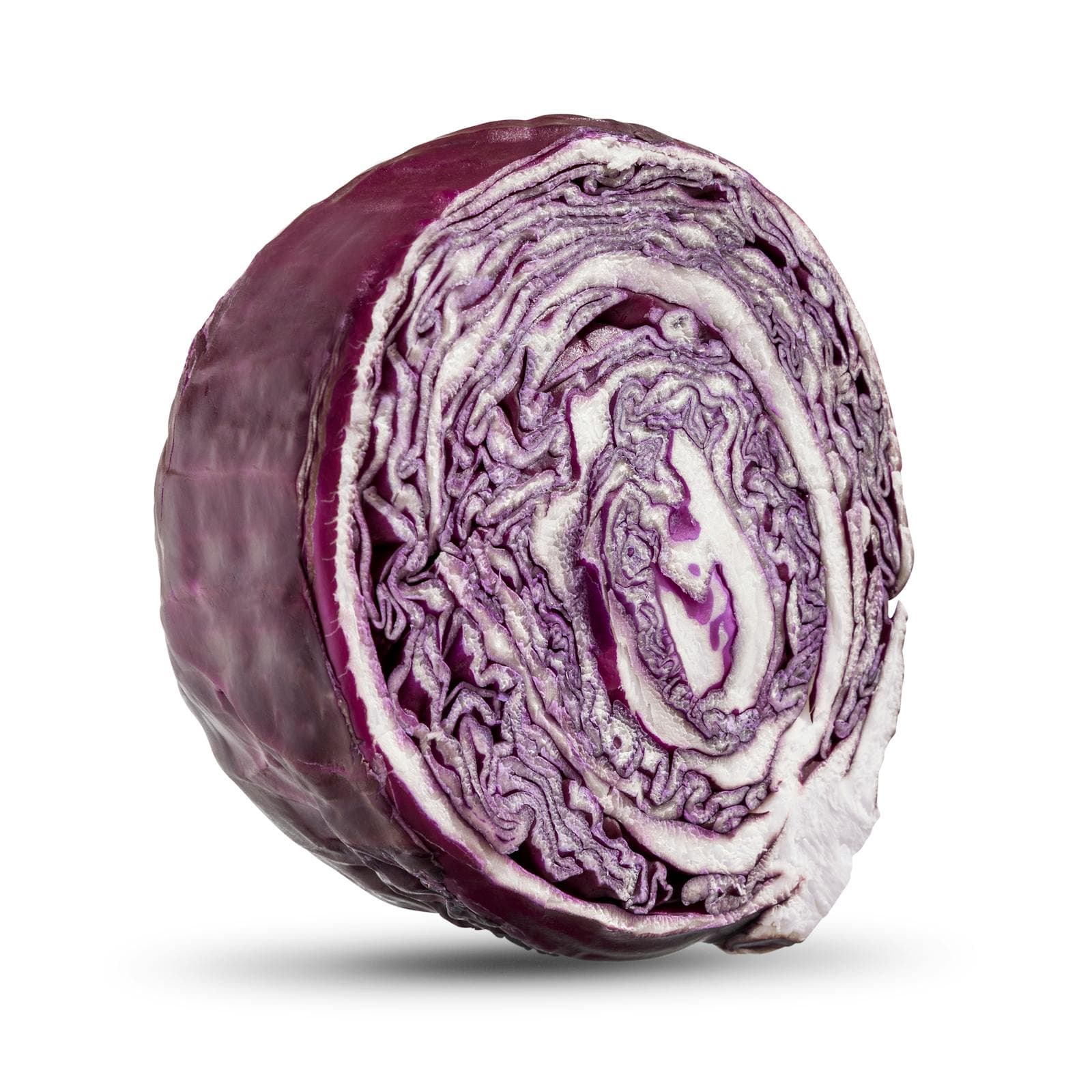 €0.95
€0.95Half Red Cabbage
450 g · Mercadona
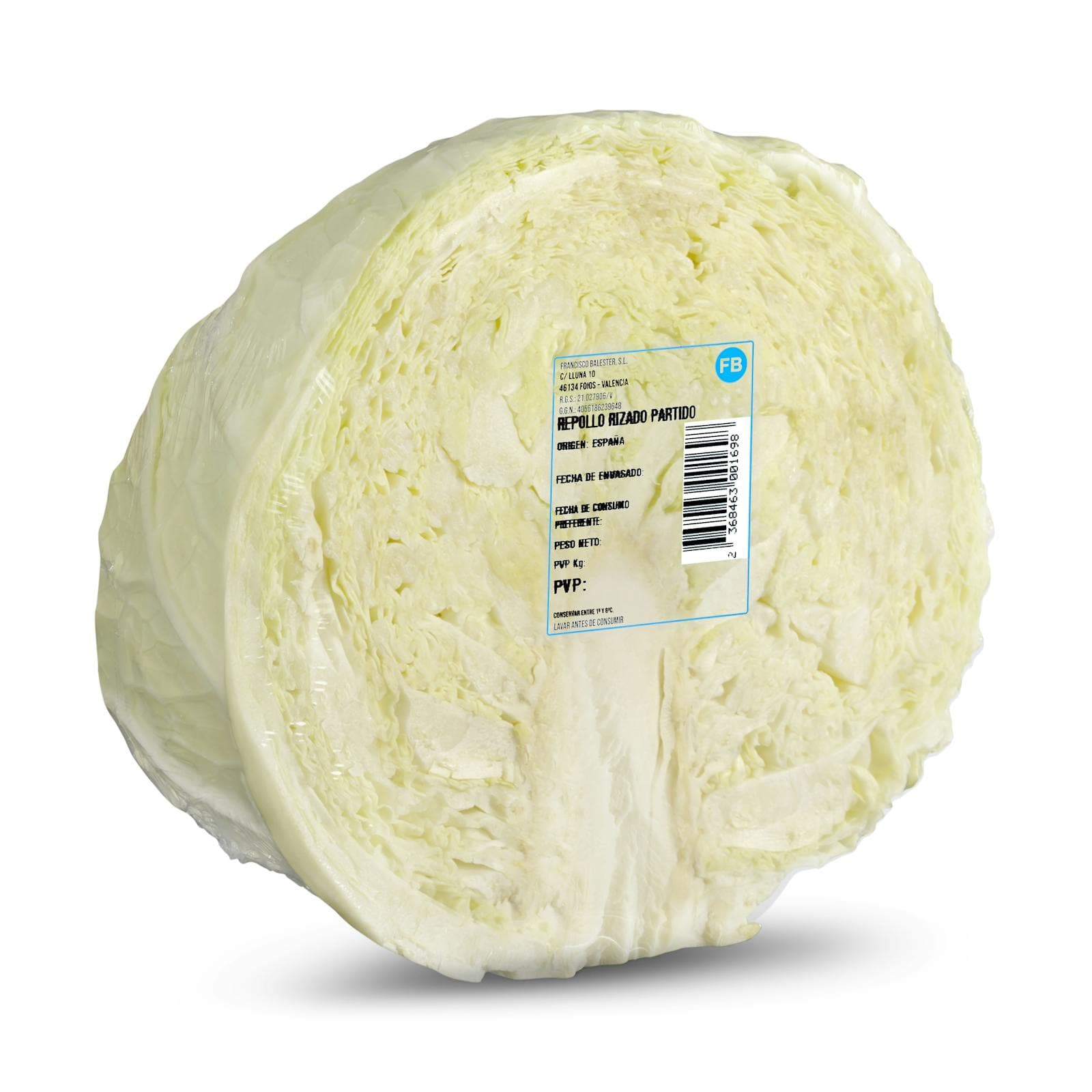 €1.75
€1.75Half Curly Cabbage
796 g · Mercadona
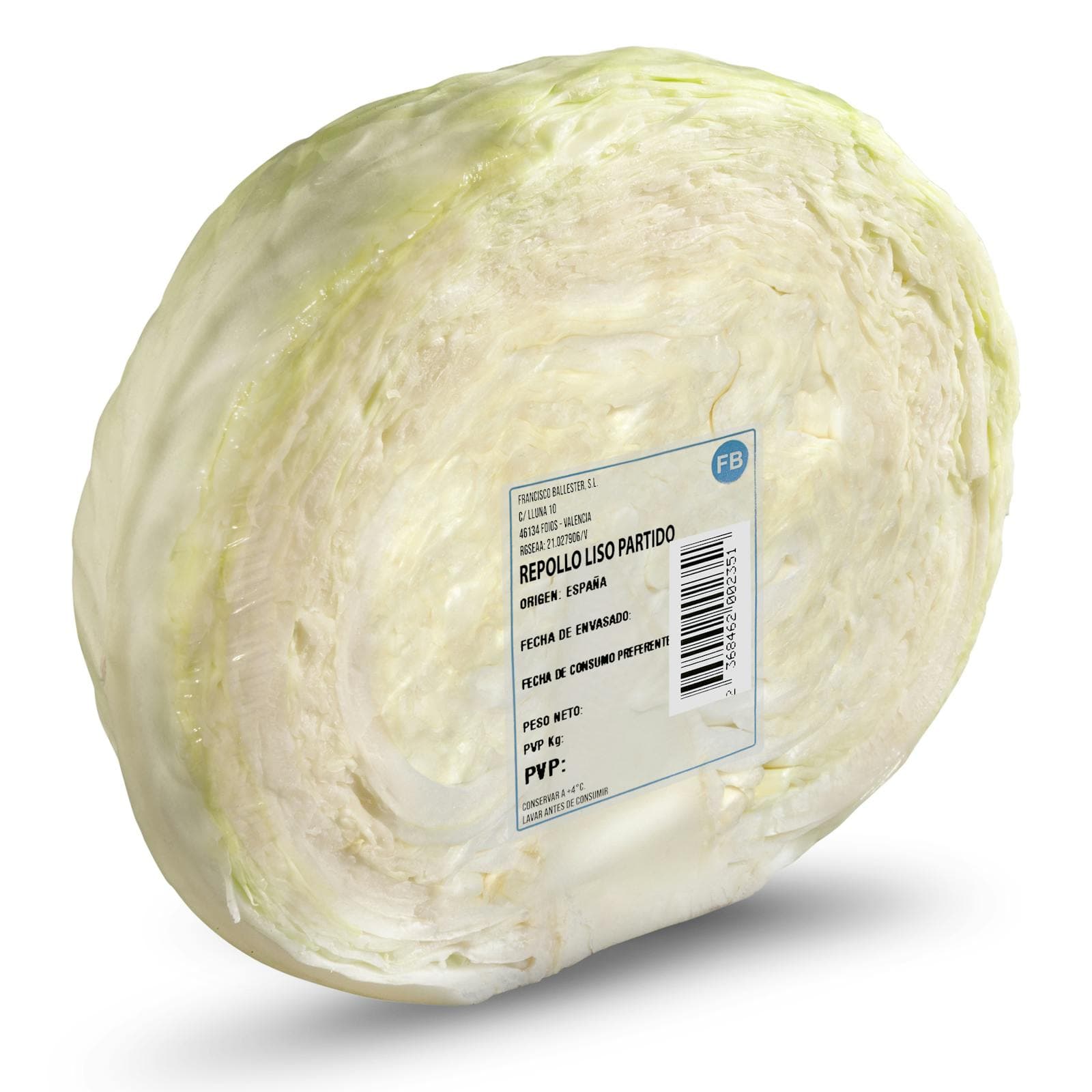 €1.94
€1.94Half Smooth Cabbage
900 g · Mercadona
Good to know
- Also Called
- Shanghai bok choy, qingjiang cai, flat-stem bok choy
- Scientific Name
- Brassica rapa subsp. chinensis or related Brassica rapa cultivar
- Origin
- Southern China and Taiwan; extensively cultivated in Taiwanese agriculture
- Growing Season
- Cool weather crop; peak harvest November–March; heat-tolerant varieties allow year-round supply
- Typical Size
- Stems 1–2 cm wide, 15–25 cm long; whole plant reaches 20–30 cm at harvest
- Plant Characteristics
- Loose-headed; slender, flattened pale green stems; dark green tender leaves; nearly 100% edible with only the root end removed
- Flavor Profile
- Mildly sweet with subtle brassica bitterness and delicate mineral notes from soil
- Key Nutrients
- High in vitamin C, vitamin K, folate, and dietary fiber
- Storage
- Refrigerate unwashed in a plastic bag; use within 3–5 days for best texture; does not freeze well
Substitutes
- Regular Bok Choy — Works in all applications; stems are rounder and may require 15–30 seconds longer cooking time for even doneness
- Baby Bok Choy — Substitute 1:1 in hot pot or blanching; stems cook similarly but heads are smaller and may need more handling
- Napa Cabbage Leaves — Better for wrapping or soups; too bulky for quick stir-fry applications where the stems are used
Pairs with
Also called
高麗菜 · Gaoli Cai · Flat Cabbage
Related
Tomato
Juicy, sun-sweet fruit for sauces, salads, and slow-cooked depth
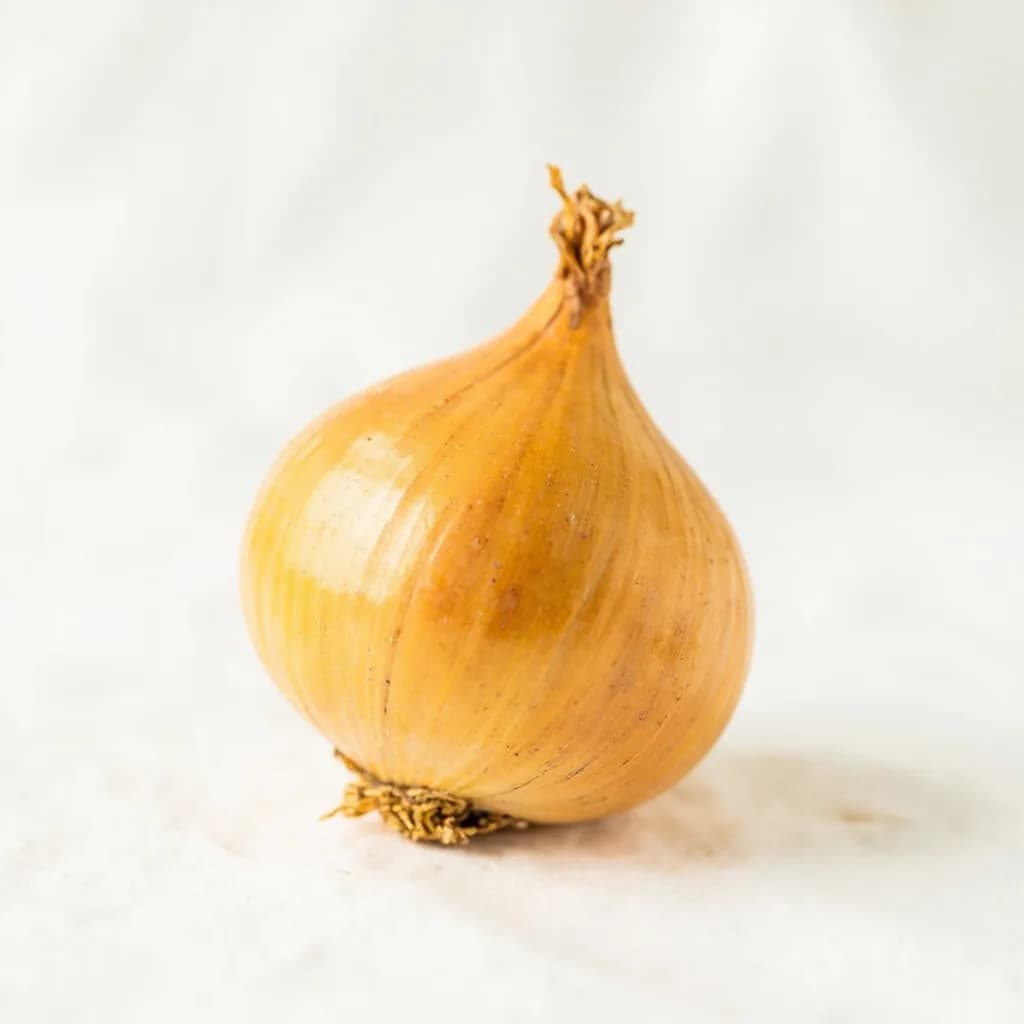
Yellow Onion
The aromatic backbone of soups, sofritos, and braises
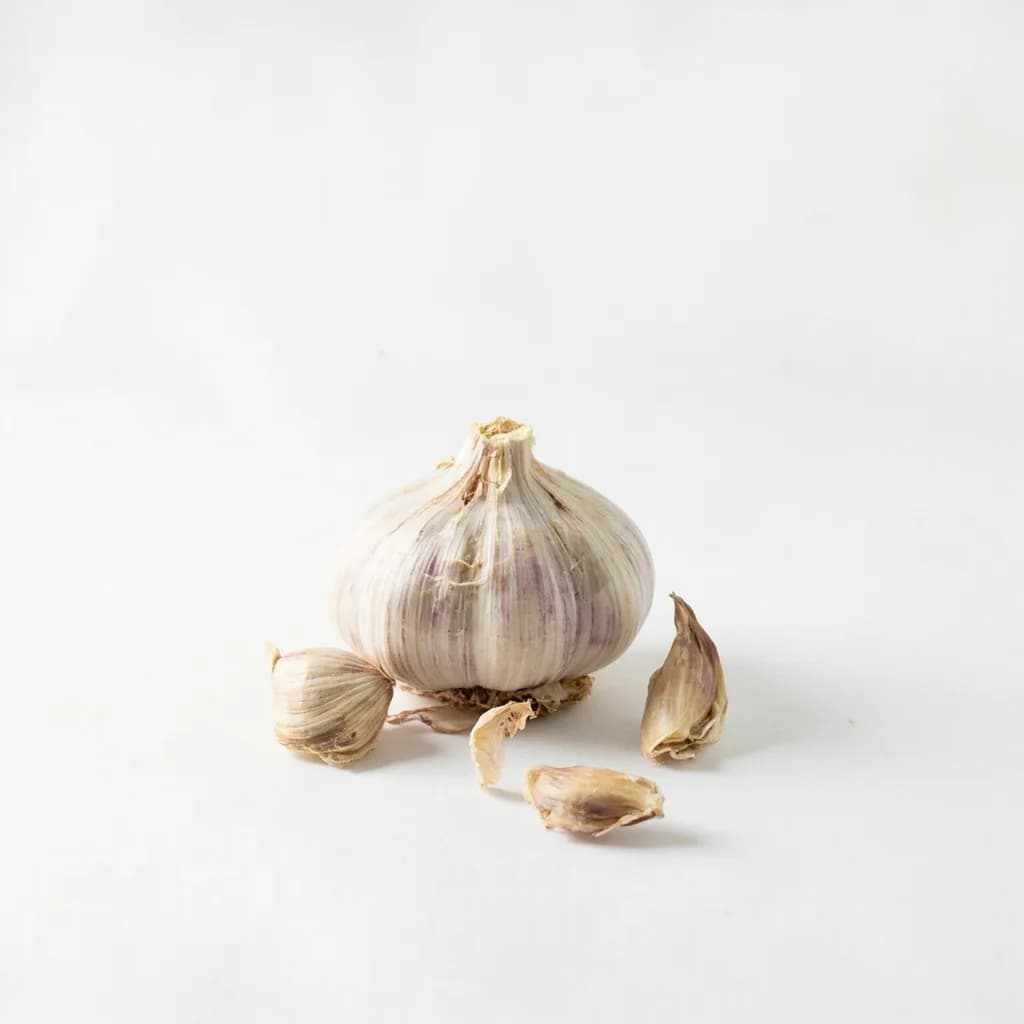
Garlic
Pungent cloves that perfume nearly every savory dish
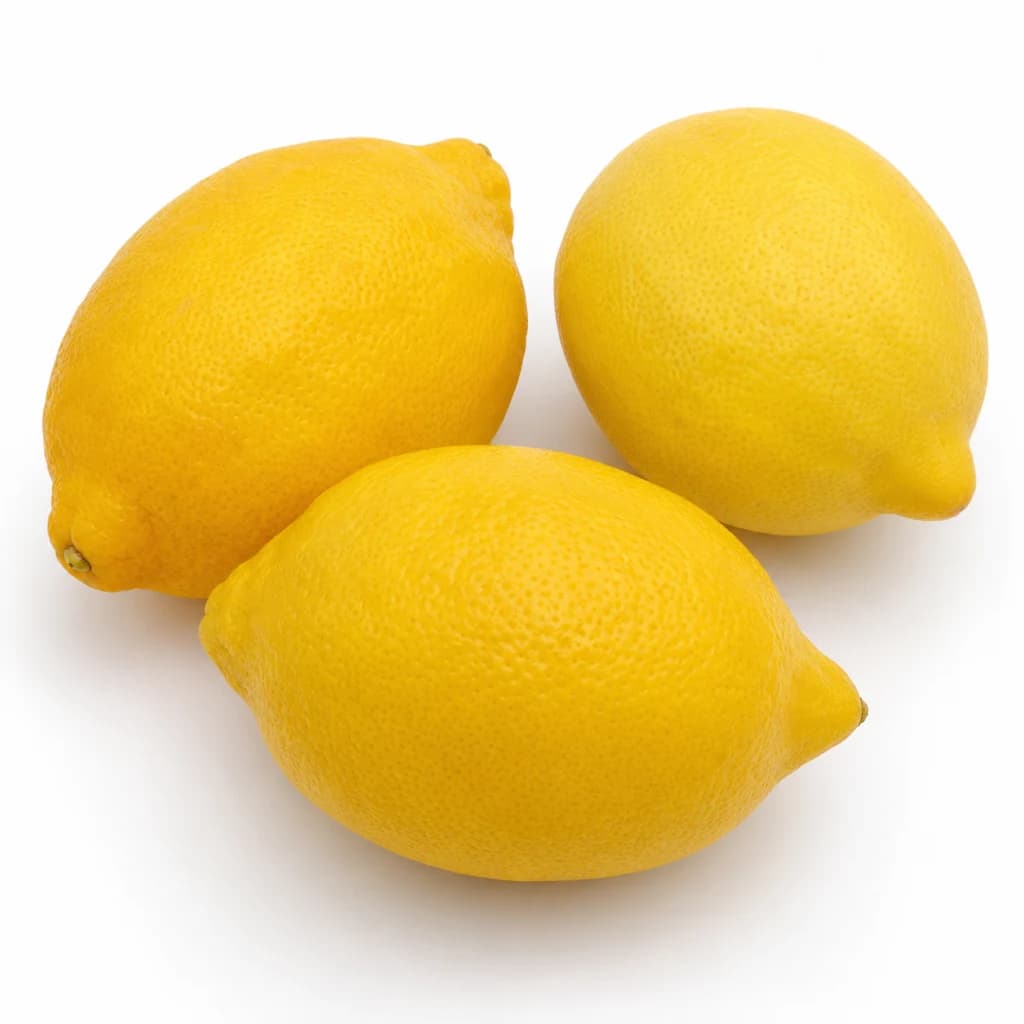
Lemon
Bright, acidic citrus that wakes up almost any dish
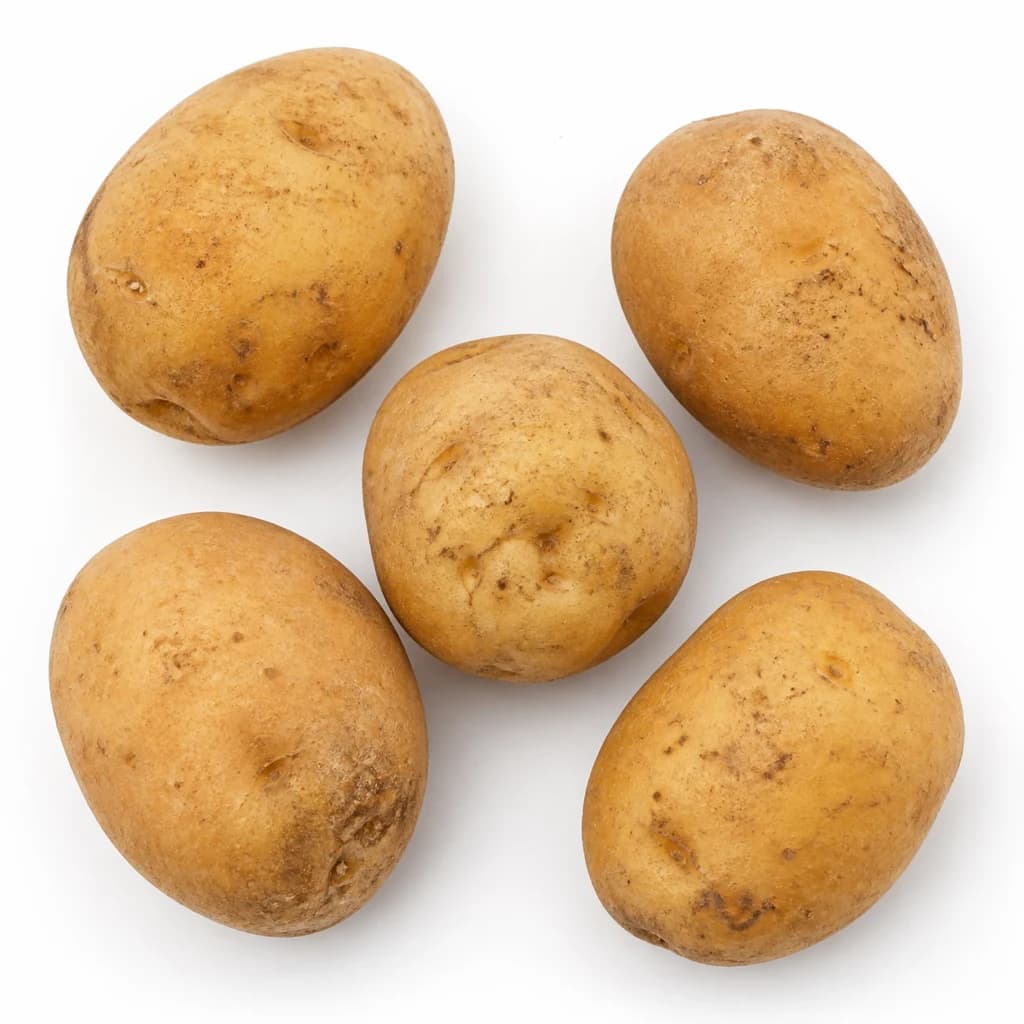
Potato
Humble, hearty staple — roast, mash, fry, or boil
Carrot
Sweet, crunchy root — raw, roasted, or the base of a sofrito
Cucumber
Cool, crisp, and watery — for salads, pickles, and tzatziki

Lettuce
Crisp leaves for salads, wraps, and a fresh crunch