Grains & Rice
Trahanas
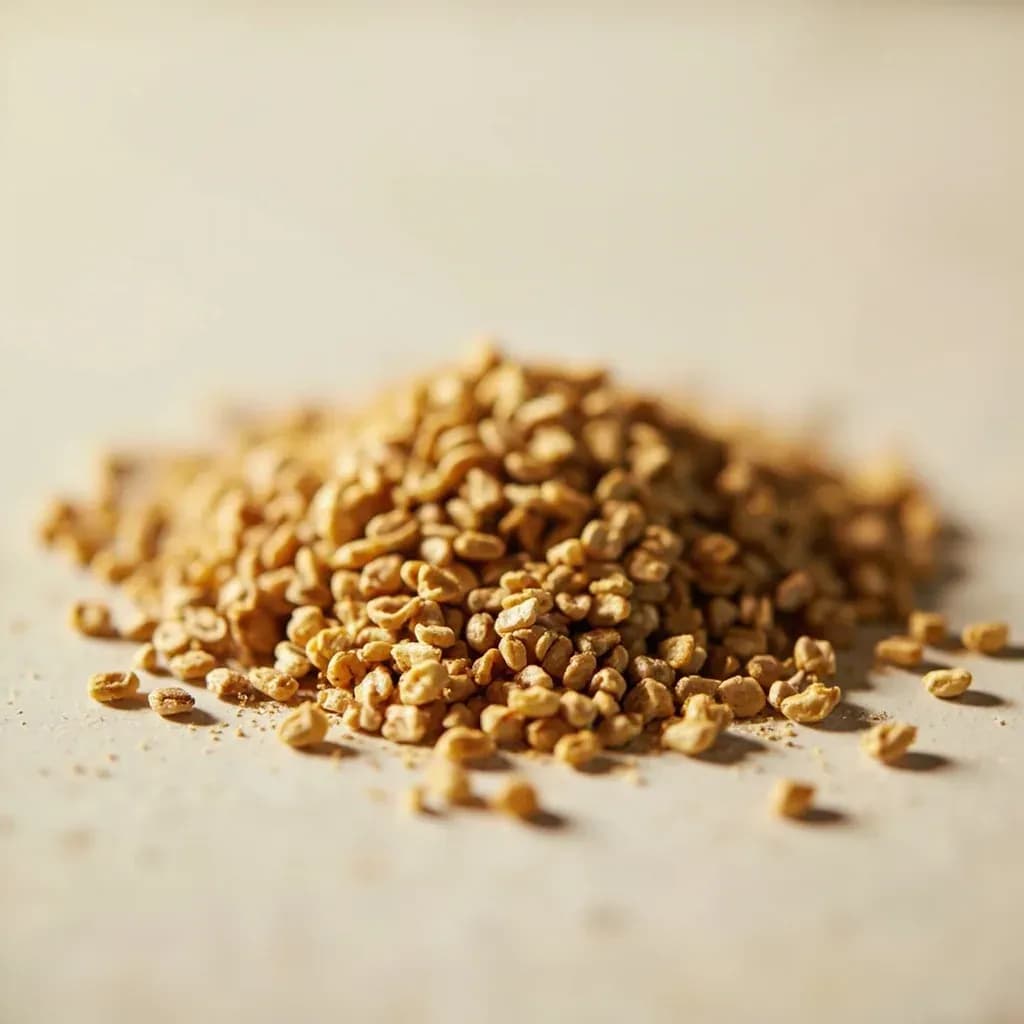
Greek and Cypriot fermented pasta-like pellets of cracked wheat and soured milk, simmered into soup.
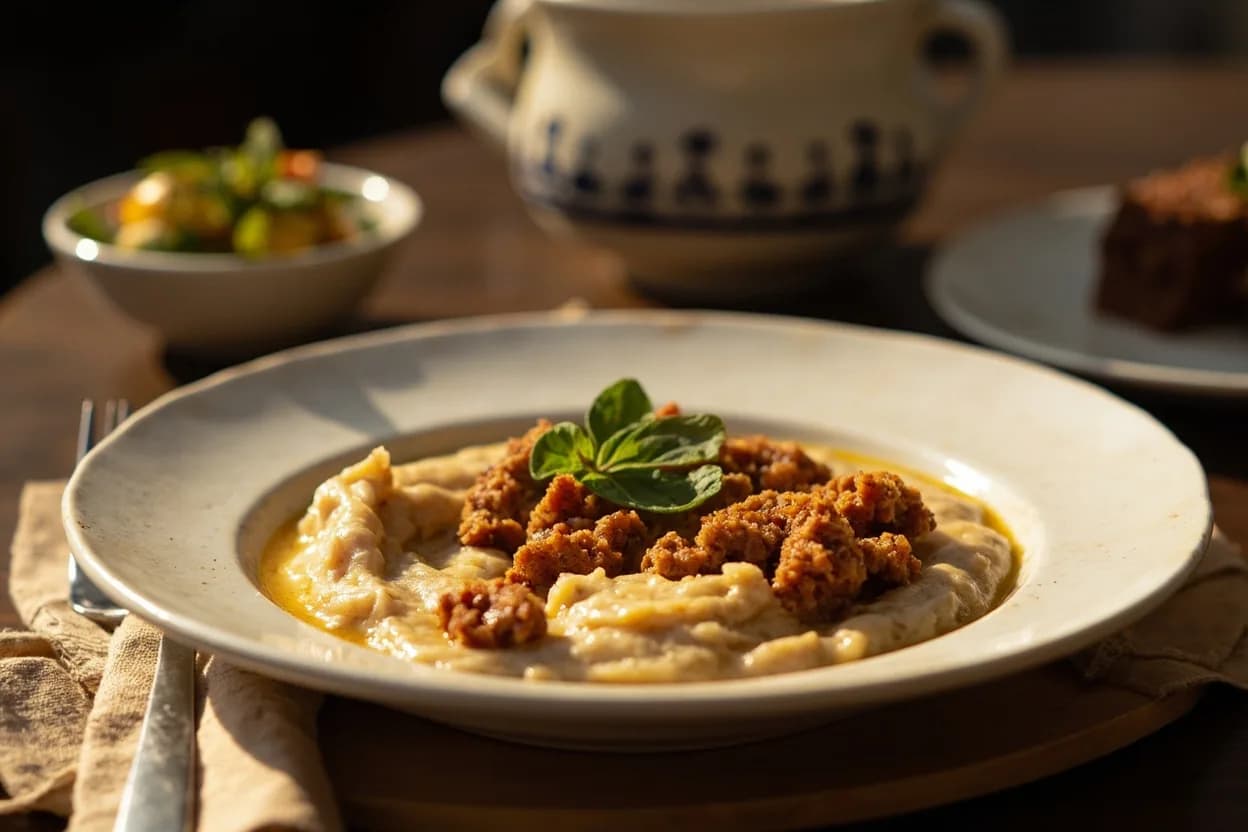
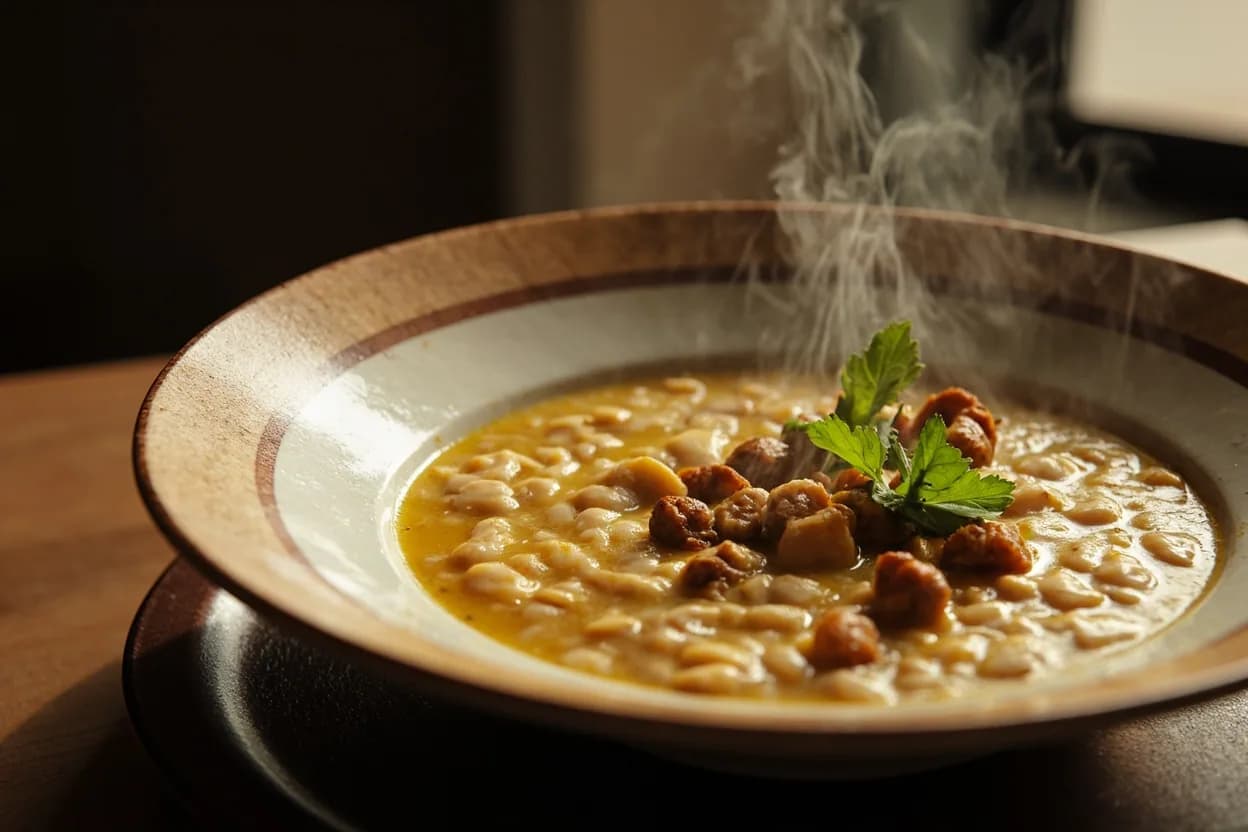
Trahanas is a traditional Greek and Cypriot dried food made by mixing cracked or coarse wheat with fermented or soured milk, then drying it into small irregular pellets. It is simmered into a warming, tangy porridge or soup, sometimes with halloumi or tomato. Both sour and sweet versions exist, and it was historically a way to preserve milk for winter.
Trahana is a fermented, sun-dried cracked wheat product that ranks among the oldest preserved foods in the Eastern Mediterranean, with documented references dating to the Byzantine era. It is made by mixing cracked wheat with soured milk, yogurt, or kefir, then spreading the mixture in thin layers to dry in the sun. During drying, natural lactic acid fermentation develops over several days, giving trahana its characteristic tang and acting as a natural preservative before refrigeration existed. Once dry, the cake is broken by hand or wooden mallets into irregular, pellet-like granules ranging from fine to coarse.
The fermentation does more than preserve—it transforms the wheat. The acidic environment partially breaks down the wheat's starches and proteins, so trahana cooks relatively quickly and contributes body and texture to soups with less effort than uncooked grains. The flavor is mildly tangy and sour, with a subtle wheat sweetness underneath. The texture, meanwhile, ranges from fine granules that dissolve into soup to coarse pieces that hold their shape and chewiness, making the choice of variety critical to your dish. In Cyprus, trahana is considered a national dish and remains a staple of home cooking and commercial production alike; finding authentic imported trahana outside Greece and Cyprus can be the real difficulty, not the cooking.
- Measured in
- g
- Storage
- Pantry
Allergens
Types & varieties
Made with fresh milk; less tangy, slightly sweet; common in northern Greece
Made with yogurt or soured milk; pronounced tang; traditional Cypriot style
Hand-pounded variety from Cyprus; coarser texture, intensely flavored
Finely ground; ideal for soups and lighter preparations
Larger granules; often cooked as a side dish or with more liquid and longer time
Sometimes colored or flavored with tomato; common in commercial preparations
Why Fermentation Matters
The lactic acid fermentation in trahana serves two purposes that made it invaluable in the pre-refrigeration Mediterranean. First, the acidity inhibits spoilage organisms, allowing the product to keep for months without special storage. Second, the fermentation partially breaks down the wheat's starches and proteins, so the finished product cooks faster and produces soups with a natural body and creaminess that plain cracked wheat cannot match. When you taste a properly made trahana soup, that sour backbone is not an accident or a flavor choice—it is functional heritage, a technique developed to solve the problem of storing perishable dairy and grain together in a warm climate.
Common uses
Tips & pitfalls
- Add trahana to boiling liquid gradually, stirring frequently to prevent clumping as the granules hydrate unevenly.
- Use roughly 1 part trahana to 4–5 parts liquid for a soup consistency; use more liquid for a thinner soup, less for a porridge-like side dish.
- Traditional recipes call for slow simmering over medium-low heat; high heat causes the wheat to turn gummy and the bottom of the pot to scorch.
- A pinch of sugar can balance excess acidity in sour trahana varieties without masking the genuine fermented tang.
- Do not rinse trahana before cooking; the fermentation residue on the surface contributes meaningful flavor and the starchy coating helps it integrate into soup.
- Leftover trahana soup thickens significantly overnight as the granules continue absorbing liquid; add water or stock when reheating to restore consistency.
- Match your trahana variety to your intended use: fine trahana for soups, coarse trahana for pilafs or side dishes that should hold distinct texture.
- Look for trahana in Greek, Cypriot, or Turkish markets; if the product is pale, fine, and uniform, it is likely mass-produced and less flavorful than traditional sun-dried varieties.
Nutrition
Nutrition
No USDA FoodData Central match for Trahanas yet. We surface a per-100 g profile once a generic whole-food entry is matched and verified.
In the shops
Matched grocery products
No matched grocery products for Trahanas yet.
Good to know
- Origin
- Greece and Cyprus, with documented references dating to Byzantine era
- Type
- Fermented, sun-dried cracked wheat product
- Primary fermentation agent
- Soured milk, yogurt, or kefir
- Texture
- Irregular, pellet-like granules; ranges from fine (soup-grade) to coarse (side-dish grade)
- Flavor
- Mildly tangy and sour from fermentation, with a subtle wheat sweetness
- Shelf life (dried)
- 6–12 months when stored airtight in a cool, dry place
- Typical cooking time
- 15–30 minutes for soup; up to 45 minutes for thicker preparations
- Difficulty
- Easy to cook; difficulty lies in finding authentic product outside Greece/Cyprus
Substitutes
- Orzo (Kritharaki) — Similar pellet shape but lacks fermentation tang; add a splash of lemon juice or yogurt to approximate flavor
- Couscous — Comparable texture; does not provide the sour fermented notes
- Broken Angel Hair Pasta — Rough texture substitute; cook in broth with a spoonful of yogurt for tang
- Farro or Spelt Groats — Nuttier flavor; requires longer cooking time to reach similar softness
Pairs with
Also called
Trahana · Tarhana
Appears in these dishes

Related

White Rice
Fluffy long-grain rice — the neutral base for almost any meal

White Bread
Soft sandwich loaf for toast, sandwiches, and crumbs
Brown Rice
Nutty, whole-grain rice with chew and extra fiber

Basmati Rice
Fragrant, long-grain rice that cooks up light and separate
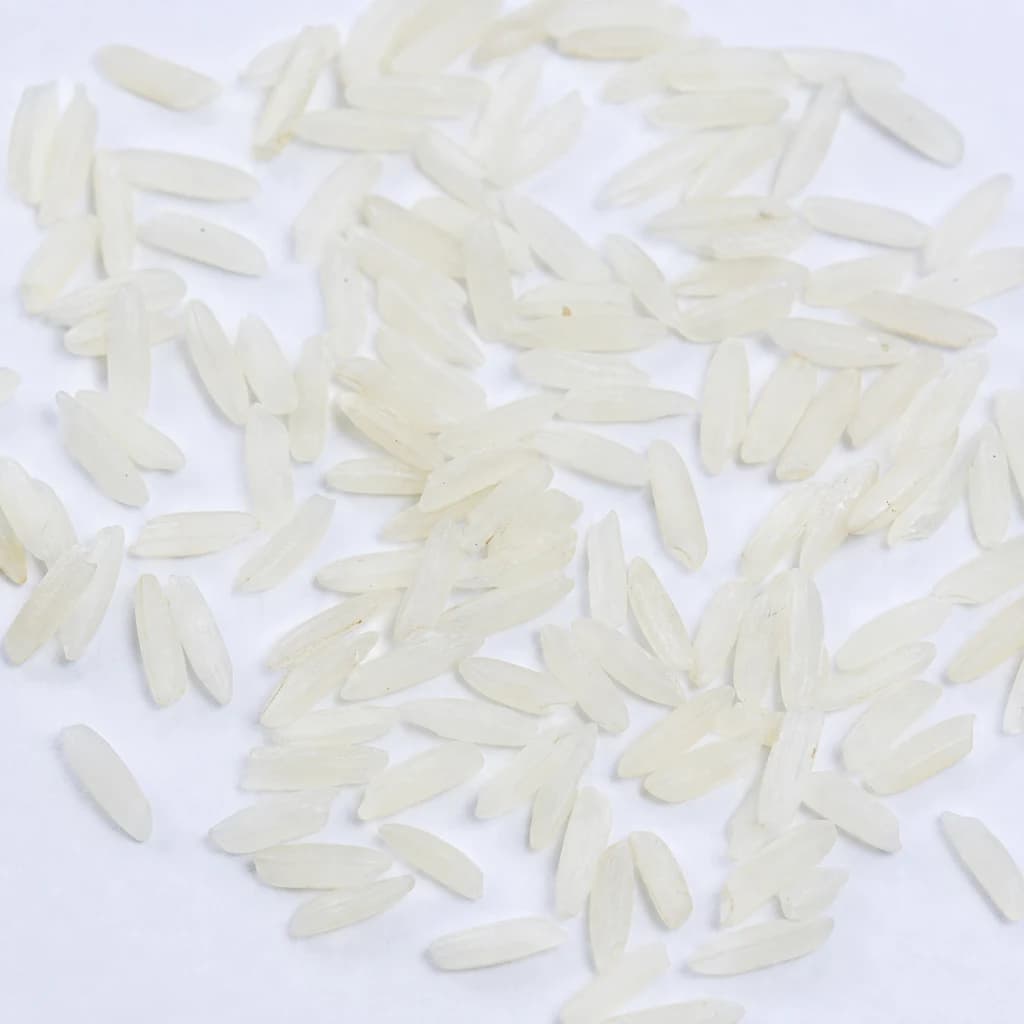
Jasmine Rice
Soft, floral-scented rice that's the pillar of Thai meals
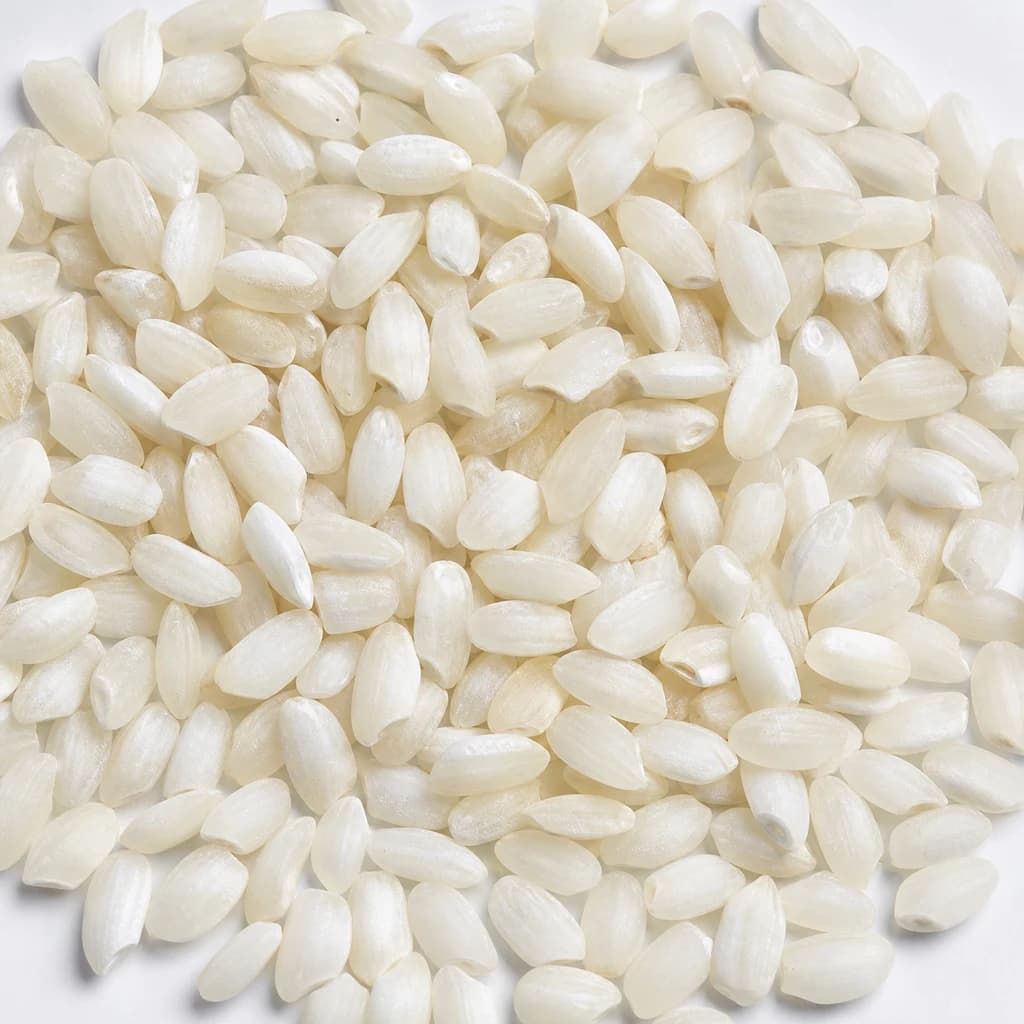
Arborio Rice
Plump, starchy rice that makes risotto creamy
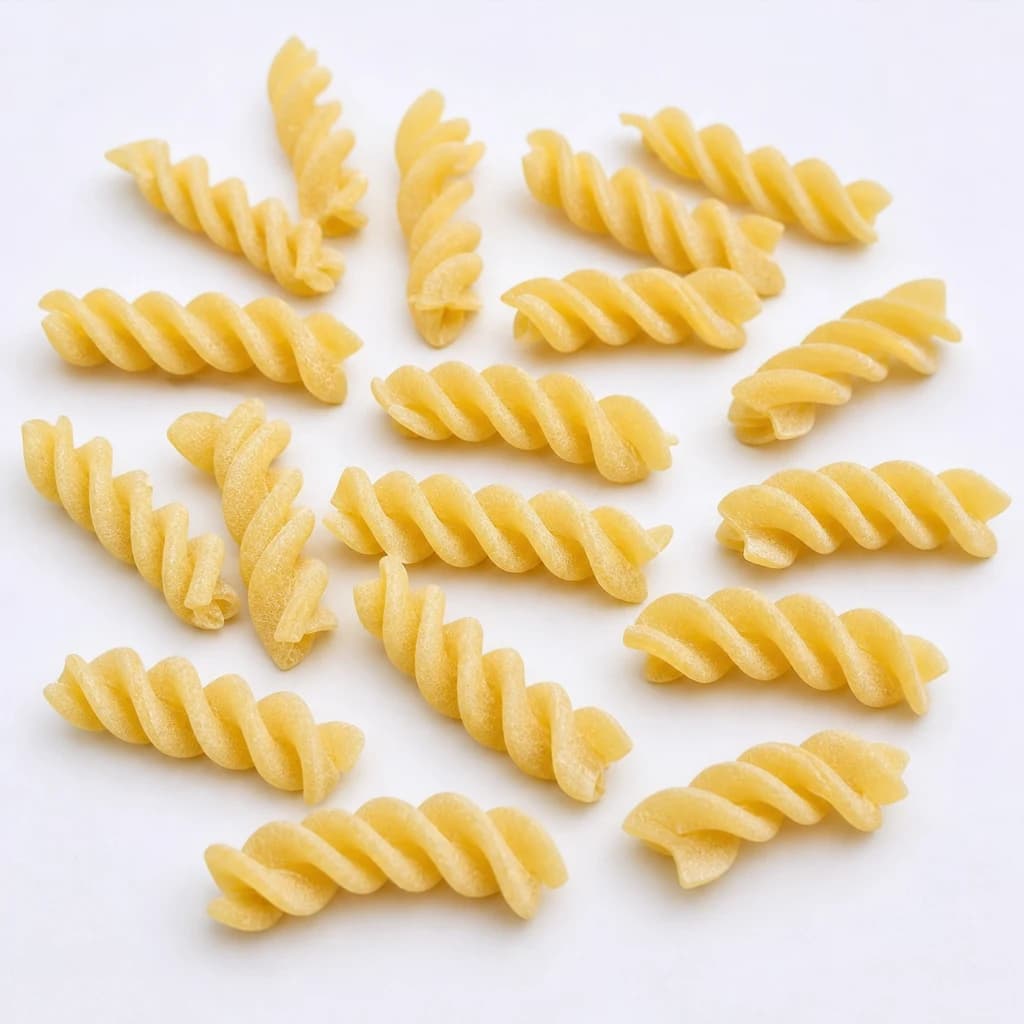
Fusilli
Spiraled pasta that twirls up sauce and dresses cold salads
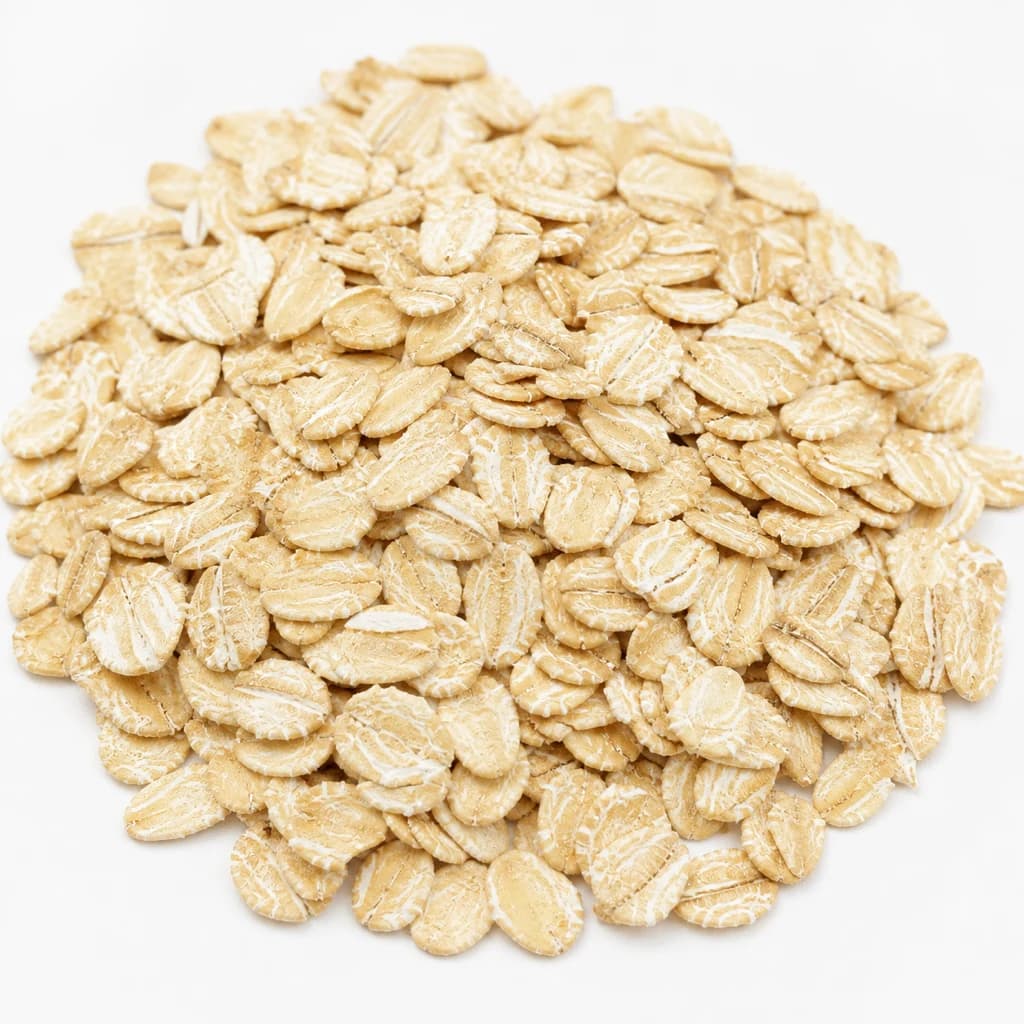
Rolled Oats
Hearty flakes for porridge, granola, and chewy cookies