Stored
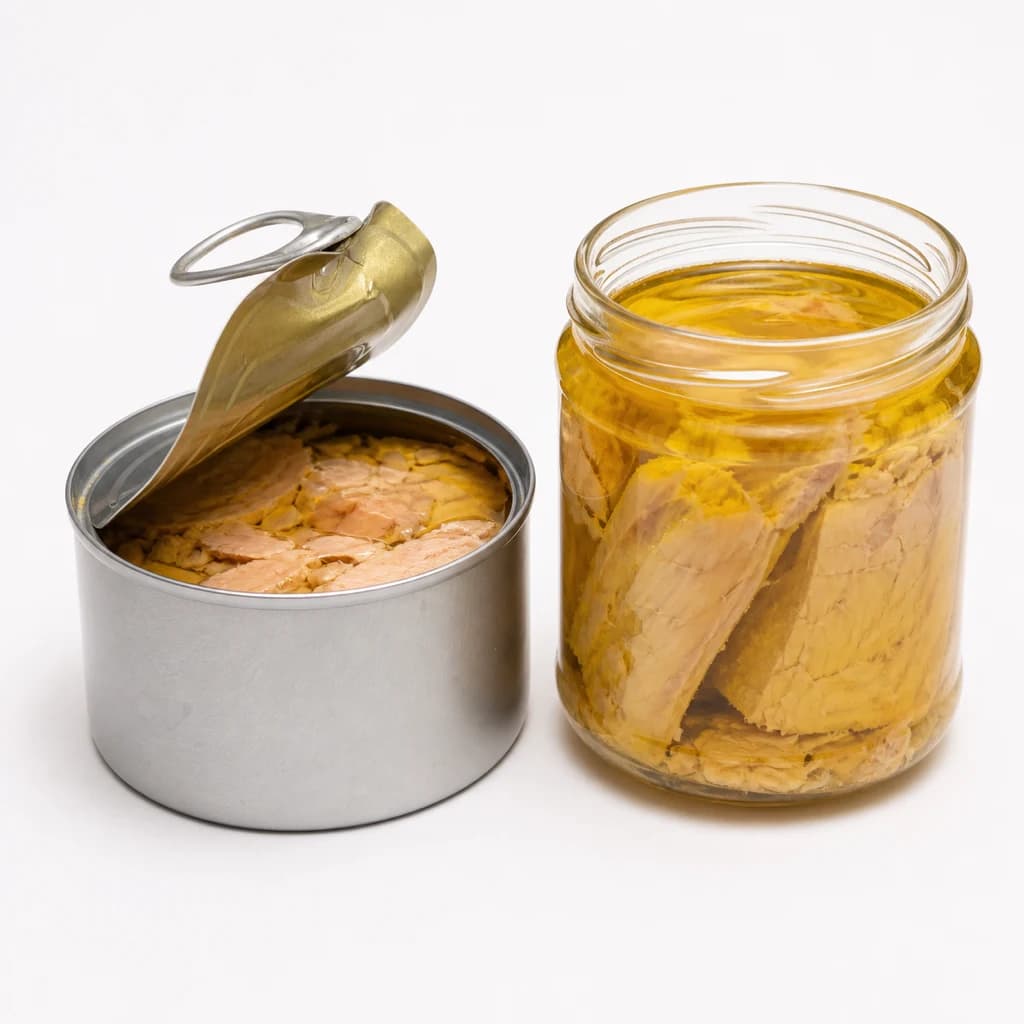
Canned and jarred tuna in olive oil, two common retail formats side by side.
Shows the preserved storage formats readers encounter at market, distinguishing oil-packed from other tuna products.
Proteins
Tuna in Olive Oil
Canned tuna packed in olive oil, ready for salads, pastas, sandwiches and antipasti.
This is cooked tuna preserved in olive oil and sealed in a can or jar, giving a moist, rich flake compared with water-packed tuna. It needs no cooking and is folded into salads, tossed with pasta, layered in sandwiches, or served as part of an antipasto. Italian and Spanish versions are especially valued for their tender texture.
Canned tuna in olive oil represents one of the most versatile and affordable luxury proteins available to the home cook. Unlike its water-packed counterpart, tuna packed in oil retains significant fat content from both the fish and the olive oil itself, creating a product with far richer flavor, better texture, and superior mouthfeel. The canning process—refined extensively in Italy, Spain, and Portugal—cooks the fish once inside the sealed container, infusing it with olive oil that becomes an extension of the ingredient itself. The difference between premium whole-muscle tuna (tonno sott'olio) and mass-market mechanically separated product is dramatic: whole-muscle fillets retain their integrity and can be flaked into substantial pieces, while mechanically recovered meat produces a fine, pasty texture that falls apart easily. The finest specimens, particularly from Italian brands like Rizzoli E. and Tunaross, are hand-packed in hand-twisted cans with individual fillets that hold their structure beautifully in salads and antipasto presentations.
The olive oil used in quality canned tuna is not incidental packaging—it is a critical ingredient that carries the fish's natural umami and delivers the distinctive fruity, peppery characteristics of good olive oil. When you drain a can of premium tuna, you discard flavor potential; the oil left behind contains concentrated essence of both the fish and the olive. Savvy cooks reserve this oil for dressings, pasta sauces, and finishing applications. Tuna in oil behaves differently than water-packed: it doesn't require aggressive seasoning since the fat carries flavor more efficiently, it holds up better to warm applications, and it performs best when allowed to come to room temperature before serving to fully express its aroma and taste.
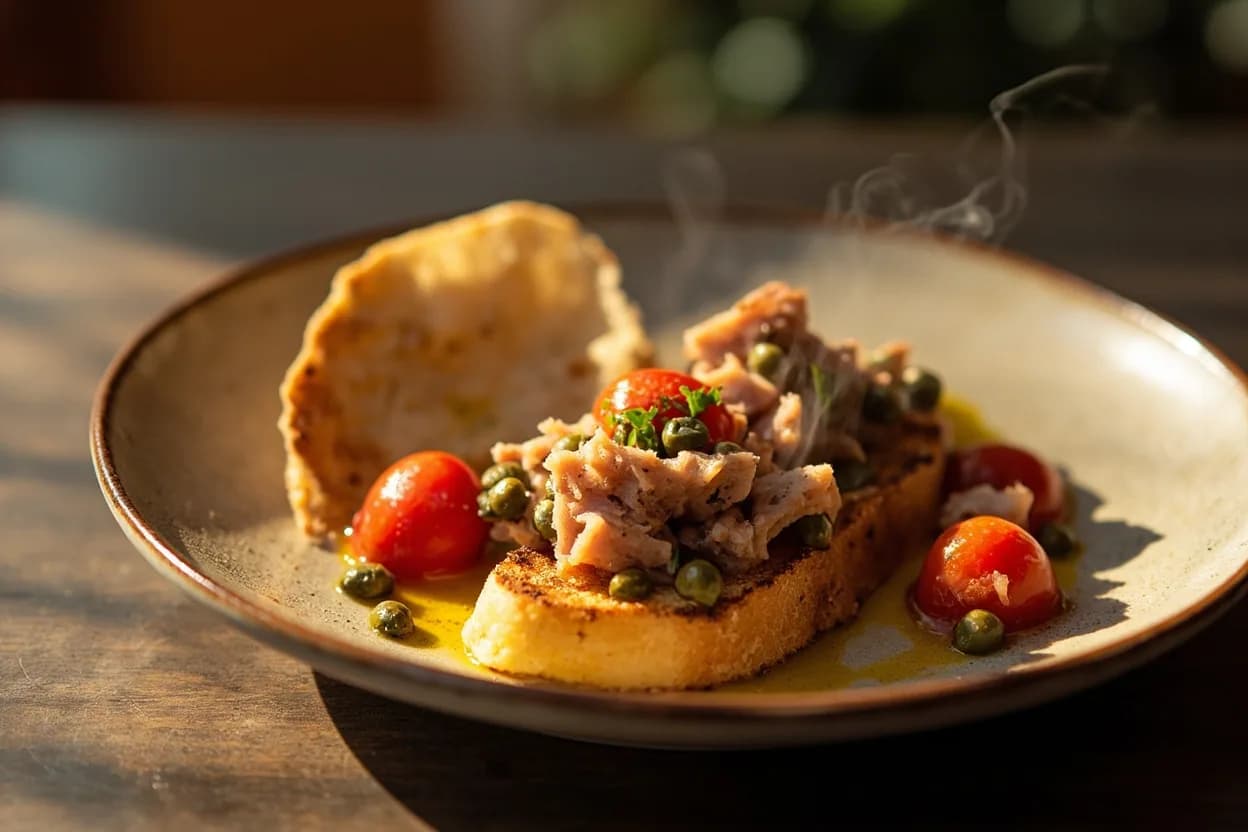
The species matters considerably. Albacore provides the mildest, firmest white flesh most familiar to American consumers, while skipjack delivers stronger, darker meat with more assertive fish character. The premium Italian and Spanish tradition favors northern bluefin and bonito del norte, line-caught in cold waters for clean flavor and firm texture. Ventresca—the belly cut—represents the pinnacle of canned tuna luxury: buttery, tender, and substantially more expensive, it is a delicacy that stands alone on an antipasto platter or barely dressed with lemon and capers.
- Measured in
- g
- Storage
- Pantry
Allergens
Types & varieties
Light flesh, mild flavor, firm texture. Most common in US markets. Look for "solid white" or "chunk white" distinctions.
From skipjack or yellowfin; darker flesh, stronger flavor, often more affordable and sustainable.
Premium cut from the tuna belly. Exceptionally buttery, tender texture. Italian and Spanish premium brands specialize in this cut.
Spanish designation for northern bluefin, line-caught in Cantabrian Sea. Mild, delicate flavor. Protected designation in Spain.
Italian whole-muscle tuna in oil. Fish is cooked once in the can with olive oil, preserving texture and flavor.
Common uses
Tips & pitfalls
- The canning oil is kitchen gold—save it for dressings, sautéing garlic, or drizzling over bread; it carries the tuna's umami and olive fruitiness
- Drain tuna over a fine mesh strainer but don't press or squeeze; pressing extracts moisture and causes mushy texture
- For antipasti and salads, use tuna at room temperature to fully appreciate its flavor; cold from refrigerator mutes taste
- Season assertively when using oil-packed tuna in place of water-packed in recipes; the fat carries flavor differently
- Flake with two forks held in each hand, pulling with the grain for attractive pieces rather than mashing
- Quality varies enormously—the difference between premium Italian brands and economy cans is substantial; spend the extra dollar
- Look for "line-caught" or "pole-caught" on labels; these methods yield firmer, cleaner-tasting fish without bycatch concerns
- When making tuna salad, mix dressing into the flaked tuna first, then let rest 15 minutes; the oil-coated tuna won't absorb watery dressing as readily
- For sandwiches, layer drained tuna with a slotted spoon to prevent sogginess; the retained oil is sufficient moisture
Nutrition
Energy
3699 kJ · per 100 g
Where the calories come from
Protein
0g
0% DV
Carbs
0g
0% DV
Fat
100g
128% DV
Fiber
0g
0% DV
Sugars
0g
of which
Sodium
0mg
0% DV
Source · USDA FoodData Central · approx. Oil, corn, peanut, and olive
View on FDC →In the shops
Matched grocery products
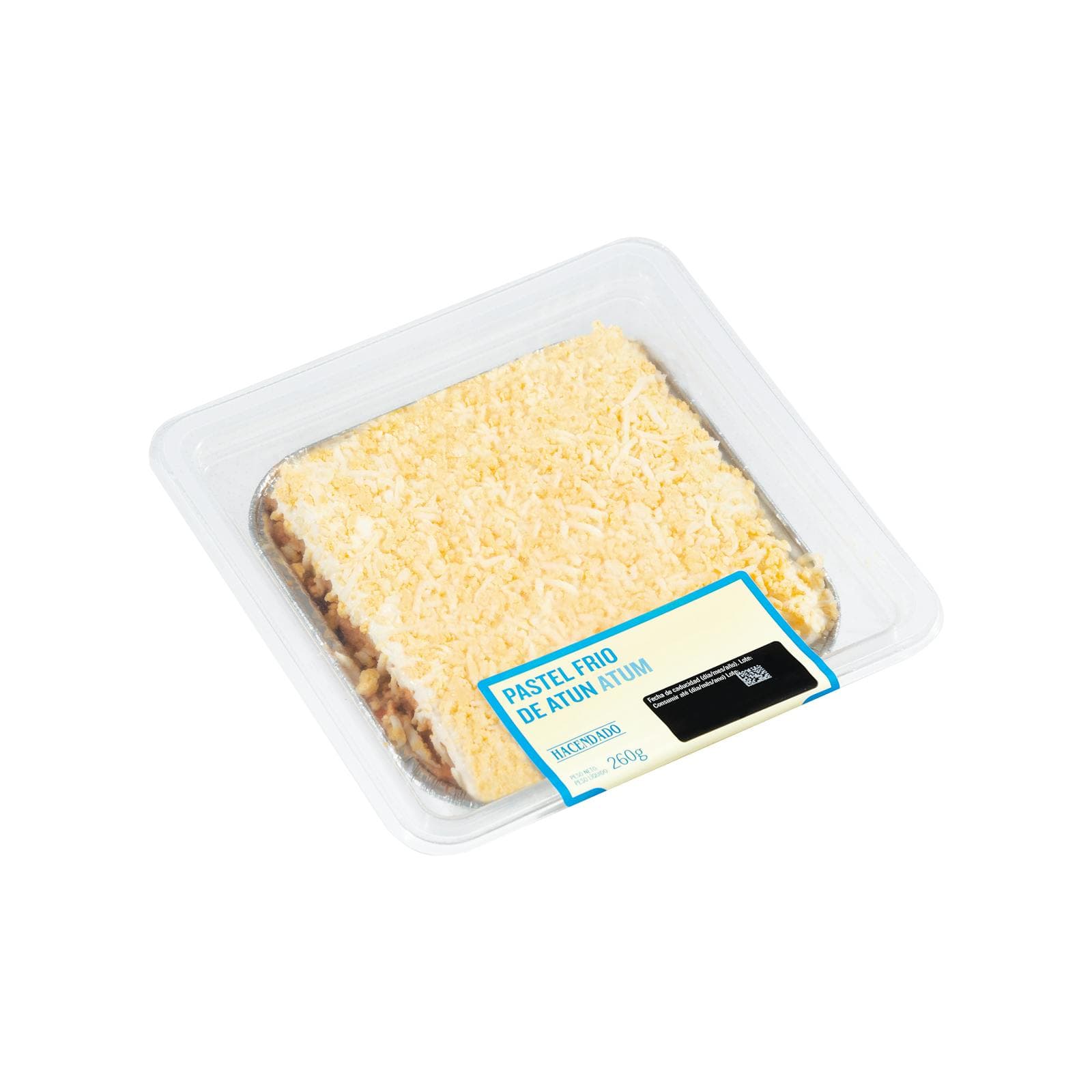 €2.90
€2.90Tuna Pie
Hacendado · 260 g · Mercadona
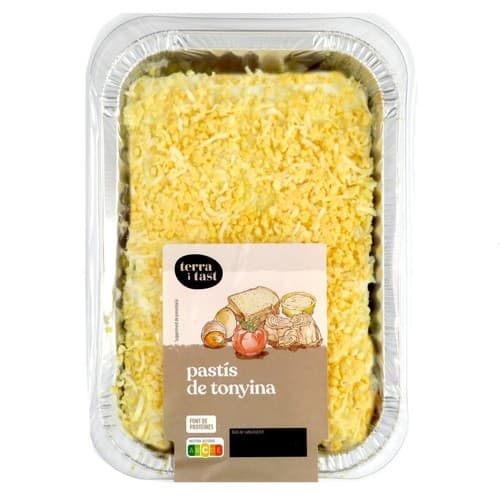 €4.99
€4.99Tuna Pie
TERRA I TAST · kg · Bonpreu
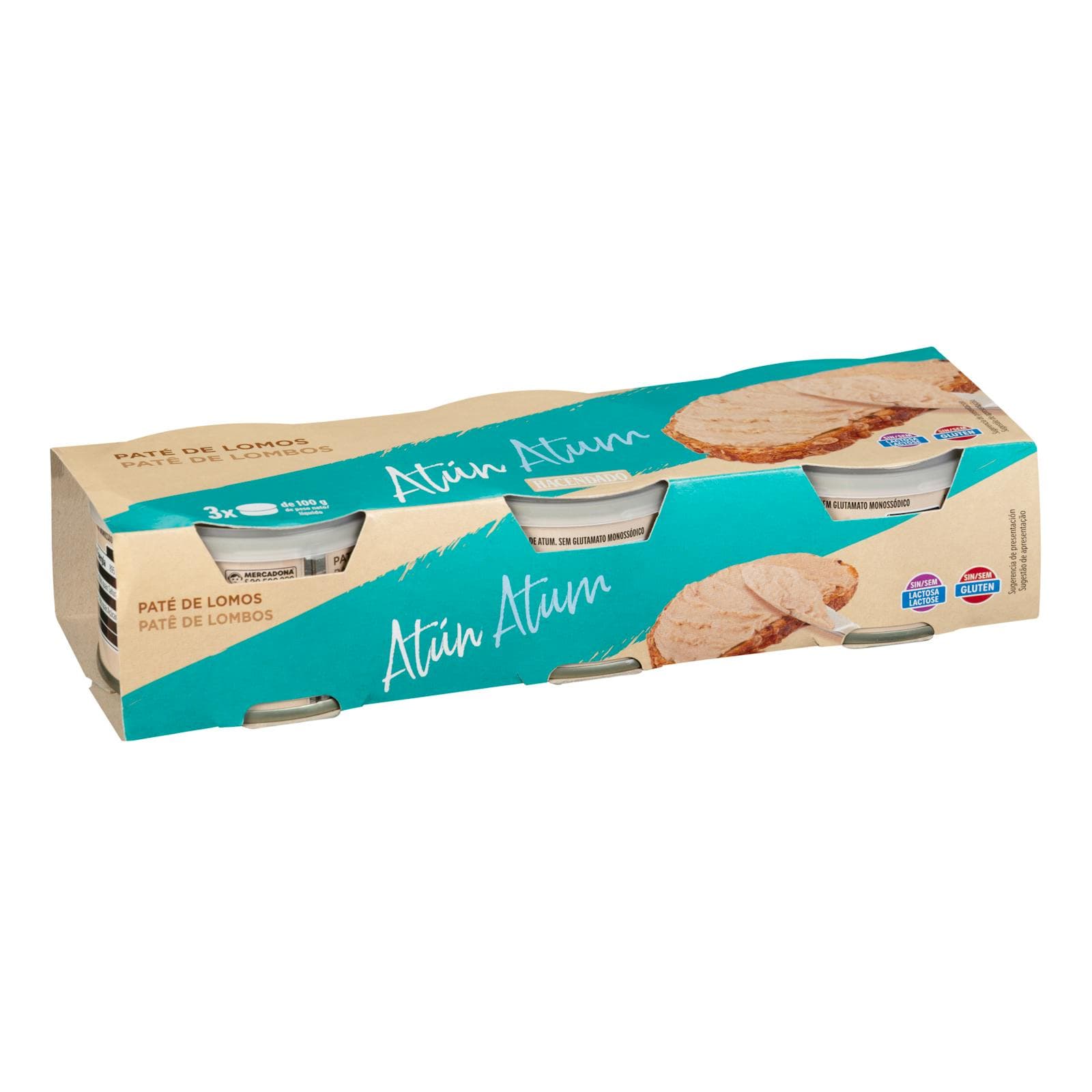 €2.30
€2.30Tuna Loin Paté
Hacendado · 300 g · Mercadona
 €3.25
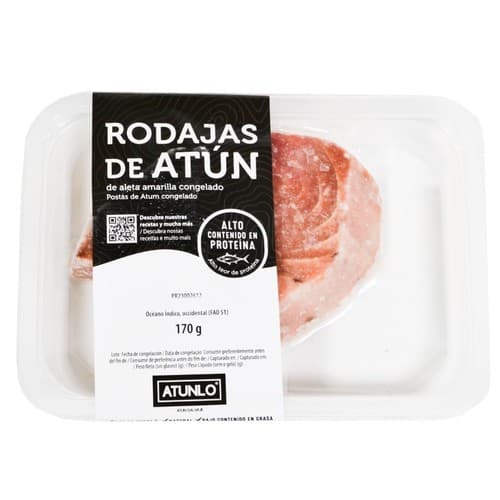
€3.25Natural Tuna Rondanxa
ATUNLO · kg · Bonpreu
 €5.37
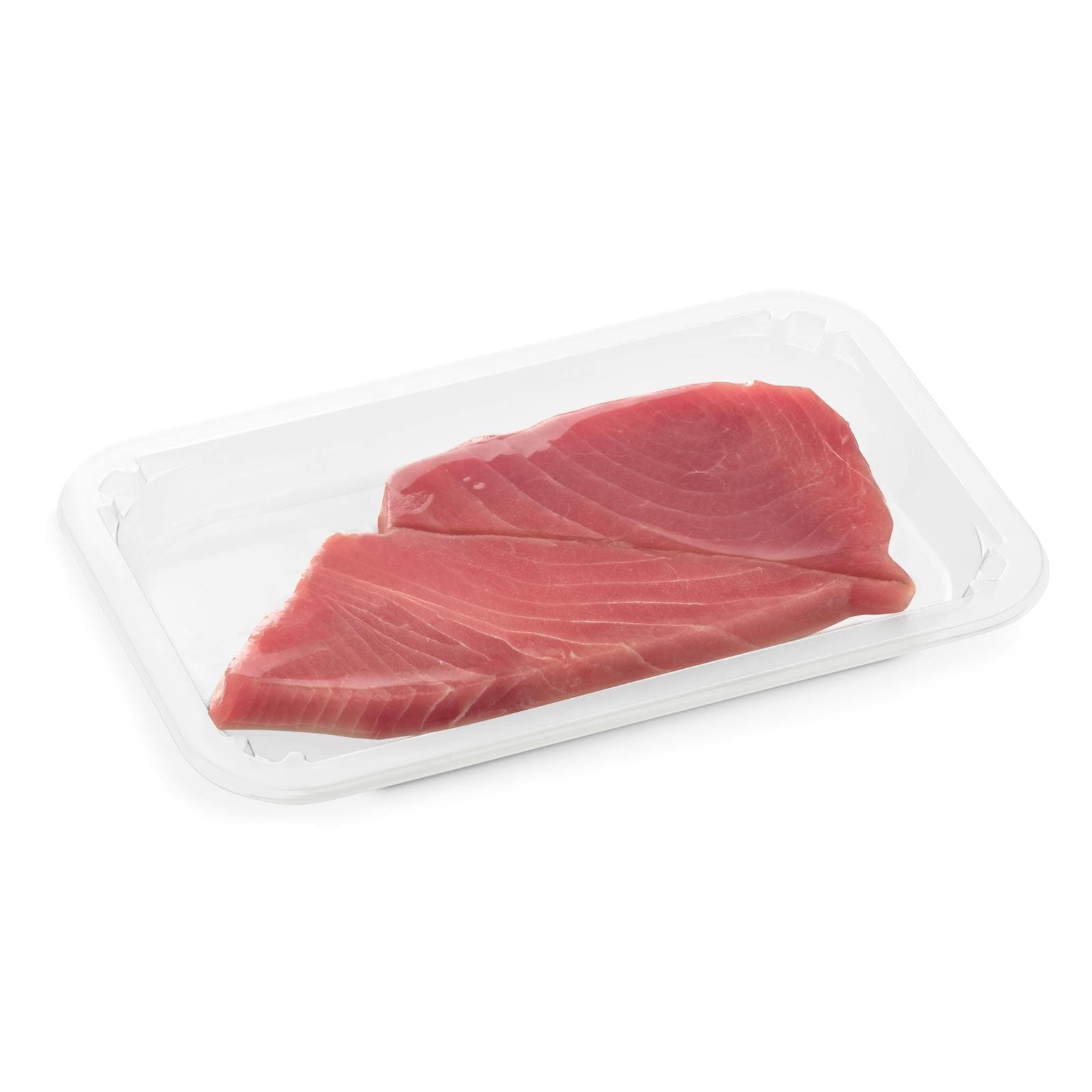
€5.37Yellowfin Tuna Slices
235 g · Mercadona
 €2.99
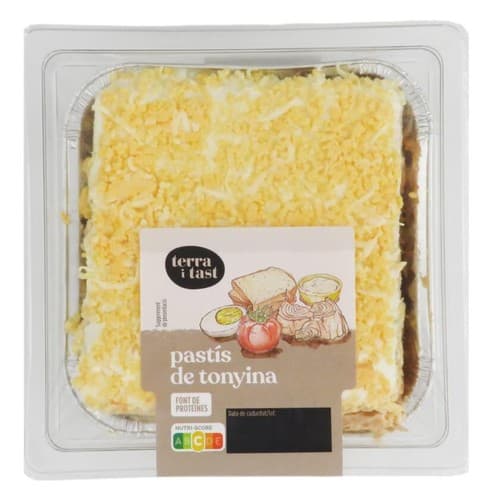
€2.99Terra i Tast Tuna Cake
TERRA I TAST · kg · Bonpreu
Good to know
- Form
- Canned or jarred preserved seafood, typically in extra virgin olive oil or refined olive oil
- Primary Species
- Northern bluefin (Thunnus thynnus), albacore (Thunnus alalunga), and skipjack (Katsuwonus pelamis)
- Typical Weight
- 4–5 oz (112–140 g) standard can; 3.5 oz (100 g) jar common in premium Italian brands
- Shelf Life
- 2–3 years unopened; 1–2 days refrigerated after opening
- Fat Content
- 15–25 g per can (from olive oil); significantly higher than water-packed equivalents
- Protein Content
- 25–30 g per can
- Key Producing Regions
- Italy (Rizzoli E., Callipo, Tunaross), Spain (Conservas Garavilla/Ortiz, Isabel), Portugal, and Japan
- Quality Markers
- Should list specific tuna species; "pole and line" or "trolling" indicates sustainable, firm-fleshed fish; olive oil should be first listed ingredient
- Oil Types Used
- Extra virgin olive oil (premium), refined olive oil (standard), sometimes sunflower or canola oil in economy brands
- Cost Range
- $3–8 per standard can for premium Mediterranean brands; $1–3 for mass-market brands
Substitutes
- Sardines in Olive Oil — Similar richness and texture; more assertive fish flavor. Strong 1:1 substitute in salads and pasta.
- Canned Salmon — Comparable protein content and oil-canned format; pink salmon has stronger flavor, red salmon is milder. Works in salads and pasta.
- Mackerel in Tomato Sauce — Oilier fish with stronger character; better in pasta and salad niçoise adaptations than in delicate applications.
- Fresh Sautéed Tuna Steak — For hot preparations; season and sear 1–2 minutes per side. Not suitable for cold applications.
- Anchovy Fillets — Extreme intensity; use 1–2 fillets minced in place of flaked tuna for umami in dressings and sauces.
Pairs with
Also called
Canned Tuna · Tinned Tuna
Appears in these dishes
Related
Egg
The kitchen's everything ingredient — bind, leaven, enrich, or fry
Chicken Breast
Lean, quick-cooking white meat for everyday dinners

Ground Beef
Versatile minced beef for burgers, ragù, tacos, and meatballs
Pork Loin
Lean, tender roasting cut that stays juicy with care
Salmon
Rich, rosy fish that roasts, grills, or cures beautifully

Egg White
Pure protein that whips to airy peaks for meringue and more
Egg Yolk
Rich, golden yolk for custards, mayonnaise, and pasta

Quail Egg
Tiny, speckled eggs for garnishing and elegant bites