Produce
White Onion
Sharper and cleaner-tasting than yellow, with thin papery skin; the crisp raw onion for salsa, ceviche, and tacos, and it softens fast when cooked.
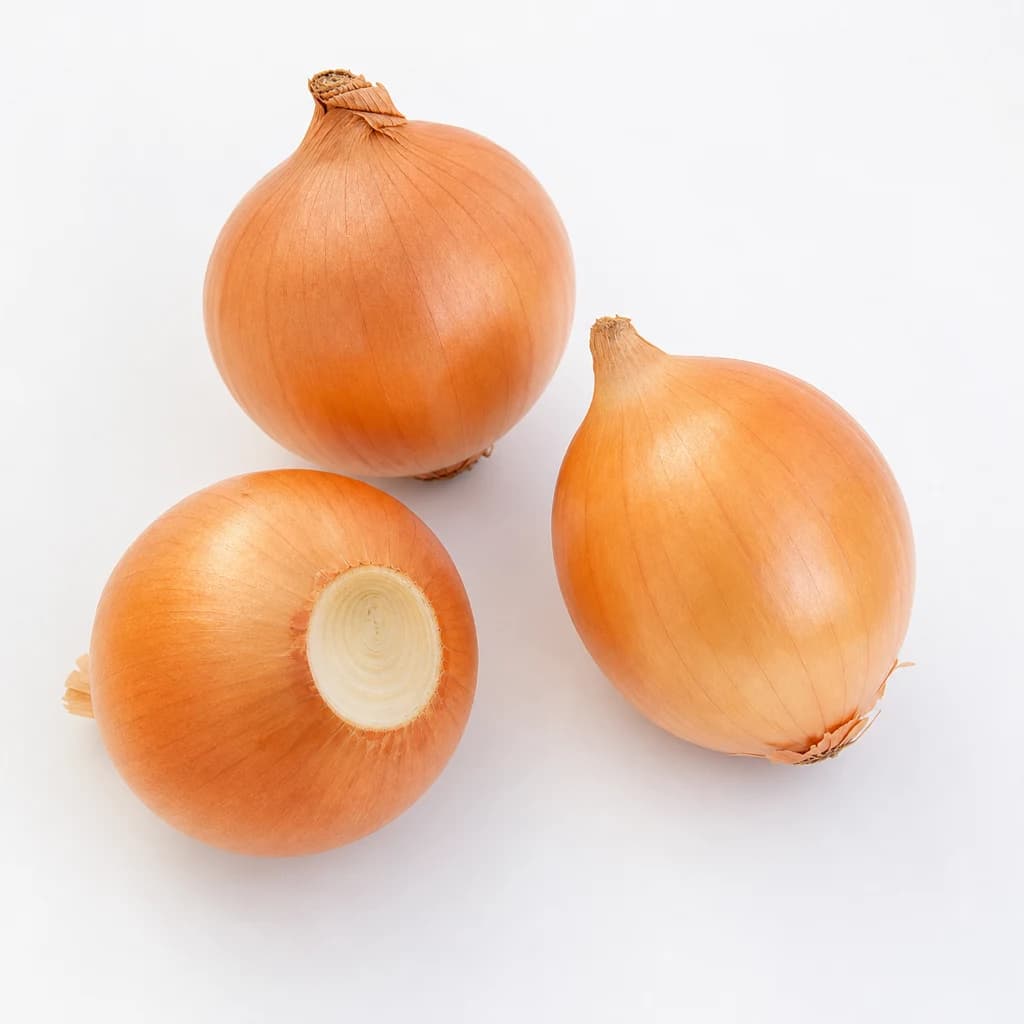
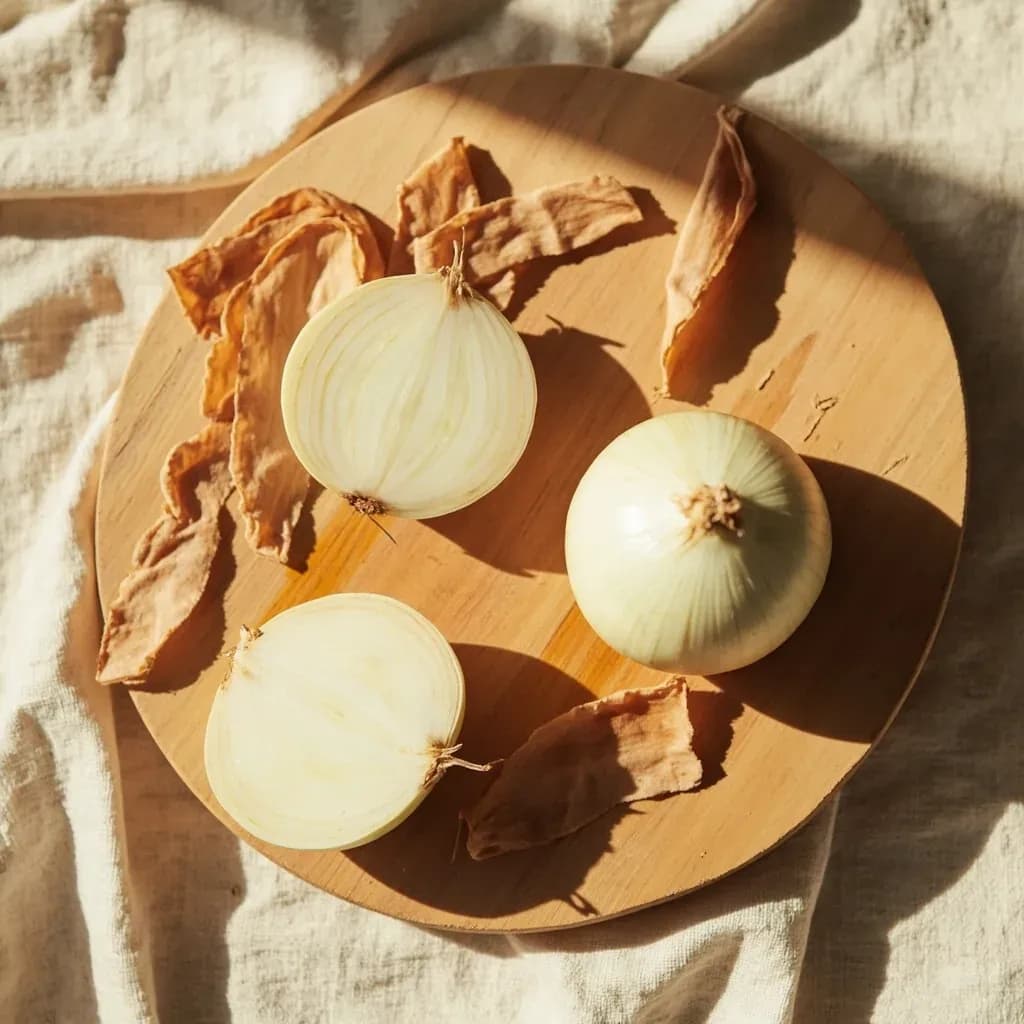
The white onion is the sharp, crisp, clean-flavored workhorse of raw onion cookery across Mexico, the U.S. Southwest, and much of Latin America. Botanically the same species as yellow and red onions, it sits at the opposite end of the flavor spectrum from sweet onions: thin, bright-white papery skin over white fine-grained flesh, low sugar (around 4–5%), and high water content (about 89%) that gives it a signature snap when bitten raw. Its higher sulfur content is what reads as peppery and clean rather than mellow.
In practice, treat it as a different ingredient from yellow onion. The high water content means it softens and collapses under heat much faster, so it rarely belongs in long braises or stews where a yellow onion's slow caramelization is wanted. But that same water, plus its crisp dense cell structure, is what lets it stay crunchy for hours in acidic preparations: pico de gallo, ceviche, pickled garnishes, slaw. Reach for it when the raw, sharp bite is the point.
A common substitution trap: Vidalia, Walla Walla, Maui, and Texas 1015 are sweet onions that are technically yellow- or gold-skinned but white-fleshed; they are noticeably milder and sweeter than a true white onion and behave very differently in salsa. When a recipe calls for "white onion," especially in a Mexican context, that sharp almost peppery bite is part of the architecture of the dish, not an accident.
- Measured in
- piece
- Storage
- Dark Cool
Find it in
Suits
Types & varieties
Large, mild, juicy white onion historically associated with Texas and the U.S. South; flatter shape, slightly sweeter than typical white onions
Mild, medium-to-large globe; sits closer to a sweet onion than to a sharp white
Heirloom medium globe with crisp white flesh and a traditional sharp bite; widely grown for fresh use
Small, flat, very thin-skinned white onions; popular in Italian cooking and for pickling
Very small (about 1 inch), mild and crisp; sold fresh or pickled as cocktail onions
Small, very mild pickling onion; holds shape well in brine
Short-day white variety grown in the southern U.S.; matures early with moderate pungency
White onion in Mexican and Latin American cooking
The white onion is, in practice, the default raw onion across most of Mexico and the U.S. Southwest. Pico de gallo, salsa cruda, ceviche, aguachile, and the chopped-onion-and-cilantro garnish that lands on tacos al pastor and carne asada all assume the clean, almost peppery bite of a white onion. When the cook dices it fine and soaks it briefly in cold water, or lets it sit with lime juice, salt, and cilantro before serving, the harshest sulfur notes mellow just enough while the crunch stays intact — a balance sweet onions cannot deliver. If you are cooking from a Mexican or Tex-Mex recipe, the type of onion is rarely incidental; substituting a Vidalia will give you a softer, sweeter, less aromatic result.
Common uses
Tips & pitfalls
- Choose bulbs that are firm and heavy for their size, with tight, dry, papery skins; reject any with soft necks, dark patches, green sprouts, or moisture at the roots
- Store whole bulbs in a mesh bag or open basket in a cool, dark, dry pantry — never in plastic, which traps moisture and invites rot
- Keep white onions away from potatoes; both spoil faster from the moisture and gases they exchange
- Soak diced raw white onion in cold water for 10–15 minutes, then drain, to mellow the harshest bite in salads or salsas
- Add white onion later than you would yellow in long braises and stews — its high water content means it breaks down and turns mushy well before a yellow onion would
- When a Mexican recipe calls for "white onion," do not default to a Vidalia or other sweet onion; they are sweeter, milder, and behave differently
- Use within 1–2 weeks for raw applications; older bulbs soften and develop a more sulfurous, less pleasant bite
Nutrition
Energy
167 kJ · per 100 g
Where the calories come from
Protein
1.1g
2% DV
Carbs
9.3g
3% DV
Fat
0.1g
0% DV
Fiber
1.7g
6% DV
Sugars
4.2g
of which
Sodium
4mg
0% DV
Source · USDA FoodData Central · Onions, raw
View on FDC →In the shops
Matched grocery products
 €2.40
€2.40Onions
1 kg · Mercadona
 €2.50
€2.50Sweet Onions
1 kg · Mercadona
 €3.90
€3.90Onions
2 kg · Mercadona
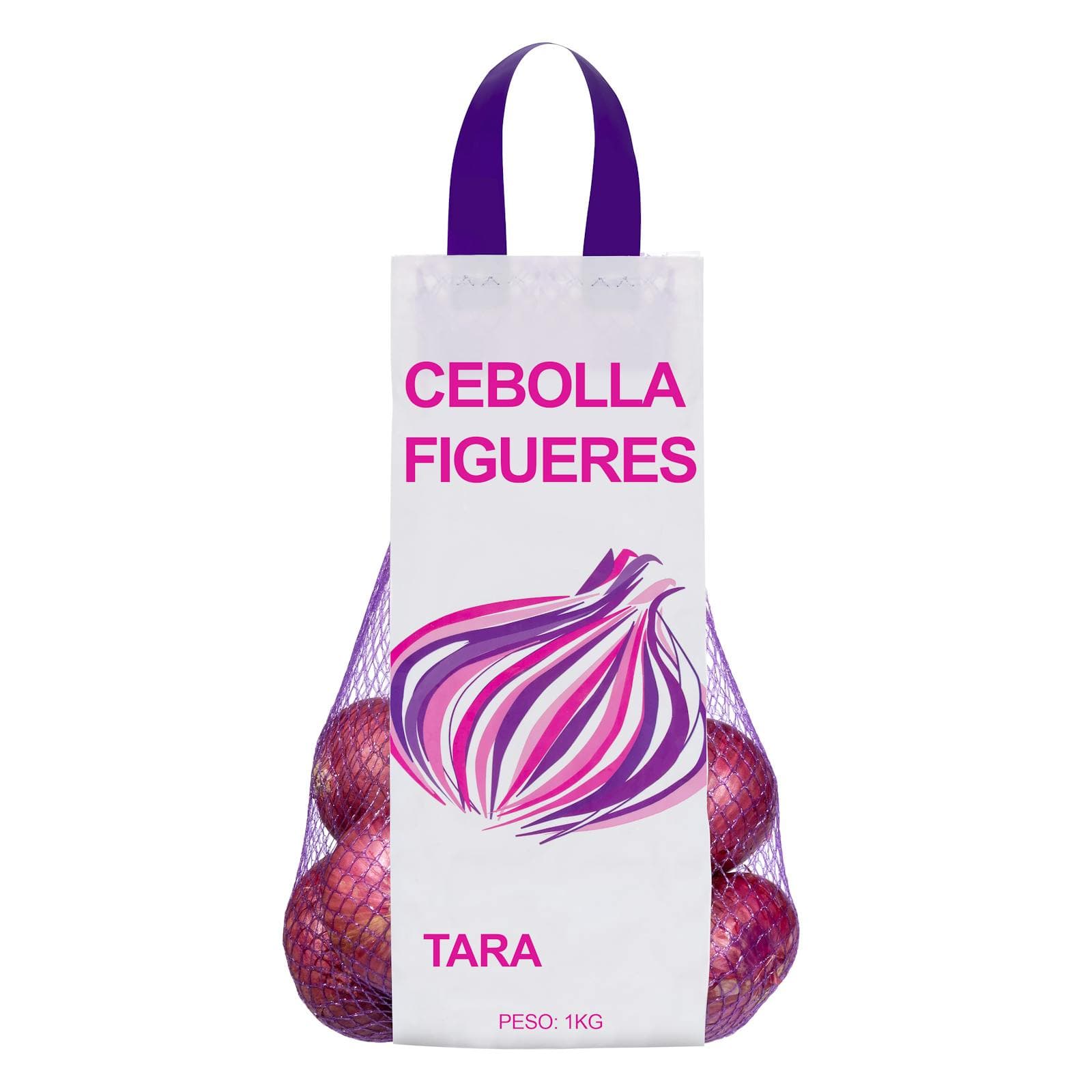 €2.00
€2.00Red Onions
1 kg · Mercadona
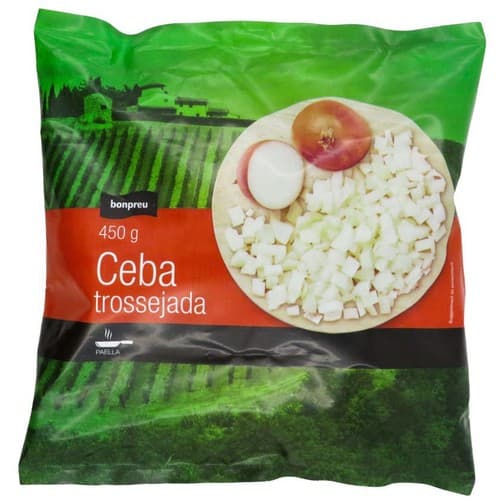 €1.00
€1.00Diced Onion
BONPREU · kg · Bonpreu
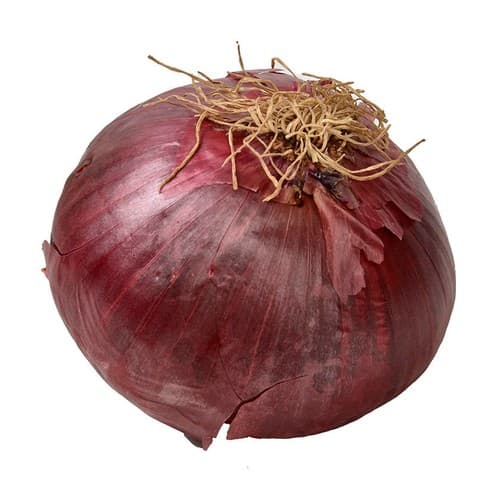 €0.68
€0.68Red Onion 1 unit
ud · Bonpreu
Good to know
- Scientific name
- Allium cepa
- Sugar content
- Roughly 4–5%, lower than yellow onion; higher sulfur and water content
- Water content
- Approximately 89% — explains raw crunch and rapid breakdown under heat
- Skin and flesh
- Thin, papery, bright-white skin over crisp, white, fine-grained flesh
- pH
- Roughly 5.0–5.5 (mildly acidic)
- Storage (whole)
- 1–2 months in a cool (45–55°F / 7–13°C), dry, dark, well-ventilated place; do not refrigerate whole bulbs
- Storage (cut)
- 7–10 days refrigerated in an airtight container or wrapped tightly
Substitutes
- Yellow onion — Closest all-purpose substitute; sharper and more sulfurous when raw, sweeter when cooked — fine in cooked dishes, slightly harsher in raw salsas
- Sweet onion (Vidalia, Walla Walla, Maui, Texas 1015) — Works raw in salads and tacos but is noticeably sweeter and milder; avoid where a sharp bite is the point
- Red onion — Acceptable raw substitute in salads and tacos; introduces a pink color and a slightly more vegetal note
- Shallot — Use about one-third the volume; milder and more delicate, good in vinaigrettes and gentle raw applications
- Scallions / green onions — Use only the white and pale-green parts; very mild and grassy — a last-resort substitute for raw garnishes
Pairs with
Also called
white onion · cebolla blanca · ceba blanca