
Natural form
A whole unsliced white pudding sausage showing its pale, cream-colored casing and cylindrical form.
Establishes the ingredient's appearance before preparation, distinguishing it from black pudding by its pale color.
Proteins
White Pudding
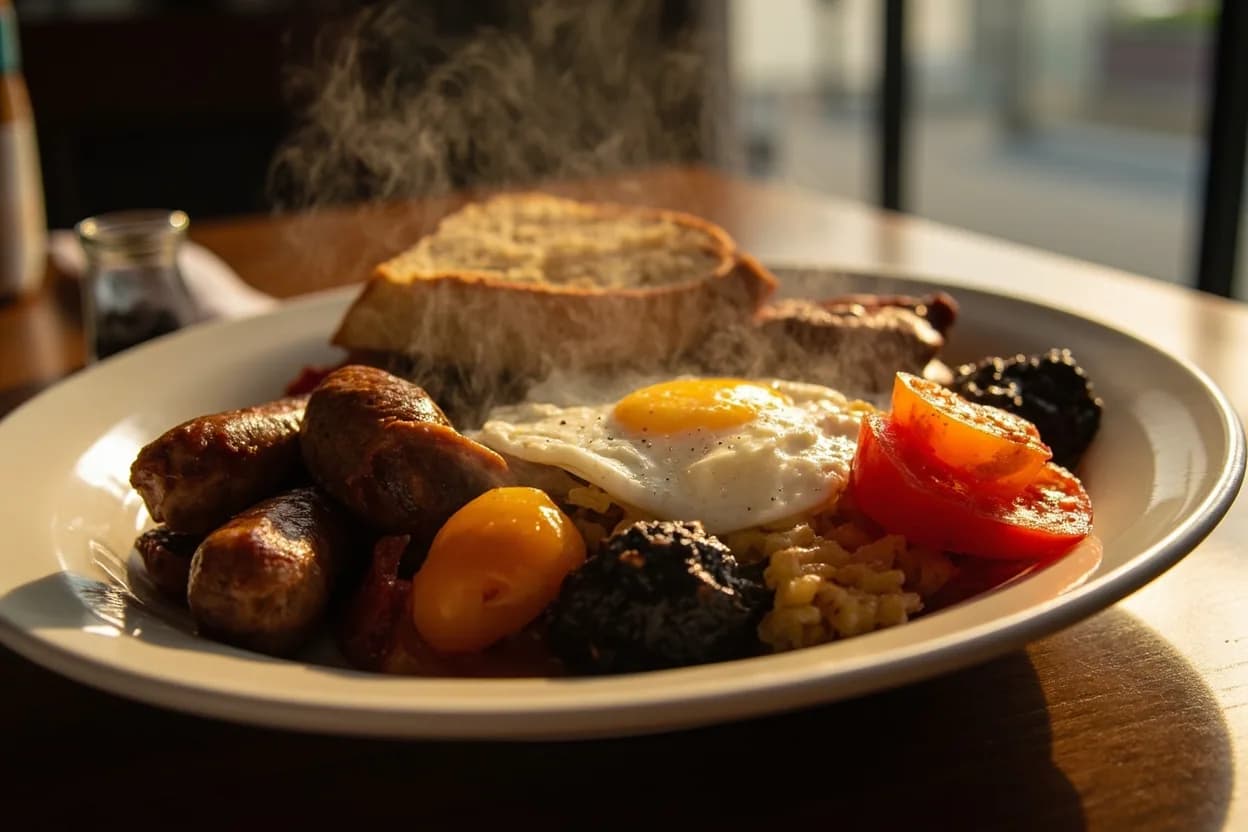
Oat, fat and pork sausage with no blood, sliced and fried for the British and Irish fry-up.
White pudding is a savory sausage of pork meat, fat, oatmeal and seasoning, similar to black pudding but without blood. It is sliced and fried until crisp as a staple of the full Irish and Scottish breakfast. The texture is soft and crumbly with a peppery, oaty flavor.
White pudding is a fully cooked, high-fat pork sausage made primarily from pork fat, oatmeal or pinhead oats, pork meat or liver, onions, suet, and seasoning. Unlike its blood-enriched cousin black pudding, white pudding contains no blood, which gives it a pale grey-brown raw colour and a firm but crumbly texture with a distinctive granular, mealy quality from the oats. It originated in Scotland and Ireland, where it holds an honoured place in the traditional fry-up, and is typically sold in sausage casings or as rectangular loaves that must be sliced before cooking. The key to handling white pudding is understanding that it arrives pre-cooked at your table—your only job is to reheat it thoroughly and develop a golden, caramelised crust without drying out the interior. Its high fat content (typically 25–35%) means the pudding fries in its own rendered fat when the pan is sufficiently hot, giving it a richness that no leaner alternative can replicate. In Ireland, Cork and Limerick are noted for traditional white pudding made with coarse oatmeal and generous pork liver, giving depth of flavour that distinguishes these regional versions from commercial alternatives.
- Measured in
- g
- Storage
- Fridge
Allergens
Types & varieties
Traditionally includes pork liver, pork fat, oatmeal, onions, and seasoning; often sold in round or rectangular loaves; the oat texture is coarse and the flavour slightly liver-forward. Cork and Limerick producers are particularly associated with traditional recipes.
May use pinhead oats; traditionally made with pork liver, fat, onions, and suet; spiced with pepper and sometimes mace or allspice. Slightly leaner regional variations exist in Highland and Borders traditions.
Shaped into links in natural casings, as opposed to the block or loaf format; found in some butcher traditions in Northern Ireland. Cooks identically to the block form.
Common uses
Tips & pitfalls
- Slice white pudding evenly, about 1cm (3/8 inch) thick, for consistent frying—uneven slices cook at different rates and some will overcook while others stay cold in the centre.
- Never pierce or chop the slices before frying. Breaking the casing causes fat to leak out, leaving the pudding dry, crumbly, and stripped of its characteristic richness.
- Heat the pan first over medium-high, add a small amount of oil or butter, then lay slices in without crowding. A hot pan ensures a golden crust rather than steaming the pudding in its own moisture.
- Since the pudding is already cooked, you only need to reheat through and brown the exterior—2 to 3 minutes per side is sufficient. Overcooking makes it tough, dry, and grainy.
- Grilling or griddling is a lower-fat alternative to pan-frying and still produces excellent caramelisation. Position slices directly over the heat source for best browning.
- For a crispy exterior, test the pan by adding a small amount of butter—when the butter foams and stops sputtering, the pan is ready for the Maillard reaction that creates the crust.
- When cooking a full fry-up, add white pudding to the pan last because it cooks so quickly. It should be on the plate alongside the eggs, not waiting while the bacon finishes.
- If the edges begin to curl or the surface turns deep brown before 2 minutes, reduce the heat slightly—you are heading toward overcooking.
Nutrition
Energy
594 kJ · per 100 g
Where the calories come from
Protein
2.1g
4% DV
Carbs
23g
8% DV
Fat
4.6g
6% DV
Fiber
0g
0% DV
Sugars
17.2g
of which
Sodium
152mg
7% DV
Source · USDA FoodData Central · approx. Puddings, chocolate, ready-to-eat
View on FDC →In the shops
Matched grocery products
No matched grocery products for White Pudding yet.
Good to know
- Type
- Cooked sausage (ready to eat; requires only reheating and browning)
- Primary ingredients
- Pork fat, oatmeal or pinhead oats, pork meat or liver, onions, suet, pepper, salt
- Distinctive feature
- Contains no blood, distinguishing it from black pudding
- Origin
- Scotland and Ireland; traditional to British and Irish breakfasts
- Form
- Sausage casings or rectangular block; slice before cooking
- Fat content
- High (typically 25–35%)
- Texture
- Firm but crumbly; oats provide a granular, mealy quality
- Cooking methods
- Fry, grill, or griddle (2–3 minutes per side when sliced)
- Storage (unopened)
- Refrigerate; use by best-before date
- Storage (opened)
- Refrigerate in airtight container up to 3 days; freezes up to 3 months
Substitutes
- Black pudding — Contains blood and has a stronger, earthier flavour; the texture is denser and smoother. Not a direct substitute but often served alongside white pudding in fry-ups for contrast.
- Crub grucy (traditional Scottish oatmeal and liver sausage) — The authentic historical predecessor to Scottish white pudding; very similar texture and flavour. Available from some traditional Scottish butchers, particularly in the Borders region.
- Firm pork breakfast sausage — Has similar fat content and works in a fry-up context but lacks the distinctive oatmeal grain and liver notes that define white pudding.
- Limerick ham ends or gammon — Salt-cured pork that provides a savoury, salty element but lacks the oatmeal texture and fatty richness of white pudding entirely.
Pairs with
Also called
Oatmeal Pudding
Appears in these dishes
Related
Egg
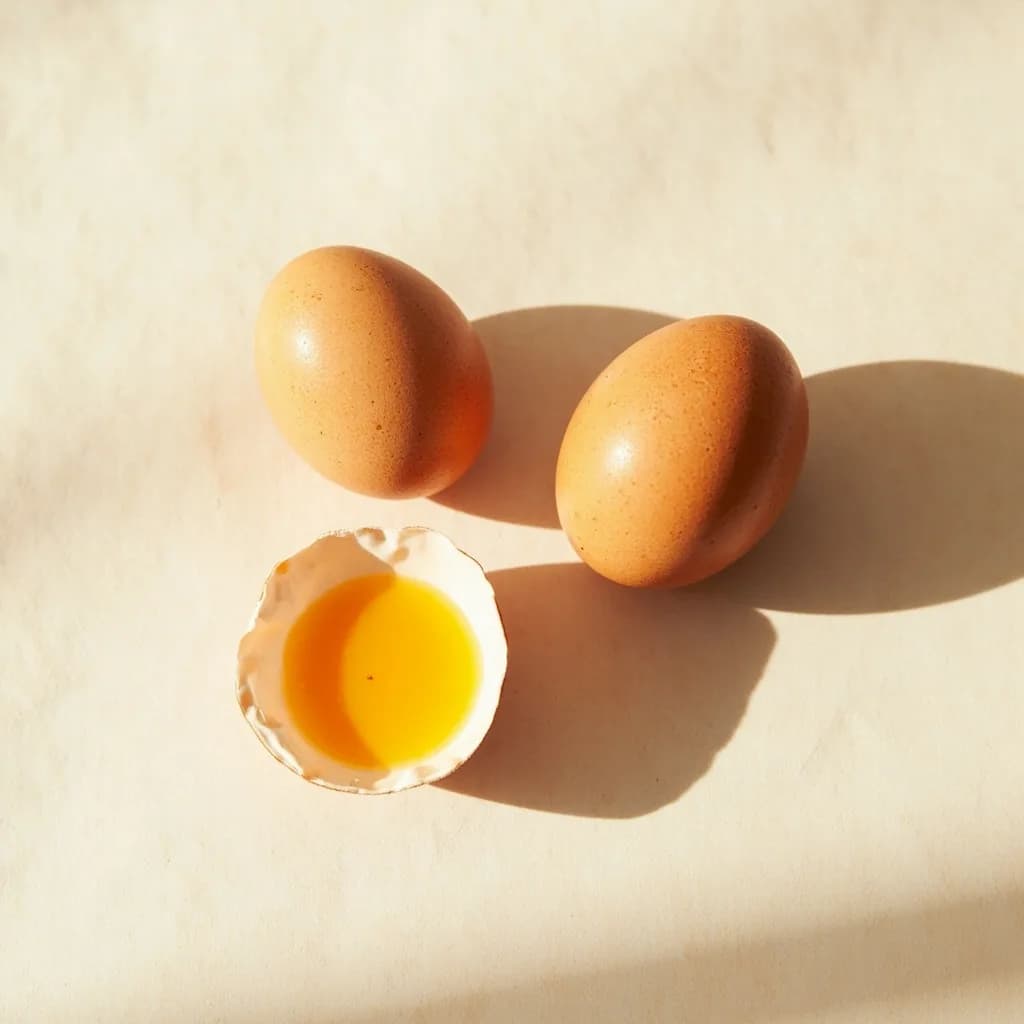
The kitchen's everything ingredient — bind, leaven, enrich, or fry
Chicken Breast
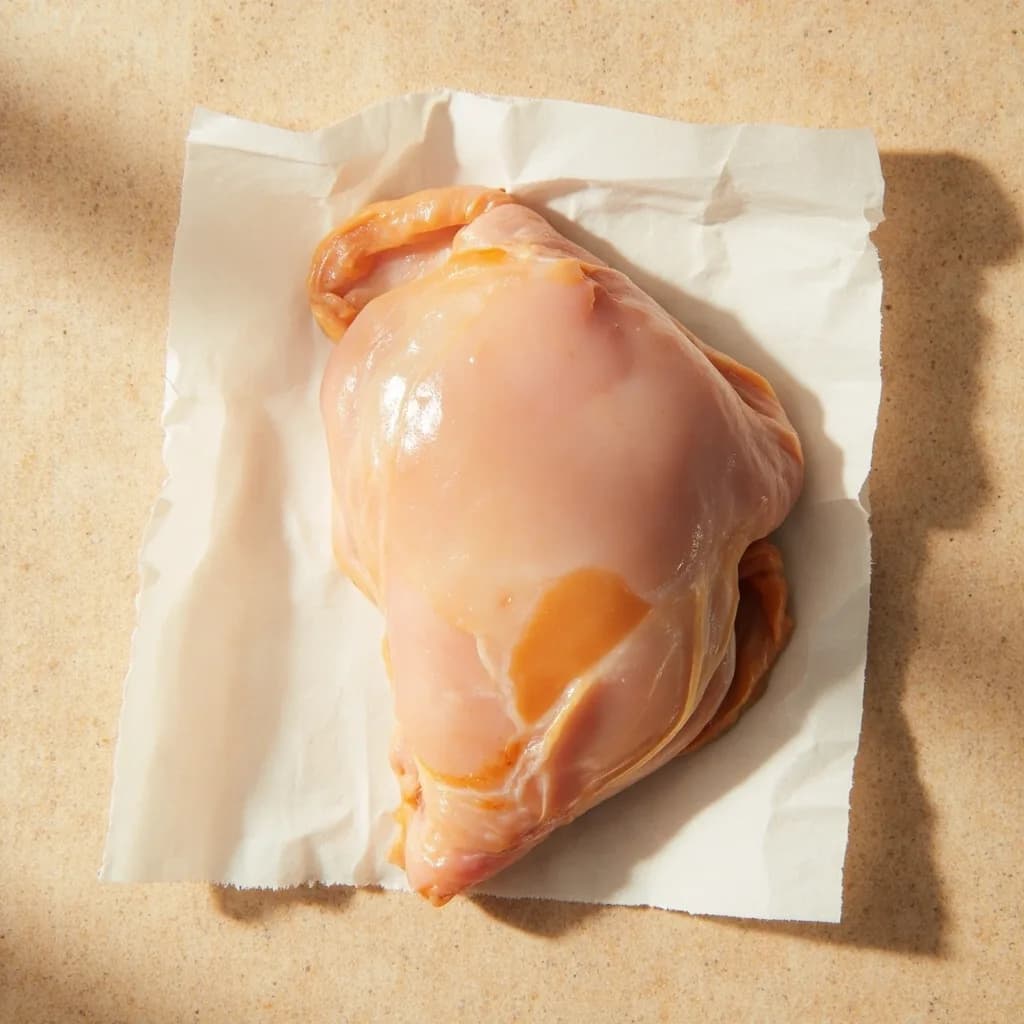
Lean, quick-cooking white meat for everyday dinners

Ground Beef
Versatile minced beef for burgers, ragù, tacos, and meatballs
Pork Loin
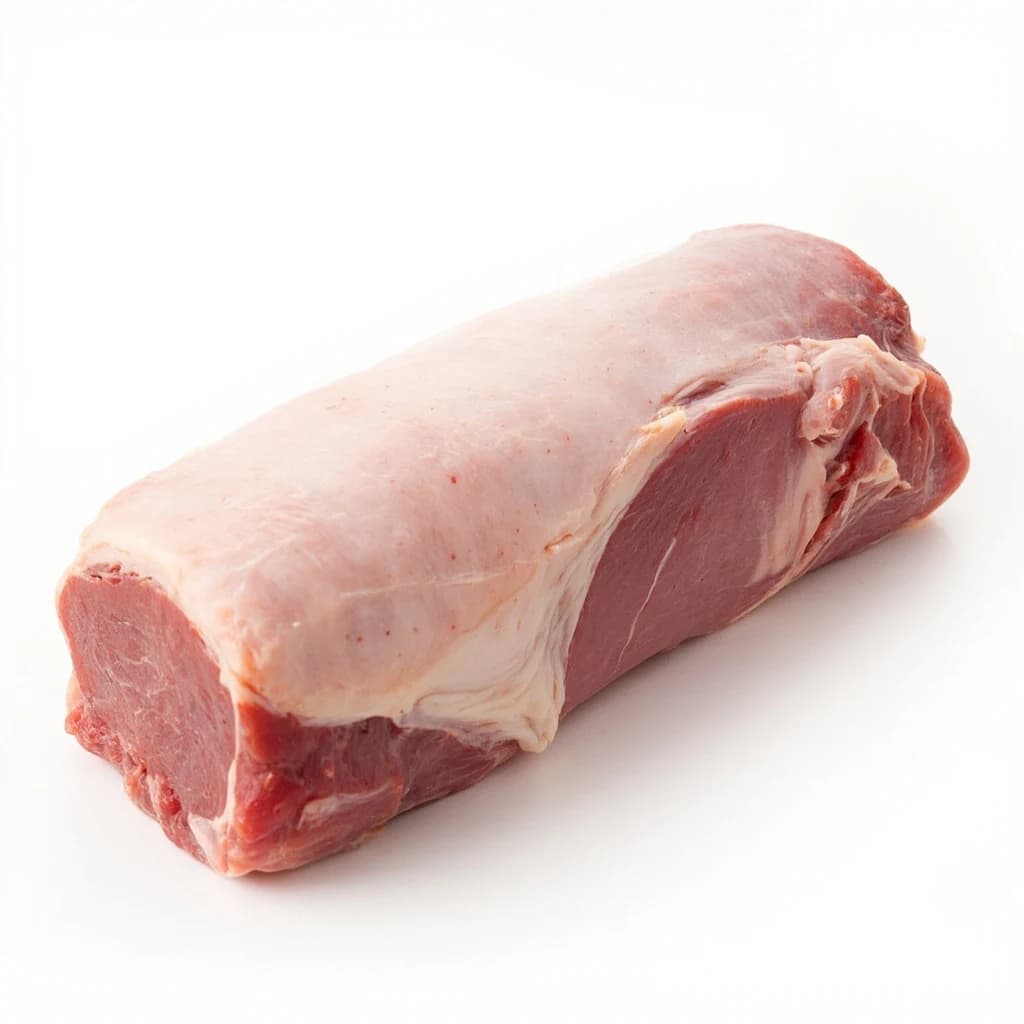
Lean, tender roasting cut that stays juicy with care
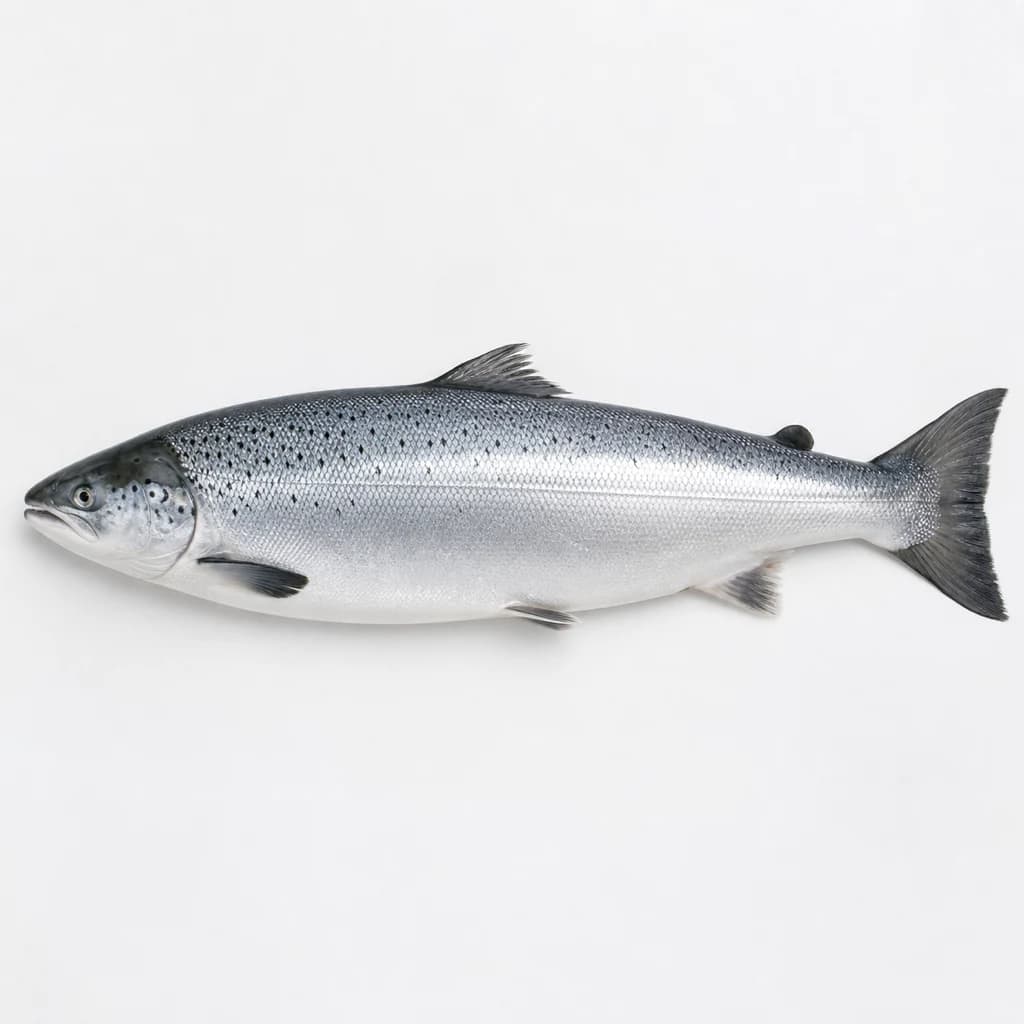
Salmon
Rich, rosy fish that roasts, grills, or cures beautifully

Egg White
Pure protein that whips to airy peaks for meringue and more
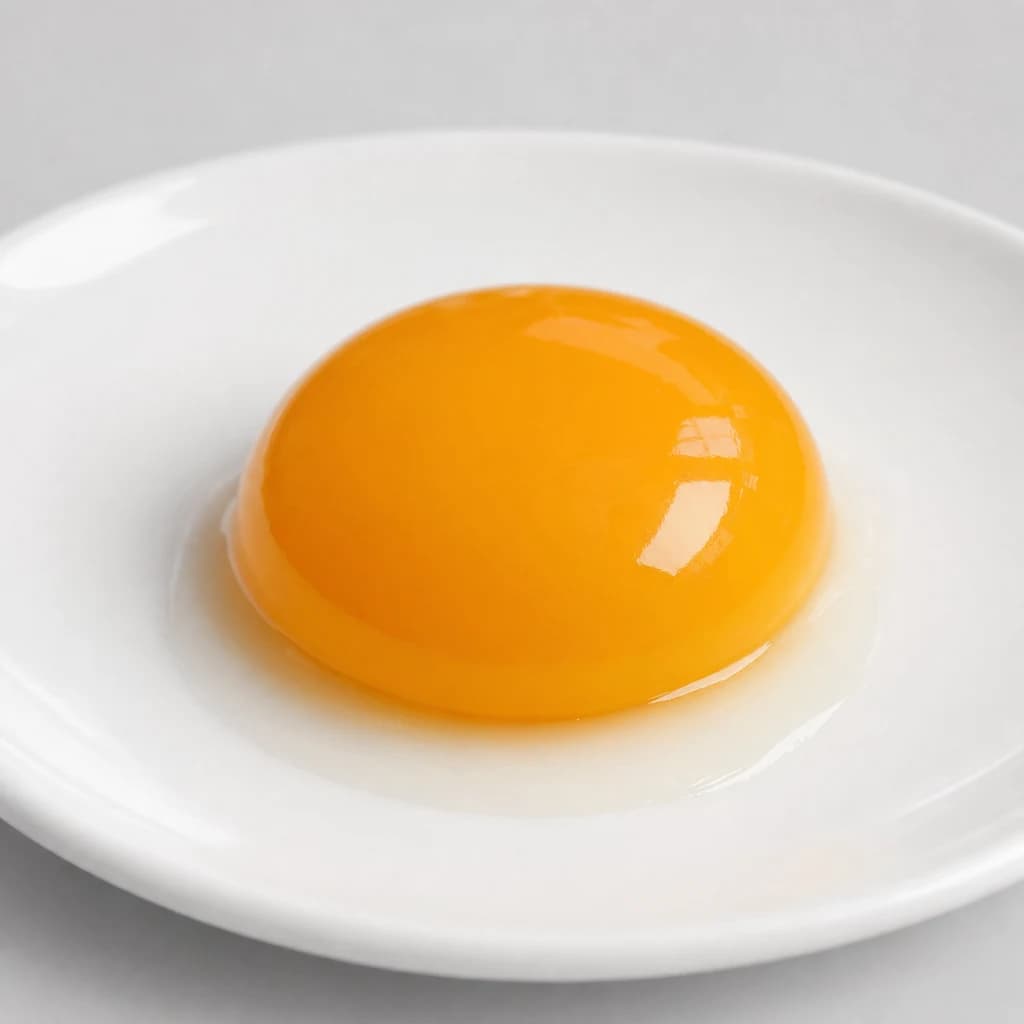
Egg Yolk
Rich, golden yolk for custards, mayonnaise, and pasta

Quail Egg
Tiny, speckled eggs for garnishing and elegant bites