
Natural form
Whole winter melon showing its large size, pale green skin, and powdery white wax coating.
Establishes the distinctive waxy exterior, matte pale-green color, and impressive oblong scale that identify this gourd at market.
Produce
Winter Melon
Large mild gourd with translucent flesh, used in Chinese soups and braises.
Winter melon is a big, pale-green gourd whose mild, slightly sweet flesh turns translucent when cooked. It is a staple of Chinese cuisine, simmered in clear soups, braised with pork, or candied as a sweet. Despite its name it is harvested in summer but keeps for months thanks to its waxy skin.
Winter melon (Benincasa hispida) is a large gourd native to Southeast Asia and now grown throughout China, India, and Japan. Despite its name, it is not a true melon; its flavor is essentially neutral and faintly sweet, making it a vehicle for surrounding flavors rather than a destination ingredient. The fruit can weigh from 5 to over 30 lb, with market specimens usually between 3–10 lb. The pale green to whitish skin is covered in fine hairs, and the flesh is thick and white when raw, turning translucent and slightly jelly‑like when cooked slowly.
The defining characteristic of winter melon is its exceptional storage life. Mature fruits develop a natural waxy bloom that acts as a protective coating, allowing whole melons to be kept at cool room temperature for weeks or refrigerated for two to three months—historically a valuable source of fresh produce through winter in northern China. The entire fruit is edible when young; mature specimens must be peeled of both the outer skin and the waxy layer before cooking.
- Measured in
- g
- Storage
- Fridge
Types & varieties
Most common variety; large, round to oblong with thick white flesh and prominent wax coating when mature
Slightly smaller and more angular; dusty gray surface appearance; the workhorse of South Asian preparations
Smaller relative covered in soft hairs; similar flavor and cooking behavior but more delicate; used in Chinese and Vietnamese cooking
Bred for smaller gardens and container growing; produce a single fruit per vine in the 2–5 lb range
Common uses
Tips & pitfalls
- Use a large chef's knife or cleaver to score the skin before cutting — the outer rind is very hard and a small knife will slip dangerously
- Always remove the seeds and the fibrous central cavity completely; the flesh nearest the cavity tends to be watery and should be trimmed away
- Do not overcook large pieces — beyond 30–40 minutes of steady simmering, the flesh breaks down into mush; stop when the pieces are firm‑tender with a slight translucency
- For soups, add melon pieces in the last 20–30 minutes of cooking to maintain some structural integrity
- Scrub off the wax coating before cooking if you like, but leave it intact during storage — it is the natural preservative that gives winter melon its name
- When selecting, choose firm, heavy melons with unblemished skin; slight surface give is acceptable as the dense flesh compresses very slightly
- For stir‑frying or high‑heat methods, parboil or blanch the pieces first to drive off excess water, then proceed with searing or stir‑frying
- Work on a stable surface and place a damp towel under your cutting board — the gourd's size and the hardness of the rind make slipping a genuine hazard
- Northern Chinese braises classically add rock sugar for a cleaner, more nuanced sweetness than white sugar; it is worth incorporating into non‑traditional preparations too
Nutrition
Energy
142 kJ · per 100 g
Where the calories come from
Protein
0.8g
2% DV
Carbs
8.2g
3% DV
Fat
0.2g
0% DV
Fiber
0.9g
3% DV
Sugars
7.9g
of which
Sodium
16mg
1% DV
Source · USDA FoodData Central · approx. Melons, cantaloupe, raw
View on FDC →In the shops
Matched grocery products
No matched grocery products for Winter Melon yet.
Good to know
- Scientific Name
- Benincasa hispida
- Origin
- Southeast Asia; widely cultivated in China, India, and Japan
- Season
- Harvested late summer through fall; stores well into winter, hence the name
- Typical Market Weight
- 3–10 lbs; can grow to 30+ lbs
- Flavor
- Mildly sweet, essentially neutral; takes on surrounding flavors readily
- Texture (cooked)
- Tender with slight firmness at center; flesh turns translucent and slightly jelly-like with slow cooking
- Yield
- Approx. 75–80% edible after peeling and seeding
- Storage (whole, unwashed)
- Room temperature for weeks; refrigerated for 2–3 months
- Storage (cut, covered)
- Refrigerated for 5–7 days
- Edible when young
- Yes, skin and all; mature fruit requires peeling of skin and wax coating
- Nutritional note
- High water content, low calorie; contains vitamin C, B vitamins, potassium, and dietary fiber
Substitutes
- Butternut Squash — Closest texture and neutral flavor; substitute 1:1; note that butternut cooks slightly faster than winter melon
- Kabocha Squash — Similar sweetness and creamy‑tender texture when cooked; good 1:1 substitute in most preparations
- Zucchini — Milder flavor and lower density; acceptable in soups and braises but will cook much faster; reduce time significantly
- Bottle Gourd (Lauki / Doodhi) — Comparable neutral flavor and cooking behavior; the most direct Indian culinary substitute in curries and stews
Pairs with
Also called
Wax Gourd · Ash Gourd · 冬瓜
Appears in these dishes

Related
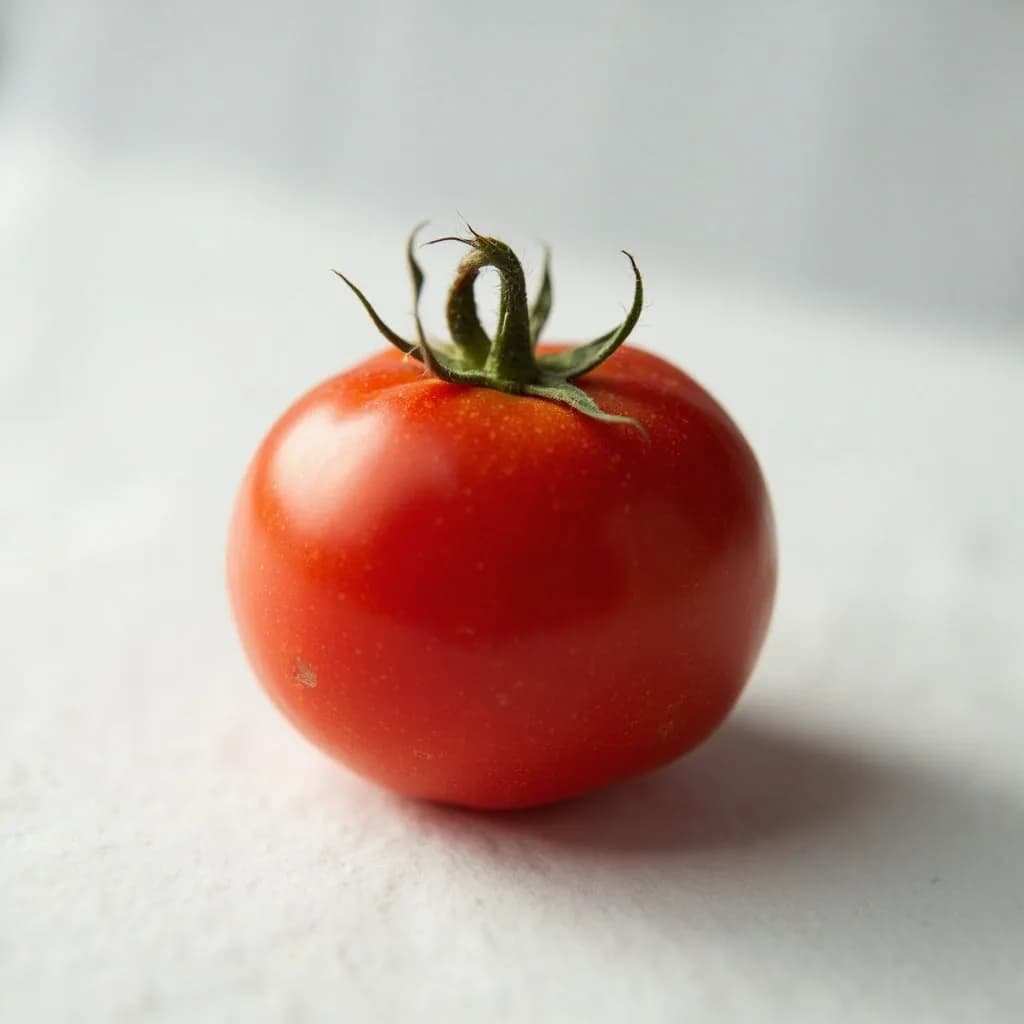
Tomato
Juicy, sun-sweet fruit for sauces, salads, and slow-cooked depth
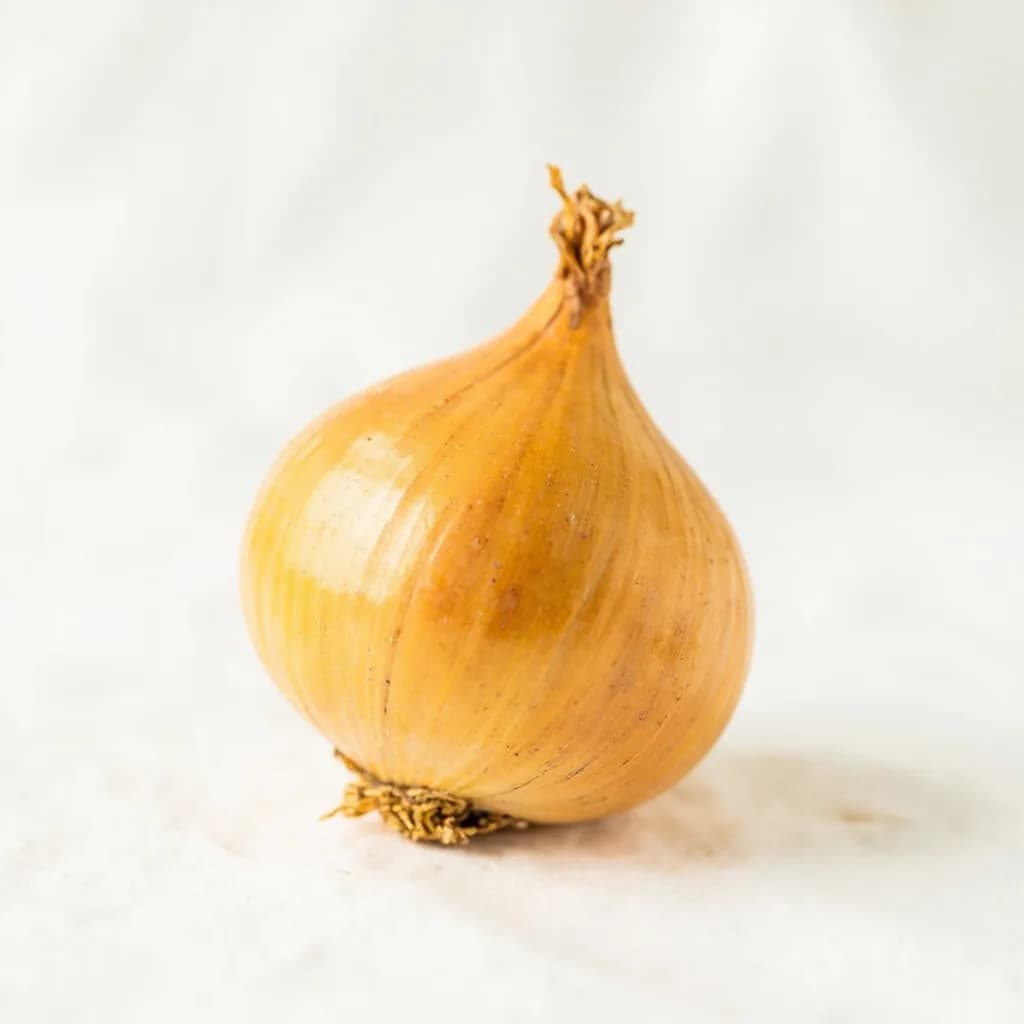
Yellow Onion
The aromatic backbone of soups, sofritos, and braises
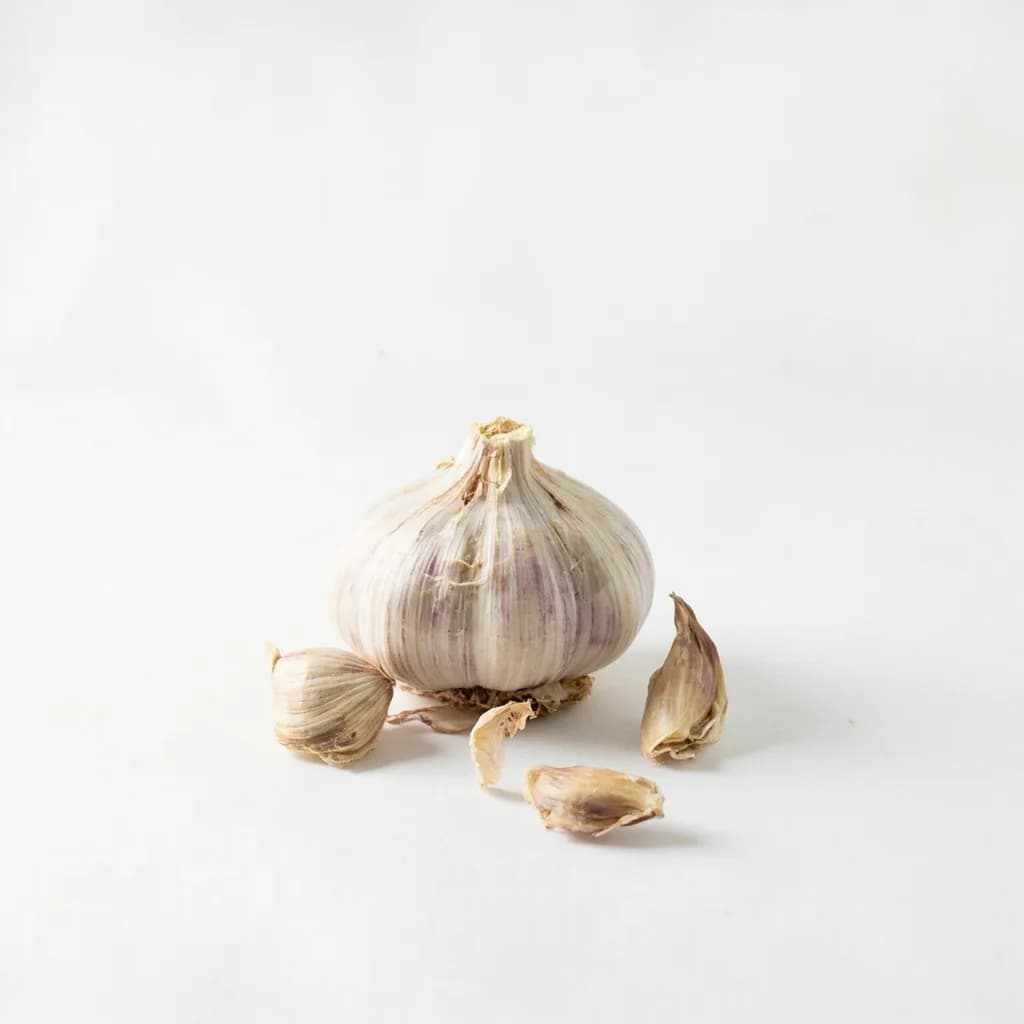
Garlic
Pungent cloves that perfume nearly every savory dish
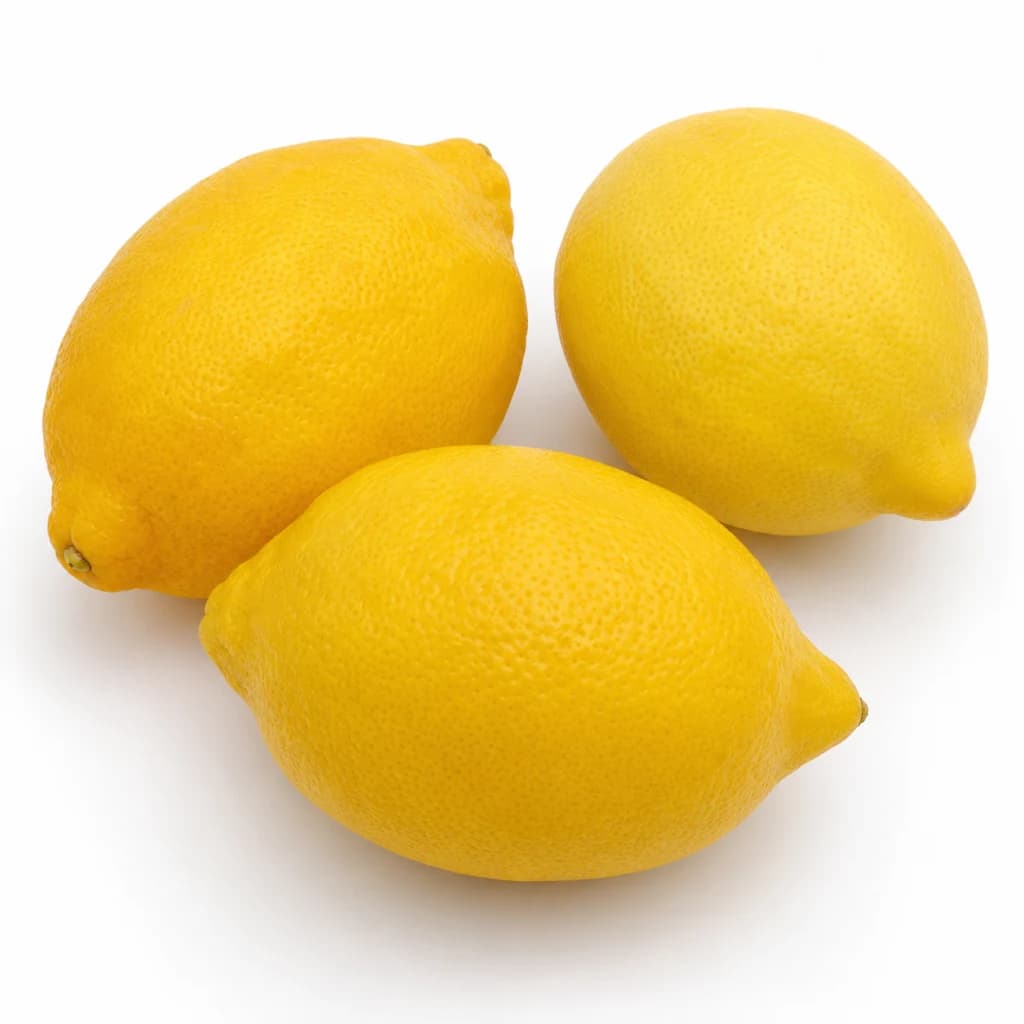
Lemon
Bright, acidic citrus that wakes up almost any dish
Potato
Humble, hearty staple — roast, mash, fry, or boil
Carrot
Sweet, crunchy root — raw, roasted, or the base of a sofrito
Cucumber
Cool, crisp, and watery — for salads, pickles, and tzatziki

Lettuce
Crisp leaves for salads, wraps, and a fresh crunch