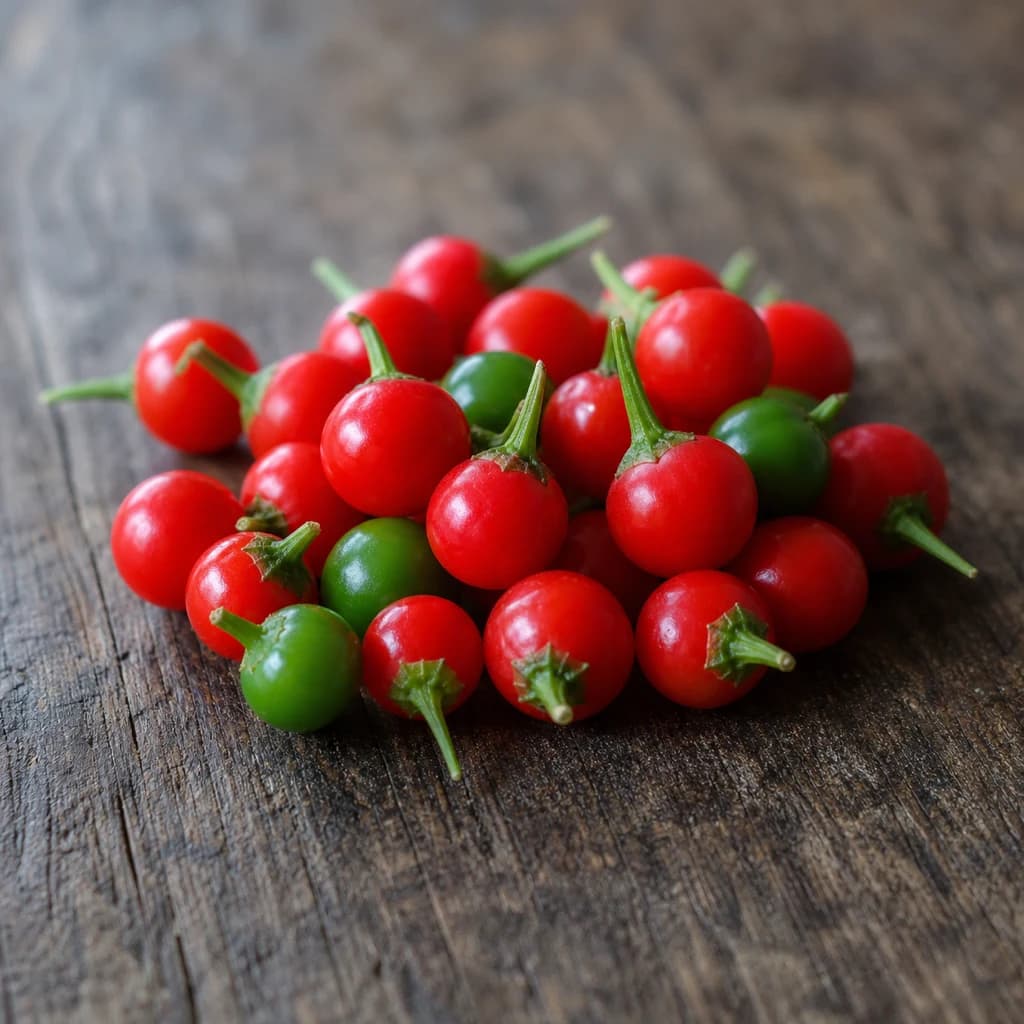
Natural form
Fresh wiri wiri peppers: small, round, cherry-sized Guyanese chilies in red and green.
Shows the defining shape, size, and ripeness stages so a reader can identify this pepper in any market or garden.
Produce
Wiri Wiri Pepper
Tiny round cherry-shaped Guyanese chili with intense heat and fruity aroma, used in pepper sauces and stews.
The wiri wiri pepper is a small, round, cherry-sized chili native to Guyana and the Caribbean. Despite its size it packs serious heat with a bright, fruity, almost floral flavor. It is muddled into homemade pepper sauces, dropped whole into pepperpot and stews, or pickled.
The Wiri Wiri is a small, round, cherry-shaped chili pepper that forms the backbone of Guyanese cooking, particularly in and around Georgetown. Unlike the better-known bird's eye chilies it sometimes gets mistaken for, Wiri Wiri carries a distinctive fruity sweetness beneath its heat—a quality that makes it irreplaceable in traditional pepper sauces and stews. Its tight, firm flesh holds up well when pickled or blended raw, and its round shape means it bruises easily when handled roughly, releasing oils quickly. The peppers grow on compact plants and are typically harvested red and fully ripe, though green immature peppers appear in markets and offer a more vegetal, slightly less aggressive heat. This is not a background player in the pot—it wants to be noticed, and when treated properly, it transforms ordinary dishes into something distinctly Guyanese. In Georgetown households, Wiri Wiri pepper sauce sits on the table the way ketchup sits on an American one: always present, applied liberally, and deeply tied to a sense of home cooking. The flavor is bright and fruity when raw, deepening almost caramel-like when toasted dry in a pan before blending—a step many home cooks skip, to their detriment. Freezing whole peppers is a practical preservation method that maintains flavor for months, making this otherwise regionally limited ingredient accessible to anyone willing to seek it out in Caribbean markets.
- Measured in
- piece
- Storage
- Fridge
Types & varieties
Fully ripe and at peak heat; the most common variety found in markets
Less ripe stage; slightly less hot with a more vegetal, herbal flavor
Wiri Wiri in Guyanese Cuisine
Guyanese cooking occupies a unique position in the Caribbean culinary landscape, drawing from Indian, African, Chinese, Portuguese, and Indigenous traditions. The Wiri Wiri pepper is one of the few ingredients that threads through nearly all of these influences—it appears in Indian-style curries, African-influenced pepper sauces, and the everyday stews that define home cooking across Guyana. What distinguishes it from the chilies used in neighboring Trinidad, Jamaica, or Suriname is that sweeter, more complex fruit character that holds its own against bold seasonings like Georgetown curry powder, turmeric, and coconut milk. In many households, the pepper sauce is made in batches and fermented slightly, developing a tangy depth that commercial hot sauces rarely achieve. The pepper's small size means it bruises easily during prep, which is actually desirable—it releases oils quickly, ensuring maximum flavor extraction whether you're making a raw sauce or adding to a simmering pot.
- Look for firm, unblemished peppers with vivid color; avoid any that are wrinkled or soft
Common uses
Tips & pitfalls
- Wear gloves when handling—the oils persist on skin even after washing with soap
- When making pepper sauce, toast the peppers briefly in a dry pan over medium heat until the skins slightly blister and you smell a fruity aroma; this deepens the sweetness significantly
- Add a pinch of salt when blending to help release the oils and brighten the color of raw sauces
- Do not overcook in stews—add Wiri Wiri in the last 10 minutes of cooking to preserve their distinctive fruity character
- Common mistake: confusing Wiri Wiri with smaller bird's eye chilies; Wiri Wiri has a noticeably sweeter, more complex fruit character that you will miss if you substitute blindly
- If fresh peppers are unavailable, frozen whole peppers are acceptable for cooking applications—though avoid freezing for raw sauce, as the texture degrades noticeably
- When pickling, score each pepper with a knife tip to allow the vinegar to penetrate evenly; otherwise the center stays bland
- Frozen peppers can be toasted directly from frozen for sauce-making—no thawing required
Nutrition
Energy
121 kJ · per 100 g
Where the calories come from
Protein
0.9g
2% DV
Carbs
6.5g
2% DV
Fat
0.4g
0% DV
Fiber
2.8g
10% DV
Sugars
4.1g
of which
Sodium
3mg
0% DV
Source · USDA FoodData Central · approx. Peppers, jalapeno, raw
View on FDC →In the shops
Matched grocery products
No matched grocery products for Wiri Wiri Pepper yet.
Good to know
- Origin
- Wiri Wiri neighborhood, Georgetown, Guyana
- Shape
- Round and cherry-shaped, 1–2 cm in diameter
- Color
- Bright red when ripe; green when immature
- Heat
- Hotter than a jalapeño, below habanero range
- Flavor
- Fruity with a sweet undertone beneath the heat
- Primary Use
- Traditional pepper sauce base; stews, curries, and meat marinades
- Availability
- Fresh in Guyanese and Caribbean markets; specialty Latin American grocers occasionally
- Storage
- Refrigerate in a paper bag up to 2 weeks; freeze whole for several months
Substitutes
- Bird's Eye Chili — Similar heat level and round shape, but lacks the fruity sweetness; use equal amount and expect a flatter finish
- Habanero — Comparable fruity heat but significantly larger and more intense; reduce quantity by half and remove seeds to control heat
- Scotch Bonnet — Similar Caribbean flavor profile; substitute one-for-one but expect a slightly different sweetness and potentially more heat
Pairs with
Also called
Wiri Wiri · Cherry Pepper
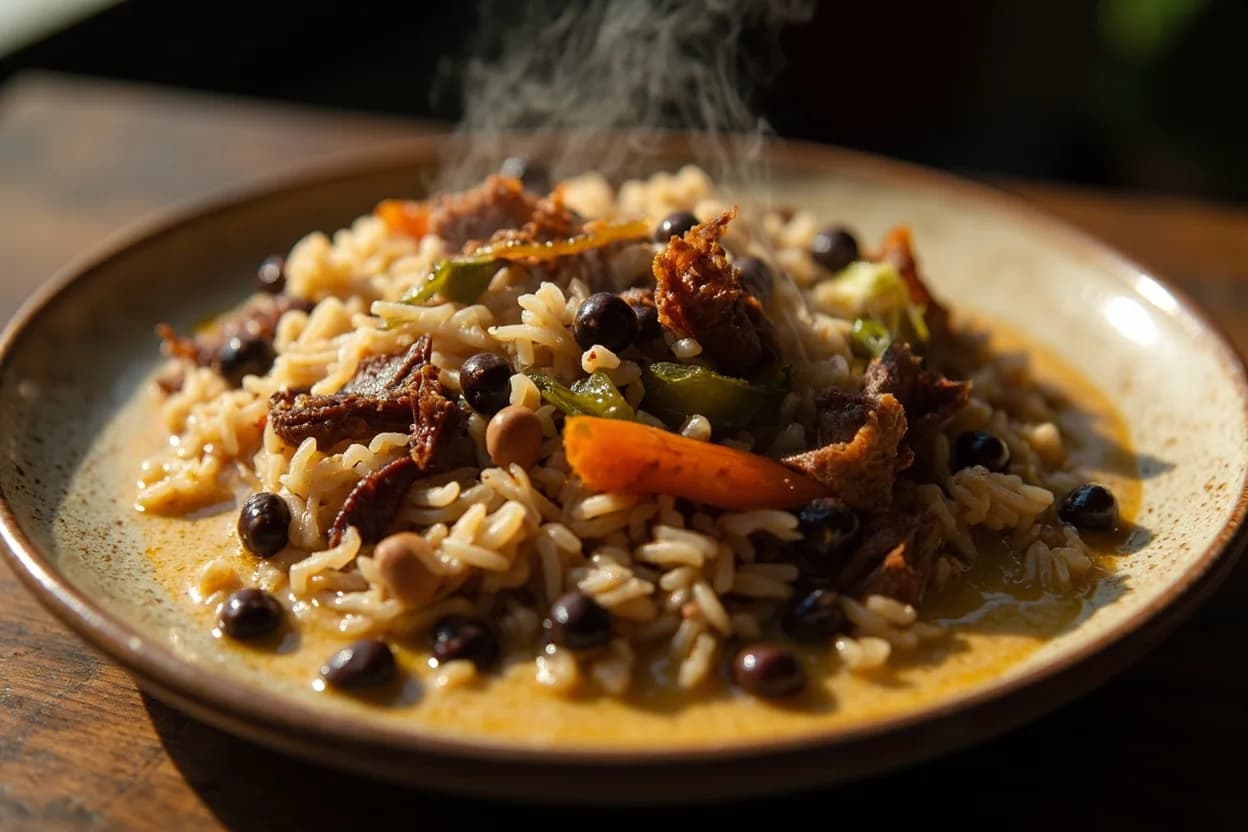
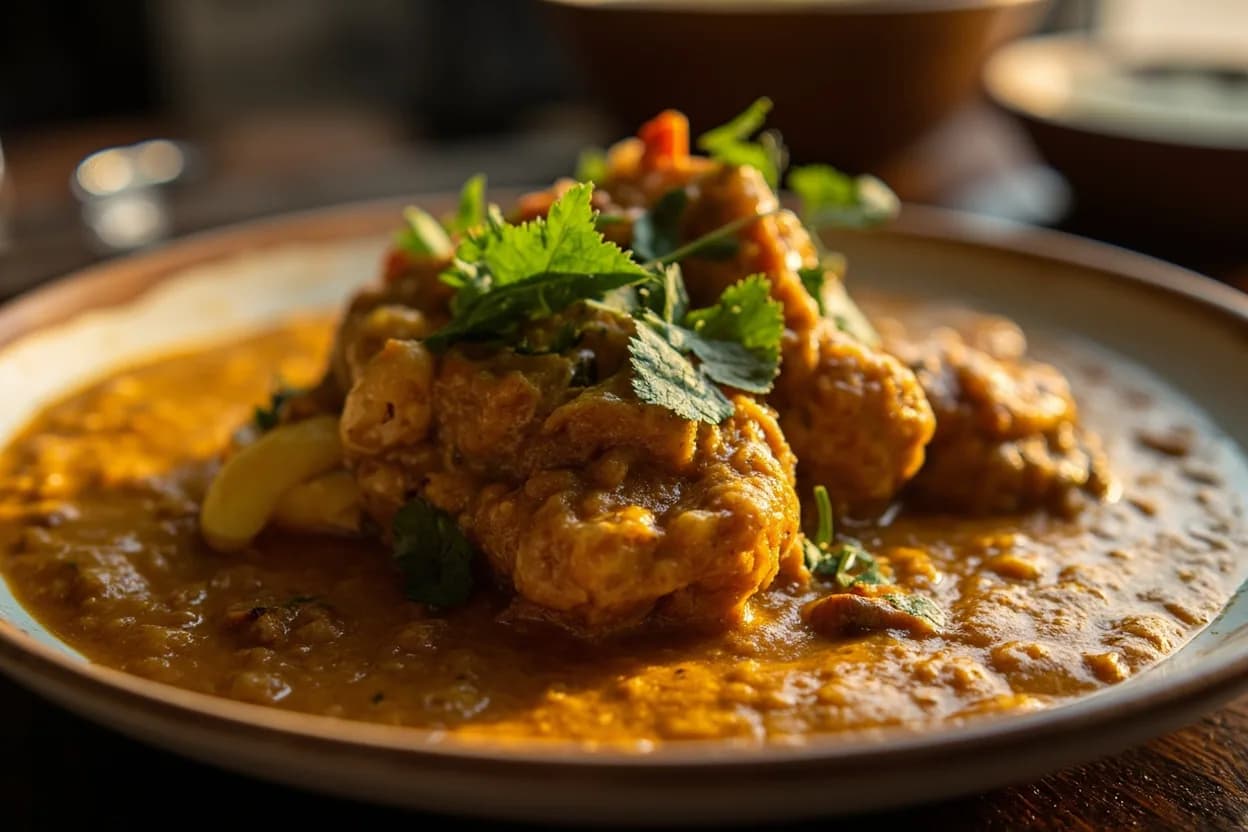
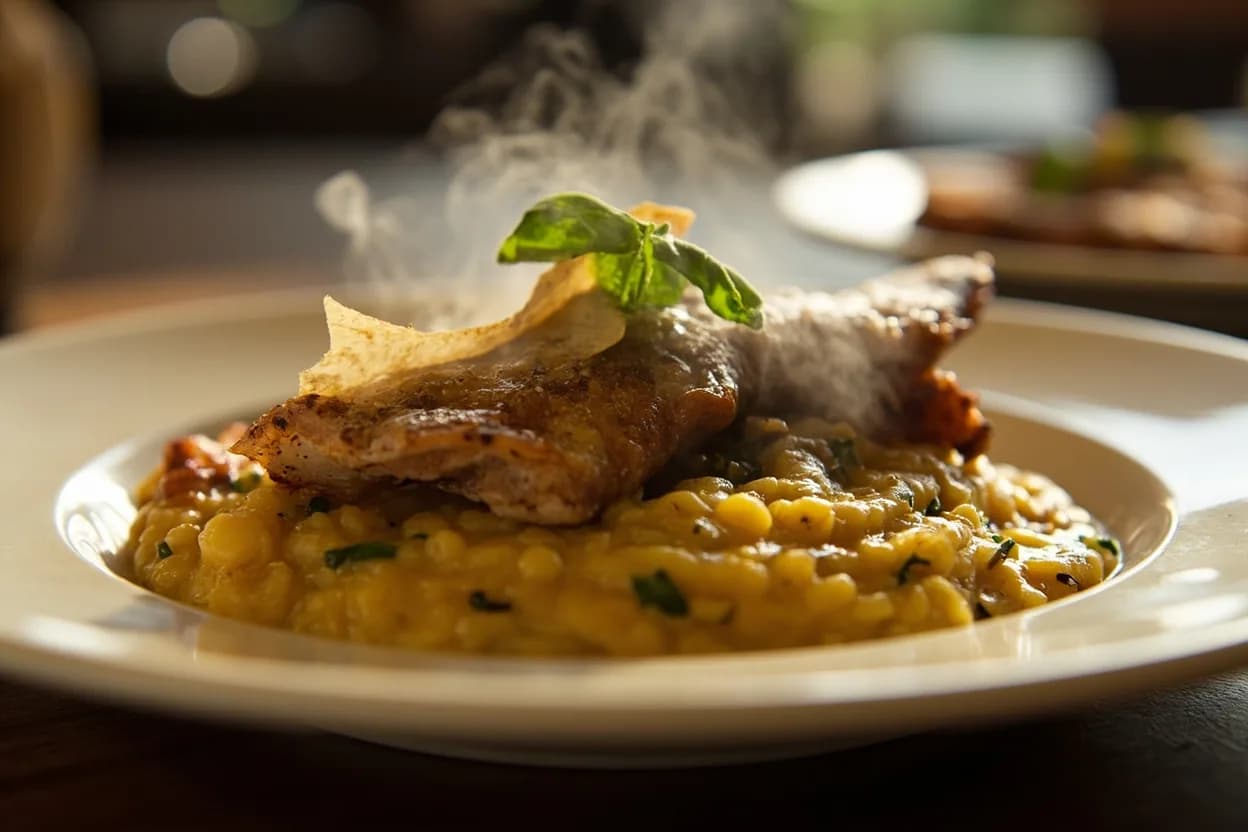
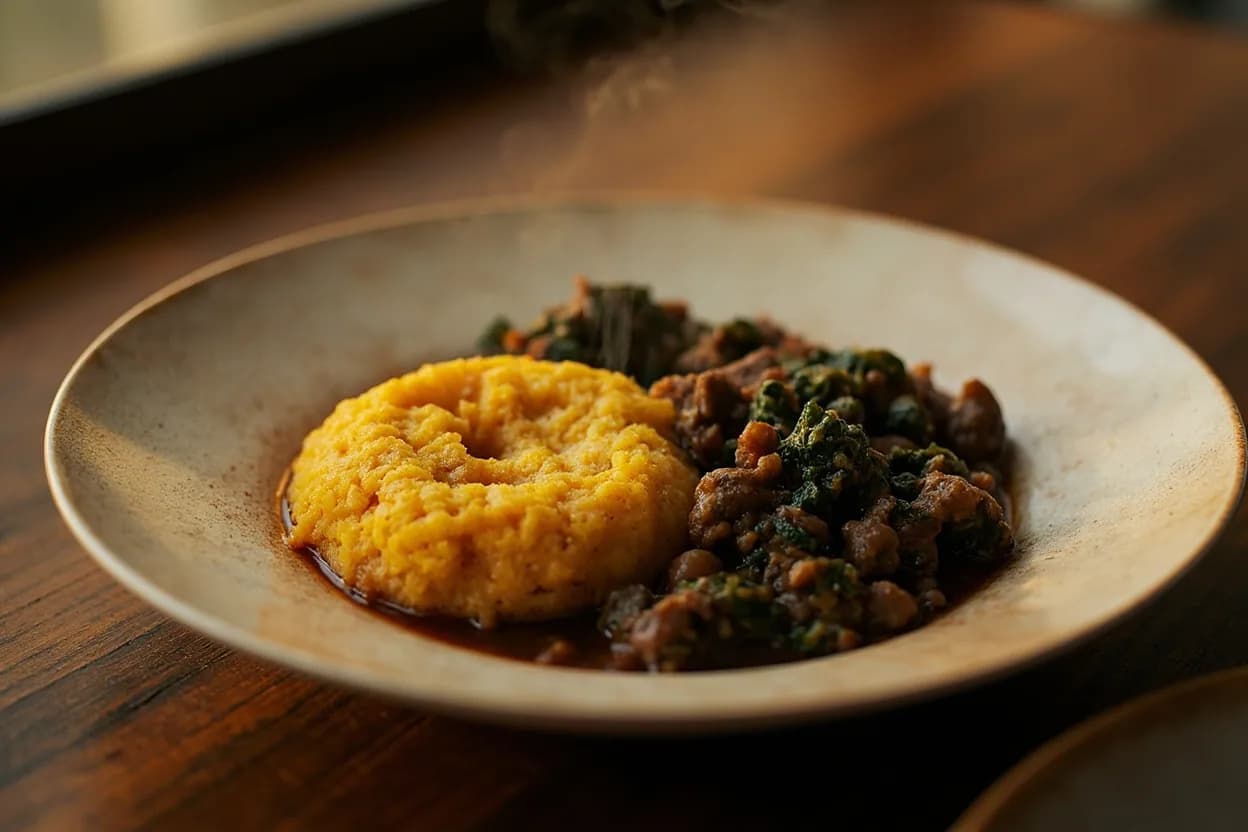
Appears in these dishes
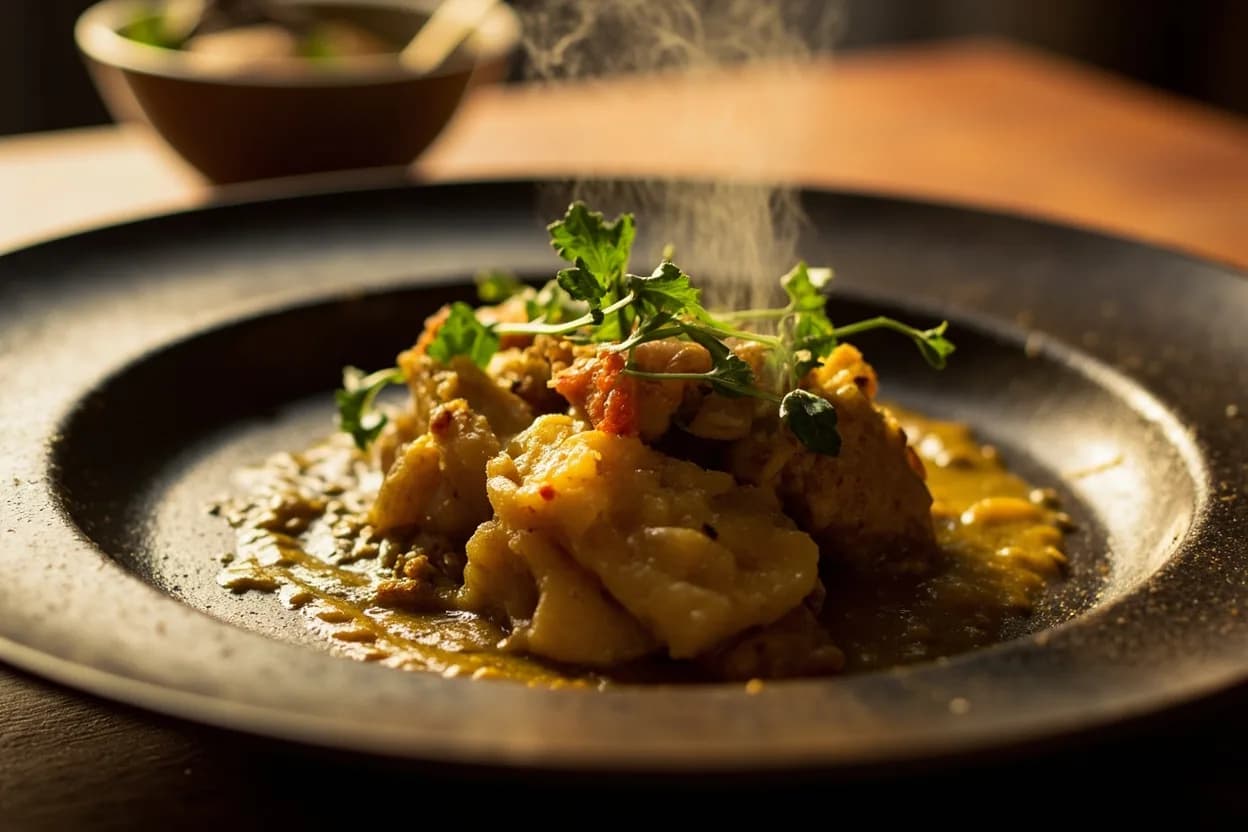
Related
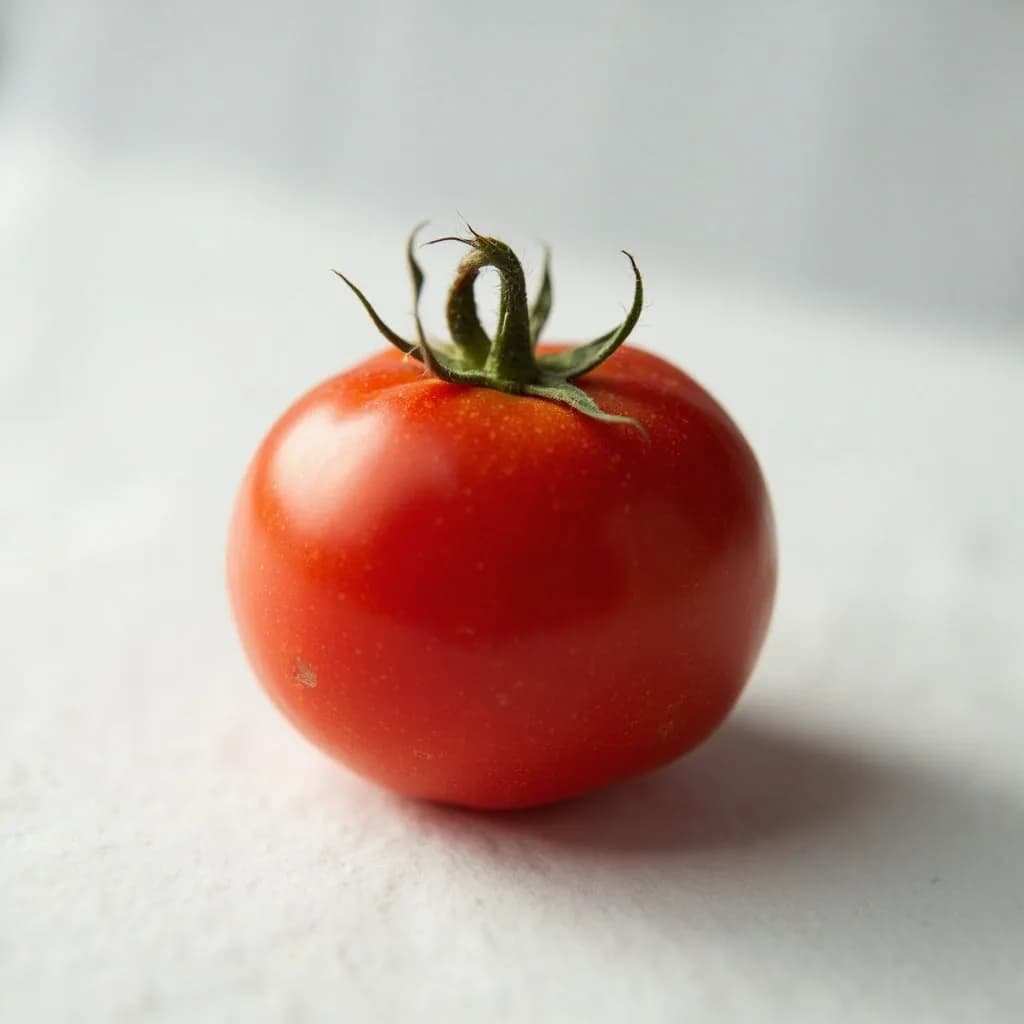
Tomato
Juicy, sun-sweet fruit for sauces, salads, and slow-cooked depth
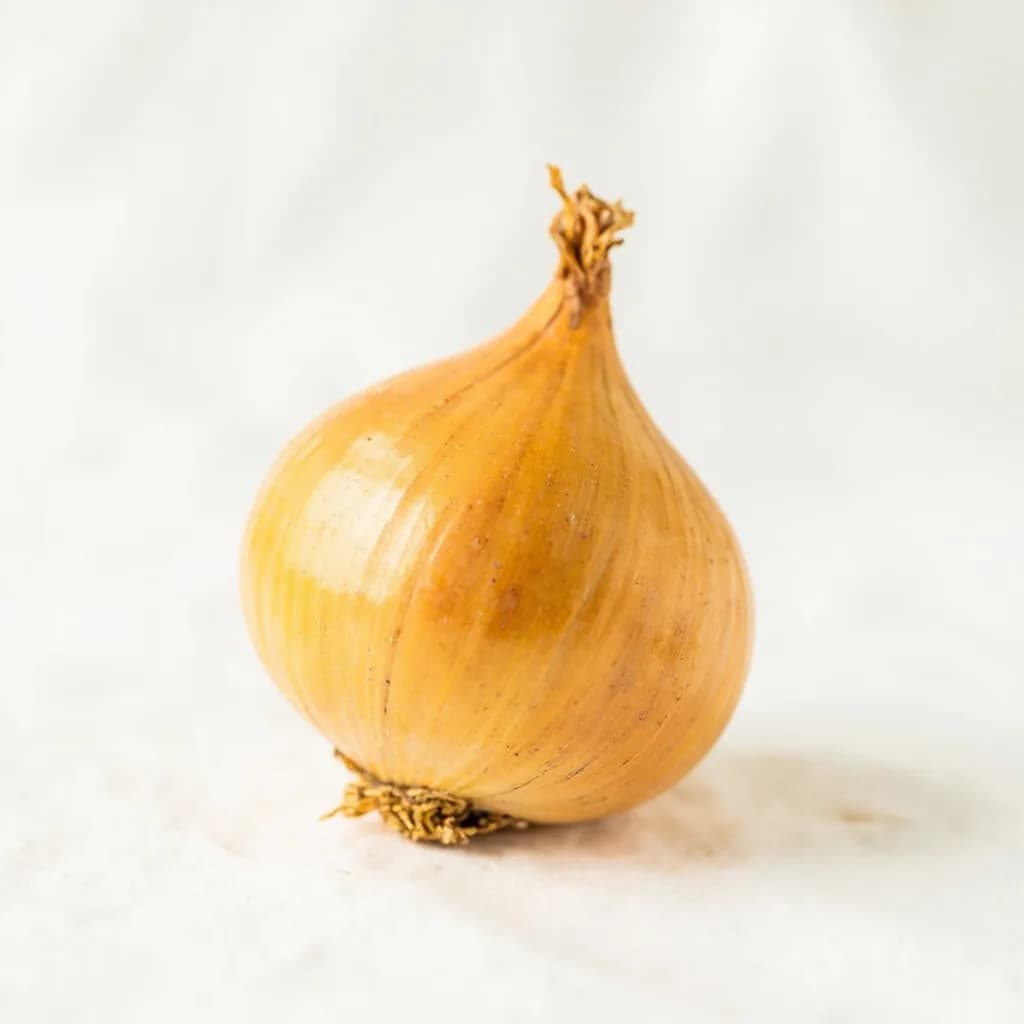
Yellow Onion
The aromatic backbone of soups, sofritos, and braises
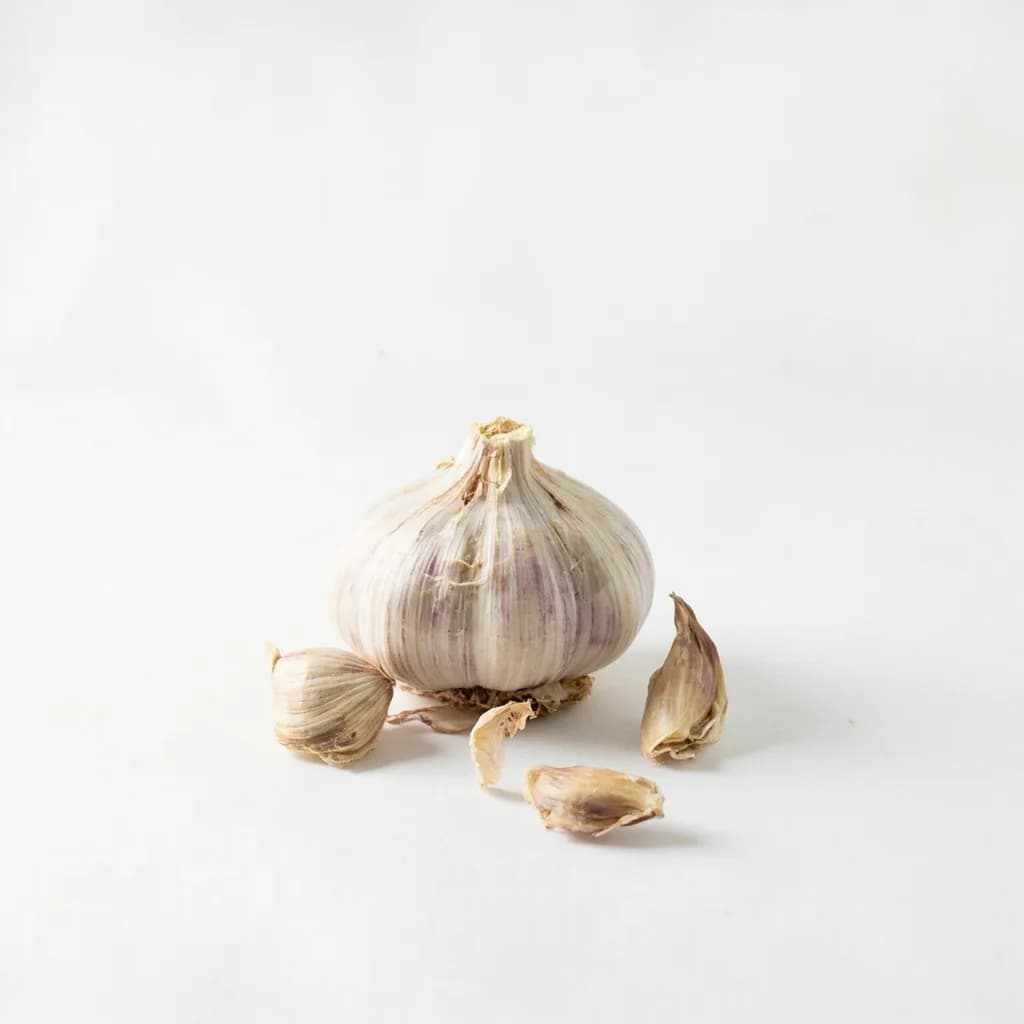
Garlic
Pungent cloves that perfume nearly every savory dish
Lemon
Bright, acidic citrus that wakes up almost any dish
Potato
Humble, hearty staple — roast, mash, fry, or boil
Carrot
Sweet, crunchy root — raw, roasted, or the base of a sofrito
Cucumber
Cool, crisp, and watery — for salads, pickles, and tzatziki

Lettuce
Crisp leaves for salads, wraps, and a fresh crunch