
Stored
Dried wood ear mushrooms sold in their compact, shriveled storage state before soaking.
Dried form is how most buyers first encounter this ingredient; showing the shrunken, blackish clusters teaches recognition at point of purchase.
Produce
Wood Ear Mushroom
Dark, crunchy ear-shaped fungus rehydrated for Chinese soups and stir-fries.
Wood ear is a dark brown to black gelatinous fungus, usually sold dried and rehydrated before use. It has almost no flavor of its own but a prized springy, crunchy texture, making it a textural element in Chinese hot-and-sour soup, moo shu, and stir-fries. It swells dramatically when soaked, so a small amount goes a long way.
Wood ear mushroom is a dried jelly fungus prized in East Asian cuisines for its distinctive texture rather than its flavor. When rehydrated, it transforms from a dark, papery, ear-shaped wafer into a soft, rubbery-gelatinous disc with a delicate crunch at the edges. The fungus has almost no taste of its own, functioning instead as a textural counterpoint and a vehicle that absorbs and amplifies surrounding flavors—a quality that makes it indispensable in dishes where mouthfeel is paramount. Its ability to soak up savory broths while retaining a slight resistance makes it the secret structural element in classics like Chinese hot and sour soup, where it provides the satisfying chew that balances the acid and heat.
Known as mu err in Chinese, kikurage in Japanese, and pey deung-i in Korean, wood ear grows wild on dead and dying hardwoods, particularly elder, oak, and beech trees across temperate regions of Europe, North America, and Asia. The dried form, which keeps for one to two years, is the standard market presentation—reconstitution requires only 20 to 30 minutes in warm water, during which the mushrooms expand roughly tenfold, lightening from dark brown to a translucent gray-tan. The Latin species name Auricularia auricula-judae gave rise to the English "Judas's ear," reflecting an old European association with the elder tree; despite the macabre ring, the fungus has been gathered and cooked across multiple continents for centuries. Always cook wood ear before eating—raw consumption is not recommended.
- Measured in
- g
- Storage
- Pantry
Types & varieties
Most common variety in Chinese and Korean cuisine; dark brown to black when dried, grayish-tan when rehydrated
Different species; softer, more gelatinous texture; used in soups and desserts; also called Snow Fungus or White Jelly Fungus
Less common; reddish-brown to amber color; same culinary use as black variety
Rehydrating and Preparing Wood Ear
Proper rehydration is essential to getting the best texture from wood ear mushrooms. The process is straightforward but requires attention to a few details.
- Rinse dried mushrooms briefly under cold water to remove any surface grit or debris before soaking
- Submerge in warm water (not boiling) for 20–30 minutes until fully pliable and expanded
- For faster rehydration, blanch in boiling water for 5–10 minutes, then drain
- After rehydrating, pinch off and discard the tough central stem where the mushroom attached to the log
- If grit remains, swish the mushrooms in clean water and drain; repeat 2–3 times if necessary
- Squeeze out excess water before adding to stir-fries to prevent steaming instead of browning
Common uses
Tips & pitfalls
- Remove the tough central stem before cooking—it's too fibrous to be pleasant
- Do not overcook: 2–4 minutes in a stir-fry is sufficient; extended cooking makes them rubbery and dull
- For cold dishes like salads or spring rolls, blanch for 30 seconds then shock in ice water to set a pleasant crunch
- Add to soups during the last 5–10 minutes of cooking to maintain some texture rather than dissolving into the broth
- Store dried wood ear in the freezer to extend shelf life and prevent insect infestation
- Squeeze out excess water before stir-frying; wet mushrooms steam and become soggy
- A common mistake is using too much—because they expand so dramatically, a small handful of dried mushrooms is enough for a family-sized dish
- Not all wood ear is created equal; thicker, more irregular pieces generally rehydrate to a better texture than thin, uniform slices
Nutrition
Energy
134 kJ · per 100 g
Where the calories come from
Protein
1.5g
3% DV
Carbs
6.9g
2% DV
Fat
0.5g
1% DV
Fiber
3.8g
14% DV
Sugars
1.2g
of which
Sodium
9mg
0% DV
Source · USDA FoodData Central · approx. Mushrooms, Chanterelle, raw
View on FDC →In the shops
Matched grocery products
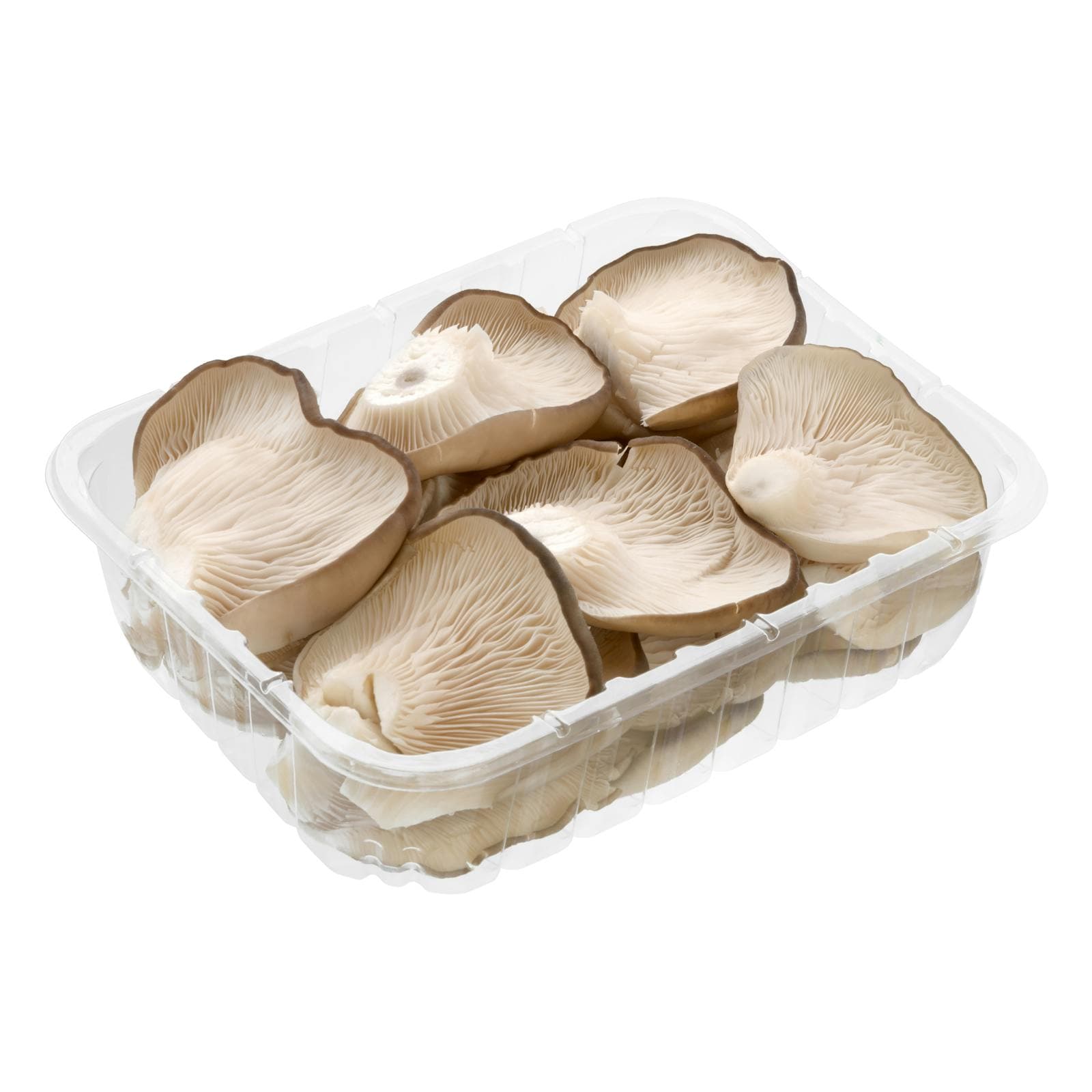 €2.05
€2.05Mushrooms
250 g · Mercadona
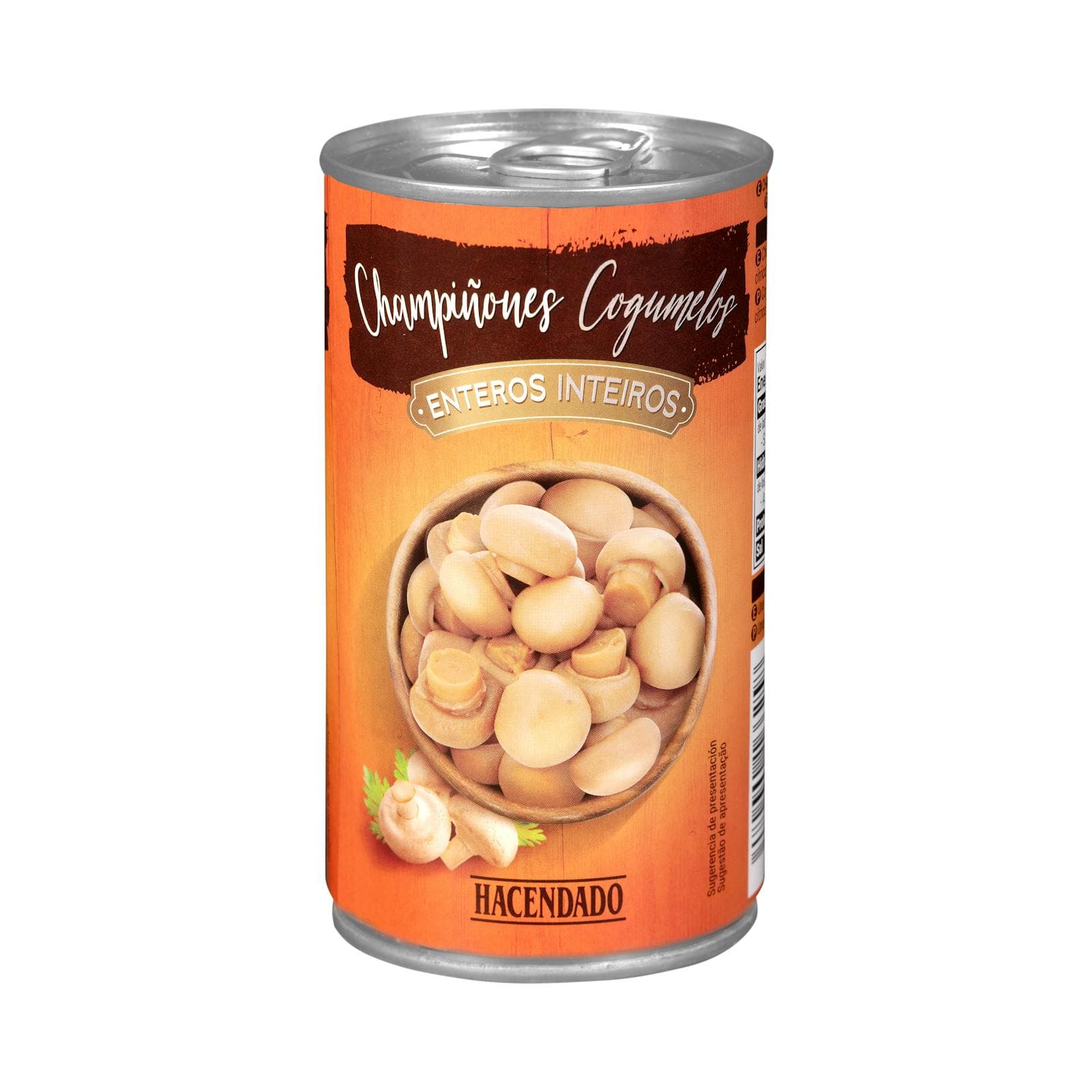 €1.45
€1.45Whole Mushroom
Hacendado · 355 g · Mercadona
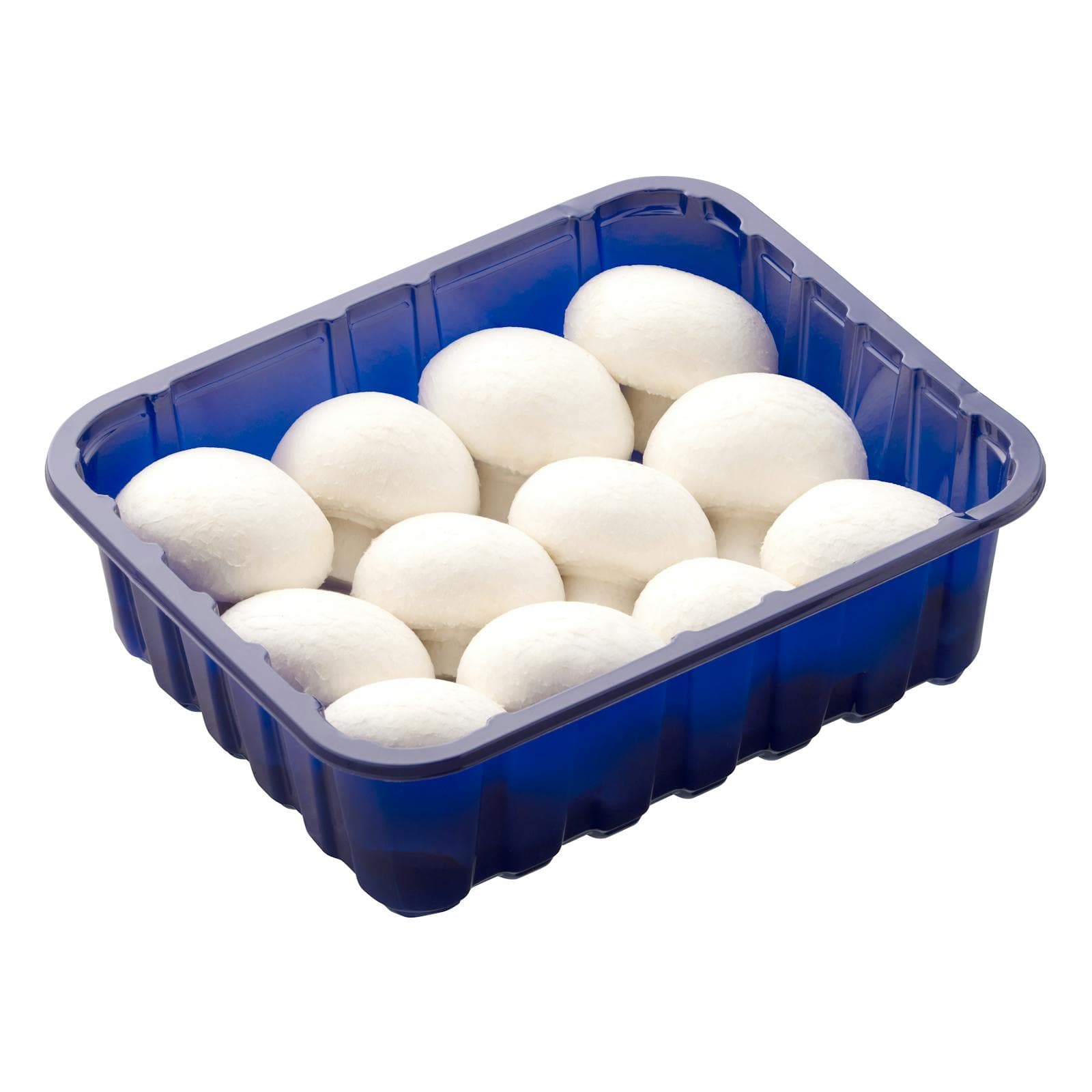 €1.50
€1.50White Mushrooms
300 g · Mercadona
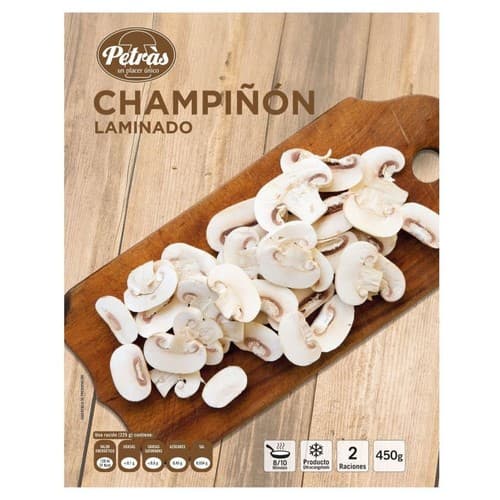 €1.99
€1.99Sliced Mushrooms
PETRAS · kg · Bonpreu
 €3.96
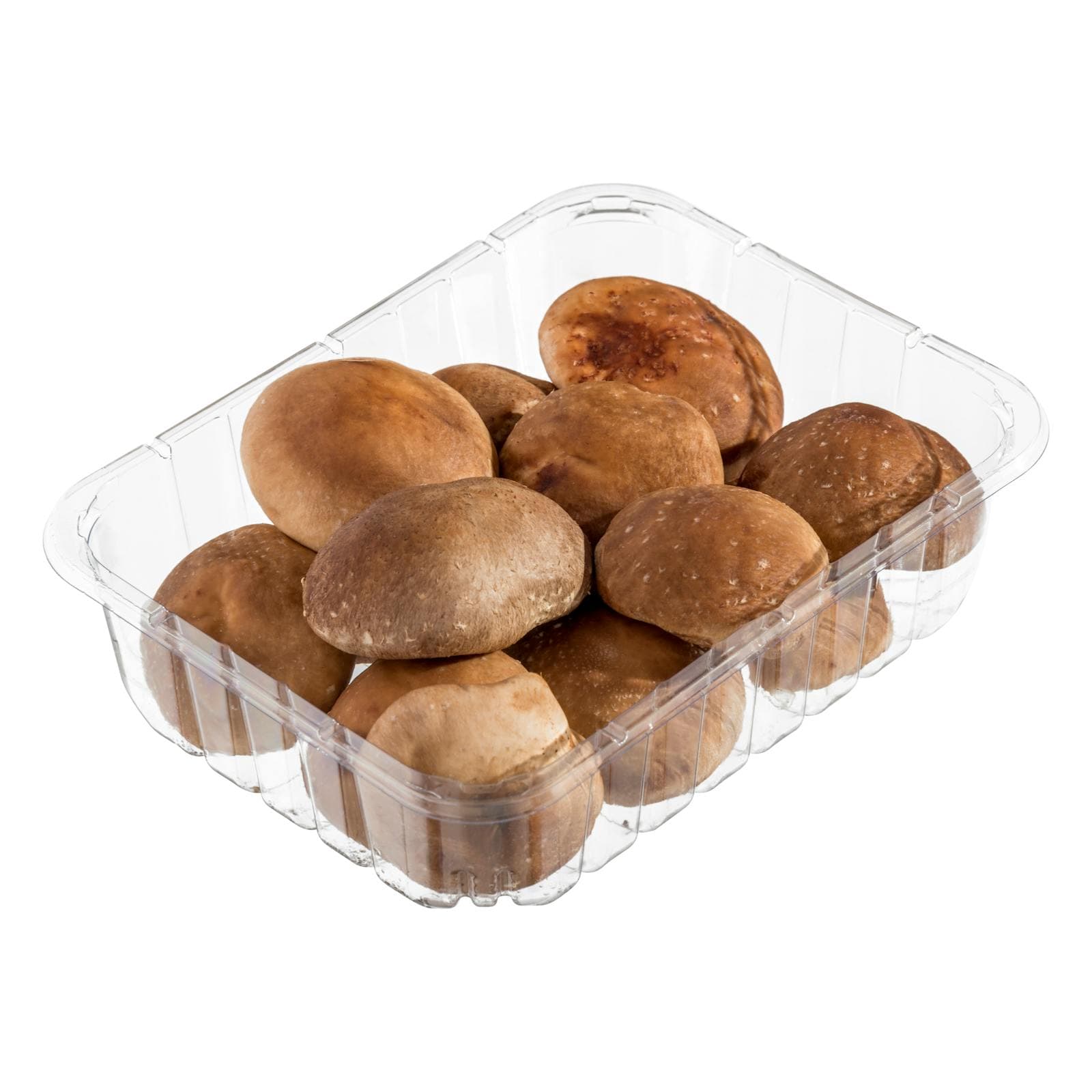
€3.96Shiitake Mushrooms
300 g · Mercadona
 €2.16
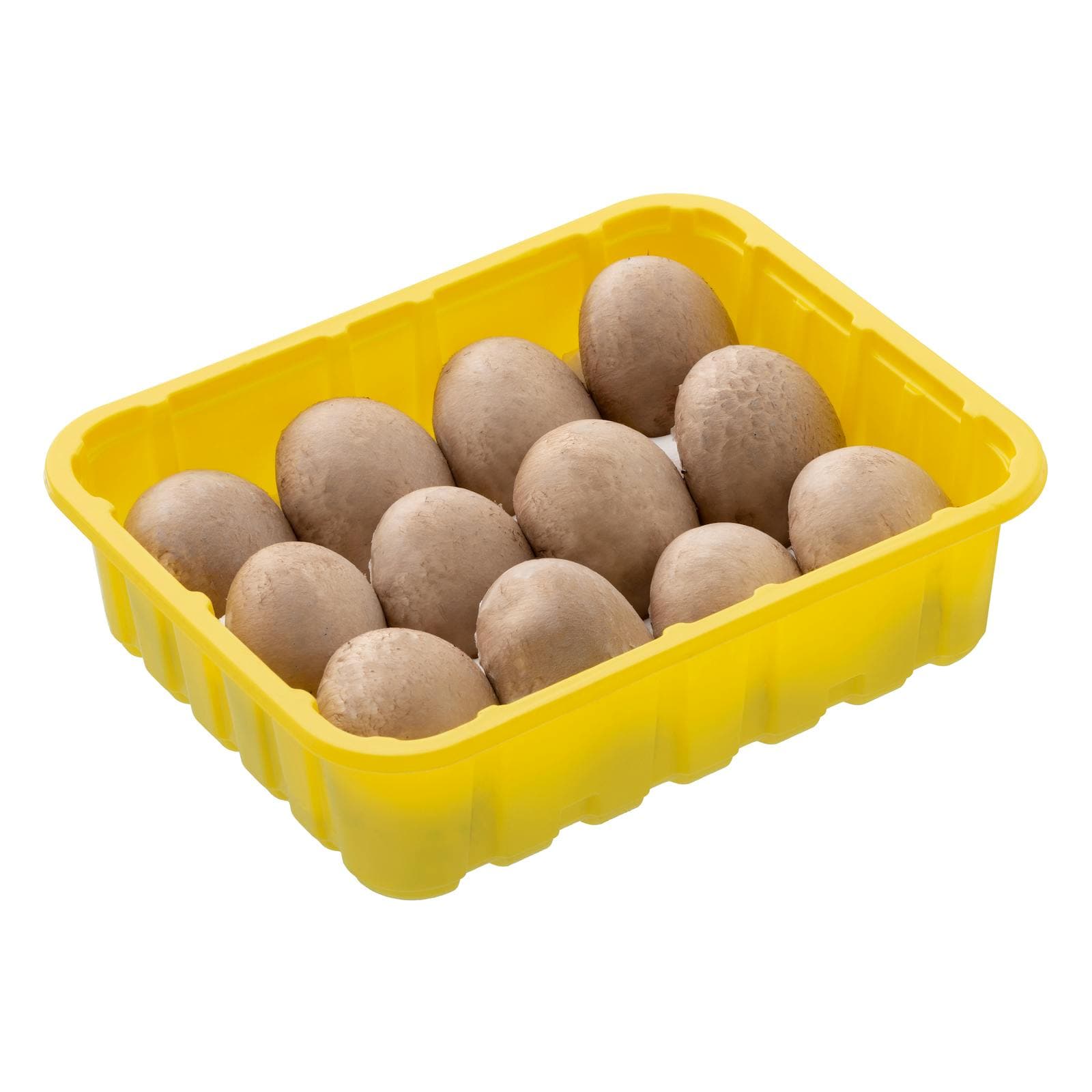
€2.16Portobello Mushrooms
300 g · Mercadona
Good to know
- Scientific Name
- Auricularia auricula-judae and related Auricularia species
- Also Called
- Tree Ear, Cloud Ear, Mu Err (Chinese), Kikurage (Japanese), Pey deung-i (Korean), Judas's Ear, Black Fungus
- Type
- Jelly fungus; rubbery-gelatinous when cooked with subtle crunch
- Color (dried)
- Dark brown to nearly black; expands and lightens when rehydrated
- Rehydration Ratio
- 10:1 (1 oz dried yields about 1 cup rehydrated)
- Rehydration Time
- 20–30 minutes in warm water; 5–10 minutes in boiling water for faster results
- Flavor
- Very mild, neutral; acts as a flavor conduit, not a flavor contributor
- Key Nutrients
- Iron, calcium, dietary fiber, B vitamins; notably high in fiber for a fungus
- Shelf Life (dried)
- 1–2 years in an airtight container in a cool, dry place
- Shelf Life (rehydrated)
- 3–5 days refrigerated in water or a sealed container
- Raw Consumption
- Not recommended; always cook before eating
Substitutes
- Cloud Ear / Tree Ear — Interchangeable; different regional names for the same dried Auricularia
- Snow Fungus (Tremella fuciformis) — Different species; softer and more delicate; good for soups and desserts but too fragile for stir-fries
- Fresh Shiitake (dried and rehydrated) — Provides earthy umami flavor but entirely different soft-meaty texture; not a textural substitute
- Enoki Mushrooms — Similar delicate crunch in brothy dishes; no relation, but functional in soups and porridges
Pairs with
Also called
木耳 · Black Fungus · Cloud Ear · Mu Er
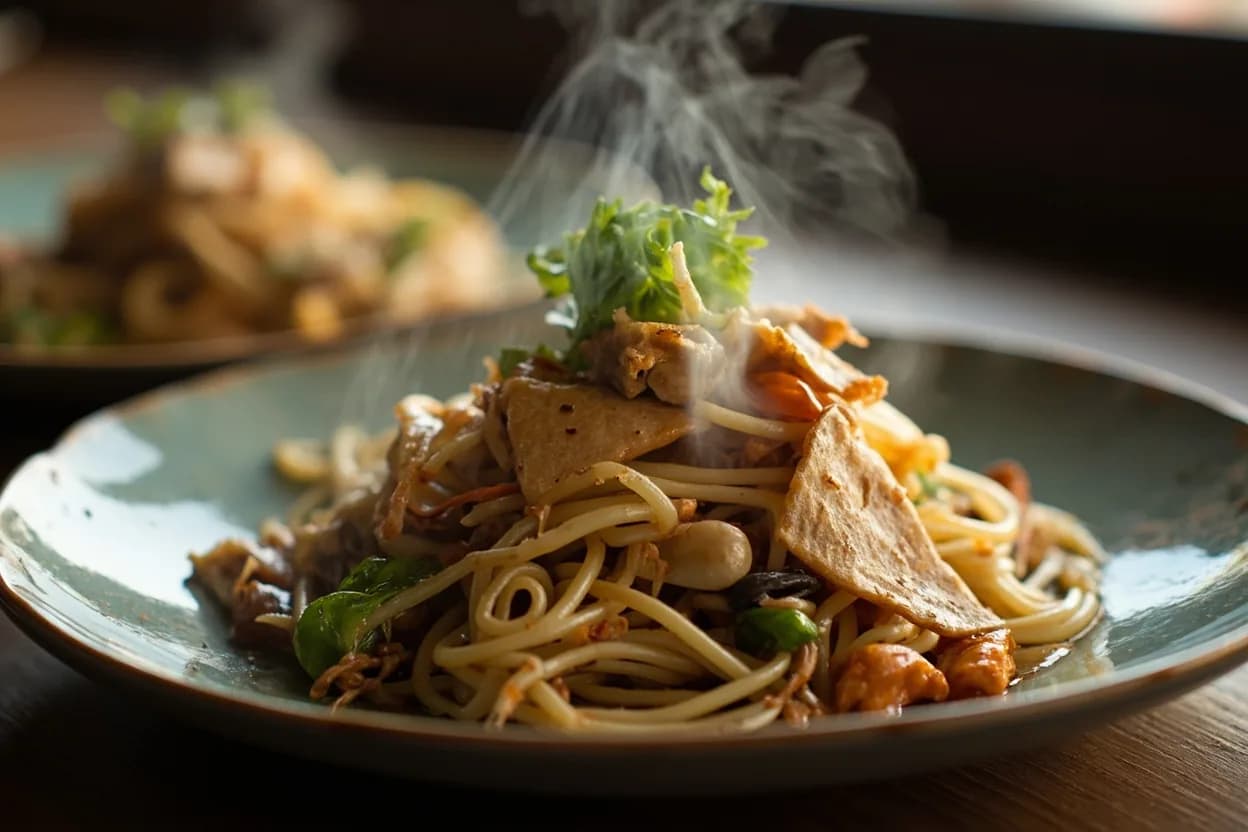
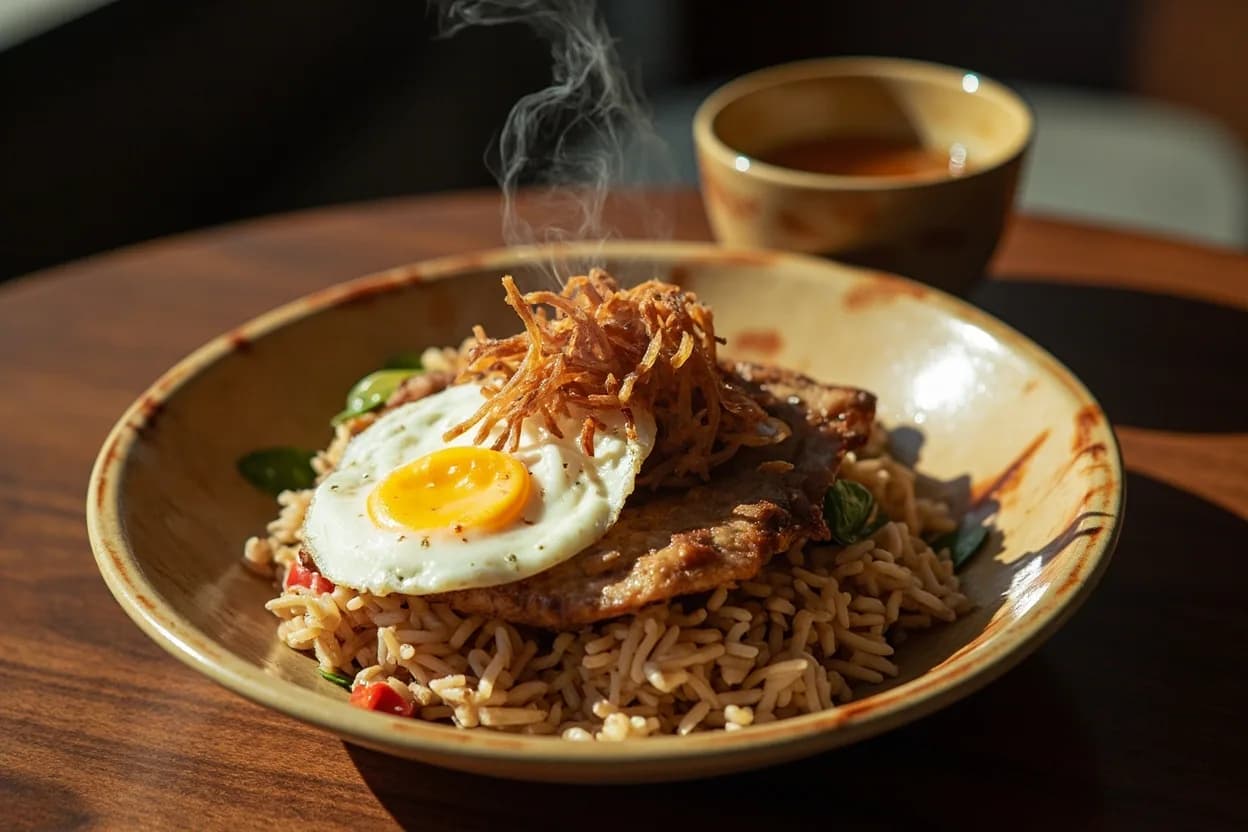
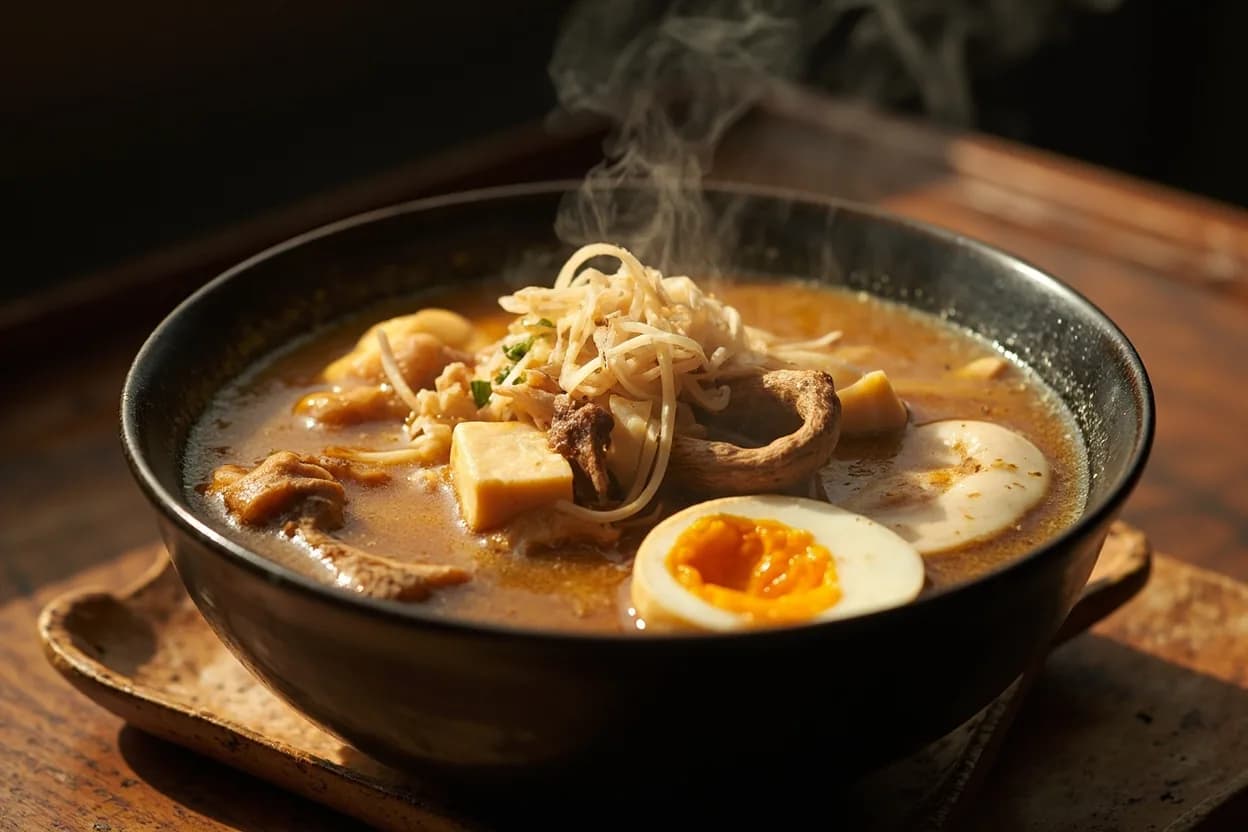
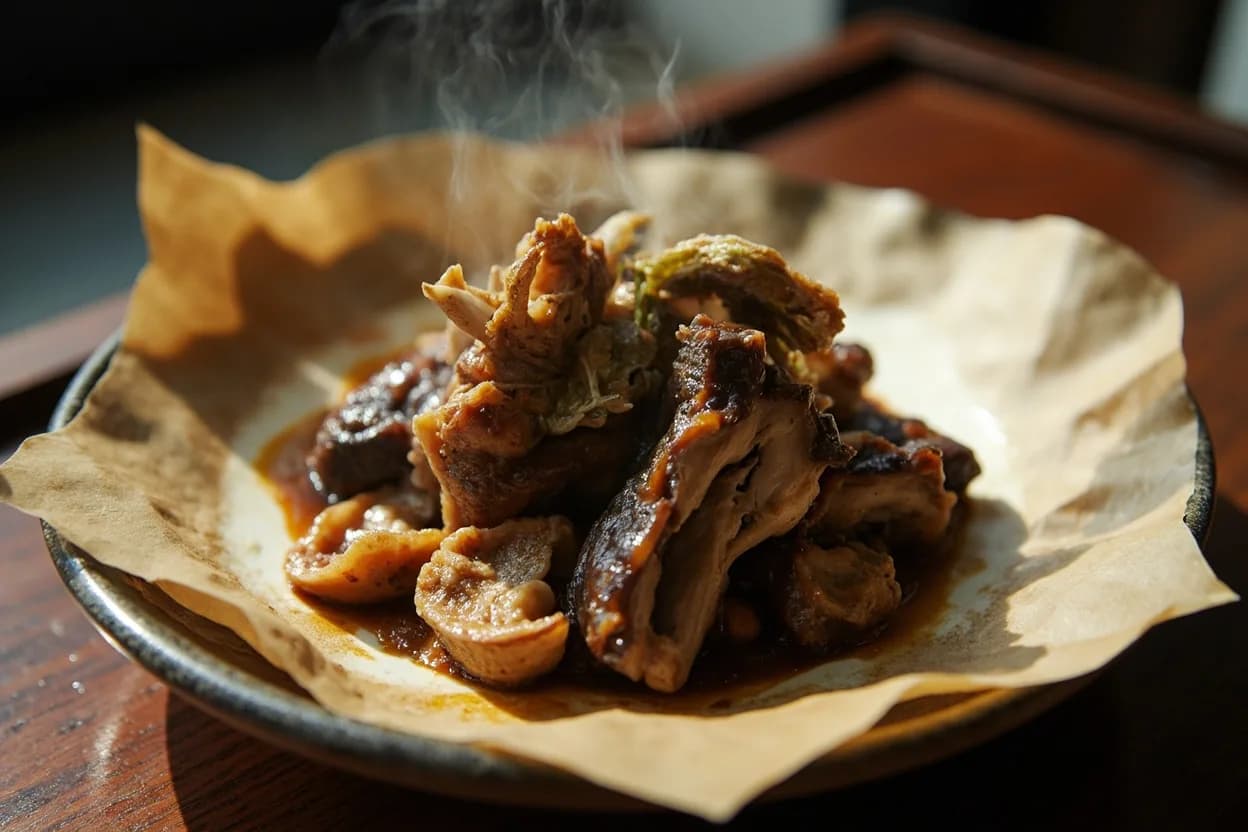
Appears in these dishes
Related
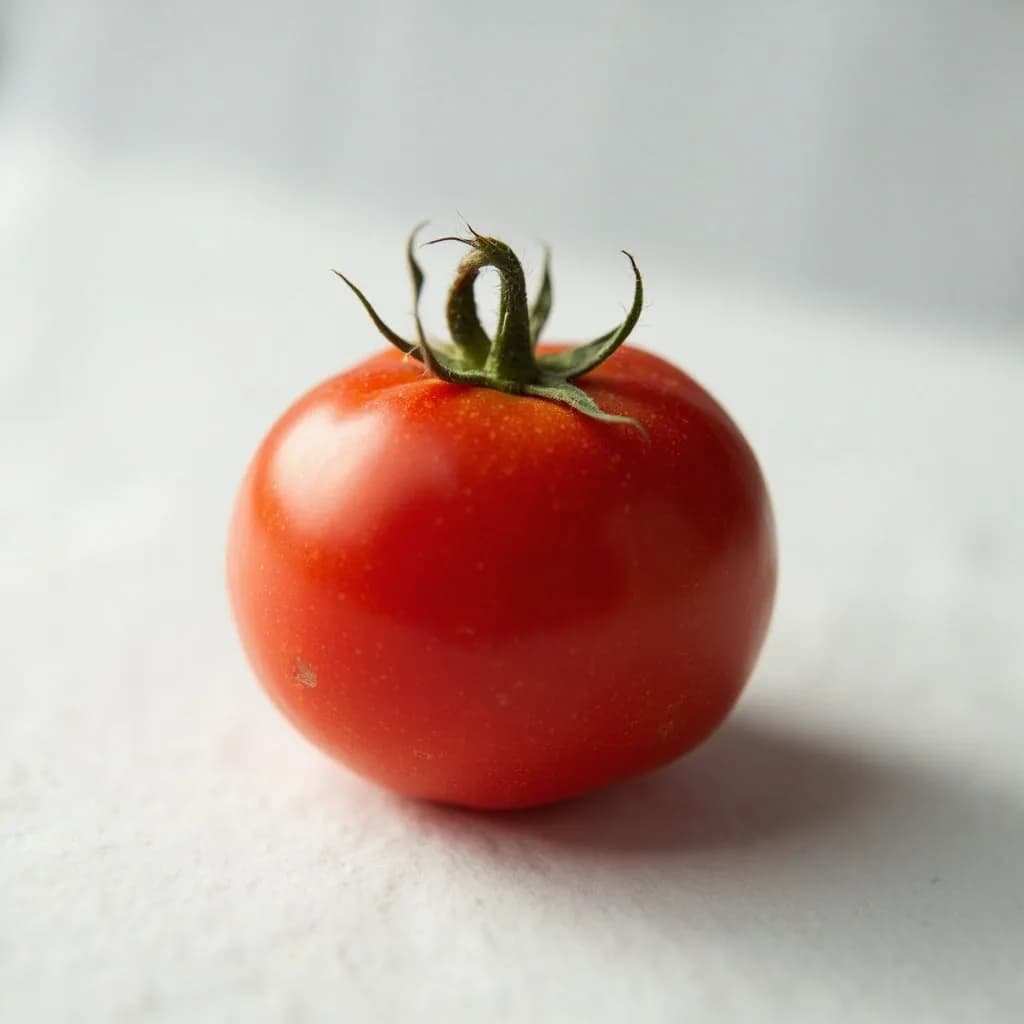
Tomato
Juicy, sun-sweet fruit for sauces, salads, and slow-cooked depth
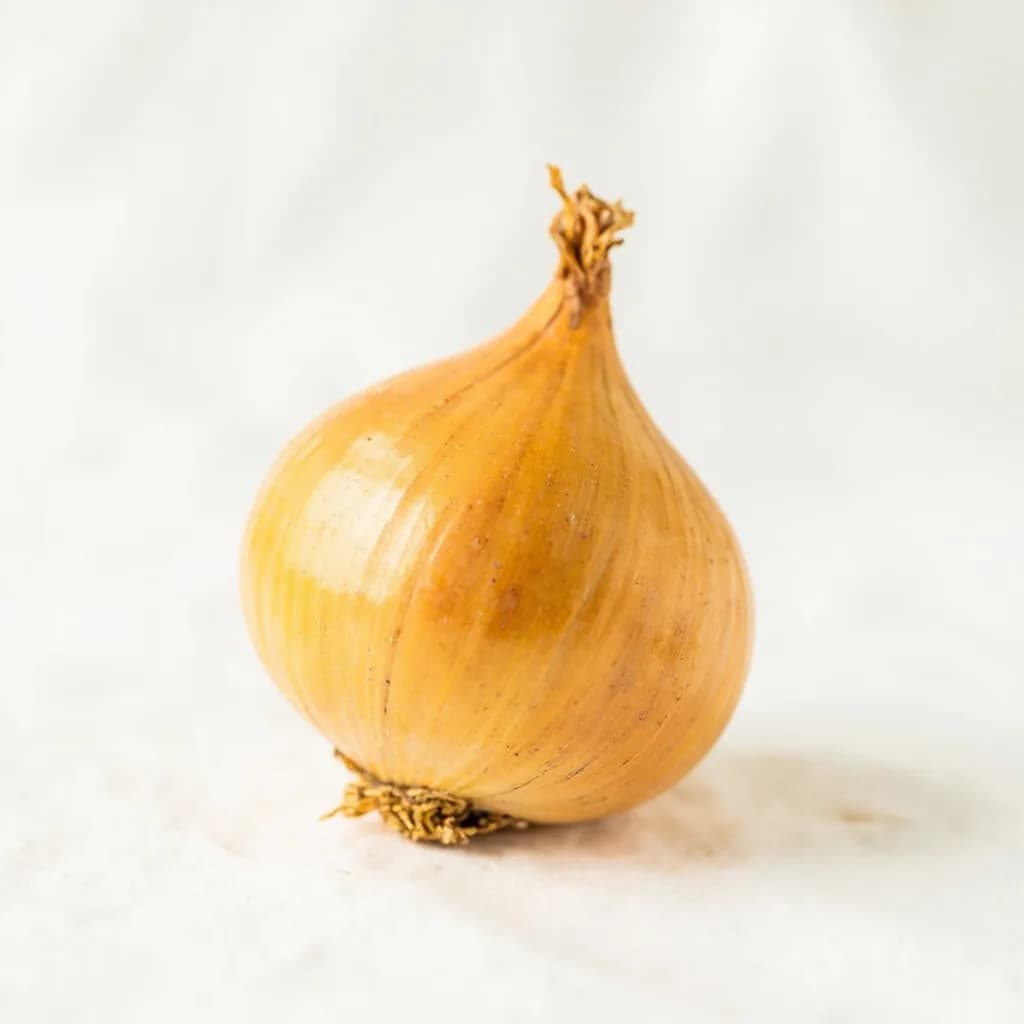
Yellow Onion
The aromatic backbone of soups, sofritos, and braises
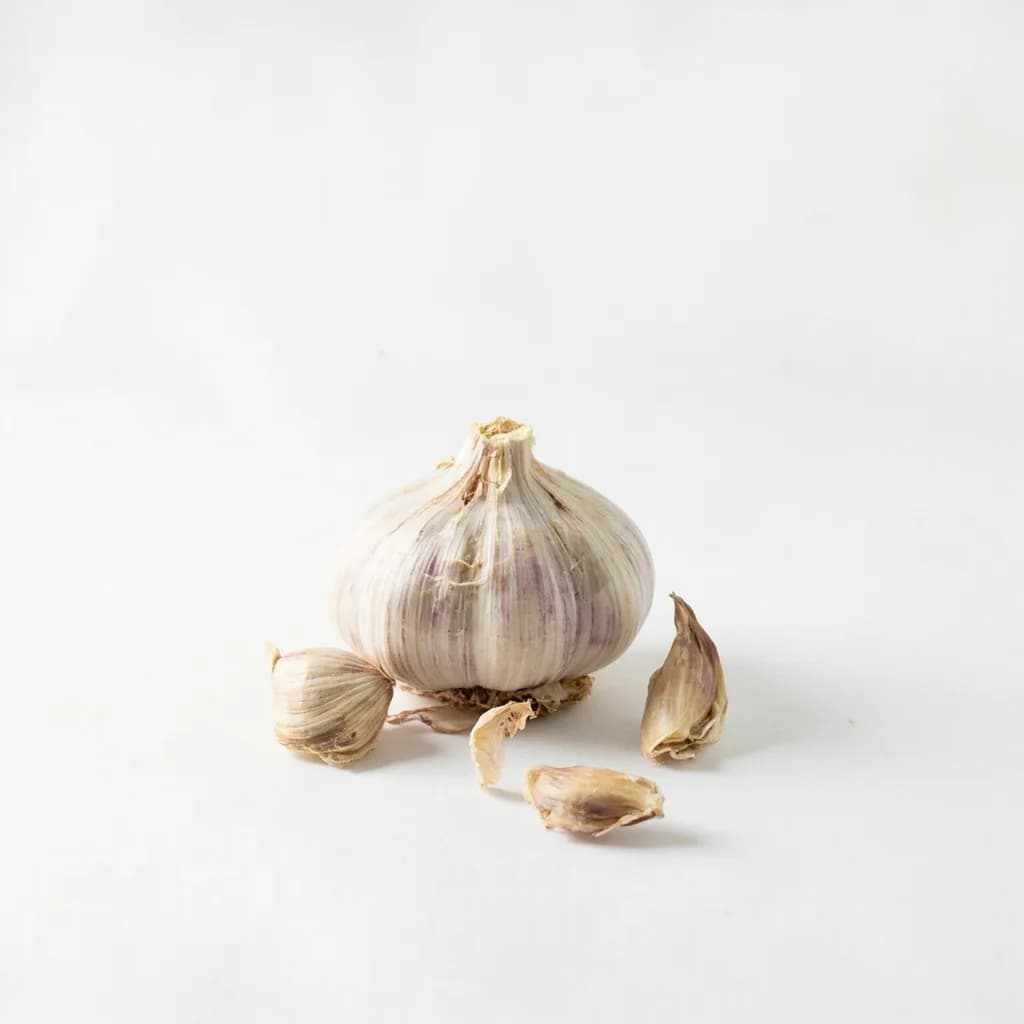
Garlic
Pungent cloves that perfume nearly every savory dish
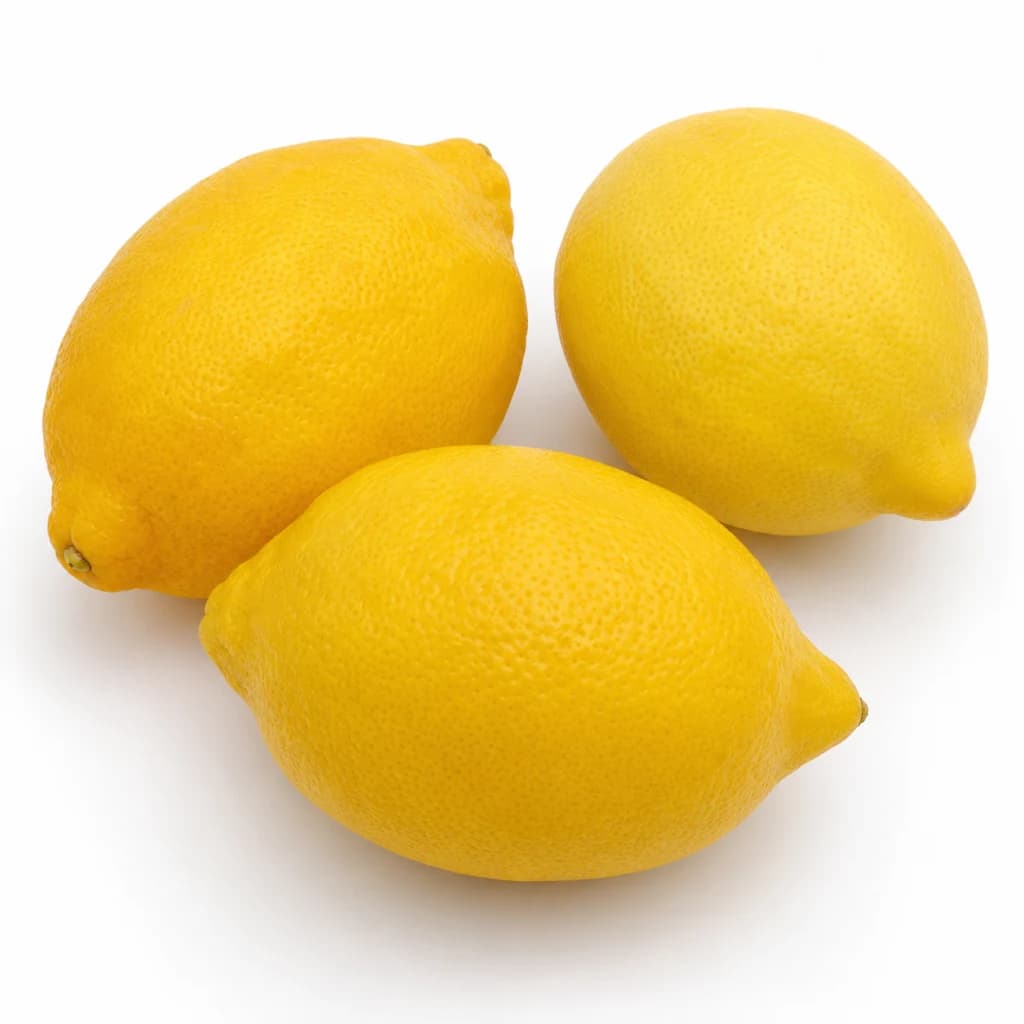
Lemon
Bright, acidic citrus that wakes up almost any dish
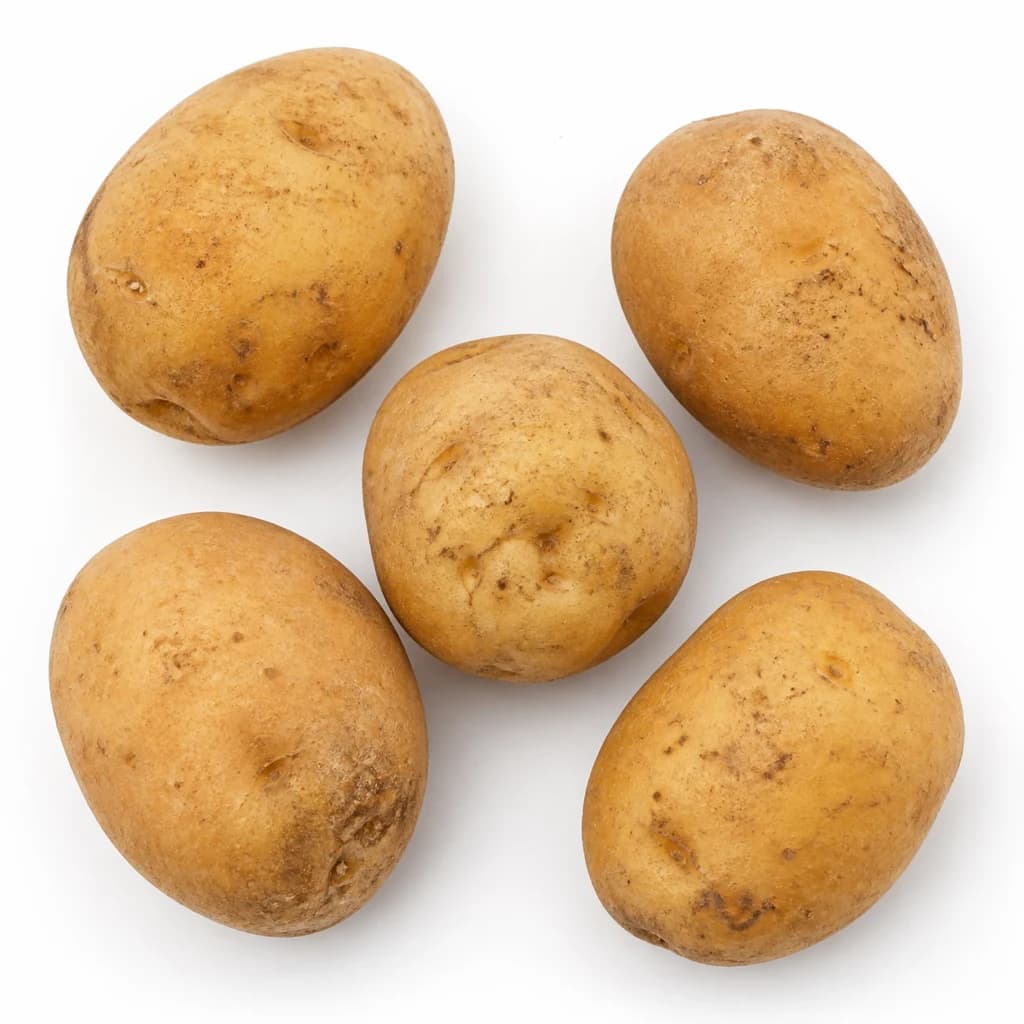
Potato
Humble, hearty staple — roast, mash, fry, or boil

Carrot
Sweet, crunchy root — raw, roasted, or the base of a sofrito
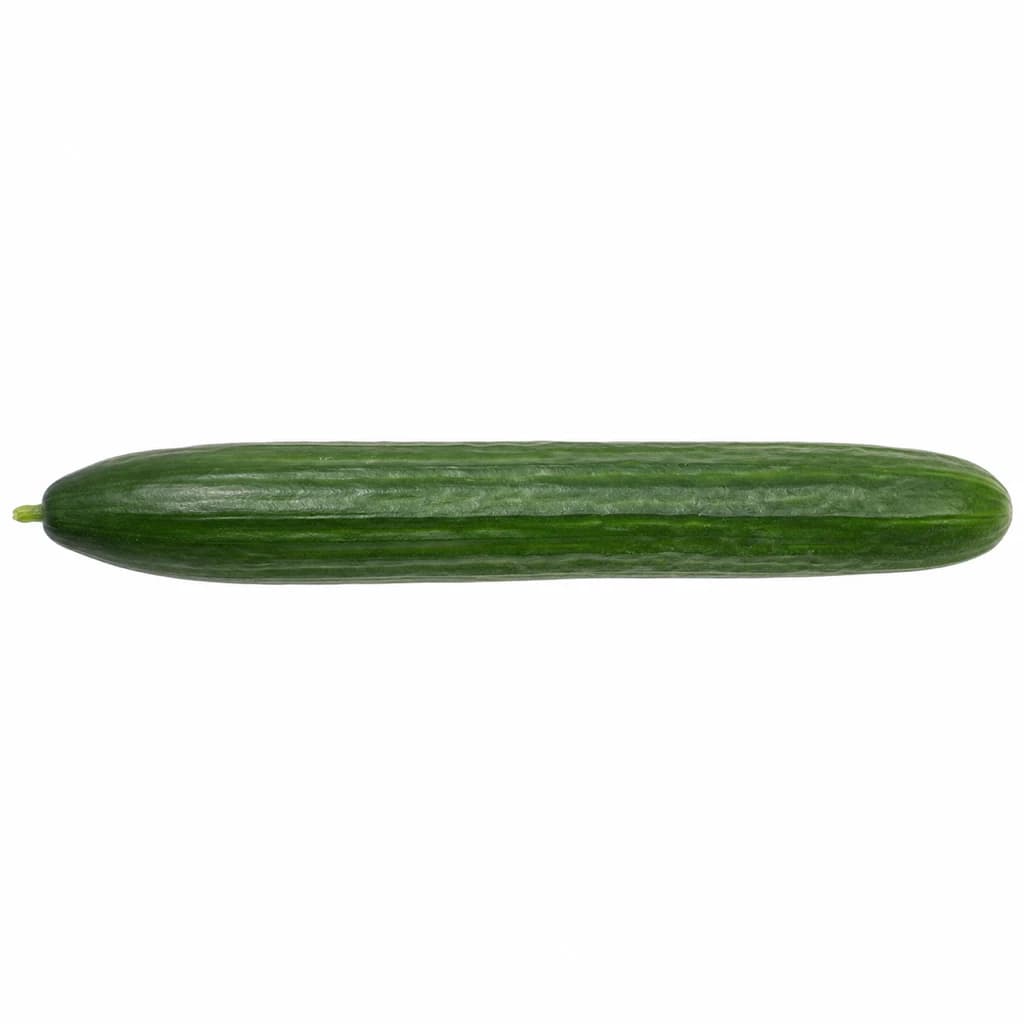
Cucumber
Cool, crisp, and watery — for salads, pickles, and tzatziki

Lettuce
Crisp leaves for salads, wraps, and a fresh crunch