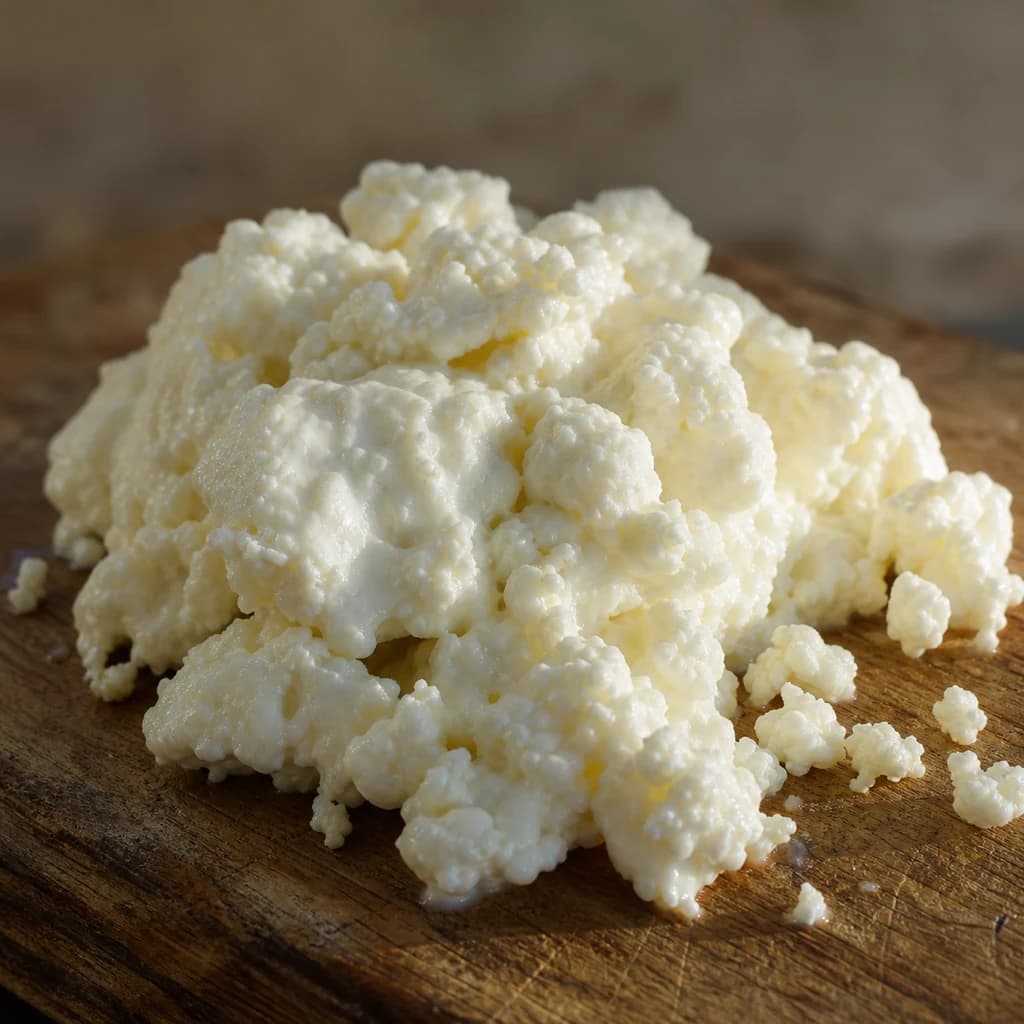
Natural form
Fresh chura loenpa shown as hand-formed moist curds, soft and slightly crumbly.
Shows the cheese in its immediately-after-production state so readers can recognize its texture, color, and soft form.
Dairy & Eggs
Chura Loenpa (Soft Yak Cheese)
Himalayan soft fresh yak-milk cheese, mild and tangy, eaten fresh.
Chura loenpa is a soft fresh cheese made from yak (or dri) milk in Tibet, Bhutan, and the Himalayas, produced from the curds left after churning butter. It is mild, slightly tangy, and crumbly, eaten fresh or stirred into stews and curries. It contrasts with chura kampo, the rock-hard dried yak cheese.
Chura Loenpa is a fresh, soft cheese made from yak milk in the Himalayan regions of Nepal, Tibet, Bhutan, Sikkim, and Ladakh. Produced at elevations between 3,000 and 5,000 meters, it is made using traditional rennet coagulation—either animal or vegetable—rather than acid, which gives the curd a distinct protein structure and a clean, faintly tangy flavor with subtle earthy mineral notes characteristic of yak milk. Unlike Western fresh cheeses, it has a slightly higher fat content and a more complex flavor profile that reflects the alpine diet of the yaks themselves. The cheese is a staple protein source for high-altitude pastoral communities, sold in small blocks or balls of approximately 200–500 grams and meant to be consumed within days of production.
In texture, Chura Loenpa is soft, slightly crumbly, and moist—compresses easily between the fingers—and ranges in color from white to ivory. Its behavior in cooking differs from aged cheeses: it does not melt into strings or a smooth sauce. Instead, when heated, it softens and holds its shape loosely, making it well suited to brief warming rather than long cooking. The cheese is traditionally torn by hand and eaten fresh as a snack, folded into grains, or added to soups and stews in the final minutes of cooking.
The term chhura refers broadly to cheese in Nepali; loenpa specifically designates the soft, fresh preparation intended for immediate consumption, distinguishing it from the dried chhurpi which can be stored for months and is not interchangeable in fresh preparations.
- Measured in
- g
- Storage
- Fridge
Allergens
Types & varieties
The soft, fresh preparation intended for immediate consumption; the variety covered in this entry
Harder, aged version of the same cheese; can be stored for months; used as a snack or in cooked dishes; not interchangeable with the fresh variety in raw preparations or quick-warm applications
Understanding Yak Milk Cheese in Himalayan Cuisine
In Himalayan pastoral culture, dairy is not merely an ingredient—it is the foundation of daily nutrition and ritual. Yak cheese, including Chura Loenpa, appears across the full arc of a meal: torn and eaten between tasks as an energy snack, folded into rice and tsampa at lunch, served alongside flatbreads at dinner, and occasionally incorporated into steamed dumplings (momos) for vegetarian monastery meals. This versatility stems from the cheese's neutral-yet-complex flavor, which takes well to both savory and mildly sweet contexts. The cheese's role in monastic cuisine is especially notable: it provides a reliable protein source in regions where meat is scarce and plant proteins are limited by climate.
- The alpine yak diet of wild grasses and herbs contributes mineral complexity not found in conventional fresh cheeses
- Rennet-based coagulation produces a curd with different protein behavior than acid-coagulated cheeses like ricotta or cottage cheese
- Cheese-making knowledge in these communities is passed orally and varies by valley and family
Common uses
Tips & pitfalls
- Handle gently—pressing or squeezing breaks the delicate curd structure and releases excess moisture, leaving a dry, grainy result
- Bring to room temperature before eating plain; cold dulls the flavor and firms the texture, masking its subtlety
- When adding to hot dishes, fold in at the very end of cooking; prolonged boiling breaks the curd apart into small, grainy fragments rather than soft pieces
- Store wrapped loosely in clean cloth inside the refrigerator; sealed plastic traps moisture and accelerates spoilage within a day or two
- If the cheese smells sharply sour or ammonia-like, it has passed its prime—the flavor will be harsh and unpleasant
- Fresh yak cheese softens but does not melt or stretch; treat it as you would fresh goat cheese or paneer, not as a melting cheese
- For a quick preparation, drizzle with mustard oil, scatter sliced green chilies and white onion, and serve immediately with flatbread
Nutrition
Energy
1105 kJ · per 100 g
Where the calories come from
Protein
18.5g
37% DV
Carbs
0g
0% DV
Fat
21.1g
27% DV
Fiber
0g
0% DV
Sugars
0g
of which
Sodium
459mg
20% DV
Source · USDA FoodData Central · approx. Cheese, goat, soft type
View on FDC →In the shops
Matched grocery products
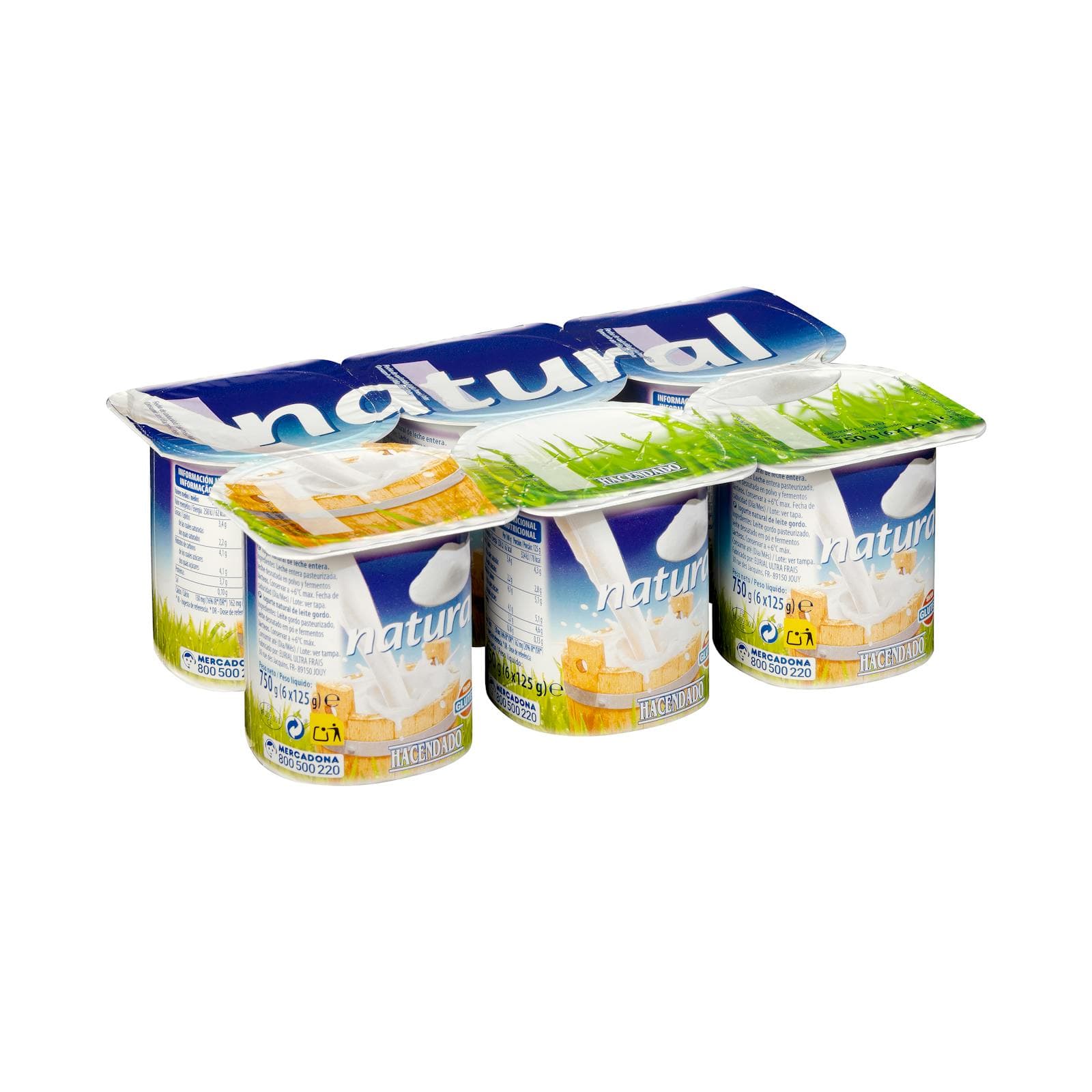 €1.00
€1.00Natural Yogurt
Hacendado · 750 g · Mercadona
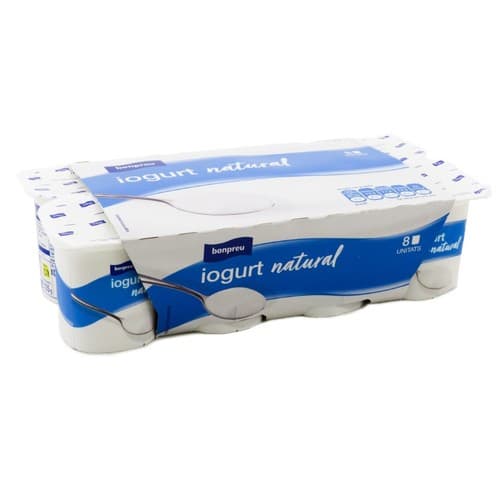 €1.34
€1.34Natural Yogurt
BONPREU · kg · Bonpreu
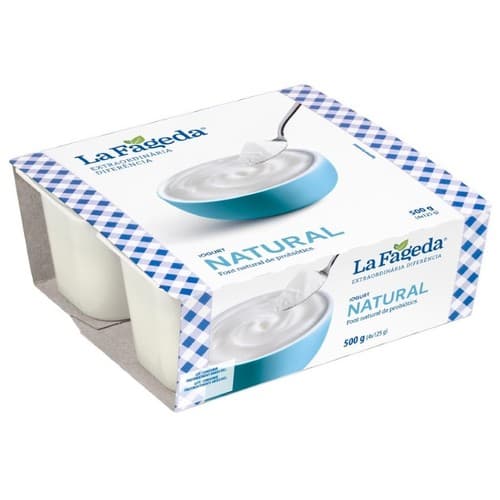 €1.90
€1.90Natural Yogurt
LA FAGEDA · kg · Bonpreu
 €2.20
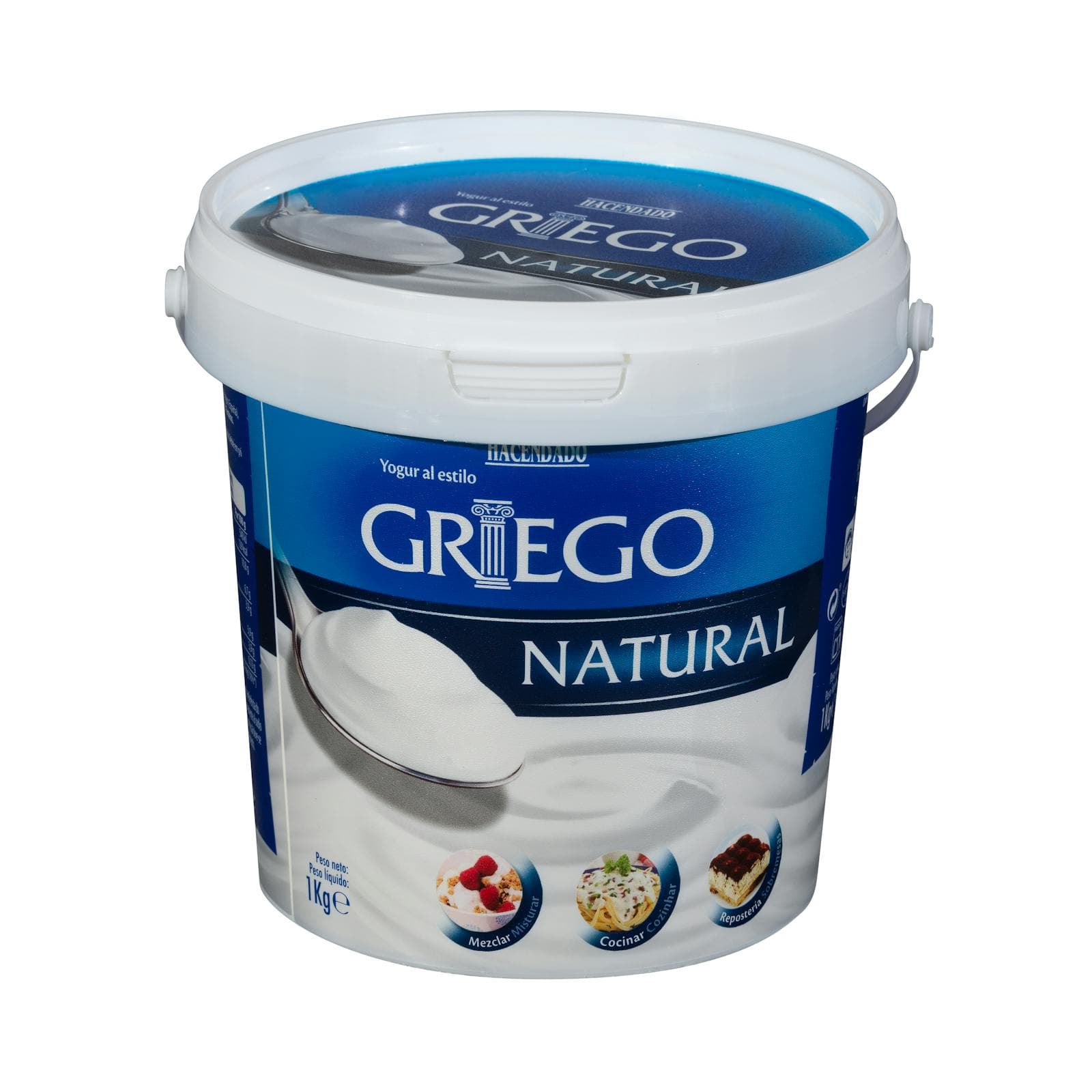
€2.20Greek Natural Yogurt
Hacendado · 1 kg · Mercadona
 €1.00
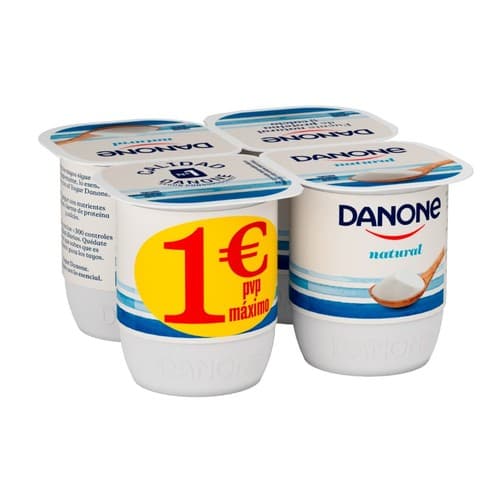
€1.00Danone Natural Yogurt
DANONE · kg · Bonpreu
 €1.99
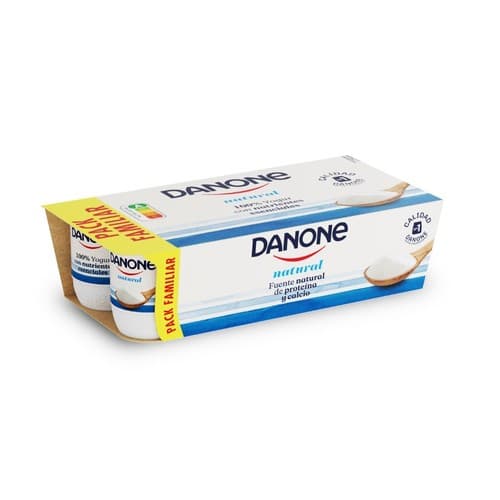
€1.99Danone Natural Yogurt
DANONE · kg · Bonpreu
Good to know
- Origin
- Himalayan region: Nepal, Tibet, Bhutan, Sikkim, and northern India (Ladakh)
- Primary Milk
- Yak milk; occasionally mixed with cow or dzum milk at lower altitudes
- Type
- Fresh, soft, unaged cheese
- Coagulation
- Animal rennet or vegetable rennet (dried bark or leaf extracts, varies by region)
- Texture
- Soft, slightly crumbly, moist; compresses easily between fingers
- Flavor
- Mild, clean, faintly tangy; milky with subtle earthy and mineral notes
- Color
- White to ivory
- Shelf Life
- 3–5 days refrigerated; deteriorates quickly without refrigeration
- Altitude of Production
- 3,000–5,000 m elevation
- Cultural Role
- Primary protein source for high-altitude pastoral and monastic communities
Substitutes
- Paneer (Indian fresh cheese) — Closest substitute in texture and mildness; holds its shape better in cooking; less tangy, so season accordingly
- Fresh ricotta — Similar moisture level and mild flavor; too soft to hold shape in hot dishes; use only in cold or gently warmed preparations
- Fresh goat cheese (chèvre) — Comparable tang and fresh, bright flavor; stronger overall flavor profile; crumbles similarly
- Bocconcini — Similar size, mildness, and fresh character; slightly firmer; works best in salads and cold dishes
- Labneh — Similar tang and creaminess but much thicker consistency; better as a spread or dip than a cheese for hot dishes
Pairs with
Also called
Soft Yak Cheese
Related

Whole Milk
Rich, full-fat milk for drinking, coffee, sauces, and baking
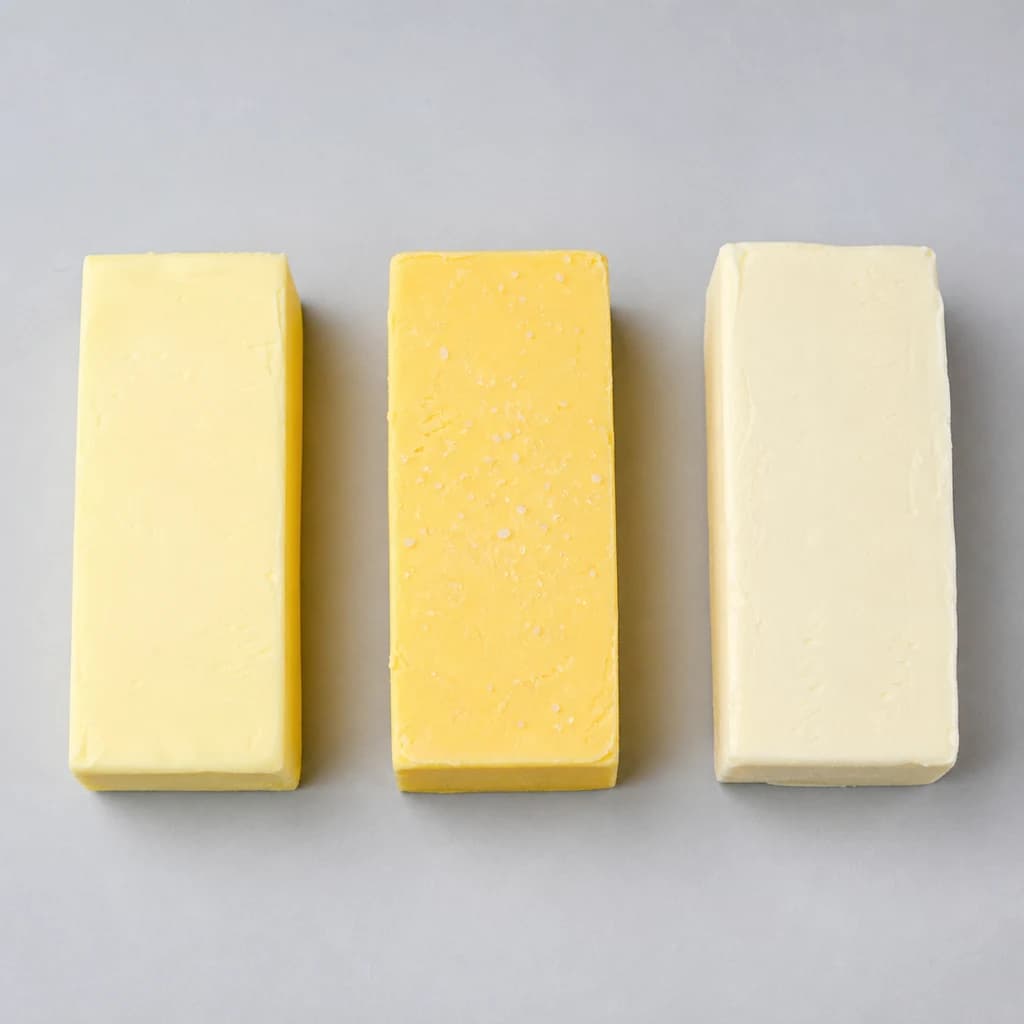
Butter
Golden fat for searing, baking, and finishing a sauce
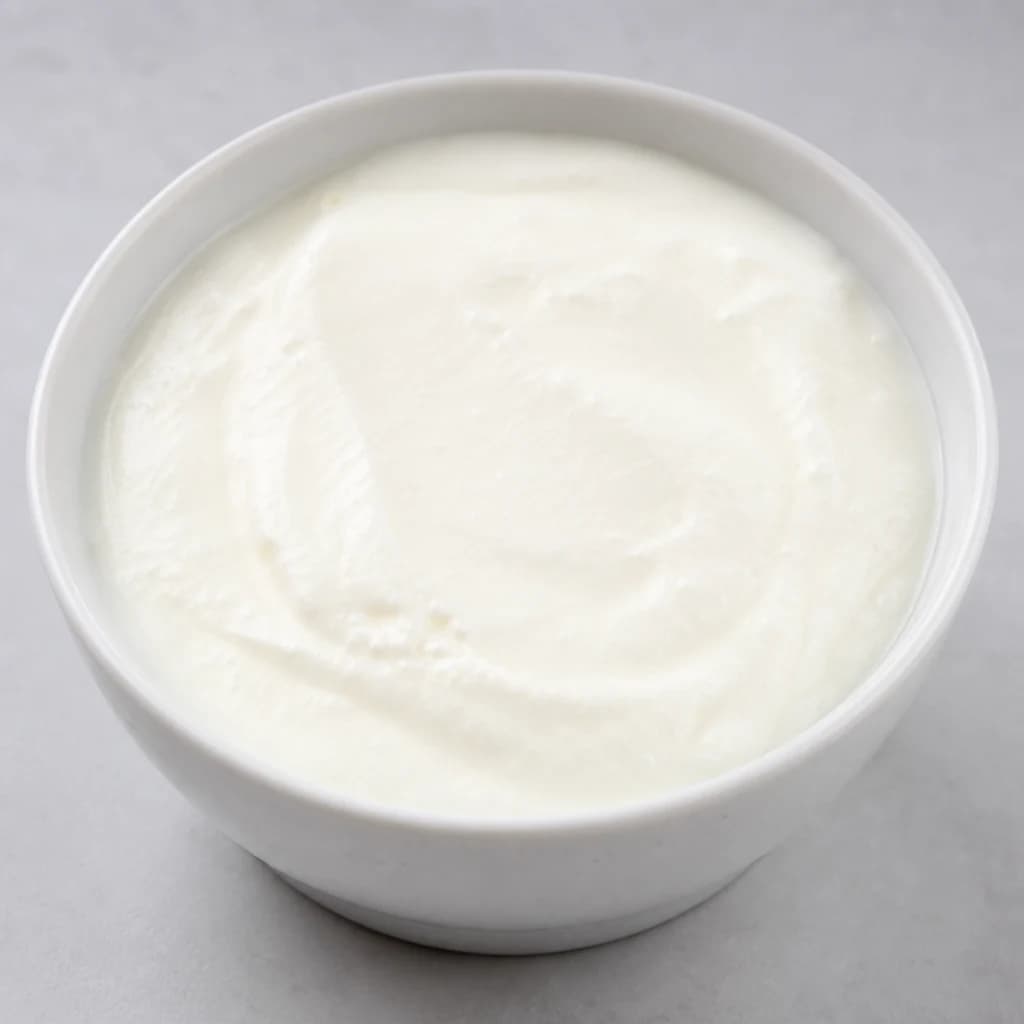
Yogurt
Tangy, creamy culture for breakfast, sauces, and marinades
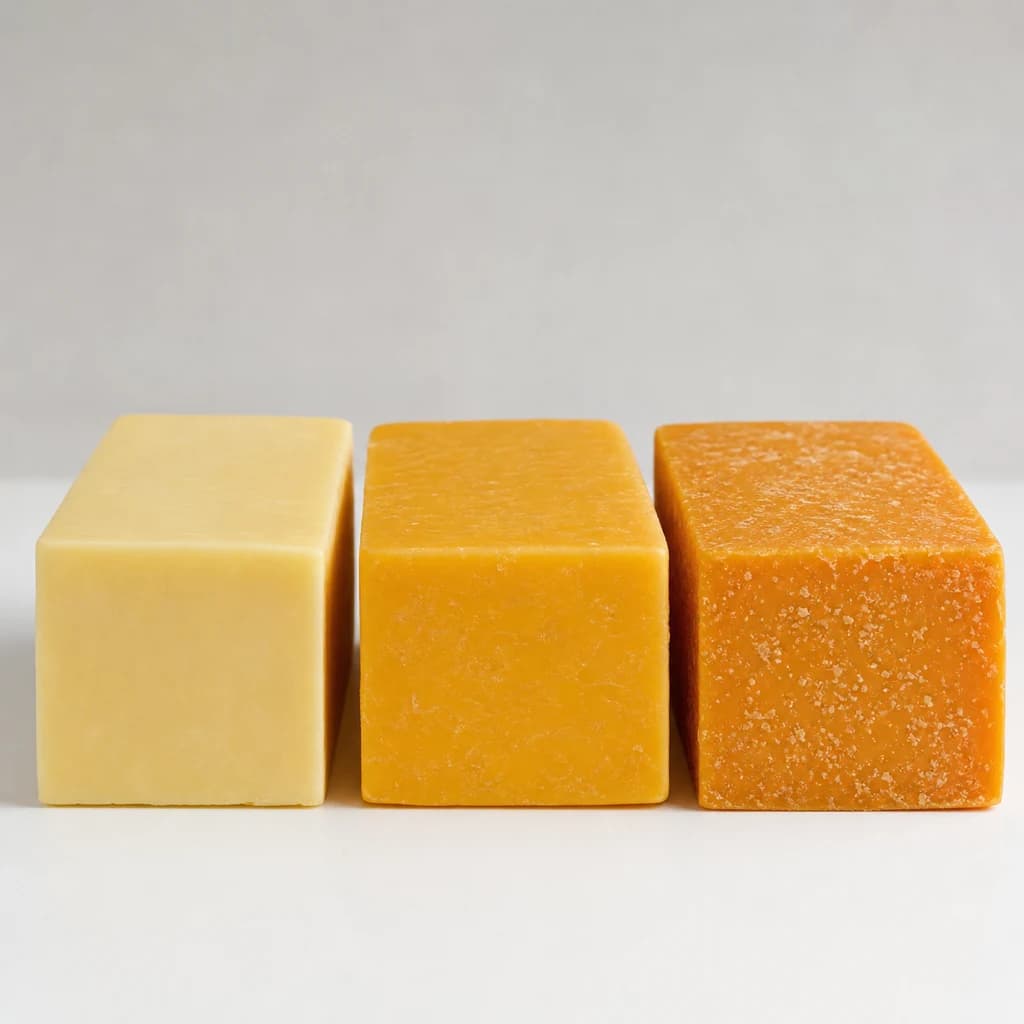
Cheddar Cheese
Sharp, melty cheese for sandwiches, gratins, and grating

Skim Milk
Fat-free milk for lighter drinking, coffee, and cooking
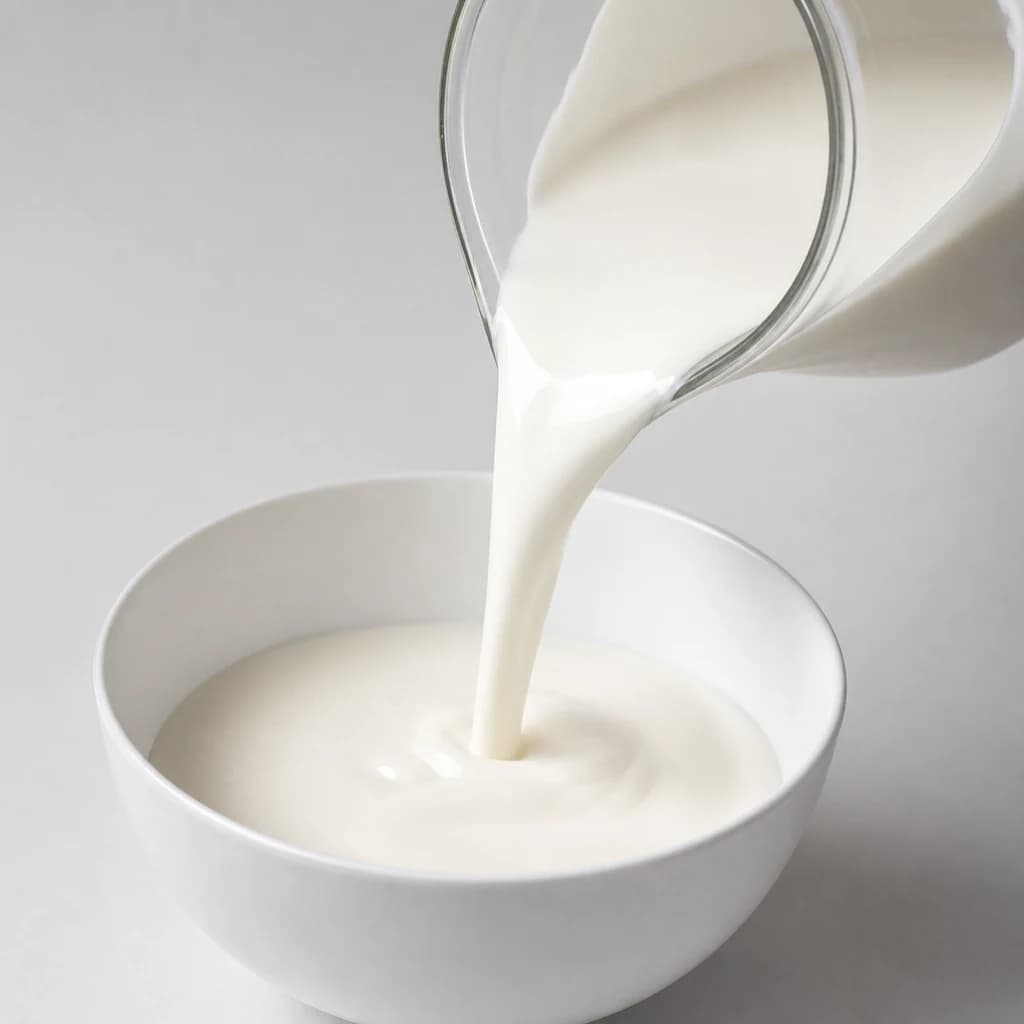
Heavy Cream
Rich cream that whips, enriches sauces, and sets ganache

Sour Cream
Tangy, thick cream for dolloping, baking, and dips
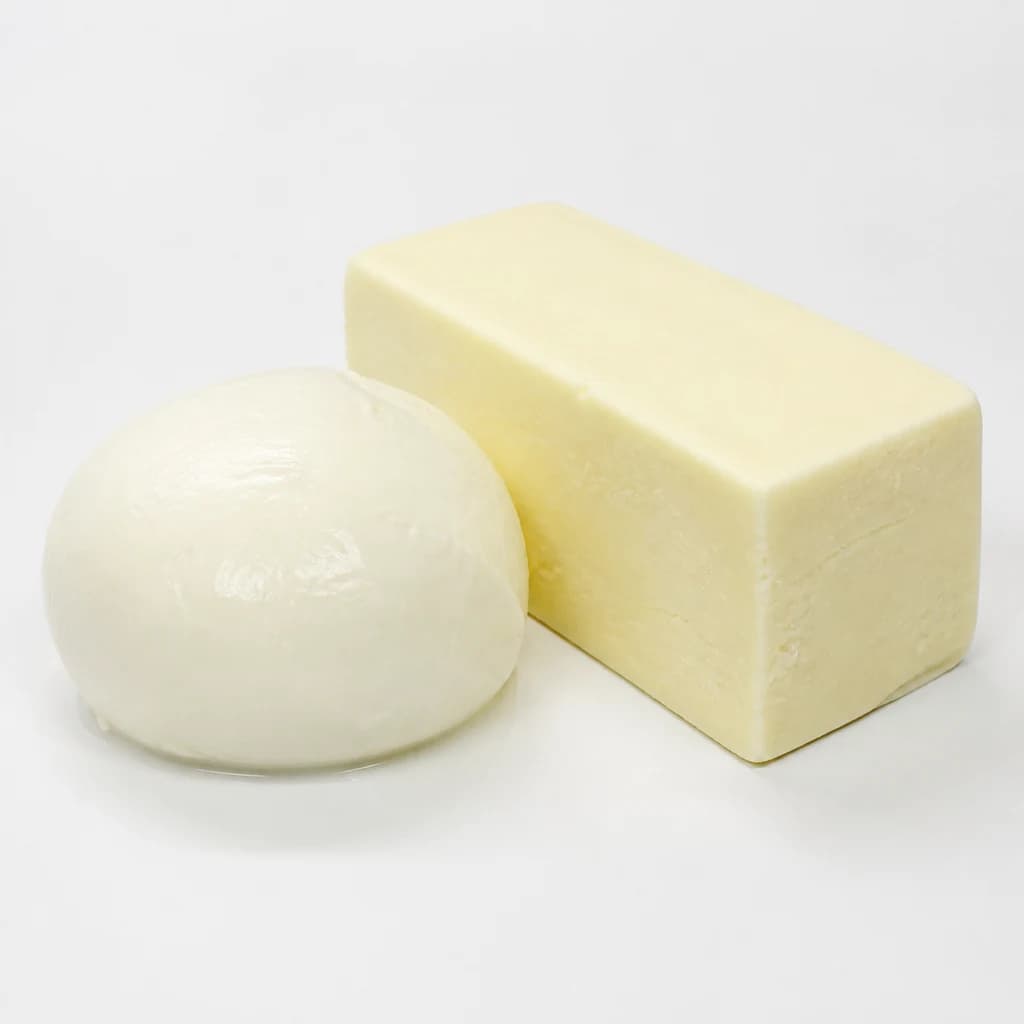
Mozzarella
Soft, milky cheese that melts into stretchy pizza pulls