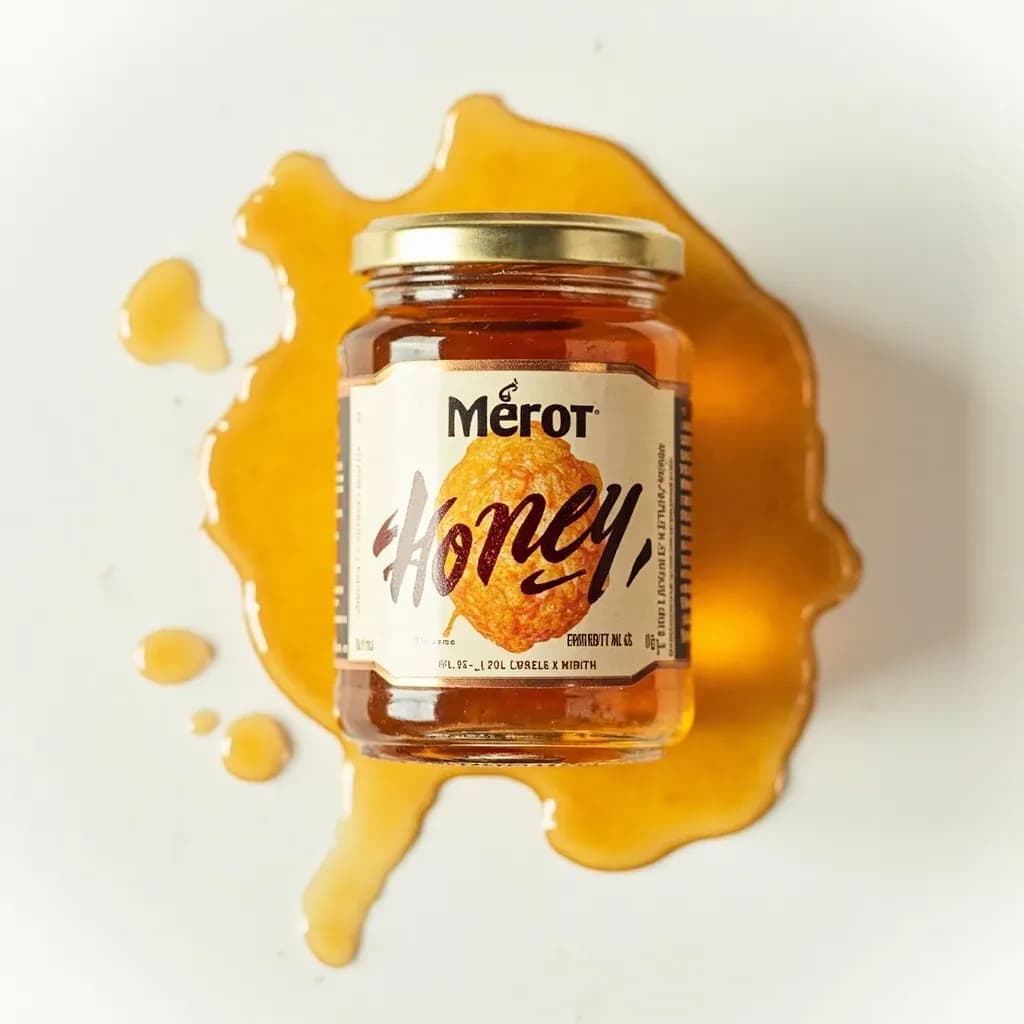
Tying & Fastening
Honey Label
An adhesive or tie-on label identifying honey variety, weight, and producer on a jar.
A honey label is a printed adhesive or tie-on tag applied to a honey jar to identify the varietal, net weight, harvest date, and producer. Beekeepers use them to brand jars for sale and to comply with food-labeling rules. Many use waterproof or oil-resistant stock since honey jars are often handled with sticky fingers and stored in humid pantries.
A honey label is the tag, sticker, or sleeve that identifies what is inside a jar: the floral varietal, the producer, the net weight, and often the country or region of origin. Beyond identification it carries legally required information — net weight in metric and US units, ingredients, and a best-before date for infused products — and it serves as the producer's brand surface and storytelling tool. For a cook, the label is the primary way to compare honeys at the market, track jars in a pantry, and judge freshness and authenticity.
Honey is a punishing substrate for ordinary paper. Its hygroscopic nature means moisture slowly wicks up the jar wall and ordinary adhesives fail, so standard paper labels stain, bubble, and peel within weeks. Purpose-made honey labels use water- and sugar-resistant permanent adhesives on coated or vinyl face stocks, and tie-on formats add a metal grommet or reinforced eyelet so the twine cannot tear through wet or wax-coated paper. Most also print a brief storage line — typically "Crystallization is natural — warm gently to reliquefy" — to head off the most common customer complaint.
Two practical angles matter at the stove and at the worktable. The first is reading the label well: knowing that "wildflower" describes the bees' nectar source rather than a flavor promise, that USDA Grade A reflects clarity and freedom from defects rather than taste, and that an infused honey must list its added ingredients and carry a shorter shelf life than plain varietal honey. The second is producing your own — for chili- or herb-infused honeys, wedding favors, or small-batch sales — where paper choice, adhesive type, weight declaration, and required disclosures all matter legally and aesthetically.
Alternatives
Types & varieties
Standard retail format; printed on coated or vinyl stock with permanent water-resistant adhesive.
Synthetic face stock for jars that may sweat, be refrigerated, or sit on damp counters.
Brown kraft cardstock with a reinforced grommet, tied around the neck with twine; the classic farmers'-market and wedding-favor format.
Full-body plastic sleeve heat-shrunk onto the jar; high-end look, very durable, higher minimum order.
Cardstock tag with string loop or cotton tie, hung from the jar neck; popular for raw, comb, or section honey.
Ceramic ink fused to the glass; eliminates the label entirely, used by premium single-origin producers.
Shrink band or perforated sticker across the lid, often combined with the main label for retail sales.
Reading a Honey Label Well
A well-set label tells you almost everything you need to compare two jars at a stall. The varietal (clover, wildflower, orange blossom, buckwheat, tupelo) describes the dominant nectar source the bees foraged, not a flavor guarantee — climate, soil, and harvest year shift the taste considerably. Weight should appear in both metric and US units; in the US, FDA rules under the Fair Packaging and Labeling Act govern the format, and in the EU, Honey Directive 2001/110/EC sets the weights and the mandatory country-of-origin declaration. "Raw" generally means unheated above roughly 35–40 °C / 95–105 °F; "unfiltered" means pollen and fine wax remain suspended, which gives a more layered flavor but a cloudier look. USDA grades A, B, C, and Substandard describe clarity and freedom from defects rather than flavor or nutrition, so do not read Grade A as a quality endorsement. Finally, any added ingredient — chili, lavender, truffle, cinnamon — must appear in the ingredient list and usually pulls the best-before date forward.
- Floral varietal = nectar source, not a flavor promise — climate and harvest year shift the taste as much as the flower.
- "Raw" = unheated above ~35–40 °C / 95–105 °F; "unfiltered" = pollen and fine wax remain in the jar.
- USDA grades A–C and Substandard measure clarity and defects, not flavor or nutrition.
- EU labels must declare country of origin; US imports increasingly do as well.
- Any added ingredient on an infused honey must be listed and shortens the shelf life to 6–12 months.
Common uses
Tips & pitfalls
- Choose a waterproof, sugar-resistant permanent adhesive — ordinary paper labels stain and peel within weeks as honey wicks moisture up the jar wall.
- Reinforce any tie-on tag with a metal grommet or eyeleted hole; bare cardstock tears through the moment the tag gets wet, waxy, or honey-fingered.
- Print net weight in both metric and US units if you sell in mixed markets, and never let the nutrition-facts block overlap a decorative graphic — regulators treat that as obscuring required information.
- Stamp a best-before date on infused honeys (6–12 months is typical); plain varietal honey is effectively indefinite if sealed, and dating it just invites consumer confusion.
- Call an infused product "honey with [ingredient]" rather than "honey" alone — most jurisdictions forbid the unqualified word on a jar that contains added ingredients.
- Add a "Crystallization is natural — warm gently to reliquefy" line to every jar; crystallization is a quality cue, not a defect, and the note preempts complaints.
- Test a printed sheet under running water and overnight in the refrigerator before committing to a full run; coatings that look identical dry can behave very differently once wet.
- If you use a string or twist-tie, knot it under the jar's lid thread so it does not sit in pooled honey on the cap or wick moisture back into the tag.
Good to know
- Primary function
- Identifies honey varietal, net weight, producer, and origin; carries regulatory disclosures
- Common formats
- Pressure-sensitive adhesive labels, kraft tie-on tags, shrink-sleeve sleeves, and direct screen-printing on glass
- Standard materials
- Kraft cardstock, vinyl-coated paper, and polypropylene; tied with cotton twine, jute, or waxed string
- Adhesive requirement
- Water- and sugar-resistant permanent adhesive; ordinary glue fails as honey wicks moisture up the glass
- US net weights
- 8 oz (227 g), 12 oz (340 g), 1 lb (454 g), 2 lb (907 g), with metric printed alongside for retail sale
- EU net weights
- 250 g, 500 g, and 1 kg, governed by Honey Directive 2001/110/EC
- Infused vs. plain shelf life
- Infused honeys require a best-before of 6–12 months; plain varietal honey keeps ~2 years if sealed
- Common storage note
- "Crystallization is natural — warm gently to reliquefy"
Also called
Honey Labels · Jar Label
Related

Skewers
Thread meat and vegetables for kebabs and grilling

Toothpicks
Pin rolls shut and test cakes for doneness

Kitchen Twine
Food-safe string for trussing roasts and tying bundles

Butcher Paper
Breathable wrap for resting barbecue and storing meat
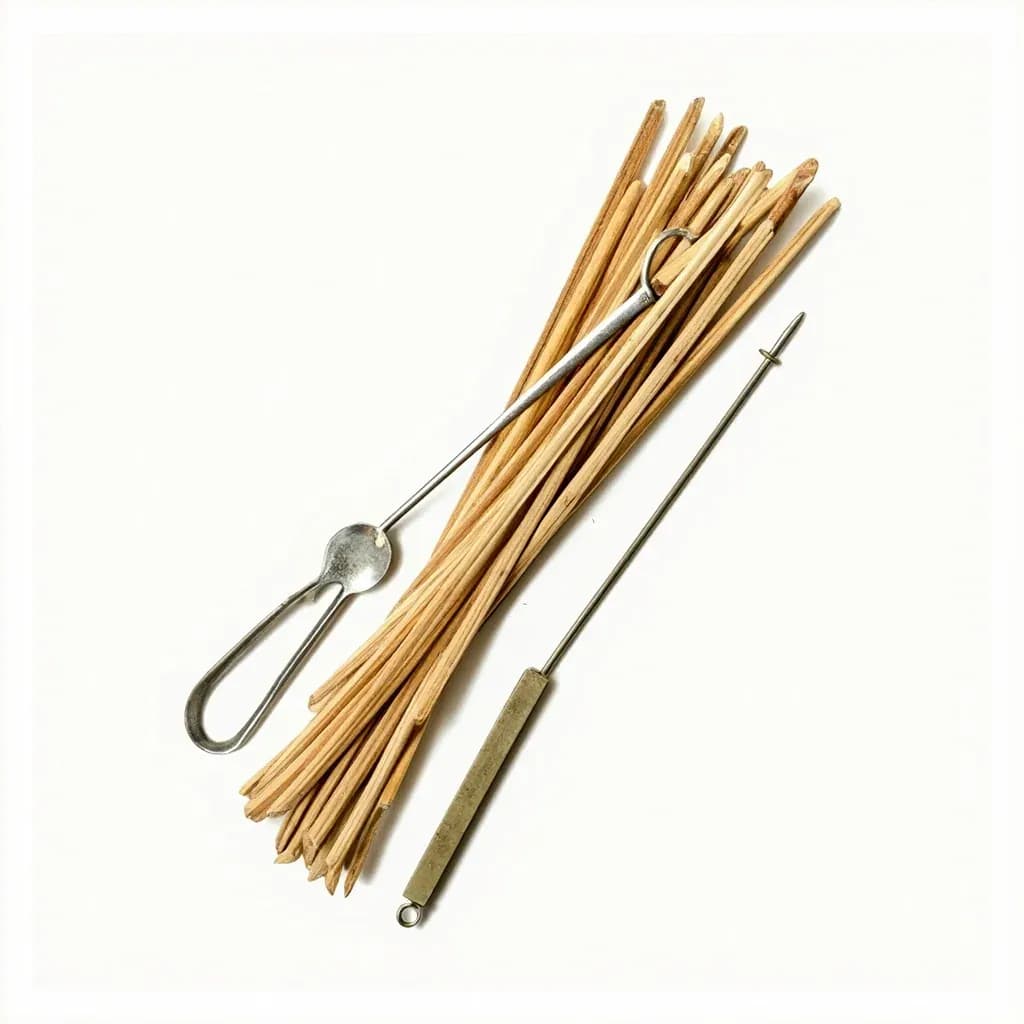
Skewer (Metal / Wooden / Bamboo)
Thin pointed rod that threads meat and vegetables for grilling, roasting, or testing doneness.
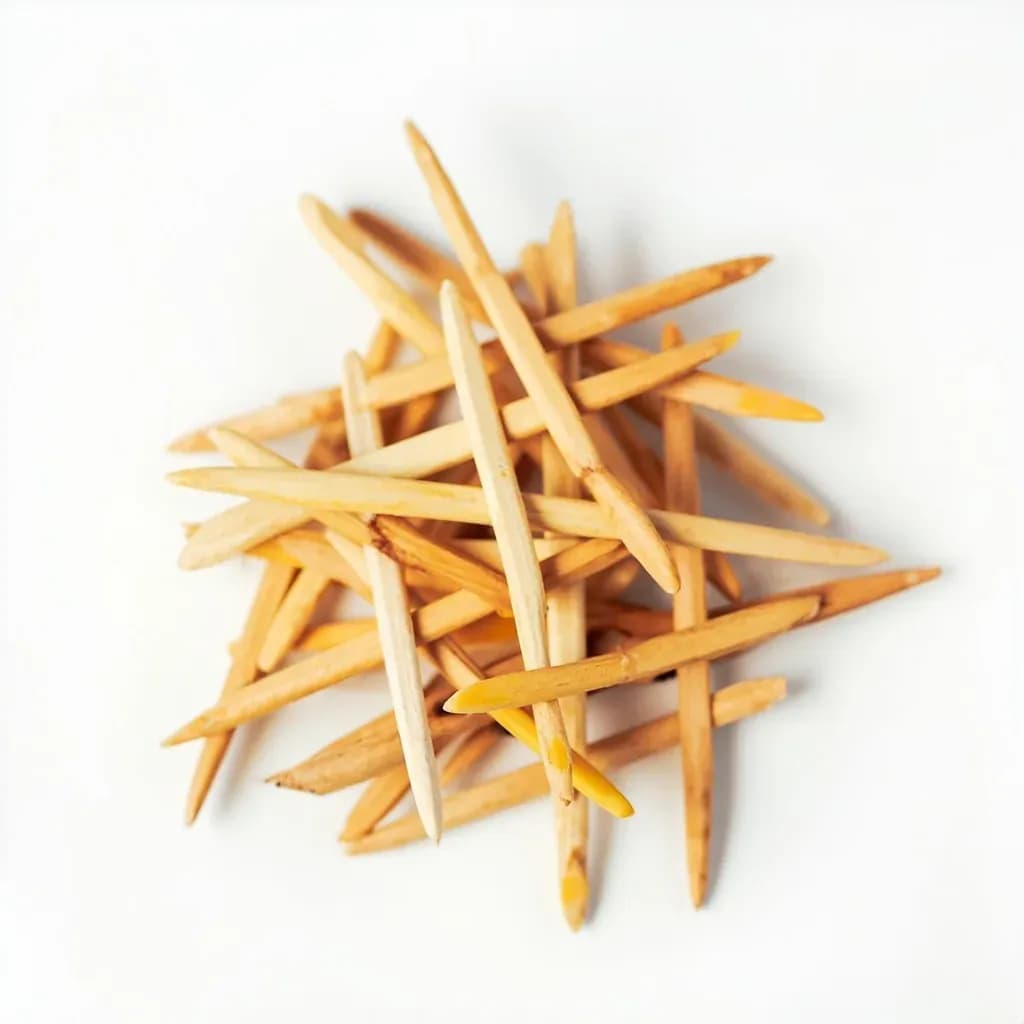
Toothpick
Small pointed wooden pick that pins rolled food shut and tests baked goods for doneness.
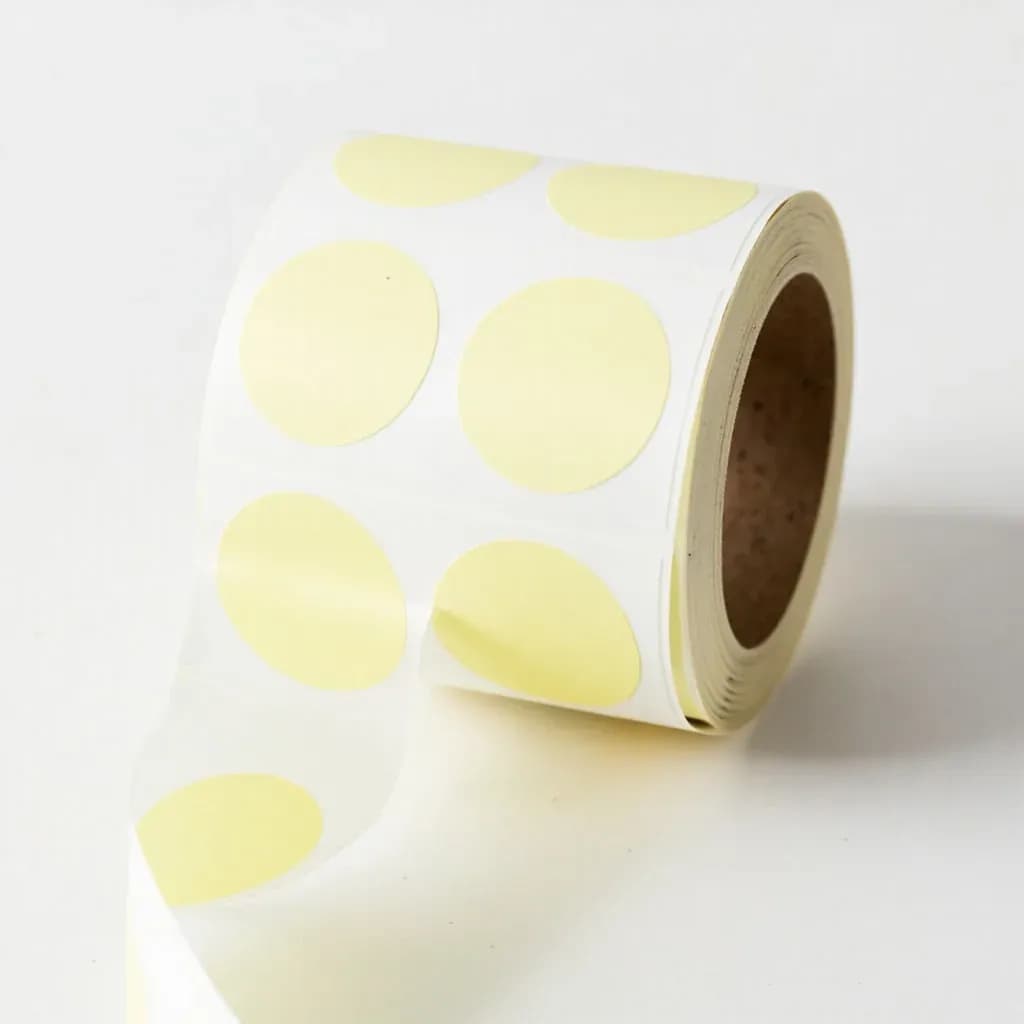
Food Storage Label (Day-Dot)
Stick-on label marking date, contents, or batch info for safe stock rotation.
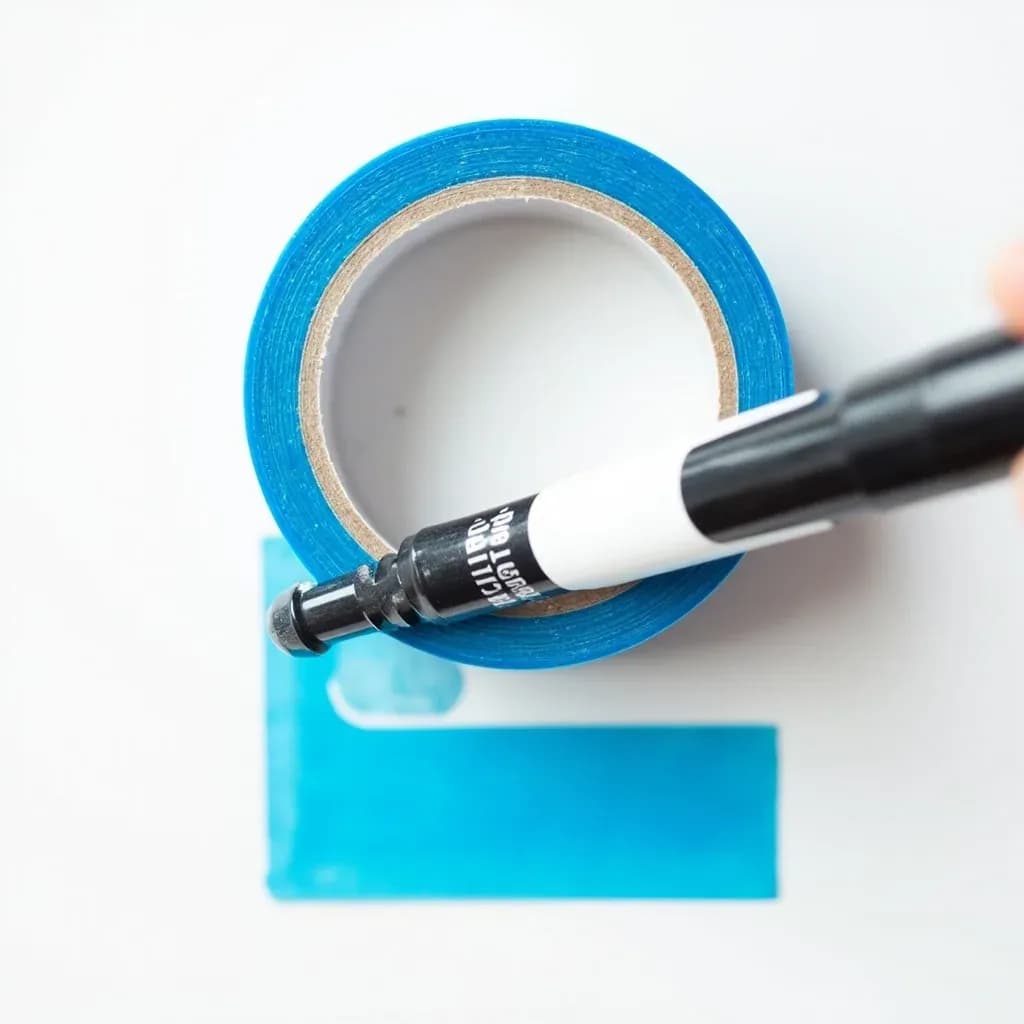
Labeling Tape
Write-on tape for marking containers with contents and dates, peeling off cleanly later.