Western Europe
Lyonnaise (Bouchon Tradition)
Also: Cuisine Lyonnaise, Bouchon Cuisine, Lyon Bistro Cooking
Lyon's belly-of-France bistro cooking — quenelles, gratins, offal, and silk-worker's charcuterie — served in bouchons where the wine flows from pots and no dish is dainty.
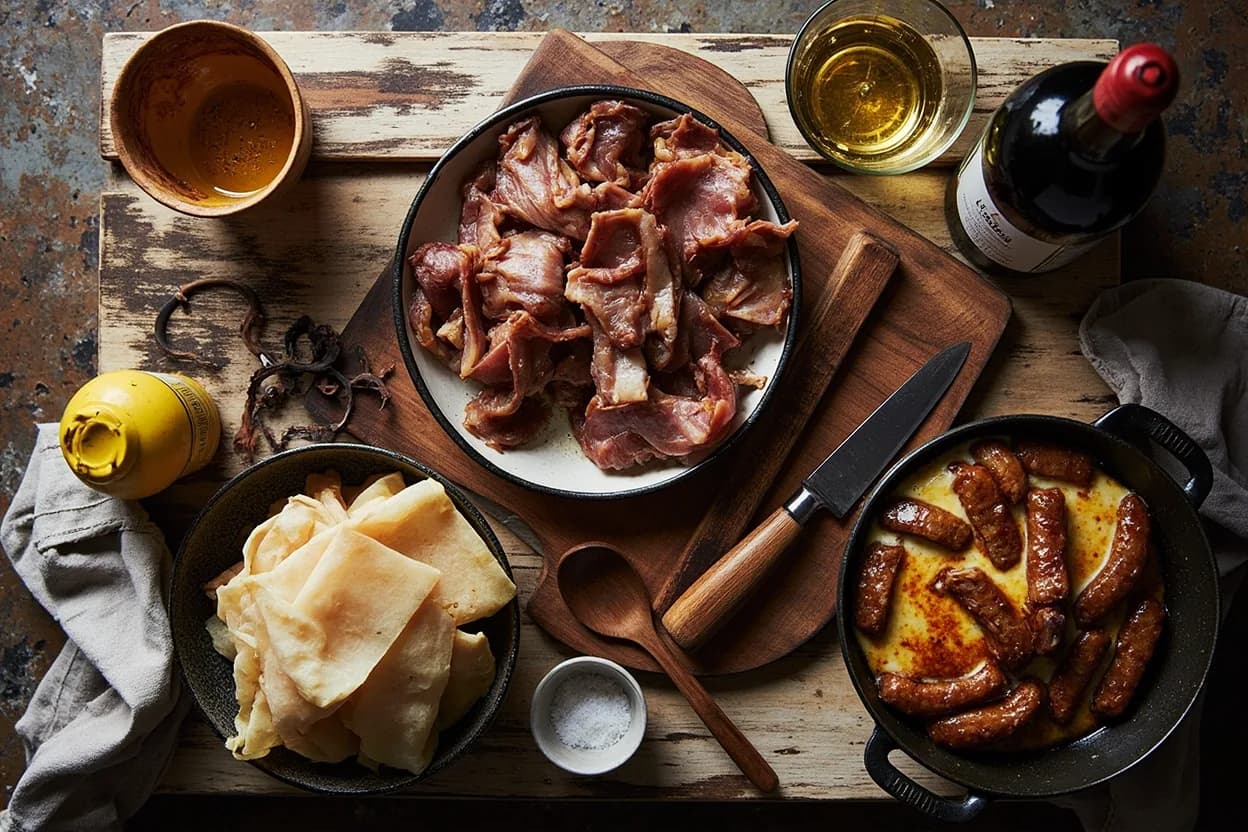
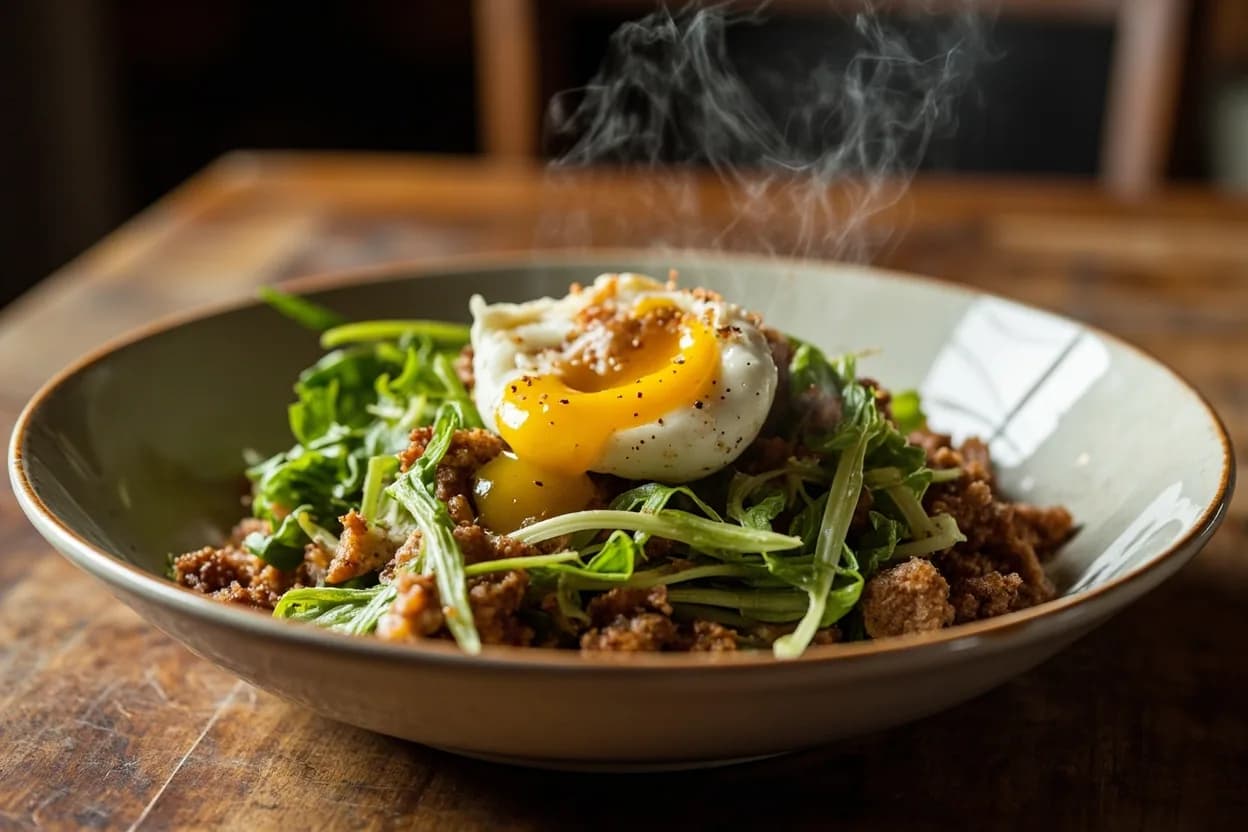
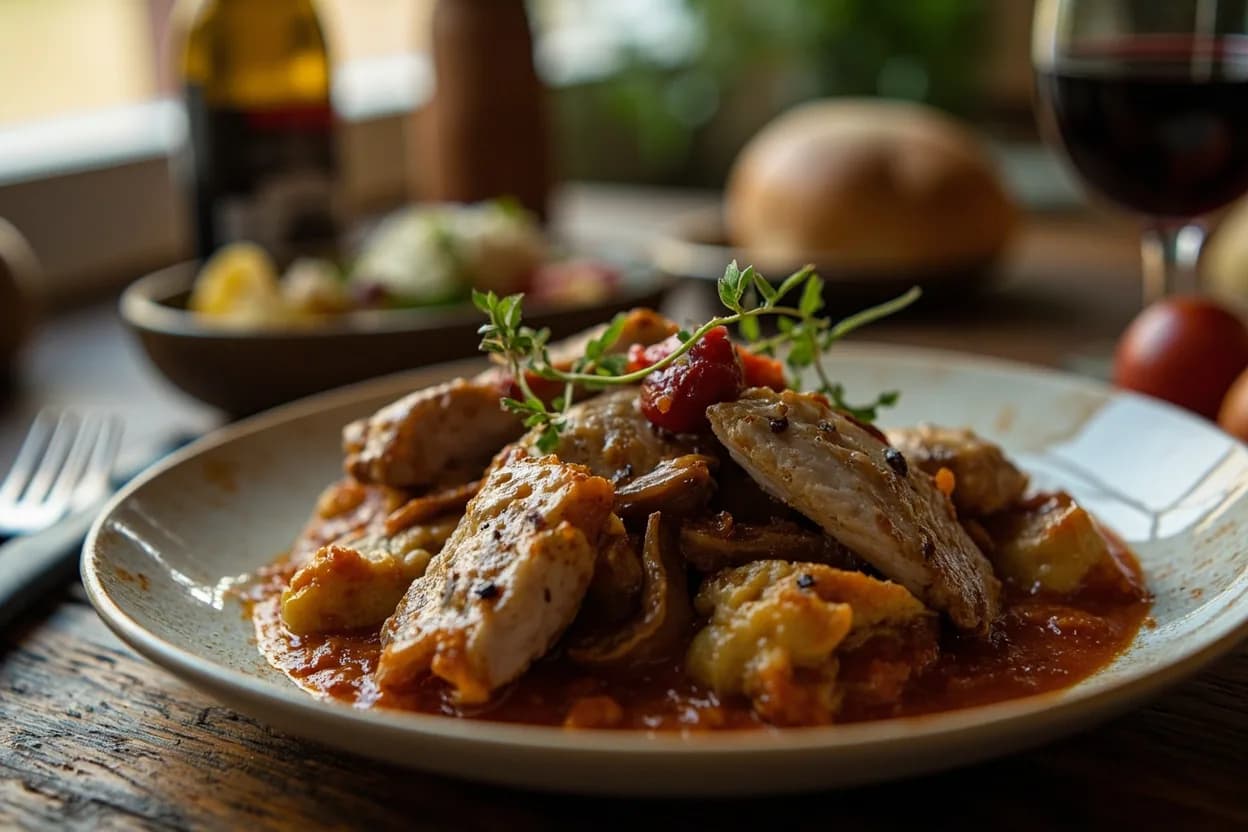
The bouchon tradition is the working-class restaurant culture of Lyon that has persisted since the 16th century, when silk workers (canuts) ate cheaply and well in small taverns. The word bouchon may derive from a bunch of straw (bouchon) hung outside to signal a place to drink, or from a cloth used to rub down horses at the coaching inns that fed travelers on the route between Paris and Italy. The food is uncomplicated by artistic ambition: organ meats prepared without apology (tablier de sapeur, gras double), pike quenelles poached and blanketed in Nantua sauce, salade lyonnaise dressed with hot lardons and a runny poached egg, and tarte aux pralines in lurid pink. Lyon is also France's great charcuterie city — rosette de Lyon, cervelas, and jésus sausages define the cold plate. The cuisine is inseparable from the region's wines: Beaujolais, Côtes du Rhône, and the tiny appellations of Mâcon served in the 46cl pot lyonnais, a thick glass carafe.
The flavour base
Rendered pork fat (lard, lardons) is the primary cooking fat for sautés and salad dressings. Chicken fat from poulet de Bresse enriches gratins. Acid — wine vinegar in vinaigrettes, white wine in braising liquids — cuts the richness. Stock from pot-au-feu provides the broth base for quenelles and gratins.
Pantry staples
Key ingredients
Signature techniques
Signature dishes
Lyonnaise (Bouchon Tradition) on the table
At the table
A bouchon meal begins with charcuterie (rosette sliced thick, rillettes, cervelas in vinaigrette) shared at the table. A single main course follows — no elaborate multi-course progression. Cheese is optional but cheese from the Rhône-Alpes (Saint-Marcellin, Comté) appears on the counter. Dessert is simple: tarte aux pralines, or clafoutis in cherry season. The 46cl pot of wine is the constant, refilled without ceremony. The atmosphere is noisy, communal, and unhurried.
History & context
Lyon's position at the confluence of the Saône and Rhône rivers, on the road between Paris, Geneva, and Italy, made it a natural center of commerce and provisioning. The silk-weaving industry (16th–19th centuries) created a large working population who needed affordable, caloric midday meals. The bouchon emerged as the institution that served them. The 'mères lyonnaises' — women cooks who ran simple restaurants and boarding houses — became legendary figures: La Mère Brazier (Eugénie Brazier) earned two Michelin two-star ratings in 1933, the first person to do so, and trained Paul Bocuse. Bocuse's global fame as father of Nouvelle Cuisine paradoxically preserved and elevated the bouchon tradition he grew up within: by making Lyon synonymous with gastronomy, he drove culinary tourism to its modest institutions. The city now has an official label ('bouchon lyonnais certifié') administered by a trade association to distinguish authentic bouchons from tourist imposters.
Regional variations
- Canut quarter bouchons
The Croix-Rousse neighborhood's working-class bouchons are the most unreconstructed; no white tablecloths, prix-fixe only, long communal tables.
- Presqu'île restaurants
On the peninsula between the rivers, bouchon cooking meets slightly higher-end presentation without abandoning offal or charcuterie.
Related cuisines
The bouchon exists in deliberate contrast to the codified classical system — it predates Escoffier and has resisted his rationalization.
Bocuse and the Nouvelle Cuisine generation sprang from Lyon's kitchens but operated at the opposite end of the social register.
Shares the robust pork-and-charcuterie emphasis and the comfort-food bistro form, though the wine and spice palettes diverge.
References
- 1.Lyon, le ventre de la France — (historical reference, attributed to Léon Daudet and others)
- 2.La Mère Brazier — Mathieu Viannay (with archive recipes, 2014)
- 3.Culinaria France — André Domine, ed. (2000)
- 4.Larousse Gastronomique (2009 edition)
Confidence: high
Notes
The andouillette question
Lyonnaise andouillette — intestine sausage with a pungent ammonia-tinged aroma — is the most divisive item on any bouchon menu. The AAAAA label (Association Amicale des Amateurs d'Andouillette Authentique) grades quality. It is not for the uncommitted.