North Africa
Maghrebi (North African)
Also: Maghrib cuisine, North African cuisine
The collective culinary tradition of Morocco, Algeria, Tunisia, and Libya — a layered synthesis of Amazigh, Arab, Andalusian, Ottoman, and sub-Saharan influences built on couscous, tagines, and aromatic spice.
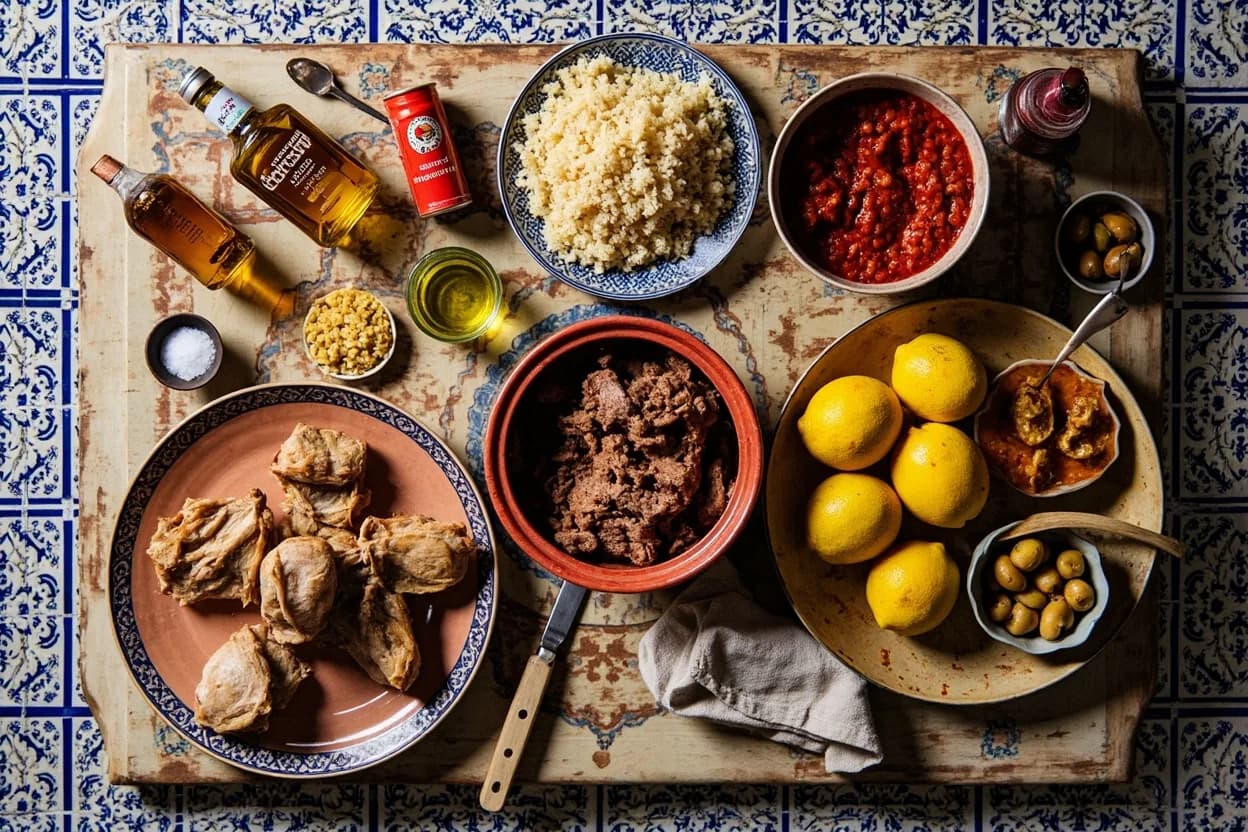
Maghrebi cuisine encompasses the cooking of the four westernmost Arab nations of North Africa, unified by shared staples (couscous, semolina, olive oil, preserved lemons, harissa), a common spice vocabulary (cumin, coriander, cinnamon, saffron, caraway), and the structural logic of the tagine — a slow-cooked sweet-savory braise. Beneath this unity lies enormous regional diversity: Tunisia's fire-driven chile heat differs sharply from Morocco's refined imperial-court sweetness, while Libyan cooking tilts toward the eastern Mediterranean. The term 'Maghrebi' honors the shared grammar while acknowledging these distinctions.
The flavour base
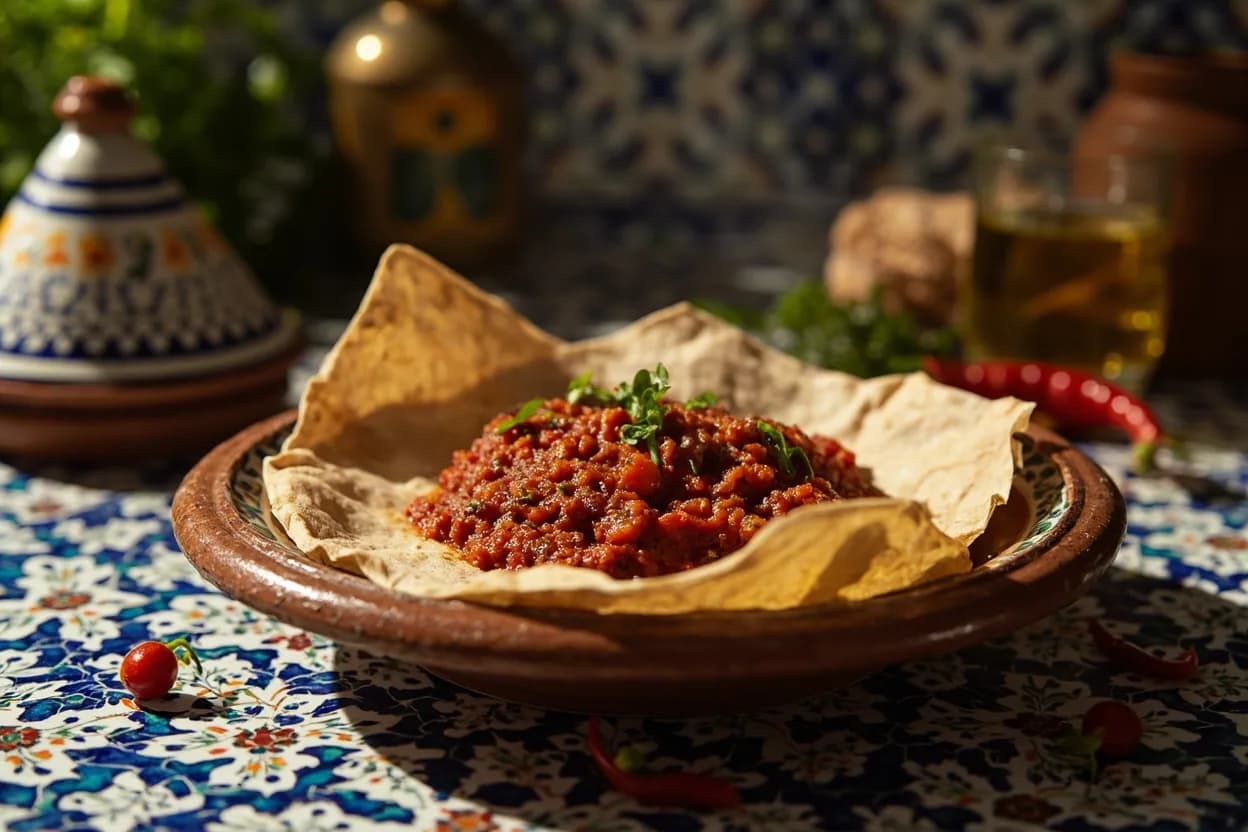
Sofrito-like chermoula (garlic, cumin, coriander, paprika, lemon, olive oil) and ras el hanout spice blends for Morocco; harissa paste (chile, cumin, caraway, garlic) for Tunisia; charmoula and derbya spice mixes across the region.
Pantry staples
Key ingredients
Signature techniques
Signature dishes
Maghrebi (North African) on the table
At the table
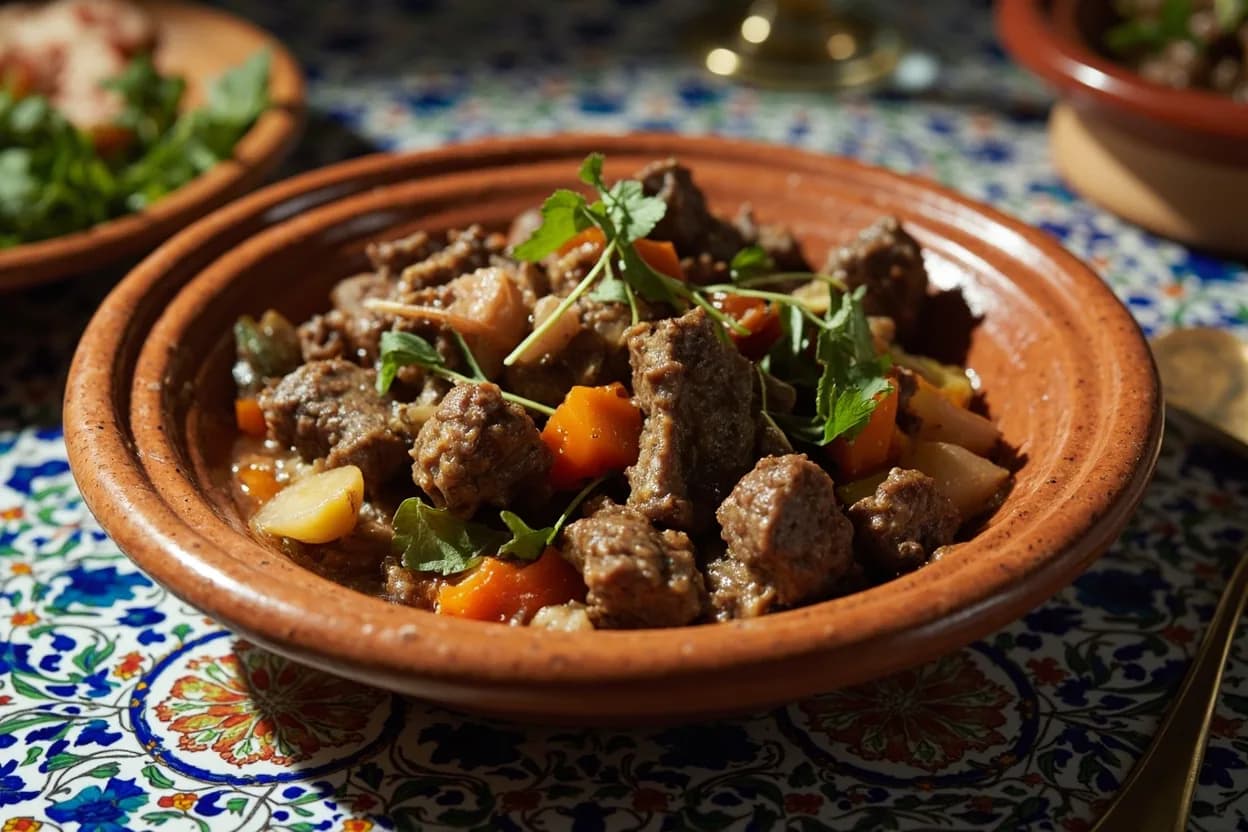
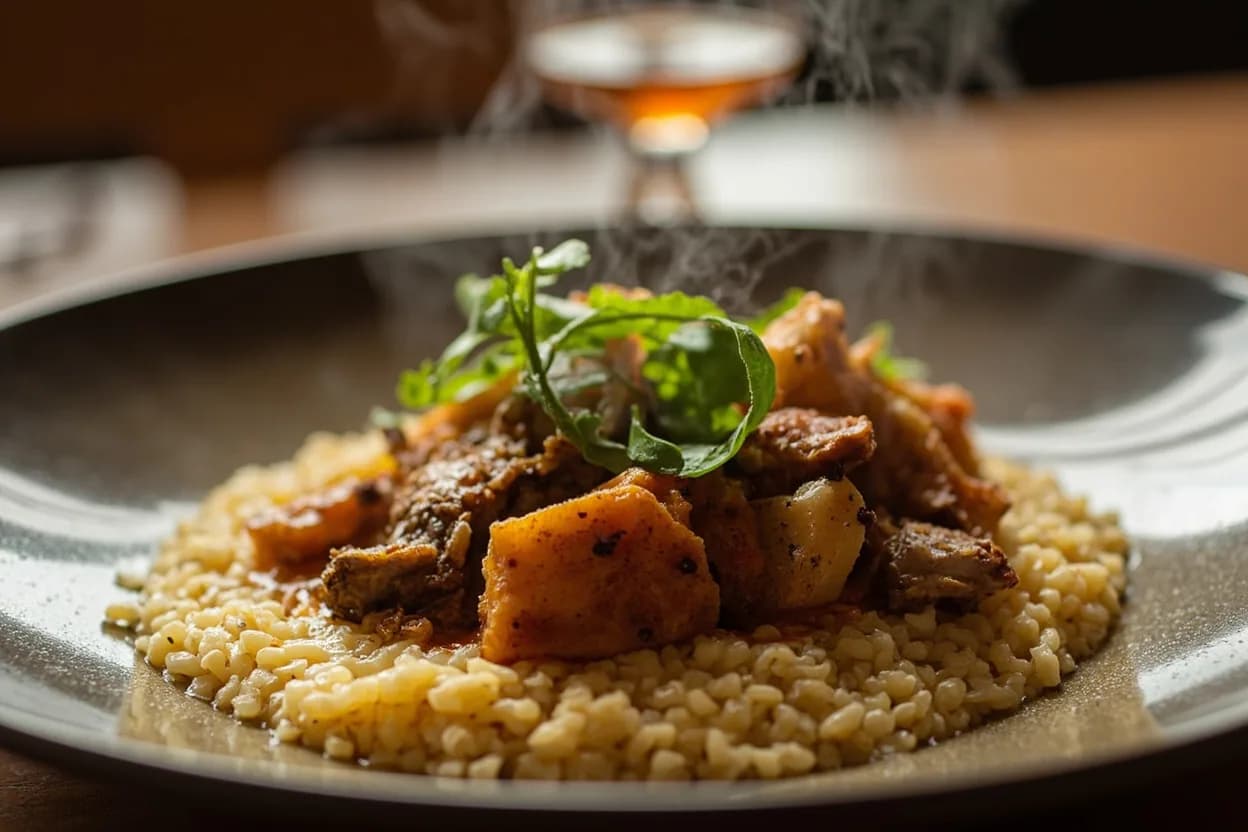
Meals begin with salads and mezze-style cold dishes, followed by a central slow-cooked tagine or couscous served family-style. Mint tea is the universal closer, poured high to aerate. Friday couscous is a near-universal weekly ritual across the Maghreb, served communally after prayers.
History & context
The Maghreb's culinary identity began with the indigenous Amazigh (Berber) peoples who cultivated durum wheat (ancestral to couscous), herded sheep and goats, and pressed olive oil for millennia before written record. The Arab conquest of the 7th–8th centuries introduced new spices, dried fruits, and sweet-savory flavor philosophy. The expulsion of Moorish Andalusians from Spain in 1492 and 1609 brought a refined court cuisine — almond pastries, complex spice blends, rosewater desserts — that transformed Moroccan and Algerian cooking. Ottoman rule shaped Algeria and Tunisia through their administrative and culinary networks. Trans-Saharan trade routes carried sub-Saharan ingredients (millet, dried meats) northward. French colonialism (1830–1962) introduced baguettes, café culture, and preserved the documentary record of the cuisine.
Regional variations
- Morocco
Most refined and sweet-savory; imperial court tradition; ras el hanout complexity; argan oil; preserved lemon central.
- Algeria
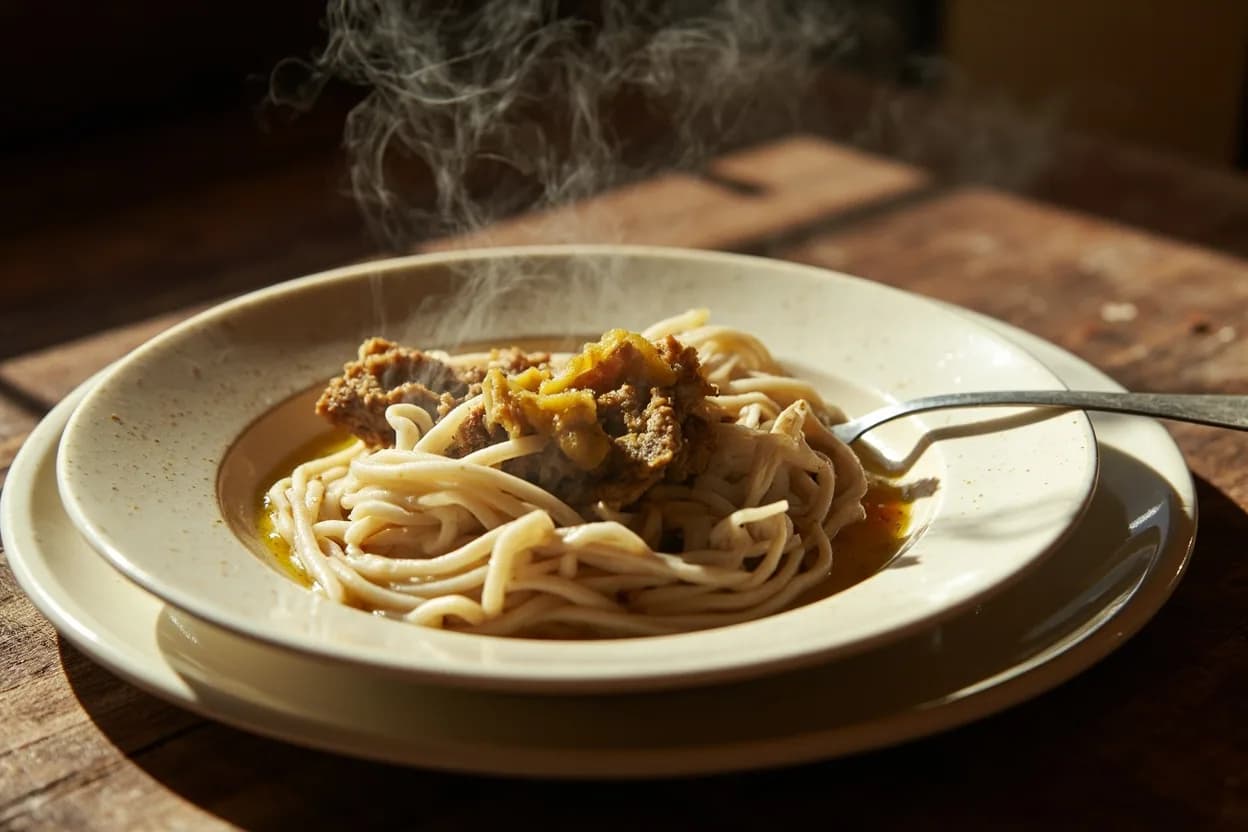
Diverse interior; Ottoman and Andalusian layers; chakhchoukha (torn flatbread with stew) is a national dish; more French culinary residue.
- Tunisia
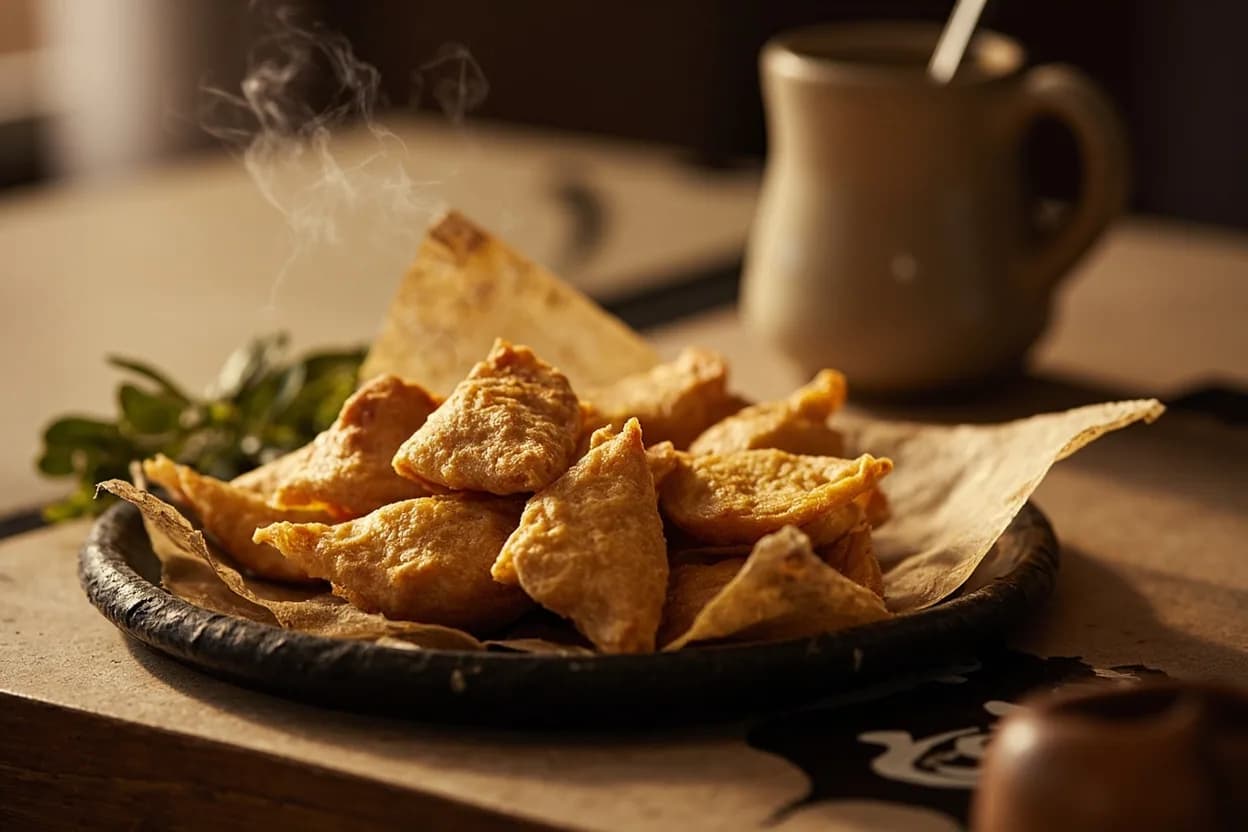
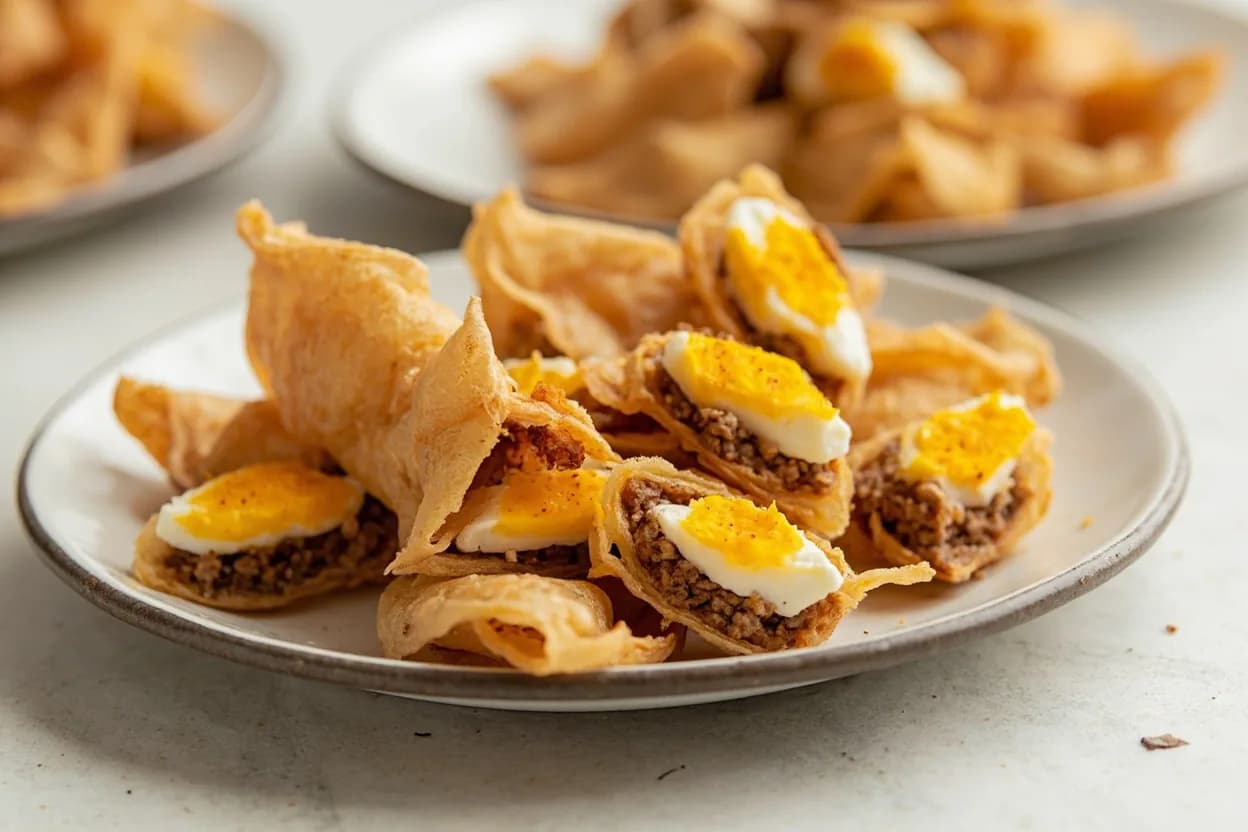
Most fiery of the four; harissa is foundational, not optional; brik (fried pastry with egg) is iconic; stronger Ottoman and Sicilian coastal influence.
- Libya
Leans toward eastern Mediterranean; Turkish-influenced bazin (barley porridge); stronger cumin use; Italian colonial influence in tomato use.
Related cuisines
The pre-Arab indigenous base cuisine from which Maghrebi cooking grew; amlou, tafarnout bread, and smen butter are ancestral contributions.
Moorish exiles from Spain brought almond pastries, rosewater, and citrus preparations that elevated Moroccan and Algerian court kitchens.
- Levantine
Shared Arab culinary vocabulary of lamb, chickpeas, flatbreads, and mezze culture, though Maghrebi cooking is distinctly its own school.
Canonical recipes
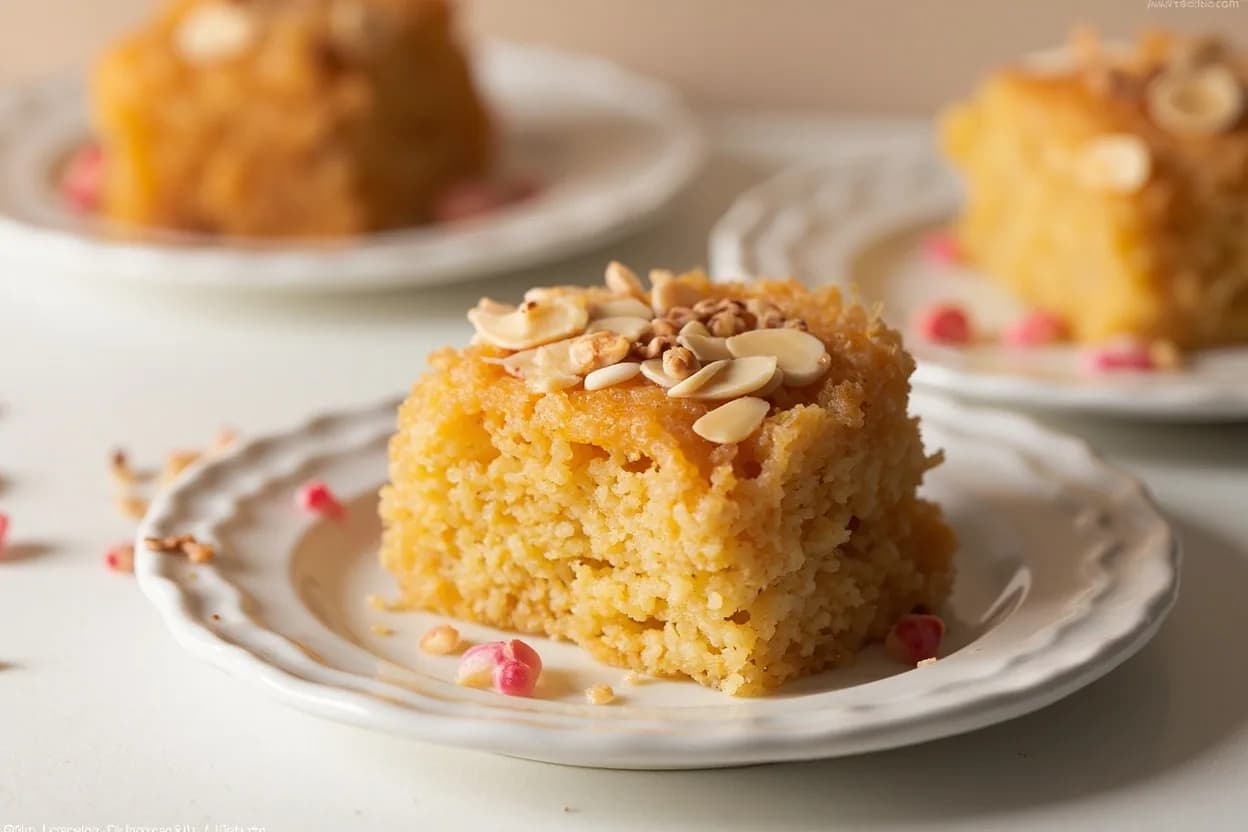
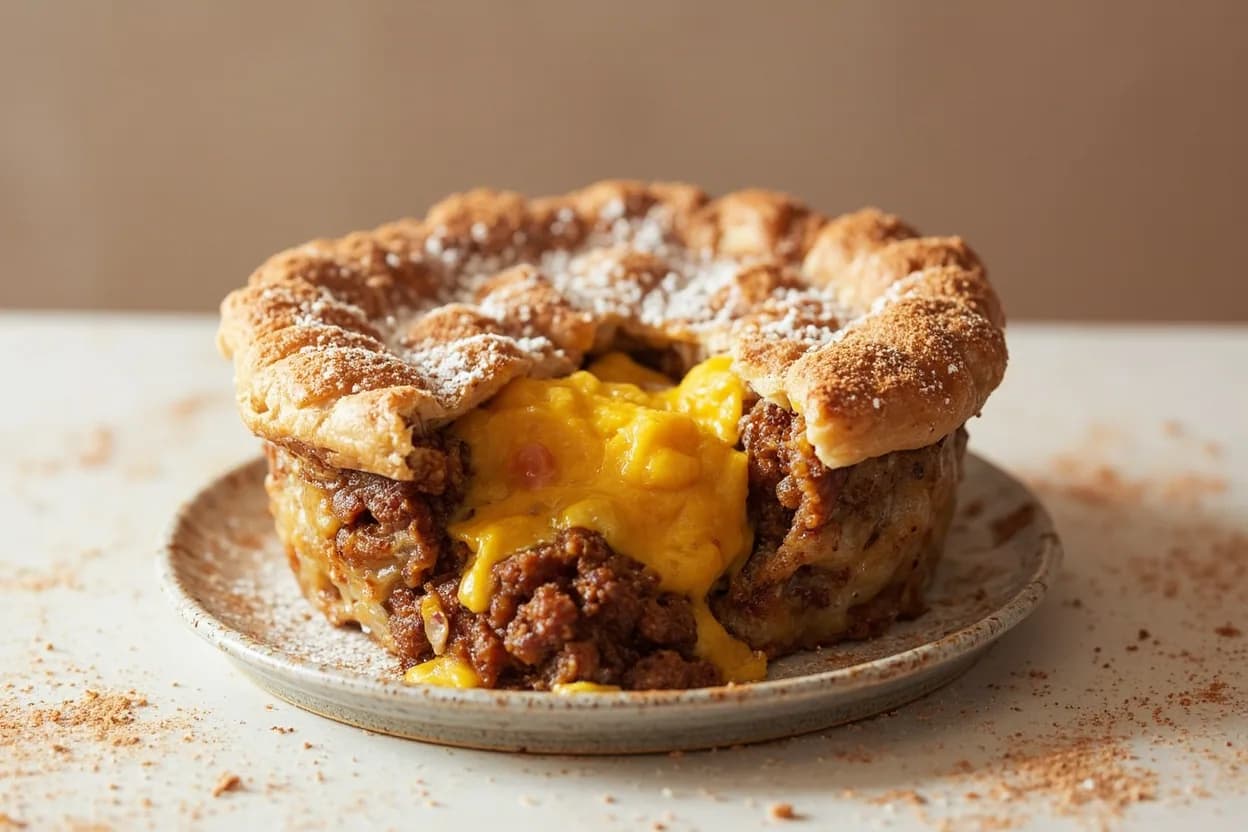
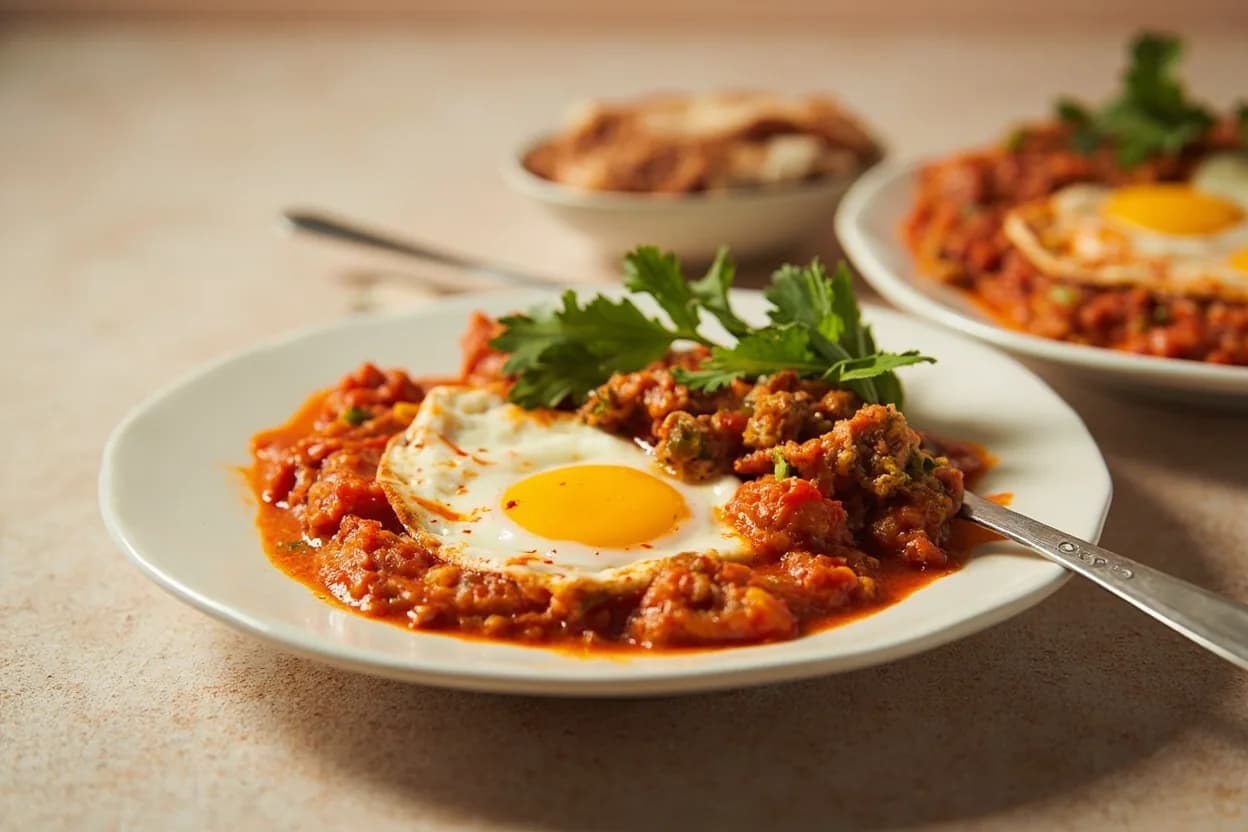
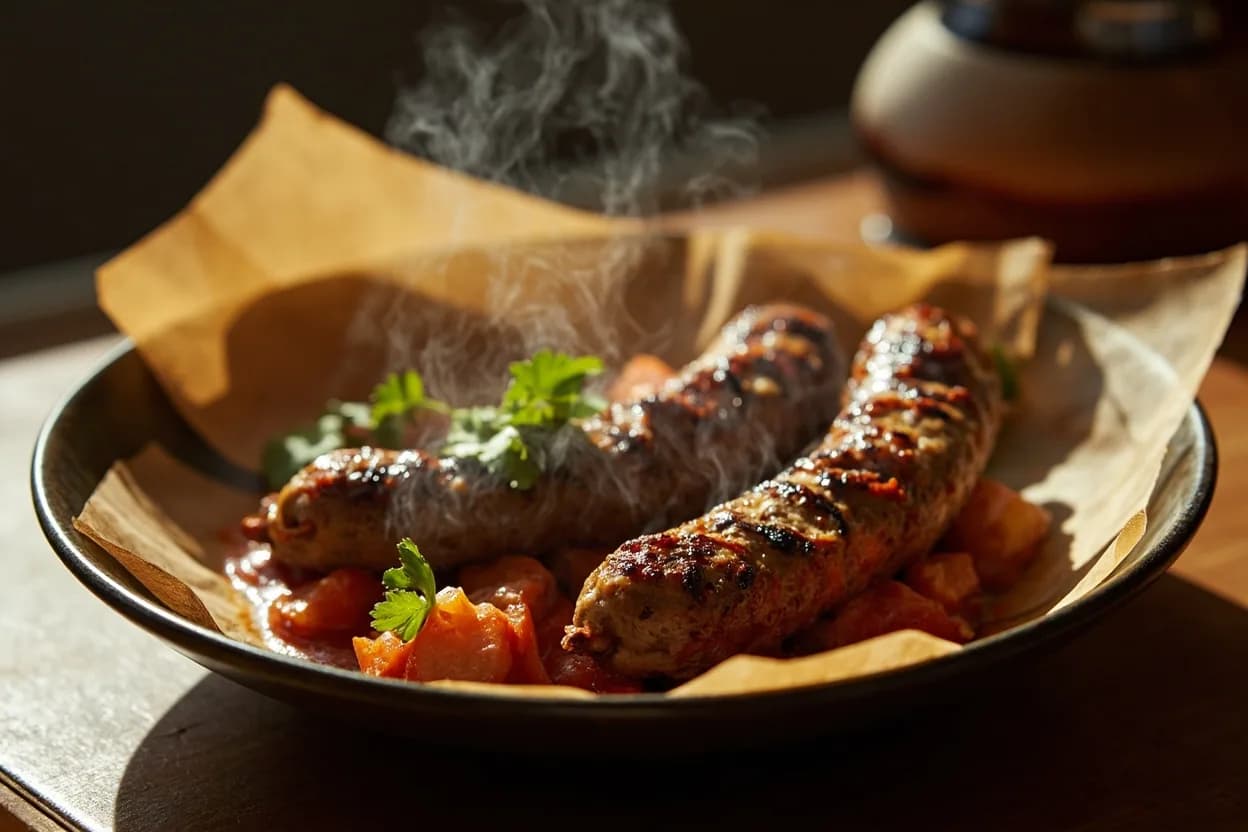
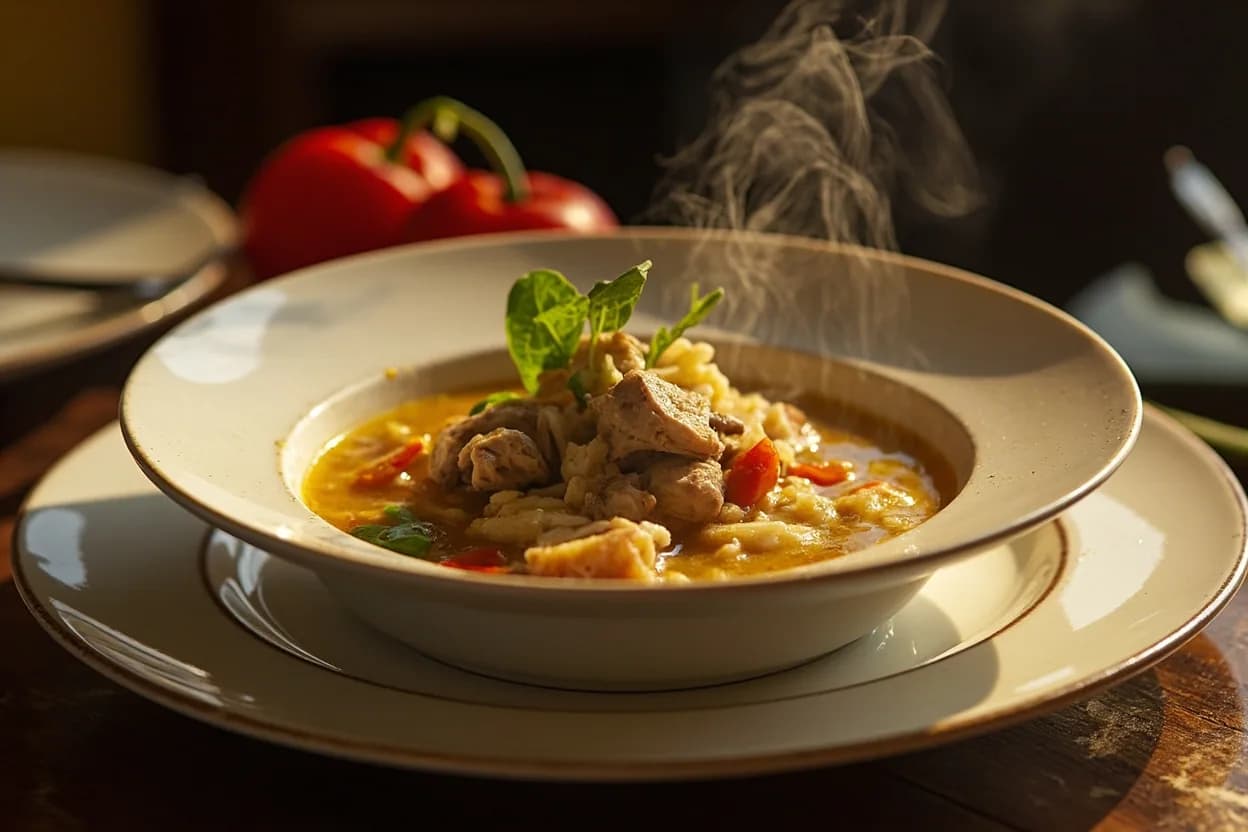
The dishes that define Maghrebi (North African), documented in the Canon.
References
- 1.Couscous and Other Good Food from Morocco — Paula Wolfert (1973)
- 2.The Food of Morocco — Paula Wolfert (2011)
- 3.North Africa: The Vegetarian Table — Kitty Morse (1996)
- 4.Zaitoun: Recipes from the Palestinian Kitchen — Yasmin Khan (2019)
Confidence: high
Notes
Couscous as a UNESCO symbol
In 2020, couscous was jointly inscribed on UNESCO's Intangible Cultural Heritage list by Morocco, Algeria, Tunisia, and Mauritania — a rare act of shared cultural stewardship across geopolitical rivals, reflecting the dish's status as the living center of Maghrebi identity.