Western Europe
Andalusian
Also: Andaluz cuisine, Cocina Andaluza, Southern Spanish cuisine
Spain's sun-bleached southern kitchen: Moorish spice layered under centuries of olive oil, cold soups, fried fish, and the world's most revered cured ham.
Andalusian cuisine is the food tradition of Andalucía, the vast southern region of Spain bordering the Mediterranean and the Atlantic. It is the most Moorish-inflected of all Spanish regional cuisines, bearing 800 years of Islamic rule in its use of almonds, saffron, cumin, cinnamon, and citrus. Olive oil is not merely an ingredient but a cultural foundation: Andalucía produces roughly 25% of the world's olive oil. The cuisine ranges from ancient cold soups (gazpacho, ajoblanco, salmorejo) to refined jamón ibérico culture, a proud tradition of frying fish in olive oil, and the tapas bar as social institution.
The flavour base
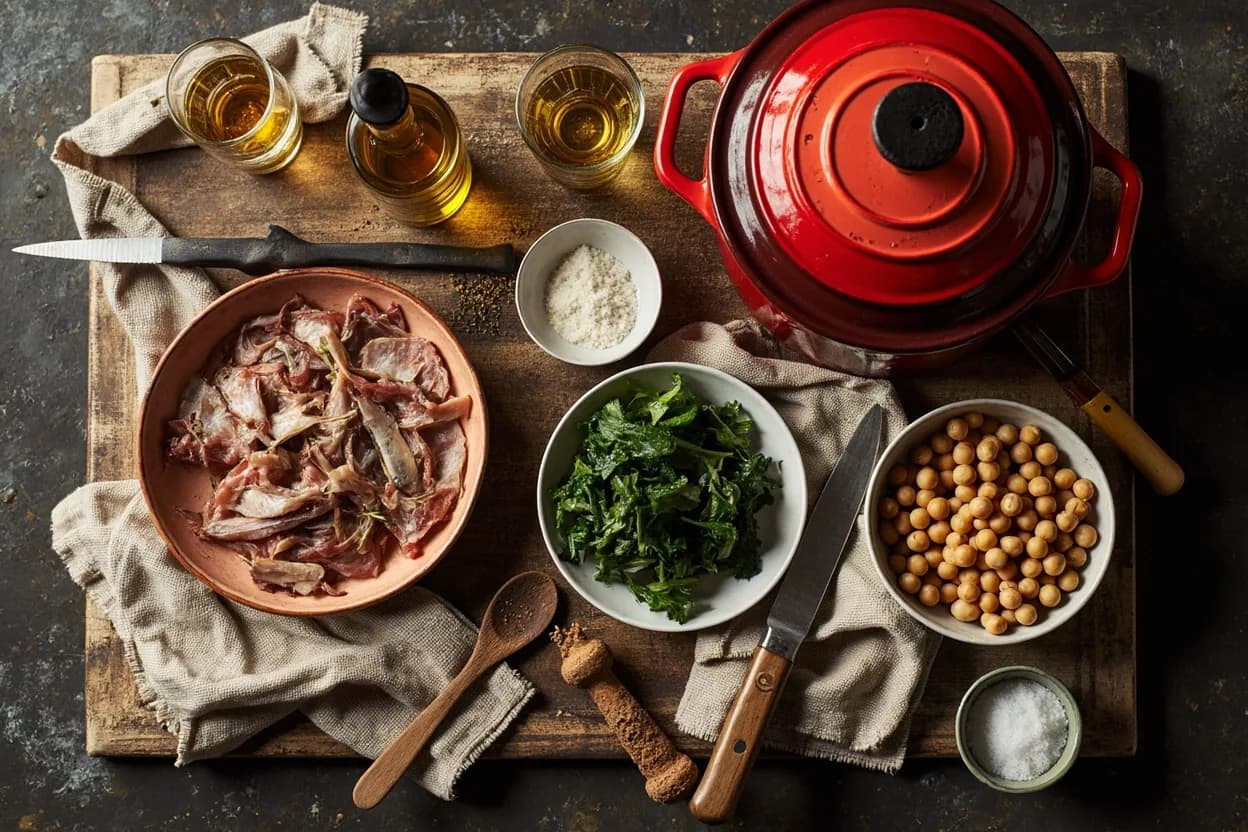
Cold emulsified soups built on tomato-bread-oil (gazpacho, salmorejo); sofrito of onion, garlic, and pimiento; and the Moorish spice perfume of cumin, saffron, and coriander seed underlying meat and vegetable stews
Pantry staples
Key ingredients
Signature techniques
Signature dishes
Andalusian on the table
At the table
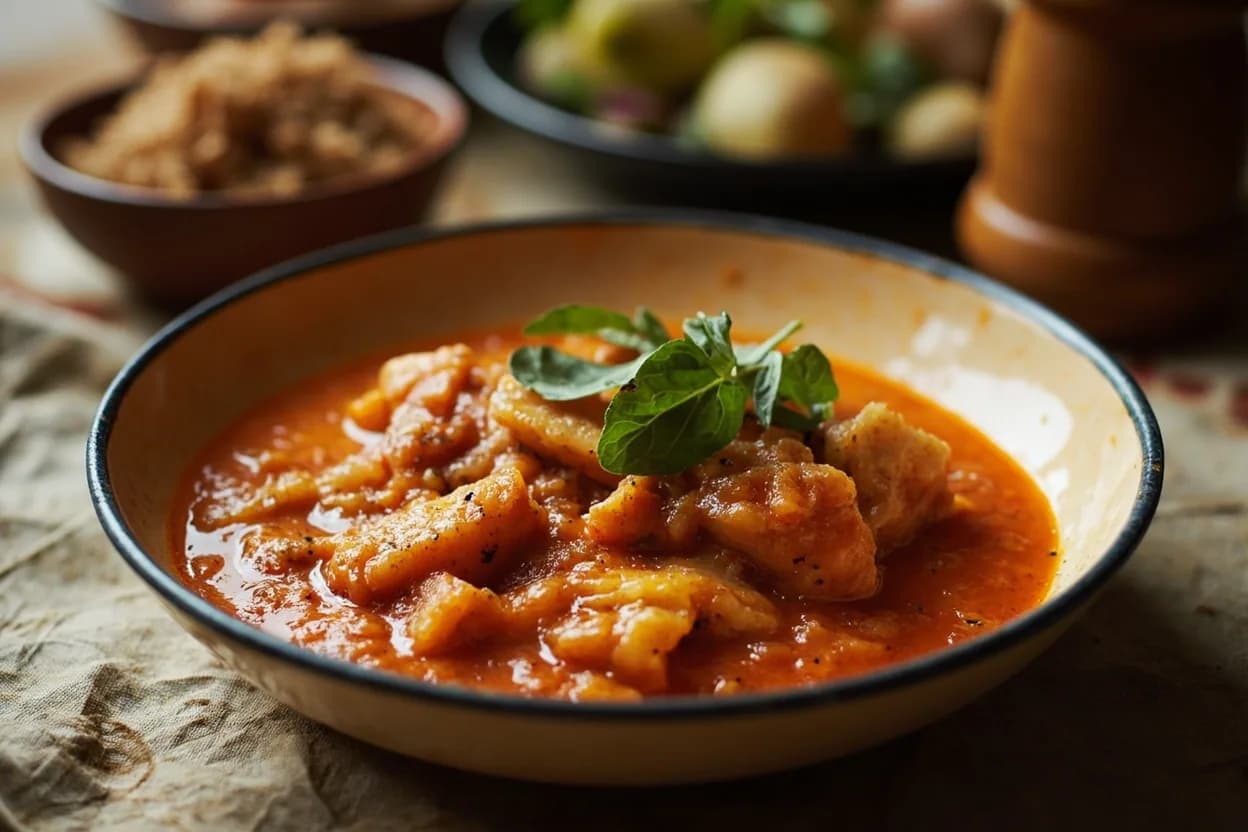
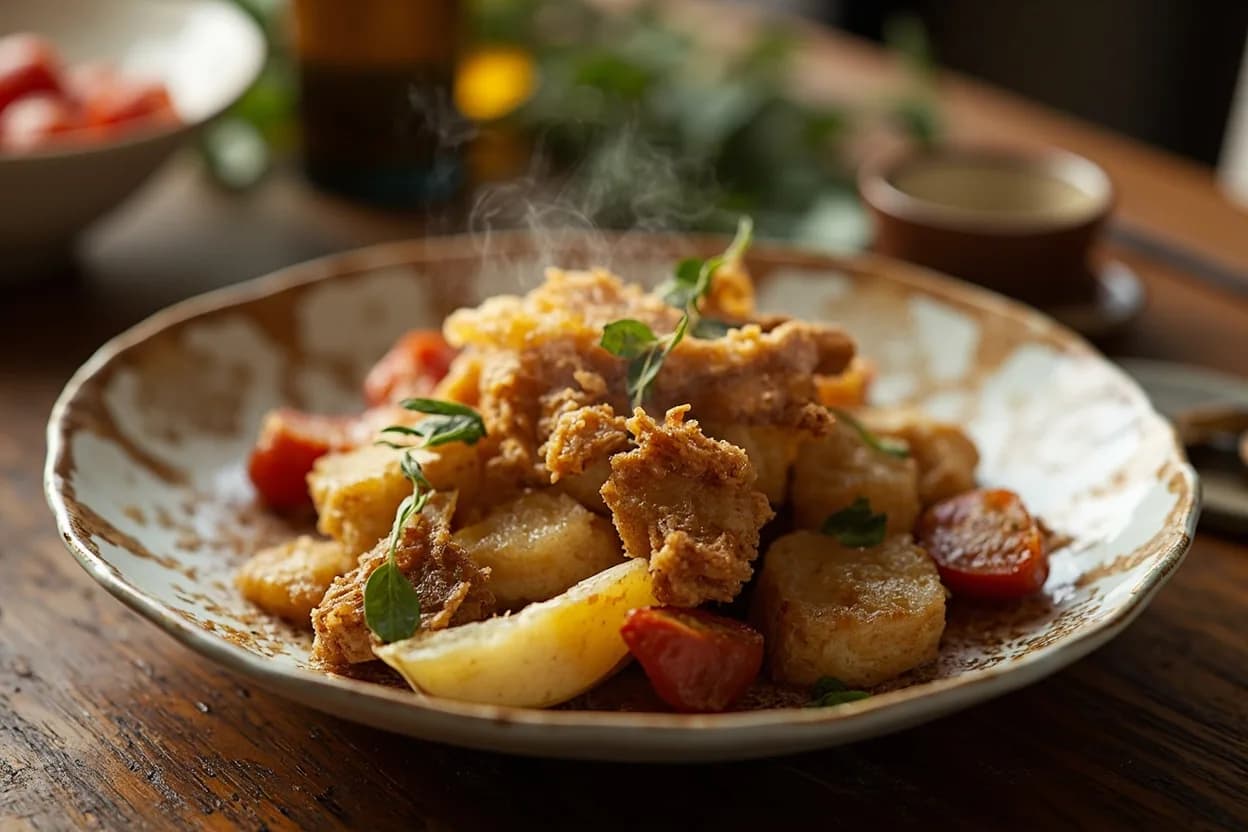
The tapas culture is most fully realized in Andalucía, particularly in Granada (where tapas are still free with every drink) and Seville's bar scene. The main midday meal (comida) is substantial — a cold soup starter, a fish or meat main, fruit or sweet — eaten between 2–4 pm. Evenings are light: raciones at a bar, a copa of sherry, a montadito or two. Sherry pairing is deeply embedded: fino with fried fish, oloroso with stews, Pedro Ximénez with dessert.
History & context
Andalucía's kitchen is the palimpsest of Spanish history. Phoenicians planted olive trees; Romans industrialized olive oil production; Visigoths contributed little. The Moors (711–1492) transformed everything: they introduced citrus, almonds, sugarcane, eggplant, saffron, and refined almond-based sweets, and they built the irrigation systems that made the Guadalquivir valley a garden. Reconquista cooking layered Castilian and Extremaduran traditions over this Moorish base. The New World brought tomatoes and pimientos, which became so central to gazpacho and sofrito that it is now impossible to imagine Andalusian food without them. Jerez de la Frontera developed its sherry trade with Britain from the 16th century, creating a wine culture that shaped the entire cuisine's pairing logic.
Regional variations
- Seville (Sevilla)
Tapas capital with the widest montadito vocabulary; pringá (slow-cooked meat spread) and carrillada pork cheeks are signatures.
- Cádiz and Costa de la Luz
Atlantic fishing port tradition; finest pescaíto frito, ortiguillas (sea anemone fritters), and cazón en adobo (marinated shark).
- Huelva
Jamón ibérico heartland (Jabugo/Dehesa de Extremadura); also coquinas clams and river crayfish.
- Granada
Strongest Moorish culinary legacy; plato alpujarreño (mixed mountain plate), free tapas culture, and honey-almond sweets.
- Málaga
Cold soup ajoblanco (almond, garlic, bread, grapes) originated here; fritura malagueña is the definitive mixed fried fish platter.
- Almería
Spain's market-garden greenhouse region; fresh produce drives the local kitchen, with migas and gurullos pasta as traditional staples.
Related cuisines
Shares the Moorish heritage across the Strait of Gibraltar: cumin, saffron, almonds, preserved lemons, and sweet-savory combinations.
- Extremaduran
Northwestern neighbor sharing pork culture, morcilla, and Iberian dehesa landscape.
- Murcian
Eastern neighbor with shared Moorish spice use, rice dishes, and warm-climate market vegetables.
Canonical recipes
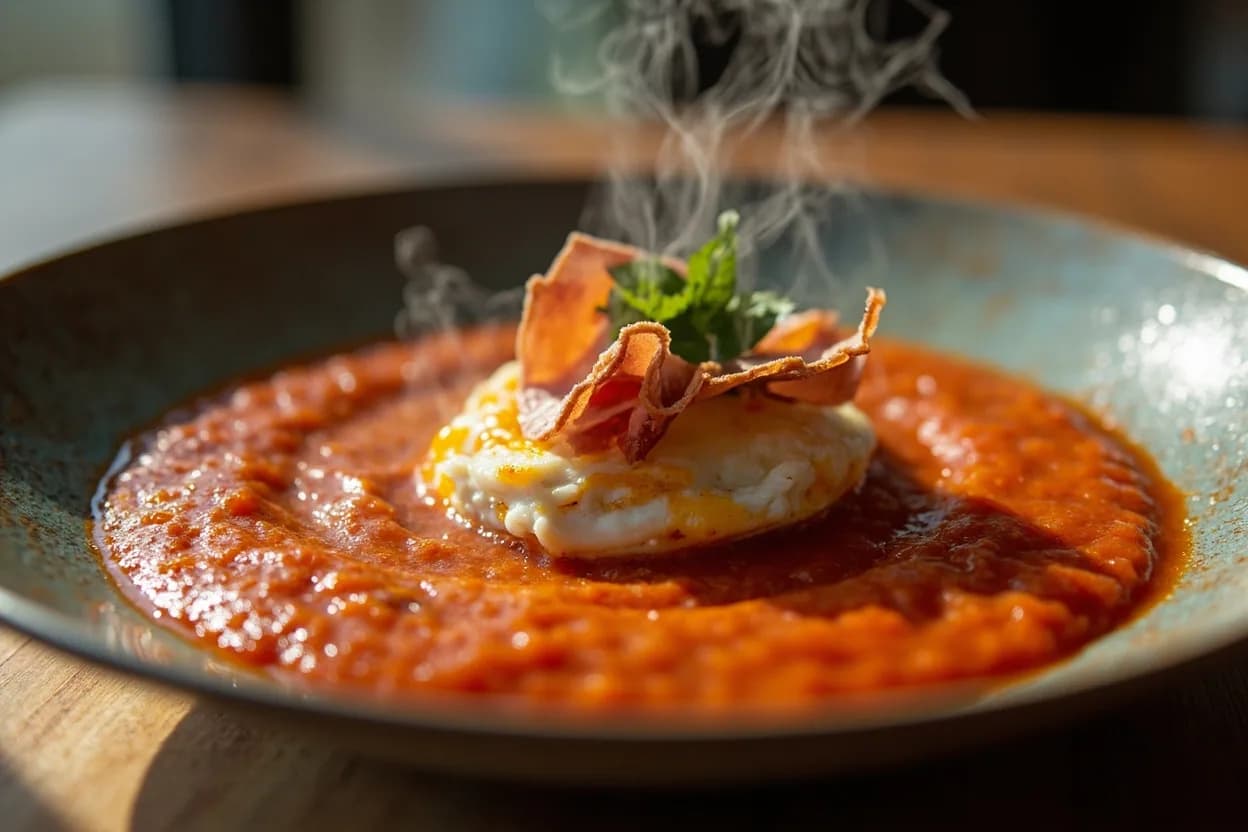
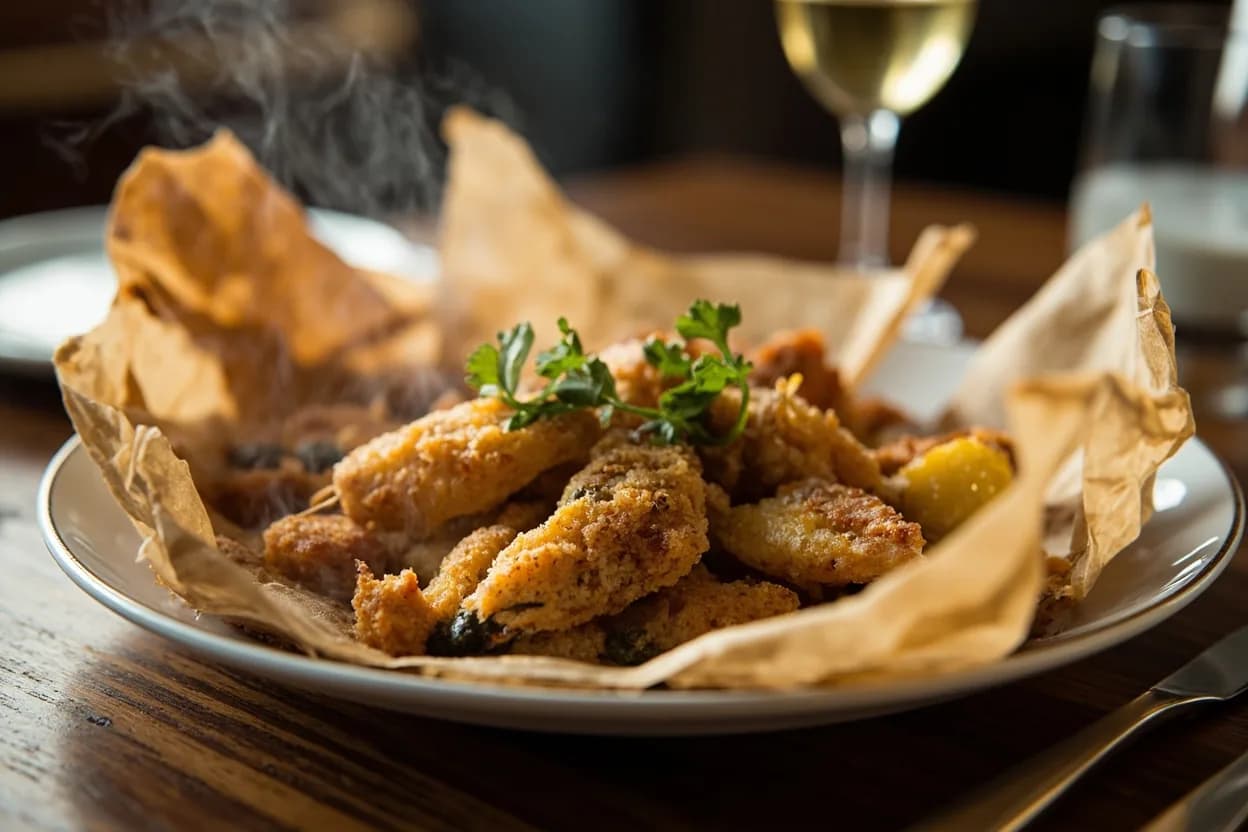
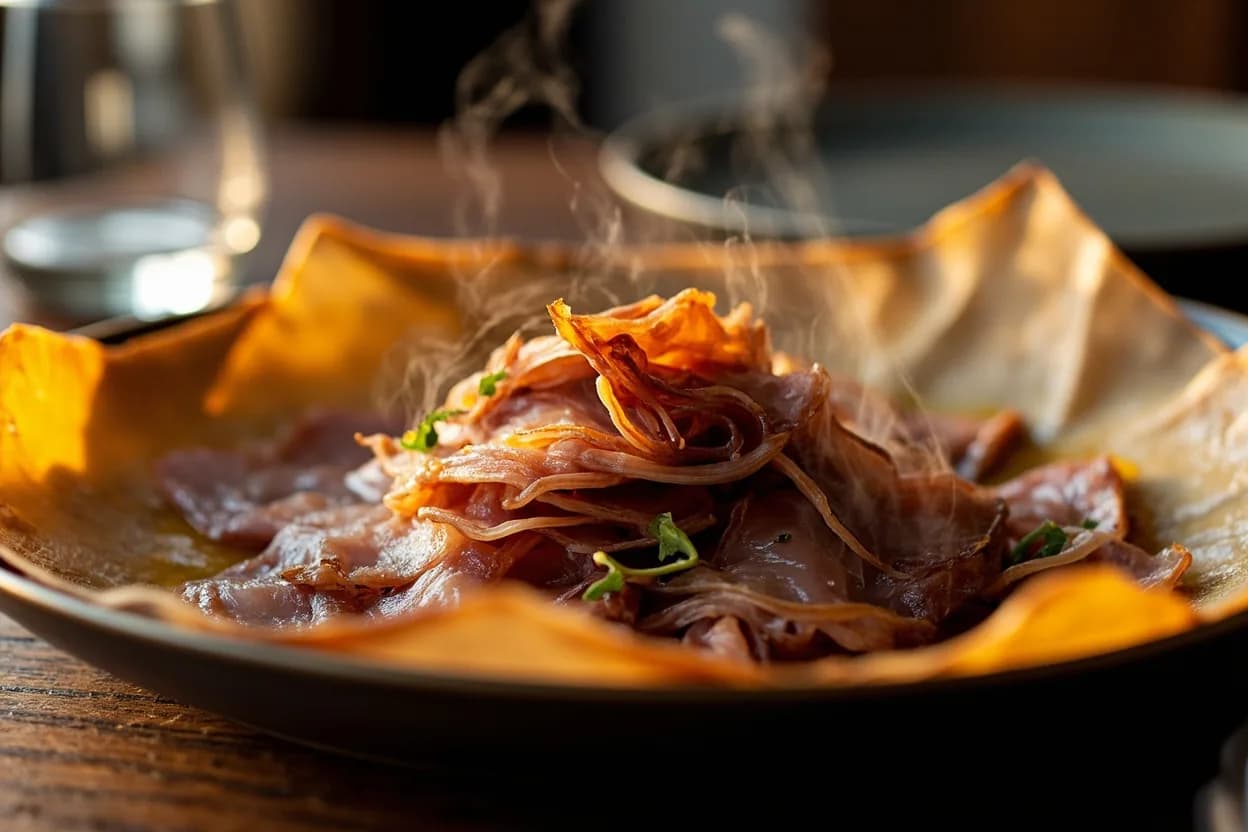
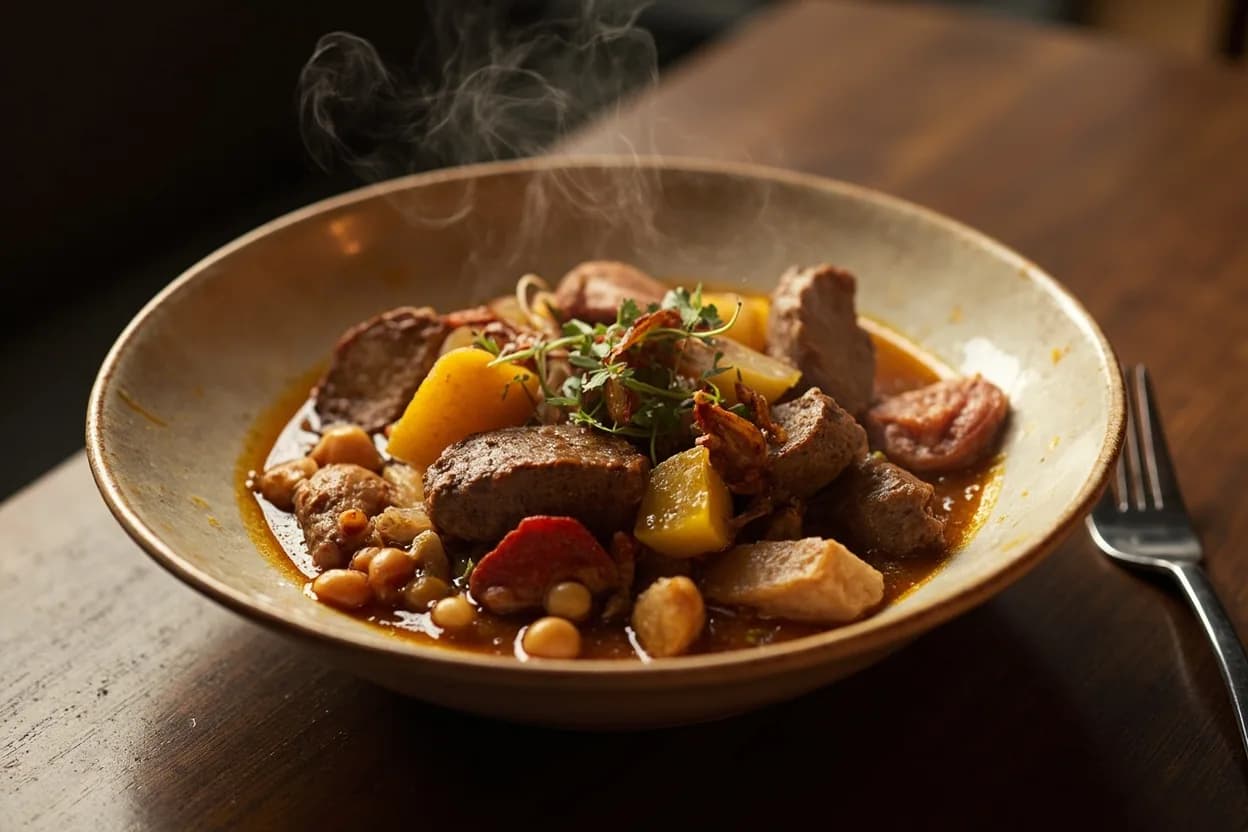
The dishes that define Andalusian, documented in the Canon.
References
- 1.The Food of Spain — Claudia Roden
- 2.Moro: The Cookbook — Sam & Sam Clark
- 3.Spain: Recipes and Traditions — Jeff Koehler
- 4.Cocina Andaluza — María Luisa García
Confidence: high
Notes
Gazpacho as a system, not a recipe
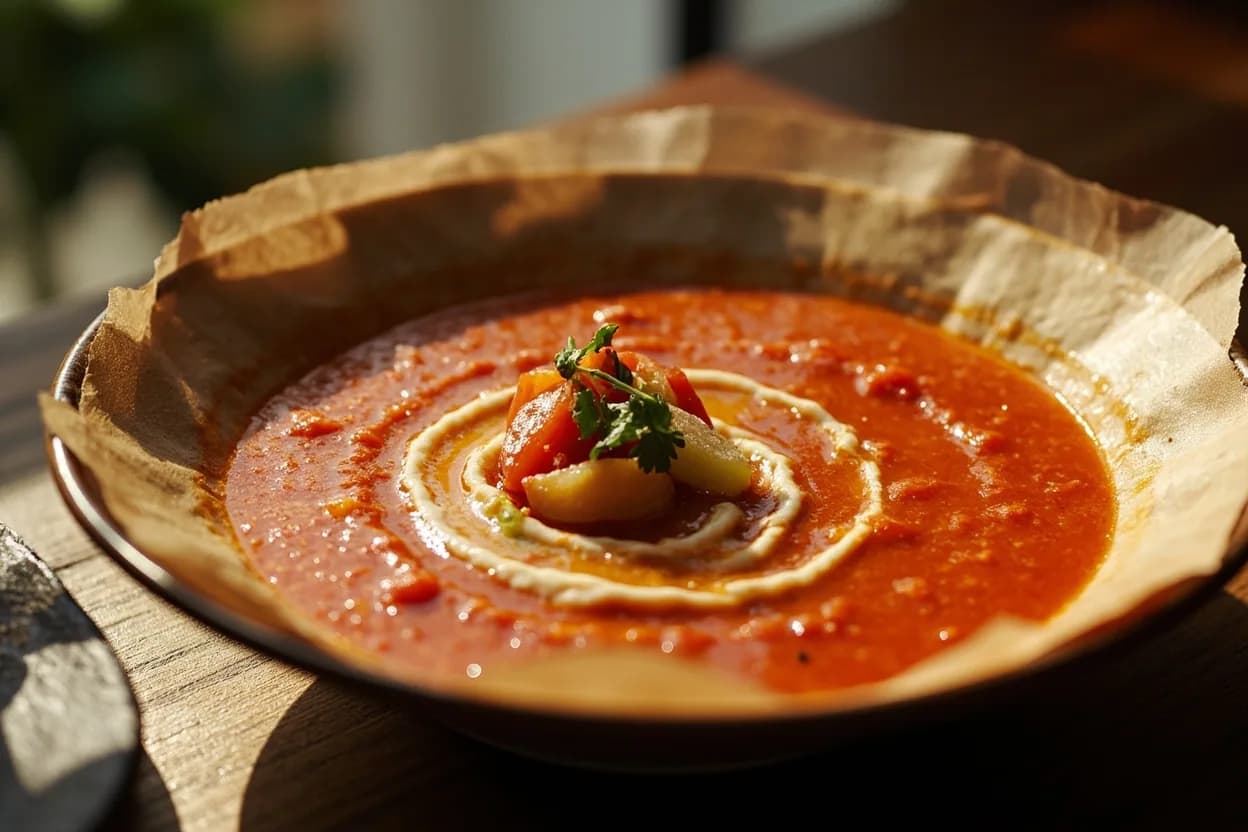
In Andalucía, gazpacho is a category: a cold, raw vegetable soup emulsified with oil and bread. Salmorejo (Córdoba's thicker, richer variant) and ajoblanco (Málaga's white grape-and-almond version) are members of the same family. Each town has its proportions. The tomato-and-bread base is modern — before New World crops, gazpacho was simply bread, olive oil, vinegar, and garlic.
Sherry as a cooking medium
Fino, manzanilla, amontillado, and oloroso function as both pairing wines and cooking liquids in Andalusian kitchens. Estofado al Jerez, braised clams with fino, and oloroso-glazed pork are staples. The proximity of the Jerez wine triangle means sherry is as natural a seasoning ingredient as olive oil or vinegar.