Levant
Sephardic Jewish (Levantine Branch)
Also: Romaniote-Sephardic, Ladino cuisine, Judeo-Español cooking, Ottoman Jewish cuisine
The layered cuisine of Jews expelled from Spain in 1492 who settled in Ottoman Levantine cities — a fusion of Iberian memory and Arabic pantry, preserved in Ladino cookbooks and carried through Thessaloniki, Istanbul, Izmir, Aleppo, and Jerusalem.
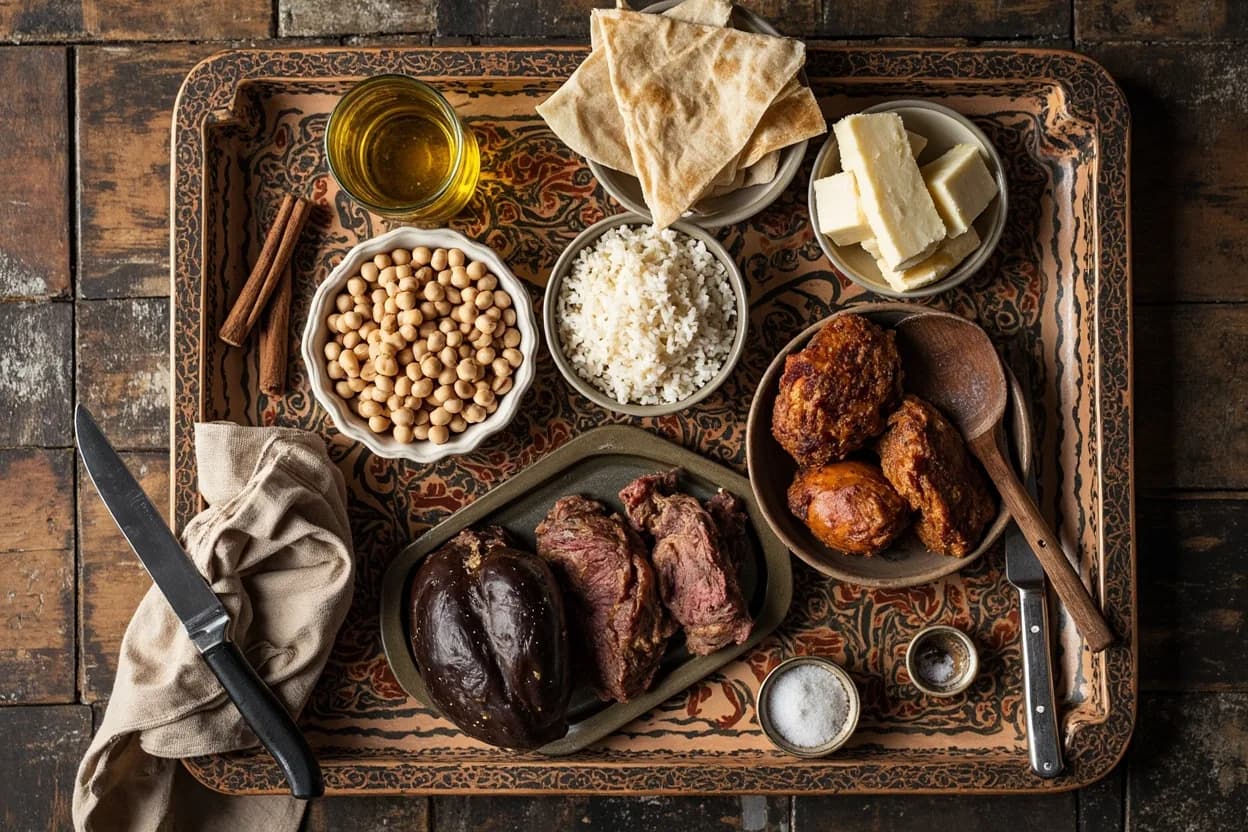
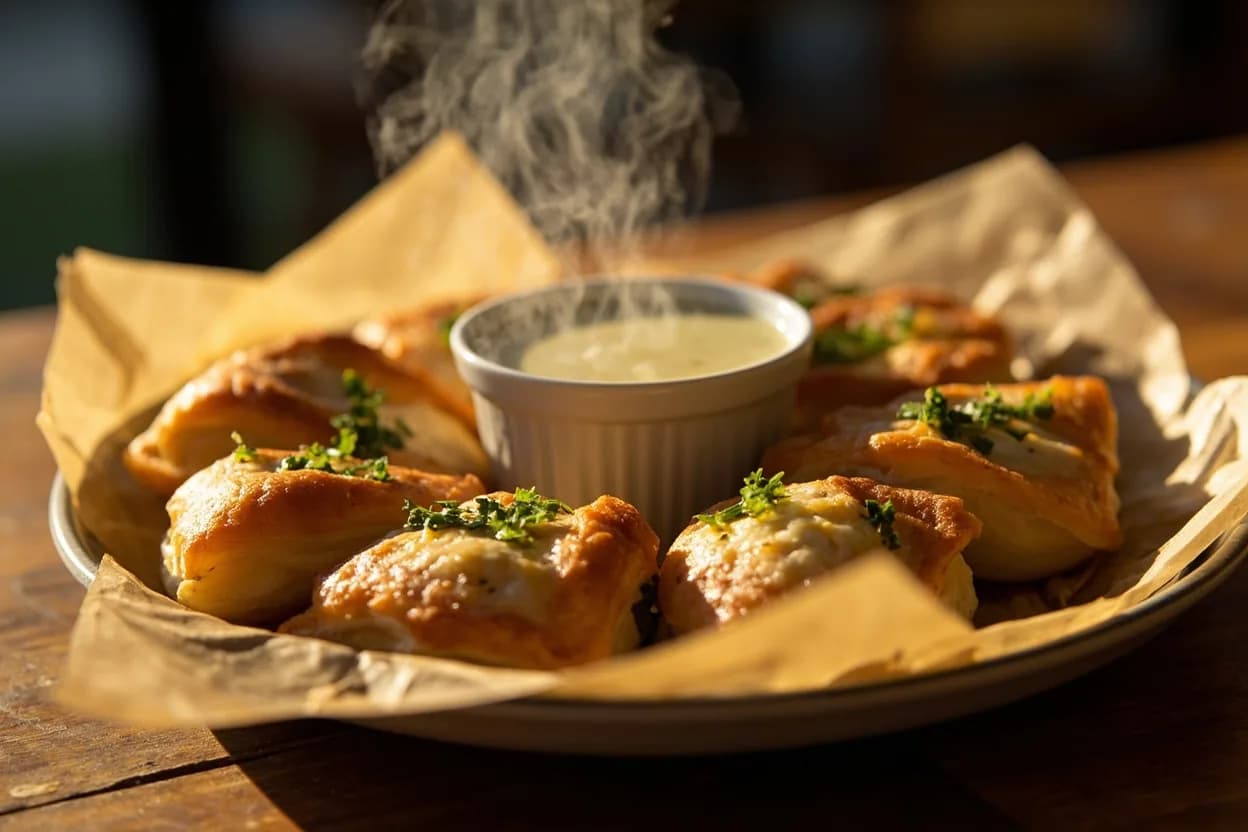
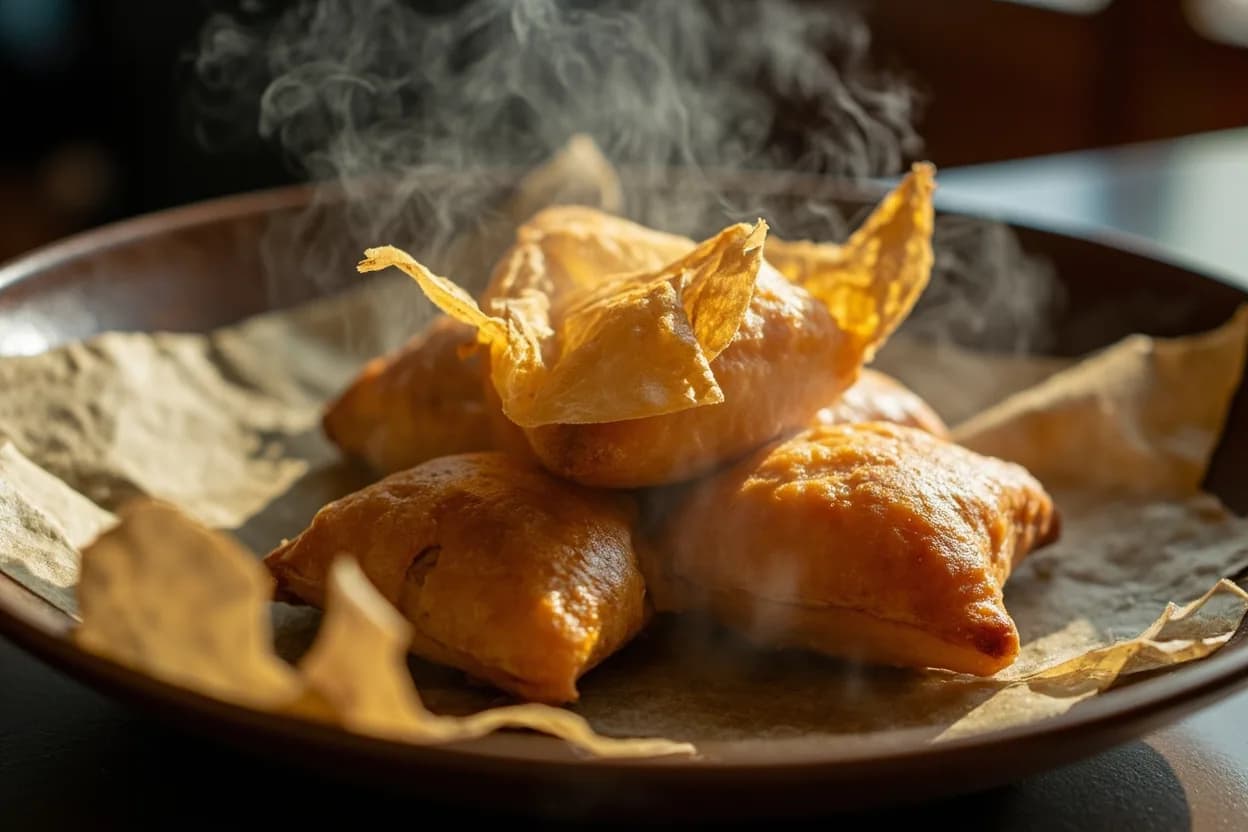
Sephardic Jewish (Levantine Branch) cuisine is the food tradition of the descendants of Jews expelled from the Iberian Peninsula in 1492 and 1497, who resettled under Ottoman patronage across the Levant and eastern Mediterranean. Unlike Mizrahi Jews (who were always in the Arab world), this community arrived with Iberian culinary memory — Castilian sofrito, almond pastries, filo pastry use — and grafted it onto the Ottoman-Arab pantry of eggplant, lamb, rice, olive oil, and spiced legumes. The result is a cuisine that is simultaneously Spanish-nostalgic and deeply Levantine: burekitas filled with potato and cheese, boyos (cheese-filled bread rolls), travados (walnut-honey pastries), and slow-cooked Shabbat dishes that transformed Arab fatteh and Moroccan dafina alike. Kashrut (Jewish dietary law) shapes every recipe — no pork, no shellfish, meat and dairy never combined — but the cooking is not austere; it is rich, aromatic, and intensely hospitable.
The flavour base
Olive oil, tomato, onion, and garlic (the Iberian sofrito tradition, preserved and adapted); cinnamon, allspice, and cumin layer in Ottoman spice influence; lemon juice and egg (agristada sauce) are characteristic finishers.
Pantry staples
Key ingredients
Signature techniques
Signature dishes
Sephardic Jewish (Levantine Branch) on the table

At the table
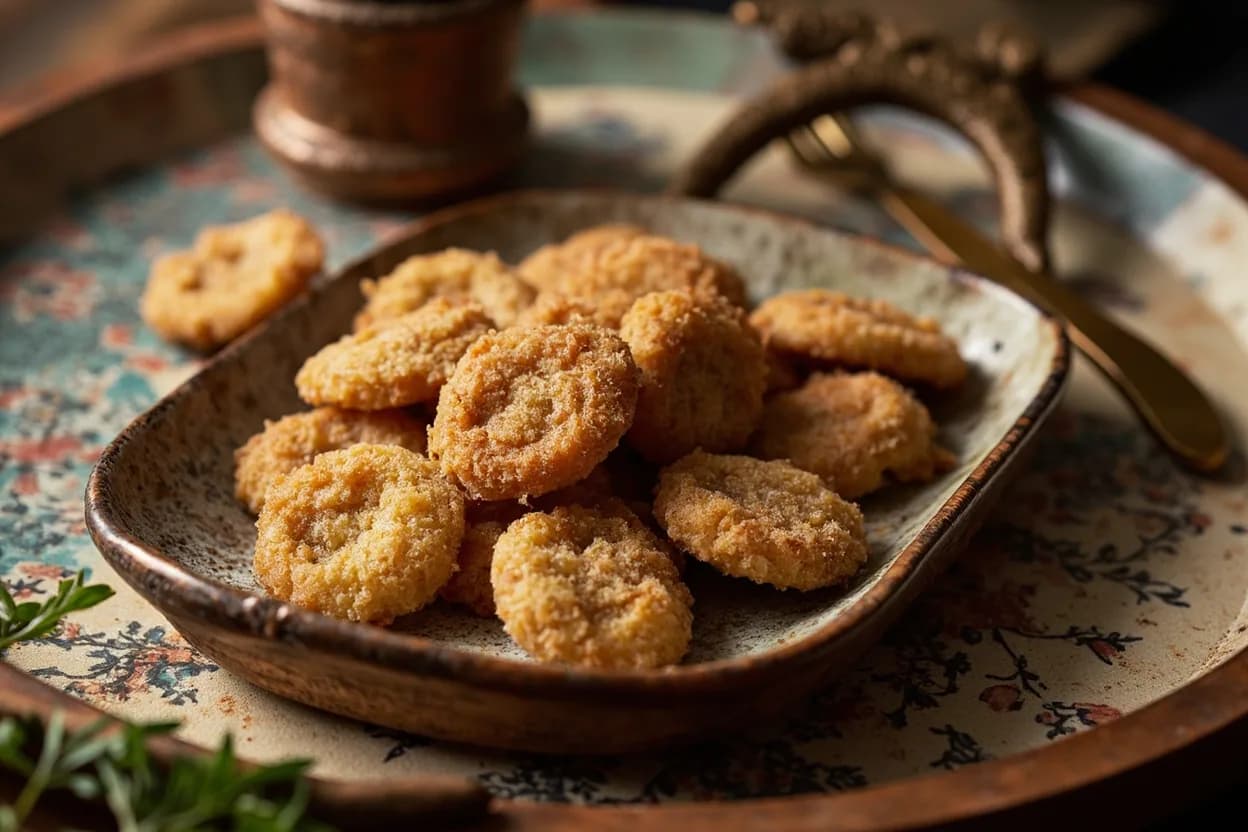
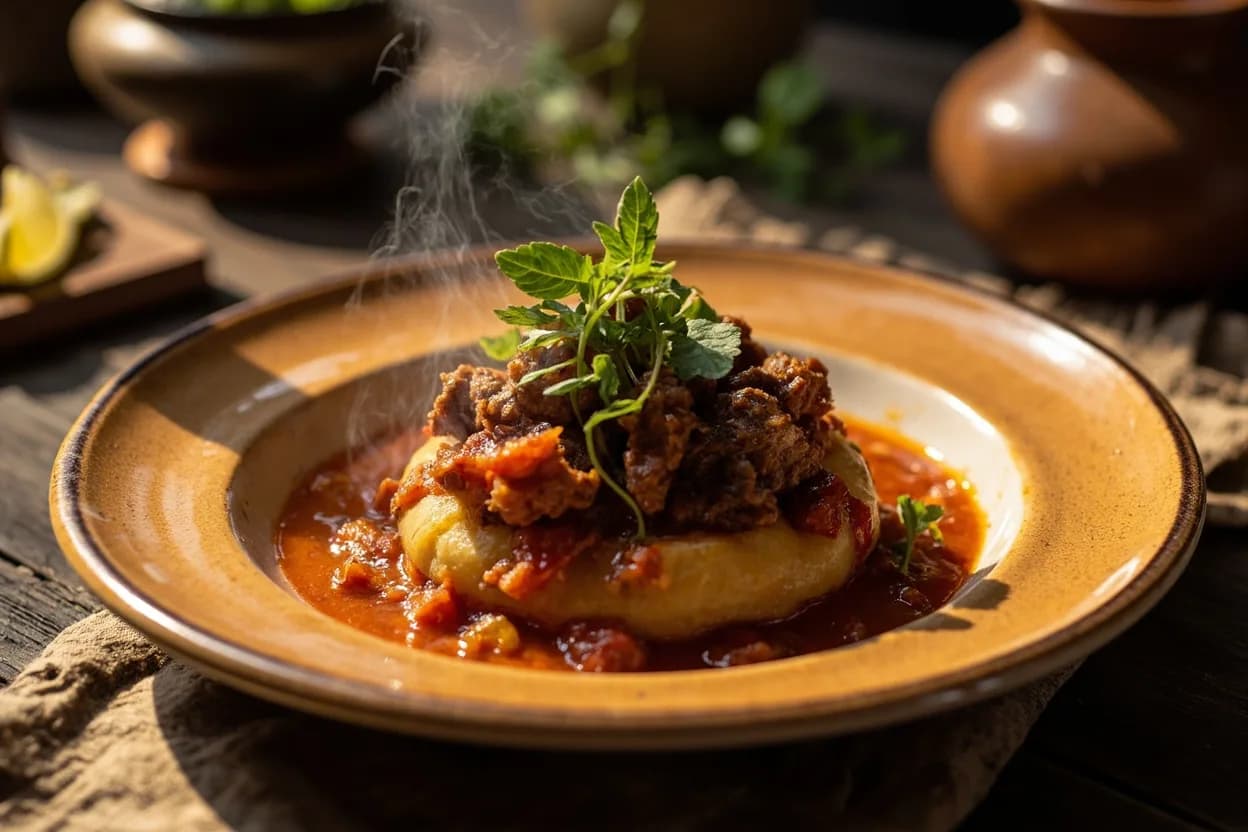
Shabbat drives the meal calendar. Friday night dinner is the culinary high point: a multi-course affair with fish, soup, salads, and a central meat dish, all prepared before sundown. Saturday lunch features hamin — the slow-cooked overnight pot. Weekday meals are simpler, built around vegetables, legumes, and eggs. Pastries (burekitas, boyos) are eaten at breakfast or as snacks with Turkish coffee. Holidays have specific foods: leek keftes at Rosh Hashanah, fried buñuelos at Hanukkah, almond-filled travados at Purim.
History & context
In 1492, the Alhambra Decree expelled approximately 100,000–300,000 Jews from Castile and Aragon. Thousands fled to the Ottoman Empire, which welcomed them as skilled craftspeople and merchants. They settled primarily in Thessaloniki (Salonica), Istanbul, Izmir, Edirne, Safed, and Jerusalem. For over four centuries, these communities maintained Judeo-Spanish (Ladino) as a spoken and written language, and their cooking preserved Iberian techniques — sofrito, almond sweets, filo-free pastries — while absorbing Ottoman ingredients. The destruction of the Sephardic community of Thessaloniki during the Holocaust in 1943 (90% murdered) was a catastrophic rupture; surviving communities in Israel and the Americas became the main carriers of this tradition. Cookbooks — notably those collected and published by Israeli food scholars — are now among the primary preservation vectors.
Regional variations
- Salonican (Thessaloniki)
The richest and most distinctive branch before 1943; heavy use of pastry, preserved fish (trabana, salt cod), and a unique Ladino food vocabulary; largely lost after the Holocaust.
- Istanbul / Izmir
Heavily Ottoman-influenced; more rice dishes, more refined spicing; boureka shapes differ (spiral vs. half-moon); fish preparations more prominent.
- Levantine cities (Aleppo, Jerusalem, Safed)
Deeper integration with Arab pantry; more eggplant and lamb; Syrian spice blends (seven-spice baharat) become the seasoning norm rather than cumin-forward Iberian spicing.
Related cuisines
- Mizrahi Jewish
Mizrahi Jews were always in Arab lands and did not carry Iberian memory; the cuisines converged in Israel but remain distinct in pastry and spice profile.
- Ottoman Turkish
Sephardim absorbed filo technique, rice pilafs, and Ottoman spice blends while contributing Iberian pastry methods back into the broader Ottoman culinary repertoire.
- Moroccan Jewish (Sephardic Western Branch)
Shares the 1492 expulsion origin but diverged dramatically in North Africa; mafrum is one point of direct connection, carried by Libyan and Tunisian Jews.
Canonical recipes
The dishes that define Sephardic Jewish (Levantine Branch), documented in the Canon.
References
- 1.Claudia Roden, 'The Book of Jewish Food' (1997)
- 2.Paola Gavin, 'Hazana: Jewish Vegetarian Cooking' (2017)
- 3.Matthias B. Lehmann, 'Ladino Rabbinic Literature and Ottoman Sephardic Culture' (2005)
- 4.Joyce Goldstein, 'Saffron Shores: Jewish Cooking of the Southern Mediterranean' (2002)
Confidence: high
Notes
Ladino as food archive
Dozens of Ladino food words have no exact Spanish equivalent — they preserve medieval Castilian culinary vocabulary that vanished in Spain itself. 'Fazolikos' (green beans), 'berenjena' (eggplant, from Arabic via Spanish), and 'travado' survive in Ladino-speaking households long after the dishes migrated to Hebrew and French cookbooks.
Kashrut and cooking fat
The prohibition on mixing meat and dairy means that meat dishes use olive oil exclusively — no butter, no cream. This actually intensified the community's reliance on high-quality olive oil and produced a cuisine that is, by structural necessity, deeply Mediterranean in its fat vocabulary.