Proteins
Abalone
Prized marine sea snail with firm, briny flesh, braised in luxury Chinese dishes.
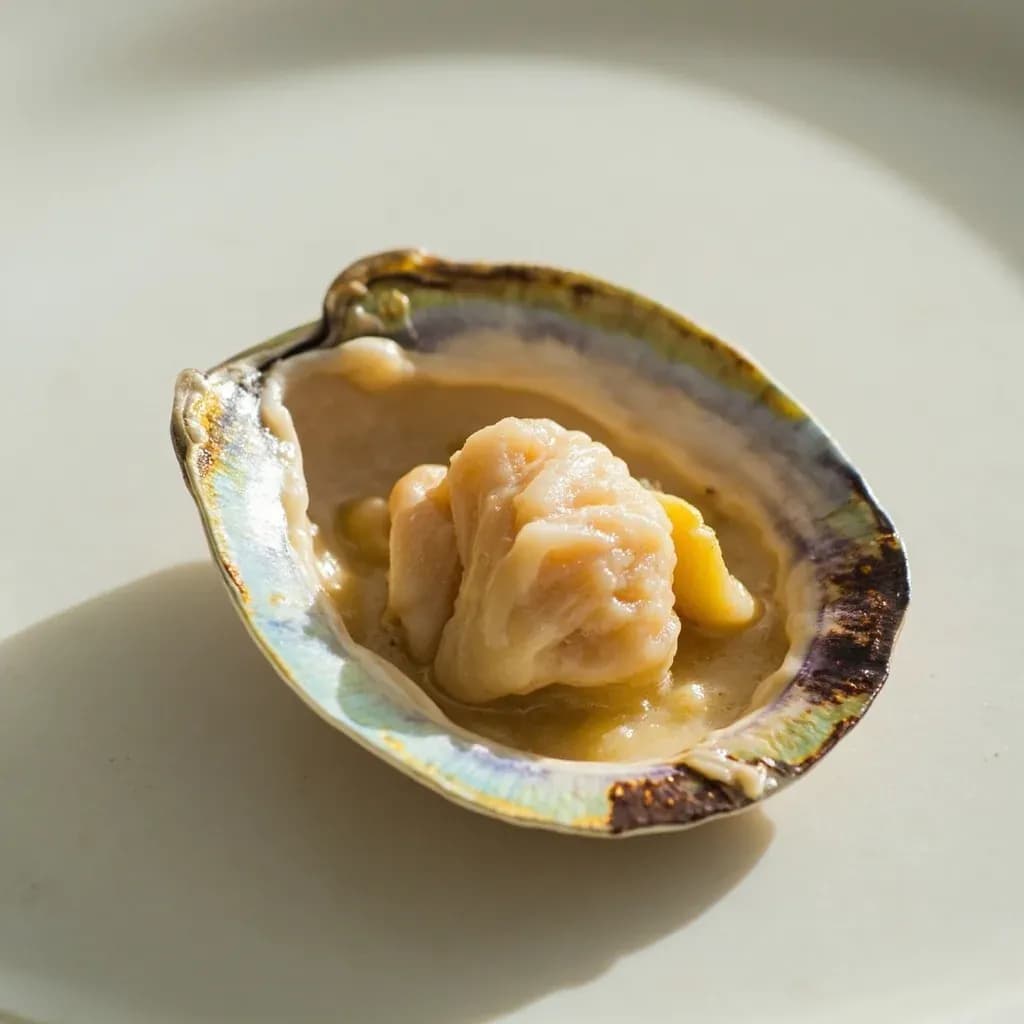
Abalone is a single-shelled marine mollusk with firm, sweet, briny flesh and an iridescent shell. A luxury ingredient in Chinese banquet cuisine, it is braised whole in rich oyster-style sauces or sliced raw for Japanese and Korean dishes. Tough by nature, it must be tenderized by slicing, pounding or long, gentle cooking.
Abalone is a marine gastropod mollusk prized for its single, ear-shaped shell and the large foot muscle that constitutes its edible portion. The flesh ranges from ivory to pale green depending on species, and when cooked properly it achieves a firm yet yielding texture that has made it a luxury ingredient across Chinese, Japanese, Korean, and European cuisines for centuries. Its flavor is clean and briny, with oceanic minerality and a subtle sweetness that requires restraint in preparation to preserve its character.
The culinary prestige of abalone comes from its texture as much as its taste. The foot muscle is naturally tough when raw, requiring either careful cooking or preparatory tenderizing. Underdone, it resists the teeth unpleasantly; overdone, it becomes rubbery and springs back on the palate. This narrow window of correct preparation is what separates successful abalone dishes from disappointing ones. Most of the animal—roughly 70-75% of live weight—is waste (shell, viscera, gills), which explains the high retail price for the remaining usable meat.
Fresh abalone is available primarily in coastal regions; inland cooks typically encounter it dried, canned, or frozen. Each form behaves differently in the kitchen and demands different handling. Dried abalone requires days of soaking followed by hours of slow braising to achieve tenderness. Canned abalone, which is partially cooked during processing, is the most forgiving and can be warmed gently and sliced without further cooking. Understanding these distinctions is essential before purchasing, as the cooking approach and time investment vary dramatically between forms.
- Measured in
- g
- Storage
- Fridge
Allergens
Types & varieties
Largest species; found off California; firm texture, mild flavor
California and Baja California; slightly sweeter than red; olive-green foot muscle
California coast; smaller; darker shell; strict size limits apply in California
New Zealand; vivid iridescent shell; prized in Asian markets
Taiwan, Japan, China; smaller, faster to cook, more affordable entry point
Channel Islands, Brittany; traditional European preparation; requires long soaking and pounding
Working with Dried Abalone
Dried abalone requires patience and planning. Begin by soaking in cold water for 2-5 days, changing the water daily to rehydrate the flesh gradually. Once pliable, cook slowly in a flavorful broth—chicken stock, pork broth, or a mixture with dried shrimp—for 2-4 hours until the flesh yields easily when pressed with a finger. The cooking liquid can be reduced to a sauce. Under-prepared dried abalone will be tough and chewy regardless of how long it simmers in your final dish.
- Change soaking water daily to prevent souring and ensure even rehydration
- Test doneness by pressing the flesh—it should give without resistance
- Reserve the soaking liquid as a base for the braising broth
- Cook dried abalone in broth for 2-4 hours until completely tender
Testing Freshness in Live Abalone
When purchasing live abalone, physical cues tell the story. The shell should be intact and heavy for its size. Touch the exposed foot muscle—it should contract firmly and attempt to cling to the shell. A loose, unresponsive muscle indicates the animal has been dead too long and should be avoided. Fresh abalone has a clean, oceanic smell, never fishy or ammonia-like. Once shucked and cleaned, use fresh abalone within 24-48 hours for best quality.
- Shell should be intact and heavy; avoid cracked or damaged shells
- Foot muscle must cling tightly when touched—reject any that feels loose
- Clean, sea-water scent; reject specimens with fishy or ammonia odors
- Cleaned meat should be used within 1-2 days for optimal texture
Common uses
Tips & pitfalls
- Never overcook: abalone turns rubbery quickly; 1–2 minutes of high heat is often sufficient for fresh meat
- Tenderize fresh abalone before cooking: pound lightly with a meat mallet or soak in milk for 30 minutes to relax fibers
- Test freshness of live abalone: the foot muscle should cling tightly to the shell when touched
- For dried abalone: change soaking water daily; cook slowly in a broth until pliable, which may take 2–4 hours
- Clean live abalone thoroughly: scrub the shell and remove all dark viscera, keeping only the white foot muscle
- Slice against the grain when serving raw: this shortens fibers and improves mouthfeel
- If using canned abalone: do not overcook further as it is already partially processed and tenderized
- Add abalone to dishes near the end of cooking to preserve its delicate texture
Nutrition
Energy
439 kJ · per 100 g
Where the calories come from
Protein
17.1g
34% DV
Carbs
6g
2% DV
Fat
0.8g
1% DV
Fiber
0g
0% DV
Sugars
0g
of which
Sodium
301mg
13% DV
Source · USDA FoodData Central · approx. Mollusks, abalone, mixed species, raw
View on FDC →In the shops
Matched grocery products
No matched grocery products for Abalone yet.
Good to know
- Scientific Genus
- Haliotis (multiple species)
- Primary Sources
- Pacific coast of North America, Japan, Korea, Australia, New Zealand, South Africa, Channel Islands (Europe)
- Flavor Profile
- Briny, oceanic, subtly sweet; clean sea taste with a hint of minerality
- Texture
- Firm and dense when raw; tender and yielding when properly cooked
- Typical Yield
- Approximately 25–30% of live weight is usable meat (foot muscle only)
- Typical Size
- Shell diameter ranges from 3–10 inches depending on species
- Fresh Availability
- Highly seasonal and regionally limited; often sold live, frozen, canned, or dried
- Fresh Shelf Life
- 1–2 days refrigerated in the shell; up to 3 months frozen
- Dried Form
- Requires 2–5 days of soaking in cold water before use; called "got hoi" in Chinese markets
- Canned Form
- Partially cooked and tenderized; requires minimal additional cooking
- Price Point
- Expensive; fresh specimens command premium prices; dried is more accessible
Substitutes
- Sea scallop (adductor muscle) — Similar firm, sweet texture; much more affordable; best when sliced thin and seared quickly
- Conpoy (dried scallop) — Shares the briny, umami quality; rehydrate and use in Chinese braised dishes; similar intensity though different texture
Pairs with
Also called
鮑魚 · Paua · Sea Ear
Related
Egg
The kitchen's everything ingredient — bind, leaven, enrich, or fry
Chicken Breast
Lean, quick-cooking white meat for everyday dinners

Ground Beef
Versatile minced beef for burgers, ragù, tacos, and meatballs
Pork Loin
Lean, tender roasting cut that stays juicy with care
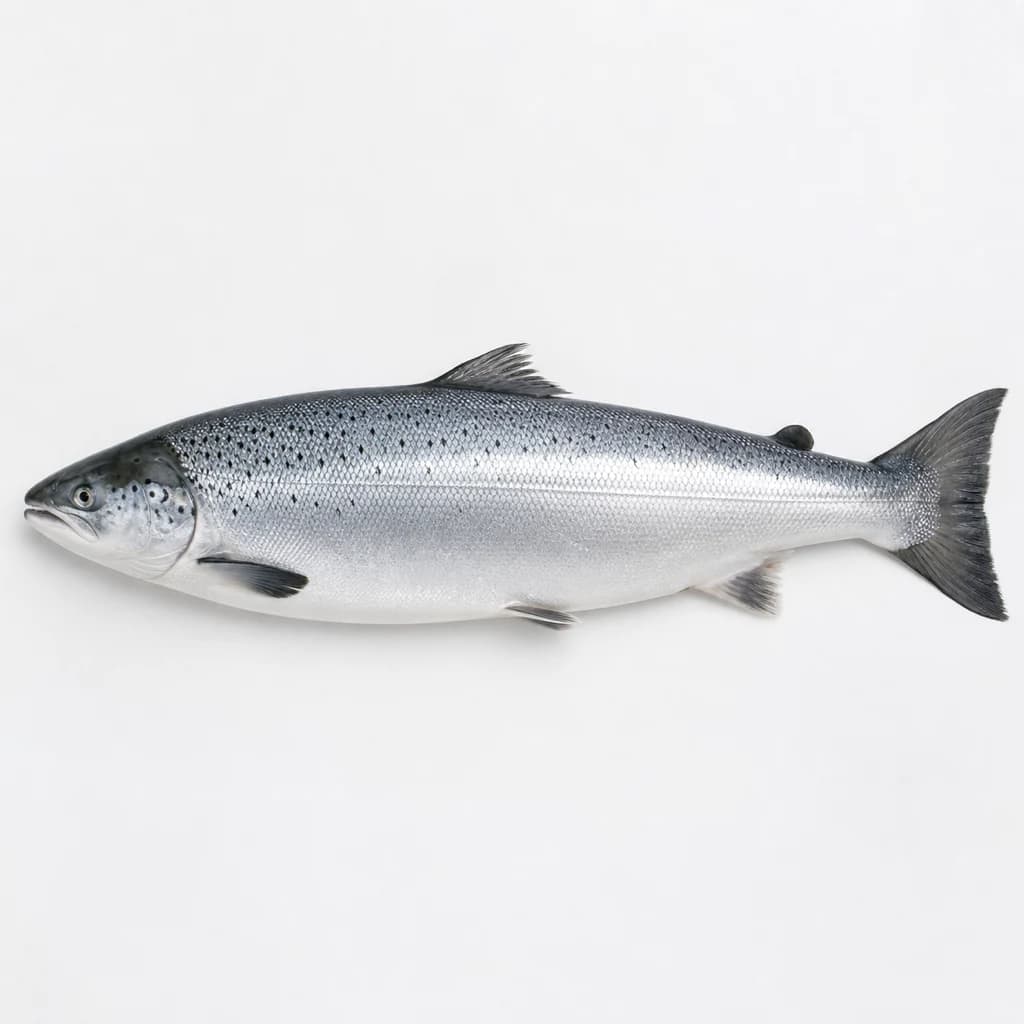
Salmon
Rich, rosy fish that roasts, grills, or cures beautifully

Egg White
Pure protein that whips to airy peaks for meringue and more
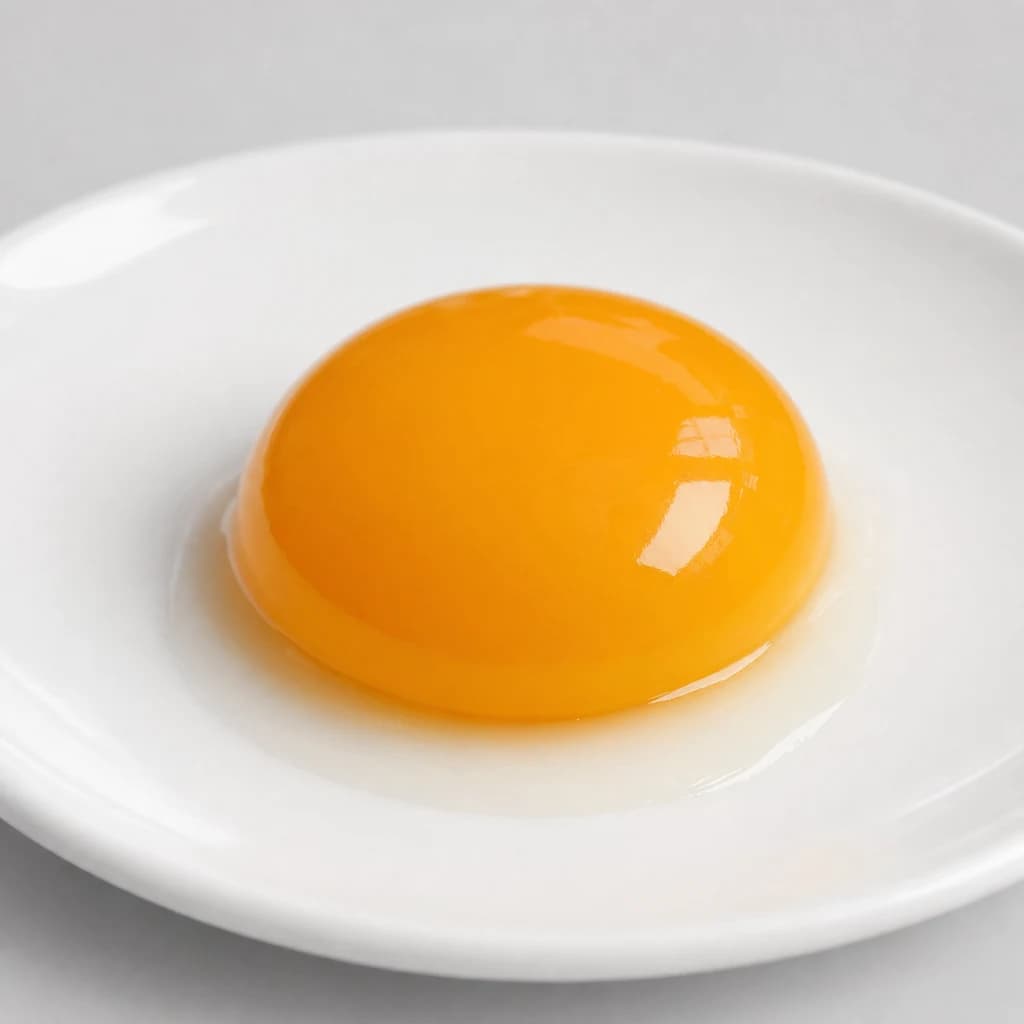
Egg Yolk
Rich, golden yolk for custards, mayonnaise, and pasta

Quail Egg
Tiny, speckled eggs for garnishing and elegant bites