
Natural form
Whole banana blossom: deep-purple teardrop bud before any preparation.
Shows the distinctive color, teardrop shape, and scale that make banana blossom recognizable in its intact state.
Produce
Banana Blossom
Tear-shaped banana flower with tender pale petals, shredded into salads or curries.
Banana blossom is the deep-purple, teardrop-shaped flower of the banana plant, whose pale inner petals and florets are eaten as a vegetable. Sliced thin and soaked to prevent browning, it is tossed into salads, simmered in curries, or used as a flaky fish substitute thanks to its texture. It is a staple in Southeast Asian and South Indian cooking with a mild, slightly astringent flavor.
Banana blossom, or puso ng saging in Filipino, is the tear-shaped inflorescence that emerges from the heart of a banana plant's pseudo-stem. This remarkable ingredient grows at the end of the fruit-bearing stalk, reaching 15–30 cm in length, with layered bracts that unfurl to reveal tiny yellow flowers nestled within each protective layer. Cultivated for millennia across Southeast Asia and the Indian subcontinent, it has since spread throughout tropical regions worldwide, though it remains a specialty ingredient in markets from Bangkok to Kolkata to Manila.
The blossom offers two distinct textures within a single ingredient. The outer bracts—deep maroon-purple and waxy—become tender enough to eat only when cooked slowly in curries and braises. The inner core, however, is the true prize: cream-colored, dense, and silky when properly prepared, it absorbs dressings and cooking liquids while maintaining a delicate, almost seafood-like quality that makes it prized in vegan cooking as a pulled-meat substitute. The tiny individual flowers inside each bract layer are also edible and tender when young.
In Ayurvedic tradition, banana blossom is considered cooling and beneficial for digestive health, valued for its potassium and fiber content. Its mild, slightly bitter flavor with artichoke and seafood undertones makes it uniquely versatile—it can handle aggressive seasonings in Thai salads, gentle coconut-based curries in South India, or simply prepared as fritters in Andhra and Bengal cuisine.
- Measured in
- piece
- Storage
- Fridge
Types & varieties
Most common in Filipino cuisine; sturdier texture holds up well in stews and pickles
Popular in South Indian cooking; smaller, more tender blossoms with slightly sweeter flavor
Preferred in Bengali cuisine; pale color and delicate flavor
Used in Kerala and Tamil Nadu; robust enough to hold together in slow-cooked preparations
Preparation: Breaking Down the Blossom
The key to working with banana blossom lies in patience and preparation. Work over a large bowl of cold water acidulated with lime or lemon juice—the blossom oxidizes and turns brown rapidly when exposed to air, and the sap stains skin and cutting boards. Remove the outer bracts one at a time, dipping your hands in the acidulated water frequently. The tiny yellow flowers inside each bract are edible and tender; do not discard them unless bruised or wilted. The central core is the most prized part—save it for last and treat it gently, adding it to dishes near the end of cooking to preserve its silky texture and delicate flavor.
- Choose blossoms with tightly furled, vibrantly colored bracts; avoid blackened edges, slimy spots, or fermented odor
- Use a sharp knife and cutting board; have your acidulated water bowl ready before you begin
- The edible yield is only 30–40%—plan accordingly when purchasing
Removing Bitterness
Raw banana blossom has a detectable bitterness that some cooks prefer to tame. Two reliable methods work well: massage shredded or chopped blossom with 1–2 teaspoons of salt, let it sit for 10 minutes, then rinse thoroughly under cold water. Alternatively, blanch in boiling salted water for 3–4 minutes, drain, and proceed with your recipe. For applications where the mild bitterness is welcome—such as Thai salads with aggressive seasoning—skip this step and let the dressing carry the dish.
- Salt massage and rinsing: fastest method for salads and fresh preparations
- Blanching: better for cooked dishes where even slight bitterness is unwelcome
- Omit bitterness removal for dishes with strong seasonings like fish sauce, chilies, or tamarind
Common uses
Tips & pitfalls
- Work over a large bowl of cold water acidulated with lime or lemon juice—banana blossom oxidizes and turns brown rapidly when exposed to air.
- Remove the outer bracts one at a time, dipping hands in the acidulated water frequently to prevent staining and oxidation.
- The tiny yellow flowers inside each bract are edible and tender; do not discard them unless they are bruised or wilted.
- The central core is the most prized part—cream-colored, dense, and silky when cooked. Save it for last and add it to the dish near the end of cooking.
- To remove bitterness, massage the shredded or chopped blossom with 1–2 teaspoons of salt and let it sit for 10 minutes, then rinse thoroughly. Alternatively, blanch in boiling salted water for 3–4 minutes before using.
- Choose blossoms with tightly furled, vibrantly colored bracts. Avoid any with blackened edges, slimy spots, or a fermented odor—these indicate age and spoilage.
- Do not overcook the inner core or it will become mushy and lose its delicate flavor; add it to curries and soups in the last 5–10 minutes of cooking.
- For vegan pulled-meat applications, cook shredded blossom in a pressure cooker with spices for 45–60 minutes until fibers separate and become meat-like in texture.
Nutrition
Energy
481 kJ · per 100 g
Where the calories come from
Protein
2.7g
5% DV
Carbs
25.6g
9% DV
Fat
0.2g
0% DV
Fiber
1.5g
5% DV
Sugars
17.2g
of which
Sodium
14mg
1% DV
Source · USDA FoodData Central · approx. Hearts of palm, raw
View on FDC →In the shops
Matched grocery products
 €0.26
€0.26Banana
170 g · Mercadona
 €0.22
€0.22Banana 1 unit
ud · Bonpreu
 €0.81
€0.81Plantain
280 g · Mercadona
 €0.41
€0.41Canary Islands Banana IGP
150 g · Mercadona
 €1.49
€1.49Banana Cluster 800 g
kg · Bonpreu
 €0.68
€0.68Canary Islands IGP Banana
LA COLLITA · ud · Bonpreu
Good to know
- Origin
- Southeast Asia and Indian subcontinent, cultivated for millennia in tropical regions worldwide
- Season
- Year-round in tropical climates; peak spring to early summer in subtropical areas
- Flavor
- Mild, slightly bitter, with artichoke-like and seafood-like undertones when raw; sweetens when cooked
- Texture
- Crisp, layered bracts exterior; tender, silky inner core and small flowers when cooked
- Appearance
- Teardrop-shaped inflorescence 15–30 cm long; outer bracts deep maroon-purple, inner petals pale cream-white
- Edible parts
- Inner bracts, tender central core, and tiny individual flowers (locules) inside each bract layer
- Storage
- Refrigerate unwrapped up to 2 days; best used within 24 hours. Freezing is not recommended—texture and flavor deteriorate significantly.
- Yield
- Approximately 30–40% edible after removing bracts, flowers, and fibrous portions
Substitutes
- Artichoke hearts — Best textural match; use in equal proportion for salads and lighter preparations. Flavor is milder, so adjust seasoning.
- Young jackfruit — Substitute at 1:1 ratio for cooked applications; similar fibrous texture but slightly sweeter. Requires longer cooking to soften.
- Hearts of palm — Acceptable in salads; softer texture and milder flavor. Cut into similar-sized pieces.
- Nopal (prickly pear cactus pads) — Comparable mild flavor and slight bitterness; must be carefully cleaned and cooked. Use in soups and stews.
Pairs with
Also called
Banana Flower · Banana Heart
Appears in these dishes
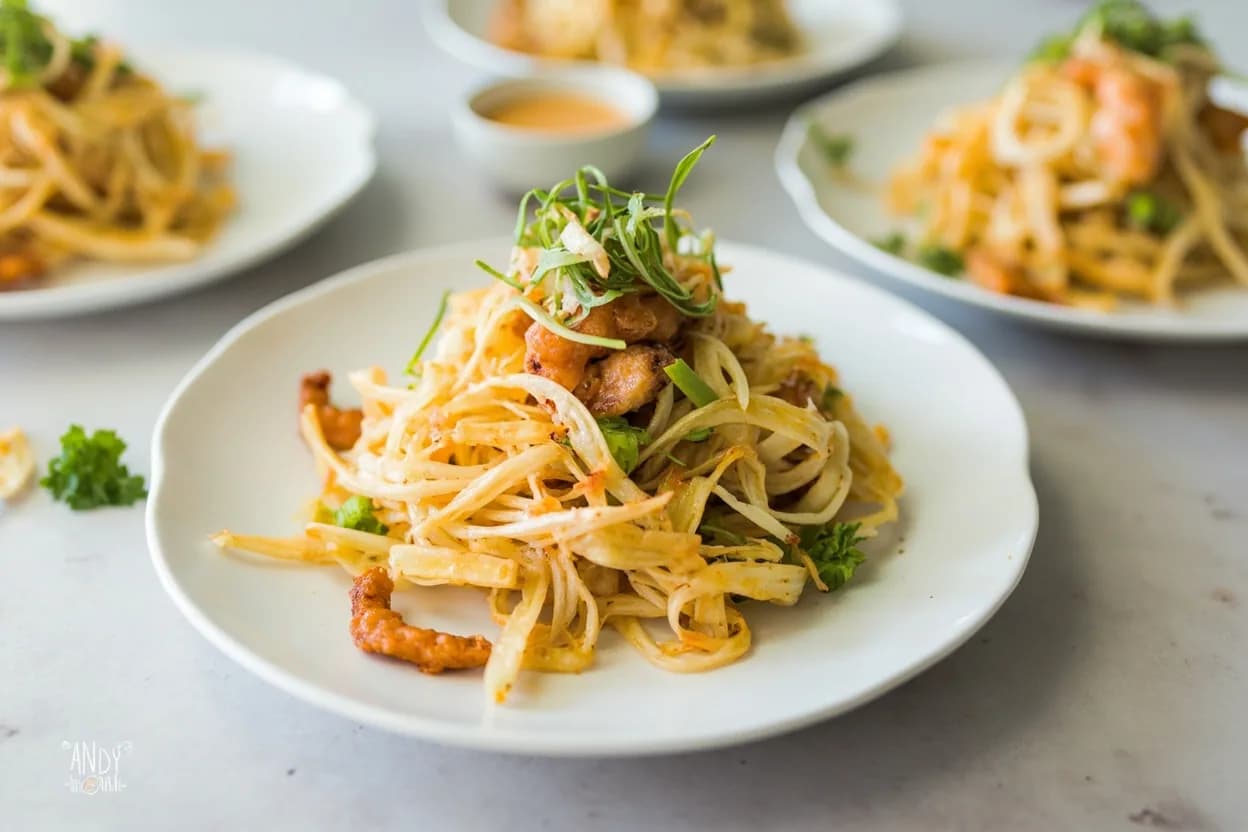
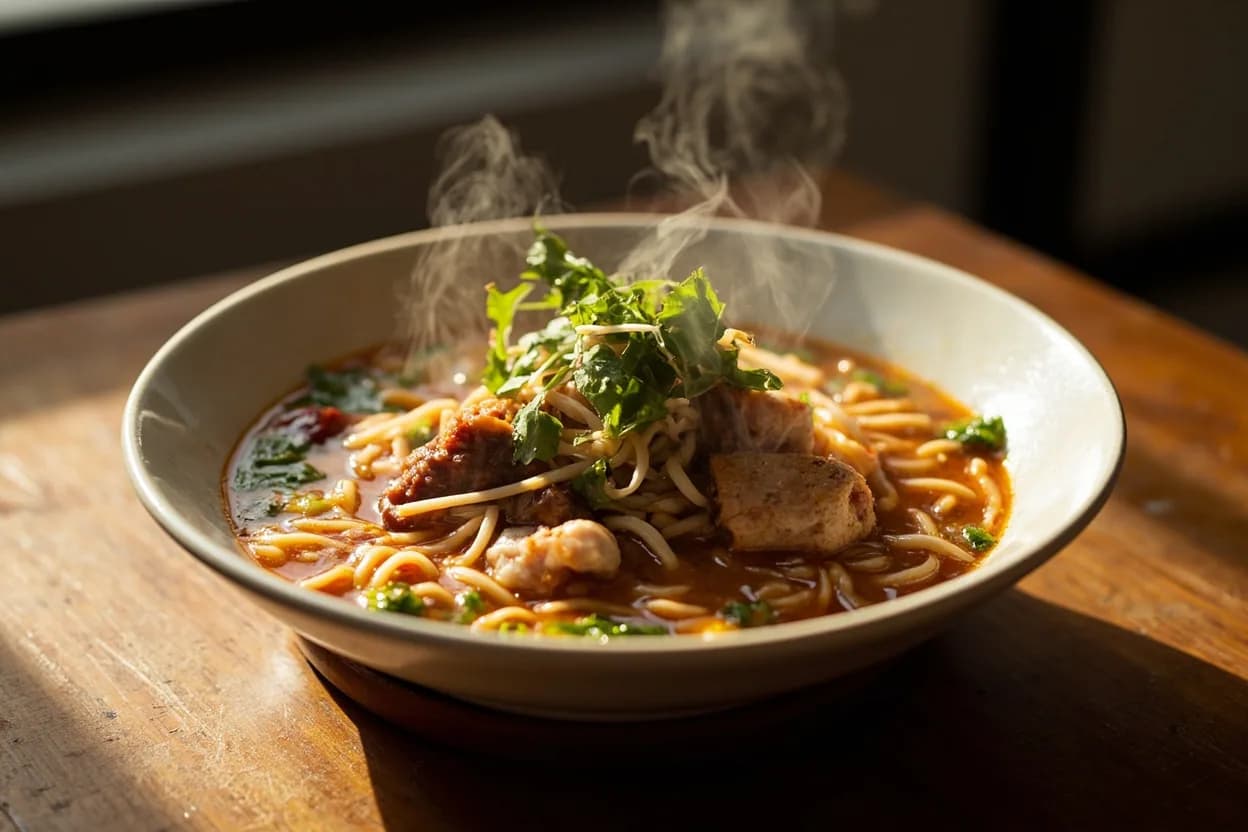
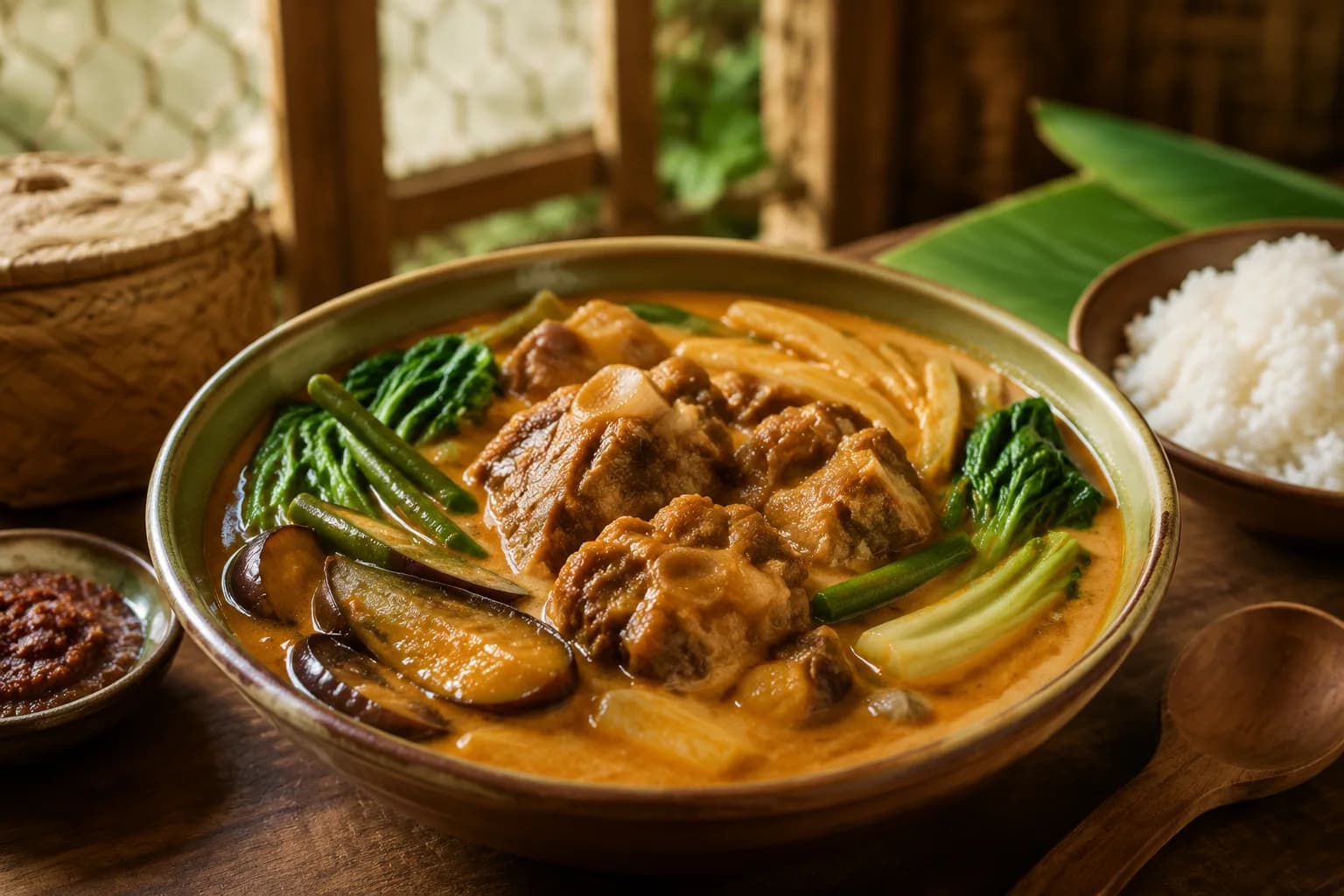
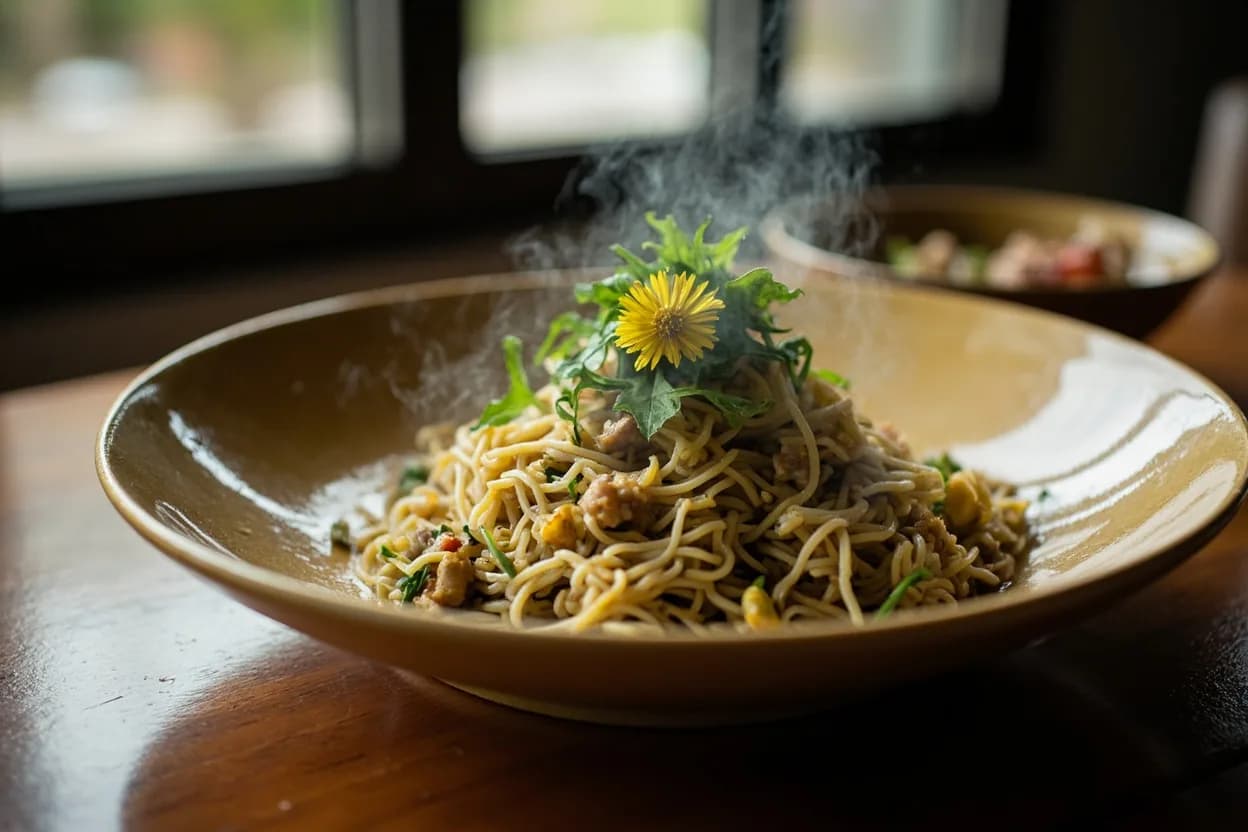
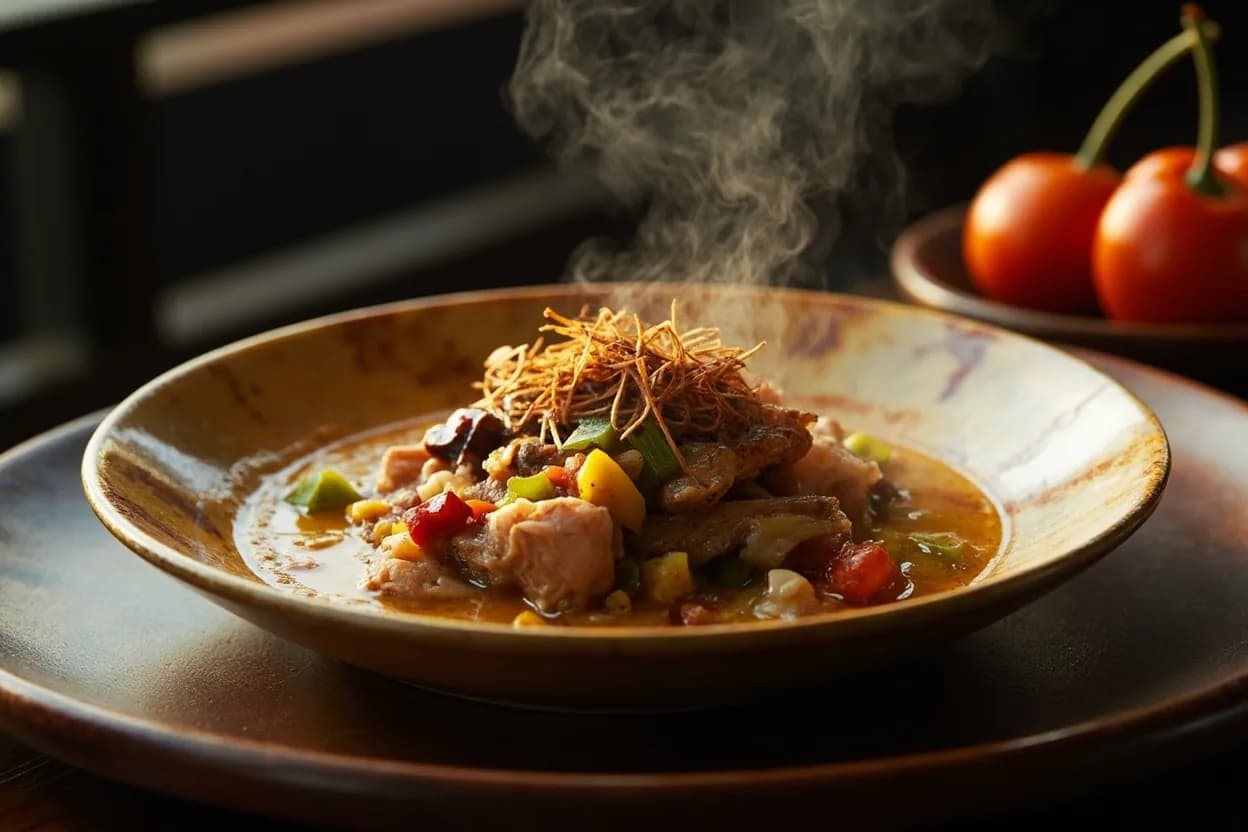
Related
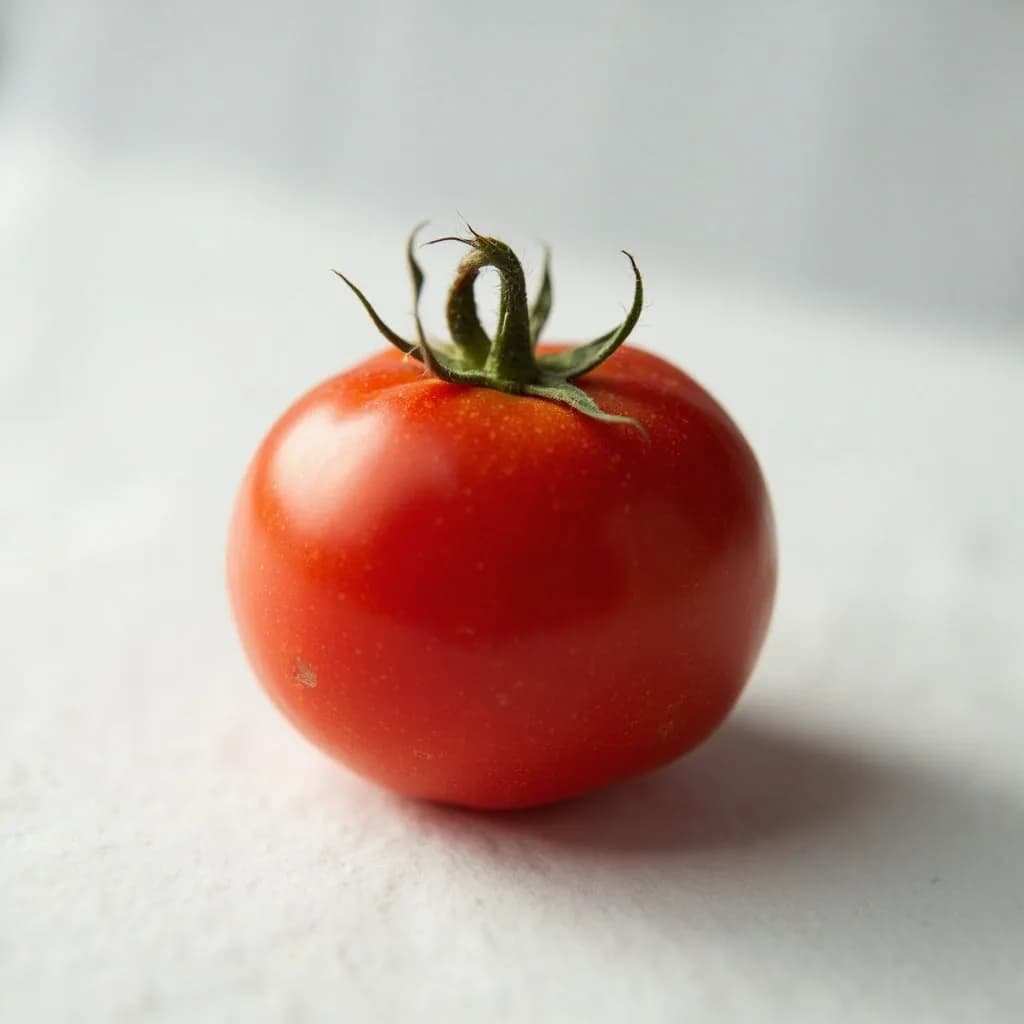
Tomato
Juicy, sun-sweet fruit for sauces, salads, and slow-cooked depth
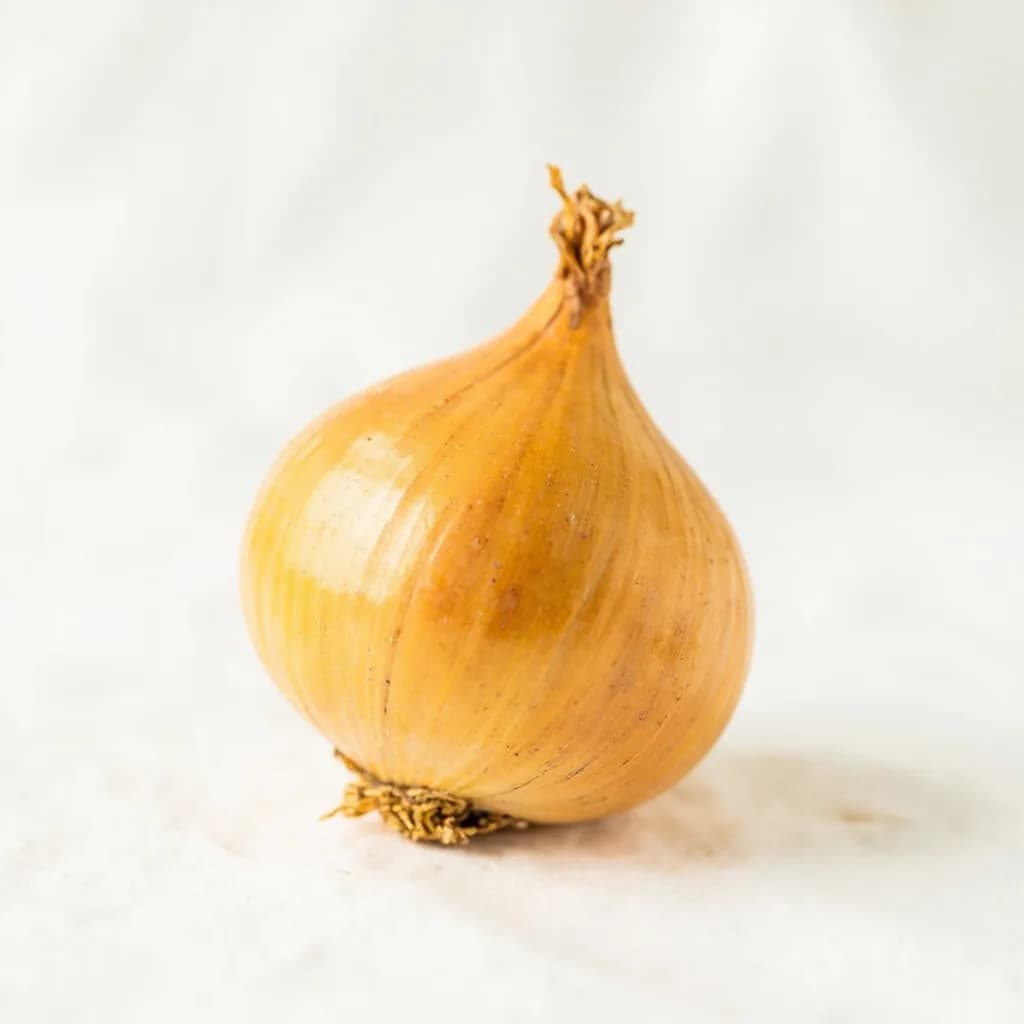
Yellow Onion
The aromatic backbone of soups, sofritos, and braises
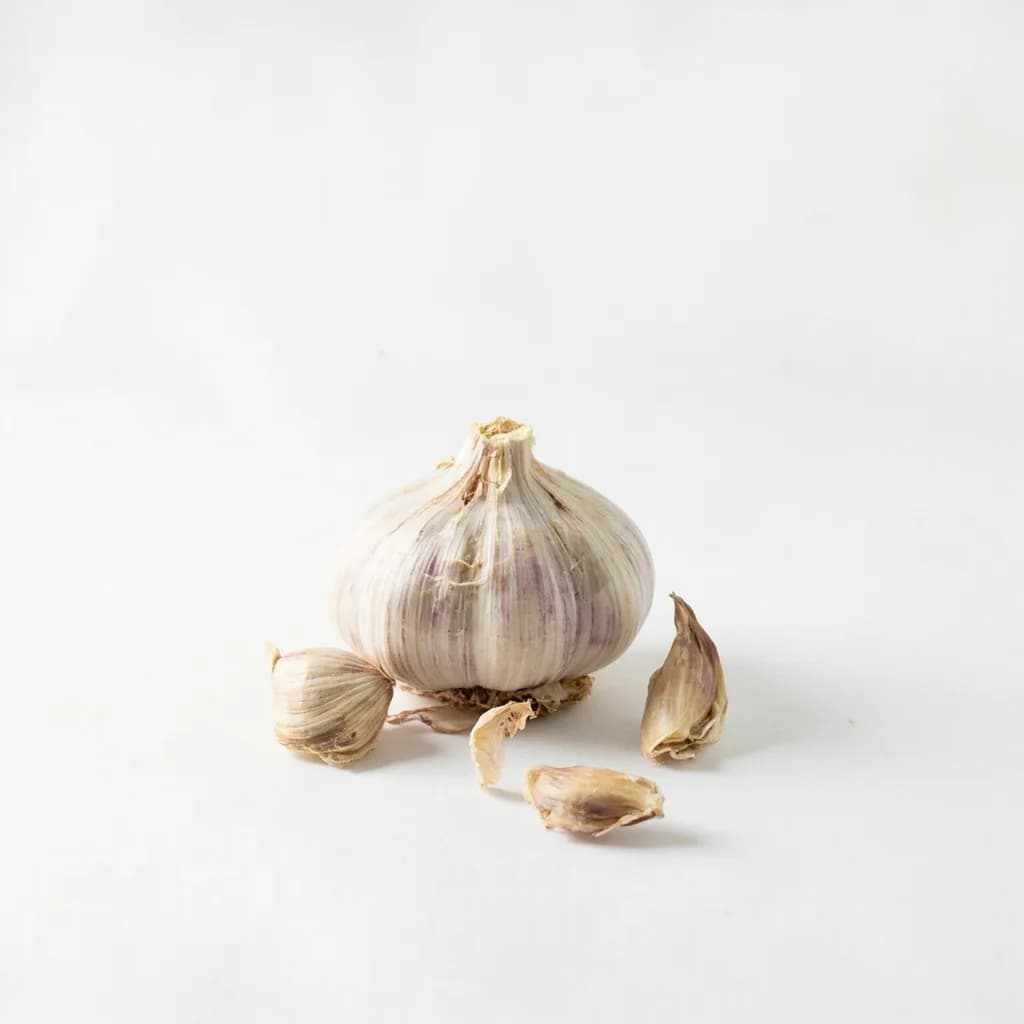
Garlic
Pungent cloves that perfume nearly every savory dish
Lemon
Bright, acidic citrus that wakes up almost any dish
Potato
Humble, hearty staple — roast, mash, fry, or boil
Carrot
Sweet, crunchy root — raw, roasted, or the base of a sofrito
Cucumber
Cool, crisp, and watery — for salads, pickles, and tzatziki

Lettuce
Crisp leaves for salads, wraps, and a fresh crunch