Baking
Barley Flour
Mild, slightly sweet flour milled from barley, used for flatbreads, porridges and the Libyan staple bazin.
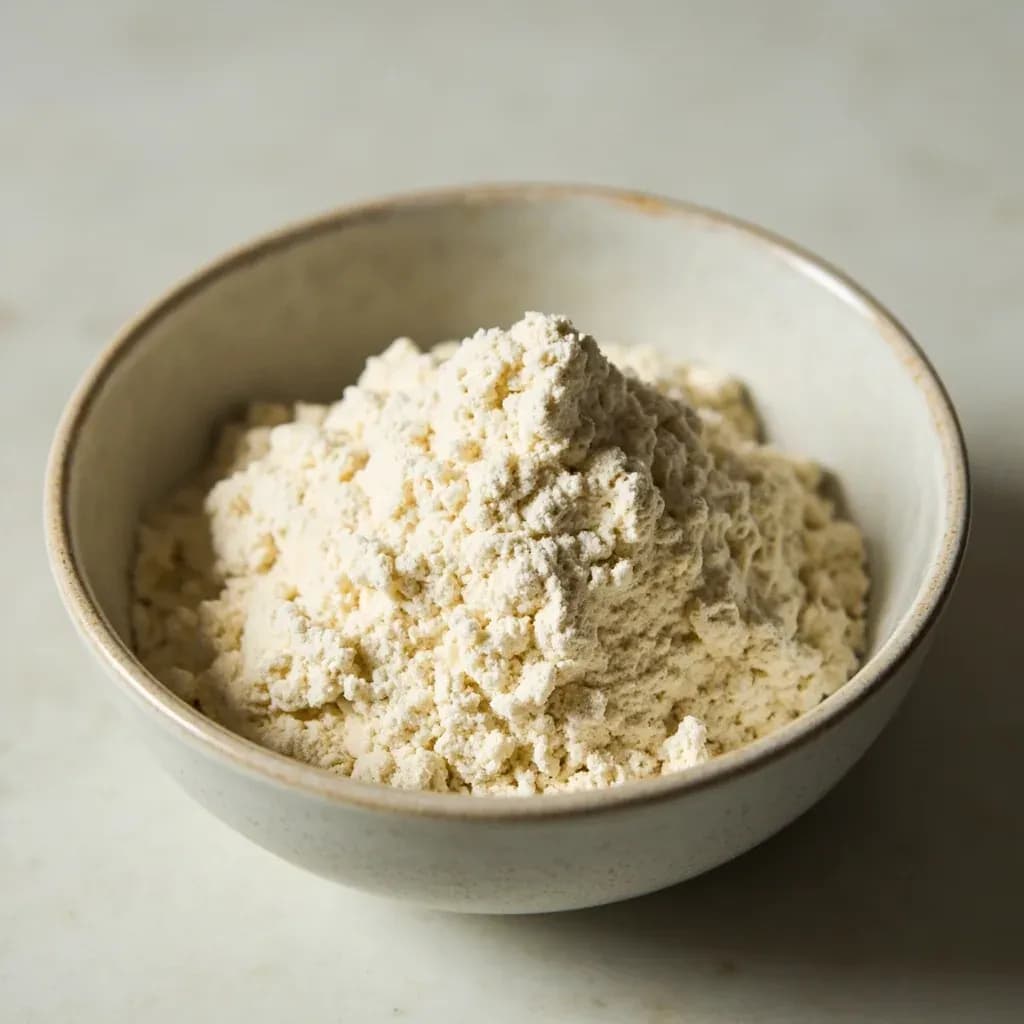
Barley flour is ground from whole or pearled barley and has a mild, slightly sweet and nutty flavor. It is used in flatbreads, porridges and baked goods, and is the base of the Libyan staple bazin, a stiff dough served with sauce. Low in gluten, it is often blended with wheat flour for leavened baking.
Barley flour is milled from the grain of Hordeum vulgare, one of humanity's oldest cultivated cereals, domesticated in the Fertile Crescent roughly ten thousand years ago. While it plays a modest supporting role in most Western kitchens, it is a foundational ingredient in Libyan cuisine — where it is beaten into a stiff porridge called bazin — and appears across Ethiopian flatbreads, Scandinavian crackers, and traditional Asian noodles. Its appeal lies in a mild, subtly sweet, nutty flavor that blends quietly with other grains while delivering a dense, moist crumb that improves shelf life in baked goods.
Unlike wheat flour, barley flour contains only trace amounts of gluten-forming proteins (hordeins), so it cannot develop the elastic gluten network that gives bread its rise. In practice, this means barley flour functions best as a blending flour — typically 25–50% of total flour weight in yeast breads — where it contributes tenderness and moisture without overwhelming structure. The soluble beta-glucan fiber, most abundant in whole-grain varieties, gives barley flour exceptional thickening power: roughly half the quantity of wheat flour is needed to achieve the same viscosity in soups and sauces.
The distinction between whole and pearled barley flour matters significantly in the kitchen. Whole barley flour includes the bran and germ, delivering more fiber, nutrients, and a nuttier flavor, but the germ oils make it prone to rancidity — it requires refrigeration or freezing for storage. Pearled barley flour, from which the bran has been removed, has a milder flavor, finer texture, and longer shelf life, though it sacrifices most of the beta-glucan and micronutrients. Barley malt flour, ground from sprouted grain, is a specialized ingredient with enzymatic activity used for leavening and flavor in artisan breads and is not a direct substitute for standard barley flour.
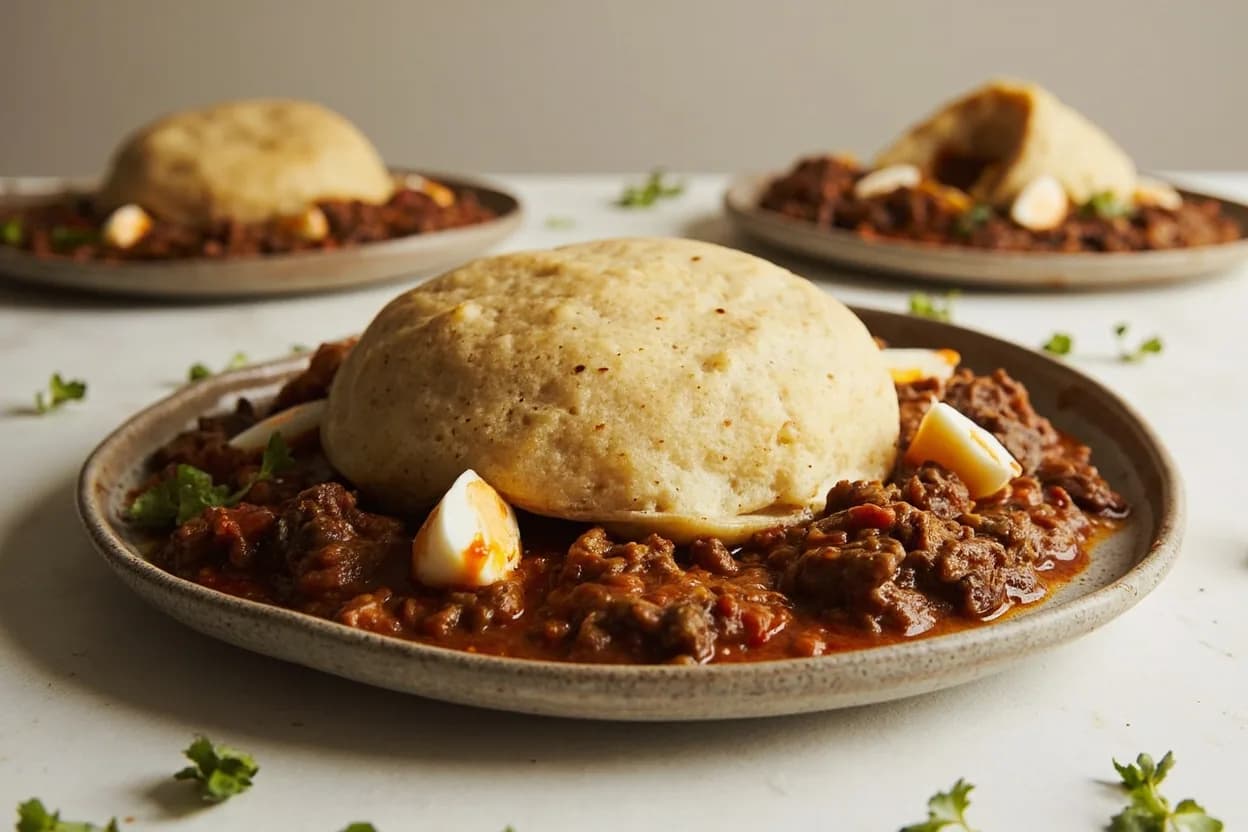
Barley flour has been documented in Roman and medieval European baking, but its modern culinary footprint is strongest in North Africa. In the Fezzan region of Libya, bazin is the primary staple — a stiff dough made from barley flour and water, beaten smooth and served with a peppery broth and egg. This dish is the clearest expression of barley flour as a standalone starch rather than a blender, and it explains why the grain holds cultural weight in a region where wheat is less suited to the climate.
- Measured in
- g
- Storage
- Pantry
Allergens
Types & varieties
Stone-ground or roller-milled from the entire barley kernel; nutty flavor, higher in fiber and beta-glucan, slightly darker color; spoils faster due to germ oils — store in refrigerator or freezer
Ground from pearled barley with the bran removed; lighter color, finer texture, longer shelf life, milder flavor; lower in fiber and nutrients than whole barley flour
Ground from sprouted (malted) barley; has enzymatic activity used for leavening and flavor in artisan breads; not a direct substitute for regular barley flour in most applications
Baking with Barley Flour
Barley flour's low gluten content is both its limitation and its asset in baking. It will not develop the elastic network that traps gas bubbles in yeasted breads, so using it alone at high percentages produces a dense, flat loaf. The practical sweet spot is 30–50% of total flour weight, where barley contributes moisture retention, a tender crumb, and a subtle nutty character without compromising structure. At these ratios, the dough behaves much like a whole-wheat blend — slightly heavier than white bread, but with good oven spring and a pleasant texture.
The beta-glucan in barley flour acts as a water binder, which means recipes using barley flour need more liquid than their wheat-flour counterparts. A good starting point is to increase total liquid by 10–15% when substituting barley flour for wheat flour, and to expect a batter or dough that feels stickier or softer than expected. The extra hydration also means baked goods made with barley stay moist longer, which is why adding even a small proportion to bread recipes improves keeping quality.
For flatbreads, pancakes, and crackers — where structure is less dependent on gluten — barley flour can be used at higher percentages or exclusively. This is where its behavior is most distinctive: the crumb is dense but not tough, with a slight sweetness that pairs well with savory toppings.
- Start with 30–50% barley flour in yeast breads; increase to 100% for flatbreads, crackers, and porridges
- Increase liquid by 10–15% when substituting barley for wheat flour
- Expect a denser loaf when using high proportions of barley; do not mistake this for a failed bake
- Sift before measuring — barley flour settles densely in bags and can pack into measuring cups
- Combine barley flour with wheat flour in a 1:1 ratio for muffins and pancakes with good texture and flavor
Barley Flour as a Thickener
The beta-glucan in barley flour gives it roughly twice the thickening power of wheat flour by weight. This makes it an excellent, if underused, thickener for soups, stews, and gravies — and a little goes a long way. When a recipe calls for wheat flour as a thickener, use roughly half the amount of barley flour and adjust to taste. The result is a silkier, more velvety texture than wheat flour typically produces, with a subtle grain sweetness that works well in savory applications.
Because barley flour thickens at lower concentrations, it is easy to overshoot the desired viscosity. Add it gradually, especially in soups where the base is already flavorful — a small amount of barley flour can shift the balance. Unlike wheat flour, which gives an opaque, starchy finish, barley flour thickens with a cleaner, slightly glossy appearance that is desirable in some preparations and less so in others.
- Use half the amount of wheat flour when substituting barley flour as a thickener
- Add gradually and stir well — barley thickens more than wheat at the same weight
- Barley-thickened sauces have a smoother, less starchy finish than wheat flour thickeners
- Works well in grain porridges, creamy soups, and stews where a slight nutty background flavor is welcome
Traditional Applications
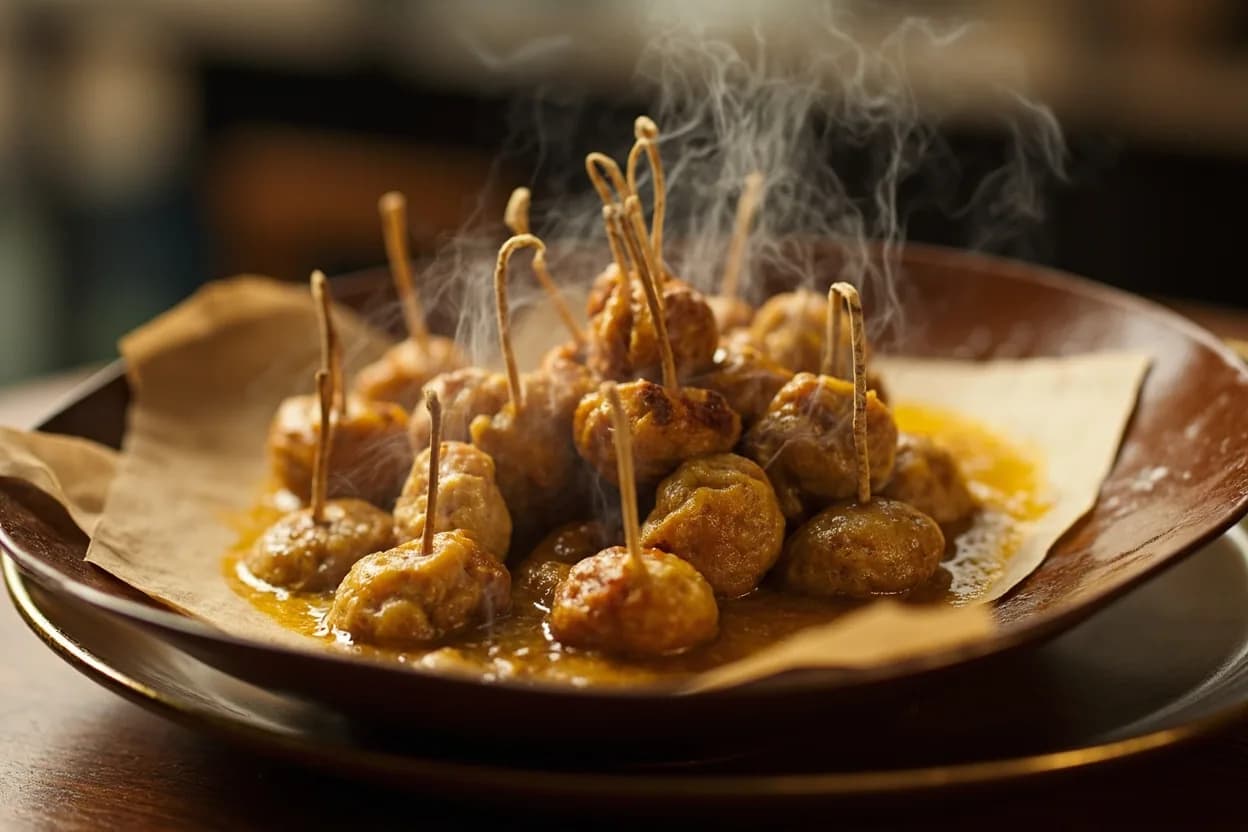
Libyan bazin is the most culturally significant use of barley flour as a primary starch. The dough is made by slowly adding barley flour to boiling water while whisking vigorously to eliminate lumps, then beating until the mixture is smooth, very stiff, and pulls away from the sides of the pot. It is served inverted onto a plate and eaten with a ladle of meat broth, a poached egg, and a pepper sauce. The dish is labor-intensive and traditional — the beating is essential for developing the gluten-free dough's texture and eliminating the lumps that ruin the smooth surface.
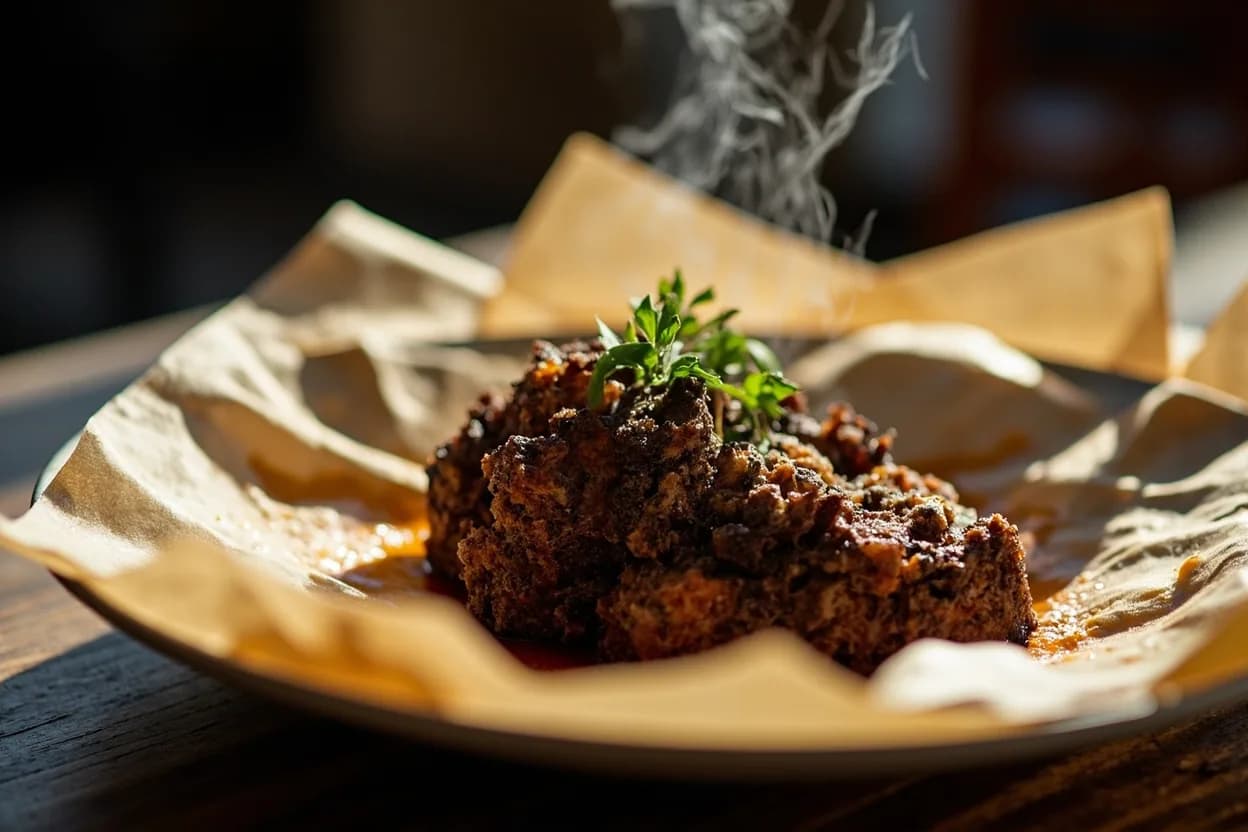
In Ethiopian cuisine, barley flour appears in unleavened barley flatbreads and as a partial substitute for teff in some injera traditions. In Scandinavian baking, it is used in crispbreads and dark rye-style crackers, where its dense, absorbent quality balances the sharp tang of sourdough and the earthy flavor of rye. These traditional uses share a common thread: barley flour is valued for what it does to texture and moisture rather than for raising or lightening.
- For bazin: whisk vigorously and beat the dough continuously as it thickens; stop when smooth and stiff
- In injera-style flatbreads: combine with teff flour in a 1:1 or 2:1 teff-to-barley ratio for traditional flavor and texture
- Scandinavian crispbreads benefit from 20–40% barley flour, which adds tenderness and moisture without making the cracker soft
- Barley flour's mild flavor allows strong seasonings — caraway, fennel, smoked salt — to dominate in savory cracker applications
Common uses
Tips & pitfalls
- Combine with wheat flour for yeast breads — 30–50% barley flour gives good results; above 50% produces a very dense crumb that may not hold its shape
- Increase liquid by 10–15% when substituting barley flour for wheat flour in bread recipes — the beta-glucan binds more water than wheat starch
- Barley flour does not rise as much as wheat; do not expect a tall loaf when using high proportions — a dense, flat result is normal, not a failure
- Store whole barley flour in the refrigerator or freezer to prevent rancidity — the germ oil goes rancid faster than refined wheat flour
- Sift before measuring if the flour has been sitting — barley settles densely in bags and can lead to inaccurate measurements and dry doughs
- For thickening soups and stews, use roughly half the amount of wheat flour called for — barley thickens significantly more efficiently
- Grind whole pearled barley at home in a high-speed blender or grain mill for fresher, more flavorful flour than most commercial products
- When making bazin, whisk constantly as you add flour to boiling water — lumps are difficult to eliminate once the dough thickens, and a smooth texture is essential
- Do not use barley malt flour as a direct substitute for regular barley flour in bread — its enzymatic activity will affect gluten development and rise unpredictably
- Barley flour's mild flavor makes it easy to overlook in seasoning — taste as you go and adjust salt and aromatics accordingly
Nutrition
Energy
1443 kJ · per 100 g
Where the calories come from
Protein
10.5g
21% DV
Carbs
74.5g
27% DV
Fat
1.6g
2% DV
Fiber
10.1g
36% DV
Sugars
0.8g
of which
Sodium
4mg
0% DV
Source · USDA FoodData Central · Barley flour or meal
View on FDC →In the shops
Matched grocery products
No matched grocery products for Barley Flour yet.
Good to know
- Source
- Milled from whole or pearled barley grain (Hordeum vulgare)
- Gluten
- Contains gluten (hordeins); not suitable for celiac or gluten-free diets
- Fiber
- High in beta-glucan soluble fiber, especially in whole-grain varieties; contributes to gut health and cholesterol reduction
- Flavor
- Mild, slightly sweet, nutty; subtler than whole wheat, with a quiet grain character
- Color
- Creamy tan to light beige, depending on whether the flour is from whole or pearled barley
- Shelf Life
- 6–12 months in an airtight container in a cool, dark place; up to 1 year in the freezer; whole barley flour should be refrigerated or frozen to prevent rancidity
- Baking Properties
- Low gluten content produces a dense, moist crumb; improves shelf life when blended with wheat flour; does not rise well on its own
- Typical Ratio in Bread
- 25–50% of total flour weight for good results; up to 100% for flatbreads and porridges; above 50% in yeast bread yields a very dense, flat loaf
Substitutes
- Oat Flour — Closest in mild flavor and dense, moist texture; use at 1:1 substitution but increase liquid slightly — oat flour also absorbs more water than wheat
- Whole Wheat Flour — Stronger nutty flavor; reduce liquid slightly; crumb will be denser; use 1:1 in most applications, but expect a heartier taste and coarser texture
- Rye Flour — Darker and more assertive in flavor; lower gluten than wheat; works well in flatbreads and heavy loaves; use 1:1, but note the distinct rye character
- Spelt Flour — Slightly sweeter and lower in gluten than wheat; similar density to barley flour in baking; 1:1 substitution works well, especially in quick breads and flatbreads
Pairs with
Also called
Bazin · Barley Meal
Appears in these dishes
Related

All-Purpose Flour
The do-anything flour for bread, cakes, sauces, and dredging

Bread Flour
High-protein flour for chewy, well-risen breads
Whole Wheat Flour
Nutty, whole-grain flour for hearty breads and bakes
Cake Flour
Fine, low-protein flour for tender, delicate cakes
Almond Flour
Nutty, gluten-free flour for macarons and tender bakes

Baking Powder
All-in-one leavener for fluffy cakes, pancakes, and biscuits

Baking Soda
Pure leavener that needs acid to lift — and tenderize
Yeast
Living leaven that makes bread rise and dough come alive