
Natural form
Fresh young bean leaves harvested from the plant, ready for cooking as greens.
Shows the reader exactly what the raw ingredient looks like — leaf shape, color, and texture — so they can identify it at a market or in a garden.
Produce
Bean Leaves
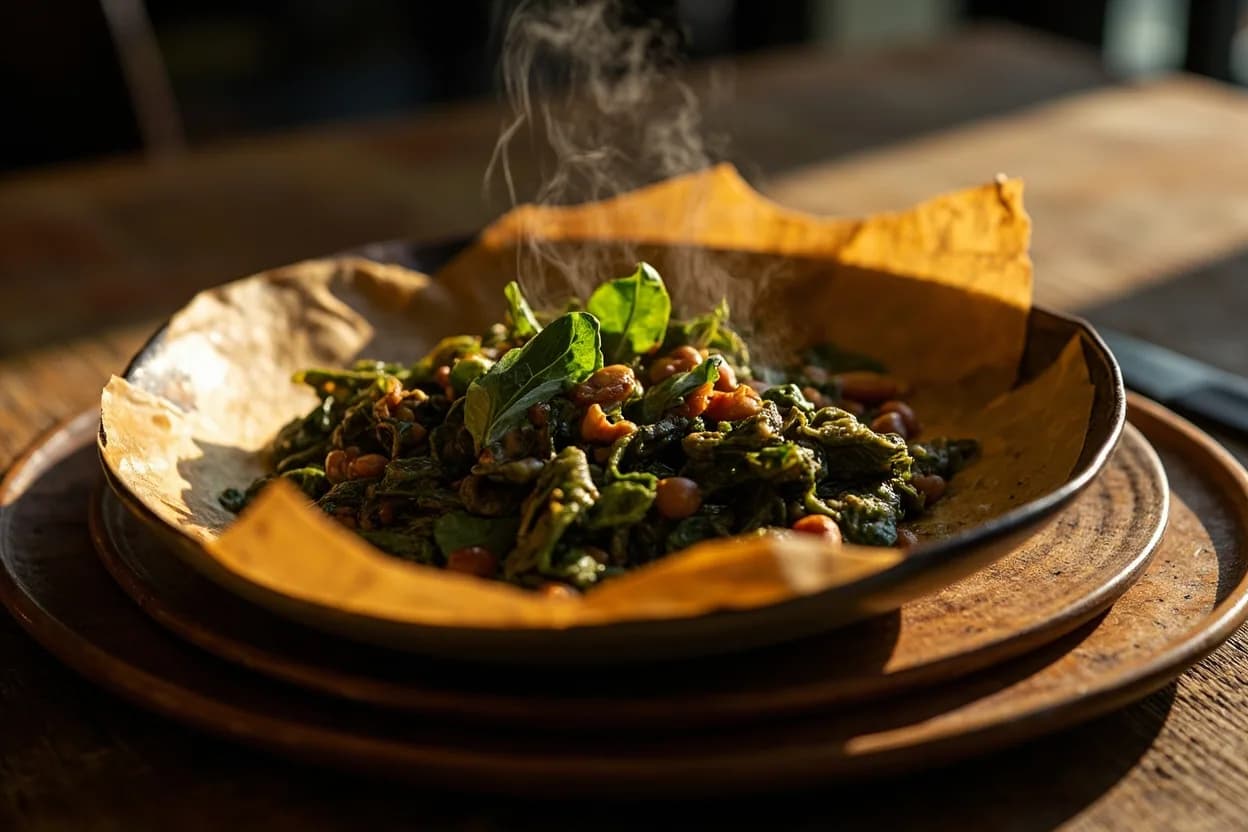
Tender leaves of the bean plant, cooked as leafy greens in African cuisines.
Bean leaves (tute) are the young, tender leaves of bean plants, eaten as a leafy green vegetable across parts of Africa. They are boiled or stewed, sometimes with groundnuts or coconut, and served as a nutritious side. The flavor is earthy and mild, similar to other dark cooking greens.
Bean leaves are the edible foliage of legume plants grown primarily for their pods or seeds, yet in many food traditions the tender young leaves are harvested as a separate, prized vegetable. While commercial agriculture typically strips plants to maximize pod production, smallholder farmers across Africa, Southeast Asia, and the Caribbean cultivate bean varieties specifically for their greens—or harvest leaves selectively without harming yields. The greens cook down like spinach or collards, with a mild, slightly earthy flavor that absorbs dressings, aromatics, and fats readily. Unlike many wild-foraged greens, bean leaves are notably gentle: they lack the assertive bitterness of dandelion or the astringency of sorrel, making them forgiving for cooks new to leafy greens. Their texture holds up better than spinach through cooking, making them versatile for stews, sautéing, and blanching. Nutritionally, they punch well above their weight: for a leafy green, they offer exceptional protein content, along with vitamins A and C, calcium, and iron—making them valuable in diets where meat is scarce.
- Measured in
- g
- Storage
- Fridge
Types & varieties
Most common variety used as greens in African cuisine; also called black-eyed pea greens or bean greens
Hyacinth bean leaves; popular in East Africa, East Asia, and the Caribbean
Leaves from snap beans or dried beans; tender when young; less commonly harvested in Western cooking
Used in Southeast Asian cuisines, particularly in stir-fries and soups
Four-angled bean leaves consumed in Papua New Guinea and Southeast Asia
Foraging and Garden Harvesting
If you grow beans at home, you have a ready supply of edible greens. Harvest only a few young leaves per plant—never defoliate completely or you will sacrifice pod production. Choose leaves from the top third of the plant where they are most tender; avoid yellowing or damaged foliage. When foraging wild cowpeas or other Vigna species, positive identification is essential: some legume lookalikes are toxic. Consult a reliable field guide or, better, source from a knowledgeable forager or reputable supplier. Unlike cultivated varieties, foraged greens may harbor grit or insects that require extra washing.
- Harvest young leaves from the top of bean plants; leave enough foliage for continued growth
- Always confirm identification before foraging any wild legume leaves
- Wash thoroughly—dirt and small insects collect in leaf crevices
Common uses
Tips & pitfalls
- Harvest or purchase young, tender leaves; older leaves become fibrous and develop an unpleasant texture
- Always cook bean leaves thoroughly—raw leaves contain cyanogenic glycosides that are neutralized by heat
- Add a splash of acid (lemon juice or tomato) during cooking to help maintain color and add brightness
- Do not overcook; like most leafy greens, they should be tender but retain some structure, typically 5-10 minutes depending on maturity
- When sautéing, start with aromatics in oil, add leaves with just the water clinging from washing, cover briefly to wilt, then uncover to cook off excess moisture
- For stews, add leaves in the last 10-15 minutes of cooking to prevent them from becoming mushy and gray
Nutrition
Energy
310 kJ · per 100 g
Where the calories come from
Protein
5.9g
12% DV
Carbs
14.1g
5% DV
Fat
1.1g
1% DV
Sodium
9mg
0% DV
Source · USDA FoodData Central · Winged bean leaves, raw
View on FDC →In the shops
Matched grocery products
No matched grocery products for Bean Leaves yet.
Good to know
- Origin
- Leaves from various Vigna and Phaseolus species; cowpea leaves originated in West Africa, common bean leaves in Mesoamerica
- Primary Use
- Cooked as leafy greens, similar to spinach or collards
- Flavor
- Mild, slightly earthy; less bitter than many wild greens
- Peak Season
- Young leaves harvested before or during bean pod formation, typically summer months in temperate zones
- Storage
- Refrigerate unwashed in a loose plastic bag; use within 2-3 days for best quality
- Preparation
- Wash thoroughly; remove tough stems from mature leaves
- Yield
- Moderate shrinkage when cooked; approximately 1 lb fresh yields 1-2 servings
- Key Cuisine
- West African (Nigerian, Ghanaian, Senegalese), East African, Caribbean, some South Asian preparations
Substitutes
- Spinach — Closest texture and mild flavor; cook slightly less time than spinach
- Collard Greens — Sturdier texture; may require longer cooking; remove central rib if leaves are large
- Swiss Chard — Similar mild flavor; stems cook like celery, leaves cook quickly
- Kale (lacinato/dinosaur) — Hardier texture; massage with oil if serving raw, or braise for tenderness
- Amaranth Leaves — Comparable earthy flavor and cooking properties; common in the same cuisines
Pairs with
Also called
Tute · Bean Leaves · Cowpea Leaves
Appears in these dishes
Related
Tomato
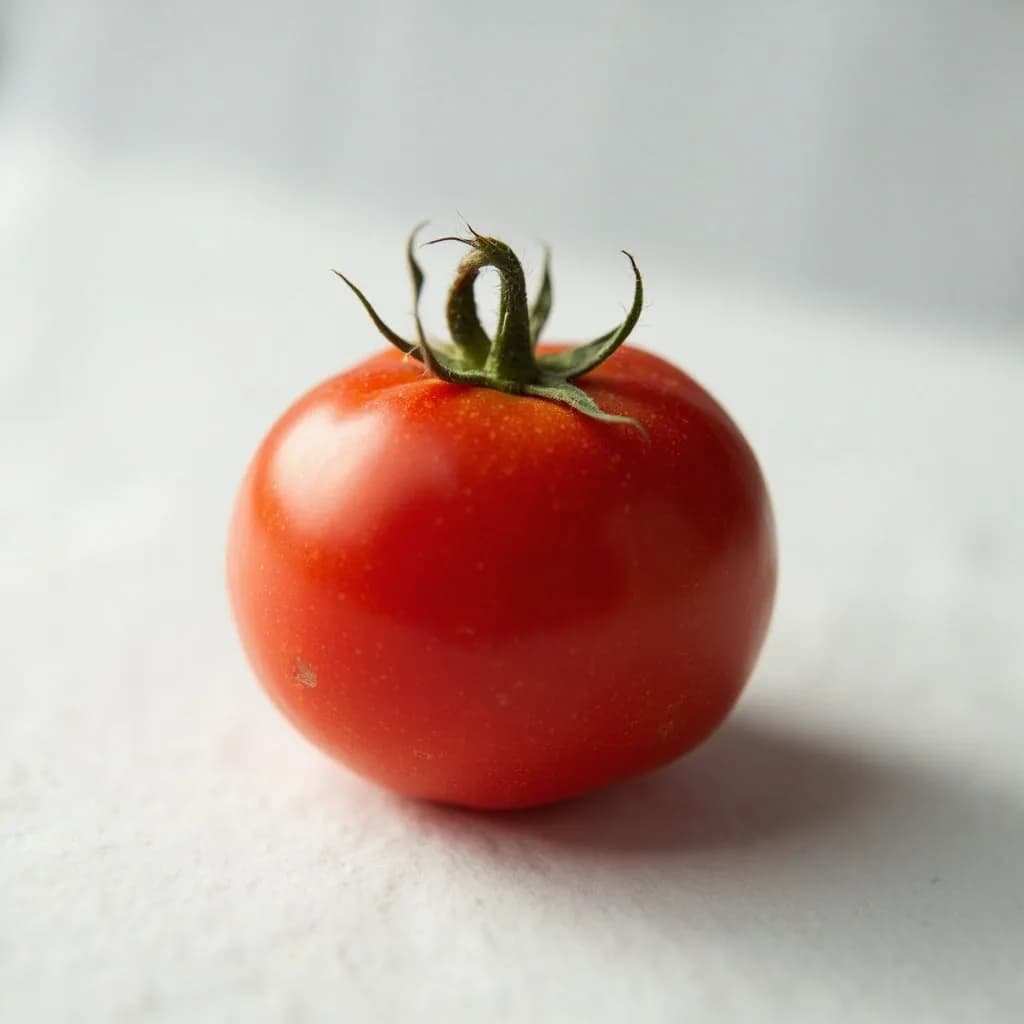
Juicy, sun-sweet fruit for sauces, salads, and slow-cooked depth
Yellow Onion
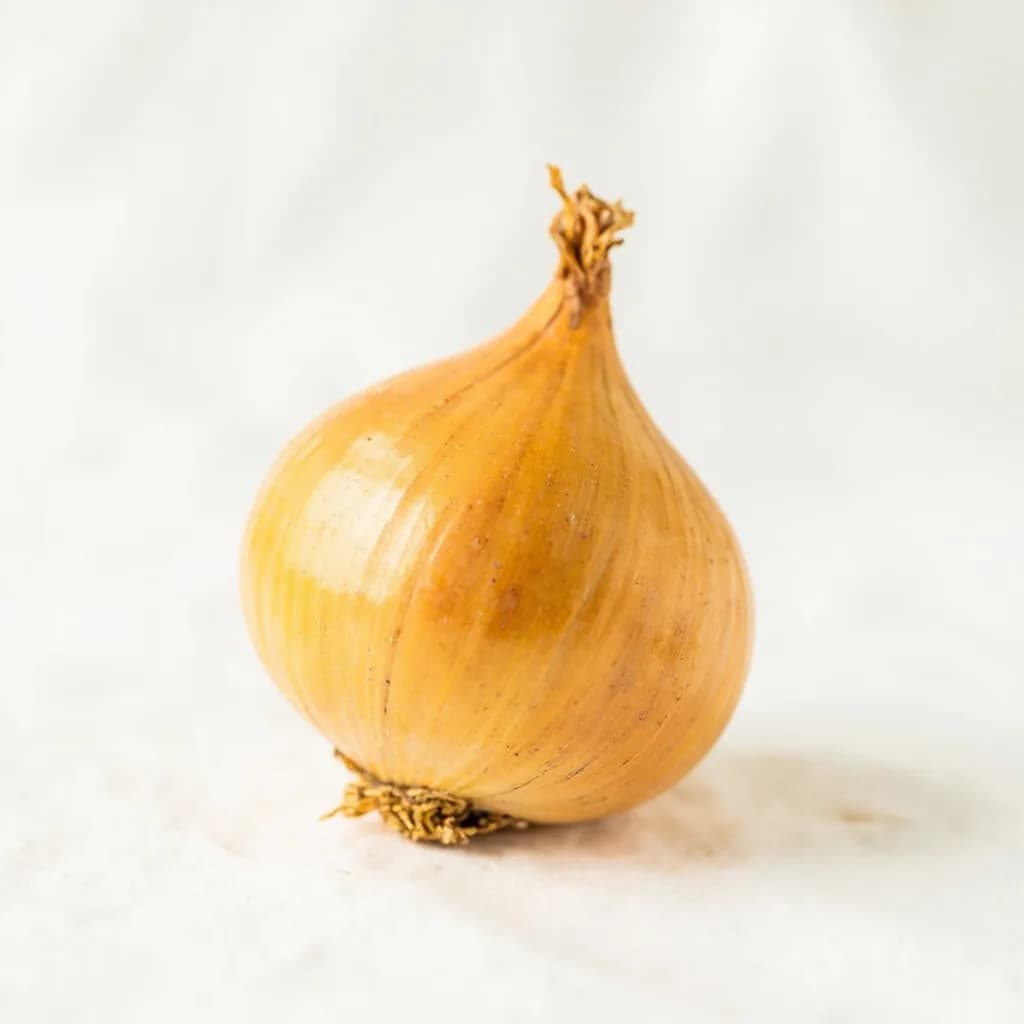
The aromatic backbone of soups, sofritos, and braises
Garlic
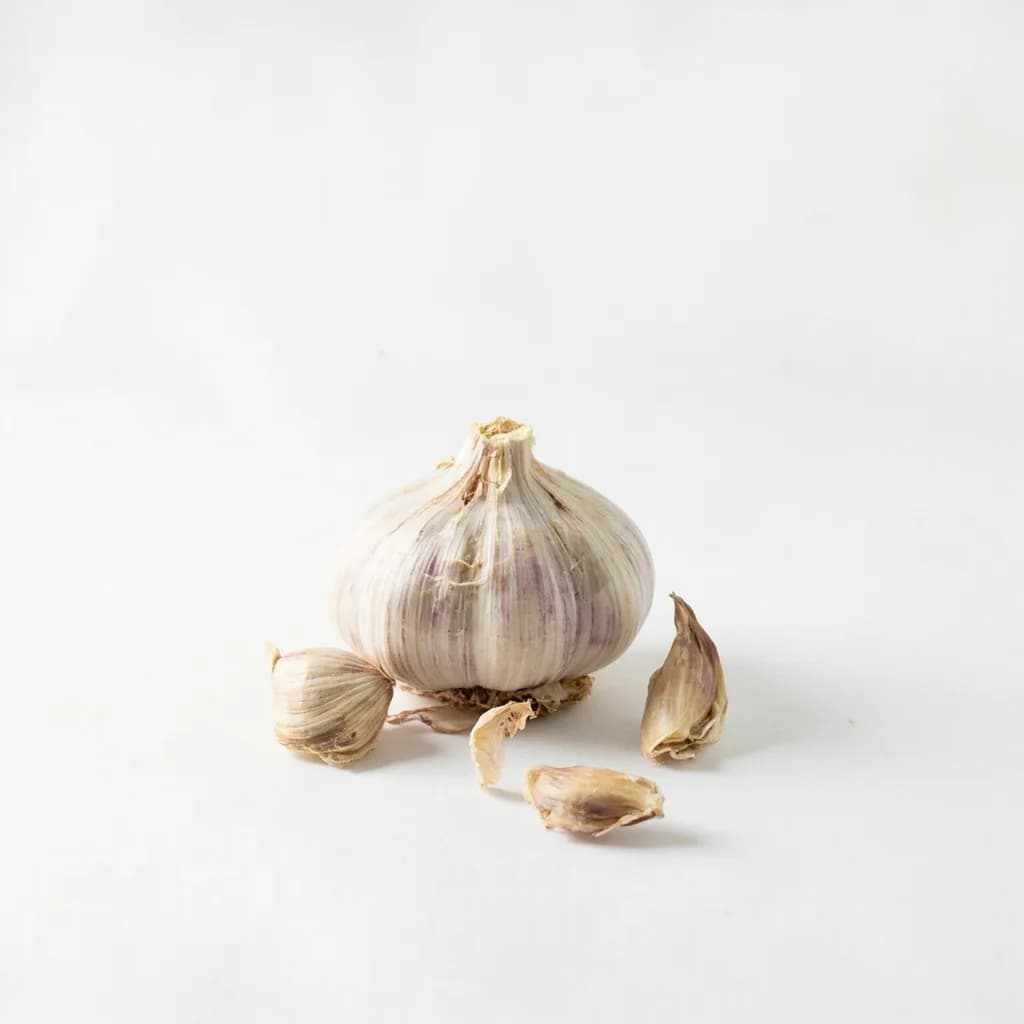
Pungent cloves that perfume nearly every savory dish
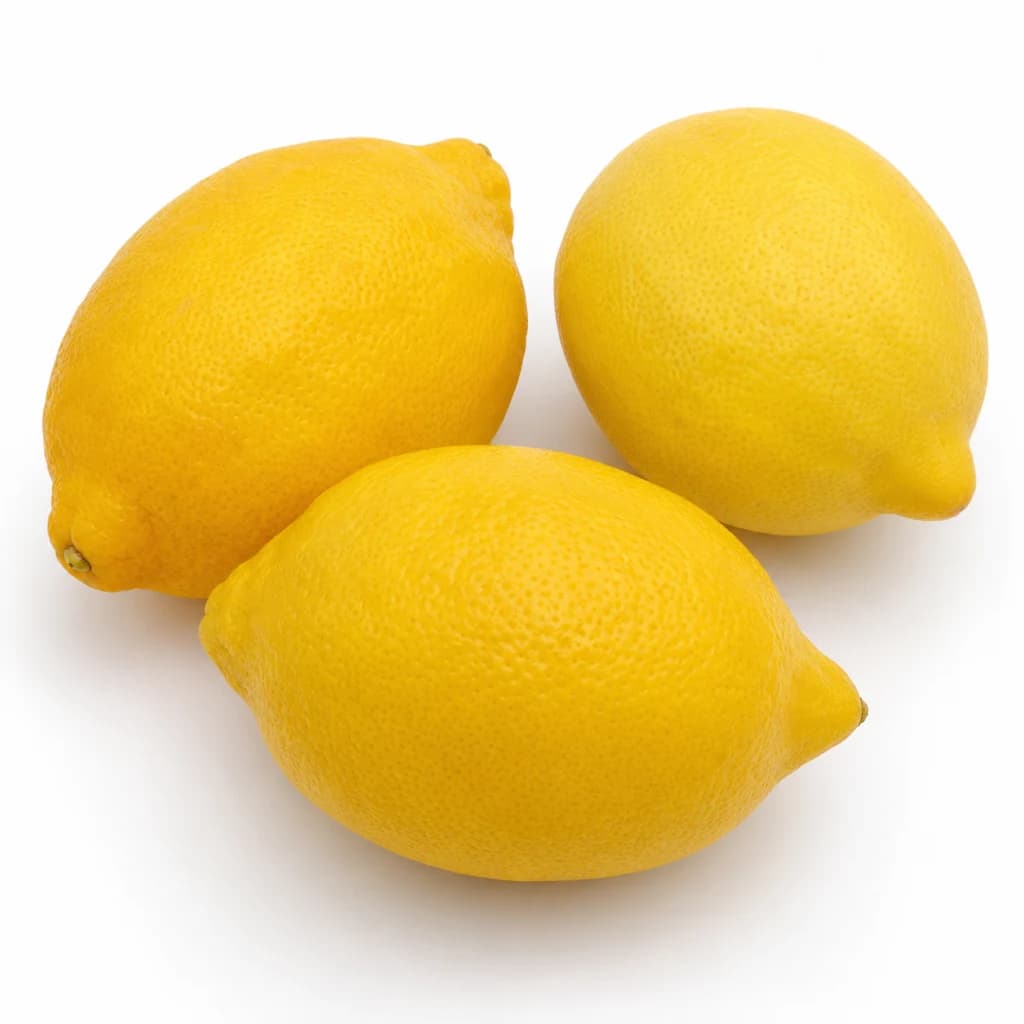
Lemon
Bright, acidic citrus that wakes up almost any dish
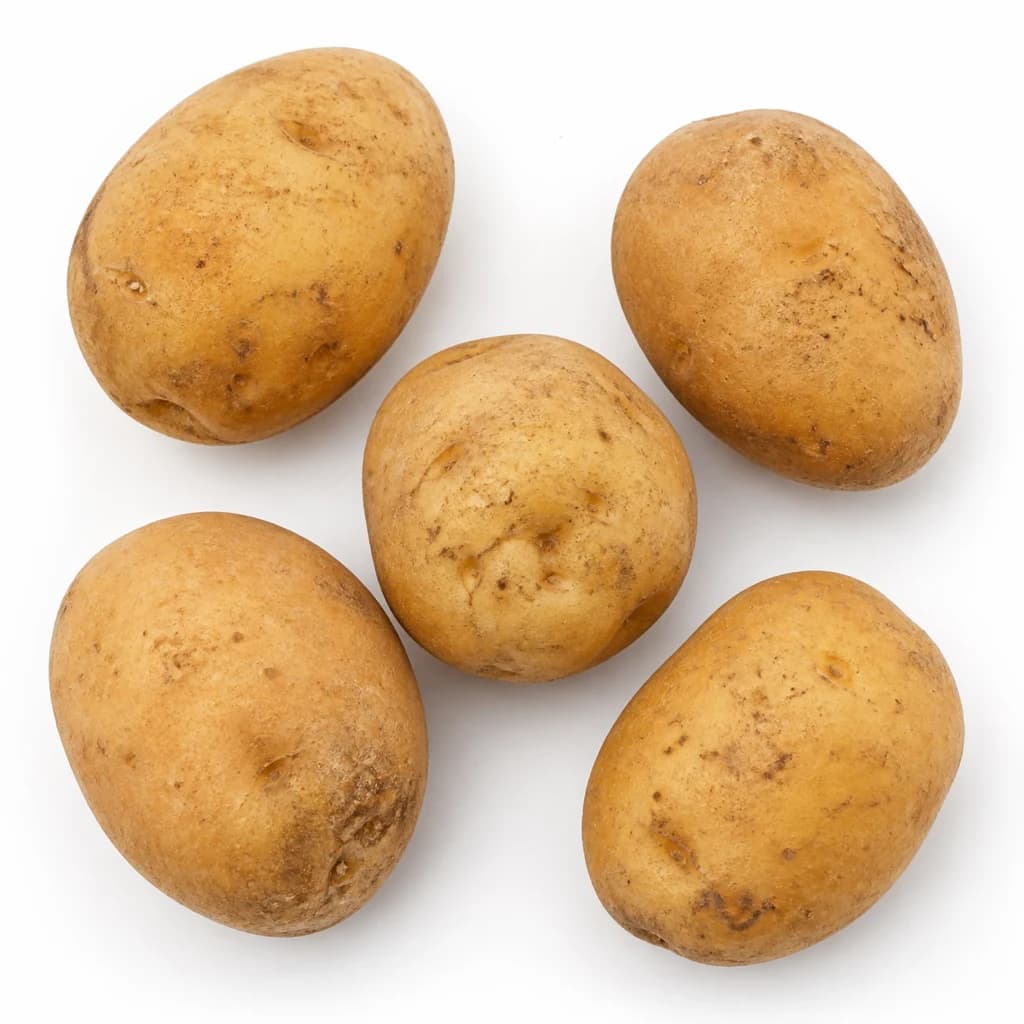
Potato
Humble, hearty staple — roast, mash, fry, or boil
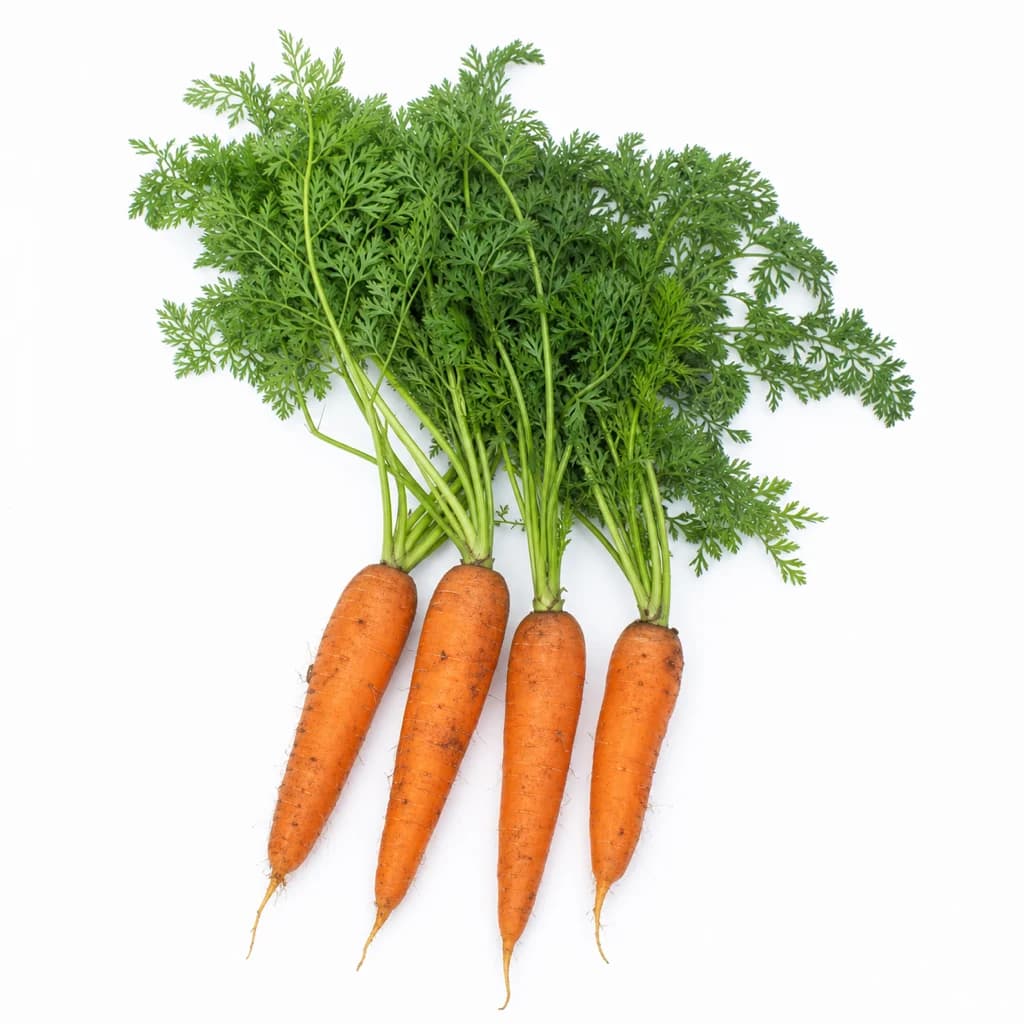
Carrot
Sweet, crunchy root — raw, roasted, or the base of a sofrito
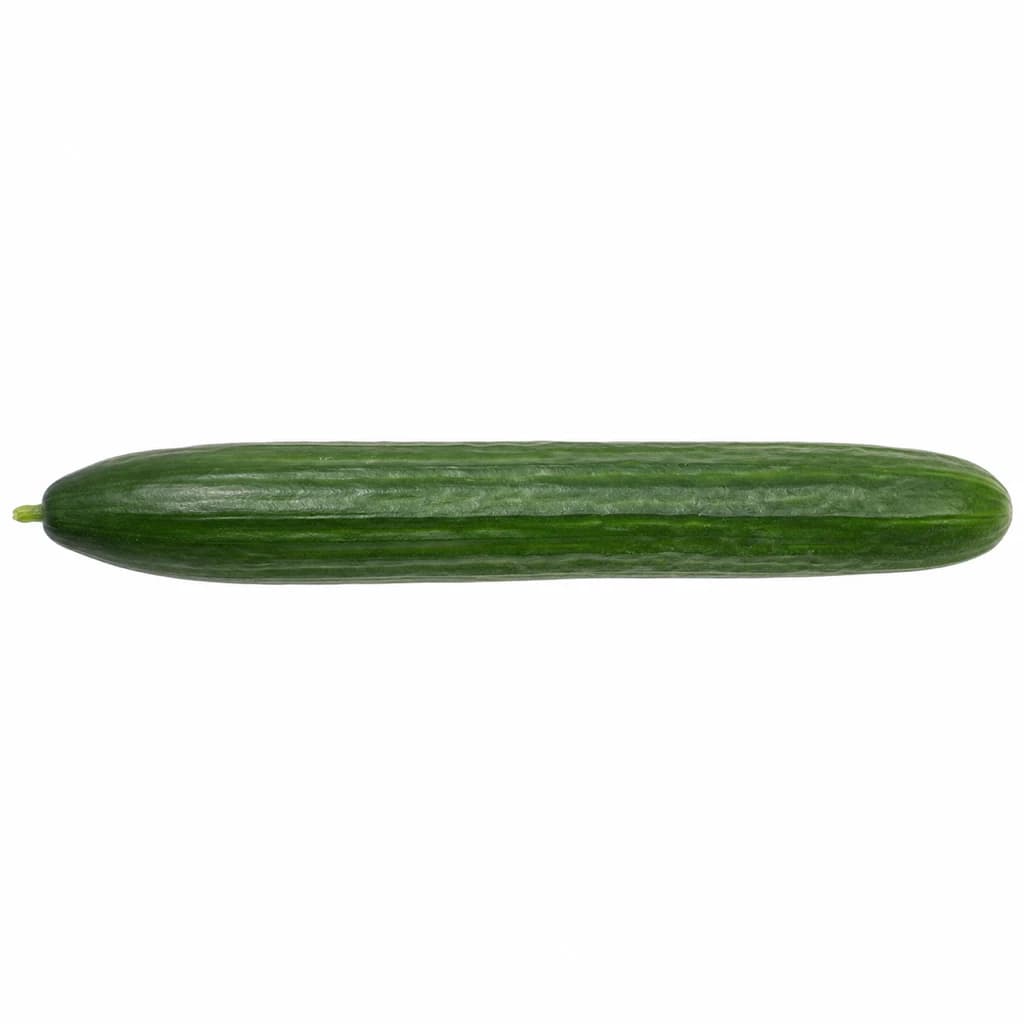
Cucumber
Cool, crisp, and watery — for salads, pickles, and tzatziki

Lettuce
Crisp leaves for salads, wraps, and a fresh crunch