Proteins
Beancurd Skin (Yuba)
Thin soy-milk film, fresh or dried, used as wraps, rolls, and in braises.
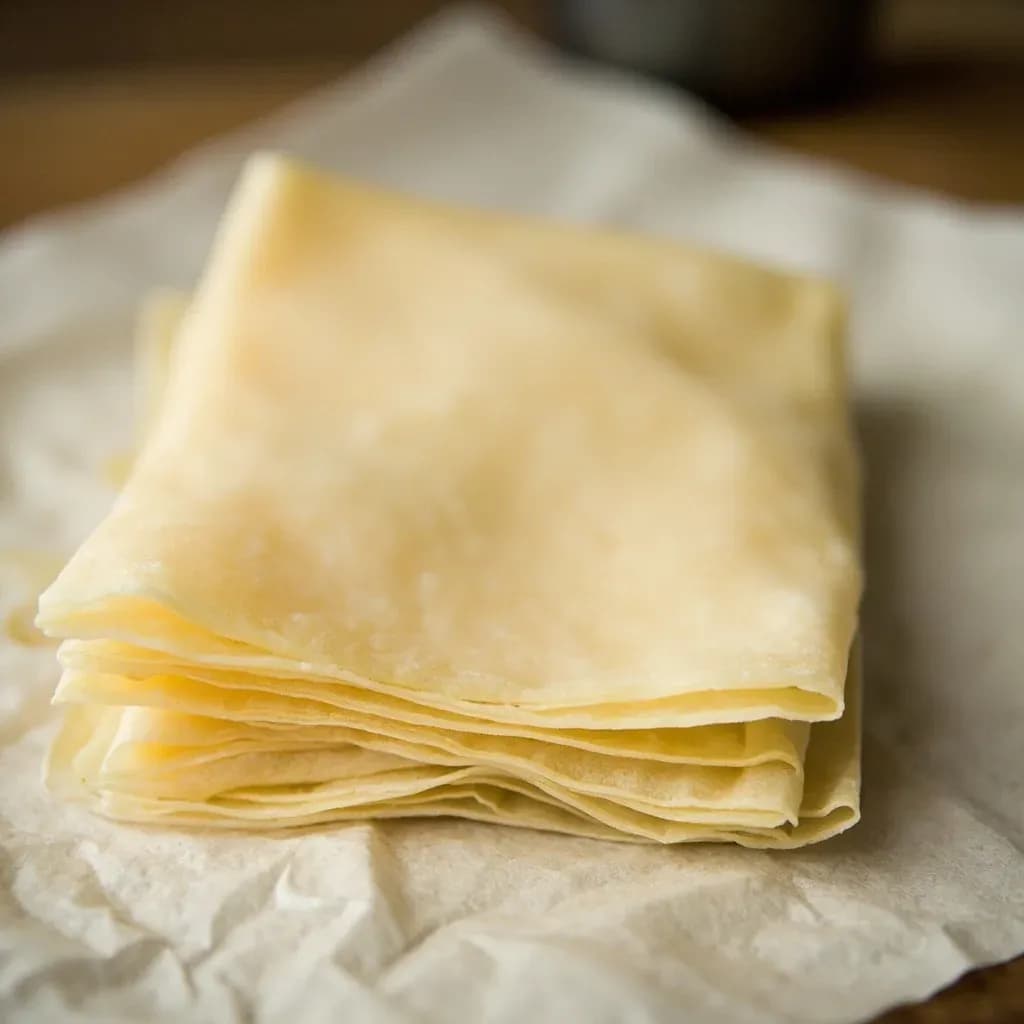
Beancurd skin, or yuba, is the thin film that forms on top of heated soy milk, lifted off and dried into sheets or sticks. It is a versatile soy protein used to wrap vegetarian rolls, layer into mock-meat dishes, and add chewy texture to braises and hot pots. Dried sheets are rehydrated before use; fresh yuba is silky and delicate.
Beancurd skin, known as yuba in Japanese and fuzhu (腐竹) in Chinese, is one of humanity's oldest processed soy foods — its use predates modern tofu by centuries. It forms through a deceptively simple process: when soy milk is heated in shallow trays, a protein-rich film spontaneously rises to the surface as water evaporates. This film is carefully lifted, gathered, and either sold fresh or dried. The result is a product of extraordinary versatility: silky and delicate when fresh, yielding a satisfying chew when layered and steamed, or hollow and crisp when fried. Yuba's neutral flavor makes it a canvas for bold seasonings, while its remarkable ability to absorb sauces makes it central to Buddhist vegetarian cooking, where it substitutes convincingly for meat in texturally satisfying ways. Its high protein content by dry weight — roughly 50% — provides a concentrated source of lysine, an amino acid often limited in grain-based diets.
- Measured in
- g
- Storage
- Pantry
Allergens
Types & varieties
Pale ivory sheets, very fragile. Sold floating in water in refrigerated cases at Asian markets. Most delicate texture; tears easily when lifted.
Dried in long strips or folded sticks; the most common commercial form. Drying concentrates flavor. Must rehydrate before use.
Flat, large sheets dried without folding. Versatile: used as wrappers or torn into pieces for braises.
Fresh yuba frozen for extended shelf life. Texture becomes slightly more resilient after freezing; thaw before cooking.
Pressed yuba that has been cold-smoked. Adds savory, smoky dimension. Sold in blocks or pre-sliced.
Small, twisted dried yuba pieces. Add chewy texture to soups and braises. Popular in Taiwanese cooking.
Extra-thick, premium fresh yuba from the first film of the day. Reserved for fine dining and banquet dishes.
Understanding Fresh vs. Dried Yuba
Fresh and dried yuba behave quite differently in the kitchen, and understanding this distinction prevents common failures. Fresh yuba is alive in a sense — it carries moisture and a fragile, silken quality. It should never be boiled directly, as it will dissolve into the liquid. Instead, add it to already-hot soups or braises only in the last 1–2 minutes of cooking. Dried yuba, by contrast, is a blank slate that must be rehydrated: soak in room-temperature water for 20–60 minutes depending on thickness. Never use hot water for rehydration — it softens the exterior while leaving a hard core, and the texture turns mealy rather than yielding.
- Fresh yuba: add at the end of cooking; dried yuba: rehydrate first, then cook normally
- Room-temperature soaking water for dried yuba; hot water ruins texture
- Fresh yuba tears easily — handle with wet hands or a palette knife
Creating Texture: Layering and Steaming
One of yuba's most useful properties is its ability to be layered. When fresh sheets are stacked and steamed together, they fuse into a single, firm sheet that can be sliced into strips or shredded. This technique transforms delicate yuba into something with genuine chew — convincing enough to substitute for pork in vegetarian dishes. The resulting texture is dense, slightly resilient, and holds together well in stir-fries. To do this, lay 3–5 fresh yuba sheets atop one another, fold once or twice, and steam for 15–20 minutes. Cool slightly, then slice or shred as needed.
- Stack 3–5 fresh sheets before steaming to create a firm, meat-like texture
- Steam for 15–20 minutes, then cool before slicing or shredding
- Layered, shredded yuba excels in vegetarian 'pulled pork' preparations
Common uses
Tips & pitfalls
- Fresh yuba is extremely fragile — handle with wet hands or a palette knife; it tears easily when lifted
- When rehydrating dried yuba, use room-temperature water; hot water makes the exterior soft while the interior remains hard and mealy
- Do not boil fresh yuba directly; it will dissolve. Add it only in the last 1–2 minutes of cooking to simmering or hot liquid
- Dried yuba fries best at 175–180°C (350–355°F); too hot and it browns before the interior puffs properly
- For wraps, soften fresh yuba briefly in hot (not boiling) water for 10 seconds to make it pliable without tearing
- A common mistake is not patting dried yuba completely dry after rehydrating before frying — moisture causes dangerous splattering and uneven browning
- Store fresh yuba submerged in water in the refrigerator, changing the water daily, to extend freshness
- In Sichuan cooking, yuba is often blanched first in boiling water with a pinch of salt to remove any beany odor before further cooking
Nutrition
Energy
243 kJ · per 100 g
Where the calories come from
Protein
2.6g
5% DV
Carbs
12.4g
5% DV
Fat
0.1g
0% DV
Fiber
2.5g
9% DV
Sodium
10mg
0% DV
Source · USDA FoodData Central · approx. Potatoes, raw, skin
View on FDC →In the shops
Matched grocery products
No matched grocery products for Beancurd Skin (Yuba) yet.
Good to know
- Origin
- China; documented use in Buddhist vegetarian cuisine since at least the Ming dynasty
- Also called
- Tofu skin, bean curd skin, fuzhu (腐竹) in Chinese, yuba in Japanese
- Made from
- Soy milk film — the protein-rich skin that forms on heated soy milk
- Primary flavor
- Mild, slightly nutty soy flavor; neutral when uncooked
- Typical forms
- Fresh sheets, dried sticks/sheets, frozen blocks, smoked
- Shelf life (fresh)
- Refrigerate submerged in water; use within 5–7 days, change water daily
- Shelf life (dried)
- Store airtight in cool, dark place; 6–12 months
- Protein content
- ~50% by dry weight; rich in lysine
Substitutes
- Dried tofu sheets — Similar texture and function; can often be used interchangeably in braises and wrappers, though flavor differs slightly
- Rice paper wrappers (bahn tráng) — Only for fresh rolls; achieves similar wrapping purpose but entirely different texture and flavor
- Spring roll pastry wrappers — For fried wraps only; does not work for fresh or braised applications
- Kelp sheets (kombu) — For soups and braises; adds umami but different texture and strong sea flavor
Pairs with
Also called
Tau Pok · Foo Pei · Yuba · Tofu Skin · Bean Curd Sheet
Appears in these dishes
Related
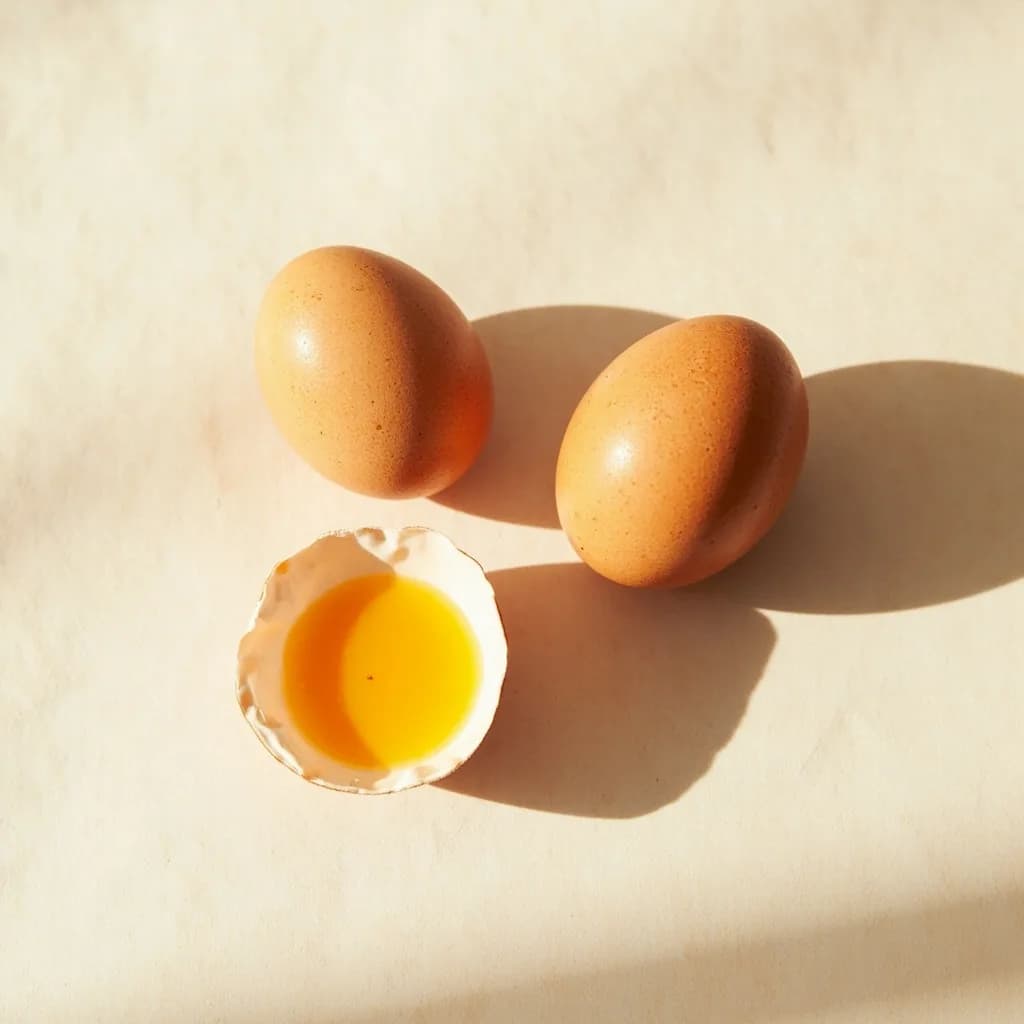
Egg
The kitchen's everything ingredient — bind, leaven, enrich, or fry
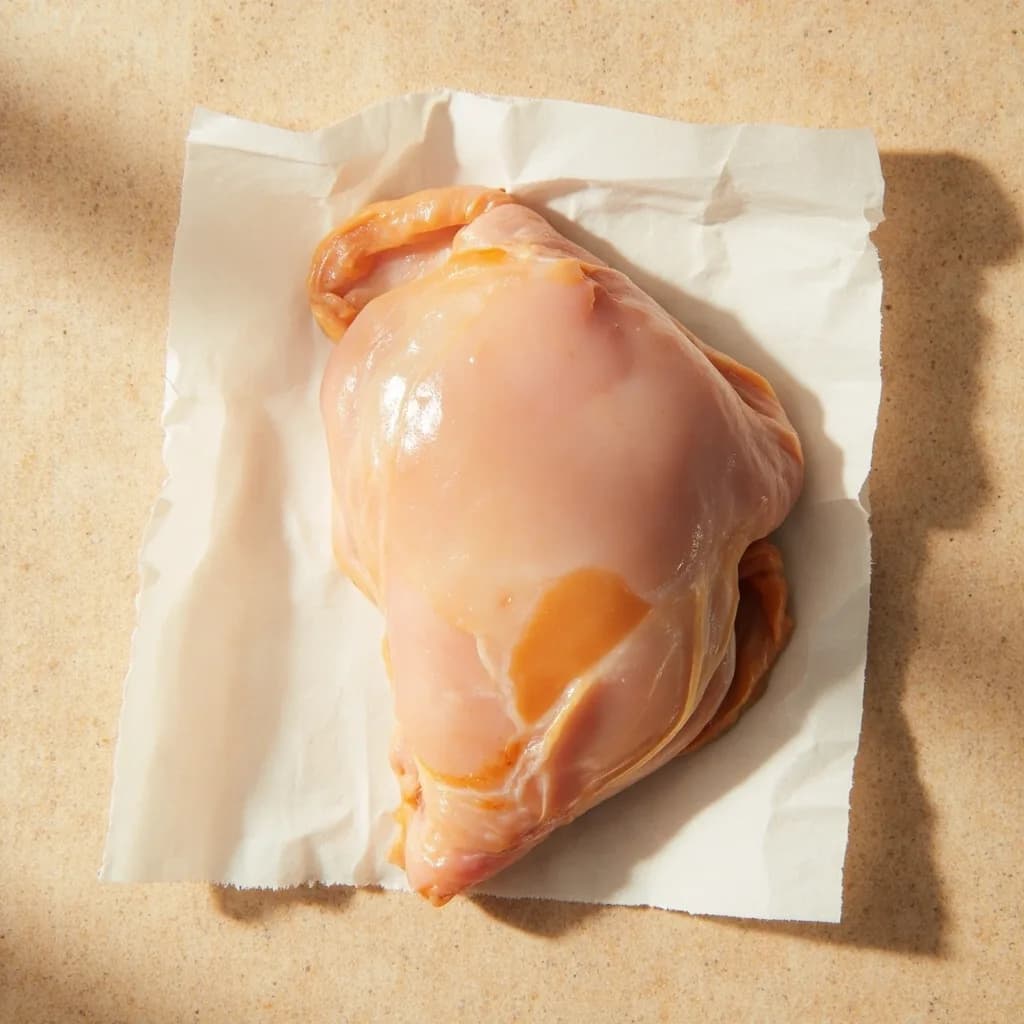
Chicken Breast
Lean, quick-cooking white meat for everyday dinners

Ground Beef
Versatile minced beef for burgers, ragù, tacos, and meatballs
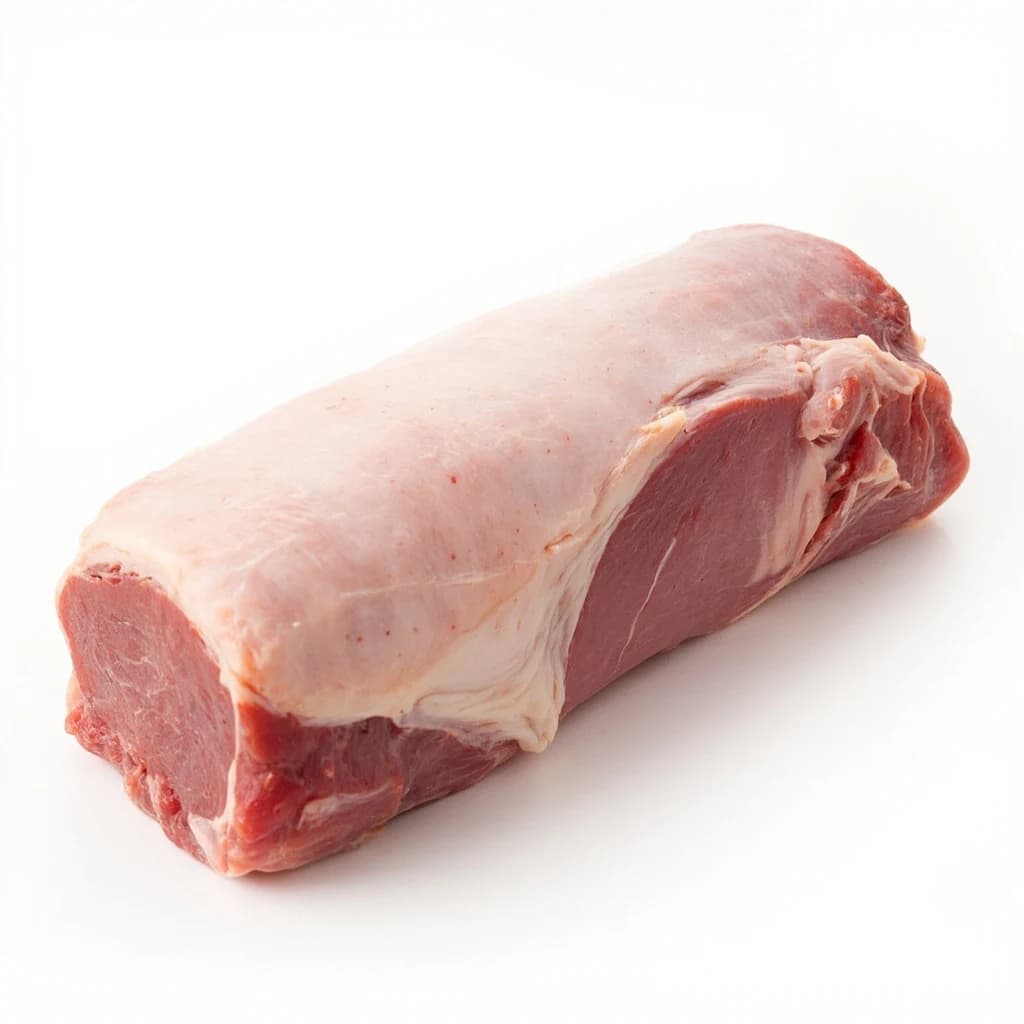
Pork Loin
Lean, tender roasting cut that stays juicy with care
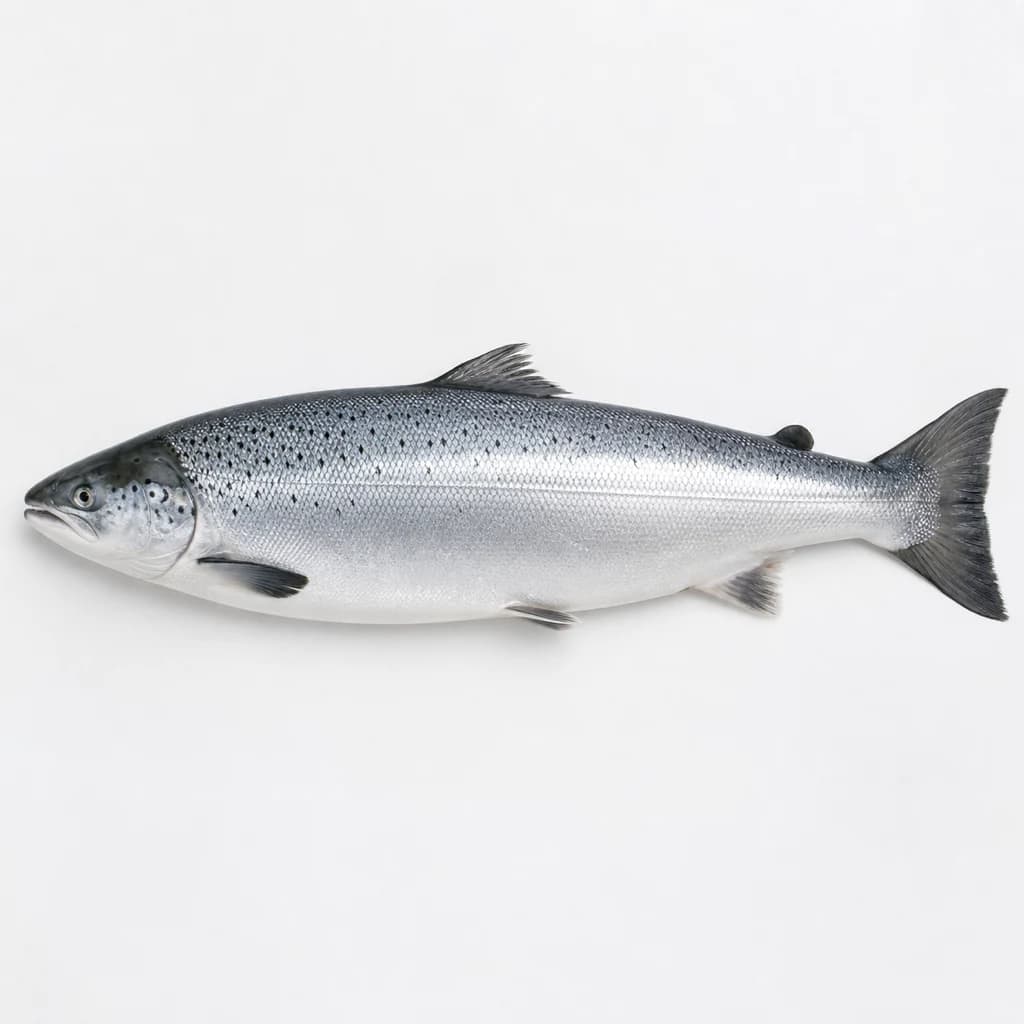
Salmon
Rich, rosy fish that roasts, grills, or cures beautifully

Egg White
Pure protein that whips to airy peaks for meringue and more
Egg Yolk
Rich, golden yolk for custards, mayonnaise, and pasta

Quail Egg
Tiny, speckled eggs for garnishing and elegant bites