Grains & Rice
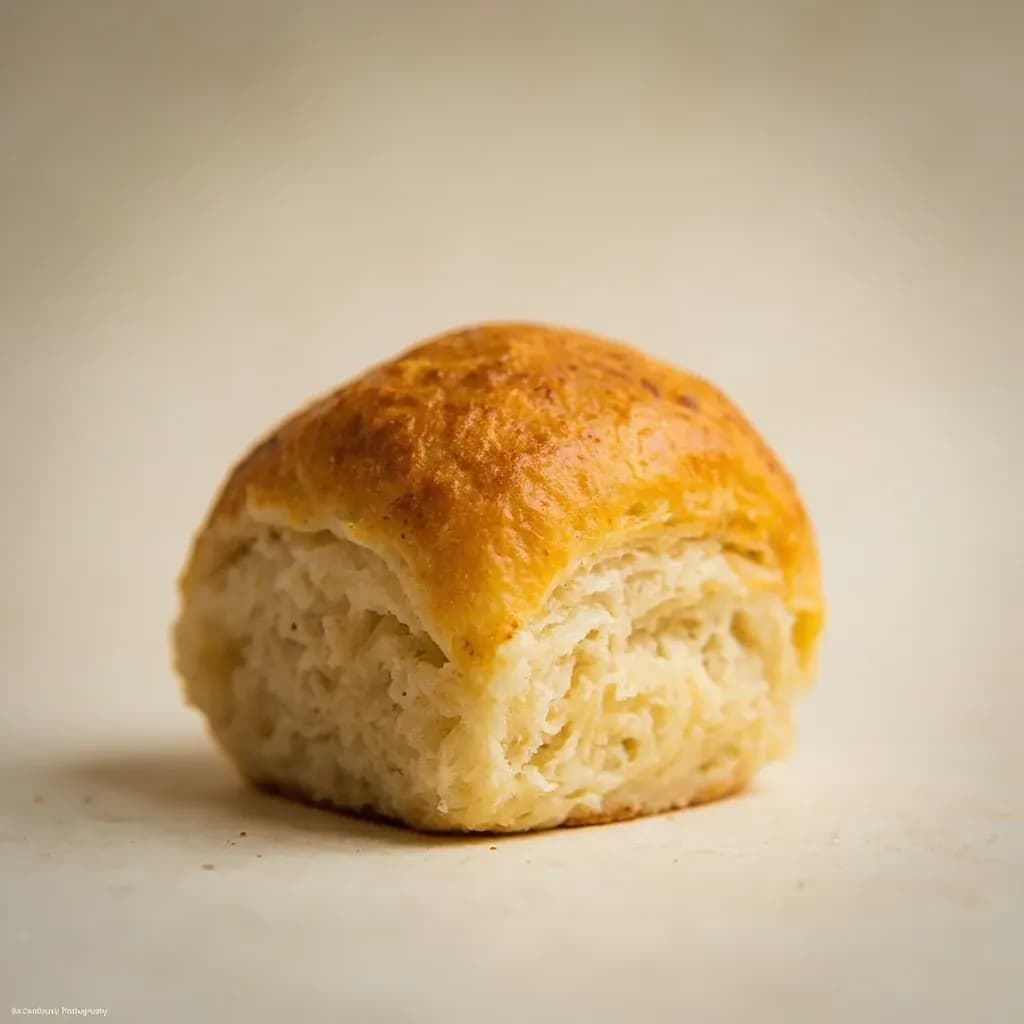
Bread Roll
Small individual wheat bread, split for sandwiches or served alongside meals.
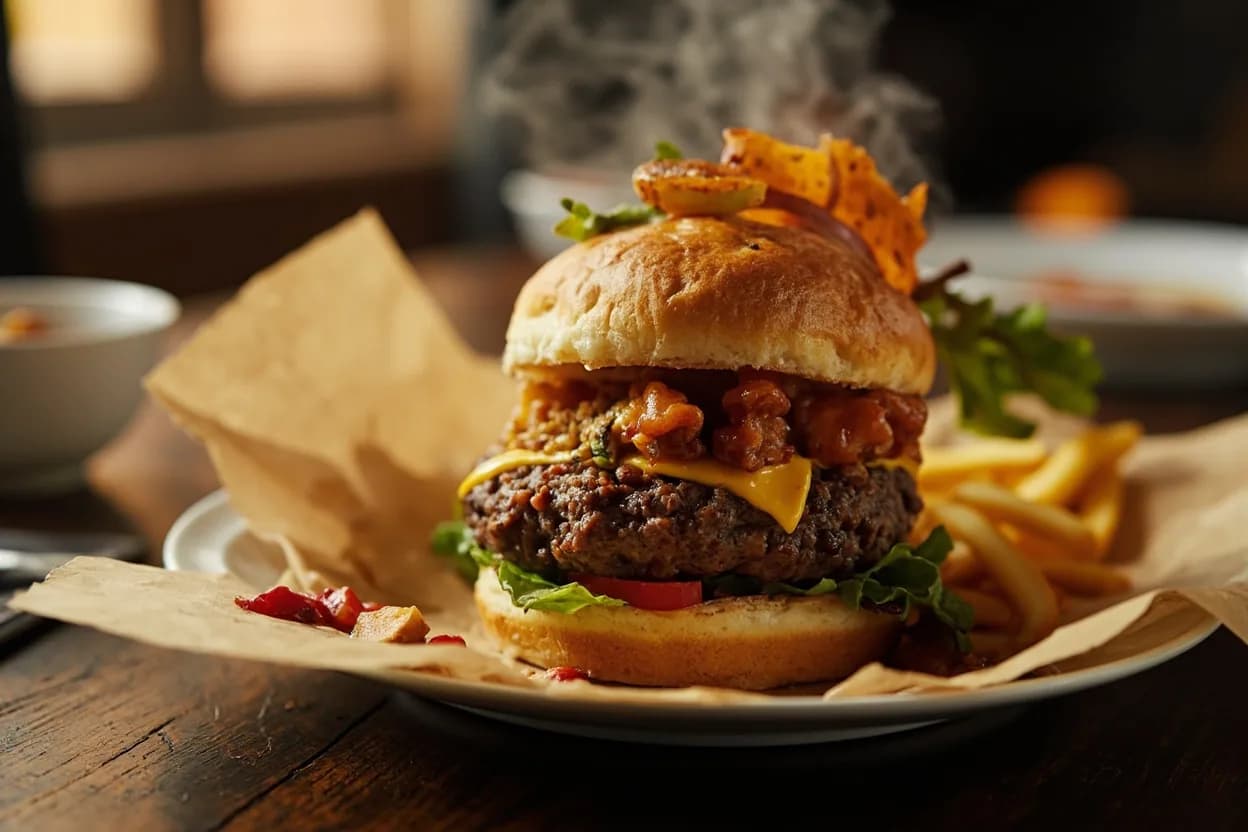
A bread roll is a small portion of yeasted wheat bread baked as an individual piece, such as the Czech rohlík. Rolls are split for sandwiches and burgers, served warm with butter beside soups and stews, or used stale in dumplings and stuffings. Crust and crumb vary widely from soft to crisp depending on the style.
Bread rolls are individual portions of yeast-leavened wheat bread, portioned for single serving and versatile enough to anchor a sandwich, accompany a meal, or stand alone as a simple pleasure. Their defining trait is portioning: where a loaf serves many, a roll serves one, which shapes everything from their size and structure to the way they are handled in the kitchen. The category spans an enormous range, from plain dinner rolls to highly engineered buns built for specific tasks — a hamburger bun must support layered fillings without collapsing, while a sub roll must offer enough chew to hold hearty deli meats without tearing.
The chemistry behind a good roll centers on gluten development and hydration. High-protein bread flour gives rolls their structural integrity — gluten forms an elastic network that traps the carbon dioxide produced by yeast, allowing the dough to expand and hold its shape during baking. Hydration levels between 55–70% determine the crumb: lower hydration yields a tighter, firmer texture suitable for sturdy sandwich rolls, while higher hydration produces an open, airy crumb like that of ciabatta. Most rolls rely on yeast leavening (instant or active dry), though enriched varieties add butter, eggs, or milk to create tenderness and a richer flavor profile.
Rolls have ancient roots in flatbread traditions, but they became distinct as European bakers refined yeast techniques in the medieval period. The Austrian Kaiser roll — recognizable by its crisp crust and characteristic star-shaped score — became a fixture in American delis by the early 20th century. Today, the category ranges from simple dinner rolls baked in muffin tins to precisely calibrated hamburger buns engineered by industrial bakeries. Understanding the specific role a roll plays in a dish — structural support, sauce absorption, flavor carrier — lets you choose the right variety and handle it properly at every stage.
- Measured in
- piece
- Storage
- Pantry
Allergens
Types & varieties
Round, slightly sweet, flat-topped for stacking fillings; typically sesame-seeded or plain.
Elongated, split lengthwise, slightly cupped to cradle the sausage.
Long, narrow, chewy crust with a soft interior; structural for deli sandwiches.
Round with a crisp crust and a characteristic star-shaped score on top; Austrian in origin.
Enriched with butter and eggs; tender, faintly sweet, golden crust.
Italian; open, airy crumb, crisp crust, high hydration dough.
Contains cooked mashed potato; exceptionally soft and moist; resists staling.
Folded oval shape; butterier and richer than standard dinner roll; American classic.
Three small dough balls per cup muffin tin; butter-rich; light and pull-apart.
General term for small, soft yeasted rolls served with meals; round or oval.
Miniature soft bun; 2-inch diameter; for small sandwiches and appetizers.
Made with partial or full whole wheat flour; denser, nuttier flavor.
Enriched with milk powder or liquid milk; soft, tender, pale crumb.
Choosing the Right Roll for the Job
Match the roll's characteristics to its function. Structural rolls (hamburger buns, sub rolls, slider rolls) need sufficient density and a tight crumb to support weight without falling apart. Dinner rolls prioritize tenderness and a tender crumb that soaks up butter or sauce. For open-crumbed Italian styles like ciabatta, the roll itself becomes part of the eating experience — crusty exterior giving way to an airy interior that soaks up olive oil or marinara.
- Hamburger and slider buns: look for a flat, stable top and a soft but substantial crumb.
- Sub and hoagie rolls: the crust should be chewy enough to hold together through a hearty fill, but not so hard it overwhelms the fillings.
- Dinner rolls: favor tenderness; enriched rolls like brioche or Parker House work best.
- For dunking into soups or sauces, choose a roll with a crisp crust that can withstand immersion without disintegrating.
Working with Day-Old or Stale Rolls
Stale rolls are not a problem — they are an opportunity. A roll that has dried out slightly is actually preferable for certain applications. The reduced moisture content makes the crumb more rigid and less likely to become soggy when exposed to liquids, and it toasts and crisps more readily. Day-old rolls are ideal for panzanella, bread salads, stuffings, and croutons, where you want the bread to hold its shape rather than dissolve into a mushy mess.
- For croutons: cut stale rolls into even cubes, toss with oil and seasoning, and bake at 375 °F until golden and crisp.
- For panzanella: tear stale rolls into rough pieces, let them sit overnight so they absorb the dressing without becoming too soft.
- To refresh a stale roll for sandwich use: mist lightly with water and bake at 350 °F for 5–7 minutes.
Common uses
Tips & pitfalls
- Store at room temperature in a paper bag or breathable container; plastic traps moisture and accelerates mold.
- Refresh day-old rolls: place in a 350 °F (175 °C) oven for 5–7 minutes until heated through and crusty.
- Freeze immediately after cooling; thaw at room temperature or toast directly from frozen.
- For sandwich rolls, let the cut side toast lightly in a dry pan or under a broiler — this prevents sogginess from fillings.
- When shaping, handle dough gently; overworking develops gluten excessively, yielding a tough, bready texture.
- Score the tops of dough before baking for rolls larger than 3 inches — shallow cuts allow controlled oven rise.
- Brush rolls with milk, egg wash, or melted butter before baking to achieve a glossy, golden crust.
- Avoid opening the oven door during the first 15 minutes of baking; sudden temperature drops cause rapid oven spring collapse.
- For a softer crust, place a pan of water in the oven during baking or mist the oven walls.
Nutrition
Energy
1343 kJ · per 100 g
Where the calories come from
Protein
10g
20% DV
Carbs
53.6g
19% DV
Fat
7.4g
9% DV
Fiber
3.1g
11% DV
Sugars
15.4g
of which
Sodium
253mg
11% DV
Source · USDA FoodData Central · Rolls, dinner, sweet
View on FDC →In the shops
Matched grocery products
No matched grocery products for Bread Roll yet.
Good to know
- Primary flour
- Wheat (bread or all-purpose)
- Leavening
- Yeast (instant or active dry); rarely chemical leavening alone
- Typical weight
- 50–100 g per roll
- Internal temp when baked
- 190–200 °F (88–93 °C)
- Shelf life
- 2–3 days at room temperature; 2–3 months frozen
- Storage method
- Paper bag at room temperature (not plastic, which promotes sogginess)
- Gluten content
- High — essential for gas retention and structure
- Hydration range
- 55–70% depending on desired crumb texture
Substitutes
- English muffin — Split and toasted; denser crumb but works for small sandwiches; similar neutral wheat flavor.
- Pita bread — Can be split and used as a pocket sandwich vessel; different texture but functional substitute.
- Baguette slice — Crispier and more open-crumbed; appropriate for open-faced sandwiches or as a side.
- Focaccia — Softer, herbed, and oilier; acceptable for sandwich use, especially Italian preparations.
- Toasted bread slices — Stale bread torn into pieces can stand in for croutons or stuffings.
Pairs with
Also called
Rohlík · Dinner Roll · Bun
Appears in these dishes
Related

White Rice
Fluffy long-grain rice — the neutral base for almost any meal

White Bread
Soft sandwich loaf for toast, sandwiches, and crumbs
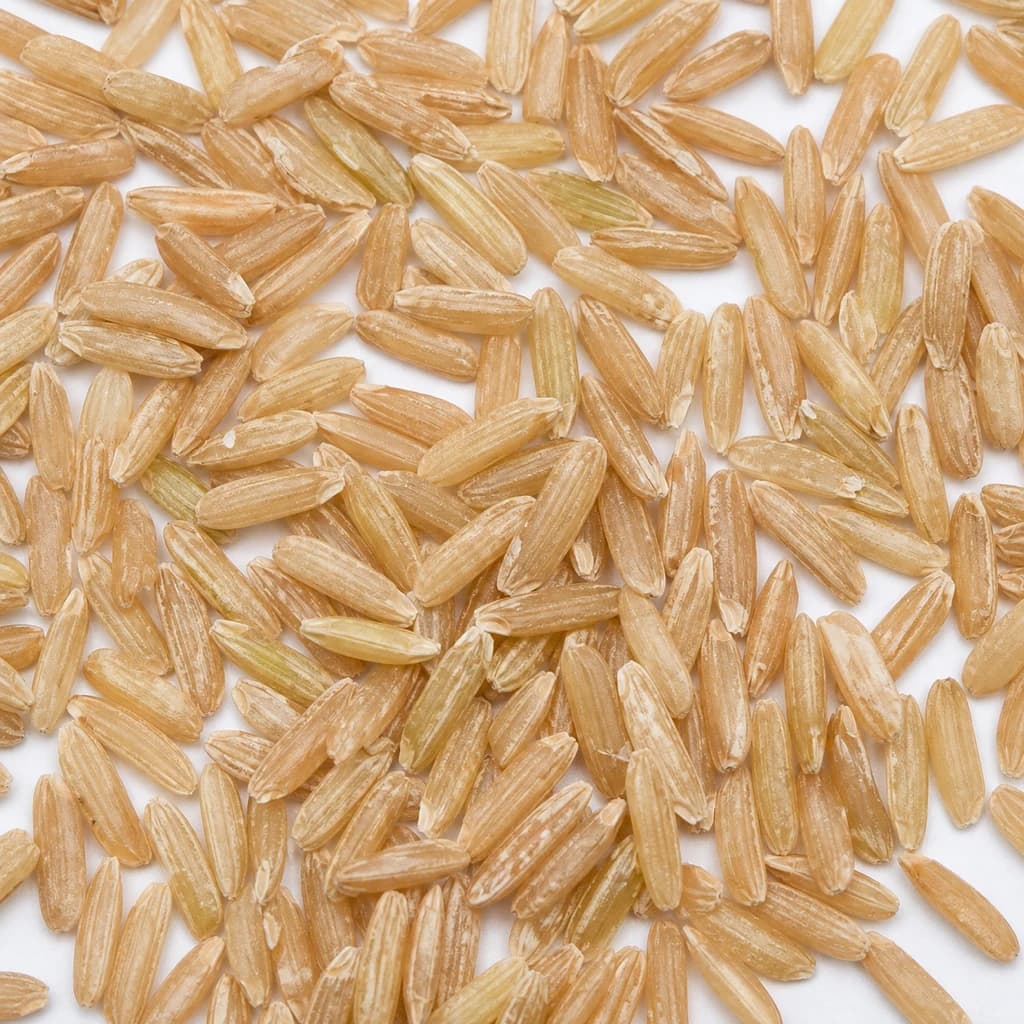
Brown Rice
Nutty, whole-grain rice with chew and extra fiber

Basmati Rice
Fragrant, long-grain rice that cooks up light and separate
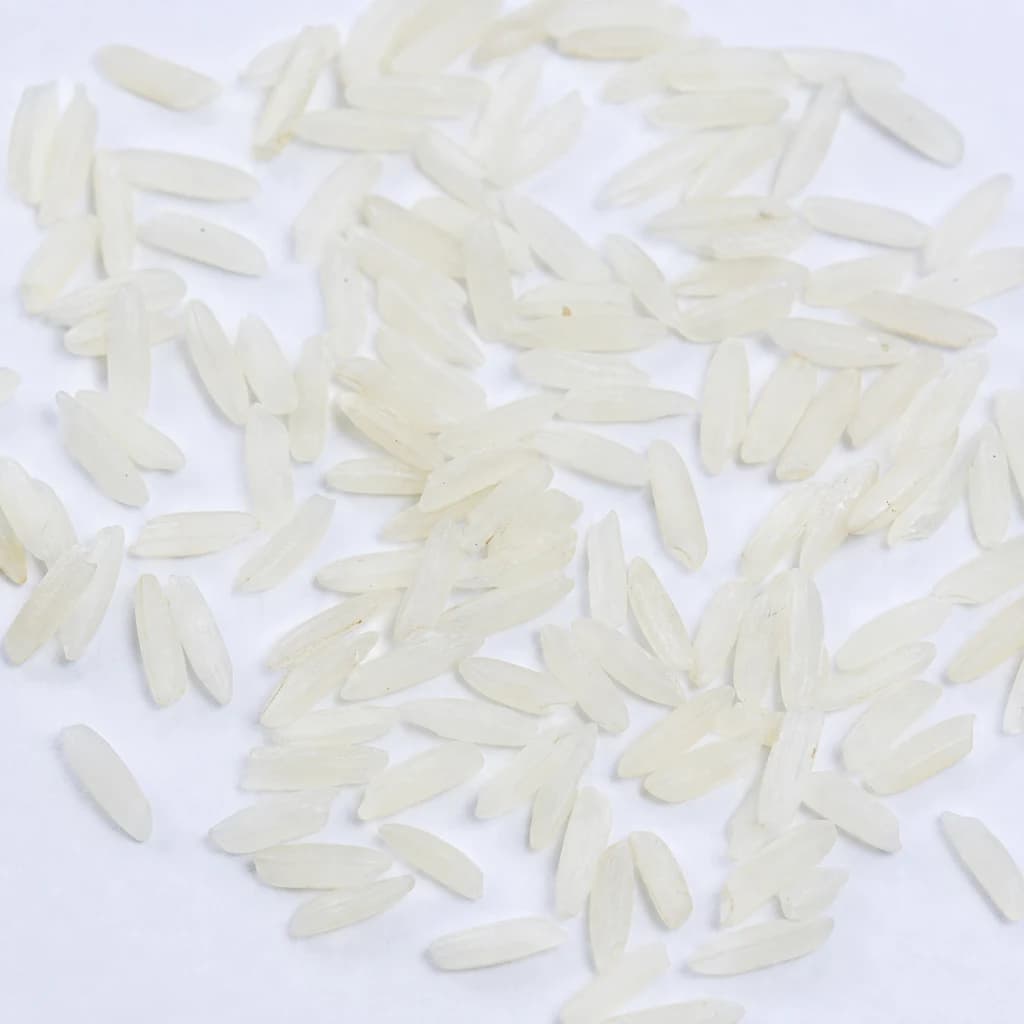
Jasmine Rice
Soft, floral-scented rice that's the pillar of Thai meals
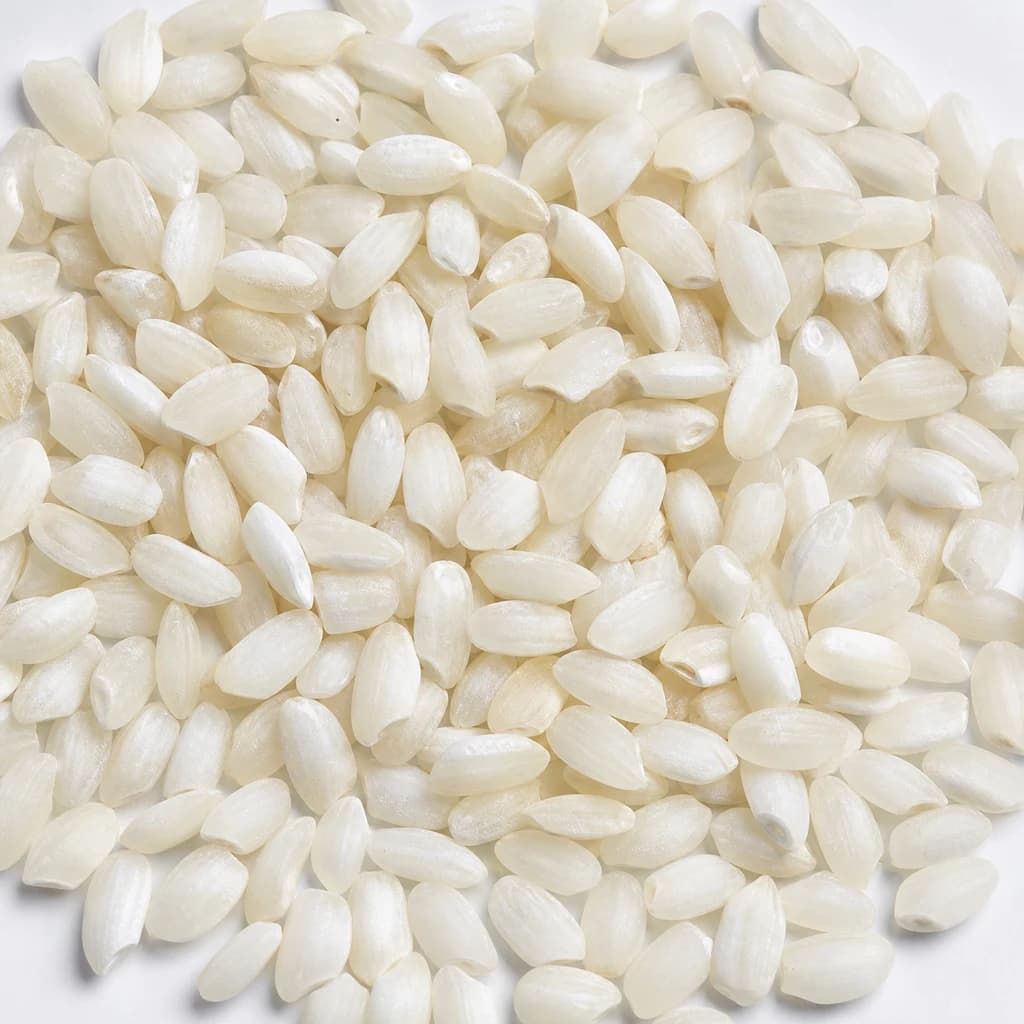
Arborio Rice
Plump, starchy rice that makes risotto creamy
Fusilli
Spiraled pasta that twirls up sauce and dresses cold salads
Rolled Oats
Hearty flakes for porridge, granola, and chewy cookies