Proteins
Brown Crab
Large Atlantic crab prized for sweet white claw meat and rich brown body meat.
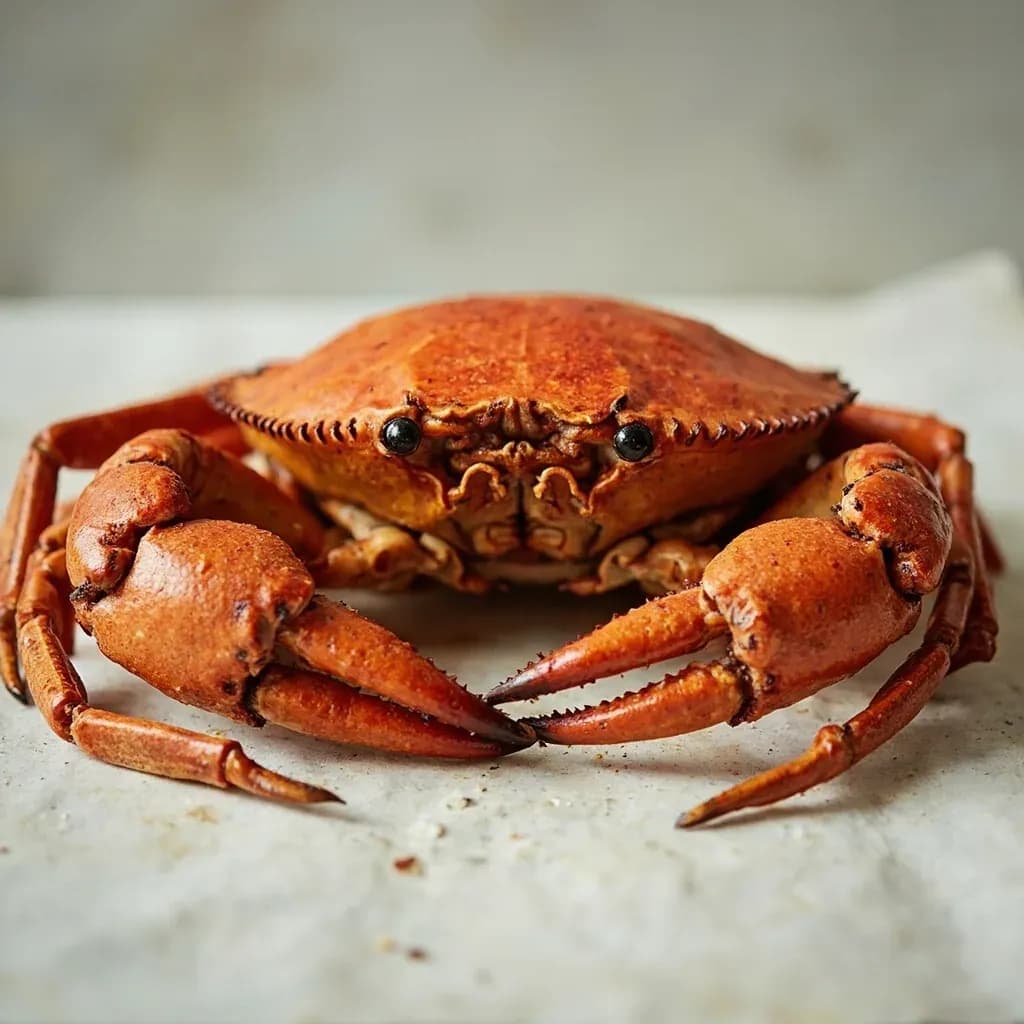
Brown crab is a large edible crab of the northeast Atlantic, recognizable by its pie-crust-edged shell. It yields sweet white meat from the claws and legs and intensely flavored brown meat from the body, used in dressed crab, bisques, and pasta. It is usually sold cooked, and the brown meat carries most of its deep, savory taste.
Brown crab (Cancer pagurus) is the principal edible crab of the North Atlantic, prized by chefs for its two distinctly different meats. The white meat from the claws and legs is sweet, flaky, and delicate, while the brown meat from within the carapace—technically the hepatopancreas and viscera—offers an intensely savory, almost bitter depth that is a cornerstone of classical French and British seafood cooking. These two textures and flavors behave quite differently in the kitchen: white meat requires gentle handling to preserve its tenderness, while brown meat stands up to reduction, enrichment, and long simmering without losing its character.
The term "brown crab" can mean either the species itself or specifically the dark meat within the carapace. This dual meaning reflects the crab's dual nature in cooking. A dressed crab dish traditionally combines both: the white meat dressed with mayonnaise and herbs for sandwiches or salads, the brown meat reserved for bisques, stuffings, or as a rich garnish. The brown meat constitutes roughly 80 percent of the total meat yield, making it the workhorse of the crab in professional kitchens. European fisheries rigorously regulate brown crab with minimum landing sizes and seasonal closures; always source from MSC-certified suppliers to ensure you are getting legally landed, sustainably harvested stock.
Freshness is paramount. Live brown crabs deteriorate rapidly once stressed or killed, developing off-flavors within hours. The crab's shelf life as a live product is only 24–48 hours in a cool, damp environment, and dead uncooked crabs must be cooked immediately or discarded. Purchased as picked meat, the product is even more perishable: one to two days refrigerated, up to three months frozen. The moderate to high difficulty of cooking live crabs deter many home cooks, but purchasing pre-cooked whole crabs or already-picked meat makes this prized ingredient accessible to anyone willing to handle it with care.
- Measured in
- piece
- Storage
- Fridge
Allergens
Types & varieties
European edible crab; the primary commercial species for the UK and Atlantic European markets
North Atlantic species closely related to brown crab; smaller, with sweeter white meat
White Meat vs. Brown Meat
Understanding the distinction between these two products is fundamental to cooking brown crab well. White meat comes from the claws and legs, offering flaky, sweet, oceanic flavor that is delicate enough to be overwhelmed by heavy seasoning. It is the star of crab cakes, cold salads, and cocktails where its purity is celebrated. Brown meat occupies the body carapace and is technically the hepatopancreas and associated viscera. It has a rich, almost unctuous texture and a savory, faintly bitter depth that holds up beautifully to cream, butter, wine, and aromatic additions. In French and British classical cooking, brown meat forms the foundation of bisques, sauces, and stuffings. A skilled cook uses both intentionally, not as an afterthought.
- Never substitute one meat type for the other in recipes that call for both—they behave and taste differently
- Brown meat discolors quickly when exposed to acid; add lemon juice sparingly when incorporating into warm preparations
Buying and Storing
The single most important decision when purchasing brown crab is freshness. Live crabs should be active, heavy for their size, and free of any ammonia or sour odor. A strong ammonia smell indicates decomposition, not ocean-fresh brinishness. If buying whole cooked crabs, the shell should be firm and intact with no cracks. Picked meat should smell clean and oceanic—never fishy or sour. Because brown meat spoils faster than white, plan your preparation around the crab's condition: cook live crabs within 24 hours of purchase, use picked meat within one to two days, or freeze immediately in airtight portions for up to three months.
- Buy live only if you can commit to cooking them within 24 hours
- Dead uncooked crabs are dangerous—cook immediately upon death or discard
- Frozen brown meat works well for stocks and bisques where the slight textural change is unnoticeable
Common uses
Tips & pitfalls
- Buy live crabs only if you can cook them within 24 hours; stress kills them quickly and ruins the sweetness of the meat
- The classic cooking method is plunging live crabs into boiling salted water for 15–25 minutes depending on size, then cooling in ice water to stop carryover cooking
- Test freshness: live crabs should be active and responsive; dead crabs must be cooked immediately or discarded—never eat uncooked dead crab
- To extract brown meat cleanly, split the body carapace, scoop out the brown meat and tomalley (liver), and rinse the shell thoroughly
- Do not overcook: crab meat becomes tough and waterlogged beyond 25 minutes and loses its sweetness
- Brown meat is highly perishable—if you are not using it within 24 hours, freeze it in airtight portions or convert it to a bisque immediately
- When cracking claws, use the back of a heavy knife or a dedicated crab cracker to avoid shredding the white meat
- Save all shells and brown meat trimmings for a rich fish stock or bisque base—do not discard them
- Avoid crabs with a strong ammonia smell, which indicates decomposition rather than freshness
- A dressed crab refers to the entire crab prepared for the table with both meats separated and dressed separately—know which meat your recipe requires
Nutrition
Nutrition
No USDA FoodData Central match for Brown Crab yet. We surface a per-100 g profile once a generic whole-food entry is matched and verified.
In the shops
Matched grocery products
No matched grocery products for Brown Crab yet.
Good to know
- Scientific Name
- Cancer pagurus
- Origin
- North Atlantic, North Sea, and English Channel; Norway to Morocco
- Peak Season
- Varies by region; UK typically May–October, with best quality late summer
- Flavor Profile
- White meat: sweet, delicate, oceanic. Brown meat: rich, briny, intensely savory with a slightly bitter edge
- Meat Yields
- White meat ~20% (claws and legs); brown meat ~80% (body carapace and viscera)
- Market Size
- 500 g–2 kg live weight; carapace up to 25 cm across for mature adults
- Shelf Life (Live)
- 24–48 hours in cool, damp environment
- Shelf Life (Picked Meat)
- 1–2 days refrigerated; up to 3 months frozen
Substitutes
- Dungeness crab — Pacific species with similar white meat sweetness; less brown meat available; best whole-cooked substitution
- Jonah crab — Smaller North Atlantic species; excellent white meat quality; the closest substitute in North American markets
- King crab — Large legs yield substantial white meat; milder flavor; not a substitute for brown meat in stocks or bisques
- Lump crab (blue crab) — Available picked in most markets; pure white meat; excellent for crab cakes and salads but lacks brown meat equivalent
- Canned crab meat — Often a blend of species; acceptable for prepared dishes but lacks fresh sweetness and contains no true brown meat
Pairs with
Also called
Edible Crab · Cromer Crab
Related
Egg
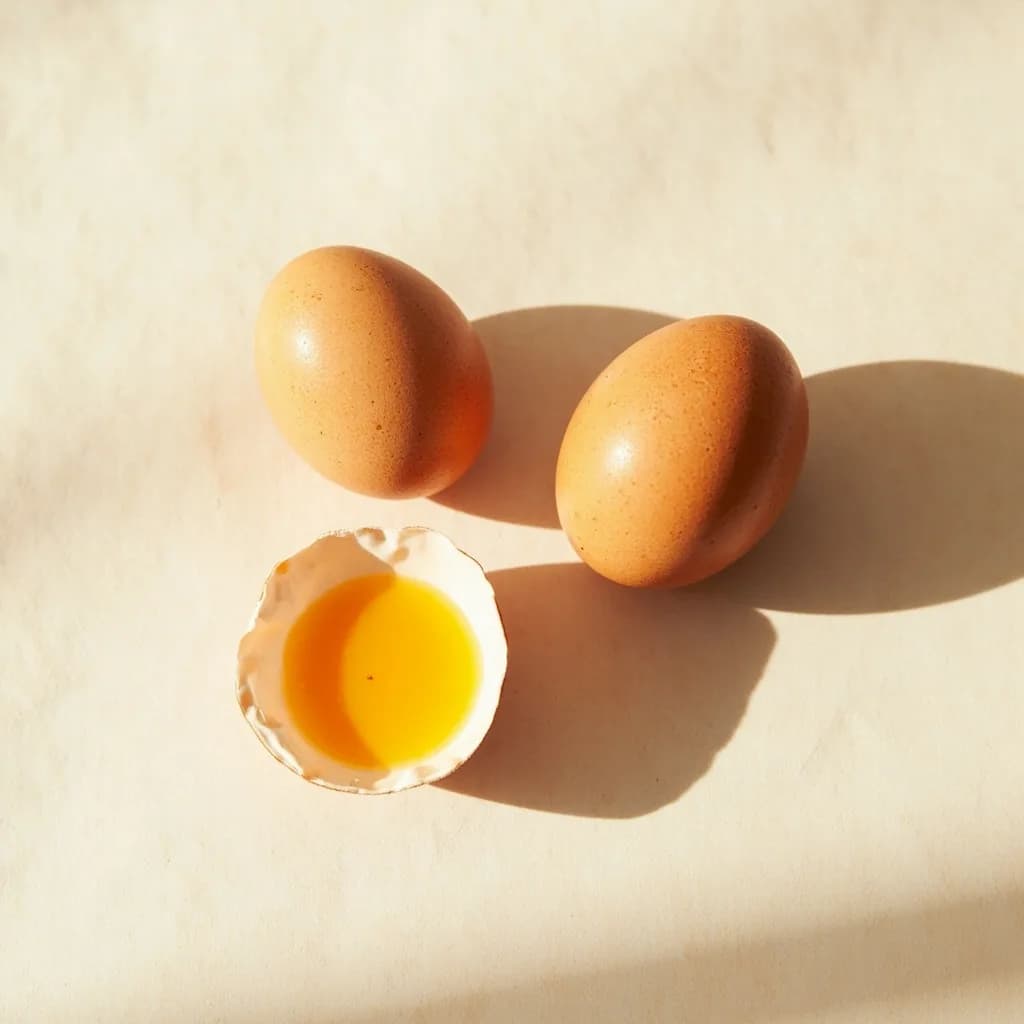
The kitchen's everything ingredient — bind, leaven, enrich, or fry
Chicken Breast
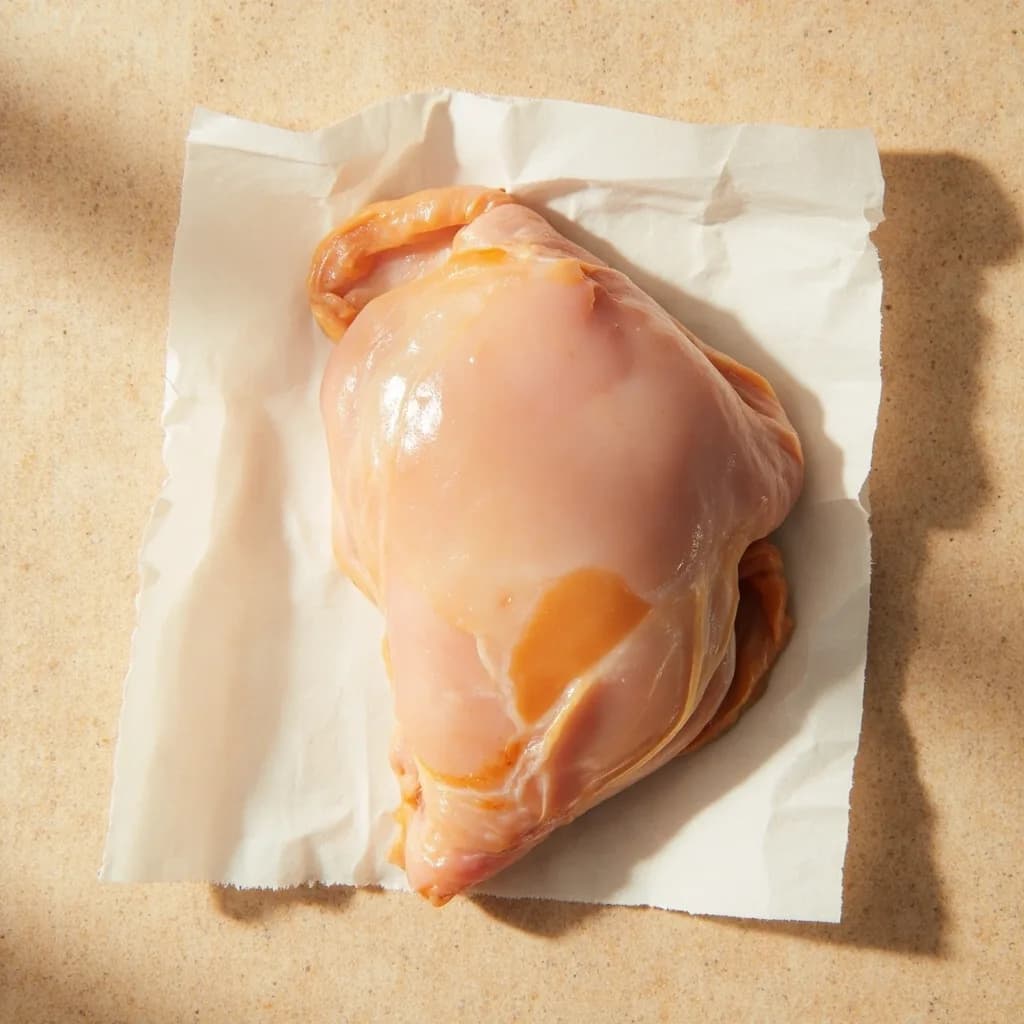
Lean, quick-cooking white meat for everyday dinners

Ground Beef
Versatile minced beef for burgers, ragù, tacos, and meatballs
Pork Loin
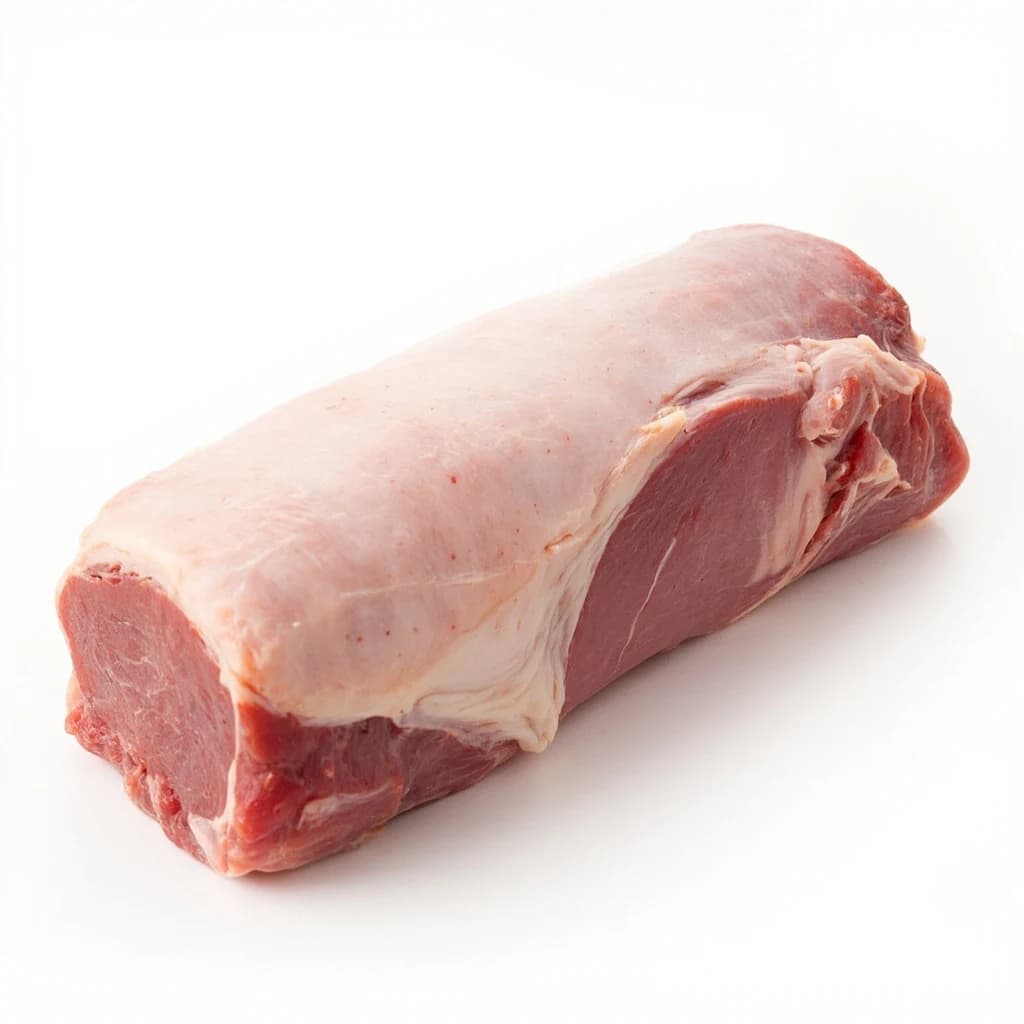
Lean, tender roasting cut that stays juicy with care
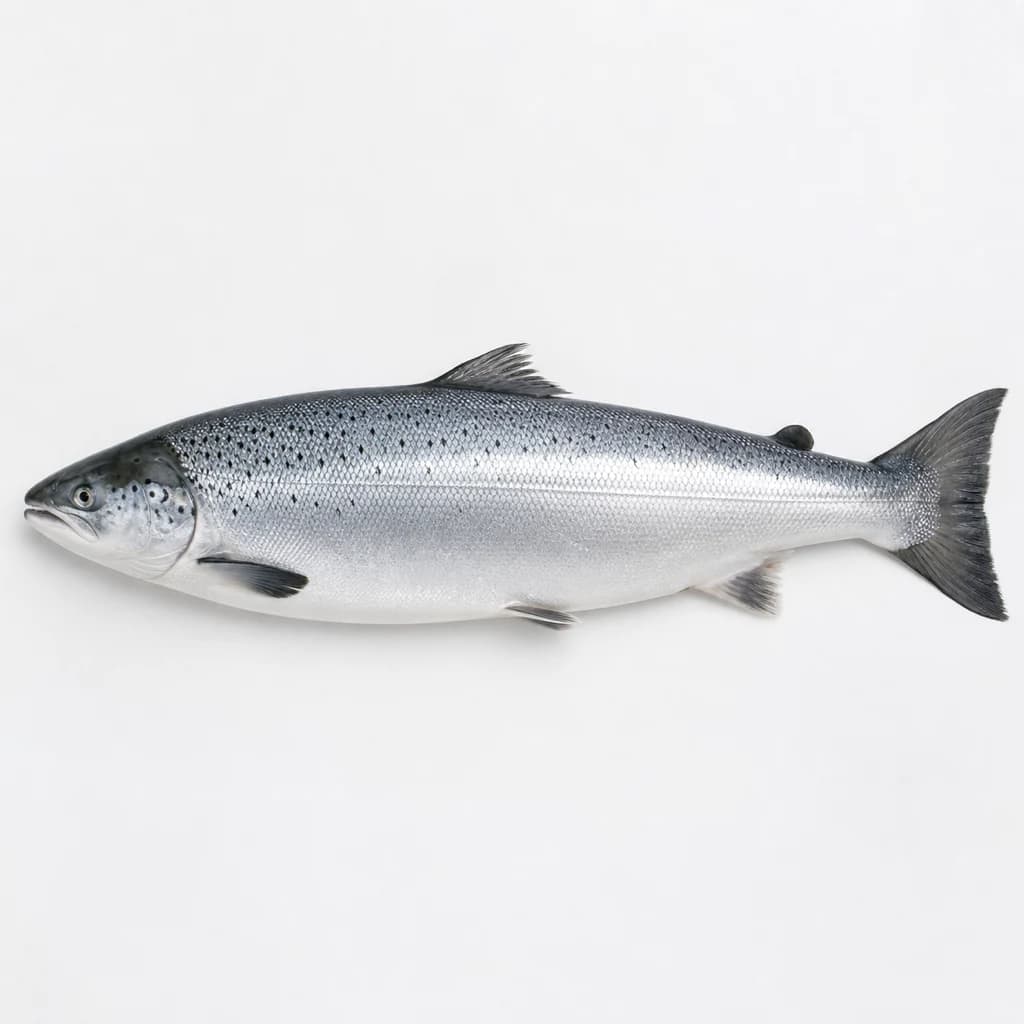
Salmon
Rich, rosy fish that roasts, grills, or cures beautifully

Egg White
Pure protein that whips to airy peaks for meringue and more
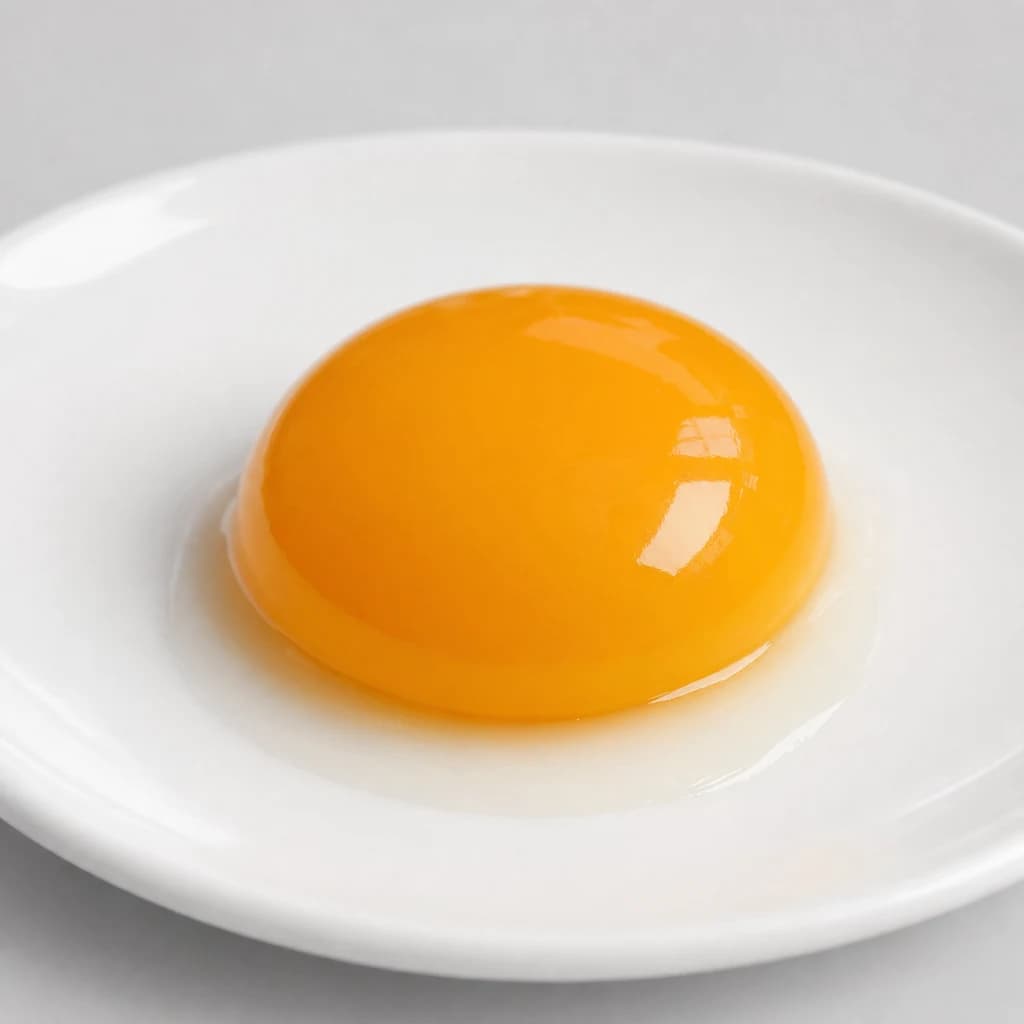
Egg Yolk
Rich, golden yolk for custards, mayonnaise, and pasta

Quail Egg
Tiny, speckled eggs for garnishing and elegant bites