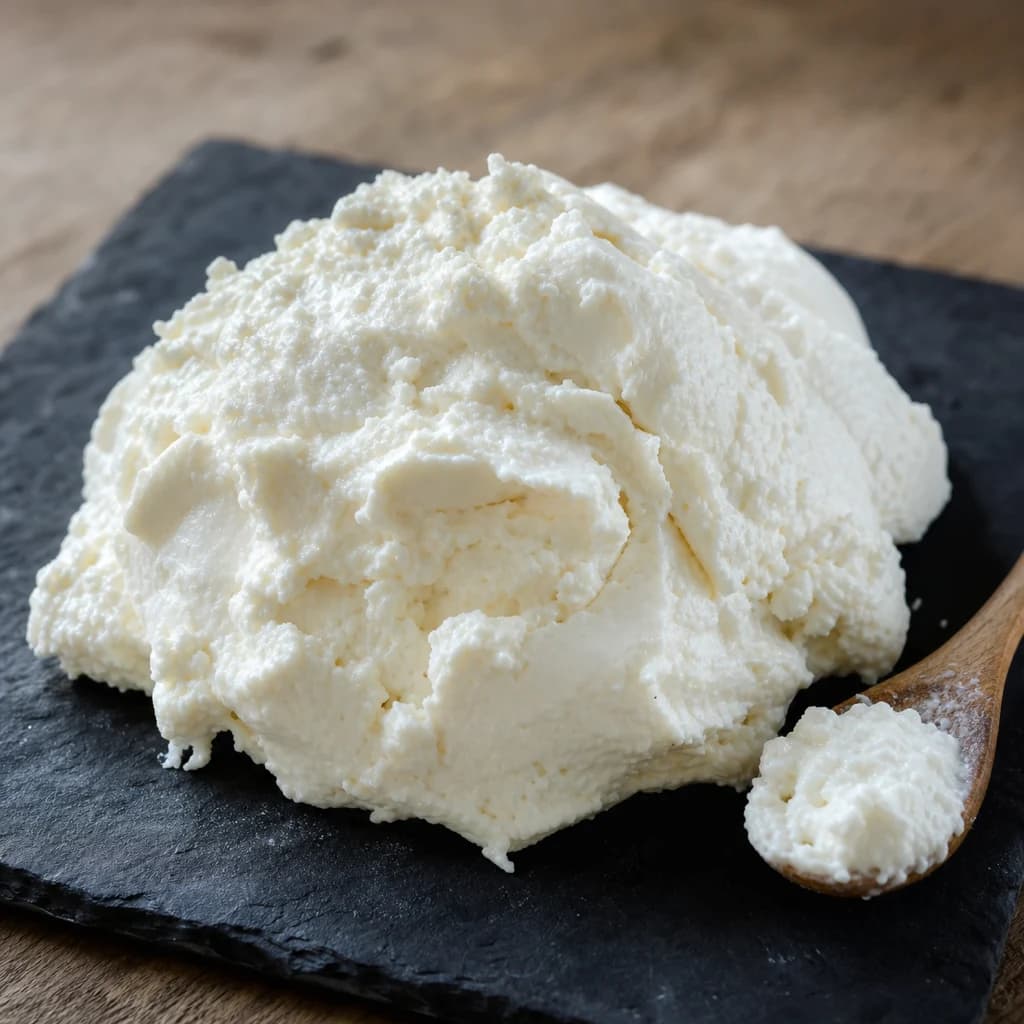
Natural form
Bryndza in its characteristic soft, crumbly-creamy white mass, ready to spread or stir.
Shows the cheese's defining texture and off-white color so readers can recognize it at a glance.
Dairy & Eggs
Bryndza (Sheep Cheese)
Soft, tangy Central European sheep's-milk cheese; the heart of bryndzové halušky.
Bryndza is a soft, spreadable, tangy sheep's-milk cheese from Slovakia and surrounding Central Europe. It has a salty, slightly sour flavor and a crumbly-creamy texture. It is most famous in bryndzové halušky (potato dumplings with cheese and bacon) and is spread on bread or stirred into sauces.
Bryndza is a soft, white, crumbly sheep's-milk cheese produced in the Tatra Mountain region of Slovakia since at least the 18th century, when Carpathian shepherds first began documenting its production. Unlike pressed cheeses, bryndza is made by acidifying milk, cutting the curd, and allowing it to drain in cloth bags without pressing—this gentle process creates its characteristic open, slightly grainy texture and spreadable quality. The cheese must contain at least 50% sheep's milk to carry the name in Slovakia; true PDO bryndza is made exclusively from Slovak sheep's milk, producing a sharper, more complex tang than commercial versions.
The flavor is its defining feature: tangy, distinctly salty, with a pronounced sour note that intensifies as the cheese ages. This sheep-milk tang—sometimes described as barnyardy—is what distinguishes authentic bryndza from any imitation. The color ranges from pure white to ivory, with no rind; it is sold in blocks, glass jars, or loose in brine. Historically, highland shepherds preserved it through harsh mountain winters by submerging it in salt brine, a method still used today. The whey drained during production was traditionally converted into žinčica, a fermented drink still enjoyed in Slovak mountain communities.
Bryndza is not merely an ingredient—it is the soul of Slovak national cuisine. The dish bryndzové halušky (potato dumplings with bacon-fried onions and generous bryndza) is so central to Slovak identity that it appears on restaurant menus from Bratislava to the smallest mountain village. Its role in the kitchen is that of a flavor balancer: the salt and acid cut through rich, fatty, or starchy foods, bringing brightness and depth without dominating. Understanding this balancing function is key to using bryndza well in both traditional and creative cooking.
- Measured in
- g
- Storage
- Fridge
Allergens
Types & varieties
Authentic version; 100% Slovak sheep's milk; crumbly texture, sharp tang; look for PDO label and country of origin
Leading commercial brand; smooth, spreadable consistency; pasteurized for longer shelf life; widely available in European specialty stores
Traditional farmhouse version made by shepherds in Orava and Liptov regions; more complex, pungent flavor; often sold loose or at farmer's markets; the authentic expression of the cheese
Soft, spreadable variety; sold in smaller containers for immediate use; good for spreads and quick preparations
Bryndza mixed with chives; common commercial variety for convenient herb-topped bread service
Buying Bryndza
The single most important buying decision is country of origin. Slovak-made bryndza—particularly products with PDO designation—uses traditional methods and genuine Slovak sheep's milk. American-made products labeled bryndza are often different preparations altogether, closer to flavored cottage cheese or a feta-style product. At specialty European delis or Slovak grocery stores, look for imported brands with Slovak text on the packaging. Check the label for percentage of sheep's milk: authentic versions will specify 100% or near it. Freshness matters less with brined cheeses, but fresh spring and early summer production (from sheep milked after lambing) offers the most vibrant flavor.
- Seek Slovak imports with PDO certification for traditional dishes
- Check % sheep's milk on the label; avoid products with high cow's-milk content
- American 'bryndza' products are not authentic substitutes for Slovak cooking
Common uses
Tips & pitfalls
- Buy Slovak imports for authenticity—the PDO designation ensures traditional production and genuine sheep's milk; check the label for country of origin and percentage of sheep's milk
- Taste before substituting—authentic bryndza has a sharper, more complex tang than most Western feta; if a recipe specifies bryndza specifically, the substitution will noticeably change the dish
- Keep it submerged in brine—once opened, cover completely with a strong salt brine (10% salt solution) or its original liquid; dry exposure causes it to dry out and mold within days
- Don't cook it—heat destroys its delicate tang and causes it to clump; in cooked dishes like soups, add it only after removing from heat
- Its saltiness and tang cut beautifully through rich, fatty, or starchy foods; bryndza is fundamentally a flavor balancer, not a dominant cheese
- Freshest and most flavorful in spring and early summer, when sheep are milked after lambing; farmhouse versions reflect this seasonality
- Common mistake: confusing it with feta—feta is a brined curd cheese; bryndza is a naturally whey-drained soft cheese with a different texture and sharper flavor; they are not interchangeable in traditional Slovak cooking
Nutrition
Nutrition
No USDA FoodData Central match for Bryndza (Sheep Cheese) yet. We surface a per-100 g profile once a generic whole-food entry is matched and verified.
In the shops
Matched grocery products
No matched grocery products for Bryndza (Sheep Cheese) yet.
Good to know
- Origin
- Tatra Mountains, Slovakia; documented since the 18th century among Carpathian shepherds
- Primary Milk
- Unpasteurized or pasteurized sheep's milk; authentic PDO version requires 100% Slovak sheep's milk
- PDO Status
- Protected Designation of Origin under EU law; only Slovak-produced cheese may legally be called bryndza
- Texture
- Soft, white, crumbly, spreadable; slightly grainy when fresh, becomes drier with age
- Flavor
- Tangy, salty, slightly sour; pronounced sheep-milk tang intensifies as it ages
- Fat Content
- Typically 40–50% fat in dry matter for traditional full-fat versions
- Shelf Life (Opened)
- Submerged in brine, use within 2 weeks; dry exposure causes rapid drying and molding
- Form Sold
- Foil-wrapped blocks, plastic containers, glass jars, or loose in brine
Substitutes
- Feta (sheep's milk) — Closest Western substitute; brined, crumbly; use quality Greek or Bulgarian sheep's milk feta; reduce added salt in the dish since feta is often saltier than bryndza
- Ricotta Salata — Less tangy but similar crumbly texture; not authentic but acceptable in a pinch for dumplings or salads; season to taste
- Roquefort or Bleu d'Auvergne — Too strong, pungent, and aggressively flavored; not appropriate for traditional Slovak dishes; use only for French-influenced adaptations
- Paneer — Mild, neutral, crumbly texture; poor flavor substitute but maintains structure for dumplings; season generously with salt and a squeeze of lemon
- Fresh Goat Cheese (Chèvre) — Too mild, creamy, and spreadable; not a true substitute for flavor or texture but works as a base for spreads in non-traditional preparations
Pairs with
Appears in these dishes
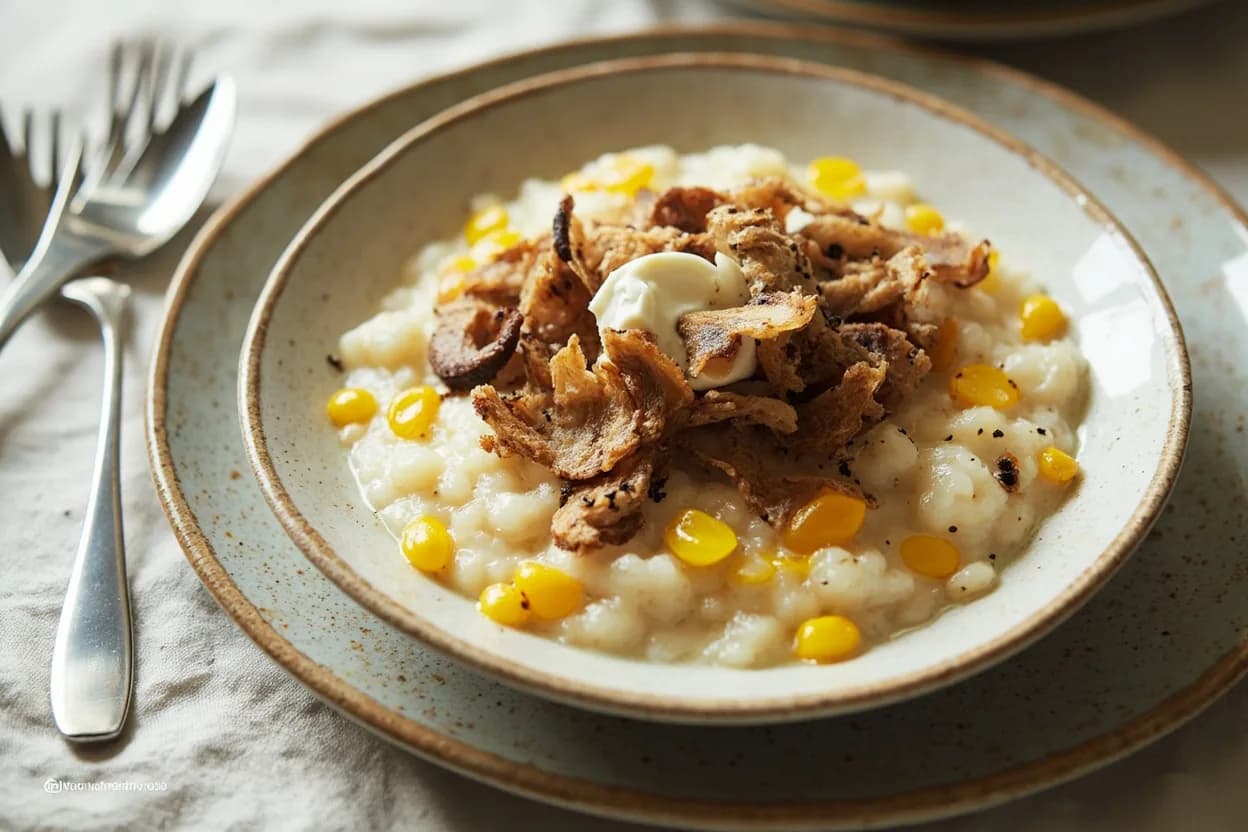
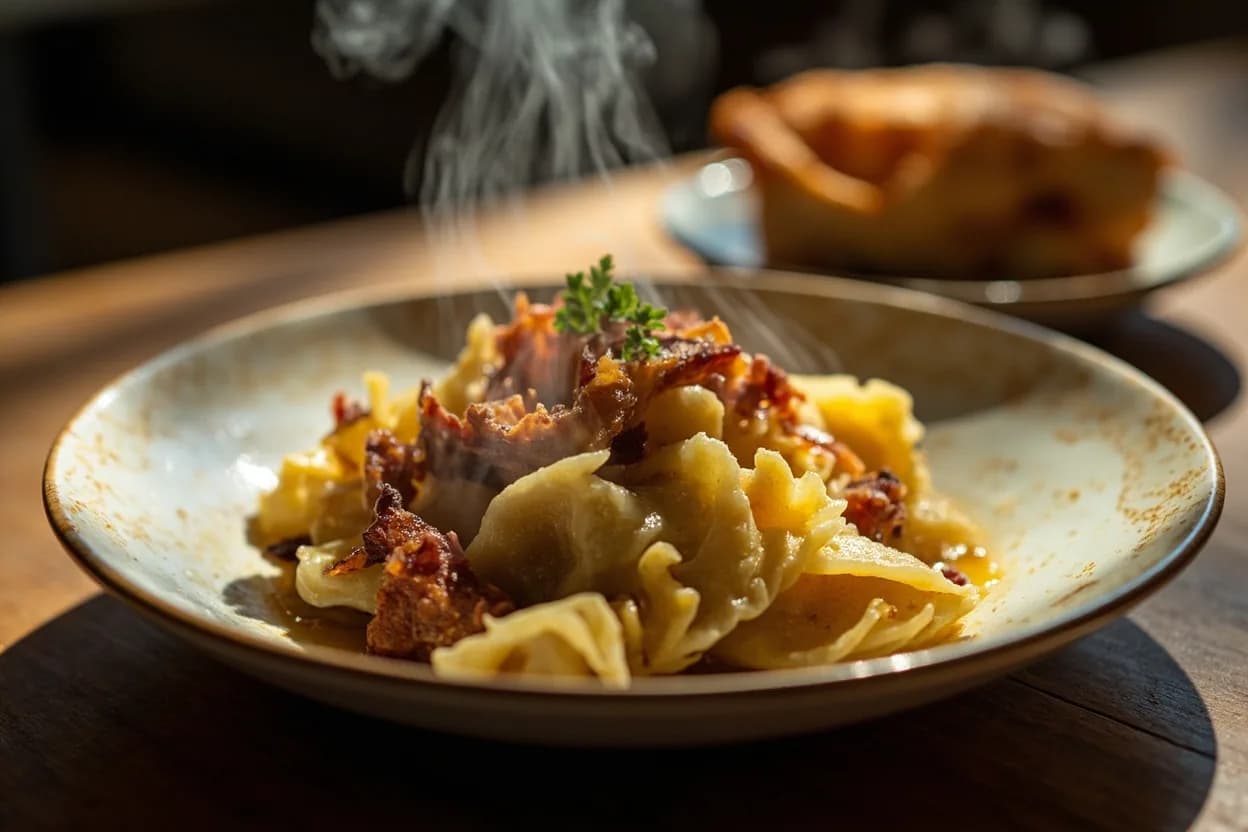
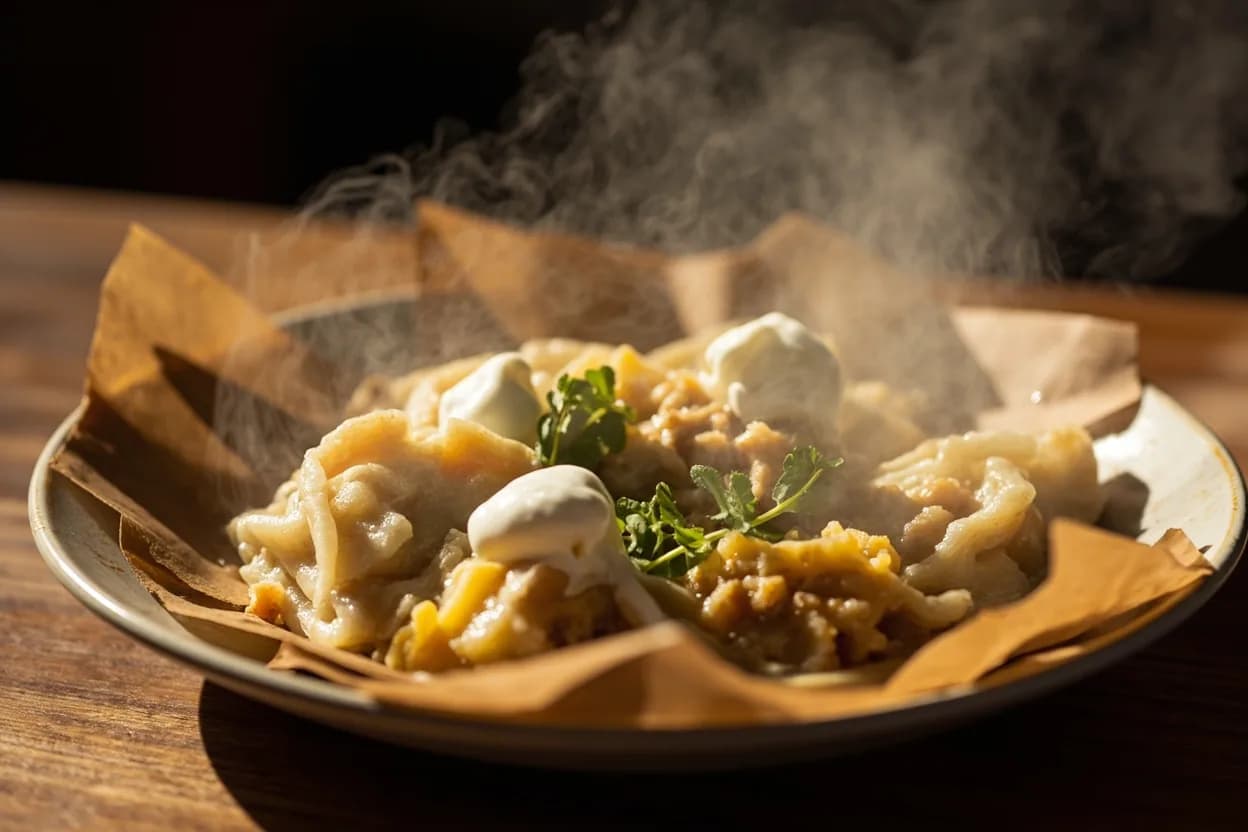
Related

Whole Milk
Rich, full-fat milk for drinking, coffee, sauces, and baking
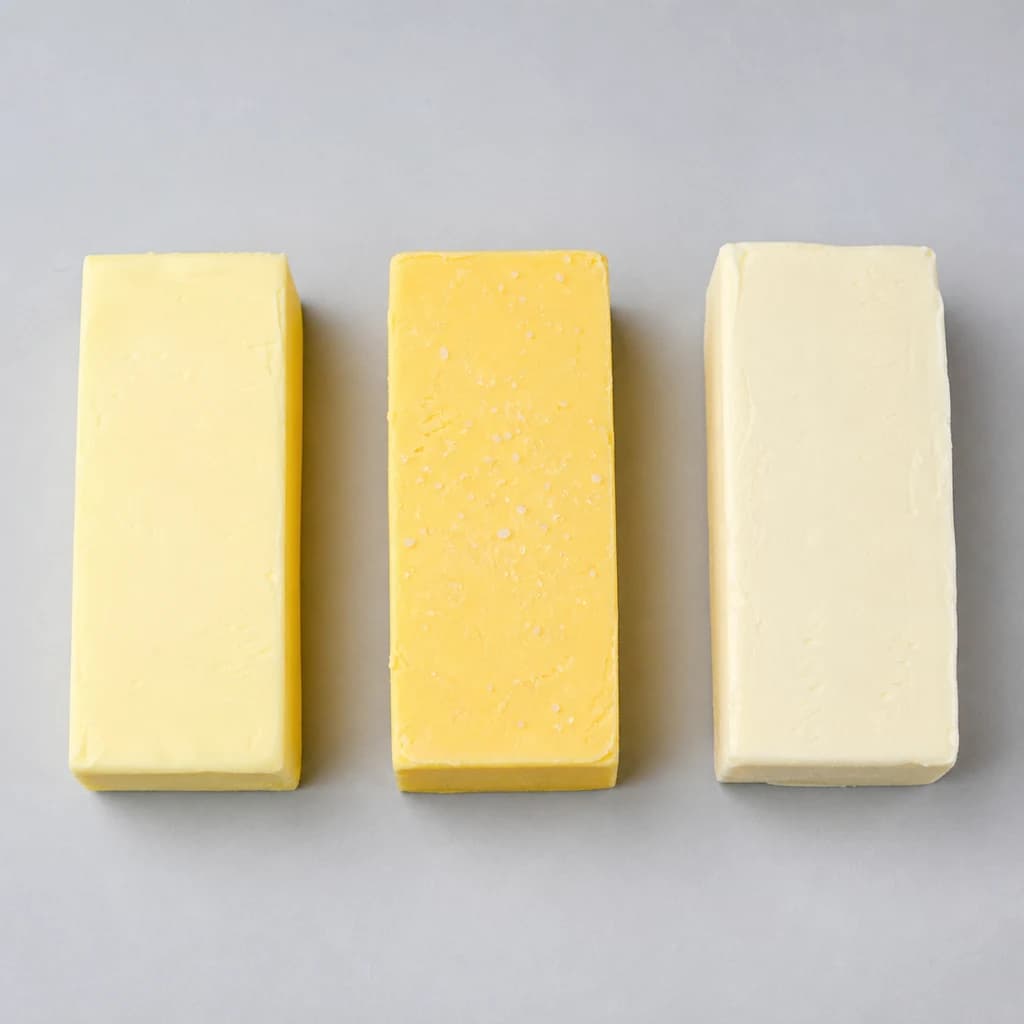
Butter
Golden fat for searing, baking, and finishing a sauce
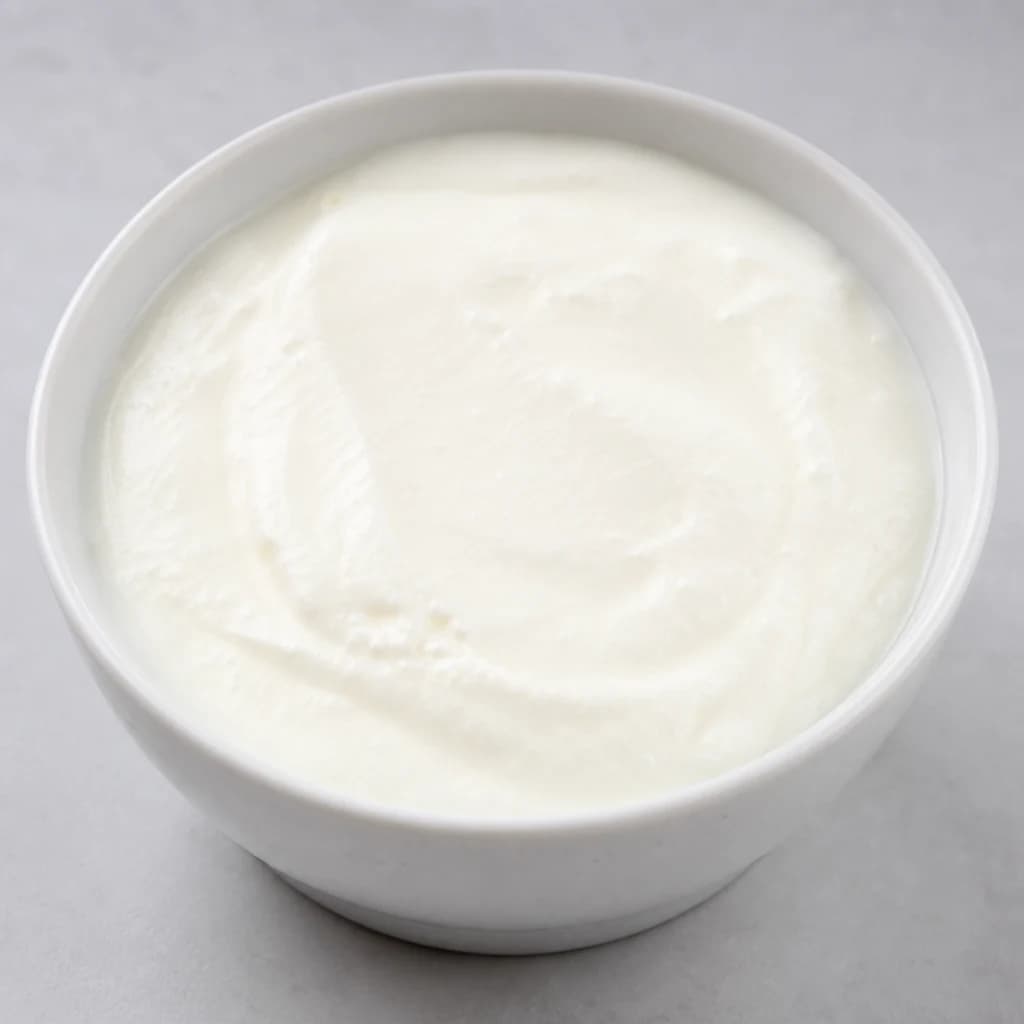
Yogurt
Tangy, creamy culture for breakfast, sauces, and marinades
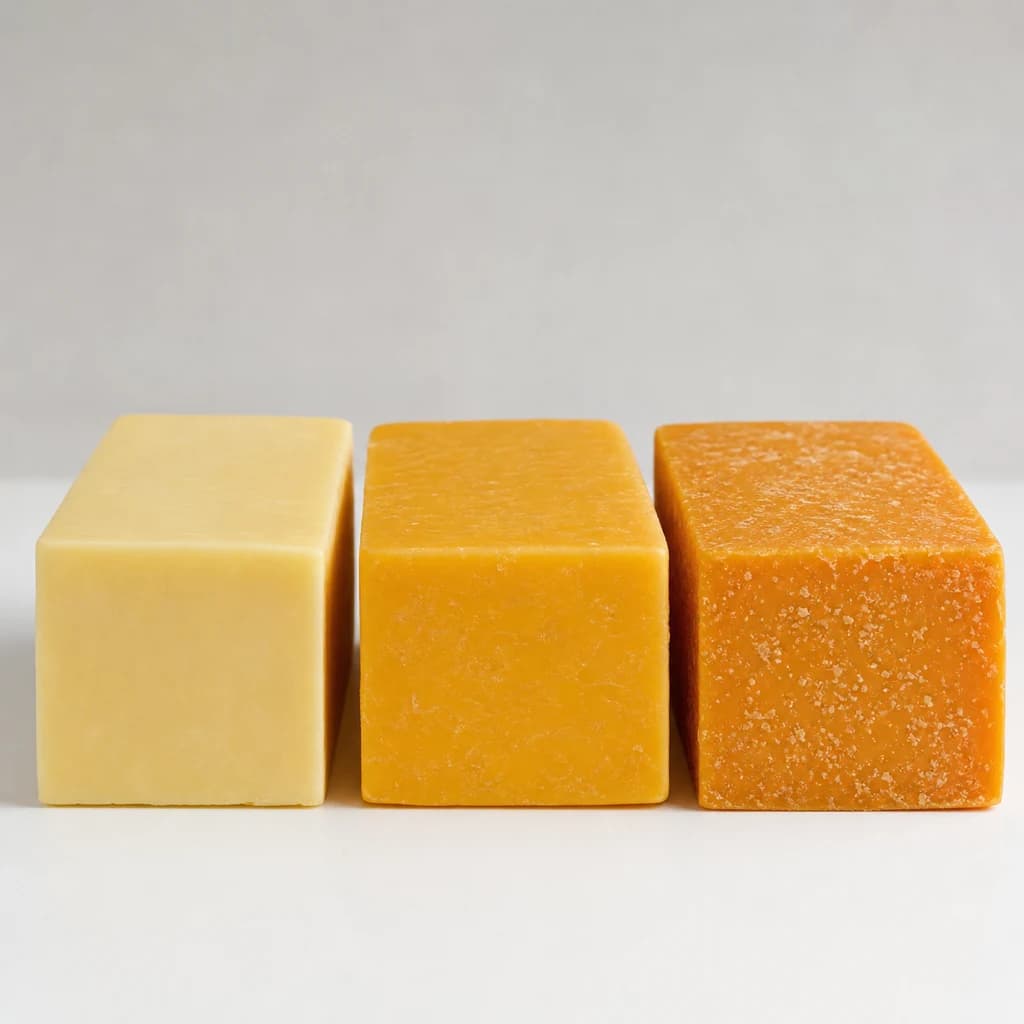
Cheddar Cheese
Sharp, melty cheese for sandwiches, gratins, and grating
Skim Milk
Fat-free milk for lighter drinking, coffee, and cooking
Heavy Cream
Rich cream that whips, enriches sauces, and sets ganache

Sour Cream
Tangy, thick cream for dolloping, baking, and dips
Mozzarella
Soft, milky cheese that melts into stretchy pizza pulls