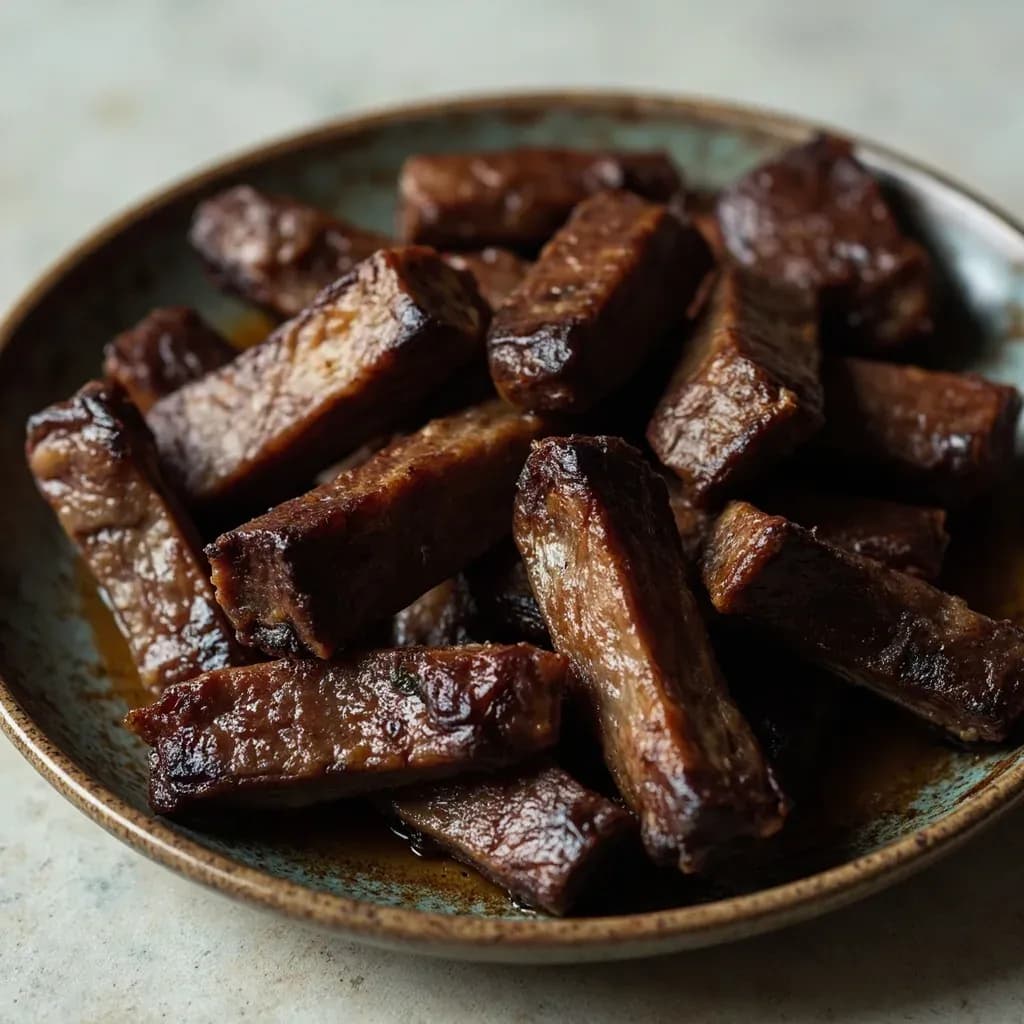
Proteins
Bushmeat (Game Meat)
Wild-caught game meat, often smoked, used in West and Central African stews and soups.
Bushmeat refers to the meat of wild terrestrial animals hunted for food, common across West and Central Africa where it is frequently smoked or dried for preservation. It is added to richly spiced stews, pepper soups, and braises, contributing a deep, gamey, smoky flavor. The category spans many species and is valued for its robust taste that stands up to long simmering.
Bushmeat refers to wild game from a range of African animals—primarily cane rat, giant rat, duiker, bushbuck, and wild boar—sold smoked, sun-dried, or fresh throughout West and Central African markets. Wood-smoking over hardwood fires, often with palm wine or palm kernel shells, provides preservation and imparts the deep, intensely smoky flavor that defines traditional preparations. The smoking process concentrates the meat's natural savories and creates a flavor base unlike anything else: part campfire, part umami bomb, with that unmistakable gamey backbone.
In many rural communities across Ghana, Nigeria, Cameroon, and the Democratic Republic of Congo, bushmeat is not a delicacy for special occasions—it is the primary protein, valued for its availability, nutrition, and the depth it brings to soups and stews. The smoked whole carcasses sold in markets, complete with head, feet, and offal, are traditional market forms; the intensity varies by animal size and smoking duration. Fresh bushmeat, increasingly available from game farms, behaves more like venison and responds to quick, high-heat cooking. Smoked bushmeat, by contrast, needs time in liquid to rehydrate and release its flavor—think of it as a heavily seasoned ingredient rather than a straightforward protein.
The flavor profile rewards patience. Smoked bushmeat functions less as a centerpiece protein and more as an aromatic foundation: you add it early, let it perfume the broth, then remove the bones and large pieces before serving, or pick the meat and return it to the pot. When properly treated and cooked, it transforms simple soups like bangba, ogbono, and maafe into something with remarkable complexity that smoked fish or stockfish can only approximate.
- Measured in
- g
- Storage
- Freezer
Types & varieties
Most prized and widely traded; lean, sweet gamey flavor; thigh meat considered premium
Common in Nigerian and Ghanaian markets; stronger flavor than cane rat; dark meat
Small antelope; lean meat, mild gamey flavor; sold fresh or smoked
Fattier than other bushmeat; bolder, porkier game flavor; increasingly available
Medium antelope; lean meat with delicate game flavor; typically fresh, less commonly smoked
Traditional market form; head, feet, and offal often included; intensity varies by size
Sourcing and Sustainability
Wild bushmeat presents real sustainability concerns—overhunting has depleted populations of certain species across their ranges. In international markets and increasingly in West Africa itself, farm-raised cane rat (grasscutter) offers a more consistent product with reliable availability. Farmed bushmeat tends toward milder flavor and more predictable texture, making it a practical choice when traditional smoked wild game is unavailable. Look for suppliers who can verify sustainable sourcing if seeking wild-caught product. Some species, like wild boar, are more sustainably managed due to their abundance in certain regions.
- Farm-raised cane rat provides consistent quality and milder game flavor
- Wild boar from managed populations offers a sustainable fatty alternative
- Seek verified sustainable sourcing for wild-caught products
- Fresh bushmeat from game farms cooks like venison; smoke your own if desired
Common uses
Tips & pitfalls
- Rinse smoked bushmeat thoroughly under warm water before use to remove ash and excess smoke residue
- Soak in warm water for 15–30 minutes to soften and reduce saltiness before cooking
- Add smoked bushmeat early in cooking to extract maximum flavor into broths and soups
- For fresh bushmeat, sear quickly to develop fond, then add to braising liquid for a short finish—fresh meat cooks faster than smoked
- Store smoked bushmeat wrapped in paper, not plastic, to prevent mold and preserve texture
- If meat is very hard and dry, add to simmering liquid and cook covered for 45–60 minutes before proceeding with recipe
- Remove any remaining hair or singed skin before cooking—use a sharp knife or pair of tongs
Nutrition
Energy
678 kJ · per 100 g
Where the calories come from
Protein
20.8g
42% DV
Carbs
0g
0% DV
Fat
8.1g
10% DV
Fiber
0g
0% DV
Sodium
82mg
4% DV
Source · USDA FoodData Central · Game meat, muskrat, raw
View on FDC →In the shops
Matched grocery products
No matched grocery products for Bushmeat (Game Meat) yet.
Good to know
- Common animals
- Cane rat (grasscutter), giant rat, duiker, bushbuck, wild boar, antelope species
- Primary preparation
- Wood-smoking for preservation and flavor; also sun-dried
- Flavor profile
- Intense, smoky, slightly gamey; concentrated savory flavor from smoking process
- Typical form
- Whole carcasses, smoked and split; also sold as pieces
- Origin
- West and Central African cuisines, particularly Ghana, Nigeria, Cameroon, Democratic Republic of Congo
- Storage
- Smoked bushmeat keeps several weeks unrefrigerated; refrigerate or freeze for longer storage
- Traditional role
- Primary protein source in many rural communities; considered a delicacy
- Cooking application
- Added to soups and stews for flavor base; meat often shredded and incorporated
Substitutes
- Smoked fish (stockfish or dried cod) — Closest approximation for smoky, umami depth in West African soups; use in equal weight
- Smoked beef or smoked lamb — Provides smoke flavor and similar texture in stews; less gamey intensity
- Beef shin or oxtail — For non-smoked preparations; adds collagen and body but lacks smoke; add liquid smoke if desired
- Duck or goose confit — Offers intensity and fat content in French-influenced preparations
Pairs with
Also called
Smoked Game Meat · Viande de Brousse · Game Meat
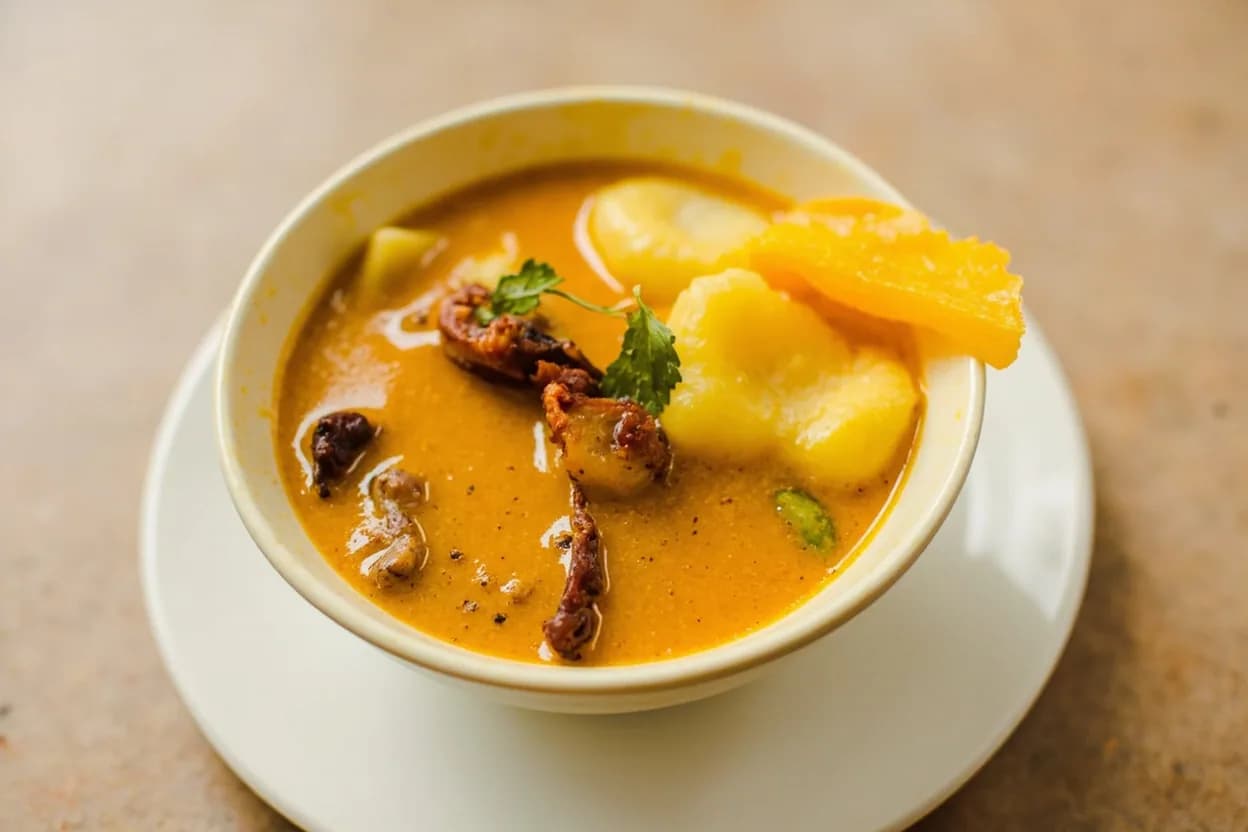
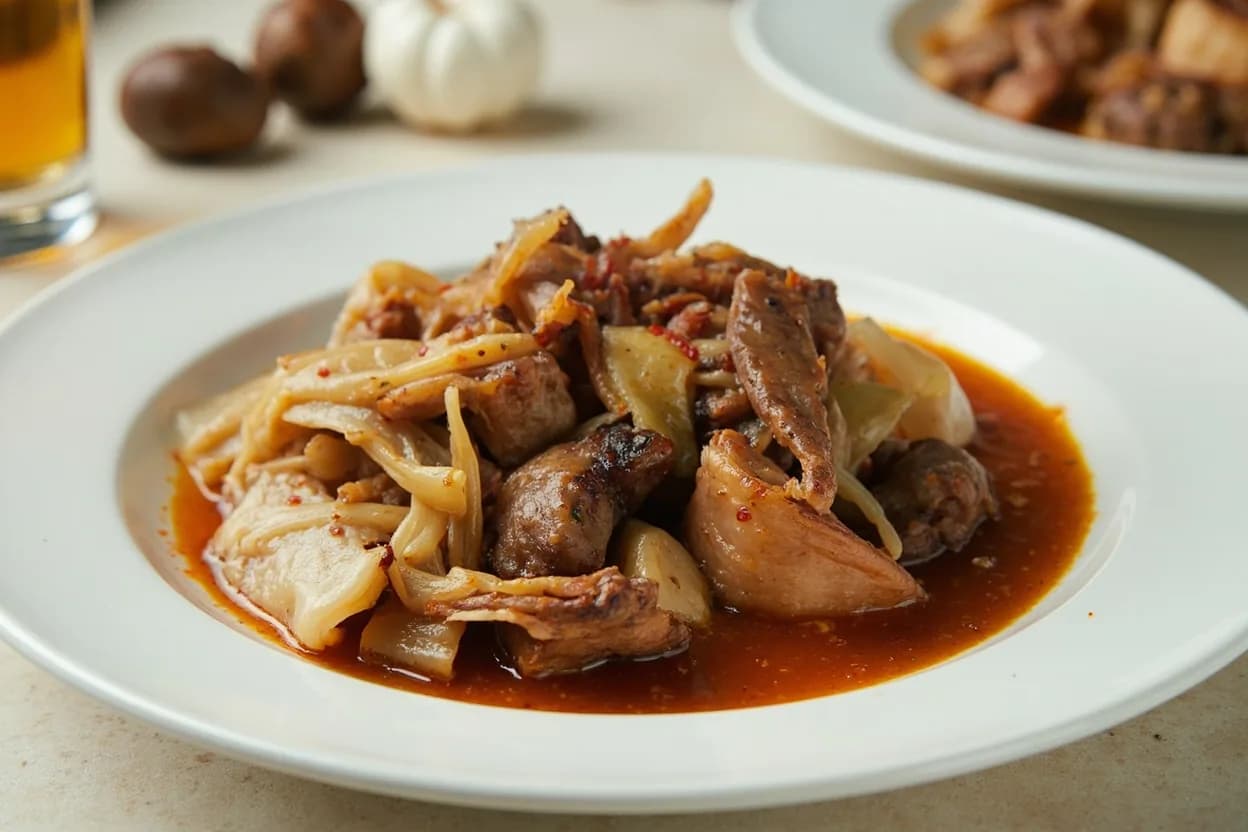
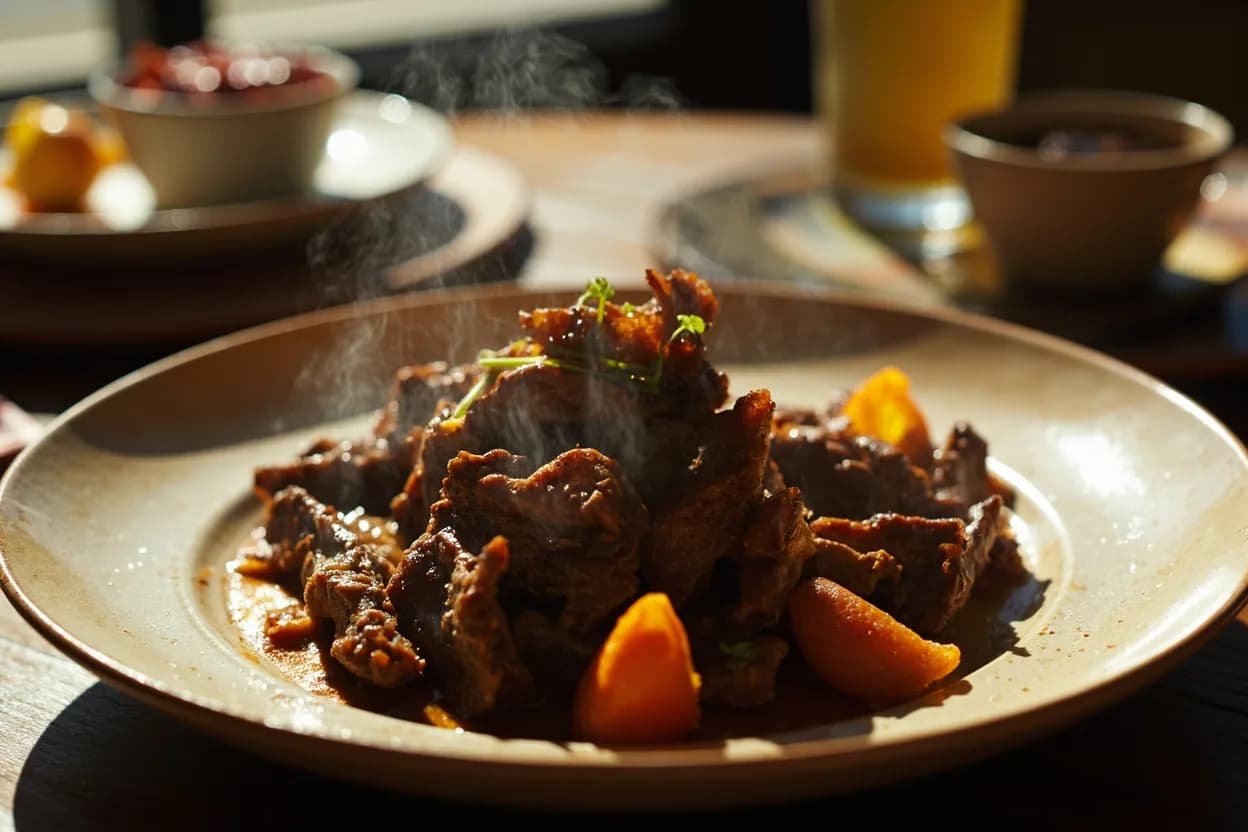
Appears in these dishes
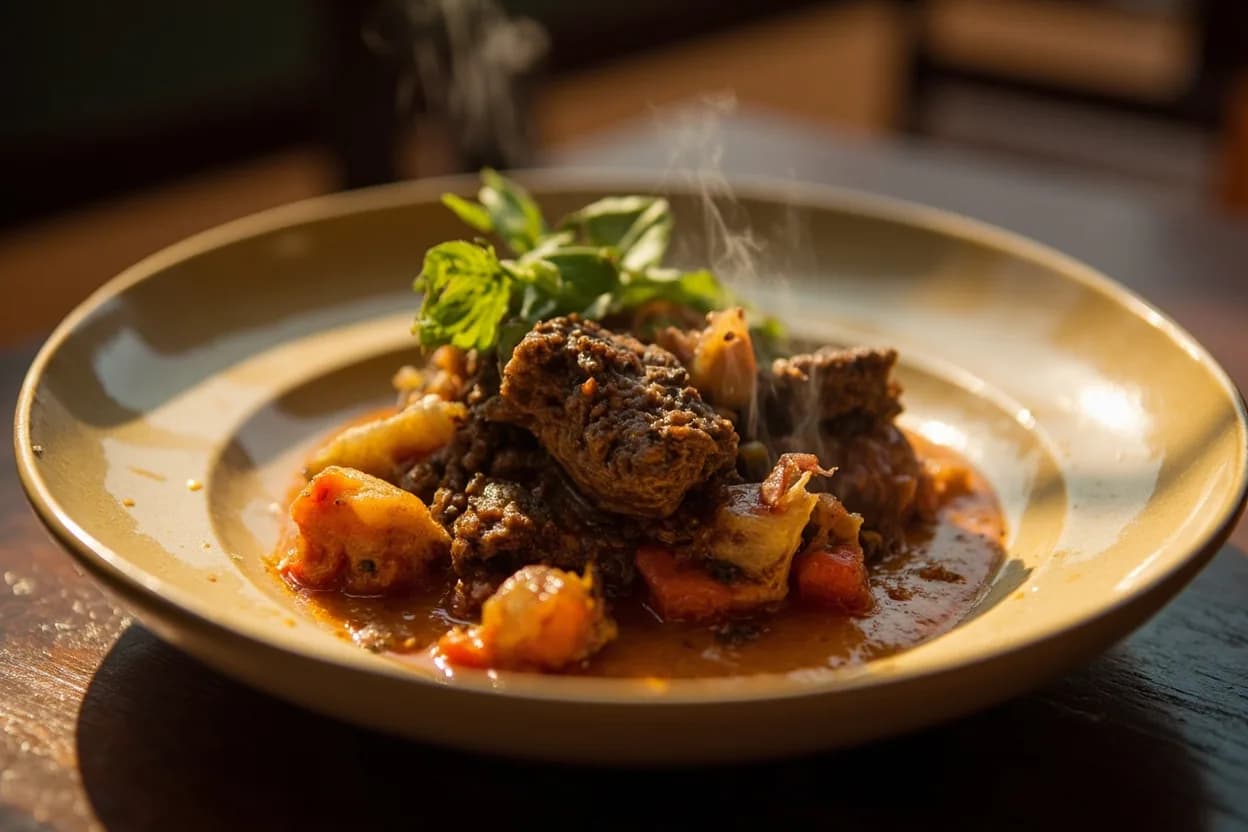
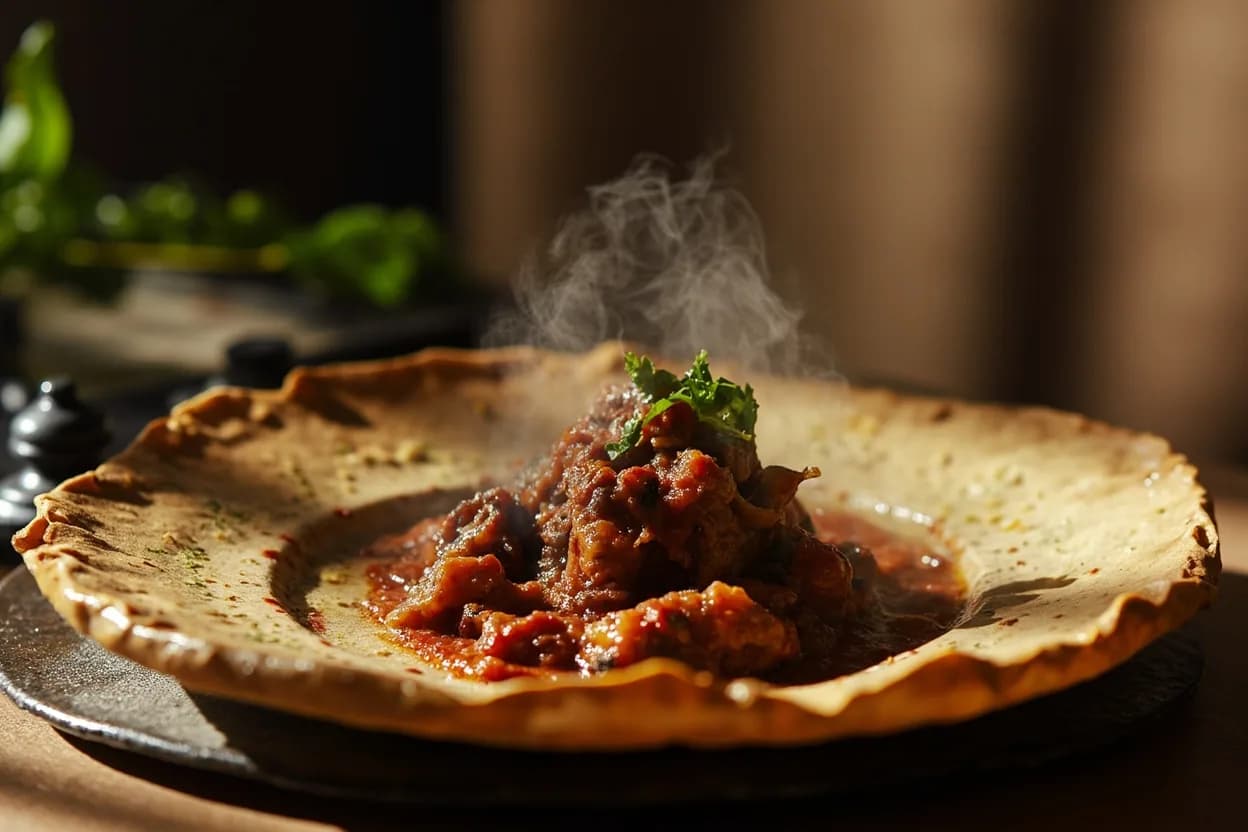
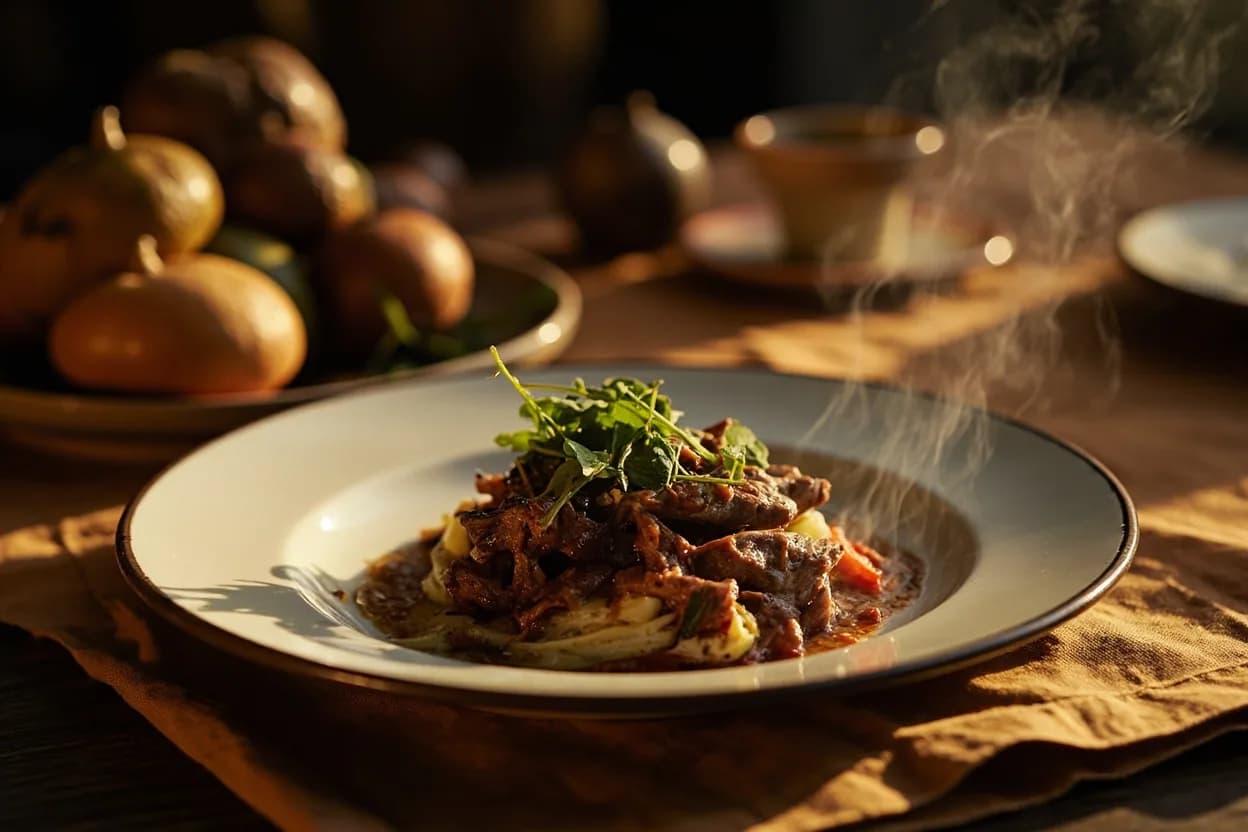
Related

Egg
The kitchen's everything ingredient — bind, leaven, enrich, or fry
Chicken Breast
Lean, quick-cooking white meat for everyday dinners

Ground Beef
Versatile minced beef for burgers, ragù, tacos, and meatballs
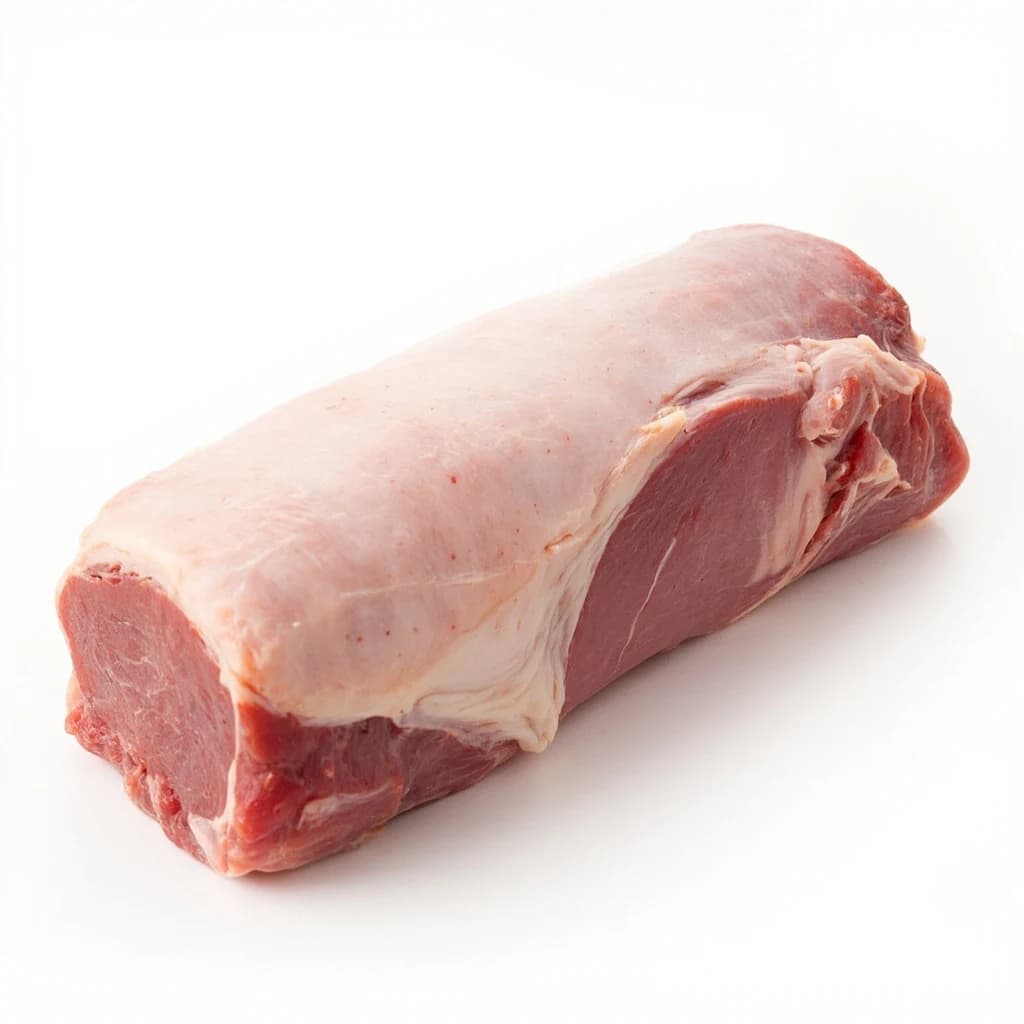
Pork Loin
Lean, tender roasting cut that stays juicy with care
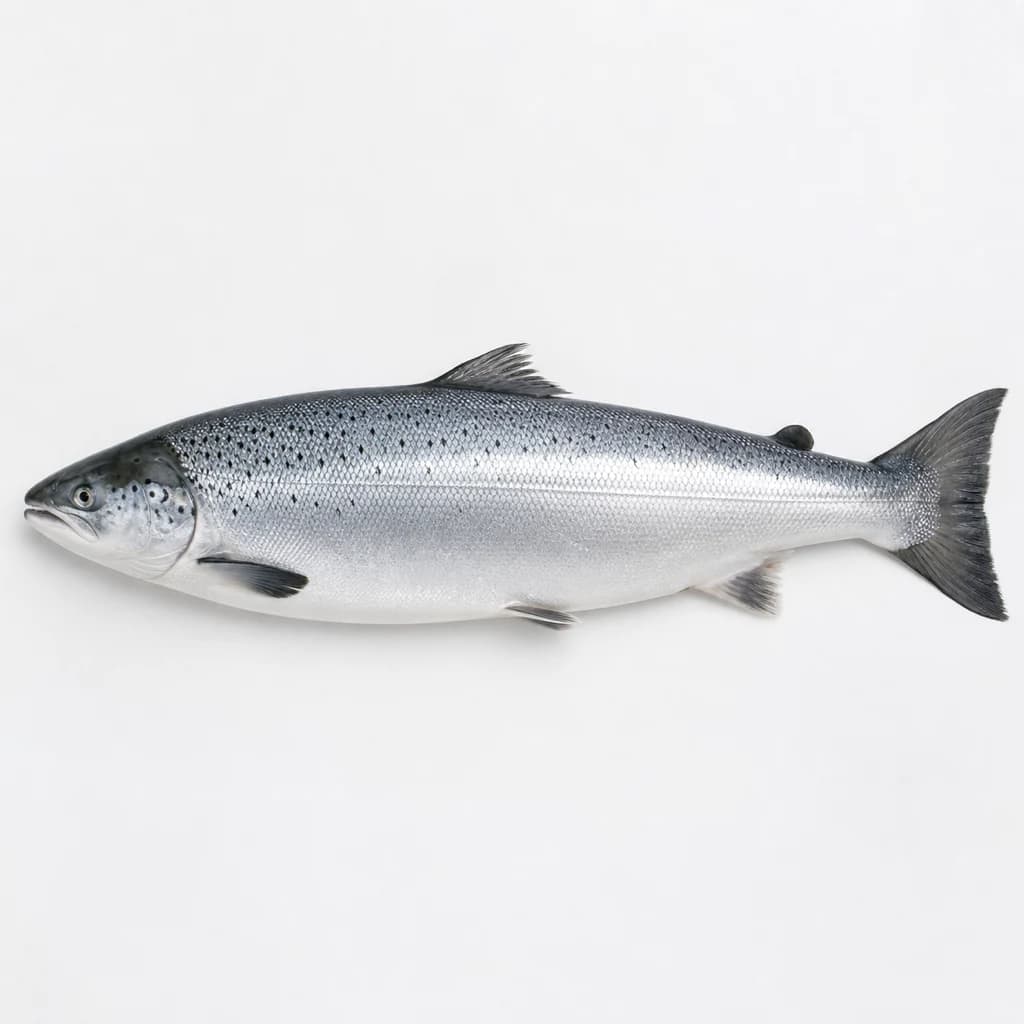
Salmon
Rich, rosy fish that roasts, grills, or cures beautifully

Egg White
Pure protein that whips to airy peaks for meringue and more

Egg Yolk
Rich, golden yolk for custards, mayonnaise, and pasta

Quail Egg
Tiny, speckled eggs for garnishing and elegant bites